Our verdict
Located in Chuo Ward, Sapporo, 鮨処高馬 sits within a city increasingly recognised for serious counter dining that rivals Japan's major culinary centres. The restaurant operates in a dining tradition where Hokkaido's ingredient depth, crab, sea urchin, cold-water fish, gives sushi counters a distinct regional character. Visitors to Sapporo's tighter omakase tier should plan reservations well ahead.

Pearl is the En Primeur Club membership app, where members save venues, book tables and use the concierge.
The menu
What to order
- Imo Youkan
Sapporo's Counter Dining and Where 鮨処高馬 Fits
Hokkaido has long supplied the rest of Japan with its most prized seafood: Shakotan uni, Nemuro crab, and cold-water fish whose fat content and texture differ meaningfully from their southern counterparts. For most of that history, those ingredients travelled south to Tokyo or Osaka counters, where they were prepared and priced accordingly. The past decade has reversed some of that flow. Sapporo now holds a cluster of serious omakase counters whose proximity to the source material is an active competitive advantage, not merely a talking point. Arima (Sushi) and Hidetaka sit in that bracket, and 鮨処高馬, located in Chuo Ward's Minami 3 Jonishi at 4 Chome-21-6, occupies the same geography, both physically and in terms of the dining tier it targets.
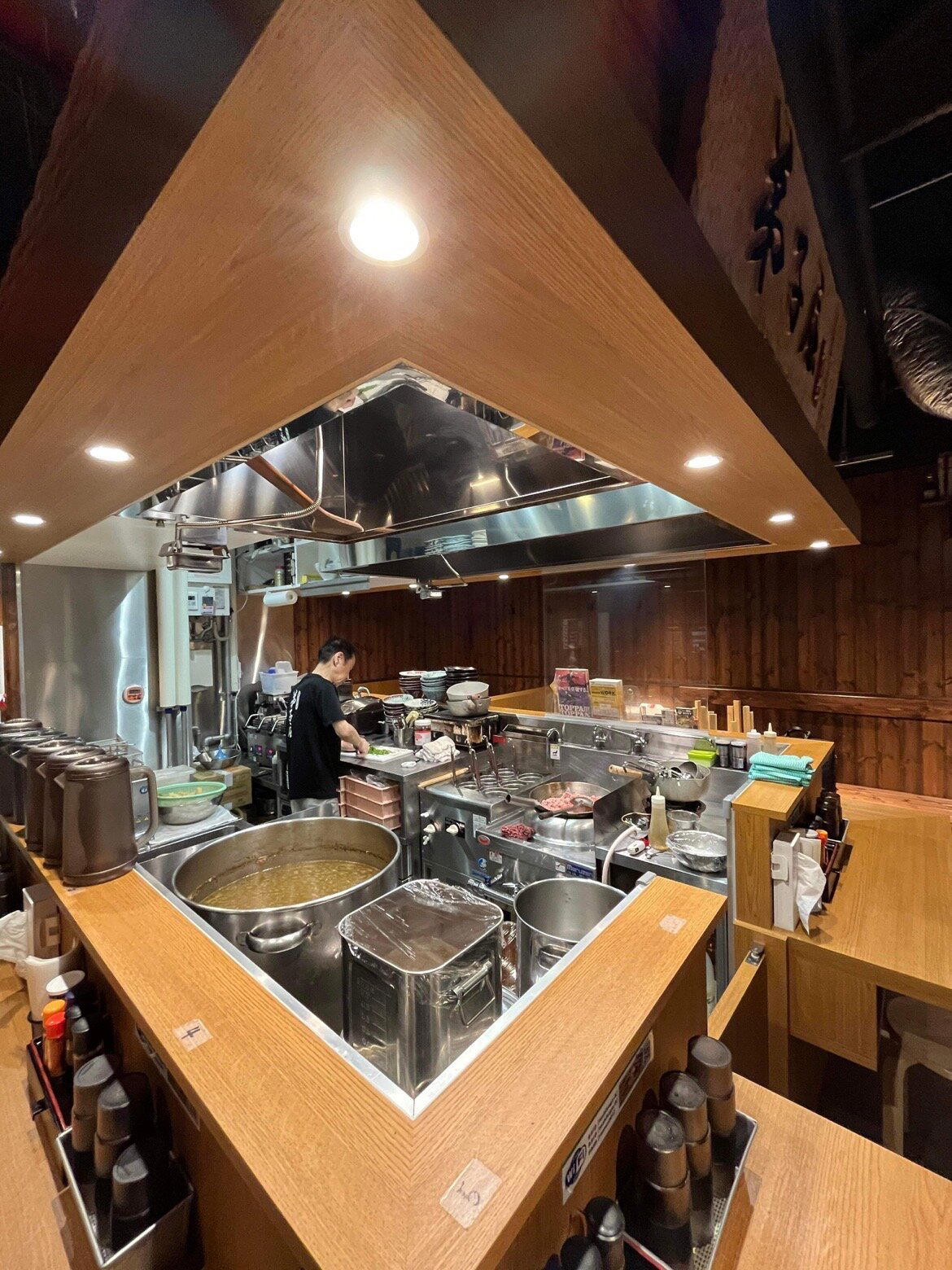
Chuo Ward is the gravitational centre of Sapporo's restaurant scene. The neighbourhood holds the density of counter seats, izakayas, and specialist dining rooms that a city of this size and culinary seriousness requires. Walking the ward at dusk, the shift from daytime commerce to evening dining is audible before it is visible: the low percussion of prep work behind shuttered facades, the hiss of ventilation above basement stairwells, the particular quiet of a dining room that has not yet opened its door. That compressed, subterranean quality, which characterises some of Sapporo's better counters, sets the tone before a single course arrives.
Hokkaido's Seasonal Ingredient Calendar
The case for timing a visit to Sapporo around the seasons is stronger than in most Japanese cities. Hokkaido's ingredient calendar turns sharply. Winter brings the Zuwai and Kegani crab runs that drive some of the city's most specialist dining rooms, including dedicated crab formats and counters that restructure their sourcing entirely around the catch. Spring shifts toward bafun uni from the Oshoro and Shakotan coastlines, whose iodine intensity and fat differ from the summer crop. Summer produces the long-daylight kelp forests that feed the prefecture's urchin population and give Hokkaido uni its particular character. Autumn closes the loop with Pacific saury and the first cold-water salmon. A counter in Chuo Ward with access to Hokkaido's wholesale network operates against that calendar, not against a static menu, and that seasonality is the primary argument for choosing the right month.
Sapporo's omakase tier, including addresses like Hanakoji Sawada (Kaiseki) and Higebozu, largely prices and books in line with Japan's regional counter norms rather than Tokyo's premium bracket. That gap has narrowed in recent years as international and domestic visitors discovered Hokkaido dining as a destination in its own right, but Sapporo generally still offers comparable ingredient quality at a different price point than the capital's equivalent tier. The practical implication is that omakase counters here absorb demand faster than capacity allows during the peak crab and uni seasons, and advance booking becomes non-negotiable.
The Sushi Counter as Atmosphere
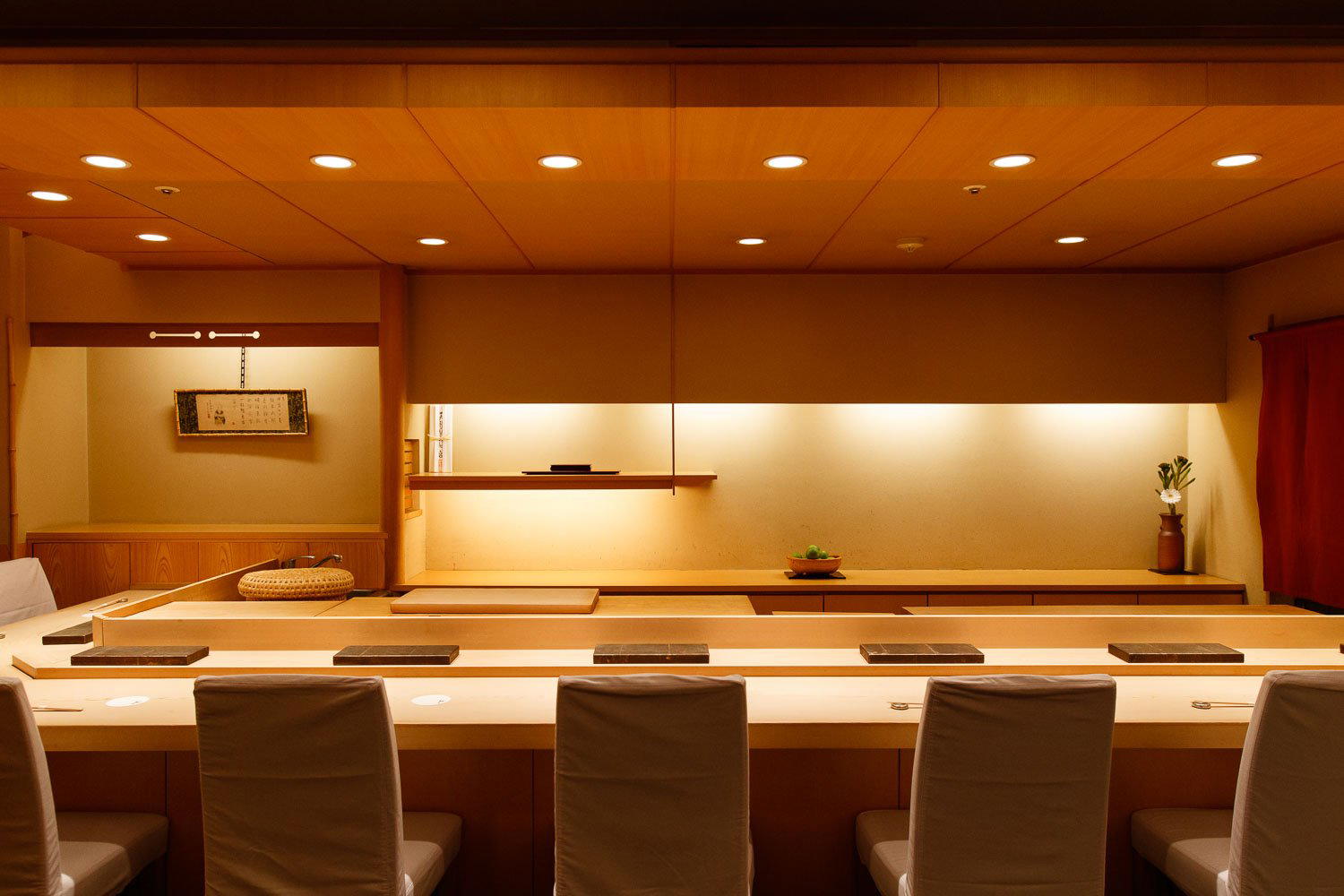
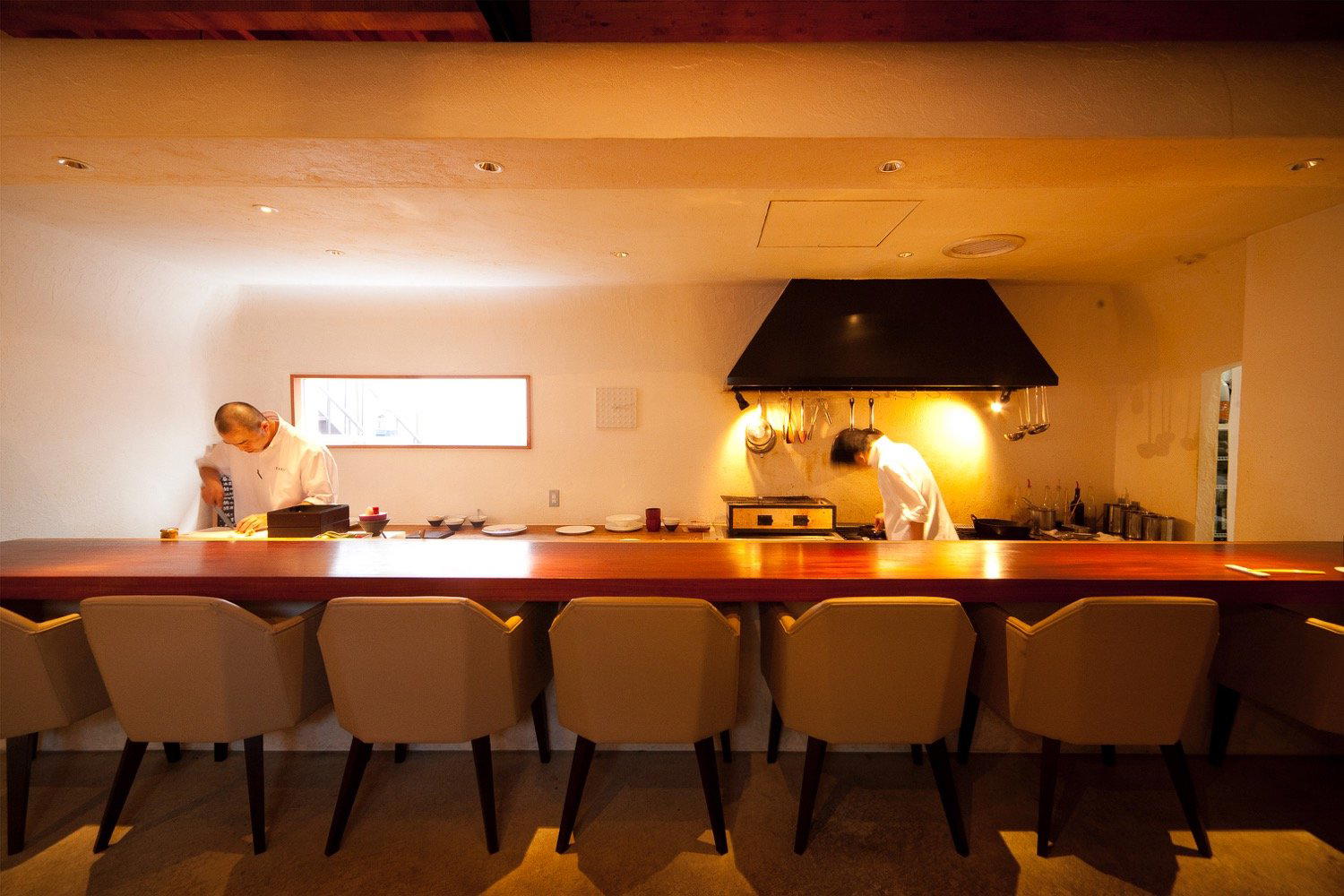
The counter format itself carries a specific sensory logic that applies across Japan's serious sushi rooms and is worth naming clearly. The proximity between diner and chef collapses the usual restaurant theatre into something more compressed. At a sushi counter, the temperature of a piece of rice, and the brief window between pressing and serving during which it remains correct, becomes visible. The chef's hand pressure, the angle of the blade on fish, the timing between cuts: these are not hidden in a kitchen but performed in the same room. For a diner paying attention, that visibility changes the experience from consumption to observation. The leading counters in Japan, from Harutaka in Tokyo to formats that have influenced regional scenes, use that proximity deliberately.
Regional counters in Hokkaido inherit that format but layer it with a specific environmental logic. The prefecture's fishing ports, the cold-water conditions that slow fish metabolism and raise fat content, and the kelp-rich coastal ecosystem are not abstract facts but the direct explanation for why a piece of local flounder tastes as it does in February versus August. A counter that sources locally and seasonally in Hokkaido is, in effect, offering a compressed argument about place, the ingredient, the season, the technique, and the prefecture are all present in a single nigiri.
Sapporo in the Broader Japan Counter Picture
Placing Sapporo's counter scene against Japan's broader geography is useful for a reader calibrating expectations. Tokyo's leading omakase rooms, including Harutaka, set the country's price ceiling and often book through personal introduction systems that are effectively closed to casual visitors. Kyoto's kaiseki tradition, represented by rooms like Gion Sasaki, operates on a different register, seasonal and ceremonial rather than technically focused on fish. Osaka, home to HAJIME, has its own counter culture with different ingredient emphases. Sapporo's proposition is distinct: Hokkaido ingredient access at a counter format that has absorbed serious technique, in a city that has not yet priced itself to Tokyo equivalency across the board.
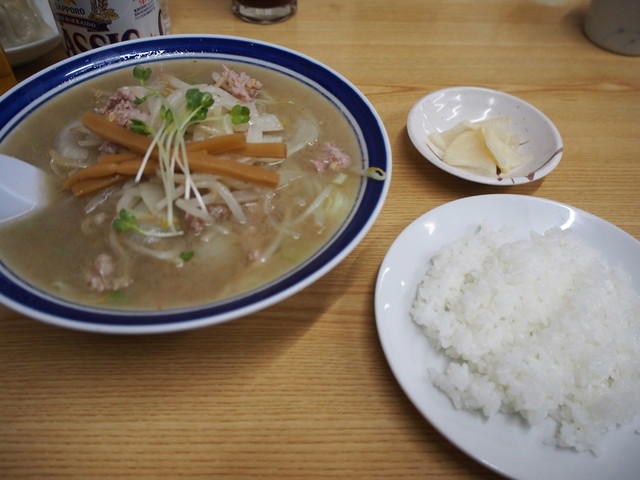
For visitors structuring a Japan itinerary around serious dining, Sapporo rewards inclusion alongside Nara (akordu), Fukuoka (Goh), and the smaller regional addresses that are increasingly visible on the itineraries of readers who have already covered the main centres. The city's dining depth extends beyond sushi: ramen at serious specialist addresses, Hokkaido dairy-forward pastry, and the prefecture's lamb and venison traditions give a multi-day visit genuine texture beyond the counter formats.
Planning a Visit to 鮨処高馬
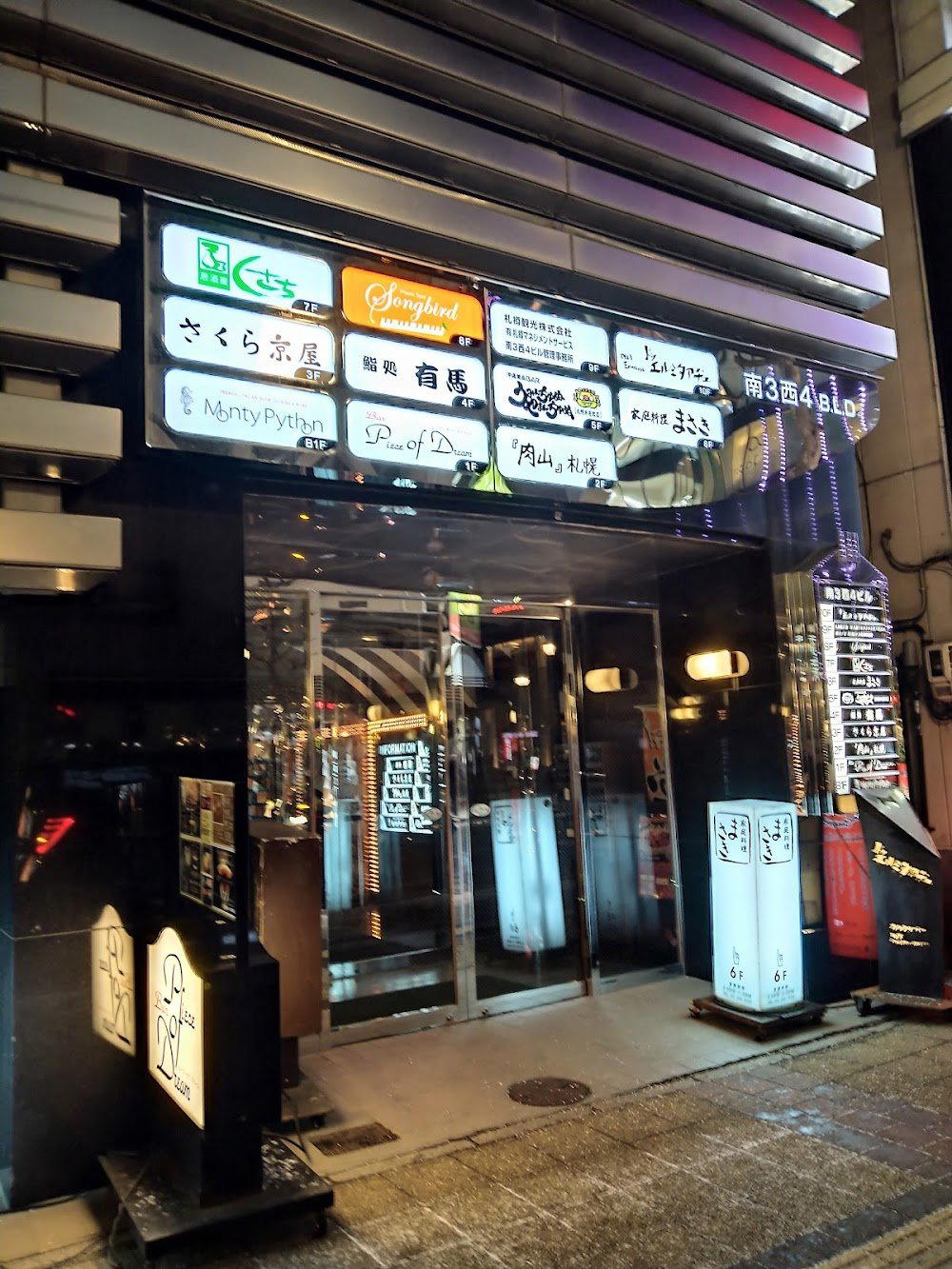
鮨処高馬 is located at 4 Chome-21-6 Minami 3 Jonishi in Chuo Ward, a part of the city that is walkable from Sapporo's central transport nodes. Chuo Ward's restaurant density means that an evening centred on a counter here can extend naturally into the neighbourhood's bar and izakaya options without requiring transport.
Timing within the year matters more here than at a counter in a city with less seasonal ingredient variation. The crab window (broadly November through March) and the prime uni season (spring and early summer) represent the periods when Hokkaido's counter proposition is at its most specific. That said, Sapporo's autumn dining calendar is underrated: Pacific saury, the first salmon runs, and the prefecture's mushroom harvest give autumn menus a depth that receives less international attention than the winter crab season.
For a fuller view of what Sapporo's restaurant scene offers across formats and price tiers, including nearby addresses in the counter and kaiseki space, the full Sapporo restaurants guide covers the city's current dining picture in detail. Comparable counter experiences at the regional Japan level include aki nagao within the city, and for readers interested in how Japan's regional dining scenes compare internationally, the contrast with technically focused Western formats like Le Bernardin in New York City or collaborative dinner formats like Lazy Bear in San Francisco sharpens what makes the Japanese omakase counter specifically its own tradition.
Frequently asked questions
Where is é®¨å¦ æ馬 in Sapporo?
é®¨å¦ æ馬 is located at 4 Chome-21-6 Minami 3 Jonishi, Chuo Ward, Sapporo, Hokkaido 060-0063, Japan, Sapporo.
What should I eat at 鮨処高馬?
鮨処高馬 operates within Sapporo's counter sushi tradition, which means the menu follows the itamae's lead rather than a printed list. Hokkaido's supply chain is the real draw: Shakotan uni, Nemuro crab, and cold-water fish with notably higher fat content than their southern equivalents tend to anchor Sapporo omakase courses. Your best approach is to arrive without a fixed agenda and let the season determine what appears.
Should I book é®¨å¦ æ馬 in advance?
Reservations are recommended for é®¨å¦ æ馬 in Sapporo. Confirm current policy via the venue's official channels.
What's the defining dish or idea at é®¨å¦ æ馬?
é®¨å¦ æ馬 is best approached by focusing on the core concept and signature offerings.
Can é®¨å¦ æ馬 handle vegetarian requests?
Dietary accommodations can vary. Flag restrictions in advance via the venue's official channels.
Peers in This Market
| Venue | Cuisine | Price | Awards | Notes |
|---|---|---|---|---|
| é®¨å¦ æ馬This venue (the venue you are viewing) | Japanese Sweet Shop - Imo Youkan | Not listed | Not listed | Not listed |
| Arima | Hokkaido Ezo-mae Omakase Sushi | $100–150 | Tabelog Bronze #26 | Sushi |
| Hanakoji Sawada | Michelin-Starred Kaiseki | Not listed | Tabelog 100 #6 | Kaiseki |
| Menya Saimi | Sapporo Miso Ramen | $1–10 | Tabelog 100 #36 | Ramen |
| Nukumi | Contemporary Kaiseki | $150–200 | Tabelog Bronze #330 | Crab |
| Sushi Miyakawa | 3 Michelin-Star Edomae Sushi Omakase | $200–300 | Tabelog Silver #80 | Sushi |
Continue exploring
More in Sapporo
Restaurants in Sapporo
All restaurants in Sapporo →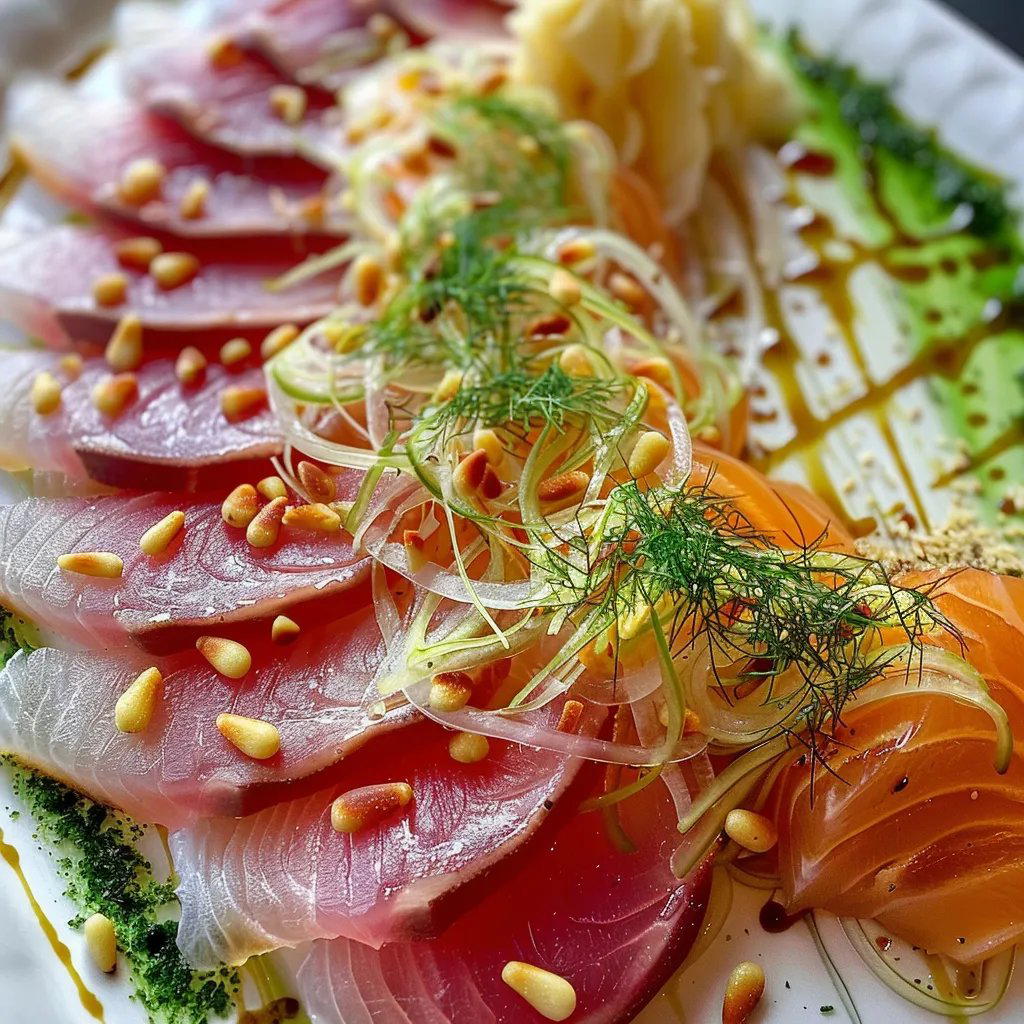
Bars in Sapporo
All bars in Sapporo →
Details
- Casual Hangout
- Historic Building
- A La Carte
Traditional Japanese confectionery shop with charming ambiance.