
Michelin Bib Gourmand
Our verdict
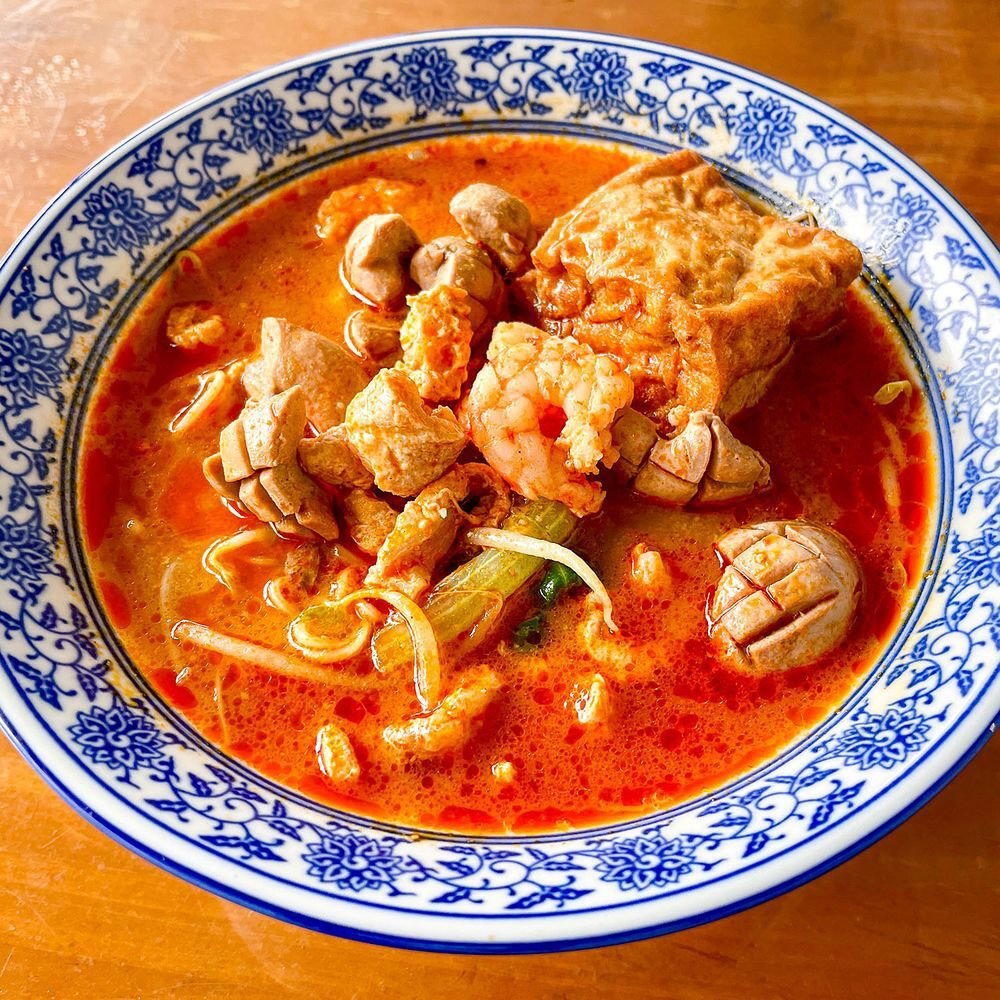
Across the harbour in Huli District, Chen Xian Sen is the kind of sha cha noodle shop that locals return to rather than recommend to strangers. Coarsely ground peanuts define the broth, producing a nutty depth that distinguishes it from the blander versions common elsewhere. The topping list extends well past the standards, taking in duck blood curd, pork kidney, and pork intestine alongside oysters and beef short loin.

Pearl is the En Primeur Club membership app, where members save venues, book tables and use the concierge.
The menu
What to order
- Oyster sha cha mian
- Pork tendon sha cha mian
- Beef short loin sha cha mian
Sha Cha Noodles and What They Tell You About Xiamen's Eating Culture
Sha cha, the paste made from dried shrimp, brill fish, coconut, and chillies that arrived in Fujian via the Teochew communities of Southeast Asia, has become one of the defining flavours of Xiamen's street food register. It appears in hot pots, stir-fries, and dipping sauces across the city, but its purest expression is arguably the bowl of sha cha mian: noodles submerged in a broth built around the paste, adjusted for heat and texture by each shop according to its own proportions. The quality gap between a carefully made sha cha broth and a careless one is significant, which is why locals develop allegiances to specific shops the way they do to particular dumplings or congee houses.
Chen Xian Sen Sha Cha Mian sits in Huli District, across the harbour from Xiamen Island and the tourism-facing restaurant clusters around Zhongshan Road and Gulangyu. That geographic position, closer to university campuses than to hotel lobbies, shapes everything about the experience. The clientele skews young and local, the pricing reflects a student neighbourhood, and the shop operates without the self-consciousness that sometimes creeps into venues aware of a tourist audience. For context on how this fits into Xiamen's broader eating scene, see our full Xiamen restaurants guide.
How the Bowl Is Built: Menu Architecture at Chen Xian Sen
The sha cha noodle bowl follows a logic that is worth understanding before you arrive. The broth is the foundation, and at Chen Xian Sen it is distinguished by the use of coarsely ground peanuts, which introduce a textural dimension alongside the nutty flavour that finely ground or smooth peanut preparations cannot deliver. The rougher grind means the fat and flavour release more slowly into the broth, keeping the liquid from turning one-dimensional across the course of a bowl. The spice level is calibrated to a point where heat is present and purposeful without overwhelming the paste's layered character, a calibration that takes consistency of effort over time to maintain.
The topping architecture is where the menu reveals its priorities. A shorter list at this price tier typically signals a shop focused on throughput rather than range. Chen Xian Sen's list extends meaningfully. The canonical options, oysters, pork tendon, beef short loin, are present and understood as the defaults. But the shop also runs dried tofu, duck blood curd, pork kidney, and pork intestine as alternatives, each bringing a different textural register to the bowl. Duck blood curd is silken against the coarser peanut broth; pork kidney adds a more pronounced mineral note; intestine carries the broth's flavour into its folds. These are not decorative additions: they represent a kitchen that understands its secondary ingredients as opportunities for contrast rather than afterthoughts. The combination of a considered base broth and a serious offal and protein roster places Chen Xian Sen in a different tier from the simplified sha cha operations that have proliferated as the format has become more widely known.
This approach to humble-format noodle shops, in which the bowl's architecture is the primary form of expression rather than interior design or table service, is consistent with how Fujian's most-followed street food addresses tend to operate. Comparable attention to ingredient logic at the affordable end of Xiamen's spectrum can be traced in places like A Zhong Shi Fang and the duck and congee operation at Fleurs Et Festin, though both operate in different format categories. For a deeper read on Fujian cuisine's broader range across the city, Hokklo and Yanyu on Jiahe Road represent the more formally structured end of the same culinary tradition.
The Huli District Context
Understanding where Chen Xian Sen sits geographically explains part of why it has developed the following it has. Huli District is primarily a residential and commercial zone rather than a food tourism destination. Restaurants here compete for a repeat-visit audience rather than a transient one, which creates different incentive structures: consistency matters more than novelty, and value density, how much flavour and variety a bowl delivers at a given price, is scrutinised by customers who return weekly rather than once per trip. That competitive pressure tends to produce a cleaner signal about quality than venues in tourist-heavy corridors where footfall compensates for inconsistency.
The student population in the area reinforces this dynamic. University-adjacent eating cultures in Chinese cities have historically supported some of the most technically conscientious street food operations in their respective regions, partly because student customers eat out frequently and in volume, and partly because local word-of-mouth in a university community travels fast and honestly. A bowl that doesn't hold up gets abandoned; one that does builds a queue.
Visitors making the trip from Xiamen Island, a short harbour crossing, are joining a local food circuit rather than a tourist trail. That distinction is worth making explicitly, because the experience of eating at Chen Xian Sen is calibrated for the former. There is no English menu signage to rely on, and the operational format is built around familiarity rather than guided ordering. Arriving with a clear sense of what you want from the topping list is the practical preparation that matters most. For planning the rest of a Xiamen visit, our Xiamen hotels guide, bars guide, and experiences guide cover the full picture.
Where Chen Xian Sen Sits in the Sha Cha Conversation
Sha cha noodles are not an obscure format within Xiamen, but the quality range across the city's sha cha shops is considerable. At the baseline, the paste functions as a condiment applied to a generic broth; at the better end, the broth is built around the paste, with secondary ingredients chosen to amplify or contrast its character. Chen Xian Sen sits toward the latter end of that range, and the coarsely ground peanut approach is the specific technical choice that most clearly signals that positioning.
For comparison against Fujian cuisine at a more formal register, 1927 Dong Yuan Si Chu works in an entirely different price and format tier. Across China more broadly, the gap between street-register precision at a place like Chen Xian Sen and fine-dining Fujian craft at operations such as Xin Rong Ji in Beijing or Xin Rong Ji in Chengdu represents the full vertical of Chinese regional cooking. For contrast with how other Asian culinary traditions handle the relationship between humble format and technical seriousness, the comparison with Atomix in New York or Le Bernardin is instructive in the abstract, even if the formats share nothing in common.
Planning Your Visit
Chen Xian Sen Sha Cha Mian is located at 203 Changhao Road in Huli District, a neighbourhood that requires a deliberate journey from Xiamen Island's central areas. The shop draws a primarily student and local residential crowd, which means peak meal times, particularly lunch and early evening, are the periods most likely to involve a wait. There is no booking infrastructure at this type of operation; walk-in is the standard, and the format is designed for relatively quick turnover. The address in Huli rather than on Xiamen Island proper means that visitors combining this with other Xiamen Island sights should plan it as a standalone trip or pair it with other Huli District stops. For anyone assembling a broader Fujian food itinerary, our Xiamen wineries guide rounds out the regional picture. Reservations are not applicable here; arrive, assess the queue, and choose your toppings before you reach the counter.
Frequently asked questions
Is Chen Xian Sen Sha Cha Mian Michelin-listed?
Chen Xian Sen Sha Cha Mian has received recognition including: Separated from the city centre and Xiamen Island by a harbour, this shop specialising in sha cha noodles is popular with students. Thanks to the coarsely ground peanuts, the sha cha broth is brimming with rich nutty flavours; the level of s….
Where is Chen Xian Sen Sha Cha Mian in Xiamen?
Chen Xian Sen Sha Cha Mian is located at 203 Changhao Rd, Huli District, Xiamen, Fujian, China, 361006, Xiamen.
What should I eat at Chen Xian Sen Sha Cha Mian?
The sha cha broth is the centrepiece: coarsely ground peanuts give it a texture and depth that finer-ground versions lack, and the spice level reads as integrated heat rather than afterthought. On toppings, the classics, oysters, pork tendon, beef short loin, are reliable, but the duck blood curd, pork kidney, and pork intestine are worth ordering if you want to understand the full range of the kitchen's strengths.
Can I walk in to Chen Xian Sen Sha Cha Mian?
Walk-in is the only option. The shop at 203 Changhao Road draws a consistent student crowd from the surrounding Huli District, so arriving early or off-peak is the practical approach.
Accolades, Compared
Comparable venues nearby, for context on price, style, and recognition.
| Venue | Cuisine | Price | Awards | Notes |
|---|---|---|---|---|
| Chen Xian Sen Sha Cha MianThis venue (the venue you are viewing) | Xiamen Sha Cha Noodles | $1–10 | Michelin Bib Gourmand | Not listed |
| Guo Gong Fan Dian | Traditional Fujian Braised Dishes | $1–10 | Michelin Bib Gourmand | Xiang'an District |
| Lao Song Bian Shi Dian | Traditional Xiamen Small Eats | Not listed | Michelin Bib Gourmand | Siming |
| Yue Hua Sha Cha Mian | Xiamen Sha Cha Noodles | $1–10 | Michelin Bib Gourmand | Siming |
| Shan Li Yan Sha Cha Mian | Sha Cha Noodles | $10–20 | Michelin Bib Gourmand | Siming |
| A Zhong Shi Fang | Minnan Seafood | $10–20 | Michelin Bib Gourmand | Siming |
Recognition history
Dated appearances from independent guides and award organizations, with the underlying list record or original source where available.
Michelin Bib Gourmand
Michelin
Continue exploring
More in Xiamen



Details
- Lively
- Cozy
- Casual Hangout
- Open Kitchen
- Street Scene
- A La Carte
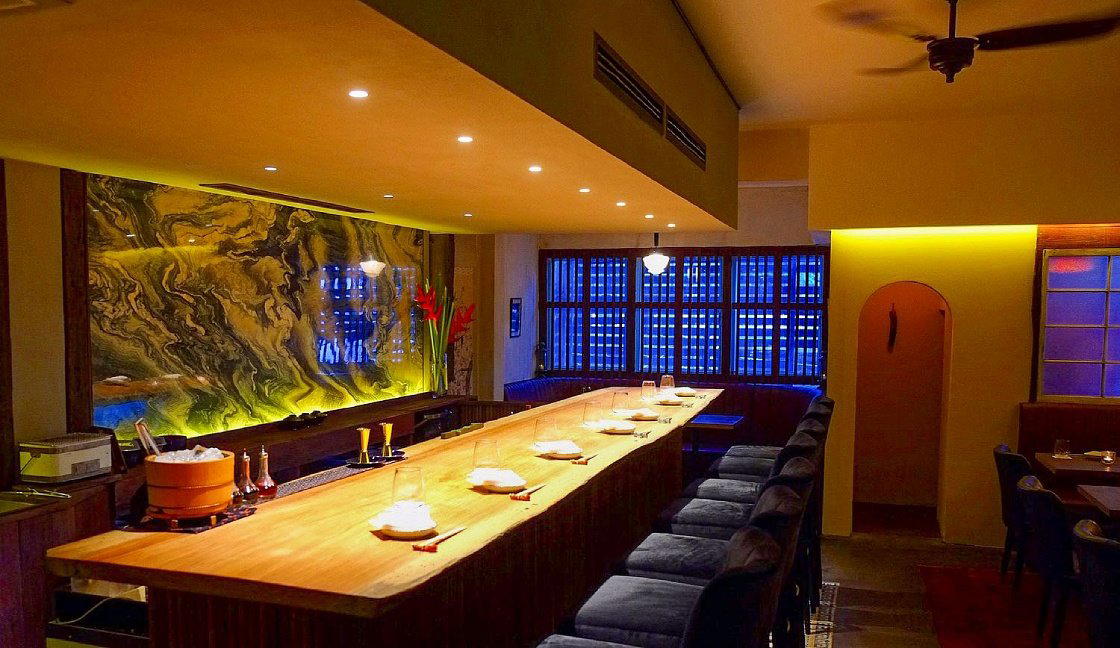
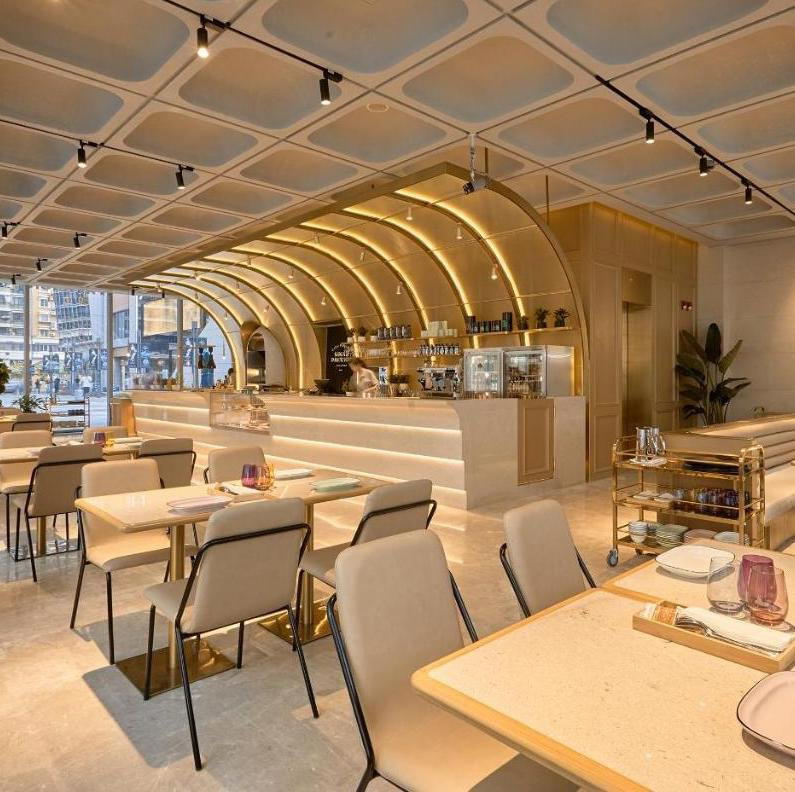
Busy counter with steady stir of spicy broth, plain functional dining room, lively workmanlike atmosphere filled with roasted peanut aroma and lunchtime conversation.