
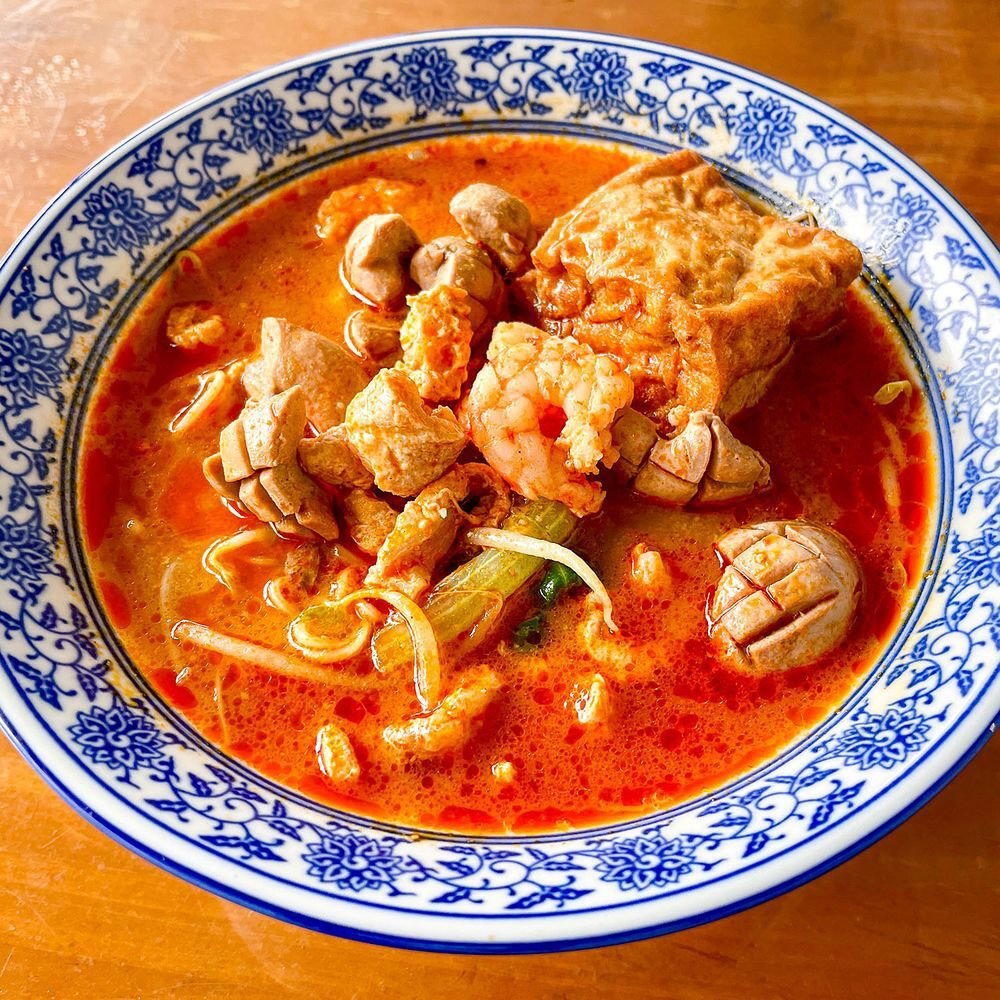
A neighbourhood sha cha noodle shop in Xiamen's Hai Cang district where an owner couple has built a loyal following through consistency and familiarity. The broth, layered with garlic, peanut, and chilli, runs hot from opening to close, and the menu extends across year-round staples like fish balls and pork tendon to seasonal shellfish including oysters and razor clams.
Pearl is the En Primeur Club membership app — saves, bookings, and concierge access live there. Same editors, same standards.
- Address
- G2F6+58C, Xin Guang Lu, Hai Cang Qu, Xia Men Shi, Fu Jian Sheng, China, 361028
- Directions
- Get directions
 Saves & bookings on Pearl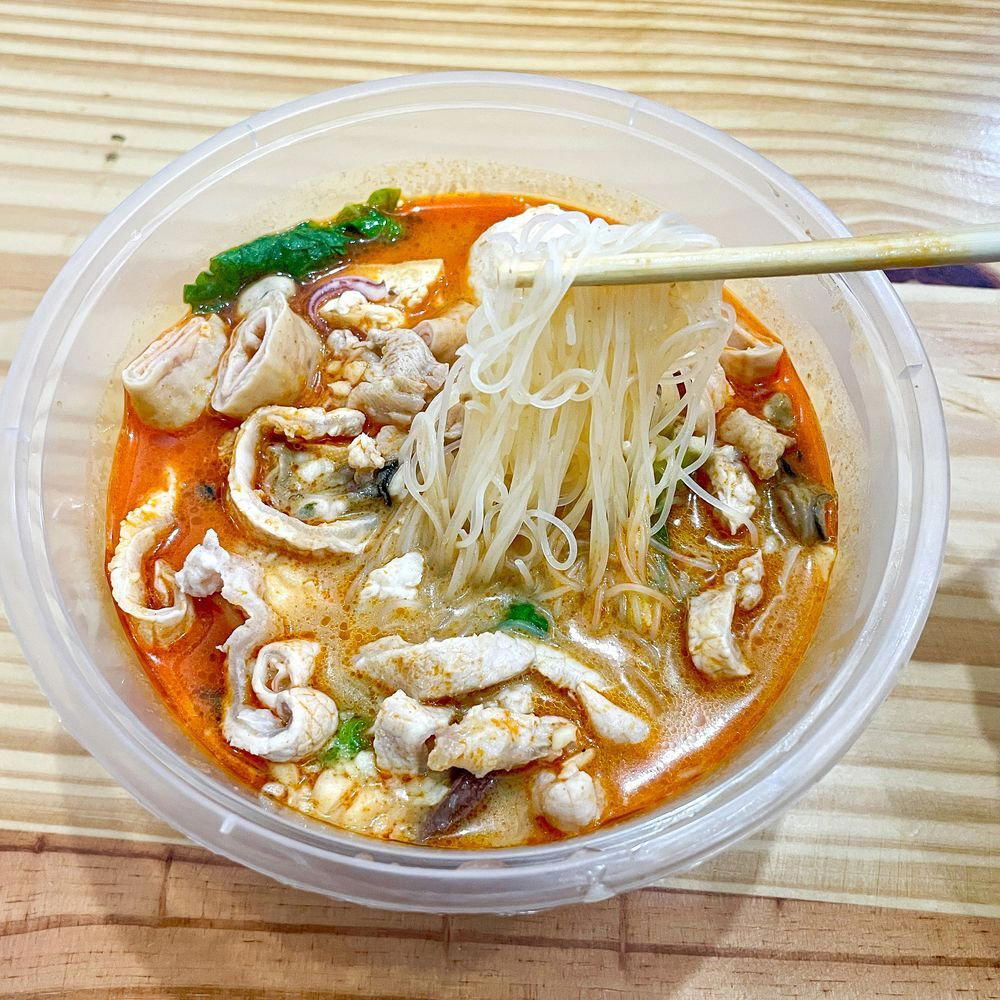
Sha Cha Noodles and the Xiamen Neighbourhood Shop Tradition
In Xiamen, the neighbourhood noodle shop occupies a different cultural register than the tourist-facing seafood restaurants along the waterfront or the formal Fujian banquet houses that have drawn wider attention. These small, often family-run operations are where the daily rhythms of the city actually play out: workers stopping before a shift, older residents taking the same stool they have occupied for years, the counter staff knowing orders before they are placed. Shan Li Yan Sha Cha Mian sits squarely in this tradition, operating in the Hai Cang district as a place built around repetition, familiarity, and a broth that holds its temperature from the first bowl of the morning to the last of the evening.
Sha cha, the sauce at the centre of this style of cooking, is a Hokkien adaptation of Southeast Asian satay influences, softened and rebalanced over generations of Fujianese coastal cooking. The version used at Shan Li Yan leans on garlic, peanut, and chilli in a configuration that manages to read as savoury rather than sharp, with the heat arriving late and the nuttiness carrying most of the flavour weight. That the broth is consistently described as piping hot regardless of the hour is not a trivial detail: maintaining both temperature and flavour consistency across a full service day requires discipline that many higher-priced operations fail to sustain.
How the Counter Runs: Regulars, Rhythm, and the Owner Dynamic
At Shan Li Yan, the team is the couple who run it. In small Xiamese noodle shops of this type, the front-of-house and kitchen are not separate departments with distinct hierarchies. The owner couple knows every regular by name, which functions as both a hospitality signal and an operational one: when you know your customers, you know their preferences, their usual toppings, their tolerance for chilli, their preference for thicker or finer noodles. That knowledge replaces the formal service choreography found at larger restaurants with something more direct and often more effective.
Across Xiamen's neighbourhood dining scene, the shops that endure tend to have this quality: a core team whose familiarity with the space and the clientele produces a consistency that rotating staff cannot replicate. Compare this to the formal Fujian dining operations found at places like Hokklo or Yanyu (Jiahe Road), where the service structure is necessarily more layered, or the refined regional cooking at 1927 Dong Yuan Si Chu. Shan Li Yan operates at the opposite end of that formality spectrum, with the owner couple's direct involvement providing the kind of floor intelligence that no amount of service training fully substitutes for.
The Topping Logic: Year-Round and Seasonal
The menu operates on a two-tier structure that reflects broader patterns in Fujian coastal cooking. Year-round staples such as fish balls, pork liver, and pork tendon provide the reliable base, each with a different textural role in the bowl. Fish balls add a bouncy, protein-forward element; pork liver introduces an offal richness that regulars in this part of China actively seek rather than avoid; pork tendon brings a collagen softness that reinforces the broth's body.
The seasonal layer is where Shan Li Yan connects most directly to Xiamen's coastal geography. Oysters and razor clams appear when available, and in the context of a sha cha broth, both shellfish function well: their brininess cuts through the peanut base and re-anchors the bowl in the sea-facing identity that defines so much of Fujianese food. Seasonal shellfish in a noodle shop of this type is not a premium upsell but a practical expression of what the local supply chain makes available and affordable, and it places the kitchen in conversation with the fishing cycle in a way that fixed menus at larger venues often cannot replicate.
This approach to seasonal ingredients in a low-cost format has parallels across China's coastal cities. For context on how Fujian cooking traditions extend into higher-formality environments, the A Zhong Shi Fang and Fleurs Et Festin entries in our Xiamen coverage represent the other end of that spectrum.
Hai Cang and the District Context
Hai Cang, where Shan Li Yan operates, sits outside the tourist circuits that concentrate around Gulangyu Island and the central waterfront. That positioning matters for understanding what kind of shop this is and who it serves. The district's residents are its primary audience, which means the pricing logic, the bowl size, and the speed of service are calibrated for locals returning regularly rather than visitors arriving once. In Chinese neighbourhood dining, that distinction shapes everything from the salt level in the broth to the pace at which tables turn.
Visitors making the trip to Hai Cang are, in effect, entering a venue operating on local terms rather than tourist-facing ones. The address on Xin Guang Lu places the shop within a working district rather than a curated dining zone. It fills on reputation and repeat business.
Planning Your Visit
Walk-in is the standard approach, consistent with the neighbourhood shop format across this category in Xiamen and Fujian more broadly. The address is G2F6+58C, Xin Guang Lu, Hai Cang district, and the Plus Code format suggests a location leading confirmed via map application before travelling from the central city. The broth is consistently hot throughout the day, so there is no particular pressure to arrive at a specific service window.
For reference points on how neighbourhood-level Chinese cooking connects to higher-formality expressions of regional cuisine elsewhere on the mainland, the work being done at Ru Yuan in Hangzhou and Xin Rong Ji in Chengdu offers useful context, as does the formal Cantonese framing at Imperial Treasure Fine Chinese Cuisine in Guangzhou.
- Sha Cha Noodles
- Fish Balls
- Pork Liver
- Pork Tendon
- Oyster-topped Noodles
- Razor Clams
Cuisine-First Comparison
Comparable venues nearby, for context on price, style, and recognition.
| Venue | Cuisine | Price | Awards | Notes |
|---|---|---|---|---|
| Shan Li Yan Sha Cha MianThis venue — the venue you are viewing | Sha Cha Noodles | $$ | Bib Gourmand | Not listed |
| Z&D Cuisine | Fujian Cuisine from Zhangzhou | $$ | Bib Gourmand | Siming |
| Panda's | Sichuan Cuisine from Zigong | $$ | Bib Gourmand | Huli |
| Guo Gong Fan Dian | Traditional Fujian Braised Dishes | $ | Bib Gourmand | Xiang'an District |
| 1927 Dong Yuan Si Chu | Refined Xiamen Fujian Cuisine | $$$ | Michelin Plate | Siming |
| Dai Tai | Yunnanese Dai Ethnic Home-Style | $$ | Bib Gourmand | Siming |
Recognition history
Dated appearances from independent guides and award organizations, with the underlying list record or original source where available.
Michelin Bib Gourmand
Michelin
Continue exploring
More in Xiamen
Restaurants in Xiamen
Browse all →





At a Glance
- Cozy
- Classic
- Casual Hangout
- Standalone
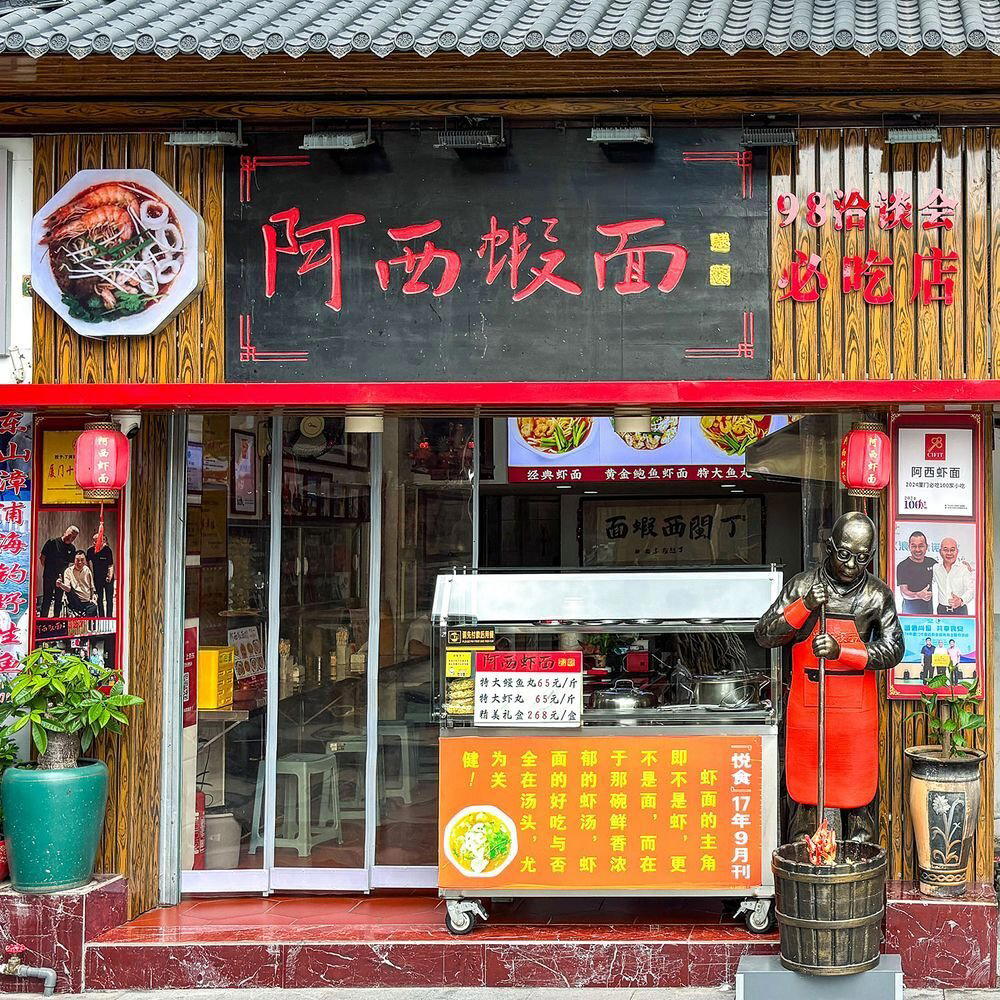
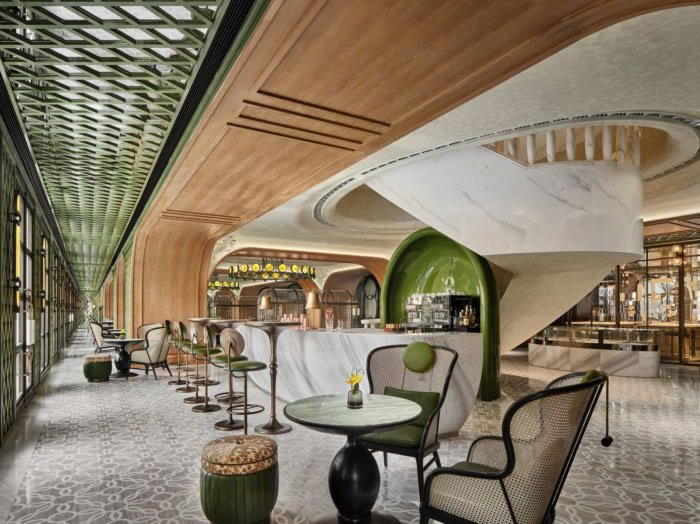
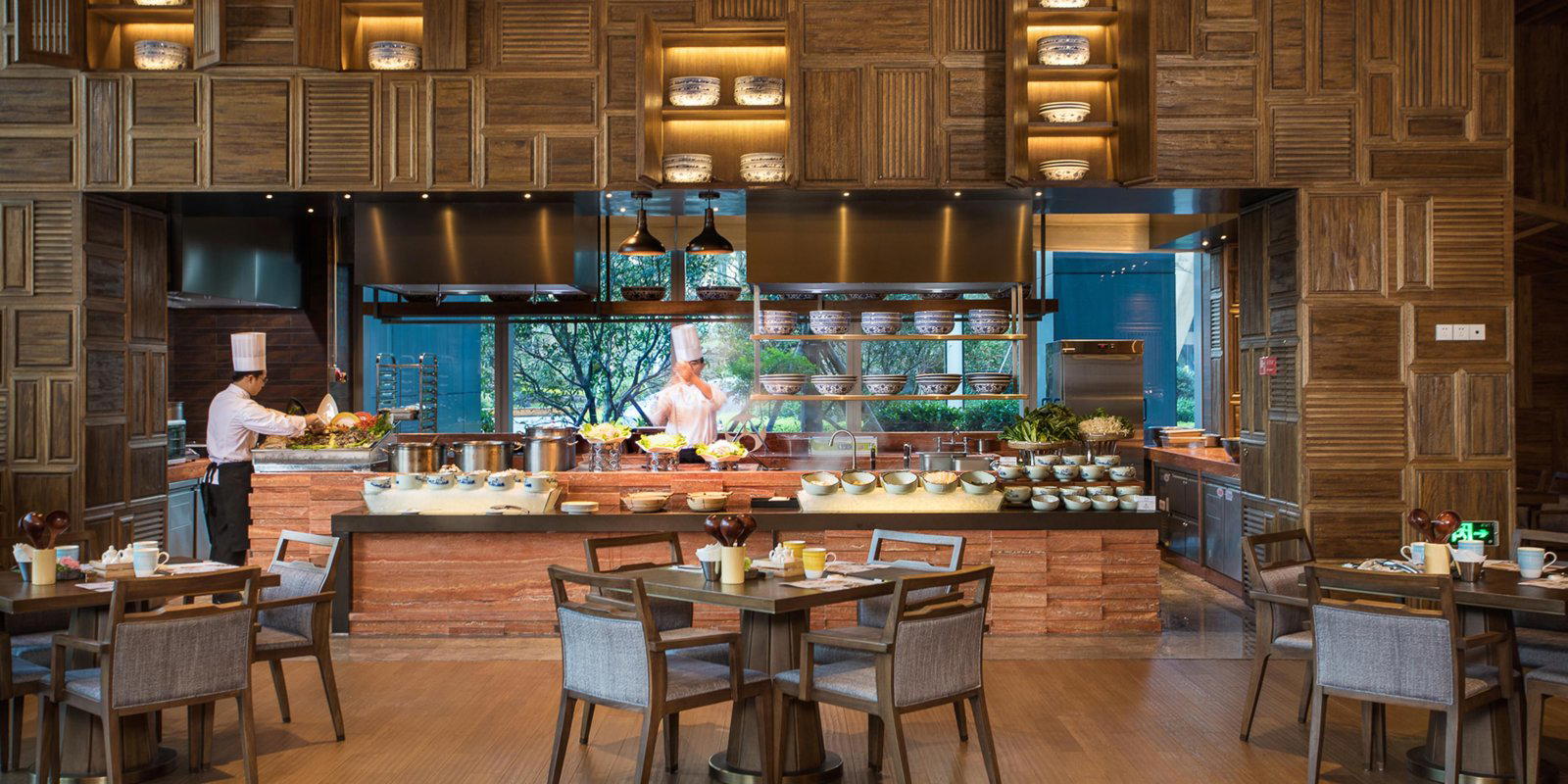
Casual and immediate atmosphere in a compact old-town shop with simple wooden stools, practical counter near the kitchen action, and personal efficient service.