
Nukazuke Kobo nipote Misasa honten brings Hiroshima’s yoshoku conversation into the grammar of rice-bran pickling rather than sauce-heavy nostalgia. The small counter-led room in Nishi Ward uses nukazuke across vegetables, fish, meat, oysters and fruit, with Tabelog 100 Yoshoku WEST 2025 recognition placing it among the region’s notable Japanese-Western kitchens.
Pearl is the En Primeur Club membership app — saves, bookings, and concierge access live there. Same editors, same standards.
- Address
- 2 Chome-6-15 Misasamachi, Nishi Ward, Hiroshima, 733-0003, Japan
- Phone
- +81 82-909-9350
- Website
- nipote.popo-potpourri.com
 Saves & bookings on Pearl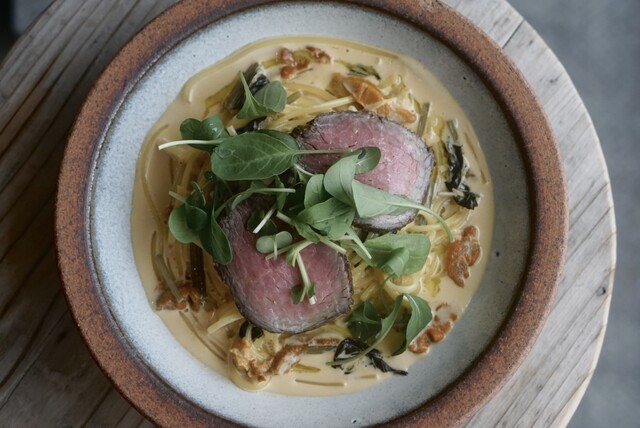
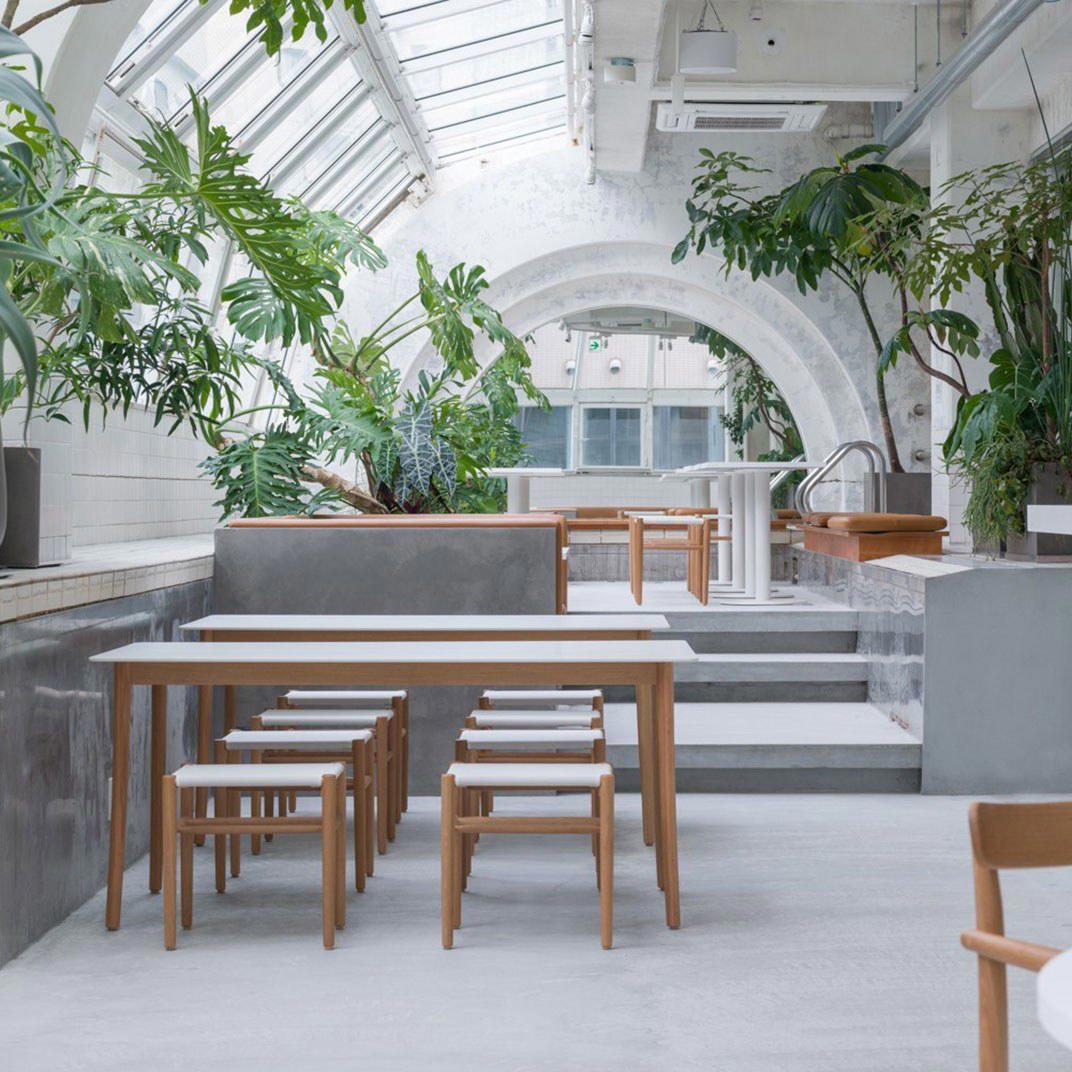
A house-restaurant setting changes the rhythm of a yoshoku meal before the first plate arrives. The small, counter-forward, deliberately close room makes dinner feel less like a grand occasion than a sequence of precise adjustments: pickling, acidity, salt, rice-bran depth, then the comfort of Japanese-Western cooking in sharper focus.
Hiroshima dining is often introduced through okonomiyaki, oysters and sake, but smaller specialist rooms make the city more interesting. Nukazuke Kobo nipote Misasa honten belongs to that register. It treats nukazuke, the everyday Japanese practice of rice-bran fermentation, not as a side dish but as the organizing idea for a yoshoku table. That matters because yoshoku is already a cuisine of translation: Western forms filtered through Japanese appetite, pantry and pacing. Here, the translation runs through the nuka bed.
Rice-bran pickling becomes the meal's structure, not a garnish
Nukazuke usually appears quietly: pickled cucumber beside rice, a small palate-reset plate, a domestic technique with deep roots and little ceremony. In a yoshoku setting, it becomes more assertive. Here, rice-bran pickling is applied to vegetables, fish, meat, oysters and fruit, turning preservation into a way of sequencing the meal rather than a supporting condiment. The point is not novelty, but disciplined fermentation that gives familiar Western-style Japanese cooking a more local, more Japanese register.
That makes the restaurant useful for travellers who have eaten the city’s obvious signatures and want to see how Hiroshima cooks work at smaller scale. Compared with Yokogawa-area casual staples such as MINOYA, NIKUTAMA Yokogawa hiroshima honten and LOPEZ, this is more specialised: narrower in theme, more counter-driven, and more dependent on interest in technique. The price band places it above everyday lunch stops and below more formal creative-dining rooms, giving it a clear role in a Hiroshima itinerary: serious enough to plan around, not a white-tablecloth performance.
The Tabelog 100 Yoshoku WEST 2025 selection is the clearest external signal. Tabelog’s Hyakumeiten lists tend to reward genre-specific depth rather than international luxury cues, and yoshoku is a category where regional interpretation matters. A 3.61 Tabelog score, an 11-seat room and a main counter format suggest a kitchen judged on focus rather than scale. For Hiroshima’s wider range, compare it with Akai (Creative Cuisine), where the conversation moves toward contemporary tasting-menu cooking, or ANDERSEN, which reflects the city’s long relationship with European-style baking and café culture.
The ritual is quiet: sit close, follow the sequence, let acidity do its work
The counter is not just seating; it is the dining logic. With 11 seats and three small tables, the room favours close attention over party energy. That suits nukazuke because fermentation is incremental. The diner notices small shifts rather than spectacle: salt against sweetness, bran against fat, pickled sharpness against yoshoku’s usual richness. The etiquette is simple: order with curiosity, do not treat the pickles as peripheral, and let the pacing show how each element resets the next.
Drinks list reinforces that split identity. Sake and wine both fit because the food sits between Japanese preservation and Western-style composition. Vegetarian and vegan options are also significant in a city where many traditional counters lean heavily on seafood or meat. This is not a generic plant-based restaurant, but the core technique gives vegetables a more central role than in much of the yoshoku canon.
Hiroshima’s better specialist dining often rewards targeted planning. Bishu Bikou Hamai points toward the city’s drinking-and-dining culture, while Butter Cake no Nagasaki Do shows how one item can carry local loyalty across generations. CHILAN sits in another lane. Together, these addresses argue against treating Hiroshima as a one-dish city. Build a day around category contrasts: a bakery or cake specialist, a counter meal, a sake-led evening, then a separate slot for okonomiyaki rather than forcing everything into one narrative.
How to place it in a Hiroshima dining plan
The practical case is strongest for diners wanting a compact, technique-led meal in Nishi Ward rather than a long formal dinner in the city centre. The restaurant opened in 2022, and its Tabelog 100 Yoshoku WEST 2025 recognition gives it a current signal rather than inherited reputation. Lunch and dinner sit in different bands: lunch at JPY 2,000 to JPY 2,999, dinner at JPY 5,000 to JPY 5,999. Reservations are available, though lunch reservations are not accepted, making dinner easier to plan with confidence.
The location near Yokogawa also shapes the decision. This is a neighbourhood choice, not a monument-chasing stop. Yokogawa sits outside the densest tourist circuit, so the meal suits travellers comfortable leaving the usual hotel-and-sightseeing axis for a smaller local room. Parking is not provided, but paid parking is available nearby, and the restaurant is positioned for those using Yokogawa as the nearest station area. The room is non-smoking, private rooms are not offered, and children are welcome, though there are no children’s menus or cutlery.
For a fuller trip, use Our full Hiroshima restaurants guide alongside Our full Hiroshima hotels guide, Our full Hiroshima bars guide, Our full Hiroshima wineries guide and Our full Hiroshima experiences guide. Travellers extending the same food-first lens across Japan can compare regional specialist formats at -Grilled beef Sukiyaki- KAMAKURA TANUKIAN 鎌倉 たぬき庵 in Kamakura. 鮪と炭火焼き うお炭 秋葉原店 in Tokyo.cafe in Osaka.know in Kumamoto, (Shoku) Vietnam in Kawasaki and [Curry Senmon Ten] Maruyama Kyoju. in Sapporo. For a transpacific echo of Japanese drinking and casual-food culture, Jōdo Saké Bar in Los Angeles and Onigiri Time in Pasadena show how tightly defined formats travel when the idea is clear.
The verdict is concise: choose Nukazuke Kobo nipote Misasa honten for a Hiroshima meal built around fermentation, counter pacing and yoshoku seen through a rice-bran lens. It is less suited to diners wanting broad menu sprawl or ceremony, and better for those who want a focused local argument on the plate.
Cuisine-First Comparison
Comparable venues by cuisine and price in the same metro.
| Venue | Cuisine | Price | Notes |
|---|---|---|---|
| Nukazuke Kobo nipote Misasa hontenThis venue — the venue you are viewing | Nukazuke-focused Yoshoku (Japanese-style Western) | $$ | Not listed |
| Soraya | Japanese Standing Bar | $$ | Naka |
| Denko Sekka (電光石火) | Hiroshima-style Okonomiyaki | $$ | Hiroshima Station area |
| Stand Loki | Japanese Standing Bar | $ | Naka |
| Butter Cake no Nagasaki Do | Japanese Butter Cake Shop | $ | Naka |
| Ichigo Ichie | Hiroshima okonomiyaki & teppanyaki | $$$ | Naka |
Recognition history
Dated appearances from independent guides and award organizations, with the underlying list record or original source where available.
Tabelog 100 #59 · No. 59
Tabelog · Tabelog 100 - Yoshoku - WEST - 2025
Continue exploring
More in Hiroshima
Restaurants in Hiroshima
Browse all →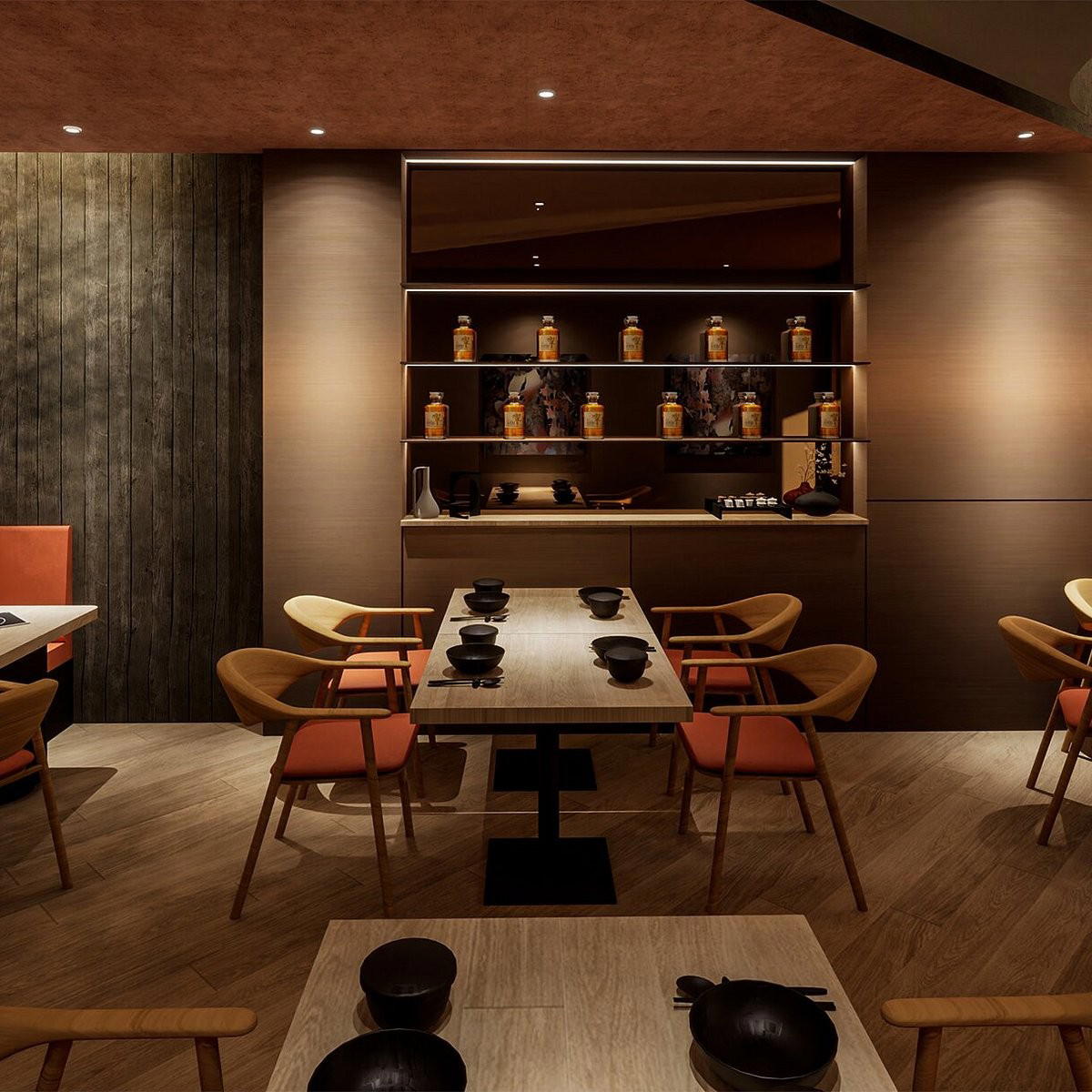
Bars in Hiroshima
Browse all →
At a Glance
- Cozy
- Modern
- Intimate
- Date Night
- Casual Hangout
- Group Dining
- Solo
- Standalone
- Design Destination
- Local Sourcing
Current opening hours
- Monday
- 12–2:30 PM
- Tuesday
- Closed
- Wednesday
- Closed
- Thursday
- 12–10 PM
- Friday
- 12–10 PM
- Saturday
- 12–10 PM
- Sunday
- 12–10 PM
Hours can change for holidays and private events. Last verified .
A small, modern yoshoku dining room in residential Nishi-ku with a warm, nostalgic but contemporary feel, where guests linger over course-style lunches and dinners centered on inventive nukazuke dishes.