Nomonomo Sushi
On Milwaukee Avenue in Logan Square, Nomonomo Sushi operates in a Chicago neighbourhood that has quietly developed one of the city's more interesting independent dining corridors. The address places it outside the downtown omakase tier, which shapes both its competitive position and its likely approach to format and pricing. For sushi seekers working through Chicago's mid-tier and neighbourhood options, it warrants attention alongside the city's broader Japanese dining scene.
Pearl is the En Primeur Club membership app — saves, bookings, and concierge access live there. Same editors, same standards.
- Address
- 2096 N Milwaukee Ave, Chicago, IL 60647
- Phone
- +17736973651
- Website
- nomonomosushi.com
- Directions
- Get directions
 Saves & bookings on Pearl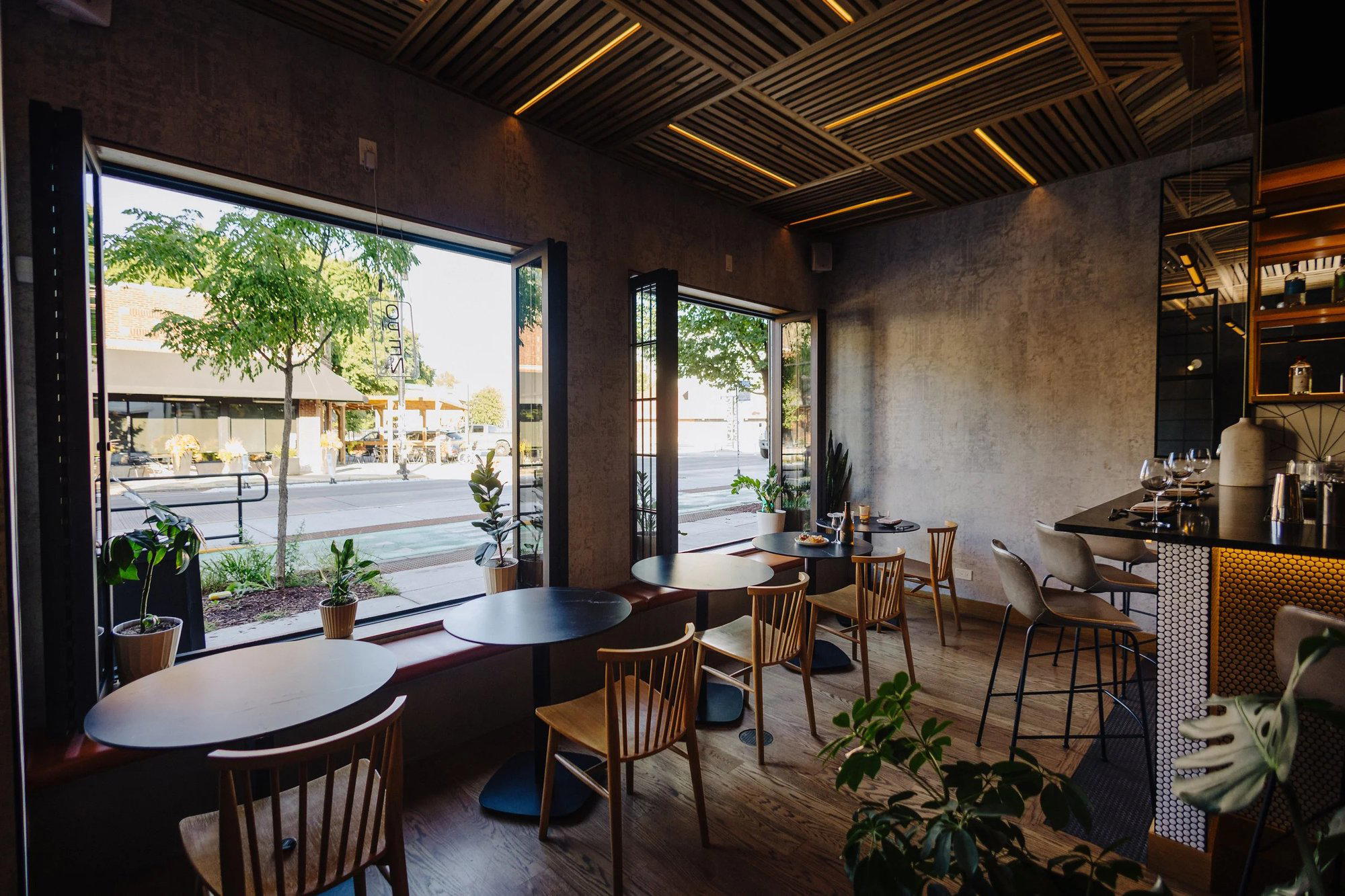
Logan Square and the Geography of Chicago Sushi
Chicago's sushi scene has never consolidated around a single neighbourhood the way New York's omakase corridor anchors to the Midtown and Tribeca zip codes. Instead, the city's Japanese dining options spread across a wide geography: high-end counter seats downtown and in the Gold Coast, mid-tier neighbourhood spots in Wicker Park and Bucktown, and a growing cluster of independents pushing further northwest along Milwaukee Avenue into Logan Square. Nomonomo Sushi, at 2096 N Milwaukee Ave, sits in that last category, occupying a stretch of the avenue associated with independent operators and repeat local visits.
Logan Square's dining character differs from Chicago's premium restaurant corridor in ways that matter to how you should think about a visit. The neighbourhood runs younger and more neighbourhood-driven than River North or the West Loop, where destinations like Alinea, Smyth, and Oriole draw destination diners from across the country. Milwaukee Avenue in this stretch rewards explorers rather than those following a predetermined shortlist. For context on how Nomonomo fits into Chicago's wider dining map, our full Chicago restaurants guide covers the city's major neighbourhoods and categories in detail.
What the Address Signals About Format and Position
In any city, a sushi restaurant's street address communicates something before the menu does. The Milwaukee Avenue corridor does not support the $300-per-head omakase model that Chicago's premium Japanese tier demands. Those counters require the density of expense-account diners and destination seekers that concentrates closer to the Loop and River North. What a Logan Square address does support is a model built on neighbourhood loyalty, accessible price points relative to the downtown tier, and a format that can compete on quality-per-dollar rather than on exclusivity or ceremony.
This positions Nomonomo Sushi differently from the upper bracket of Chicago Japanese dining, and also differently from the downtown prix-fixe operations such as Next Restaurant or Kasama, which operate within a more theatrically controlled dining format. The comparison that matters here is less about tasting menus and more about how well a neighbourhood sushi operator maintains fish quality, sourcing discipline, and kitchen consistency without the revenue base of a downtown flagship.
The Wine and Sake Question at a Neighbourhood Sushi Counter
Across American sushi restaurants, beverage programs have become a meaningful differentiator. The question at any sushi counter is whether the drinks list reflects genuine curation or functions as an afterthought. At the summit end of the national market, counters like Le Bernardin in New York City or Providence in Los Angeles maintain wine programs that function as serious editorial statements, with sommeliers whose selections are designed to work alongside delicate fish courses rather than overpower them.
For a neighbourhood sushi operation on Milwaukee Avenue, the expectations shift. A sake list that moves beyond the standard junmai daiginjo defaults and into aged or unpasteurised namazake territory signals a kitchen that is thinking seriously about the full experience. Similarly, a wine selection that leans toward low-intervention whites from Alsace, Burgundy, or the Jura rather than defaulting to California Chardonnay indicates beverage curation calibrated to fish rather than to the path of least resistance. That is the right lens through which to evaluate it on a visit. The beverage list, more than almost any other single element, tells you whether a sushi operation is thinking holistically or treating the drinks as a revenue add-on.
This matters more at the neighbourhood level than at the leading end, where the premium pricing already signals seriousness. At a mid-tier address, a thoughtfully assembled sake selection at fair markups is often the clearest evidence that ownership is engaged with the full dining proposition. Comparable operations nationally, from neighbourhood counters in San Francisco's outer neighbourhoods to independents in Chicago's own Andersonville and Ravenswood corridors, have demonstrated that serious beverage curation is not the exclusive territory of Michelin-flagged rooms. Restaurants like Lazy Bear in San Francisco and Single Thread Farm in Healdsburg have shown how beverage depth at the mid-to-upper tier can define a restaurant's identity as much as its kitchen output.
Placing Nomonomo in the Wider Sushi Conversation
American sushi has fractured into at least three distinct tiers over the past decade. At the leading, omakase counters with eight to twelve seats, multi-month reservation leads, and price points north of $250 per head now operate in most major cities, benchmarking themselves against each other and against reference points like Atomix in New York City and 8 1/2 Otto e Mezzo Bombana in Hong Kong for what premium Japanese-adjacent dining can achieve. Below that sits a middle tier of quality-focused neighbourhood operations that compete on consistency, sourcing, and value relative to their price point. And below that, the commodity sushi category, where the fish is interchangeable and the format has been standardised into near-irrelevance.
Nomonomo Sushi, based on its location and neighbourhood context, appears to compete in the middle tier. That is not a diminishment. The middle tier is where most of the interesting work in American sushi is happening right now, as operators who trained in upper-end environments bring that discipline to lower-overhead addresses. The leading argument for a neighbourhood sushi counter like this one, against the backdrop of Chicago's more decorated fine dining rooms at The French Laundry in Napa-calibre destinations, is consistency over time: the same quality on a Tuesday night in February as on a Saturday in September.
Planning Your Visit
The venue sits at 2096 N Milwaukee Ave in Logan Square, accessible by the Blue Line CTA at the Logan Square stop, which is the practical choice for visitors coming from downtown or O'Hare. The neighbourhood has enough adjacent dining and drinking options that arriving early or staying after makes sense as a strategy, particularly given Milwaukee Avenue's concentration of bars and cafes within walking distance.
Booking is recommended, and hours are Tue to Thu 5 to 10 PM, Fri and Sat 5 to 10:30 PM, and Sun 5 to 9 PM. For broader context on how this address compares against Chicago's more data-rich dining options, the comparison table below positions Nomonomo against peers at different price and format levels.
Comparison: Chicago Dining Tiers
| Venue | Neighbourhood | Price Tier | Format | Awards |
|---|---|---|---|---|
| Nomonomo Sushi | Logan Square | $$$ | Modern Japanese Omakase and Izakaya | Not confirmed |
| Alinea | Lincoln Park | $$$$ | Progressive American | Michelin Three-Star |
| Smyth | West Loop | $$$$ | Contemporary | Michelin Two-Star |
| Kasama | Ukrainian Village | $$$$ | Filipino | Michelin One-Star |
| Next Restaurant | West Loop | $$$$ | American Cuisine | Noted |
In Context: Similar Options
Comparable venues nearby, for context on price, style, and recognition.
| Venue | Cuisine | Price | Notes |
|---|---|---|---|
| Nomonomo SushiThis venue — the venue you are viewing | Modern Japanese Omakase and Izakaya | $$$ | Not listed |
| Tanoshii - West Loop | Modern Japanese Sushi and Omakase | $$$ | West Loop |
| Monster Ramen | Beef-Based Gyukotsu Ramen | $$$ | Logan Square |
| Ikigai Sushi & Izakaya | Japanese Sushi & Izakaya | $$$ | River North |
| Sai Café | Japanese Sushi & Seafood | $$ | Lincoln Park |
| Omakase on me | Modern Creative Omakase | $$$$ | Wrigleyville |
At a Glance
- Trendy
- Modern
- Cozy
- Date Night
- Special Occasion
- Chefs Counter
- Sake Program
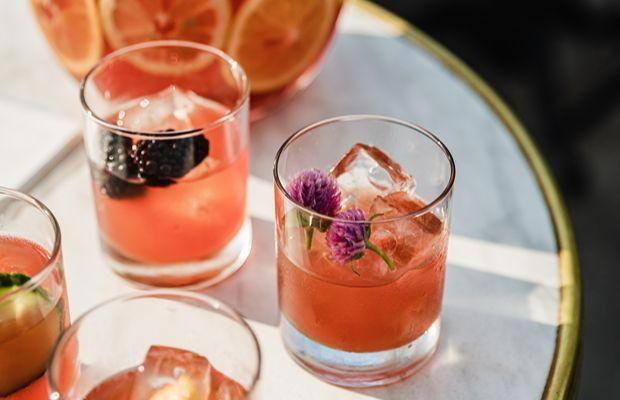
- Craft Cocktails
Current opening hours
- Monday
- Closed
- Tuesday
- 5–10 PM
- Wednesday
- 5–10 PM
- Thursday
- 5–10 PM
- Friday
- 5–10:30 PM
- Saturday
- 5–10:30 PM
- Sunday
- 5–9 PM
Hours can change for holidays and private events. Last verified .
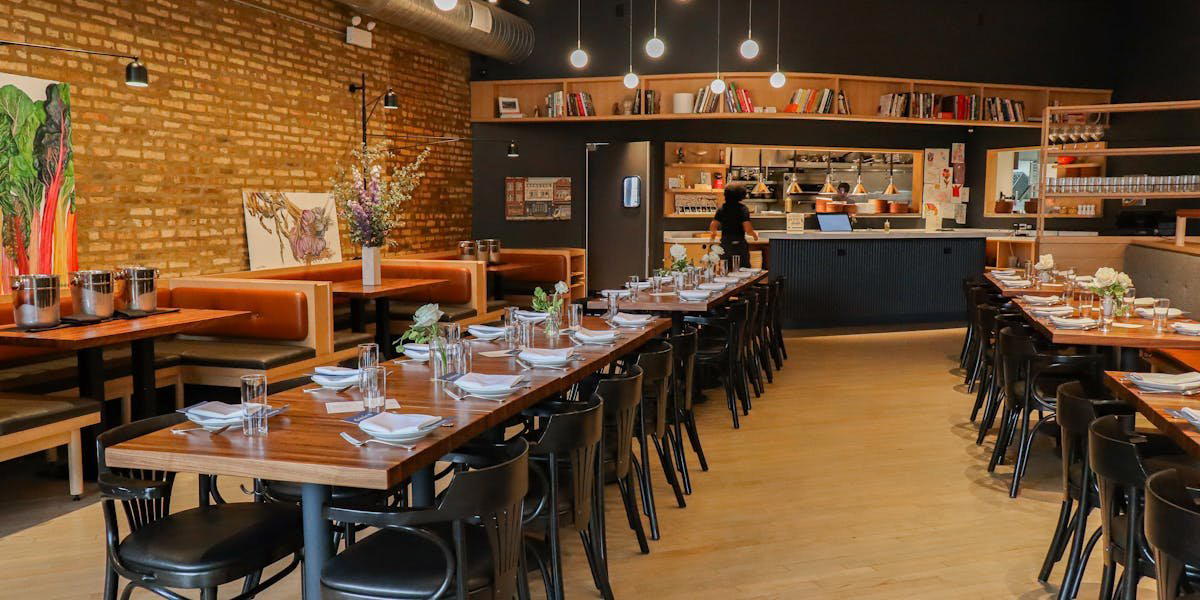
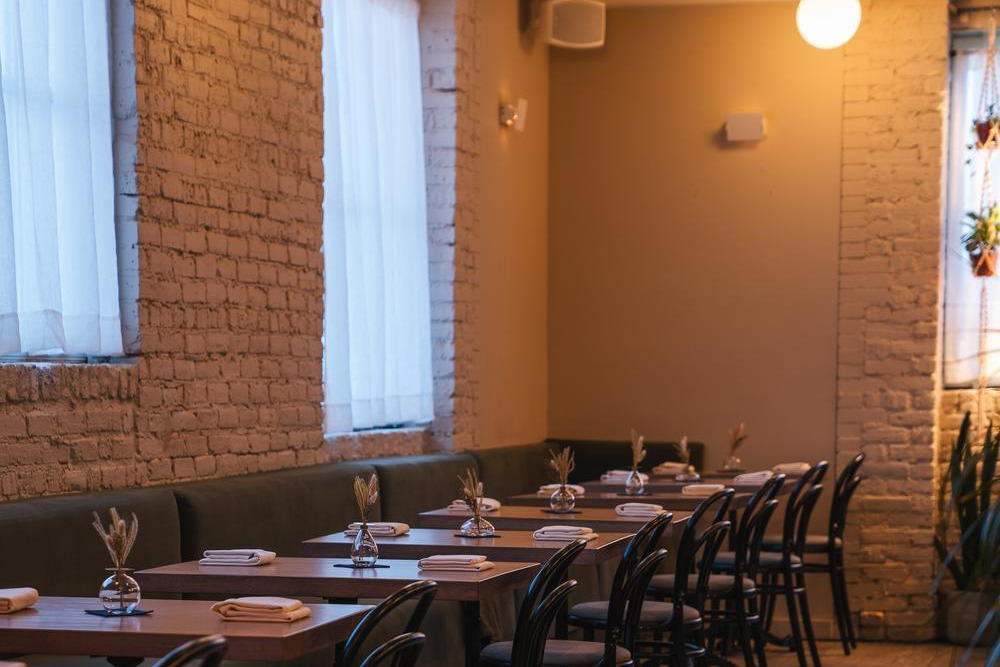
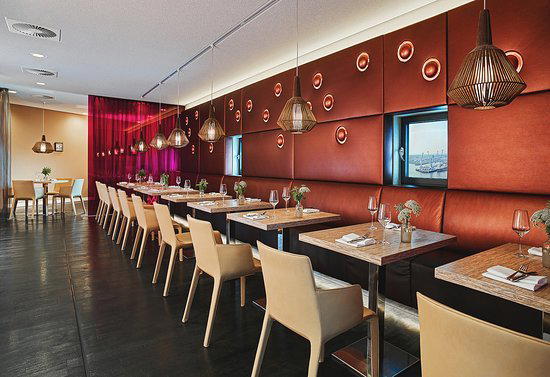
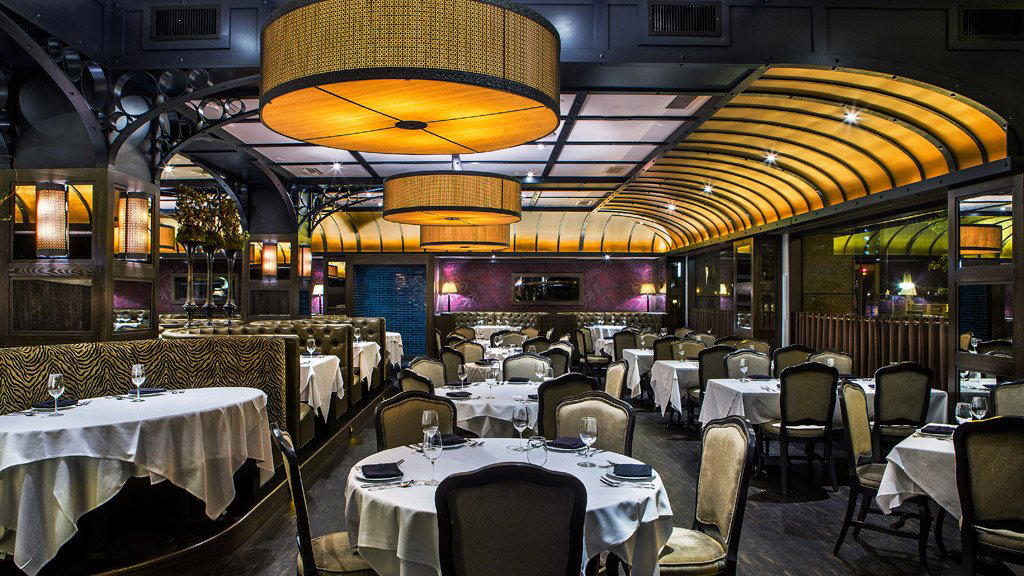
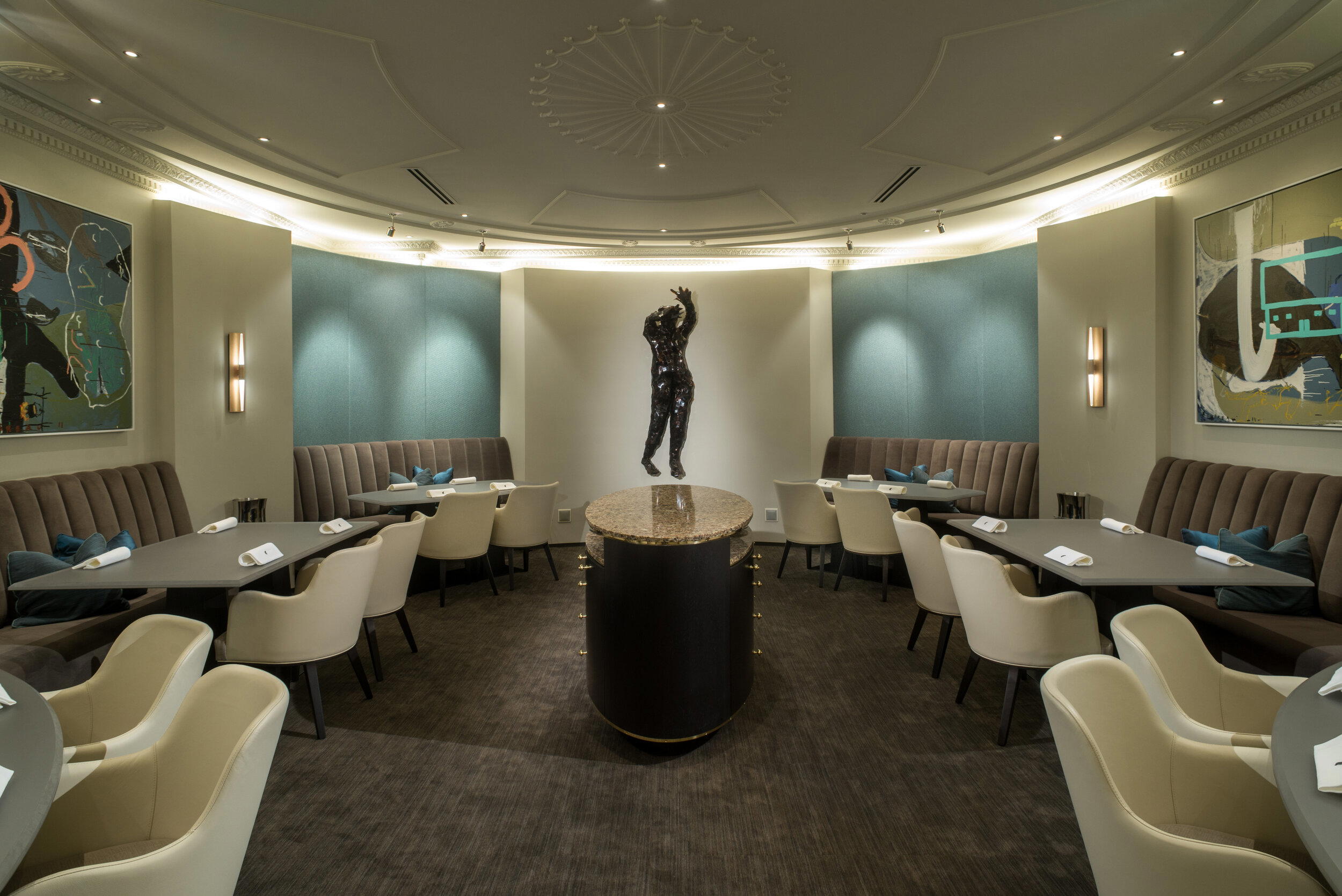
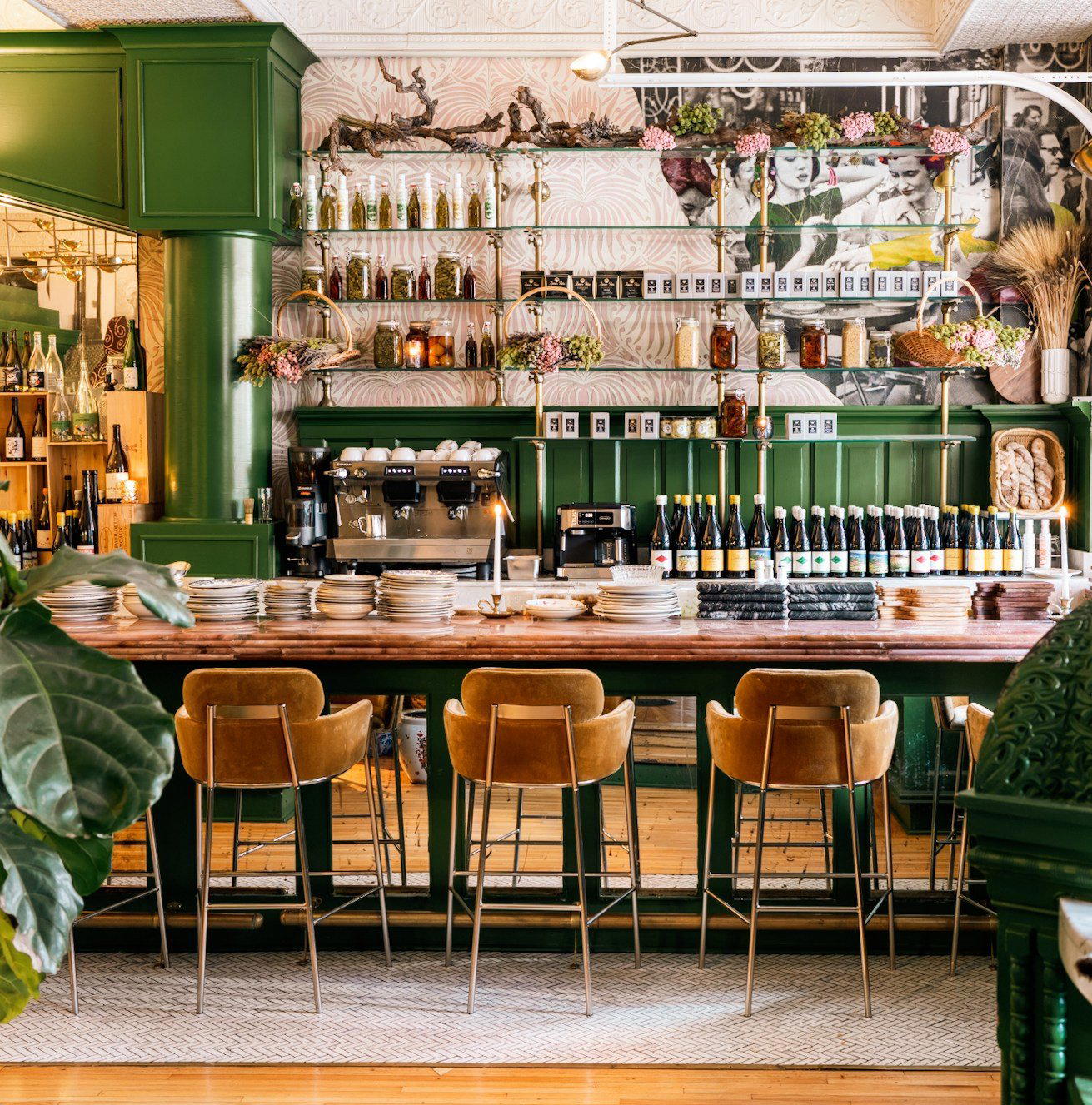
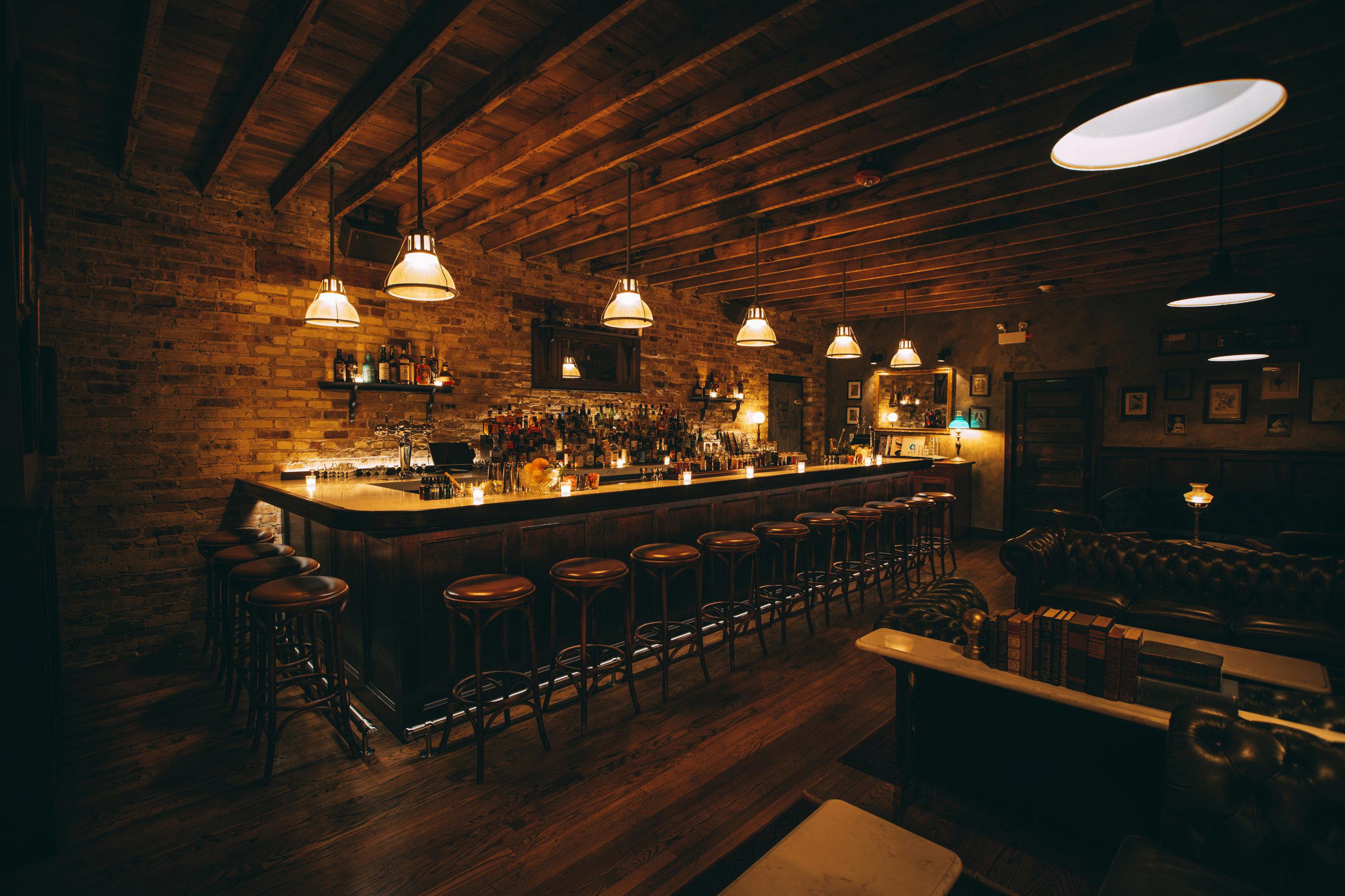
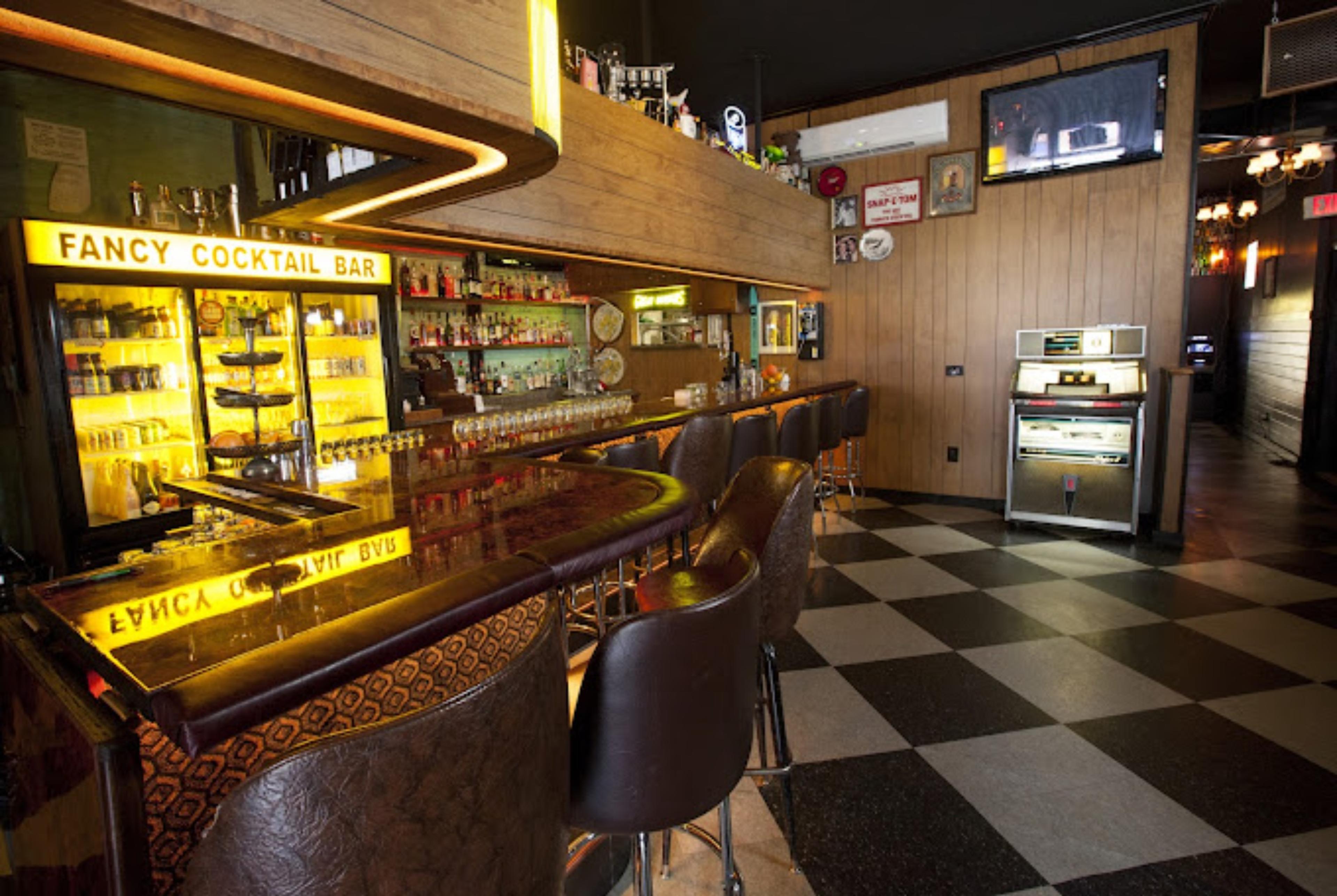
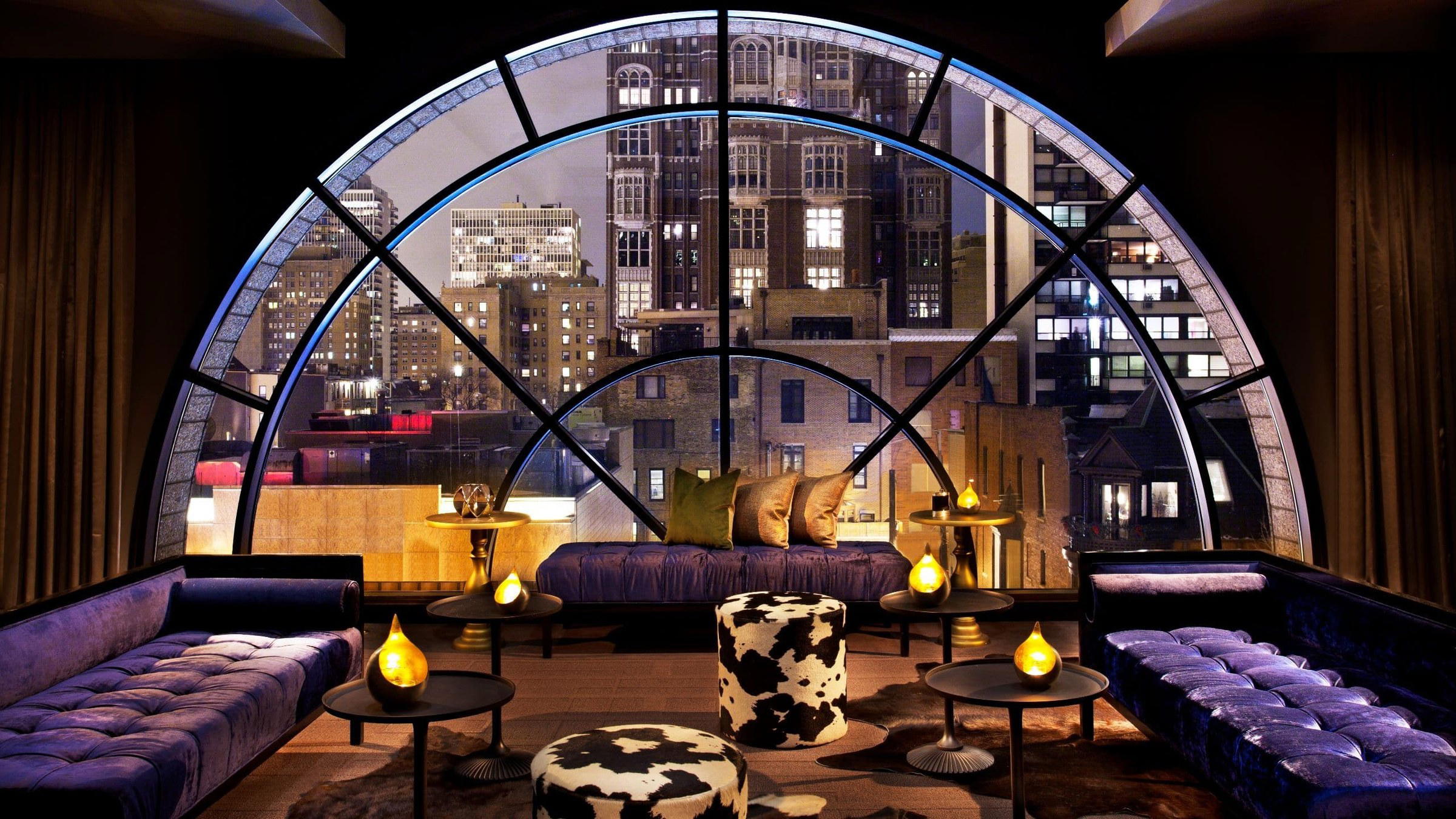
Relaxing and trendy ambiance with moderate noise levels.