
HILLSIDE PANTRY Daikanyama places Tokyo’s bread-counter culture inside the polished, residential rhythm of Sarugakucho. Its format is less about a formal restaurant meal than a pantry logic: bread, side dishes, delicatessen items, sandwiches, wine, and take-out, backed by Tabelog Bread TOKYO 100 selections in 2020 and 2022.
Pearl is the En Primeur Club membership app — saves, bookings, and concierge access live there. Same editors, same standards.
- Address
- Japan, 〒150-0033 Tokyo, Shibuya, Sarugakucho, 18−12 HILLSIDE TERRACE Building G, B1
- Phone
- +81 3-3496-6620
- Website
- hillsidepantry.jp
 Saves & bookings on Pearl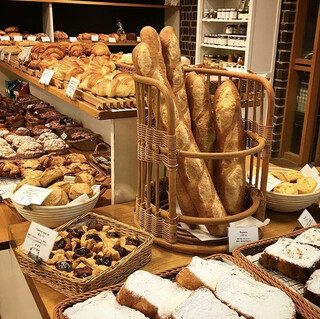
Daikanyama’s food mood changes at street level: boutiques give way to low-rise terraces, and the day’s eating often happens between errands rather than around a white-tablecloth reservation. In that setting, HILLSIDE PANTRY Daikanyama reads as part bakery, part deli counter, part neighbourhood provisions stop. The point is not ceremony. It is the Tokyo version of an urban pantry, where bread sits beside side dishes, sandwiches, delicatessen items, and wine, making the menu feel assembled for the day rather than staged for a single sitting.
That structure matters in a city where bread culture has become more exacting than casual visitors expect. Tokyo treats bakeries with the same evaluative intensity it applies to ramen, sushi, and coffee: queues, list recognition, station-area loyalties, and strong opinions about texture and timing. Selection for Tabelog Bread TOKYO 100 in both 2020 and 2022 puts this address inside that competitive bakery tier, but its appeal is broader than a bread run. The categories tell the story: bread is the anchor, while side dishes, delicatessen, and sandwiches turn the counter into a flexible meal system.
A bread counter built around the rest of the day
The menu architecture is practical in a way that suits Daikanyama. A pure bakery asks the customer to build a meal elsewhere; a restaurant asks for a full stop. This format sits between those poles. Bread can function as breakfast, a takeaway lunch, or the base for an apartment or hotel-room supper. Side dishes and deli items widen the decision, while sandwiches make the counter useful for visitors moving between Daikanyama, Nakameguro, and Ebisu.
That middle register is also why the price band carries editorial weight. At JPY 1,000 to JPY 1,999 for both lunch and dinner budgets, the experience competes less with destination dining and more with Tokyo’s serious everyday food: bakeries with reputations, prepared-food counters, and cafés where the quality of the base product does the work. Nearby comparison points show the spread. MATSUNOSUKE N.Y. Toukyou ・ daikanyama ten sits in a similar JPY 1,000 to JPY 1,999 bracket, caffe Michelangelo rises higher at dinner, and IVY PLACE moves into a more restaurant-like spend. Daikanyama Yakiniku Kaneko occupies an entirely different evening category, while Ristorante Aso represents the area’s formal Italian side. Against that field, the pantry format is the lower-commitment, higher-frequency option.
Tokyo’s bakery scene rewards precision, but this address is not framed as a chef-driven temple. No named chef narrative is needed for the argument. The stronger reading is structural: bread, prepared foods, sandwiches, and wine under one roof reflect a neighbourhood that eats well without always making a meal into an event. That is a Daikanyama proposition.
Why the Daikanyama setting changes the meal
Sarugakucho is not Shinjuku, Ginza, or Shibuya Crossing. Its dining rhythm is slower, more residential, and tied to design stores, terraces, small offices, and afternoon movement. A bakery-deli with take-out service belongs here because the neighbourhood encourages grazing: coffee before a gallery stop, bread before the train, provisions before returning to a rental apartment. The closest station is Daikanyama, and the wider walking triangle includes Nakameguro and Ebisu, which helps explain why portable food has more value here than a rigid dining format.
The room’s 26-seat scale keeps the experience compact. That figure matters because it signals neither a grab-and-go kiosk nor a full dining room. It allows for a pause, but the menu categories and take-out service keep the counter central. Non-smoking status and card acceptance, including major credit cards, electronic money, and QR code payments, also place it in the Tokyo norm for polished casual dining rather than old-school bakery cash culture.
For travellers building a Tokyo food itinerary, this is the kind of stop that works between larger meals. It will not replace a long sushi counter, a kappo dinner, or a reservation-led tasting menu, and it should not be judged by those standards. It belongs to the city’s smaller category of serious casual food, where recognition comes from consistency, repeat use, and the ability to turn a simple bread purchase into a meal decision.
How to place it in a Tokyo itinerary
The smartest use is daytime. The counter format, bakery focus, and neighbourhood location make it more useful before dinner than after it. Pairing it with Daikanyama browsing, a walk toward Nakameguro, or an Ebisu afternoon gives the stop context. Visitors chasing Tokyo’s high-end restaurant circuit sometimes overlook this layer, but bread culture is one of the city’s clearest examples of imported technique being absorbed into local daily habits.
For a broader city map, EP Club’s Our full Tokyo restaurants guide places this kind of address beside more formal dining rooms, while Our full Tokyo hotels guide, Our full Tokyo bars guide, Our full Tokyo wineries guide, and Our full Tokyo experiences guide help build the surrounding day. Tokyo’s range is visible in contrasts:. 鮪と炭火焼き うお炭 秋葉原店, 12/10 Shinjuku ten, 124. KAGURAZAKA (Yakitori), 2D Cafe, and 3 Chome no Curry Ya San all speak to different eating rhythms within the same city.
Japan’s casual-food precision also travels beyond Tokyo. Compare the category logic with -Grilled beef Sukiyaki- KAMAKURA TANUKIAN 鎌倉 たぬき庵 in Kamakura.cafe in Osaka.know in Kumamoto, (Shoku) Vietnam in Kawasaki, [Curry Senmon Ten] Maruyama Kyoju. in Sapporo, and [ki:] in Kyoto. For a trans-Pacific echo of Japanese casual formats, Jōdo Saké Bar in Los Angeles and Onigiri Time in Pasadena show how narrow food identities can hold their shape outside Japan.
Know Before You Go
- Format: Bread, side dishes, delicatessen, sandwiches, wine, and take-out.
- Recognition: Selected for Tabelog Bread TOKYO 100 in 2020 and 2022.
- Typical spend: JPY 1,000 to JPY 1,999.
- Seating: 26 seats.
- Setting: Hillside Terrace Building G, B1, in Sarugakucho, Shibuya.
- Planning note: Works better as a daytime food stop than as the main dinner of a Tokyo itinerary.
Cuisine Context
Comparable venues by cuisine and price in the same metro.
| Venue | Cuisine | Price | Notes |
|---|---|---|---|
| HILLSIDE PANTRY DaikanyamaThis venue — the venue you are viewing | Bakery café and deli | $ | Not listed |
| TRASPARENTE Nakameguro ten | Japanese-European bakery café | $ | Meguro |
| nemo Musashikoyama honten | Bakery & Cafe | $ | Shinagawa |
| Petit A La Campagne | European-style curry | $ | Chiyoda |
| AKHA AMA COFFEE Kagurazaka | Thai specialty coffee café | $ | Shinjuku |
| woodberry's Honten | Seasonal frozen yogurt & gelato | $ | Kichijoji |
Recognition history
Dated appearances from independent guides and award organizations, with the underlying list record or original source where available.
Tabelog 100 #20 · No. 20
Tabelog · Tabelog 100 - Bread - TOKYO - 2022













At a Glance
- Cozy
- Modern
- Solo
- Casual Hangout
- After Work
- Brunch
- Family
- Standalone
- Design Destination
- Historic Building
- Organic
- Local Sourcing
Current opening hours
- Monday
- 10 AM–7 PM
- Tuesday
- 10 AM–7 PM
- Wednesday
- Closed
- Thursday
- 10 AM–7 PM
- Friday
- 10 AM–7 PM
- Saturday
- 10 AM–7 PM
- Sunday
- 10 AM–7 PM
Hours can change for holidays and private events. Last verified .
Bright, casual café-bakery atmosphere with a neighborhood feel, showcasing baskets of bread and deli counters that create a bustling yet relaxed environment suited to everyday visits.