
A Nakameguro bakery-café with Tabelog Bread TOKYO 100 recognition in 2022, TRASPARENTE Nakameguro ten belongs to Tokyo’s serious everyday bread culture rather than the tasting-menu economy. The format is compact, casual, and built around bread, café service, cake, and takeout, with pricing that keeps it in the daily-use bracket for a neighbourhood with far more expensive dining options.
Pearl is the En Primeur Club membership app — saves, bookings, and concierge access live there. Same editors, same standards.
- Address
- 東京都目黒区上目黒2-12-11 1F
- Phone
- +81337191040
- Website
- trasparente.info
 Saves & bookings on Pearl
Nakameguro’s food rhythm changes by the block: coffee near the station, bakeries feeding commuters and residents through the day, then a sharper evening economy of yakitori, pizza, ramen, and counter dining. In that setting, TRASPARENTE Nakameguro ten reads less as a destination restaurant than as part of Tokyo’s precision-bakery culture, where the menu is built for repeat use rather than ceremony. The point is not a single set piece. It is the architecture of bread, café, and cake arranged for people who know exactly what they want before the lunch rush begins.
Tokyo treats bread with unusual seriousness for a rice-first capital. The city’s better bakeries borrow freely from French, Italian, and Japanese formats, then adapt them to small retail footprints and commuter timing. Nakameguro is suited to that model: dense, design-conscious, and full of diners who might spend heavily at night but still expect a reliable bakery in daylight. TRASPARENTE Nakameguro ten sits in that daily bracket, with average spend listed below JPY 999 at dinner and JPY 1,000 to JPY 1,999 at lunch. That pricing matters. It places the shop closer to a neighbourhood staple than to the reservation-led dining circuit that defines much of Tokyo’s international reputation.
A bakery menu built for repeat decisions, not a long sitting
The menu structure tells the story. Bread, café, and cake are grouped together, which makes the venue part bakery counter, part light-meal stop, part afternoon sweet shop. That hybrid is common in Tokyo, but the stronger examples avoid trying to become full restaurants. They let the bread program carry the identity, then use drinks and cakes to stretch the day beyond the morning purchase.
That is where the format has its logic. A bread-only shop has a narrow window; a café-bakery can serve breakfast, lunch, takeaway, and late-afternoon traffic without changing its core. The 16-seat count keeps the room small, so the experience is naturally weighted toward selection and turnover rather than lingering. Takeout is part of the service model, which suits Nakameguro’s pedestrian flow and the station-adjacent pattern of quick purchases. For travellers, that makes it useful in a different way from a formal reservation: it can anchor a morning or afternoon in the neighbourhood without consuming the day.
The Tabelog Bread TOKYO 100 selection in 2022 gives the shop a useful external marker. Tabelog’s category lists are especially relevant for bakeries because Tokyo’s bread scene is broad, fragmented, and highly local; a place can have a strong following without the kind of English-language coverage that pushes restaurants onto visitor itineraries. A 3.75 Tabelog score adds another signal, particularly in a market where ratings tend to cluster tightly and casual venues rarely receive the same international attention as sushi or kaiseki counters.
Nakameguro's casual tier has range, and bread is part of the map
Nakameguro is often flattened into cherry-blossom imagery and canal-side walking, but its dining identity is more varied than that shorthand suggests. Teuchi Asama represents the area’s ramen side, Seirinkan its pizza culture, and Tori Yoshi Nakameguro honten the higher-spend evening bracket. Kitchen Pan Chi sits closer to the daily lunch economy, while Chugokusai HINA points to the neighbourhood’s broader Chinese dining layer. Against that spread, TRASPARENTE Nakameguro ten occupies the low-price, high-frequency category: the kind of place that shapes how a neighbourhood eats between headline meals.
This is a useful distinction for Tokyo planning. Visitors often over-index on dinner bookings, then leave mornings to convenience stores or hotel breakfasts. That misses a large part of the city’s food intelligence. Bakeries, kissaten, coffee counters, and cake shops reveal how Tokyo handles small decisions: portion, packaging, queue discipline, train access, and the quiet expectation that casual food should be made with care. The bakery-café category also travels well across a day of moving through the city. It does not demand a formal slot, and it pairs naturally with Nakameguro’s retail streets and residential scale.
The comparison also keeps expectations in proportion. This is not the theatrical end of Tokyo dining, and it should not be judged against omakase counters or tasting menus. Its value lies in the way it compresses several everyday needs into one compact format. The award recognition places it within a vetted bread category, but the better reading is practical and cultural: a low-spend bakery-café in a neighbourhood where casual food has to compete with serious evening dining, strong coffee habits, and constant foot traffic.
How to use it in a Tokyo itinerary
The smartest use is as a neighbourhood stop rather than a cross-city pilgrimage. Pair it with a Nakameguro walk, then let the rest of the day move toward a different register: ramen, yakitori, curry, café culture, or a bar later in the evening. For broader planning, Our full Tokyo restaurants guide gives the citywide dining frame, while Our full Tokyo hotels guide, Our full Tokyo bars guide, Our full Tokyo wineries guide, and Our full Tokyo experiences guide help place it inside a fuller Tokyo day.
Travellers building a casual-food map can also look across the wider EP Club index for contrast:. 鮪と炭火焼き うお炭 秋葉原店, 12/10 Shinjuku ten, 124. KAGURAZAKA (Yakitori), 2D Cafe, and 3 Chome no Curry Ya San show how Tokyo’s lower-ceremony formats vary by neighbourhood and category. Beyond Tokyo, the same casual-specialist logic appears in different forms at -Grilled beef Sukiyaki- KAMAKURA TANUKIAN 鎌倉 たぬき庵 in Kamakura.cafe in Osaka.know in Kumamoto, (Shoku) Vietnam in Kawasaki, [Curry Senmon Ten] Maruyama Kyoju. in Sapporo, [ki:] in Kyoto, Jōdo Saké Bar in Los Angeles, and Onigiri Time in Pasadena. The useful lesson is category discipline: small formats work when they know their role in the day.
Budget and Context
Comparable venues by cuisine and category.
| Venue | Cuisine | Price | Notes |
|---|---|---|---|
| TRASPARENTE Nakameguro tenThis venue — the venue you are viewing | Meguro, Japanese-European bakery café | $ | Not listed |
| Shiroichi Shibuya ten | Not listed | $ | Shibuya, Raw milk soft serve & ice cream shop |
| The KARI | Minato, Japanese curry house | $ | Not listed |
| Ginyu Shijin | Not listed | $ | Suginami, Neighborhood Japanese boulangerie |
| Okusawa Factory Coffee and Bakes | Not listed | $ | Setagaya, Neighborhood cafe & Western-style bakery |
| SIROTAE | Not listed | $ | Minato, Traditional Japanese cake shop & café |
Recognition history
Dated appearances from independent guides and award organizations, with the underlying list record or original source where available.
Tabelog 100 #76 · No. 76
Tabelog · Tabelog 100 - Bread - TOKYO - 2022












At a Glance
- Cozy
- Casual
- Casual Hangout
- Solo
- Family
- After Work
- Brunch
- Standalone
- Design Destination
- Local Sourcing
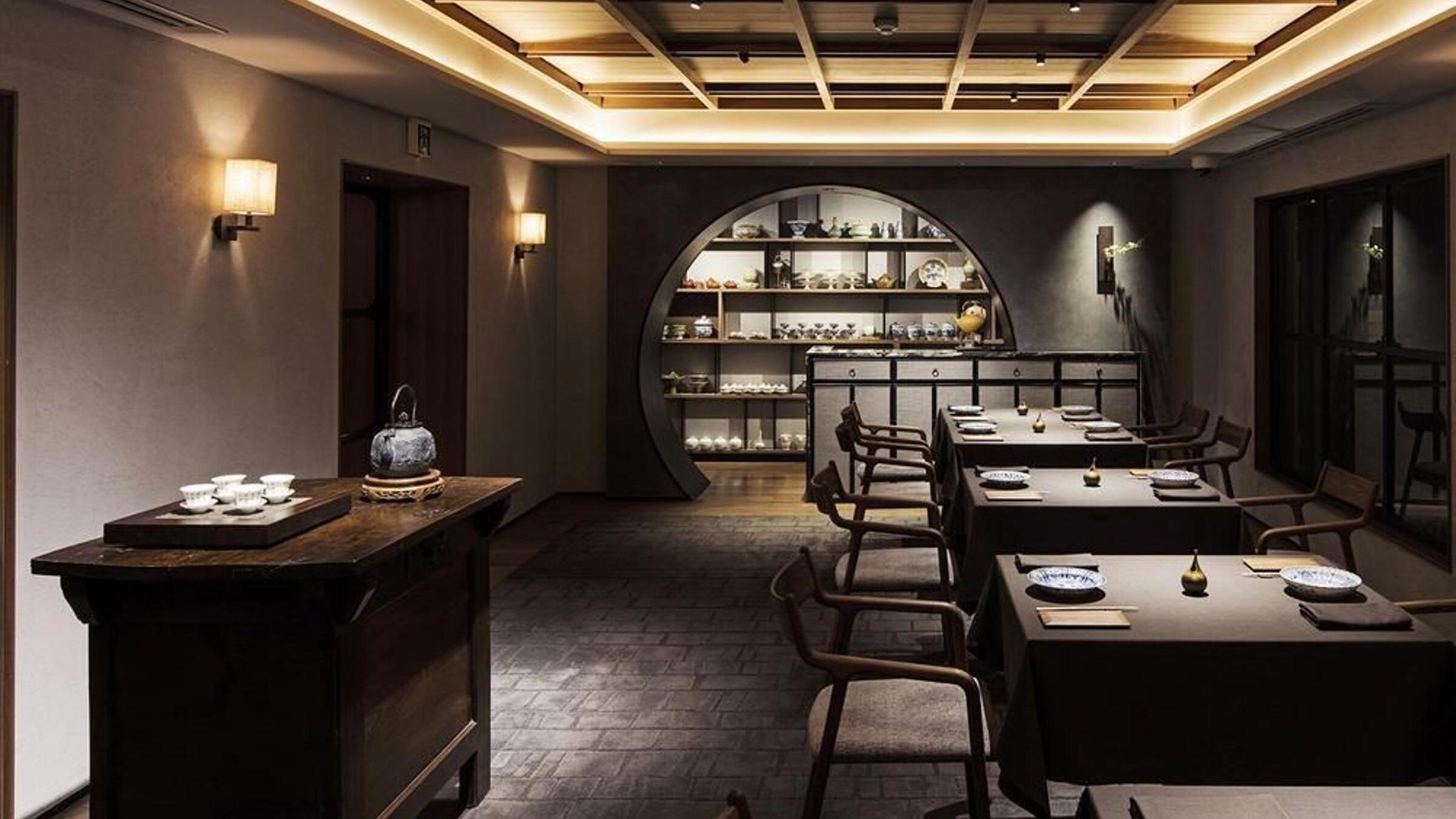
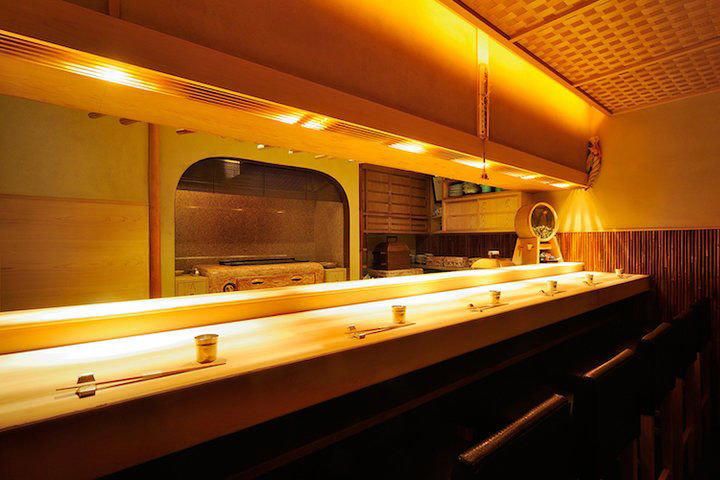
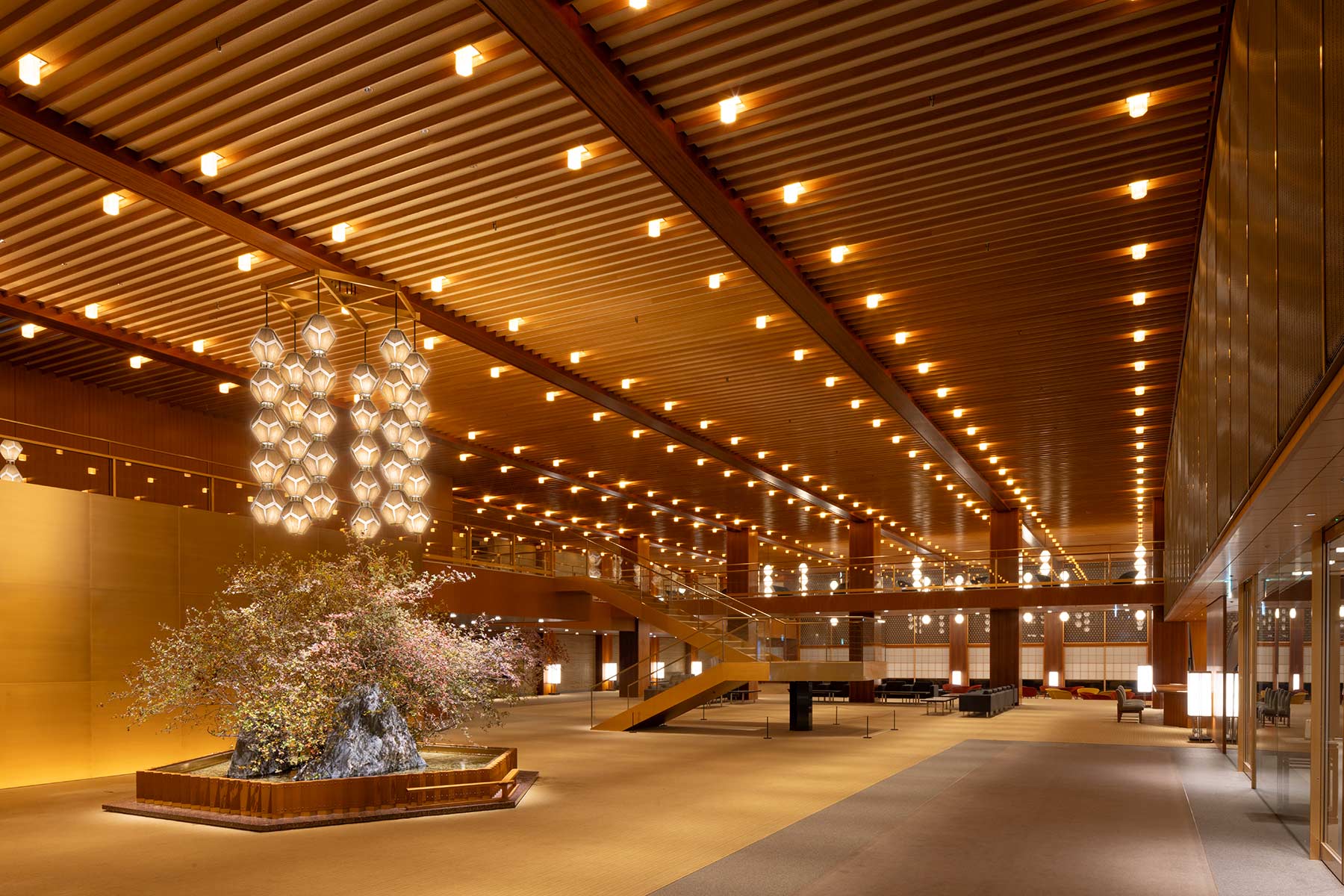
A cozy, casual bakery-café with a warm neighborhood feel, simple modern decor, and the lively yet relaxed atmosphere of a local shopping-street shop where people drop in for bread, cakes, and coffee.