
Hēdonē occupies a considered address on Stationslaan in Tongeren-Borgloon, Belgium's oldest city and a region where agricultural heritage and fine dining have developed in close step. The name signals an explicit commitment to pleasure at the table, positioning the restaurant within a broader Flemish tradition that prizes ingredient provenance as the foundation of serious cooking rather than as an afterthought.
Pearl is the En Primeur Club membership app — saves, bookings, and concierge access live there. Same editors, same standards.
- Address
- Stationslaan 6, 3700 Tongeren-Borgloon, Belgium
- Phone
- +3212671016
- Website
- restauranthedone.be
- Directions
- Get directions
 Saves & bookings on Pearl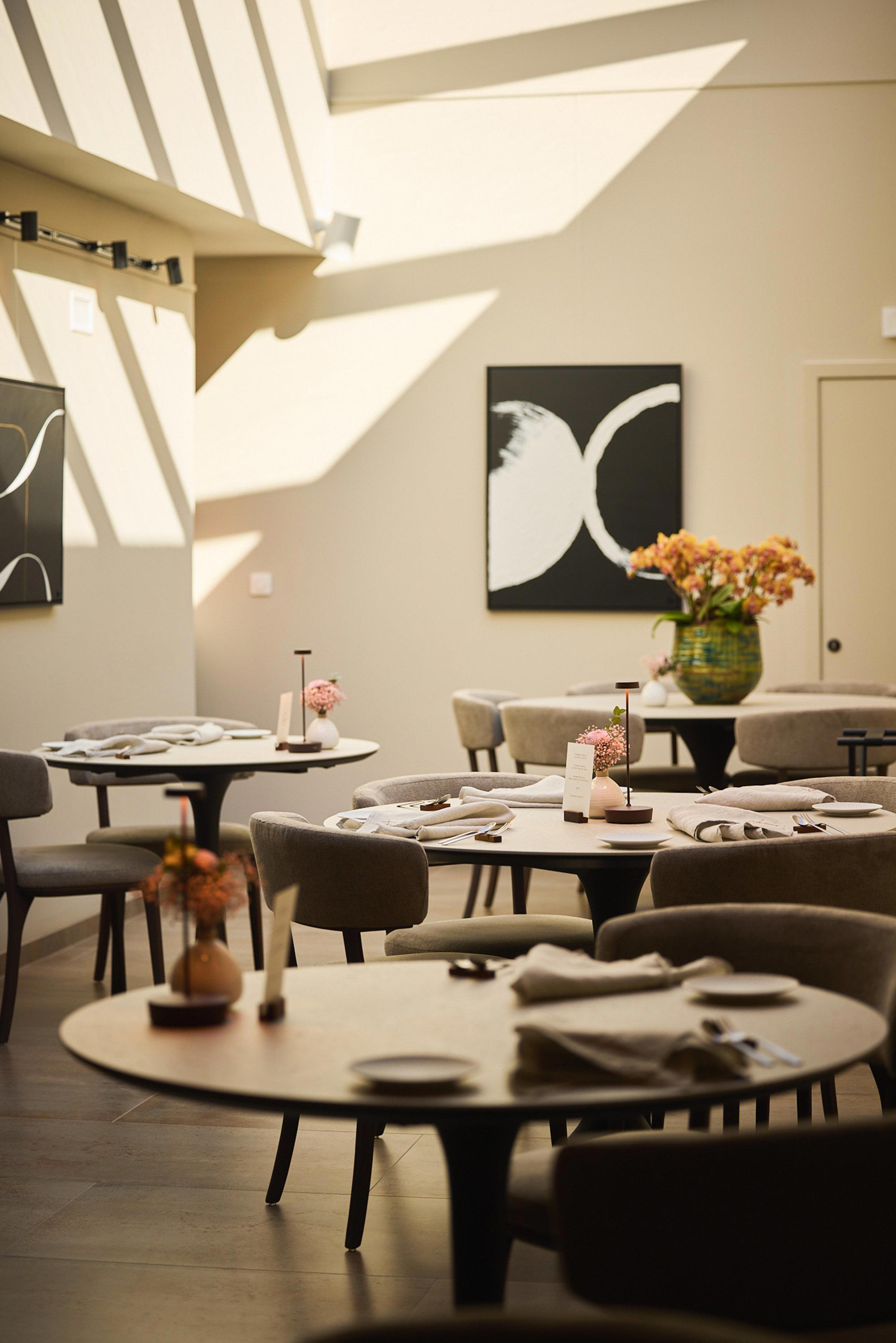
Where Tongeren's Agricultural Identity Meets the Table
Belgium's oldest city carries its history lightly but insistently. Tongeren's Roman walls and weekly antiques market set a civic tone that prizes what endures over what merely trends. That sensibility has filtered into the restaurant scene here, where a small number of serious kitchens have built their identities around the agricultural wealth of Haspengouw, the orchard and farmland plateau that stretches south and east of the city. The produce that comes off this land, from stone fruits to grain-fed livestock, is not a marketing angle; it is a genuine geographic advantage that shapes what ends up on the plate at restaurants serious enough to source from it. Hēdonē is a restaurant in Tongeren-Borgloon, Belgium, serving a Modern French Seasonal Tasting Menu at about US$95 per person, and it operates within this framework.
The Borgloon portion of the address is telling. Borgloon sits at the heart of Haspengouw, surrounded by particularly productive orchard land in the Low Countries. In spring the landscape runs white with cherry and apple blossom; by late summer those same fields supply produce that defines the region's culinary identity. A restaurant with one foot in Tongeren and one in Borgloon is not incidentally placed. The address positions Hēdonē within direct reach of that supply chain in a way that urban restaurants, even those with serious sourcing credentials, cannot fully replicate.
The Haspengouw Sourcing Question
Across Belgian fine dining, the sourcing conversation has shifted considerably over the past decade. Kitchens that once treated local suppliers as a secondary consideration now treat proximity and traceability as the primary framework for menu construction. This is visible at benchmark tables across the country: Hof van Cleve - Floris Van Der Veken in Kruishoutem has long anchored its identity in West Flemish terroir; Willem Hiele in Oudenburg built its reputation specifically around coastal and estuarine ingredients gathered from the immediate environment. The logic is consistent: when the sourcing is tight and the geography is specific, the food carries a sense of place that no technique alone can manufacture.
In Haspengouw, that sense of place is particularly well-defined. The region's soft limestone soils and continental microclimate produce fruit with a concentration that differs from coastal or Ardennes-grown equivalents. Any kitchen in Tongeren-Borgloon that commits to regional sourcing has access to a pantry that changes meaningfully with the calendar, early-season asparagus, summer stone fruits, autumn root vegetables, giving the menu a natural seasonal arc that resists stagnation. This is the competitive context in which Hēdonē sits, and it is a context that rewards discipline in the kitchen as much as relationships with growers.
Tongeren's Fine Dining comparable set
The restaurant scene in Tongeren is compact but genuinely serious. Alter, working across French, Progressive American, and Creative registers at the €€€€ tier, anchors the upper end of the local market. De Mijlpaal occupies the French Creative bracket at €€€, and Magis brings a Modern Cuisine approach at a similar price point. More casual options like Bistrobelix and Le 54 fill out the mid-market. This distribution is typical of a provincial Belgian city with cultural weight: a thin layer of serious kitchens at the leading, supported by a broader mid-market, with little in the way of the tourist-facing international chains that dilute dining culture in larger cities.
Hēdonē's name, derived from the Greek for pleasure, announces a positioning that leans toward experience and sensory engagement rather than pure technical formalism. In a comparable set that includes kitchens working explicitly within French tradition, that framing carries meaning. It suggests a kitchen more interested in what the diner feels at the end of an evening than in demonstrating adherence to a classical canon. Whether that translates to a looser menu format, a more naturalist approach to ingredient treatment, or simply a tone of hospitality that prioritises ease over ceremony is the kind of detail that emerges in the room rather than from the address. The name itself is a commitment, and in a city as historically conscious as Tongeren, naming a restaurant after the philosophy of pleasure is a deliberate act.
Belgian Fine Dining at This Address
The broader Belgian restaurant circuit that Hēdonē operates within has produced a disproportionate number of reference-point tables relative to the country's size. Zilte in Antwerp, Boury in Roeselare, Bartholomeus in Heist, De Jonkman in Sint-Kruis, Castor in Beveren, and L'air du temps in Liernu collectively demonstrate that serious cooking in Belgium is not concentrated in Brussels but distributed across regional cities and smaller towns. d'Eugénie à Emilie in Baudour is another data point in that pattern. Even internationally, the precision-driven ethos of Belgian fine dining finds echoes in kitchens like Le Bernardin in New York City and the fermentation-forward discipline of Atomix in New York City and Bozar Restaurant in Brussels in the capital. Tongeren contributes to this national pattern rather than operating as an outlier within it.
Planning a Visit
Stationslaan 6 places Hēdonē within walking distance of Tongeren's rail station, which handles connections from Hasselt and Liège with reasonable frequency. For visitors travelling from Brussels, the journey involves a change at Hasselt and takes roughly ninety minutes by train; driving from Antwerp runs approximately an hour depending on routing. Given the address straddles Tongeren and Borgloon, visitors arriving by car have direct access to both the city centre and the surrounding orchard territory, which is worth exploring by daylight before an evening sitting. For reservations, opening hours, and current menu details, checking directly with the restaurant is the appropriate route.
Fast Comparison
Comparable venues nearby, for context on price, style, and recognition.
| Venue | Cuisine | Price | Awards | Notes |
|---|---|---|---|---|
| HēdonēThis venue — the venue you are viewing | Modern French Seasonal Tasting Menu | $$$ | Not listed | Not listed |
| Le 54 | Belgian-European Bistro | $$$ | Not listed | City Center |
| Bistrobelix | Classic Belgian Bistro | $$ | Not listed | Overrepen |
| ça roule | Modern French-Belgian Fine Dining | $$$$ | Not listed | Nerem |
| Ma Marraine | Modern Belgian Seafood | $$$ | Not listed | hartje Tongeren |
| Magis | Modern French-Belgian Fine Dining | $$$ | Michelin 1 Star | city centre |
Recognition history
Dated appearances from independent guides and award organizations, with the underlying list record or original source where available.
Michelin Plate
Michelin
Continue exploring
More in Tongeren
Restaurants in Tongeren
Browse all →
At a Glance
- Elegant
- Intimate
- Modern
- Sophisticated
- Date Night
- Special Occasion
- Celebration
- Open Kitchen
- Standalone
- Sommelier Led
- Local Sourcing
Current opening hours
- Monday
- Closed
- Tuesday
- 7–8:30 PM
- Wednesday
- 12–2 PM, 7–8:30 PM
- Thursday
- 12–2 PM, 7–8:30 PM
- Friday
- 12–2 PM, 7–8:30 PM
- Saturday
- 7–8:30 PM
- Sunday
- Closed
Hours can change for holidays and private events. Last verified .
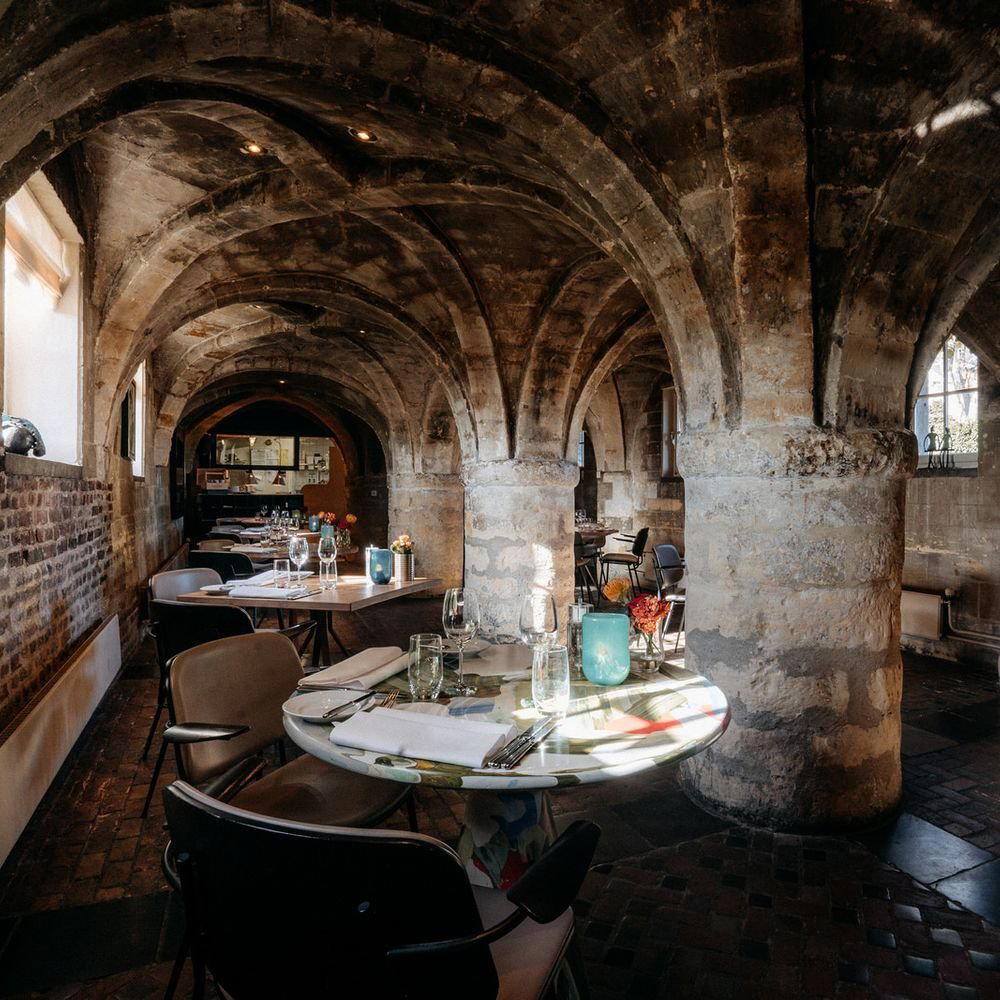
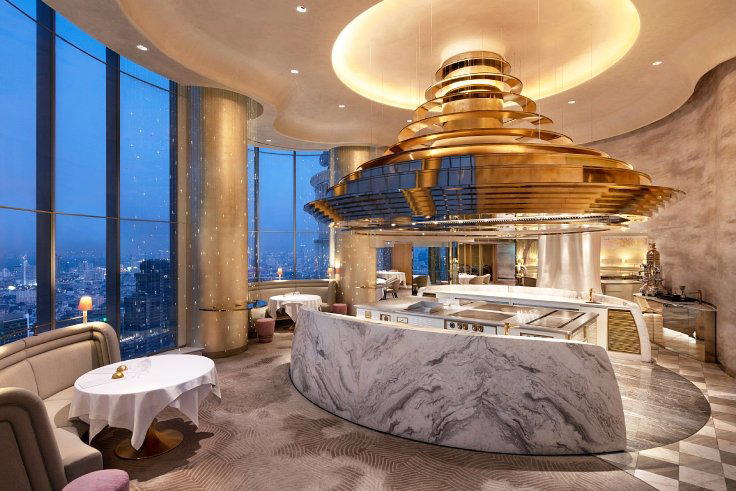
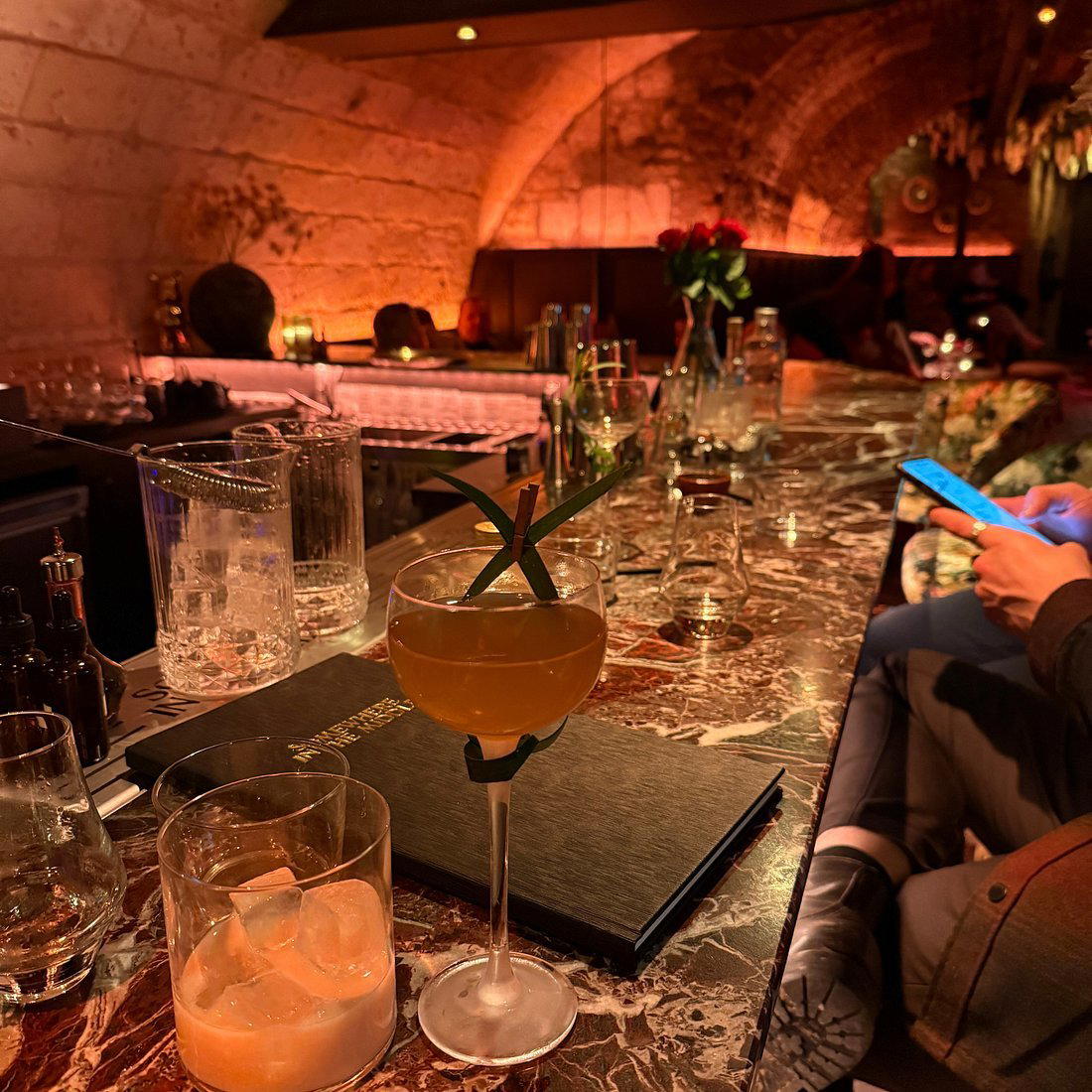
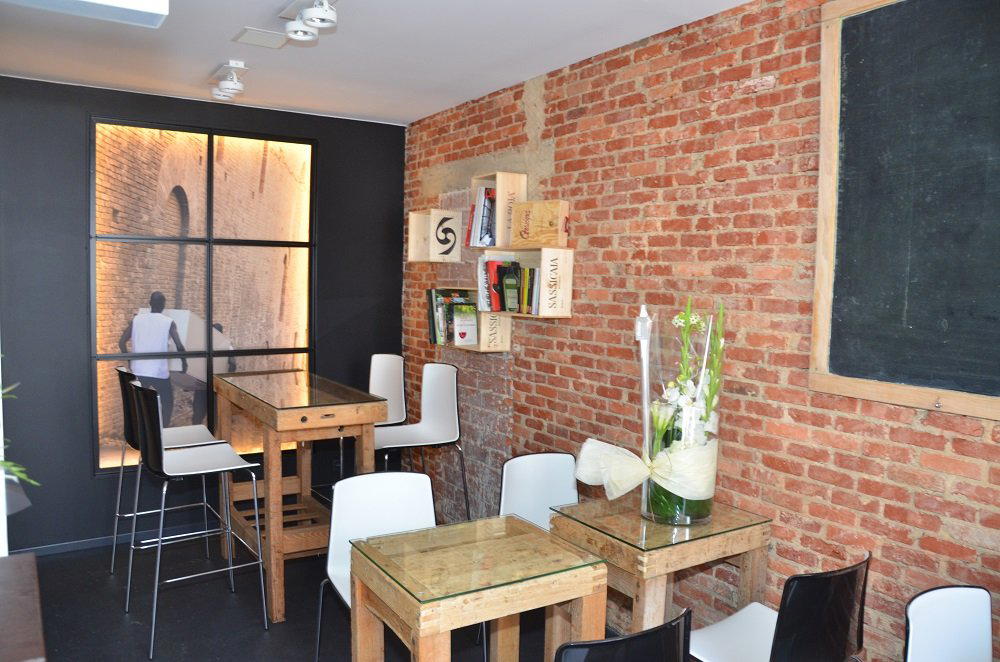
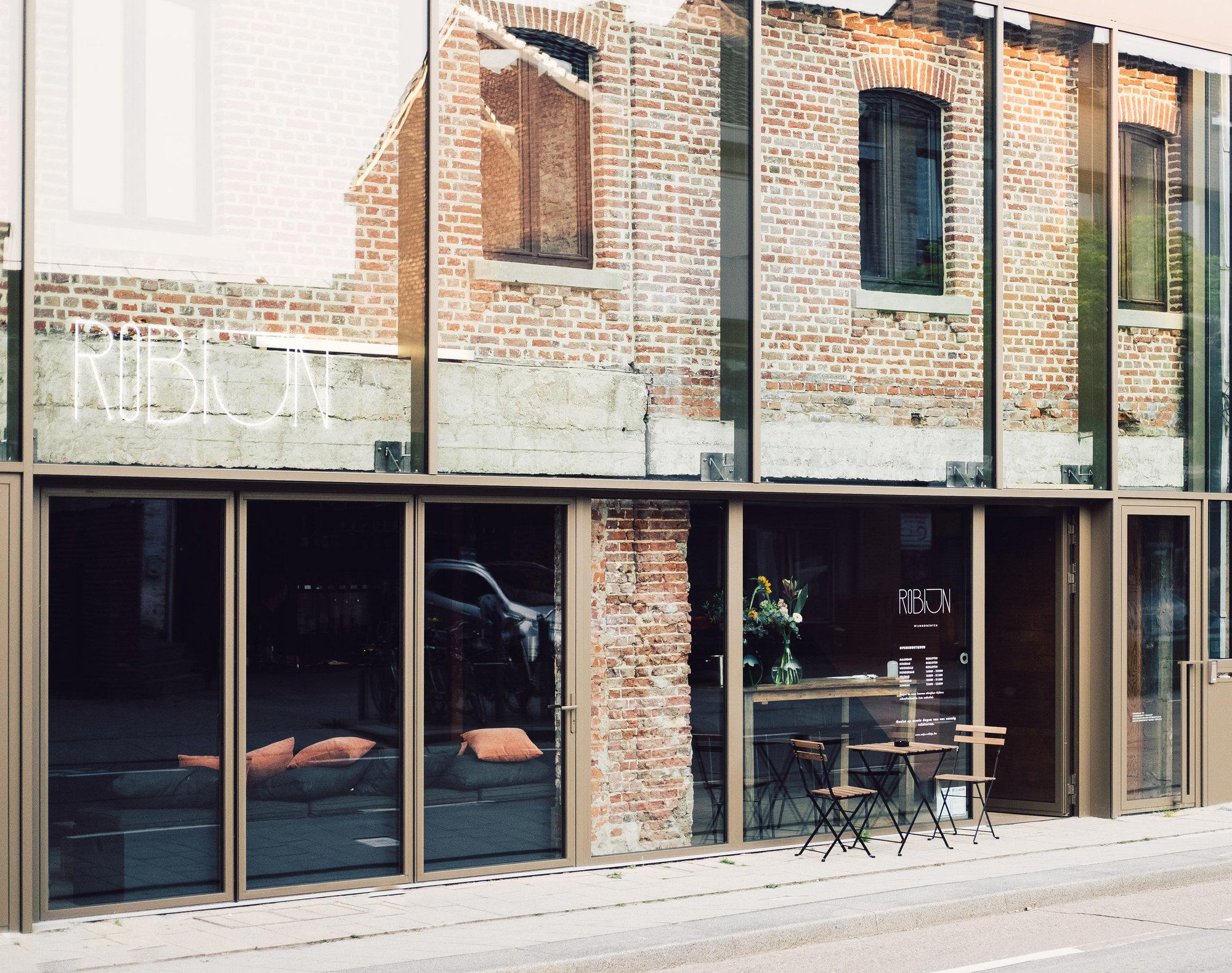
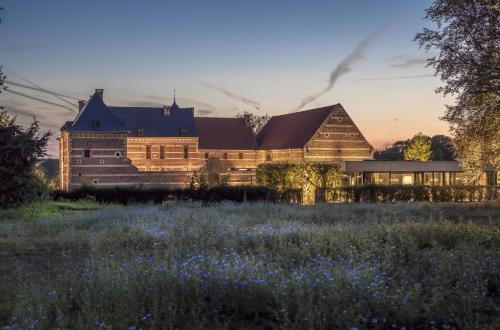
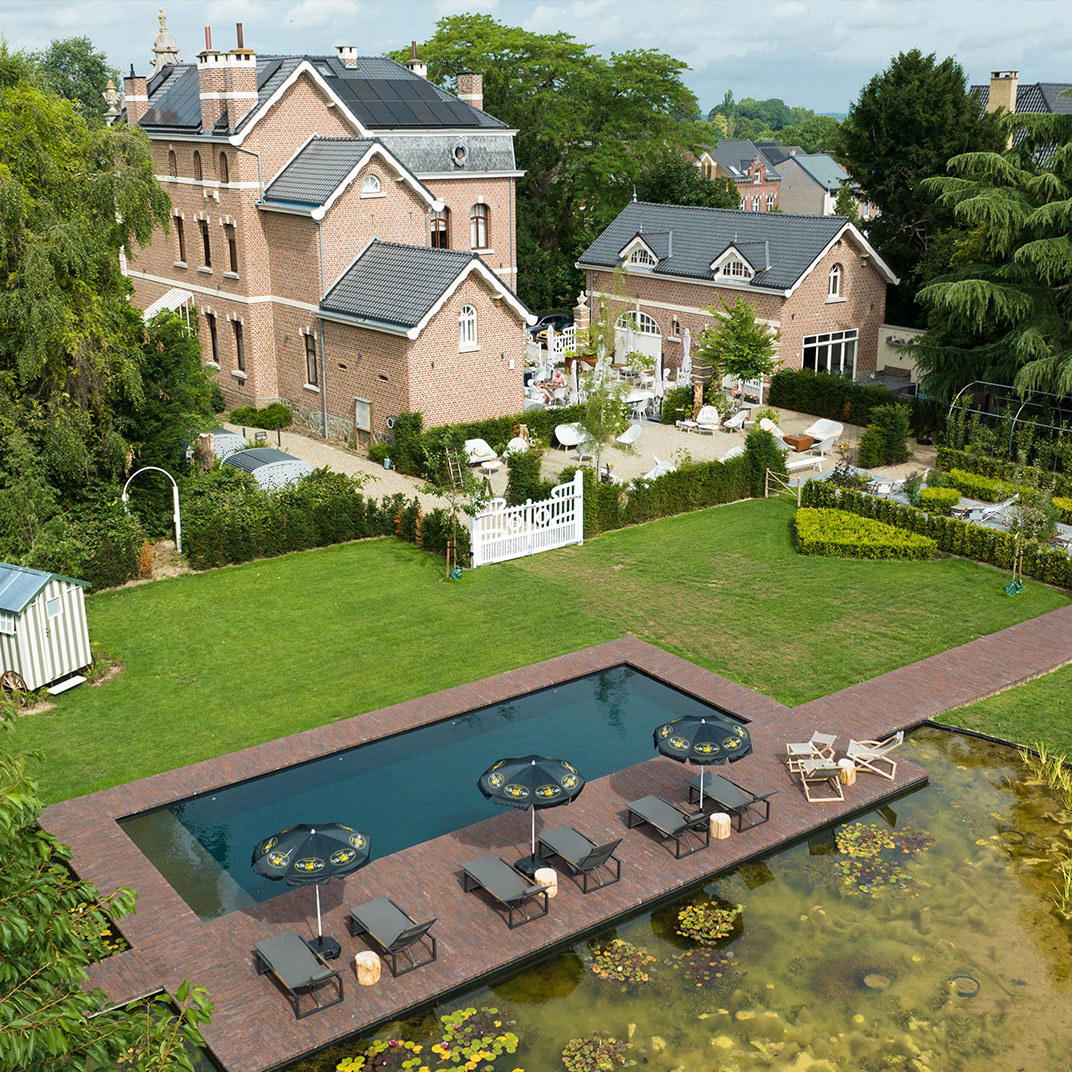
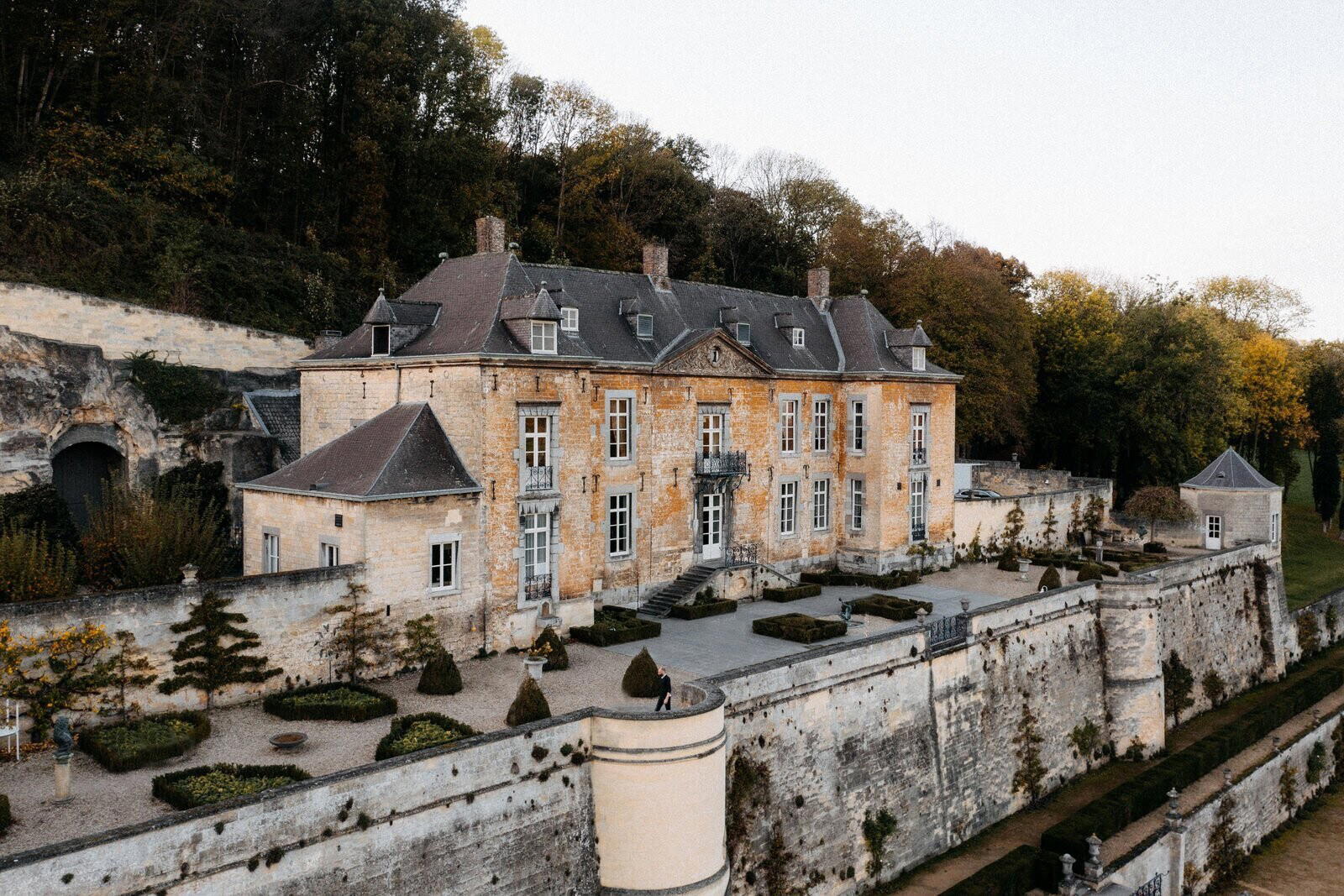
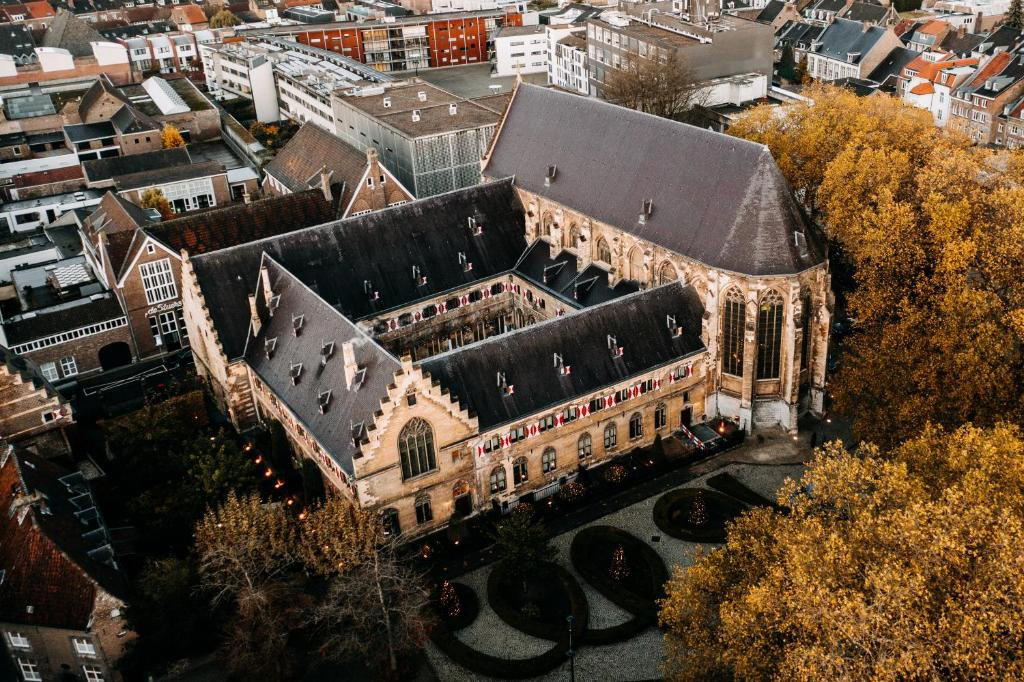
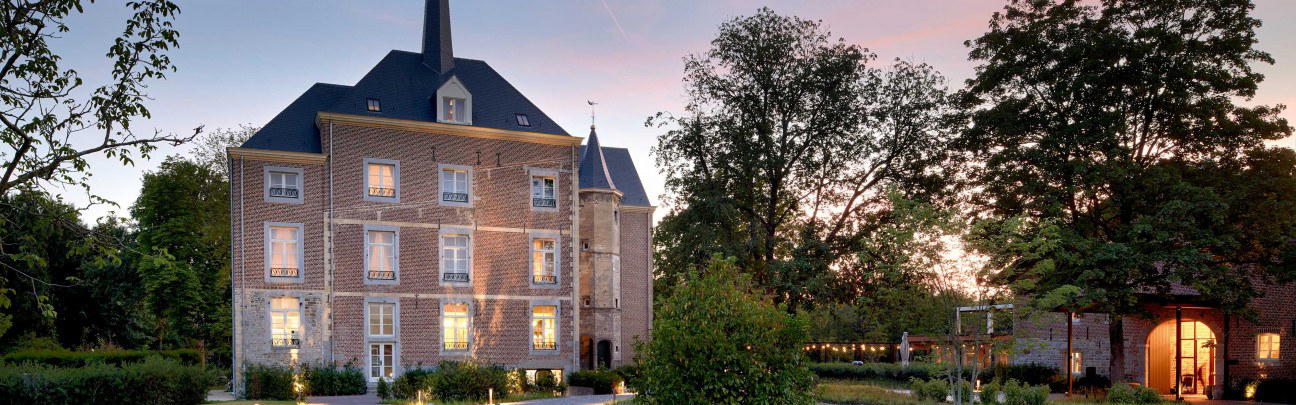
Stylish and contemporary interior with an open kitchen at the front, apéro and coffee salon, refined yet personalized atmosphere focused on pure enjoyment.