
This listing is retired after a June 2026 status audit found the place inactive at its stored address.
- Address
- Hemelingenstraat 23, 3700 Tongeren-Borgloon, Belgium
- Phone
- +32 12 74 34 64
- Website
- restaurantmagis.be
- Directions
- Get directions
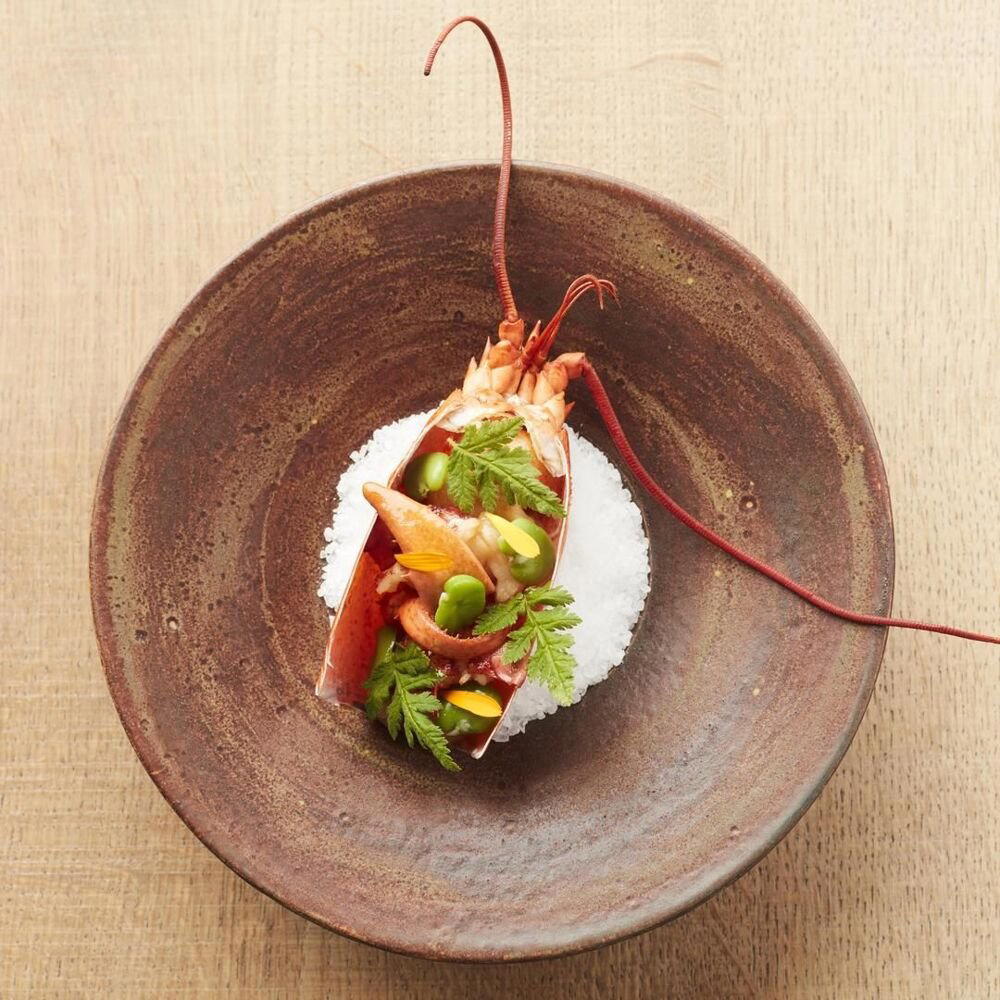
Where Belgium's Oldest City Meets Contemporary Cooking
Tongeren carries an unusual weight for a small Belgian city. As the oldest municipality in the country, its streets layer Roman foundations beneath Flemish guild architecture, and the weekend antiques market draws collectors from across the Low Countries. Against that backdrop, the address on Hemelingenstraat 23, in the broader Tongeren-Borgloon corridor that extends toward the fruit-growing limestone hills of Haspengouw, sits at the intersection of deep regional character and modern culinary ambition. Magis earned its first Michelin star in 2024 and retained it in 2025.
Modern Cuisine in a Region Still Finding Its Fine-Dining Identity
Belgium's Michelin map concentrates its density in Flanders, with three- and two-star addresses clustered in the cities and coastal stretch. The Flemish provinces further inland, including Limburg and the Haspengouw sub-region, have historically produced fewer starred addresses, which means a new star here signals something about the region rather than just the restaurant. When a kitchen in a secondary Belgian city achieves Michelin recognition at the €€€ price tier, it typically reflects a deliberate positioning: serious technique at a price point that remains accessible relative to the country's top tier. Magis occupies that bracket, with chef Martin Sieberer operating in a Modern Cuisine register that positions the kitchen within the broader European tradition of precision-led contemporary cooking rather than any narrowly regional identity.
That distinction matters when reading the menu's cultural logic. Modern Cuisine, as a category, carries a particular history in the low countries: it is the format through which Belgian kitchens have historically absorbed and reinterpreted French classical structure, Flemish ingredient culture, and, increasingly, Scandinavian and Japanese technique. The addresses that have done this most convincingly, Hof van Cleve in Kruishoutem, Zilte in Antwerp, Willem Hiele in Oudenburg, have each found a way to root international technique in specific local materials. For a kitchen in Haspengouw, the agricultural context is direct: the region produces some of Belgium's leading stone fruit, and the orchards and farms of the Borgloon hills supply ingredients that would be difficult to source with equivalent provenance anywhere else in the country.
The Cultural Logic of Haspengouw on a Plate
Understanding what Magis is doing requires understanding what Haspengouw produces. The sub-region, which runs south from Tongeren toward Sint-Truiden and Borgloon, is Belgium's orchard country: cherries, pears, apples, and plums grown on gently sloping limestone terrain. It also sits close to the Meuse valley, which historically connected the area to both Dutch and French culinary traditions rather than aligning it cleanly with either Flemish coastal cooking or the Walloon forest kitchen. The result is a regional ingredient palette that is genuinely distinct from what a Ghent or Bruges kitchen would reach for by default, and a cultural food memory that blends fruit-forward cooking traditions with the earthier register of Limburg farming.
Modern Cuisine formats in this setting have the potential to do something that high-volume urban kitchens cannot: anchor international technique in hyperlocal seasonal material with genuine agricultural traceability. The Michelin recognition of a kitchen at this address in two consecutive years suggests the inspectors found something that justified repeat visits.
Tongeren's Dining Tier and Where Magis Sits Within It
Tongeren's restaurant scene is small relative to its tourist footfall. The city draws visitors primarily for its Roman heritage and its Sunday antiques market, and dining options have historically skewed toward the casual rather than the ambitious. The presence of multiple starred addresses, including Magis alongside Alter and De Mijlpaal, gives the city a fine-dining density that is disproportionate to its size, a pattern seen in other Belgian heritage towns where tourism demand creates the viable customer base for destination dining. At €€€, Magis sits in the tier that attracts both serious food visitors making a dedicated trip from Liège, Hasselt, or Antwerp, and local clientele who want the occasion of a starred meal without committing to the highest price bracket.
For context, the Belgian €€€ tier in fine dining currently runs roughly from €80 to €130 per person for a full menu before wine. That bracket positions the kitchen in a different competitive set from the €€€€ houses where a menu alone can reach €200 or more, as at Bartholomeus in Heist or d'Eugénie à Emilie in Baudour. The appetite for this middle tier has grown across Belgium as a generation of technically trained chefs has moved away from one expensive format in favor of kitchens that can fill seats more frequently and build a broader audience. Magis's consecutive star retention suggests the format is working.
A Note on Chef Martin Sieberer and the Modern Cuisine Tradition
Chef Martin Sieberer leads the kitchen at Magis, and within the broader European Modern Cuisine tradition, that category of cooking reflects a generation of chefs trained in the post-nouvelle, post-Ferran-Adrià environment who synthesize classical structure with precision technique and a selective openness to global reference. Particularly internationally recognized addresses in this register, from Frantzén in Stockholm to FZN by Björn Frantzén in Dubai, demonstrate how wide the category can stretch. At the regional Belgian level, the discipline tends to find its clearest expression when it connects international method to the specific seasonality and ingredients of the territory around it. Sieberer's presence in Haspengouw, within a kitchen that has now held Michelin recognition for two years running, places the address firmly within that tradition's serious tier in Belgium's inland provinces.
Comparable Modern Cuisine formats operating at the Belgian top tier, such as Bozar Restaurant in Brussels, tend to inhabit institution-adjacent contexts where the cultural weight of the surroundings amplifies the dining experience. Magis works with different surroundings: a smaller city, a more agricultural setting, and a peer group that includes local addresses like Alter and De Mijlpaal rather than metropolitan competitors. That context shapes the character of what a meal here represents: a focused, technically serious kitchen operating on its own terms in a region that does not yet have the dining infrastructure density of Ghent or Brussels.
Planning a Visit
Magis is located at Hemelingenstraat 23 in Tongeren-Borgloon. The dress code is smart casual, and reservations are recommended.
Cuisine-First Comparison
Comparable venues nearby, for context on price, style, and recognition.
| Venue | Cuisine | Price | Awards | Notes |
|---|---|---|---|---|
| MagisThis venue — the venue you are viewing | Modern French-Belgian Fine Dining | $$$ | Michelin 1 Star | Not listed |
| De Mijlpaal | Modern French-Belgian Fine Dining | $$$$ | Michelin 1 Star | city center |
| Alter | Modern French-Belgian Fine Dining | $$$$ | Michelin 1 Star | Tongeren |
| Le 54 | Belgian-European Bistro | $$$ | Not listed | City Center |
| Bistrobelix | Classic Belgian Bistro | $$ | Not listed | Overrepen |
| Hēdonē | Modern French Seasonal Tasting Menu | $$$ | Not listed | Tongeren-Borgloon |
Recognition history
Dated appearances from independent guides and award organizations, with the underlying list record or original source where available.
Michelin 1 Star
Michelin
Michelin 1 Star
Michelin
Continue exploring
More in Tongeren
Restaurants in Tongeren
Browse all →
Bars in Tongeren
Browse all →
Hotels in Tongeren
Browse all →
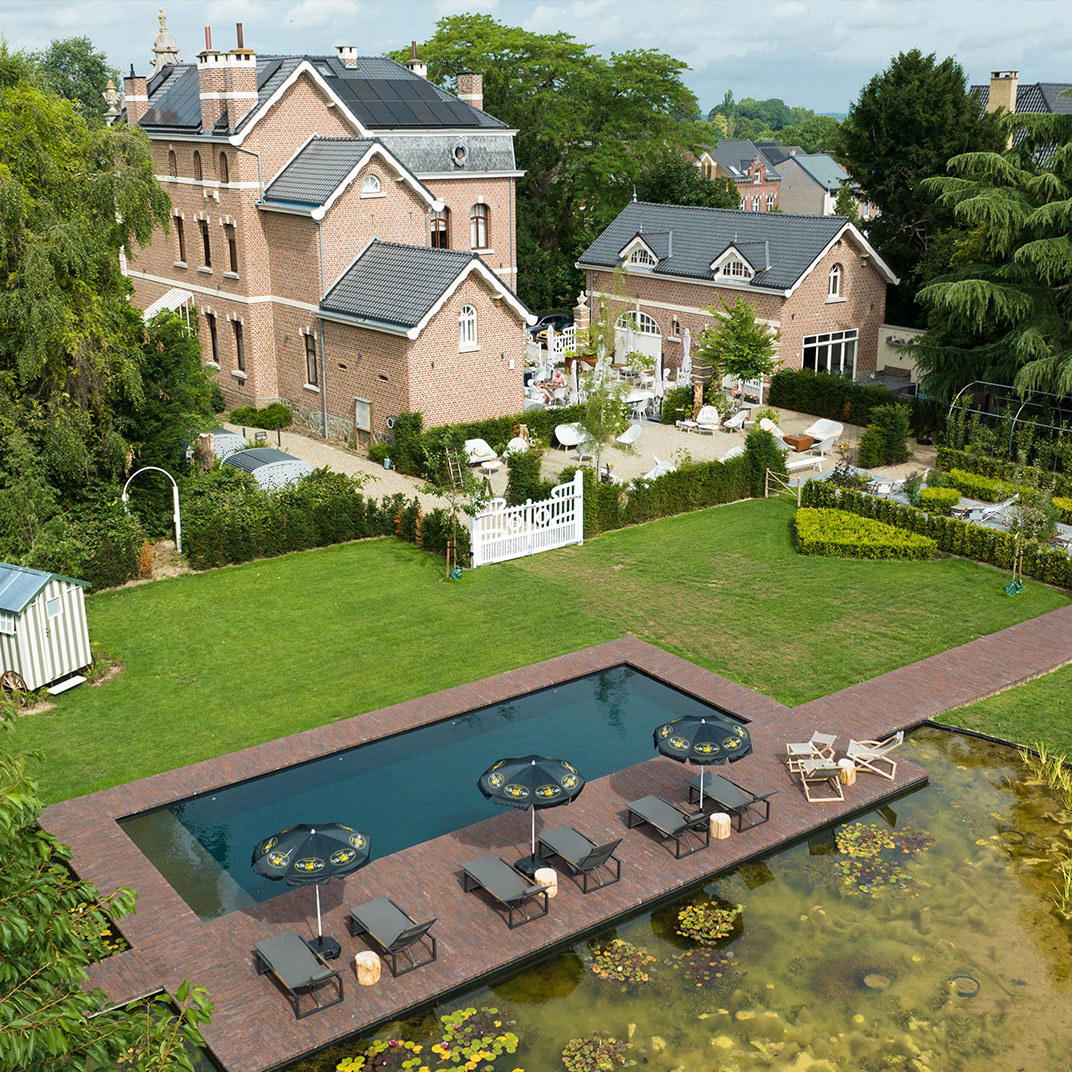
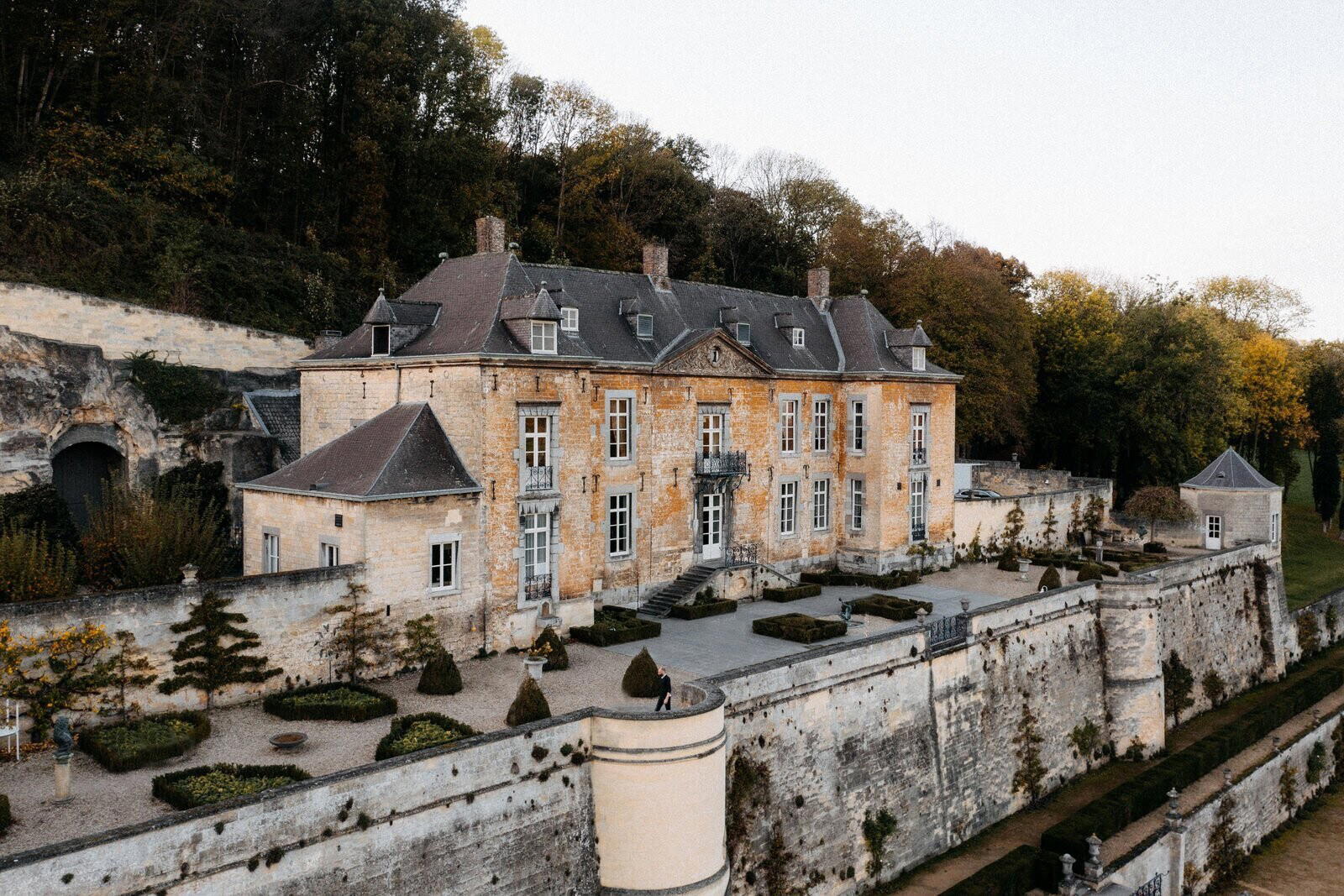
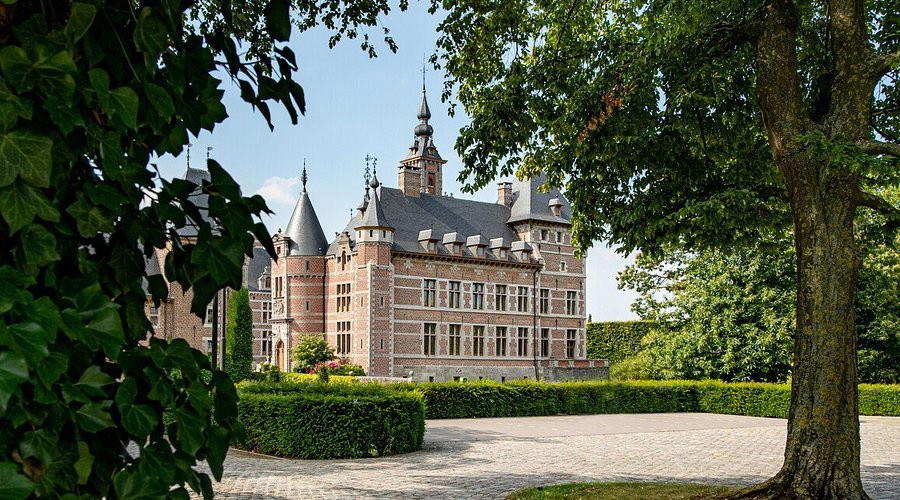
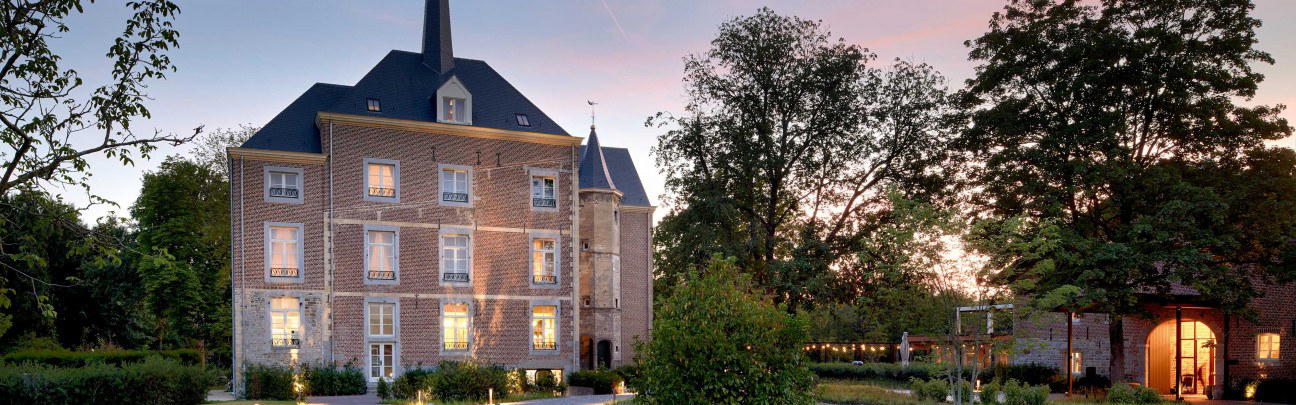

At a Glance
- Elegant
- Sophisticated
- Cozy
- Date Night
- Special Occasion
- Historic Building
- Garden
- Terrace
- Extensive Wine List
- Local Sourcing
- Garden
Current opening hours
- Monday
- Closed
- Tuesday
- Closed
- Wednesday
- 12–4 PM, 7–11 PM
- Thursday
- 12–4 PM, 7–11 PM
- Friday
- 12–4 PM, 7–11 PM
- Saturday
- 7–11 PM
- Sunday
- Closed
Hours can change for holidays and private events.