Our verdict
Bistrobelix sits along the Hasseltsesteenweg corridor in Tongeren-Borgloon, a stretch that connects Belgium's oldest city to the Haspengouw fruit-growing country. The address places it squarely in a region where agricultural proximity shapes what ends up on the plate. For a city of Tongeren's scale, the density of serious cooking in this corridor rewards deliberate exploration.

Pearl is the En Primeur Club membership app — saves, bookings, and concierge access live there. Same editors, same standards.
- Address
- Hasseltsesteenweg 599, 3700 Tongeren-Borgloon, Belgium
- Phone
- +3212215294
- Hours
- Mon 6–9 PMTue–Wed ClosedThu–Fri 12–1:30 PM, 6–9 PMSat 6–9 PMSun 12–1:30 PM, 6–9 PM
- Website
- bistrobelix.be
- Directions
- Get directions
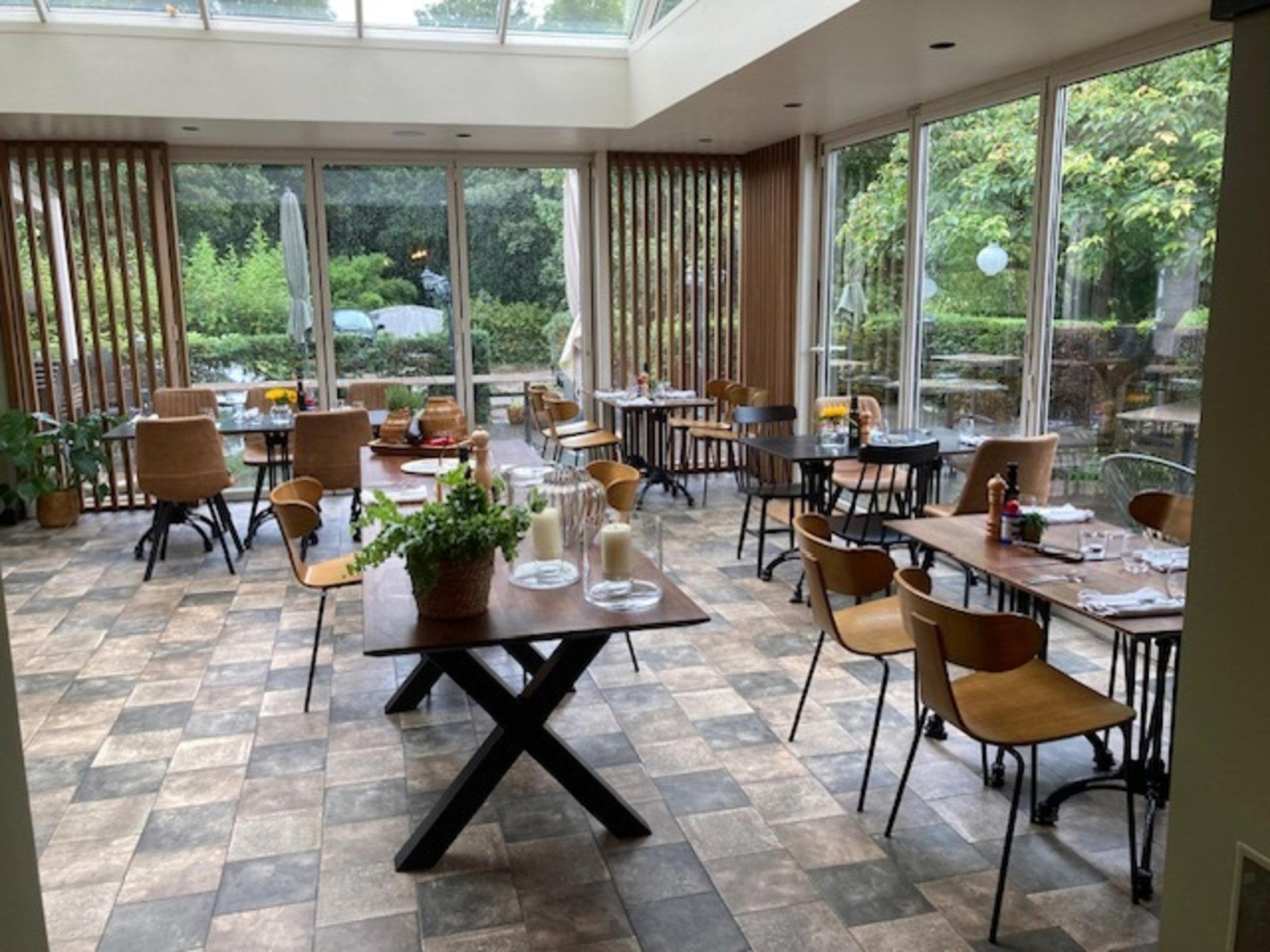
Where the Haspengouw Table Begins
Tongeren occupies an unusual position in Belgian dining. As the country's oldest city, it carries Roman-era credentials and a weekly antiques market that draws collectors from across the Low Countries, yet its restaurant scene operates at a register more grounded than its Flemish counterparts in Ghent or Antwerp. The Hasseltsesteenweg corridor, which runs northeast from the city centre toward Borgloon, threads through Haspengouw: a range of apple and pear orchards, asparagus fields, and small-scale producers whose output rarely reaches supermarket shelves. Bistrobelix sits at address 599 on that road, a location that signals something about intent before you reach the door. Restaurants that plant themselves along agricultural corridors rather than in city-centre tourist circuits tend to be cooking for a different reason.
Haspengouw has been quietly building a reputation as one of Belgium's most producer-rich sub-regions. The orchards around Borgloon supply fruit that local preservers, distillers, and cooks work with in ways that rarely get documented outside the region. That proximity to raw material is the gravitational force behind the better kitchens on this road, and it distinguishes them from the more import-dependent cooking you find in larger Belgian cities. The sourcing logic here is less a marketing position and more a practical reality: when the orchard is visible from the dining room, the seasonal calendar writes itself.
Tongeren's serious dining operates across a small but genuinely varied peer group. Alter pushes into French-inflected progressive territory with a price point (€€€€) that places it at the upper bracket for the city. De Mijlpaal and Magis both operate in the €€€ range with French-creative and modern cuisine formats respectively, and Hēdonē and Le 54 add further texture to what is, for a city of roughly 35,000 residents, a disproportionately dense concentration of kitchen ambition. Bistrobelix occupies this same ecosystem, on a road that connects city dining to agricultural source country in a way that few addresses in Belgium quite manage.
For context on what Belgian regional cooking can achieve at its most refined, the reference points extend outward: Hof van Cleve in Kruishoutem has long anchored Flemish fine dining at the top tier, while Boury in Roeselare and Zilte in Antwerp demonstrate what happens when regional product discipline meets technical rigour. Closer to Tongeren, Ralf Berendsen in Neerharen and Cuchara in Lommel show that Limburg province has real cooking depth beyond its larger neighbours. Bistrobelix operates within that provincial ambition.
Ingredient Proximity as Kitchen Logic
The argument for cooking along the Hasseltsesteenweg is primarily one of access. Haspengouw's agricultural output, particularly its stone and pome fruit, is harvested at a scale and variety that industrial distribution channels routinely bypass. A kitchen at this address can work with varieties that disappear before they reach Brussels or Antwerp wholesale markets. That specificity produces a different kind of cooking than what you find in city-centre restaurants sourcing from the same Rungis-style hubs: more seasonal in a concrete rather than rhetorical sense, more dependent on what is actually coming out of the ground in a given week.
Belgium's broader restaurant culture has moved steadily toward producer transparency over the past decade, a shift visible at places like Vrijmoed in Gent and Willem Hiele in Oudenburg, where sourcing provenance is treated as load-bearing information rather than menu decoration. The Haspengouw corridor takes that logic one step further by collapsing the distance between producer and kitchen to near zero. What gets ordered at Bistrobelix is shaped, in part, by what the surrounding farms are ready to give up.
Walloon cooking has followed a parallel track: d'Eugénie à Emilie in Baudour and La Durée in Izegem both represent kitchens where regional anchoring shapes the editorial logic of the plate. The difference in Tongeren's case is geological as much as agricultural: the Haspengouw loess soils produce a specific mineral character in root vegetables and soft fruit that registers in the cooking, provided the kitchen is paying attention.
Placing Bistrobelix in the Wider Belgian Frame
Belgian gastronomy has always operated in an interesting tension between its French-trained technical inheritance and the specific produce logic of its northern and eastern agricultural regions. The country's most decorated kitchens, from Bozar Restaurant in Brussels to the established Flemish reference points, sit within a cooking culture that prizes both classical precision and hyperlocal sourcing. Tongeren sits at the eastern edge of that culture, geographically adjacent to the Dutch border and the Maastricht dining scene, but temperamentally closer to the quieter, more agricultural registers of Limburg cooking.
For visitors calibrating expectations against international reference points, the ingredient-driven bistro format that characterises the Hasseltsesteenweg corridor shares certain commitments with what ambitious American restaurants like Lazy Bear in San Francisco pursue through their producer-network approach, or what Le Bernardin in New York City demonstrates through its product-first philosophy. The scale and setting differ entirely, but the underlying conviction that raw material quality determines cooking quality is the same.
Planning Your Visit
Bistrobelix is located at Hasseltsesteenweg 599 in the Tongeren-Borgloon area, accessible by car from both Tongeren city centre (a short drive northeast) and from Borgloon to the south. The address is more roadside than village-square, which is consistent with the working-agricultural character of the corridor rather than the tourist-facing centre. For visitors combining the visit with Tongeren's Sunday antiques market, planning arrival and departure around the market's morning hours allows both in a single day trip from Brussels, Liège, or Maastricht, each of which is within roughly an hour's drive. Booking ahead is advisable rather than optional; Belgian restaurants along agricultural corridors of this type tend to run at capacity on weekends when local regulars combine with visitors from the larger cities. For a broader picture of where Bistrobelix sits relative to the city's other serious kitchens, see our full Tongeren restaurants guide.
Frequently asked questions
Is Bistrobelix okay with children?
Nothing in Bistrobelix's documented profile indicates a strict adults-only policy. The bistro format and its position along the Tongeren-Borgloon corridor suggest a relaxed dining room rather than a formal tasting-menu environment, which tends to be more accommodating for families. check the venue's official channels at Hasseltsesteenweg 599 to confirm before booking with young children.
What kind of setting is Bistrobelix?
Bistrobelix operates as a bistro on the Hasseltsesteenweg between Tongeren and Borgloon, a route that runs through the agricultural heartland of Haspengouw. The address puts it outside the historic centre of Belgium's oldest city, which typically means more space and a less tourist-driven room than venues in Tongeren proper. Expect a setting oriented toward the local and regional dining crowd rather than passing trade.
Is Bistrobelix a good option for dining near Tongeren's antiques market?
Bistrobelix is located on the Hasseltsesteenweg in the Tongeren-Borgloon area, a short drive from Tongeren's city centre, which hosts one of Belgium's largest weekly antiques markets. The bistro format makes it a practical lunch or dinner option for visitors combining the market with time in the Haspengouw region. Its position outside the city centre means less competition for tables on market days compared to venues directly in town.
What should I eat at Bistrobelix?
The kitchen's position in Haspengouw, one of Belgium's most productive agricultural zones known for stone fruit, pome fruit, and grain, points toward a menu grounded in regional seasonal produce. Dishes drawing on that local supply chain are the sensible focus of any visit.
What part of town is Bistrobelix in?
Bistrobelix is located at Hasseltsesteenweg 599, 3700 Tongeren-Borgloon, Belgium, Tongeren.
How hard is it to get a table at Bistrobelix?
No booking lead-time data is publicly documented for Bistrobelix. Restaurants in the Tongeren-Borgloon corridor that attract a local following rather than broad tourist traffic can fill quickly on weekends, particularly given the limited number of serious dining options in the area. Reserving ahead is advisable; contact details are not publicly listed, so checking via the venue's address at Hasseltsesteenweg 599 is the starting point.
Quick Comparison
Comparable venues nearby, for context on price, style, and recognition.
| Venue | Cuisine | Price | Awards | Notes |
|---|---|---|---|---|
| BistrobelixThis venue — the venue you are viewing | Classic Belgian Bistro | Not listed | Not listed | Not listed |
| Ma Marraine | Modern Belgian Seafood | $50–100 | Not listed | hartje Tongeren |
| ça roule | Modern French-Belgian Fine Dining | $100–150 | Not listed | Nerem |
| Le 54 | Belgian-European Bistro | $50–100 | We're Smart World 1 Radish | City Center |
| Hēdonē | Modern French Seasonal Tasting Menu | $50–100 | Michelin Plate | Tongeren-Borgloon |
| Magis | Modern Cuisine | Not listed | 1 Michelin Star | city centre |
Continue exploring
More in Tongeren
Restaurants in Tongeren
Browse all →
Bars in Tongeren
Browse all →
Hotels in Tongeren
Browse all →
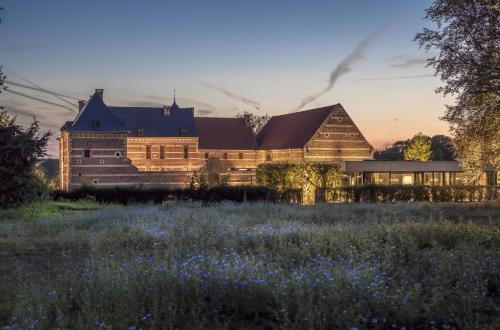
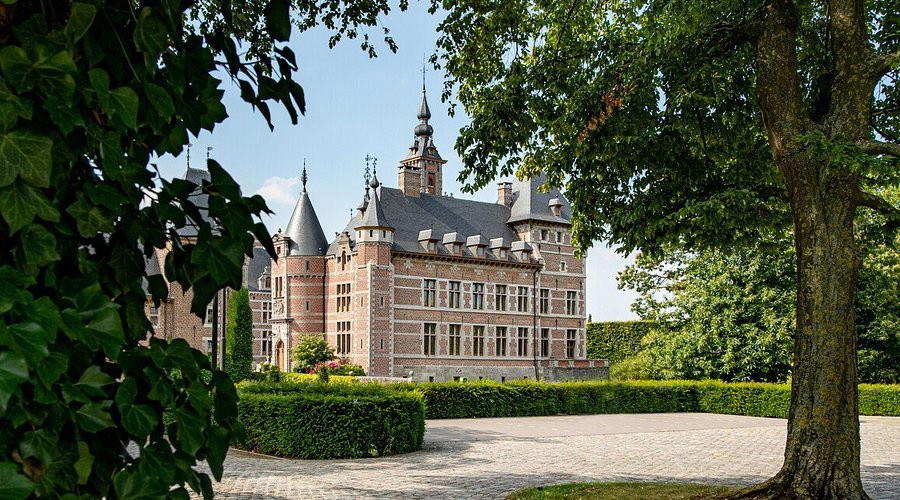
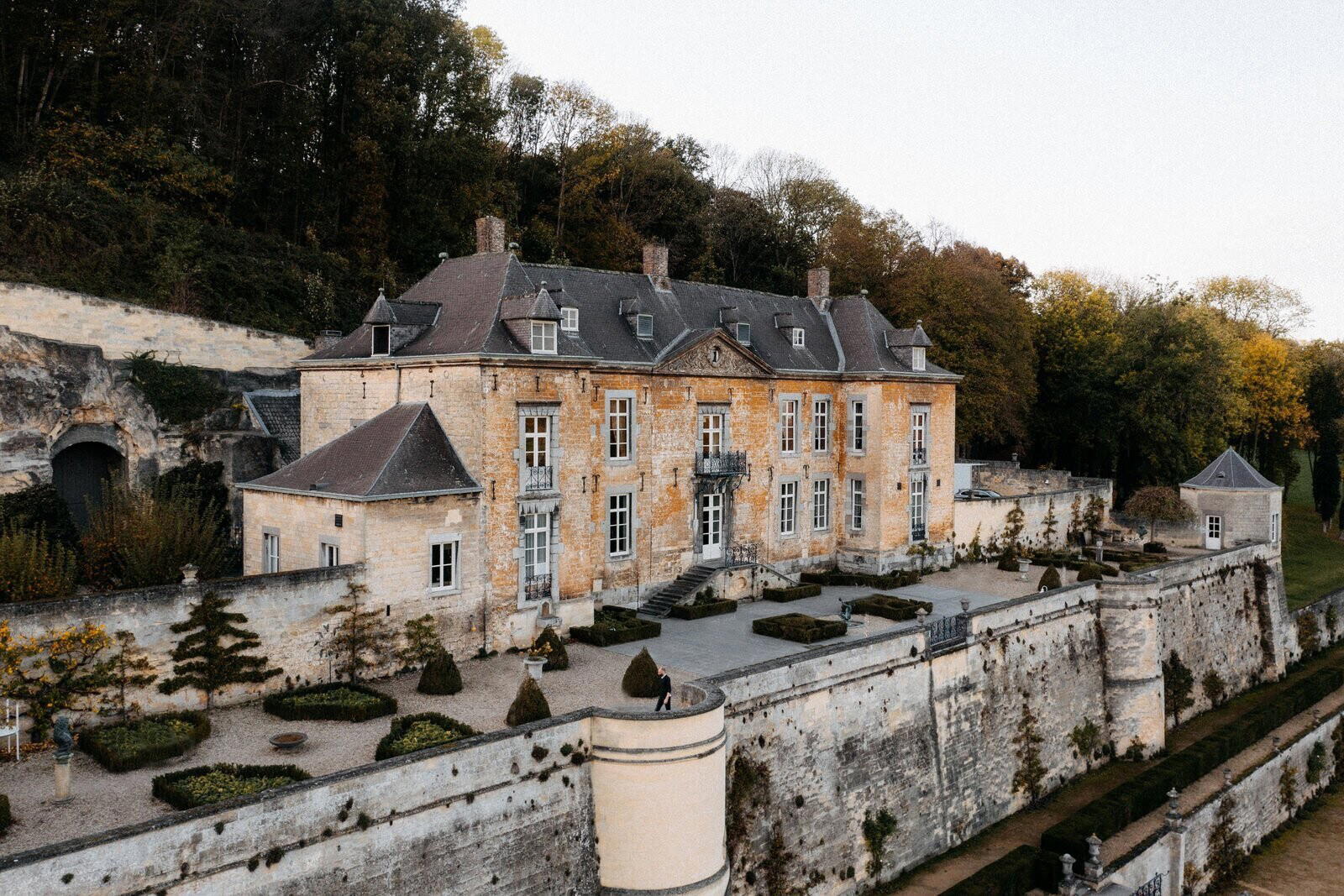
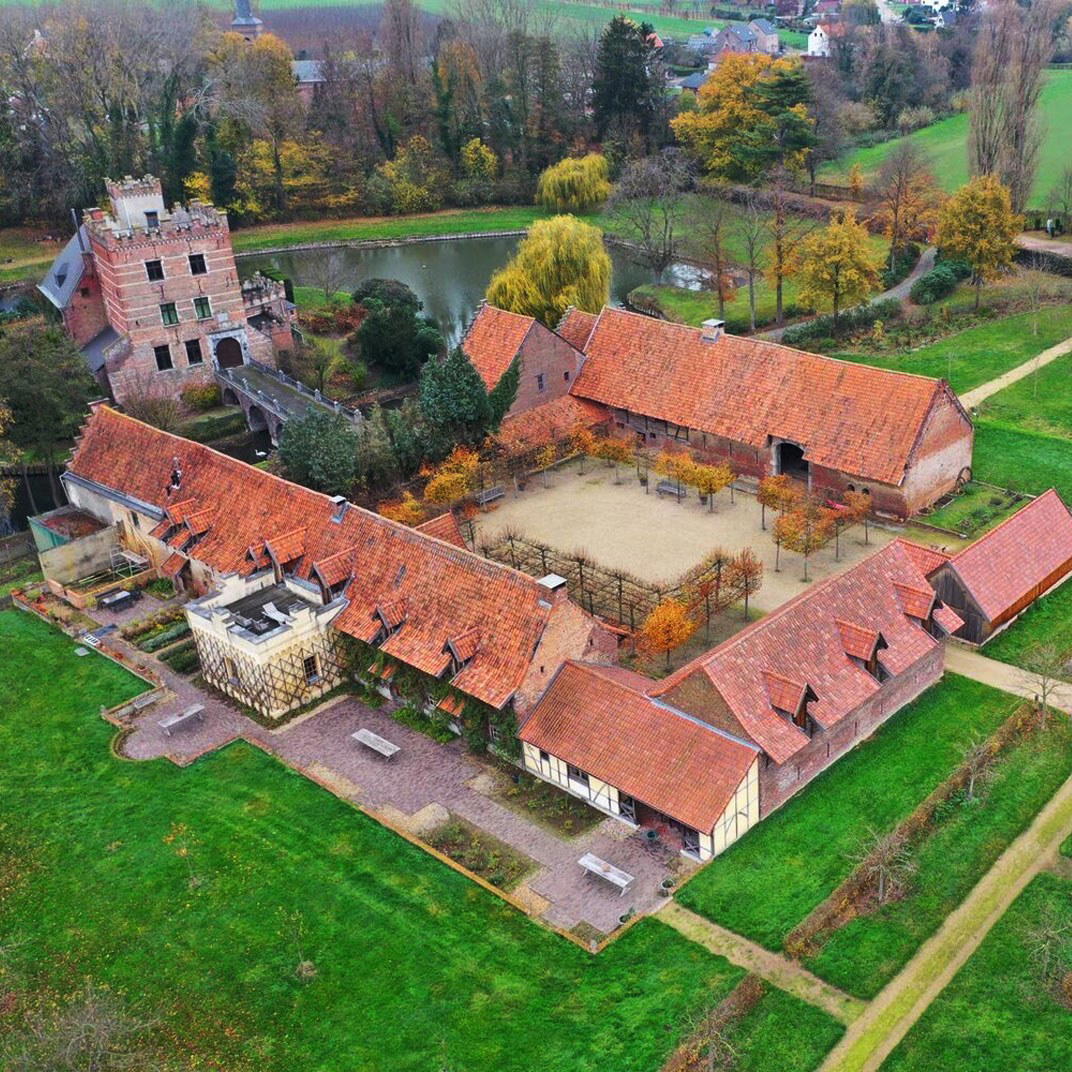
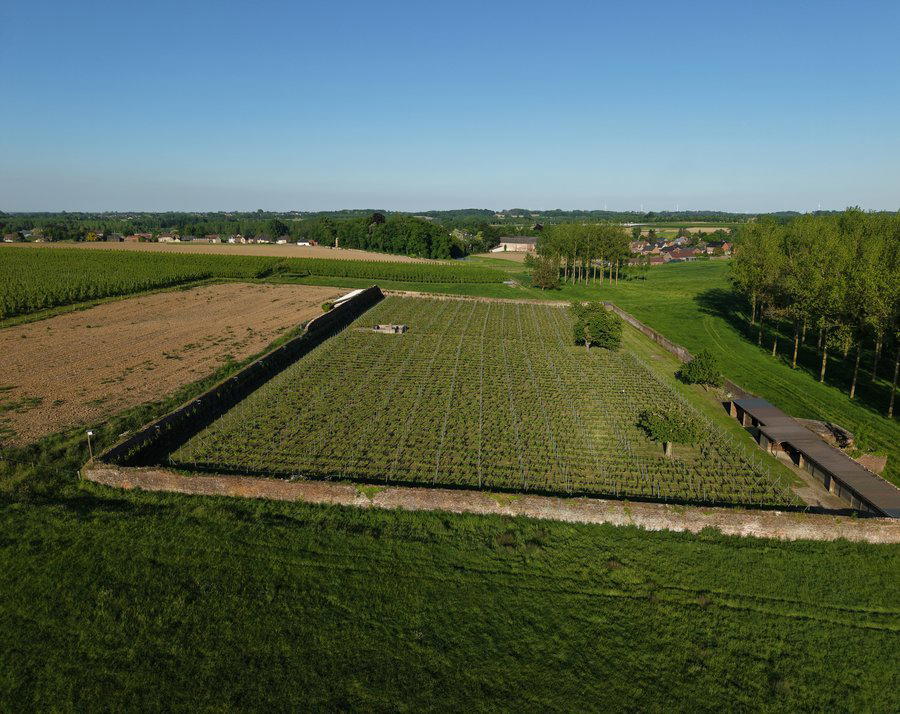

Bistrobelix
The wine
- Wine program
- Curated wine list
- Extensive wine list
Details
- Lively
- Cozy
- Romantic
- Date Night
- Group Dining
- Casual Hangout
- Terrace
- Extensive Wine List
- Local Sourcing
- A La Carte
Current opening hours
- Monday
- 6–9 PM
- Tuesday
- Closed
- Wednesday
- Closed
- Thursday
- 12–1:30 PM, 6–9 PM
- Friday
- 12–1:30 PM, 6–9 PM
- Saturday
- 6–9 PM
- Sunday
- 12–1:30 PM, 6–9 PM
Hours can change for holidays and private events. Last verified .
Pleasant and unpretentious atmosphere with a lively bistro vibe.