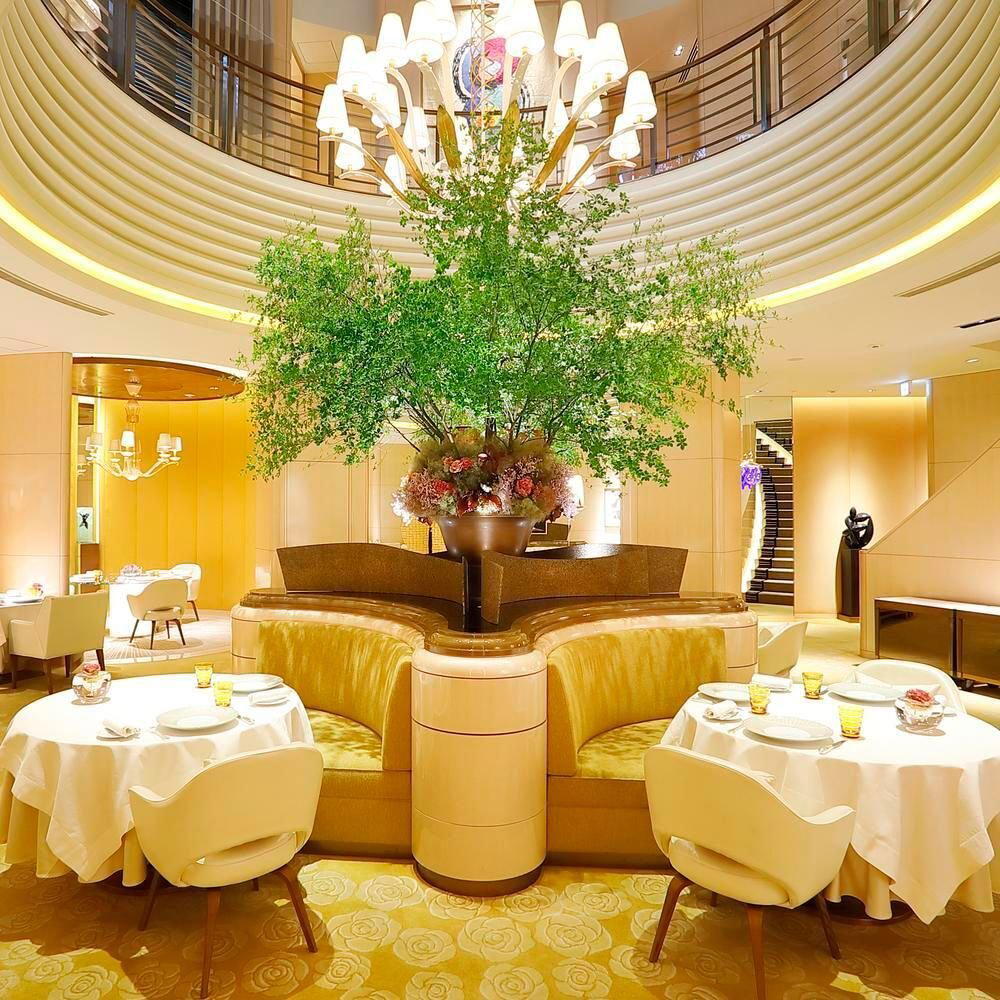
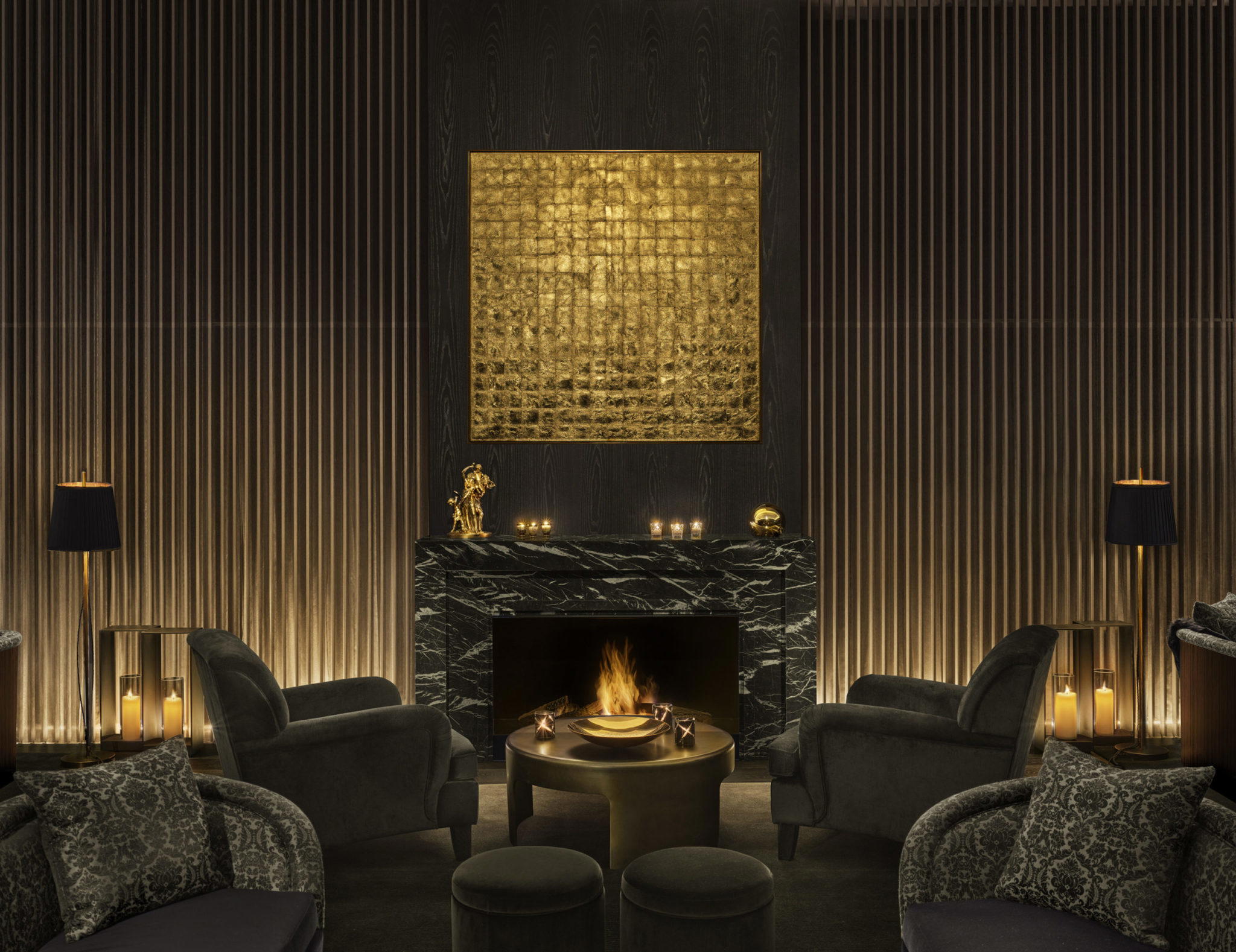
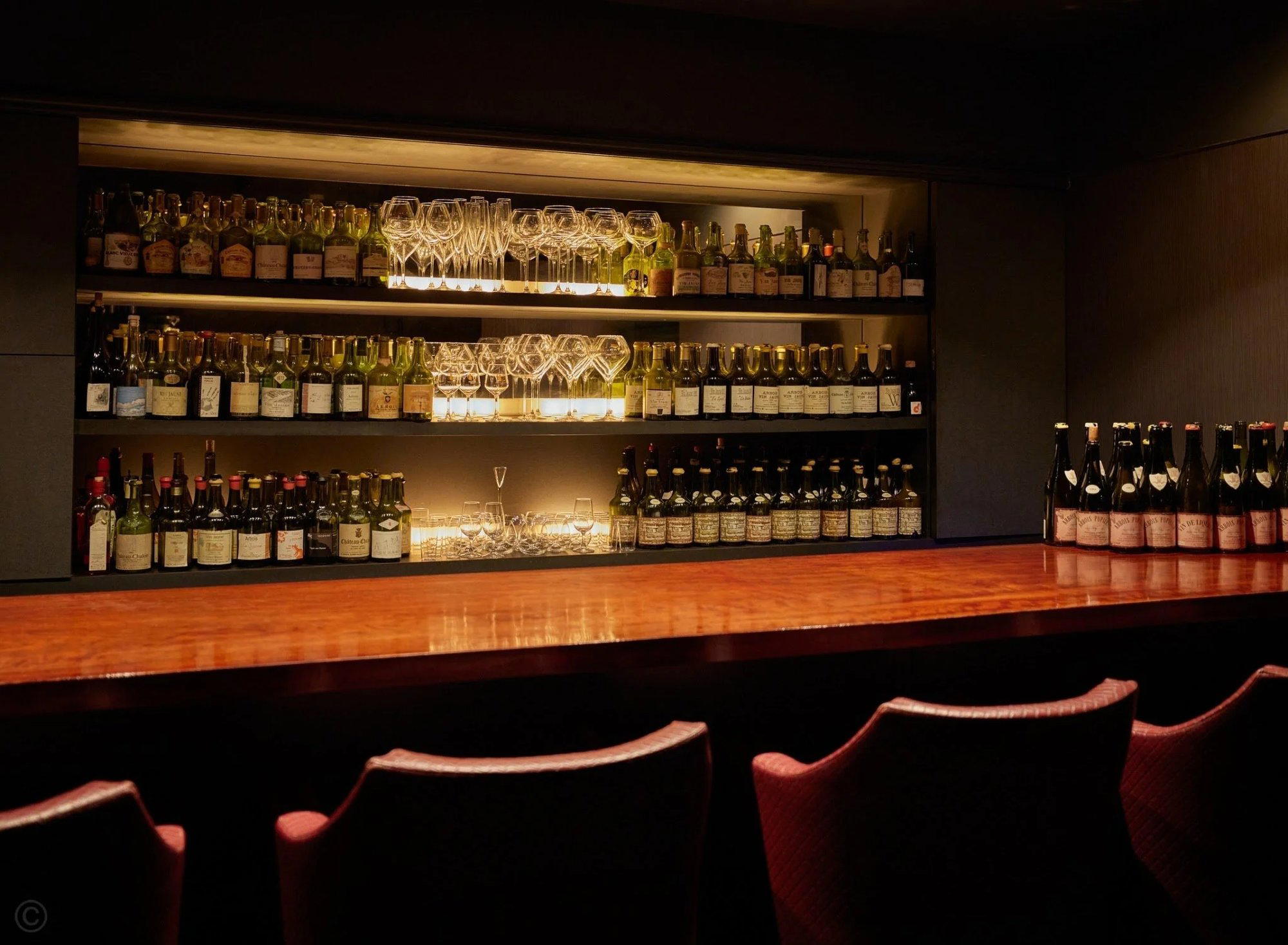
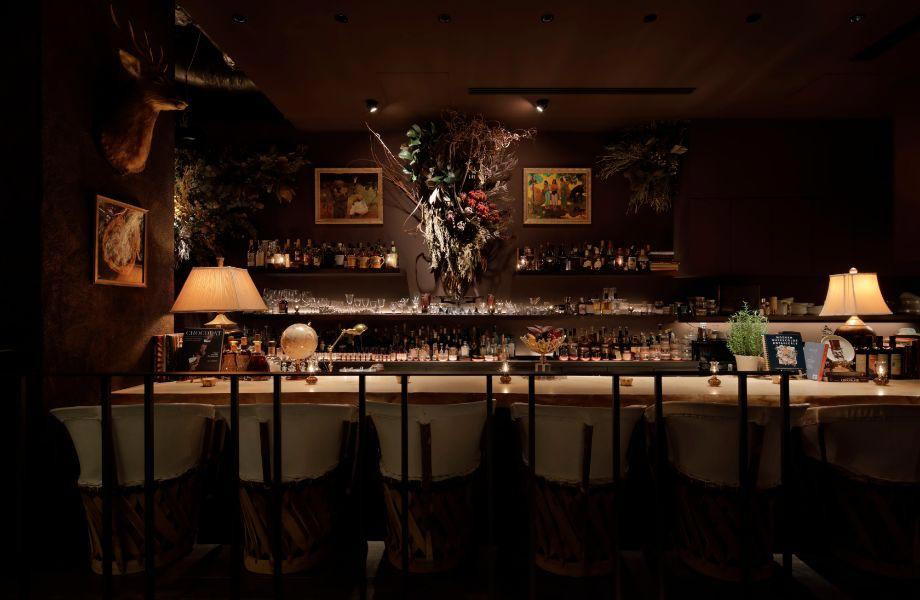
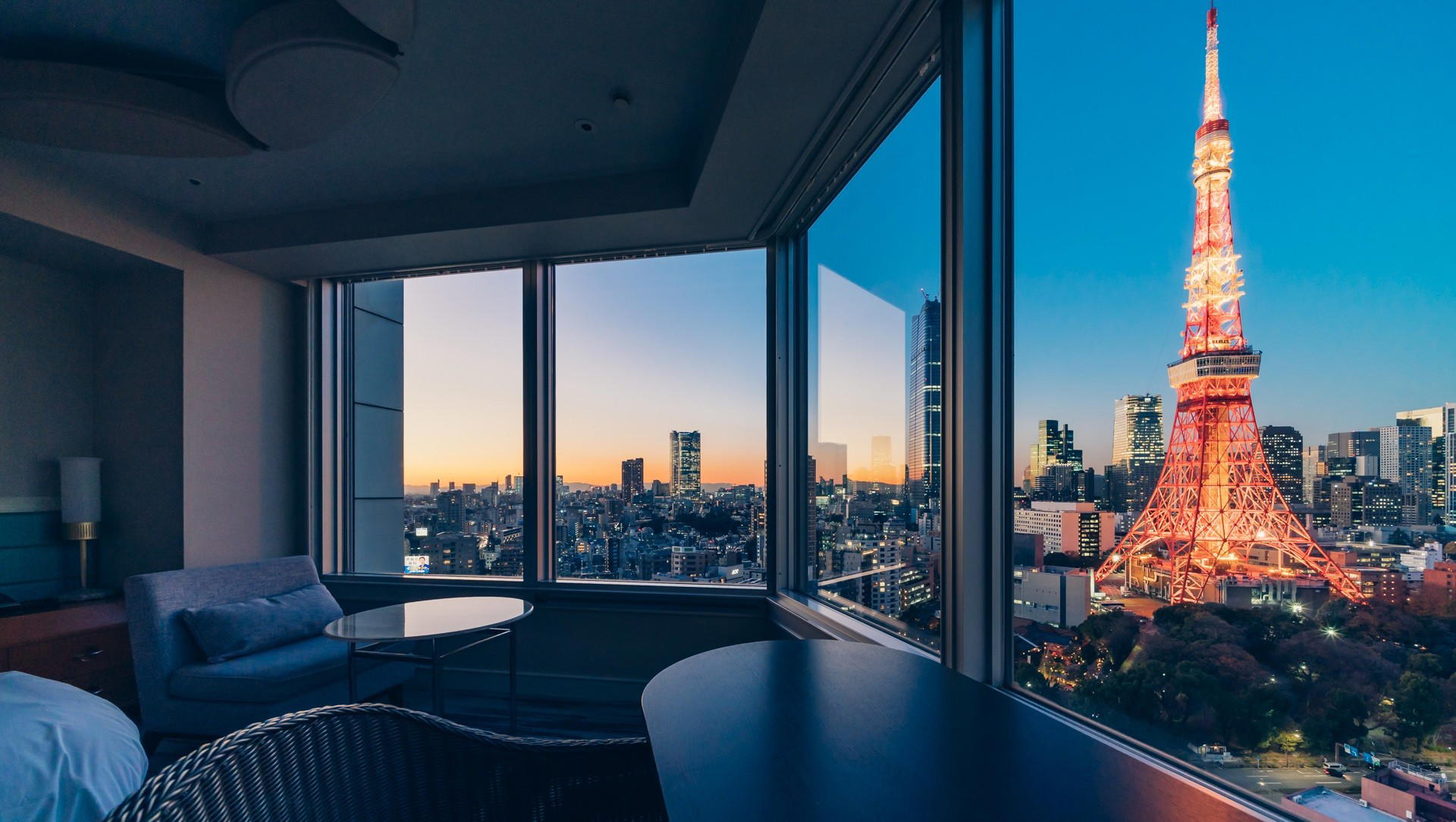
Tabelog 100 #96
Our verdict
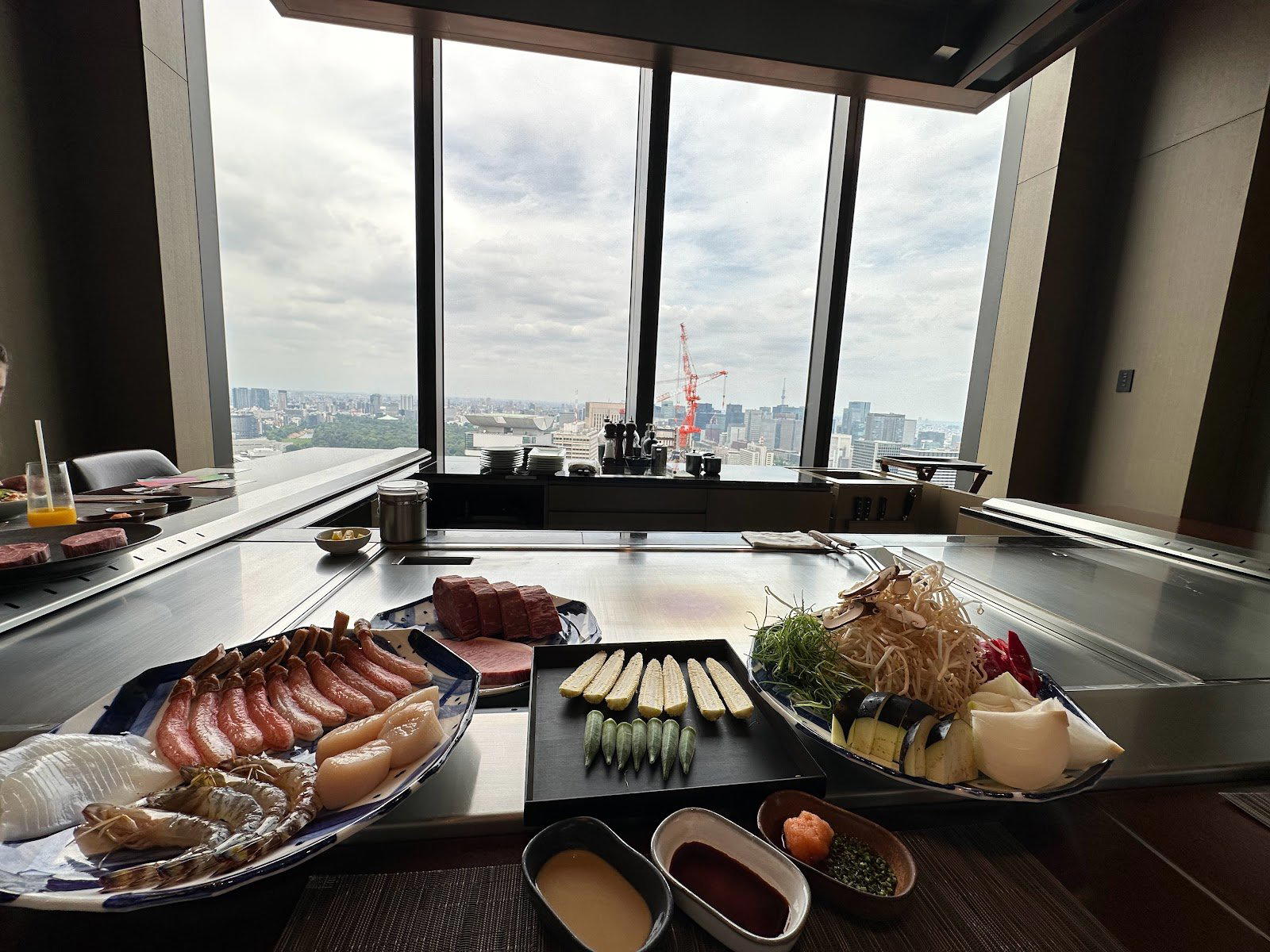
Sazanka is The Okura Tokyo's teppanyaki restaurant, where a team of skilled chefs prepare meat and seasonal produce on iron hotplates directly in front of guests. The performance is built into the format: the counter positions diners close enough to feel the heat, watch the technique, and understand the sequence. For Tokyo visitors in search of high-quality teppanyaki within a hotel setting, Sazanka occupies a reliable upper tier.

Pearl is the En Primeur Club membership app, where members save venues, book tables and use the concierge.
The menu
What to order
- Okura Wagyu beef
- Garlic fried rice
- Japanese spiny lobster
The Counter as Stage: Teppanyaki in Tokyo's Hotel Dining Tier
Tokyo's hotel restaurants occupy a curious position in the city's dining hierarchy. Dismissed by some as conservative fallbacks, they have, in many cases, developed into serious culinary addresses in their own right, drawing both international guests and local regulars who value consistency, space, and service depth that standalone restaurants rarely match at equivalent price points. The Okura Tokyo, one of the city's most storied properties, houses Sazanka within that tradition. The restaurant is not a concession to hotel convenience; it is a considered teppanyaki room built around the logic of the format itself.
Teppanyaki, as a dining structure, is theatrical by design. The iron hotplate running along the counter is simultaneously kitchen and table, collapsing the distance between preparation and consumption to zero. There is no plated dish arriving from a back kitchen, the sequence unfolds in front of you, with heat, sound, and aroma as part of what is being served. At Sazanka, a team of chefs works the hotplates with the kind of practiced energy that keeps the experience kinetic without tipping into pantomime. The cooking itself remains the subject.
Menu Architecture: How the Format Shapes What You Eat
Teppanyaki menus in Tokyo's upper tier are almost always structured around protein progression, lighter preparations building toward the centrepiece cut, with vegetables, rice, and soup providing rhythm between them. This architecture is not accidental. The hotplate format demands sequential cooking; the chef cannot hold multiple preparations at different stages the way a line kitchen can. What arrives in front of you reflects the constraints and logic of the surface being cooked on.
At Sazanka, meat is the primary subject. The Okura's own description positions the restaurant squarely around that: a serious teppanyaki address for guests specifically seeking high-quality beef and the ceremony that surrounds it. Japanese beef, at this level, rewards the teppanyaki treatment because the fat content and marbling of premium domestic wagyu respond well to high-heat, short-contact cooking on iron rather than the longer, indirect heat of grilling. The chef's ability to read the surface temperature, manage the fat render, and time the rest is what separates this format from a tableside novelty.
The menu's structure also accommodates the pacing that a hotel dining room supports well. There is no pressure to turn the table, no compressed omakase sprint. The meal has room to breathe, and the chefs use that time to explain, demonstrate, and engage. For diners less familiar with teppanyaki, that context, offered by the chefs themselves, functions as part of the meal's architecture. You leave understanding what you ate and why it arrived in that order.
Sazanka in Tokyo's Wider Teppanyaki and Grill Context
Tokyo's high-end dining scene is frequently discussed through the lens of its sushi and kaiseki traditions. Restaurants like Harutaka represent the precision end of raw fish omakase, while RyuGin anchors the kaiseki tier with three Michelin stars and a long track record. French-influenced addresses including L'Effervescence, Sézanne, and Crony occupy a parallel tier for European technique applied to Japanese ingredients. Teppanyaki sits somewhat apart from all of these, it is interactive in a way that none of them are, and the quality ceiling is set by the sourcing of the protein rather than by the transformation applied to it.
Within that teppanyaki tier, Sazanka's position inside The Okura Tokyo carries specific weight. The Okura is not a generic international hotel brand; it has a documented identity as one of Tokyo's prestige properties, with a dining programme that has been taken seriously by the city's food community over decades. That institutional context differentiates Sazanka from standalone teppanyaki restaurants where the experience can vary considerably depending on staffing and sourcing on a given night.
For those whose Tokyo itinerary extends beyond the capital, comparable seriousness in different formats can be found at HAJIME in Osaka, Gion Sasaki in Kyoto, or akordu in Nara, each of which represents a different regional register of Japanese fine dining. Further afield, Goh in Fukuoka, Bleston Court Yukawatan in Nagano, and giueme in Akita point to how Japan's restaurant culture distributes well beyond its three major cities. For comparison outside Japan, hotel-anchored fine dining with strong performance elements has parallels at Le Bernardin in New York City and, at a different register, Emeril's in New Orleans.
Planning a Meal at Sazanka
Sazanka is located at 2-10-4 Toranomon, Minato-ku, within The Okura Tokyo. Toranomon is well connected by metro, with Toranomon Station on the Ginza Line a short walk from the hotel. For guests staying at The Okura, the restaurant is an in-house option; for those staying elsewhere, it is accessible and requires no special arrangement beyond a reservation. Booking directly through The Okura Tokyo's concierge or reservations team is the most reliable route, particularly for weekend evenings and during high-demand periods such as cherry blossom season in late March and April, or the autumn foliage window in November. Both periods see Tokyo's hotel dining rooms fill considerably faster than they do in quieter months.
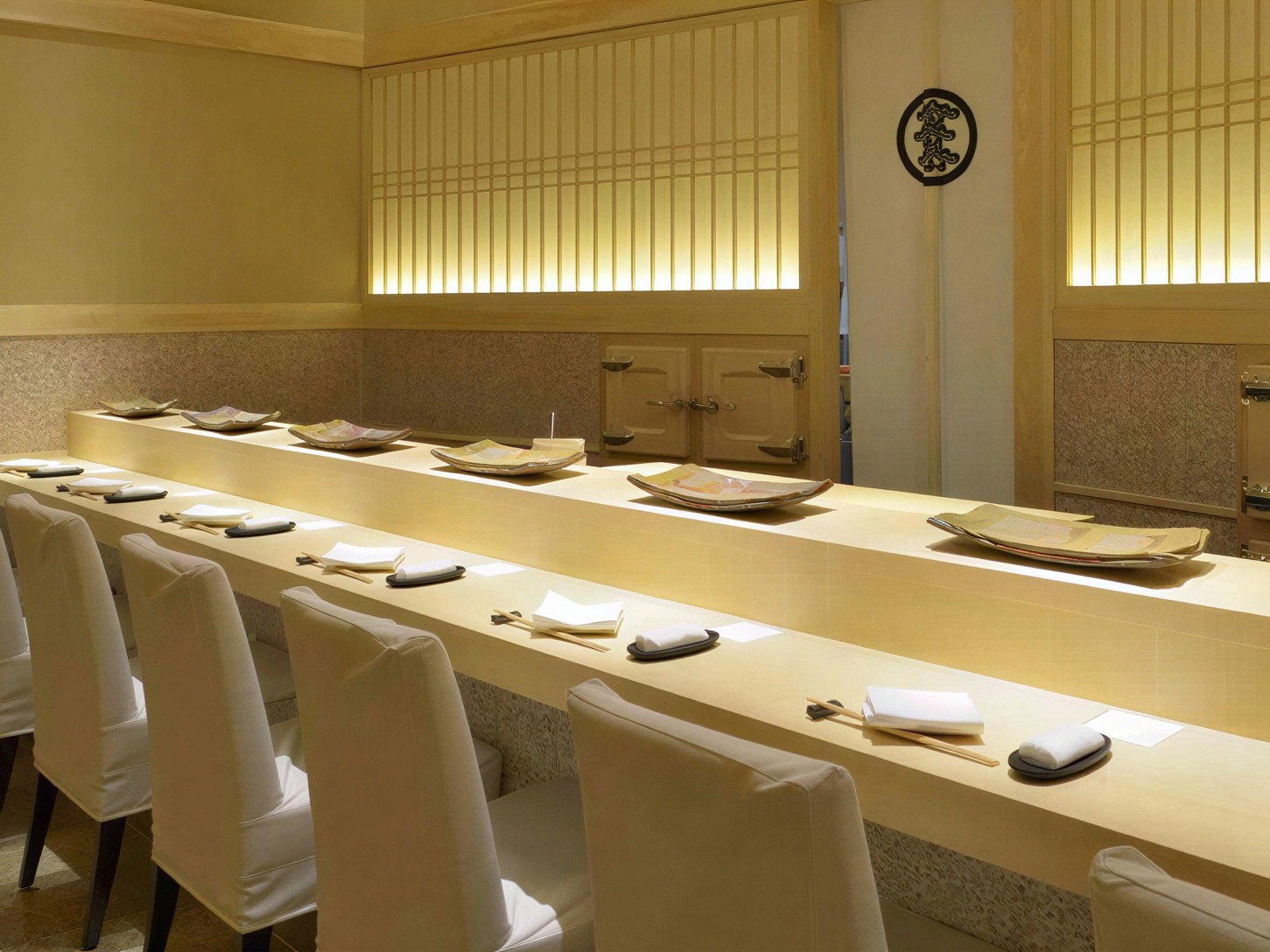
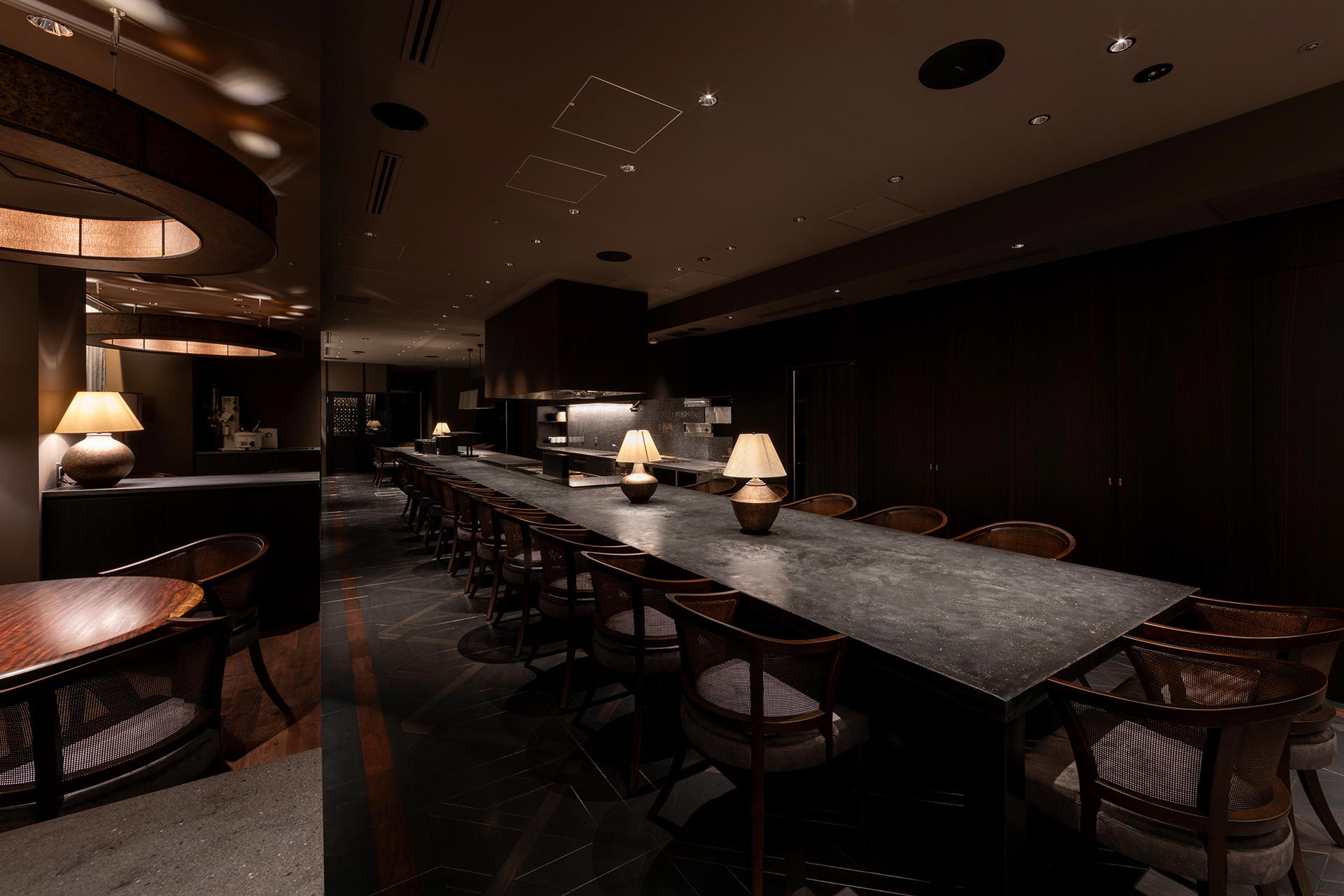
The teppanyaki format suits a range of group configurations. A counter seat gives the most direct access to the cooking; the proximity to the hotplate is part of what defines the meal. Hotel teppanyaki rooms typically also accommodate table seating for larger groups, though the counter experience and the table experience are meaningfully different, at the table, the performance reads more as spectacle, while at the counter it reads as craft.
For the broader context of where Sazanka sits within Tokyo's dining, drinking, and hospitality offer, EP Club's full guides cover the city's restaurant scene in depth: see our full Tokyo restaurants guide, our full Tokyo hotels guide, our full Tokyo bars guide, our full Tokyo wineries guide, and our full Tokyo experiences guide.
Frequently asked questions
Is Sazanka good for families?
The live teppanyaki format, where chefs cook directly in front of diners at The Okura Tokyo in Toranomon, gives the meal a theatrical dimension that tends to hold the attention of younger guests. The structured counter setting is more formal than a casual family restaurant, so it suits families with older children comfortable at a hotel dining table rather than those with very young kids.
Is Sazanka better for a quiet night or a lively one?
Sazanka leans toward the lively end of the hotel-dining spectrum. The teppan chefs are described as exuberant, and the performance element of cooking on sizzling hotplates in front of diners sets a demonstrably animated tone. If you want hushed conversation over a slow kaiseki progression, this is the wrong room; if you want energy and spectacle alongside the food, it delivers that.
Is Sazanka Michelin-listed?
Sazanka has received recognition including: If you’re in Tokyo with a hankering for meat, expect to be satiated at Sazanka, The Okura Tokyo’s traditional teppanyaki restaurant. Prepared in front of you by a team of exuberant teppan chefs who make something of a performance on their s….
What should I order at Sazanka?
The venue's own positioning centres squarely on meat: The Okura Tokyo's documentation describes Sazanka as the place to go in Tokyo specifically when the craving is for meat, prepared on the teppan. In the teppanyaki format at this tier, the centrepiece protein is typically the sequence to build the meal around, with lighter preparations coming earlier in the progression.
What's Sazanka's location?
Sazanka is located at 2-10-4 Toranomon, Minato-ku, Tokyo.
What's the best way to book Sazanka?
Sazanka is located within The Okura Tokyo at 2-10-4 Toranomon, Minato-ku, so reservations are most reliably handled through the hotel's central reservations desk or concierge. Guests staying at The Okura Tokyo can book through the in-house dining team; external diners should check the venue's official channels.
What has Sazanka built its reputation on?
Sazanka's standing rests on being The Okura Tokyo's dedicated teppanyaki counter, a format that combines live-fire cooking with an overtly performative service style. The restaurant sits within one of Tokyo's most established hotel addresses in Toranomon, and its identity is built around the interaction between skilled teppan chefs and diners at the hotplate rather than on a single signature dish or chef profile.
Awards and Standing
Comparable venues nearby, for context on price, style, and recognition.
| Venue | Cuisine | Price | Awards | Notes |
|---|---|---|---|---|
| SazankaThis venue (the venue you are viewing) | Teppanyaki Grill | $200–300 | Tabelog 100 #96 | Not listed |
| Ara Ki | Edomae Sushi | $300–500 | Tabelog Bronze #24 | Minato |
| Tokyo Shiba Toufuya Ukai | Traditional Japanese Tofu Kaiseki | Not listed | We're Smart World 1 Radish | Minato |
| Hoshinoya Restaurant | Modern Japanese Kaiseki with French Techniques | $150–200 | Not listed | Chiyoda |
| 茜坂大沼 赤坂店 | Traditional Seasonal Kaiseki | $200–300 | Michelin Plate · Tabelog Bronze #339 | Minato |
| 新ばし しみづ | Authentic Edomae Omakase | $200–300 | Tabelog Chef's Gold #11 | Minato |
Recognition history
Dated appearances from independent guides and award organizations, with the underlying list record or original source where available.
Tabelog 100 #96 · No. 96
Tabelog · Tabelog 100 - Steak / Teppanyaki - EAST - 2025