On Avenue de l'Armée in Etterbeek, Hadrien occupies a quiet residential stretch that sits at an interesting remove from Brussels' more trafficked dining corridors. The sourcing ethos here places local Belgian produce at the centre of a focused menu, positioning it within the neighbourhood's growing cluster of ingredient-led dining. A considered option for those exploring Etterbeek beyond its better-known addresses.
Pearl is the En Primeur Club membership app — saves, bookings, and concierge access live there. Same editors, same standards.
- Address
- Av. de l'Armée 32, 1040 Bruxelles, Belgium
- Phone
- +32491556288
- Website
- restaurant-hadrien.com
- Directions
- Get directions
 Saves & bookings on Pearl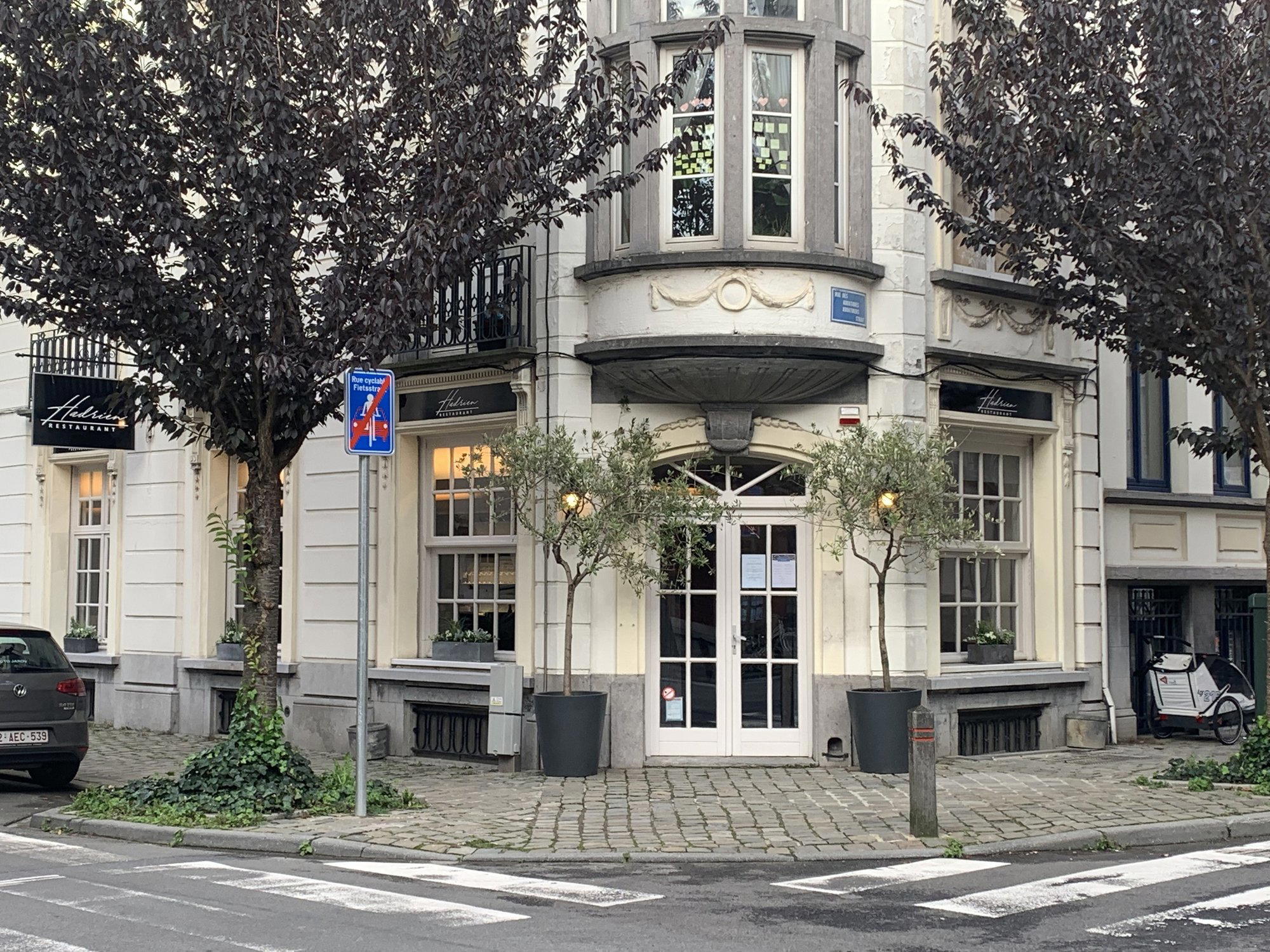
Avenue de l'Armée and the Etterbeek Dining Shift
Etterbeek has spent the better part of a decade developing a dining identity that sits apart from the grand café culture of central Brussels and the self-conscious fine-dining corridor around Place Sainte-Catherine. The neighbourhood's restaurants have tended toward the personal and the precise: smaller rooms, tighter menus, and a sourcing consciousness that connects kitchens to Belgian producers in a way that larger, more tourist-facing operations rarely sustain. Hadrien, at Avenue de l'Armée 32, fits that pattern. The address is residential in character, a stretch of the avenue where the pace is deliberate and the foot traffic selective. You arrive because you intend to, not because you wandered past.
That quality of intention defines a particular tier of Brussels-adjacent dining. Etterbeek's most interesting rooms — from the creative French register of Le Monde est Petit to the Italian rigour of Le Buone Maniere — draw guests who have already done their research. Hadrien operates in that same register: a venue whose audience self-selects through prior knowledge rather than passing curiosity.
Ingredient Logic in a Belgian Context
Belgium's position within European produce networks is frequently underestimated. The country sits at the intersection of North Sea fishing grounds, Ardennes game and charcuterie traditions, Walloon dairy culture, and the market gardening zones of the Flemish interior. Kitchens that take sourcing seriously in Belgium have access to a supply chain that rivals anything available in France or the Netherlands, often at shorter distance and with tighter seasonal definition. The challenge is not access, it is the discipline to work within it.
The broader Belgian fine-dining scene has understood this for some time. Restaurants such as Hof van Cleve in Kruishoutem, Boury in Roeselare, and Willem Hiele in Oudenburg have built reputations specifically on the coherence between what the land and sea offer in a given week and what appears on the plate. That model has filtered down from the country's most decorated kitchens into the mid-tier and neighbourhood level, and Etterbeek is part of that diffusion. A restaurant at Avenue de l'Armée operating with genuine sourcing discipline is participating in a national conversation, not merely running a local option.
For comparison, ingredient-led restaurants in cities with more international profiles, Le Bernardin in New York City, for example, or Atomix, also in New York, make sourcing provenance a centrepiece of their guest communication, with menus that explicitly trace the origin of key ingredients. The same instinct, applied at neighbourhood scale in Brussels, produces a different kind of restaurant: quieter in its claims, more reliant on the plate to make the argument.
Positioned within Etterbeek, Hadrien sits alongside a small cluster of addresses that have pushed the neighbourhood's dining profile upward over recent years. Maison Antoine anchors the more casual, institutionally Bruxellois end of the spectrum. Hanoi Station and My Tannour represent the neighbourhood's international range. The French-register restaurants, Le Monde est Petit and the modern French houses on nearby streets, occupy the more formal tier. What can be said is that the address and the neighbourhood context suggest a room that takes its food seriously without performing the theatrical weight of a destination-dining experience.
For those planning a broader Brussels evening, Bozar Restaurant in Brussels represents the more institutionally formal end of the capital's dining spectrum. Etterbeek, by contrast, offers a quieter register. The difference matters for how you plan the evening: Etterbeek restaurants tend to reward unhurried visits with a degree of neighbourhood immersion that central Brussels addresses rarely allow.
Belgium's Sourcing Tradition at Neighbourhood Level
The diffusion of serious sourcing practice from Belgium's flagship restaurants into smaller neighbourhood rooms is one of the more significant shifts in the country's dining culture over the past decade. Kitchens at Zilte in Antwerp, Bartholomeus in Heist, Castor in Beveren, d'Eugénie à Emilie in Baudour, and De Jonkman in Sint-Kruis have demonstrated that ingredient discipline is not exclusively the domain of Michelin-chasing kitchens. The practice has become a genuine regional tendency, visible in how restaurants across Belgium approach their supplier relationships and seasonal calendars. L'air du temps in Liernu has made biodynamic and garden-to-table sourcing its most legible identity marker, showing how ingredient provenance can function as a complete restaurant concept rather than a supporting detail.
Hadrien, at its Avenue de l'Armée address, sits within that current. The neighbourhood does not demand destination-level ambition from its restaurants, but the leading Etterbeek rooms earn their repeat custom by doing the sourcing work that larger or more centrally located venues routinely skip. Consistent supply relationships with Belgian producers, whether that means Flemish market vegetables, Ardennes proteins, or North Sea catch, require kitchen discipline that shows in the menu's seasonal responsiveness. That responsiveness is what separates an ingredient-led claim from an ingredient-led practice.
For a fuller picture of what Etterbeek's dining scene currently offers, the EP Club Etterbeek restaurants guide maps the neighbourhood's range across cuisine type, price tier, and format.
Planning Your Visit
Avenue de l'Armée 32 is accessible from central Brussels by metro or tram, with Etterbeek's residential grid making the final approach on foot direct. Given the venue data available, specific booking channels, hours, and pricing are best confirmed directly before visiting. As with most smaller Etterbeek rooms, weekday evenings tend to offer more availability than weekends, when the neighbourhood's regulars fill tables early.
How Hadrien Etterbeek compares with similar nearby venues.
| Venue | Cuisine | Price |
|---|---|---|
| Le Monde est Petit | Creative French | €€€ |
| Le Buone Maniere | Italian | €€€€ |
Continue exploring
More in Etterbeek
Restaurants in Etterbeek
Browse all →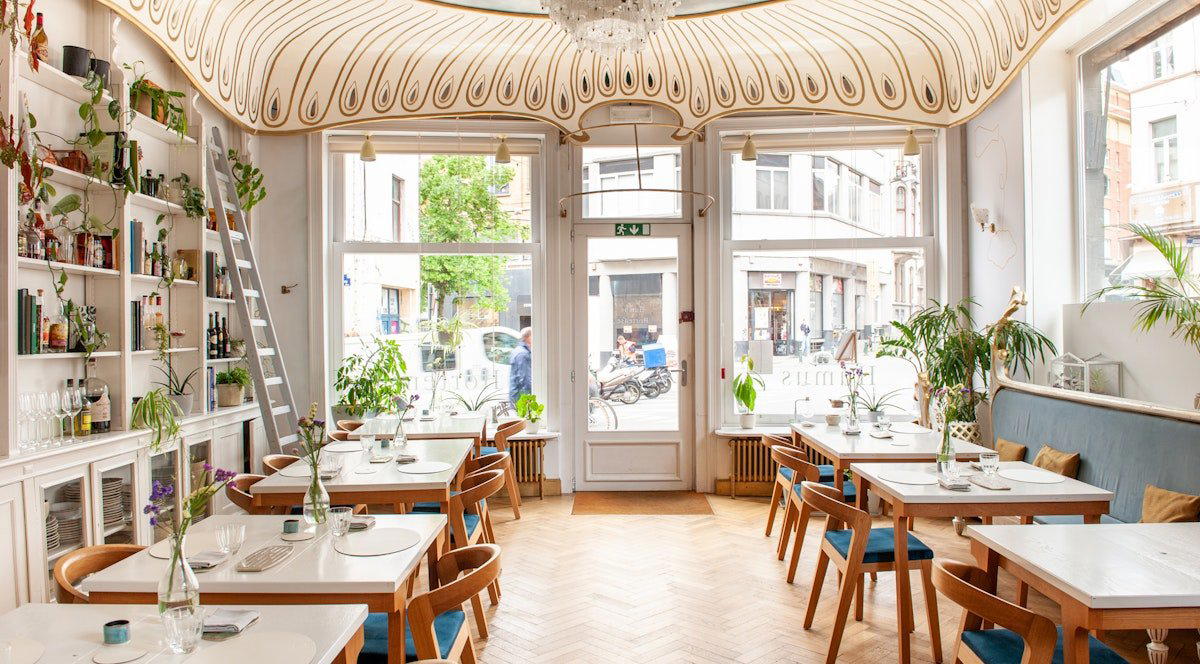
Bars in Etterbeek
Browse all →
Hotels in Etterbeek
Browse all →
Wineries in Etterbeek
Browse all →
At a Glance
- Cozy
- Elegant
- Intimate
- Date Night
- Business Dinner
- Family
- Standalone
- Local Sourcing
Current opening hours
- Monday
- 12–2 PM, 7–10 PM
- Tuesday
- 12–2 PM, 7–10 PM
- Wednesday
- 12–2 PM, 7–10 PM
- Thursday
- 12–2 PM, 7–10 PM
- Friday
- 12–2 PM, 7–10 PM
- Saturday
- 7–10 PM
- Sunday
- Closed
Hours can change for holidays and private events. Last verified .
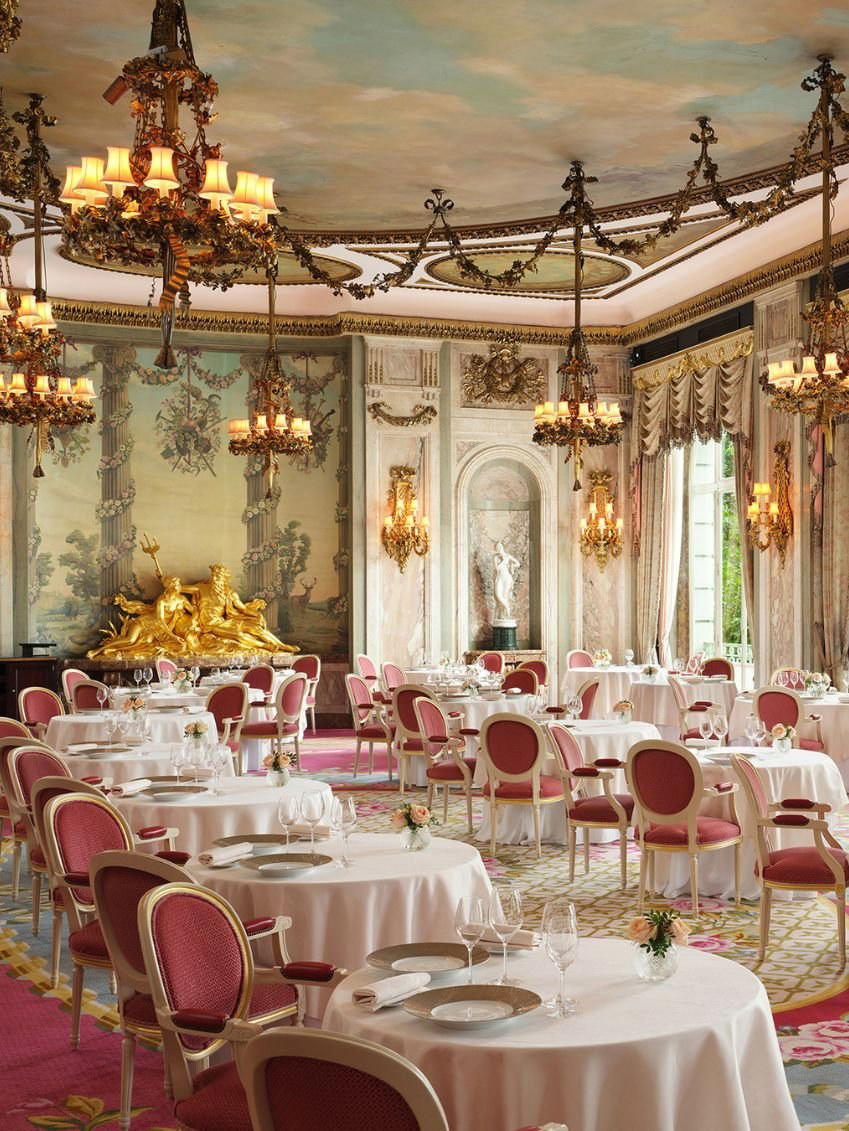
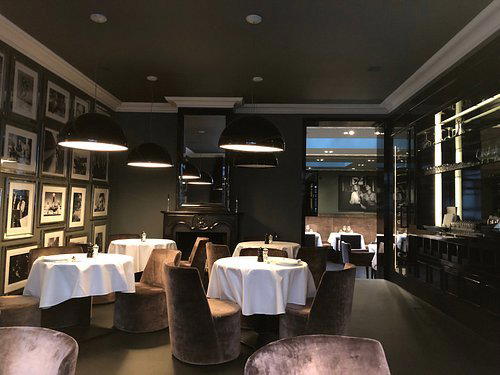
Warm and cozy interior with comfortable seating and white tablecloths, offering a relaxed yet refined atmosphere.
Know Before You Go
- Getting there
- Av. de l'Armée 32, 1040 Bruxelles, Belgium