On Avenue des Celtes in Etterbeek, My Tannour brings the tannour bread tradition to a Brussels neighbourhood better known for French and Italian tables. The format is built around the ancient clay-oven flatbread that anchors Levantine and Middle Eastern communal eating, making it a distinct point of reference in a dining corridor dominated by European cuisines. For readers exploring Etterbeek beyond the familiar, it sits in a category largely its own.
Pearl is the En Primeur Club membership app — saves, bookings, and concierge access live there. Same editors, same standards.
- Address
- Av. des Celtes 30, 1040 Etterbeek, Belgium
- Phone
- +3226878944
- Website
- mytannour.com
- Directions
- Get directions
 Saves & bookings on Pearl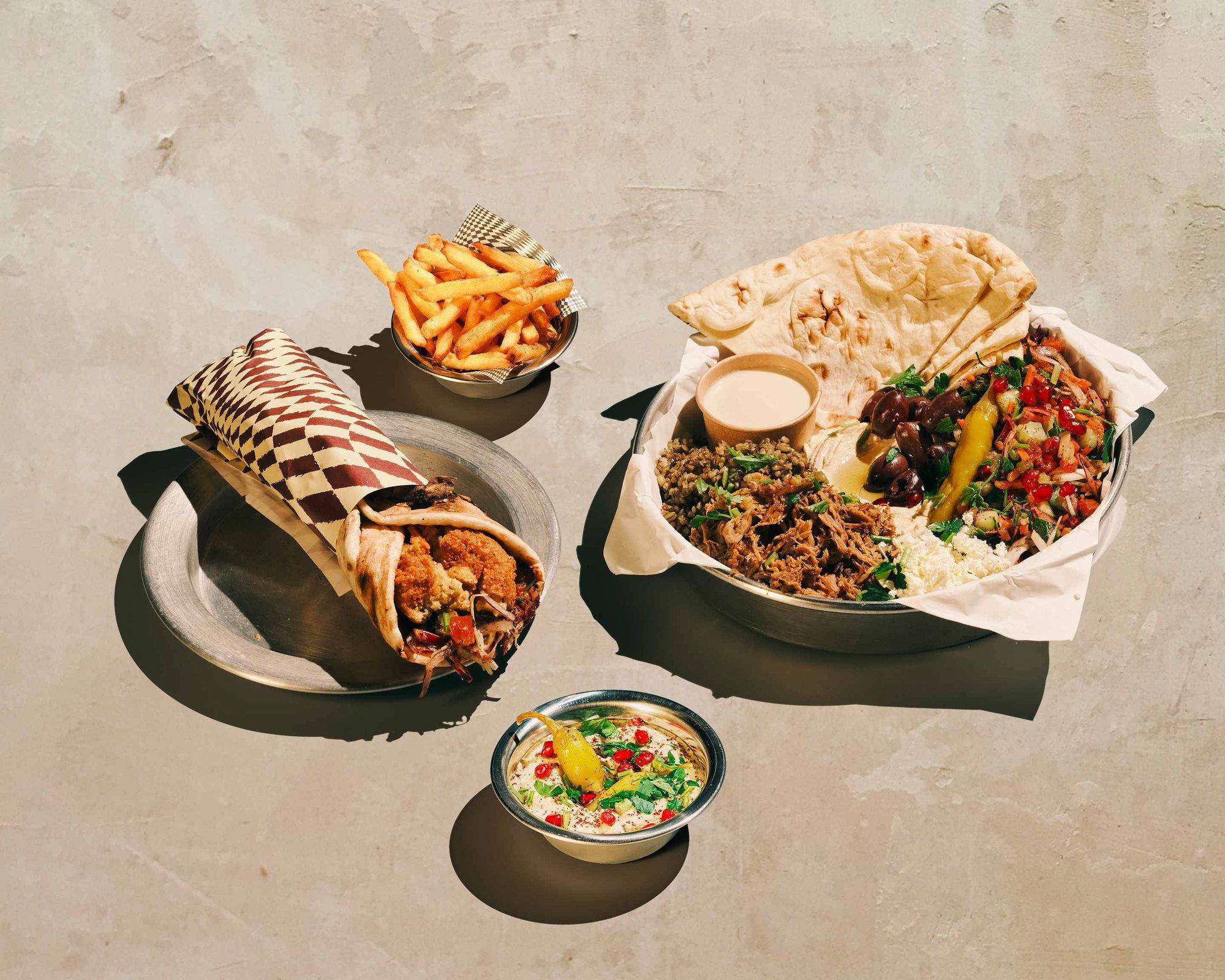
The Bread That Structures the Meal
In Middle Eastern and Levantine culinary tradition, the tannour is not a side element. The clay oven and the flatbread it produces are the structural centre of the meal, the surface on which dishes are assembled, the vessel that carries everything else to the table. Dining at a tannour-focused address is a different ritual from the European multi-course format that dominates Etterbeek's restaurant corridor: the pacing is lateral rather than sequential, sharing is assumed, and the bread itself is the through-line rather than an afterthought. My Tannour, on Avenue des Celtes 30 in Etterbeek, takes its name directly from that tradition, positioning the experience around that communal logic from the first moment.
Etterbeek's dining offer is largely framed by French and Italian references. Hadrien and Le Monde est Petit anchor the creative French tier, while Le Buone Maniere holds the Italian position at the higher end of the neighbourhood's price range. My Tannour operates in a different register entirely, not competing for the same occasion but drawing a different kind of visit: one organised around sharing plates, bread-forward eating, and a tradition that predates the European dining formats that otherwise define the street.
The Ritual of Arrival and Assembly
The tannour format carries its own etiquette, and understanding it changes what the meal feels like. Unlike a tasting menu, where the kitchen controls the sequence and the diner follows, a table built around flatbread and shared preparations is self-directing. Dishes arrive in clusters rather than procession. The bread is both utensil and ingredient. The expectation is that the table negotiates what to order, how to pace the meal, and when it is finished. That negotiation is part of the experience, not a logistical inconvenience.
This stands in contrast to the direction of travel at Belgium's most formally structured restaurants. The progression at a place like Hof van Cleve in Kruishoutem or Boury in Roeselare is entirely kitchen-led: the diner surrenders sequence and pacing to the chef's architecture. The tannour tradition inverts that relationship. The kitchen provides the components; the table determines how they are used. It is a different social contract, and one that rewards groups over solo diners.
Where It Sits in Etterbeek's Dining Pattern
Avenue des Celtes and its surrounding blocks form one of Etterbeek's more active dining concentrations, with a mix of price points and cuisines that makes the neighbourhood worth covering as a destination in its own right. Hanoi Station represents the Vietnamese end of the spectrum, and Maison Antoine holds an institutional position in the Belgian street-food tradition. My Tannour occupies neither of those slots. It is the address on this stretch that most directly references Levantine communal eating, and that specificity gives it a clear identity within a neighbourhood that otherwise leans heavily European.
For the broader Belgian dining context, the comparison set that earns sustained critical attention sits in a different register: Zilte in Antwerp, Willem Hiele in Oudenburg, and Bartholomeus in Heist all operate at the fine-dining end of the Belgian spectrum, where kitchen-led progression and Michelin recognition define the value proposition. My Tannour's value proposition is built on different terms: accessibility of format, the communal logic of the table, and the specificity of a culinary tradition that most of its Etterbeek neighbours do not address at all. Those are separate occasions, not competing ones.
What the Format Demands of the Diner
Eating well at a bread-centred communal table requires a different kind of attention than a structured tasting menu. The decisions that shape the meal happen at the table, not in the kitchen. Ordering too narrowly misses the point of the format; ordering generously and letting dishes overlap is how the tradition is meant to work. Groups of three or four tend to navigate this better than pairs, because the spread of dishes relative to the bread volume makes more sense at a larger table.
The tannour itself, where present in the operation, is both a practical tool and a visual anchor. Clay-oven flatbread produced to order has a different texture and temperature profile from bread baked in a conventional oven or held warm: the char on the surface, the slight interior steam, the way it responds to being torn rather than cut. That physical quality is what the name of this address is promising, and it is the element that most clearly distinguishes the experience from a generic Middle Eastern restaurant where bread is incidental.
For readers who have encountered the format at higher price points internationally, including Levantine-influenced restaurants in cities like New York where places like Atomix have raised the profile of non-European communal formats, My Tannour operates at a neighbourhood scale rather than a destination one. The occasion it is suited for is different: a local regular dinner, a group meal, a deliberately casual evening rather than a set-piece reservation.
Planning the Visit
My Tannour is located at Avenue des Celtes 30, 1040 Etterbeek, accessible from central Brussels by metro or tram via the Merode or Montgomery stops, both of which place the address within a short walk. Current hours, booking policy, and pricing are best confirmed directly with the venue, as this information was not available at time of writing. The format suits groups more naturally than solo visits, and arriving with a clear intention to share broadly across the menu will produce a more representative experience of what the tannour tradition actually delivers. For a broader picture of what is available in the neighbourhood, the full Etterbeek restaurants guide covers the complete range of options across cuisine types and price points.
Readers whose interests extend to Belgium's more formally awarded dining circuit will find useful reference points in Castor in Beveren, De Jonkman in Sint-Kruis, d'Eugénie à Emilie in Baudour, and L'air du temps in Liernu. For Brussels-based fine dining, Bozar Restaurant occupies a distinct cultural position in the city's more formal tier. My Tannour is not in conversation with any of those addresses, but the contrast is clarifying: this is a neighbourhood address built around a specific culinary tradition, operating on its own terms and suited to a different kind of evening entirely. For those spending time in Etterbeek and looking for a table that steps outside the French-Italian axis that dominates the area, it is the most direct route to that alternative.
How My Tannour Etterbeek compares with similar nearby venues.
| Venue | Cuisine | Price |
|---|---|---|
| Le Buone Maniere | Italian | €€€€ |
| Le Monde est Petit | Creative French | €€€ |
Continue exploring
More in Etterbeek
Restaurants in Etterbeek
Browse all →
Bars in Etterbeek
Browse all →
Hotels in Etterbeek
Browse all →
Wineries in Etterbeek
Browse all →
At a Glance
- Rustic
- Cozy
- Casual Hangout
- Open Kitchen
Current opening hours
- Monday
- 11:30 AM–9:30 PM
- Tuesday
- 11:30 AM–9:30 PM
- Wednesday
- 11:30 AM–9:30 PM
- Thursday
- 11:30 AM–9:30 PM
- Friday
- 11:30 AM–9:30 PM
- Saturday
- 11:30 AM–9:30 PM
- Sunday
- 11:30 AM–9:30 PM
Hours can change for holidays and private events. Last verified .
Casual and welcoming with focus on authentic Middle Eastern flavors and generous portions.
Know Before You Go
- Getting there
- Av. des Celtes 30, 1040 Etterbeek, Belgium