Maison Antoine sits on Jourdanplein in Etterbeek, one of Brussels' more quietly residential corners, where the square's everyday rhythm shapes the dining experience as much as anything on the plate. The address places it squarely within a neighbourhood that has developed a considered restaurant scene alongside its more famous institutional neighbours. Visitors looking for Etterbeek's dining character will find Maison Antoine a useful point of orientation.
Pearl is the En Primeur Club membership app — saves, bookings, and concierge access live there. Same editors, same standards.
- Address
- 1040, Jourdanplein 1, 1040 Etterbeek, Belgium
- Phone
- +32 2 230 54 56
- Website
- maisonantoine.be
- Directions
- Get directions
 Saves & bookings on Pearl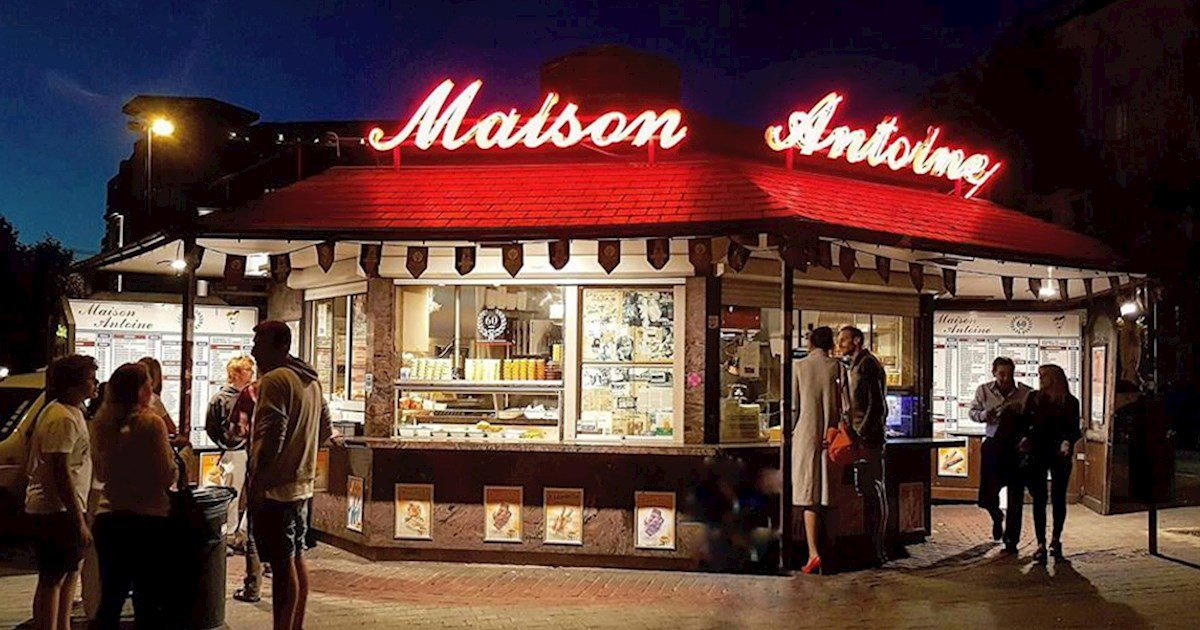
Jourdanplein and the Etterbeek Dining Tradition
Place Jourdan is one of Brussels' more instructive squares. It sits in Etterbeek, a commune that occupies the institutional corridor between the EU quarter and the quieter residential streets running toward Ixelles, and the square itself has long functioned as a neighbourhood anchor rather than a tourist set piece. The cafes and friteries around it have served the civil servant lunch crowd, the local resident, and the occasional European Parliament staffer in roughly equal measure for decades. Maison Antoine, at Jourdanplein 1, is embedded in that context. The address alone signals something about the venue's relationship with its neighbourhood: this is not a destination opened to capitalise on passing trade from the grand places further west, but a fixture in a square that has its own rhythms.
Etterbeek's restaurant scene has expanded in recent years to include a broader range of formats and price points. Alongside long-established neighbourhood addresses, newer openings such as Le Monde est Petit (Creative French) and Hadrien have added more considered dining options to a commune that was previously better known for its proximity to European institutions than for its food. Le Buone Maniere (Italian) represents the upper end of that local price tier, while My Tannour and Hanoi Station extend the commune's range toward more casual international formats. Maison Antoine sits within this spread, and understanding where it falls in that local hierarchy matters for anyone planning a meal in the area. Our full Etterbeek restaurants guide maps this scene in more detail.
What the Neighbourhood Tells You About the Food
In Brussels, a venue's position relative to the city's produce infrastructure often says more about its kitchen ambitions than any formal credential does. The capital has direct access to some of Belgium's most carefully cultivated agricultural output: the Hageland vegetable producers east of Leuven, the coast's North Sea catch landing at Zeebrugge and Ostend, and the specialist suppliers who have grown alongside Belgium's serious restaurant community over the past two decades. How a neighbourhood restaurant engages with that supply chain, whether it reaches for the same sourcing relationships as the country's more formally recognised kitchens or stays within the city's wholesale market structure, tends to define its ceiling.
Belgium's nationally recognised restaurants set a clear benchmark for ingredient provenance. Hof van Cleve - Floris Van Der Veken in Kruishoutem and Boury in Roeselare operate within sourcing frameworks that are inseparable from their cooking identity. Zilte in Antwerp and Willem Hiele in Oudenburg both treat proximity to coastal and agricultural producers as a structural part of their offer, not an afterthought. Even in Wallonia, venues like d'Eugénie à Emilie in Baudour and in Gent, Vrijmoed, have made producer relationships a public-facing part of their identity. That pattern has filtered down to Brussels itself, where Bozar Restaurant in Brussels represents the kind of capital address that consciously places itself in dialogue with Belgium's broader culinary geography.
For a neighbourhood restaurant on Place Jourdan, the relevant question is not whether it competes with those formally recognised addresses but what sourcing logic it applies within its own tier. Etterbeek's institutional daytime population, combined with a residential evening crowd, creates a demand profile that tends to reward consistency over seasonal experimentation. That context typically pushes kitchens toward reliable supply relationships rather than the shorter, more variable chains that define Belgium's leading tables. Venues like La Durée in Izegem, Cuchara in Lommel, and Ralf Berendsen in Neerharen each operate within regional sourcing logics specific to their corners of Belgium, and that specificity is precisely what gives them character. The same principle applies in Etterbeek, where a restaurant's relationship with Place Jourdan as a physical and social place is itself a form of local rootedness.
Brussels in a Wider Frame
Belgium's position in European dining is sometimes underread internationally. Its Michelin density per capita is among the highest in the world, and the country's kitchen culture, built on French classical foundations but increasingly informed by its own producers and a genuinely cosmopolitan urban population, has produced a style of cooking that is serious without being overtly formal. Brussels sits at the centre of that dynamic, a city where a neighbourhood square restaurant and a destination address can share the same supplier lists and the same informed local clientele.
Internationally, the parallel might be drawn with the kind of neighbourhood bistro model that cities like San Francisco have cultivated in places like Lazy Bear in San Francisco, where format and community relationship matter as much as the food itself, or the discipline of sourcing-led kitchens such as Le Bernardin in New York City, where ingredient integrity is treated as a non-negotiable rather than a marketing point. Those reference points are at a different scale, but the underlying logic, that place and produce are inseparable from what ends up on the plate, is one that applies at every level of the market.
Planning a Visit
Maison Antoine is at Jourdanplein 1, 1040 Etterbeek, accessible from the Brussels city centre via the Schuman metro station (a short walk through the EU quarter) or directly from the Etterbeek train station. The square itself is pedestrian-friendly and has seating that extends outdoors when weather permits, which aligns with the broader Brussels cafe culture of taking meals at pavement level when the season allows. Visitors with time in the area should also consider the wider Etterbeek dining circuit: the commune rewards a slow afternoon of neighbourhood exploration as much as a single sit-down meal.
How Maison Antoine Etterbeek compares with similar nearby venues.
| Venue | Cuisine | Price |
|---|---|---|
| Stirwen | Modern French | €€€ |
| Origine | Modern French | €€ |
Continue exploring
More in Etterbeek
Restaurants in Etterbeek
Browse all →
Bars in Etterbeek
Browse all →
Hotels in Etterbeek
Browse all →
Wineries in Etterbeek
Browse all →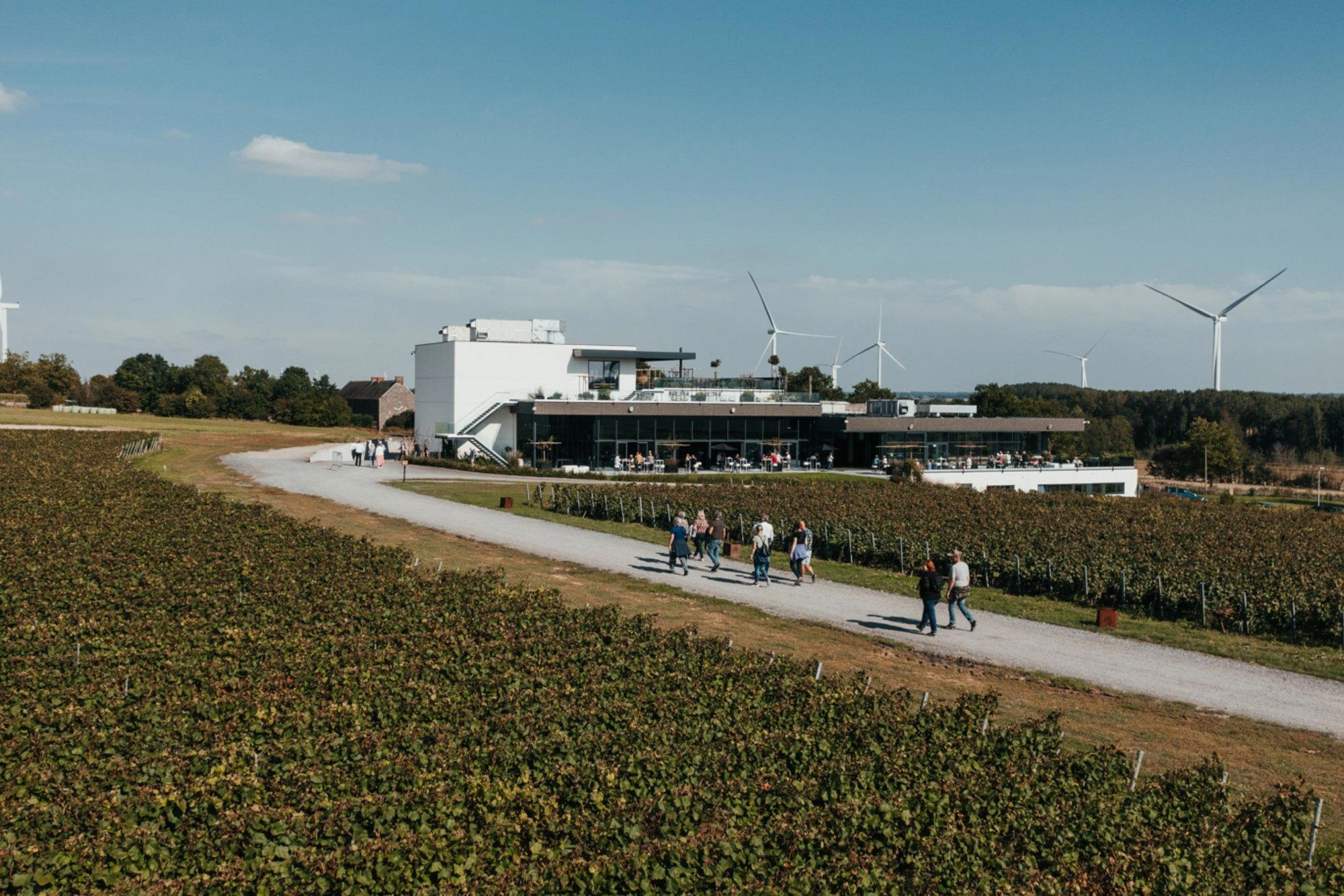
At a Glance
- Well Known
- Classic
- Casual
- Casual Hangout
- Late Night
- Solo
- Standalone
Current opening hours
- Monday
- 11:30 AM–1 AM
- Tuesday
- 11:30 AM–1 AM
- Wednesday
- 11:30 AM–1 AM
- Thursday
- 11:30 AM–1 AM
- Friday
- 11:30 AM–1 AM
- Saturday
- 11:30 AM–1 AM
- Sunday
- 11:30 AM–1 AM
Hours can change for holidays and private events. Last verified .
Casual, bustling street-side kiosk atmosphere with long queues typical of a beloved local institution; no indoor seating, designed for quick service and takeaway.
Know Before You Go
- Getting there
- 1040, Jourdanplein 1, 1040 Etterbeek, Belgium