
Tabelog 100 #61
Our verdict
Its Tabelog Okonomiyaki 100 selections from 2018, 2019, 2022, 2023, 2024, and 2025 give it a durable credential in a category often treated too casually by visitors.

Pearl is the En Primeur Club membership app, where members save venues, book tables and use the concierge.
The menu
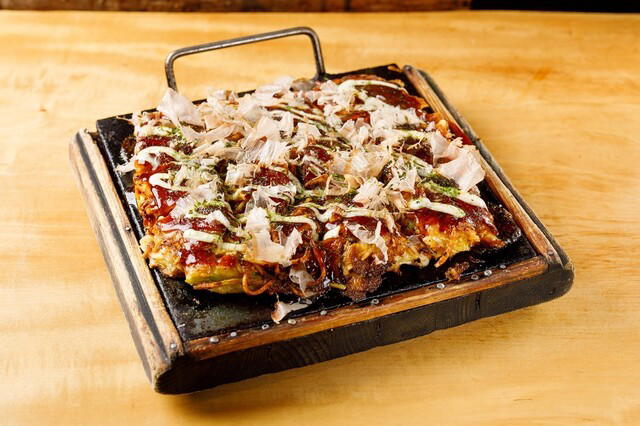
What to order
- Okonomiyaki
- Modern-yaki
- Yakisoba
- Course menu with sashimi (for banquets)
The sustainability angle here is not a press-release claim about sourcing. It is structural. Okonomiyaki has long been efficient food: a filling base, batter cohesion, toppings used with restraint, sauce and heat doing much of the work. Teppanyaki expands that logic by keeping cooking close to service and reducing the gap between preparation and consumption. The format discourages wasteful abundance because the meal is built in increments, with the griddle setting the pace.
A compact griddle format, with drinking built into the meal
The format shapes the experience. That matters for okonomiyaki because texture and timing are central to the style. Visitors expecting only a quick, checklist snack may miss the point; the stronger move is to treat the meal as an izakaya-style progression, with griddle dishes and drinks forming the evening rather than one pancake carrying the entire visit.
The listed categories point in the same direction: okonomiyaki, teppanyaki, and izakaya. That combination is a sign of how modern okonomiyaki rooms sit beyond the simplest beer-and-pancake stereotype. Hana’s lane is local and griddle-specific, but it belongs to the same citywide habit of treating informality seriously. Pair this kind of meal with a look through
Frequently asked questions
What days is Hana closed?
Current opening days and hours for Hana should be confirmed directly before visiting.
Where do I go for Hana?
Osaka.
What does dinner at Hana typically cost?
Dinner at Hana is listed at JPY 3,000 - JPY 3,999; lunch is listed at - JPY 999.
What has Hana built its reputation on?
Hana’s profile rests on okonomiyaki, teppanyaki, and izakaya-style dining in Osaka. It was listed in the Tabelog Hyakumeiten recognition for 2025 with a score of 3.59.
Is Hana allergy-friendly?
Hana is a restaurant in Osaka, so allergy planning is best handled directly before booking or visiting. The venue details list okonomiyaki, teppanyaki, and izakaya dishes, so calling +81-6-6354-8717 before you go is the sensible move.
Comparable Options
Comparable venues by cuisine and category.
| Venue | Cuisine | Price | Awards | Notes |
|---|---|---|---|---|
| HanaThis venue (the venue you are viewing) | Okonomiyaki & teppan comfort food | Not listed | Tabelog 100 #61 | Not listed |
| Washington Shokudo | Standing Japanese bar (tachinomi izakaya) | $10–20 | Tabelog 100 #6 | JPY 999 JPY 1,000 - JPY 1,999 View spending breakdown |
| Kyoshoran Honten | Modern Wagyu Yakiniku (Japanese BBQ) | $50–100 | Tabelog 100 #53 | JPY 8,000 - JPY 9,999 |
| Yakiniku Horumon Odoru | Japanese Yakiniku & Horumon | $50–100 | Tabelog 100 #57 | JPY 8,000 - JPY 9,999 View spending breakdown |
| Oku | Unagi and Sake Specialist | $100–150 | Michelin Plate | Unagi / Freshwater Eel |
Recognition history
Dated appearances from independent guides and award organizations, with the underlying list record or original source where available.
Tabelog 100 #61 · No. 61
Tabelog · Tabelog 100 - Okonomiyaki - 2025
Continue exploring
More in Osaka
Restaurants in Osaka
All restaurants in Osaka →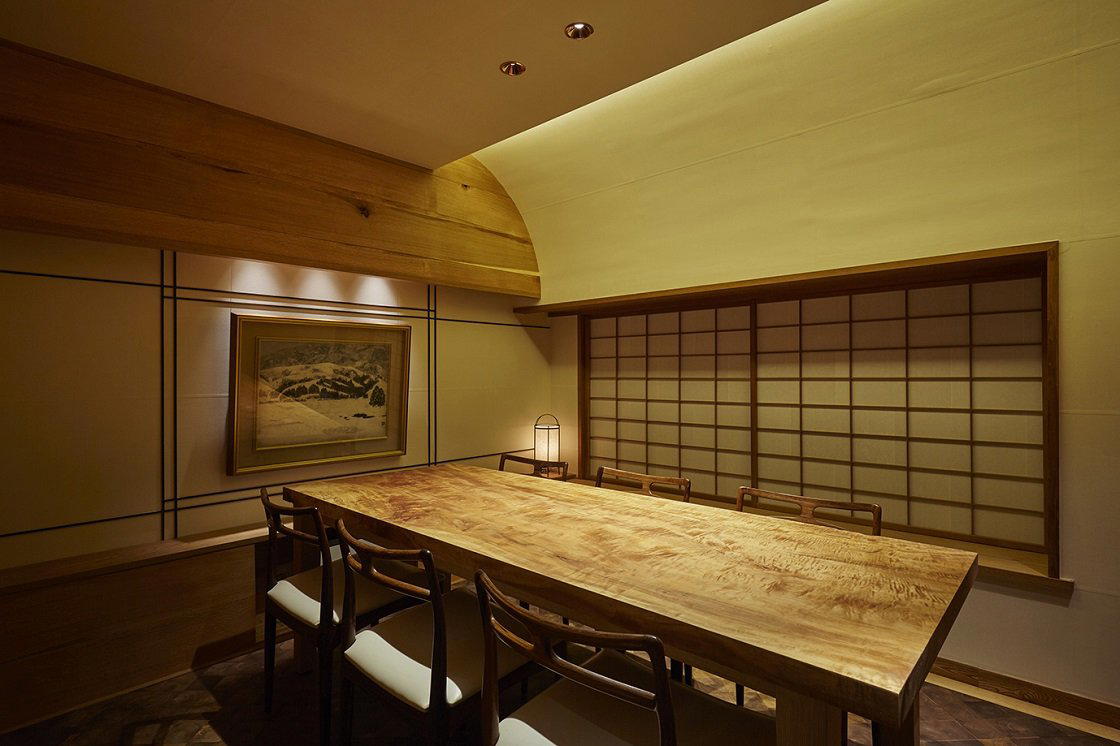


Bars in Osaka
All bars in Osaka →

Hotels in Osaka
All hotels in Osaka →


Wineries in Osaka
Browse all →
Details
- Cozy
- Intimate
- Classic
- Casual Hangout
- Group Dining
- After Work
- Solo
- Family
- Standalone
- Design Destination
- A La Carte
Current opening hours
- Monday
- 11:30 AM–1:30 PM, 5:30–9:30 PM
- Tuesday
- 11:30 AM–1:30 PM, 5:30–9:30 PM
- Wednesday
- 11:30 AM–1:30 PM, 5:30–9:30 PM
- Thursday
- 11:30 AM–1:30 PM, 5:30–9:30 PM
- Friday
- 11:30 AM–1:30 PM, 5:30–9:30 PM
- Saturday
- Closed
- Sunday
- Closed
Hours can change for holidays and private events. Hours as of .
Casual and homey, with the warmth of a neighborhood okonomiyaki joint enhanced by the owner’s art on the walls and background jazz and bossa nova creating a relaxed, slightly nostalgic atmosphere.