
HALLAL FOOD MARHABA puts Fukuoka’s Pakistani curry scene into a compact, low-price format with serious recognition behind it: Tabelog 100 selections for Asian and ethnic cuisine in 2022, 2023, and 2024, plus Curry WEST selections in 2019 and 2020. The draw is not polish; it is a small-room, take-out-friendly counterpoint to the city’s ramen-heavy food narrative.
Pearl is the En Primeur Club membership app — saves, bookings, and concierge access live there. Same editors, same standards.
- Address
- 3 Chome-10-13 Hakomatsu, Higashi Ward, Fukuoka, 812-0061, Japan
- Phone
- +81 80-3977-0786
- Website
- instagram.com
 Saves & bookings on Pearl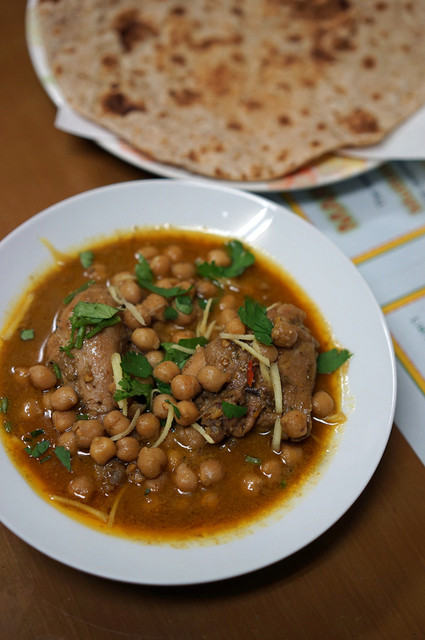
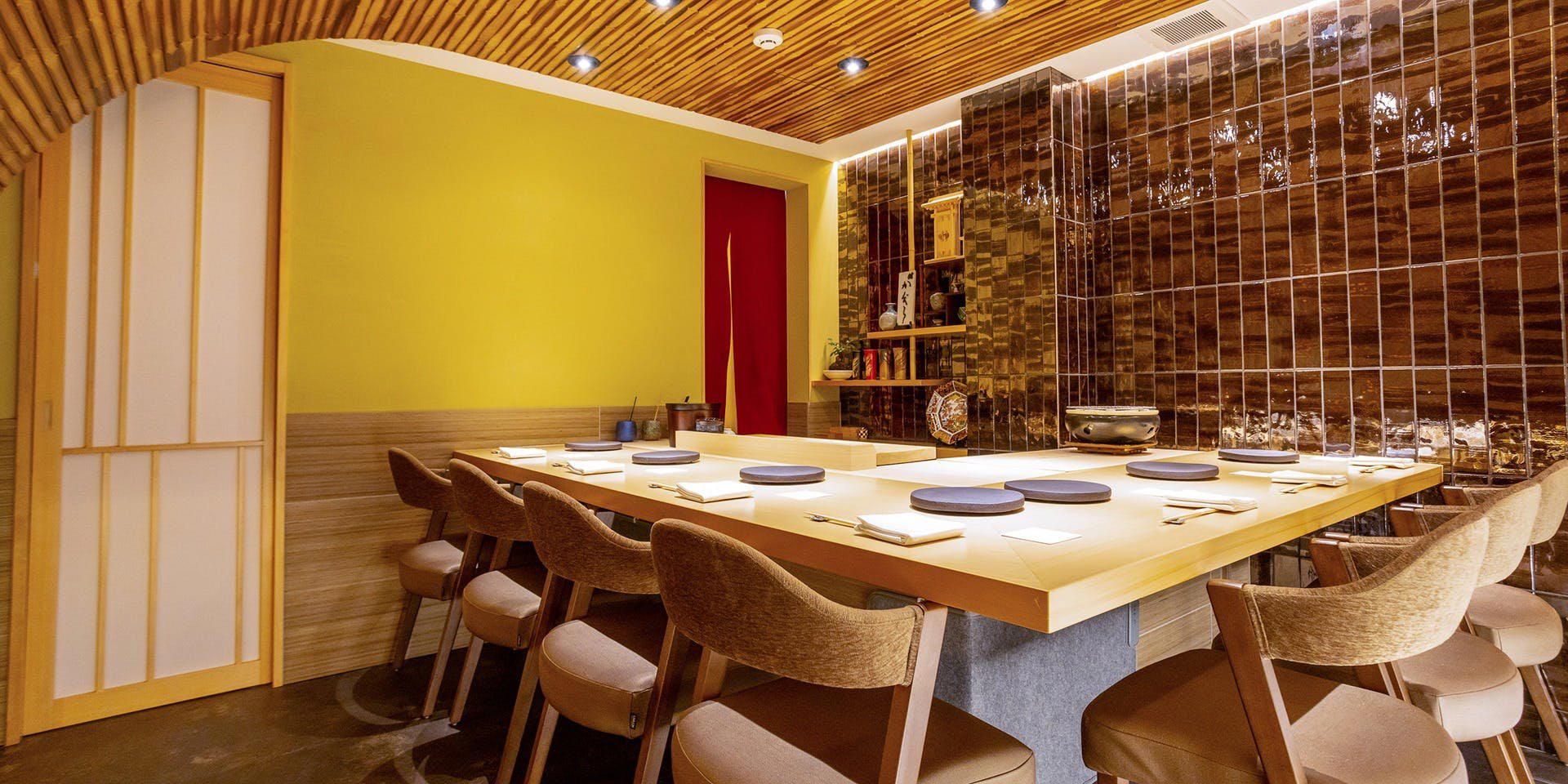
Hakomatsu is not postcard Fukuoka dining. Around Hakozaki, the rhythm is practical and lived-in: station traffic, small storefronts, university-adjacent routines, and meals that work on weekdays as well as weekends. In that setting, Pakistani curry feels different from a central-city tasting-menu reservation. The room is small, the format direct, and the signal comes through repetition rather than theatre: 12 seats, take-out available, non-smoking, and an identity built around Pakistani cooking and curry.
That matters because Fukuoka’s outside reputation is still dominated by tonkotsu ramen, yatai culture, seafood, and Kyushu comfort cooking. The city’s fuller restaurant map is broader. South Asian and halal restaurants form a quieter layer, serving students, residents, Muslim travellers, and diners who know curry in Japan is not one category. HALLAL FOOD MARHABA belongs to that smaller circuit, with Tabelog 100 selections in Asian and ethnic cuisine for 2022, 2023, and 2024, plus earlier Curry WEST selections in 2019 and 2020. For a modest Pakistani curry restaurant outside the central Tenjin-Hakata axis, that recognition marks a narrow specialist address in a city better known for other cravings.
Pakistani curry in a city better known for ramen
Japanese curry culture often splits between nostalgic yoshoku plates, spice-curry counters, and regional imports closer to South Asian traditions. Pakistani cooking brings another centre of gravity: meat-forward gravies, rice dishes, breads, and spice structures that do not need the sweetness or roux-heavy texture many travellers associate with Japanese curry. No single dish should be a universal measure here, but the category gives the restaurant its role. It is not competing with ramen shops on speed or kaiseki rooms on ceremony; it sits in the everyday specialist bracket, where regularity, portion value, and a distinct cuisine do the work.
Fukuoka’s comparison set shows how compressed the city’s value dining can be. pain stock operates in a similar low-budget band, while SACHiA Beef stroganoff and Yousafzai Halal also occupy the inexpensive end of the market. By contrast, restaurant mamagoto and Yakiniku Horumon Jinsei Daichan push evening spend higher. HALLAL FOOD MARHABA’s relevance comes from being recognised within the cheaper tier, not graduating out of it. A Tabelog score of 3.73 and repeated Hyakumeiten selections give it an evidence trail without making the experience a luxury proposition.
For travellers building a Fukuoka itinerary, it offers a counterweight to the city’s canonical bowl-and-grill agenda, especially for halal-friendly or South Asian food options. Readers comparing the city’s range can start with Our full Fukuoka restaurants guide, then cross-reference nearby dining styles such as 106 South Indian Fukuoka tenjin ten, spice-focused Afterglow, local Japanese cooking at Aji Dokoro Taro Gen Sougyou ten, fried-fish dining at Aji Furai Shokudo Kaba, and comfort cooking at Aji no Katsueda.
The small-room format is part of the critical case
Small restaurants in Japan create their own discipline. With only 12 seats, a room cannot absorb indecision, large groups, or casual lingerers like a larger dining room. Service becomes immediate, table turnover matters, and the dine-in/take-out split is part of the operation. Reservations are available and recommended because the owner runs the restaurant alone, a detail that says more than decorative adjectives. This is an owner-operated specialist address whose scale is limited by labour, space, and focus.
The food also has a temporal rhythm. Biryani is listed for Fridays, Saturdays, and Sundays until sold out, giving weekend visits a different logic from midweek meals. That is not a generic scarcity trick; small South Asian kitchens often batch-plan rice dishes that do not behave like à la minute curry orders. Diners who care about that part of the menu should treat timing as part of the decision.
Read the atmosphere through the category: compact, functional, and food-led. Pakistani curry rooms rarely rely on fine-dining choreography; the sensory charge comes from heat, spice, rice, and the closeness of a small kitchen rather than tableware or lighting. That is why the recognition persuades. Tabelog’s Asian and ethnic cuisine list covers a broad field across western Japan, so repeated selection puts this address in a competitive regional conversation, not just neighbourhood convenience.
How to place it in a Fukuoka itinerary
The strongest use case is a low-fuss meal that adds range to a Fukuoka stay. Pairing it with hotels, bars, and cultural planning keeps the day from becoming a single-food pilgrimage. The broader city context is easier to read through Our full Fukuoka hotels guide, Our full Fukuoka bars guide, Our full Fukuoka wineries guide, and Our full Fukuoka experiences guide. The restaurant itself is best treated as a specialist stop, not a long-form evening: come for Pakistani curry, understand the small scale, and do not expect central-city dining-room amenities.
For wider Japan planning, the comparison is not only local. Travellers following curry, halal, or casual specialist cooking across the country can compare the category with (Shoku) Vietnam in Kawasaki, [Curry Senmon Ten] Maruyama Kyoju. in Sapporo.cafe in Osaka.know in Kumamoto. 鮪と炭火焼き うお炭 秋葉原店 in Tokyo, and -Grilled beef Sukiyaki- KAMAKURA TANUKIAN 鎌倉 たぬき庵 in Kamakura. For North American detours with Japanese food culture in view, Jōdo Saké Bar in Los Angeles and Onigiri Time in Pasadena extend the same question: how far can a focused, compact format carry a meal without luxury signals?
The editorial verdict is simple. HALLAL FOOD MARHABA widens the definition of eating well in Fukuoka. It is a recognised Pakistani curry address with a small footprint, low spend, and enough award history to justify the trip beyond convenience. In a city where many visitors repeat the same ramen-and-yatai script, this specialist room makes the map more interesting.
Fast Comparison
Comparable venues in the metro at similar price points.
| Venue | Cuisine | Price | Notes |
|---|---|---|---|
| HALLAL FOOD MARHABAThis venue — the venue you are viewing | Halal Pakistani Curry House | $ | Not listed |
| Yousafzai Halal | Halal Pakistani & North Indian Curry House | $ | Higashi |
| ZAEKA | Halal Pakistani & Indian Curry House | $$ | Chūō |
| HYDER | Halal Bangladeshi medicinal curry house | $$ | Chūō |
| Fukuchan Ramen Taguma honten | Traditional Hakata-style tonkotsu ramen shop | $ | Sawara |
| Yayoi (やよい軒 筑紫口店) | Japanese Teishoku | $ | Hakata |
Recognition history
Dated appearances from independent guides and award organizations, with the underlying list record or original source where available.
Tabelog 100 #6 · No. 6
Tabelog · Tabelog 100 - Asian cuisine / Ethnic cuisine - WEST - 2024
At a Glance
- Solo
- Casual Hangout
- Family
- Group Dining
- Standalone
Current opening hours
- Monday
- 11 AM–8 PM
- Tuesday
- Closed
- Wednesday
- Closed
- Thursday
- 11 AM–8 PM
- Friday
- 12–8 PM
- Saturday
- 11 AM–8 PM
- Sunday
- 11 AM–8 PM
Hours can change for holidays and private events. Last verified .
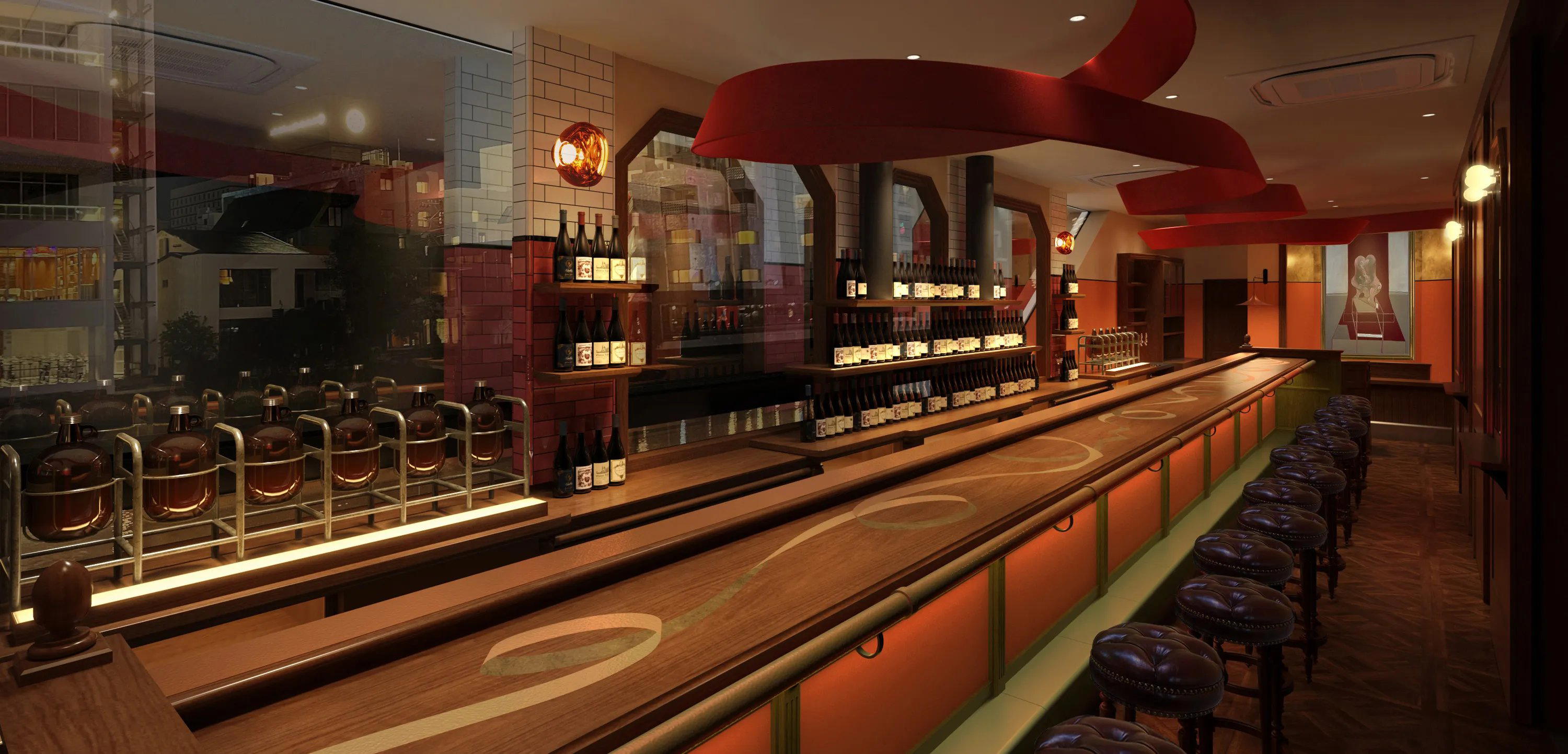
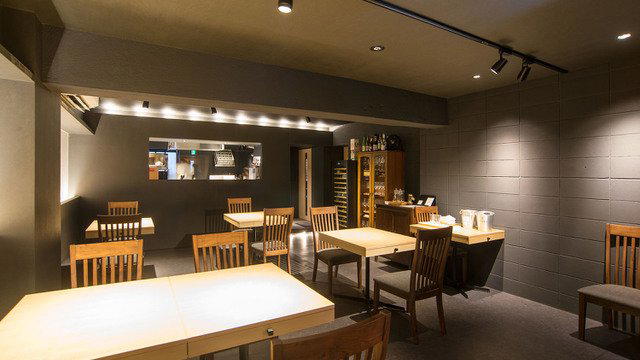
Simple, no-frills neighborhood spot with limited seating, run by a solo owner-chef, more functional than decorative and suited to quiet, unfussy meals.