Our verdict
Yayoi (やよい軒 筑紫口店) is a teishoku chain restaurant positioned steps from Hakata Station's Chikushi exit, serving set-meal formats built around Japanese home-cooking staples. It represents the everyday end of Fukuoka's dining spectrum: reliable, ingredient-focused, and oriented toward the working lunch crowd rather than the destination diner.

Pearl is the En Primeur Club membership app — saves, bookings, and concierge access live there. Same editors, same standards.
- Address
- 博多区博多駅東2-1-26, 福岡市, 福岡県, 812-0013
- Directions
- Get directions
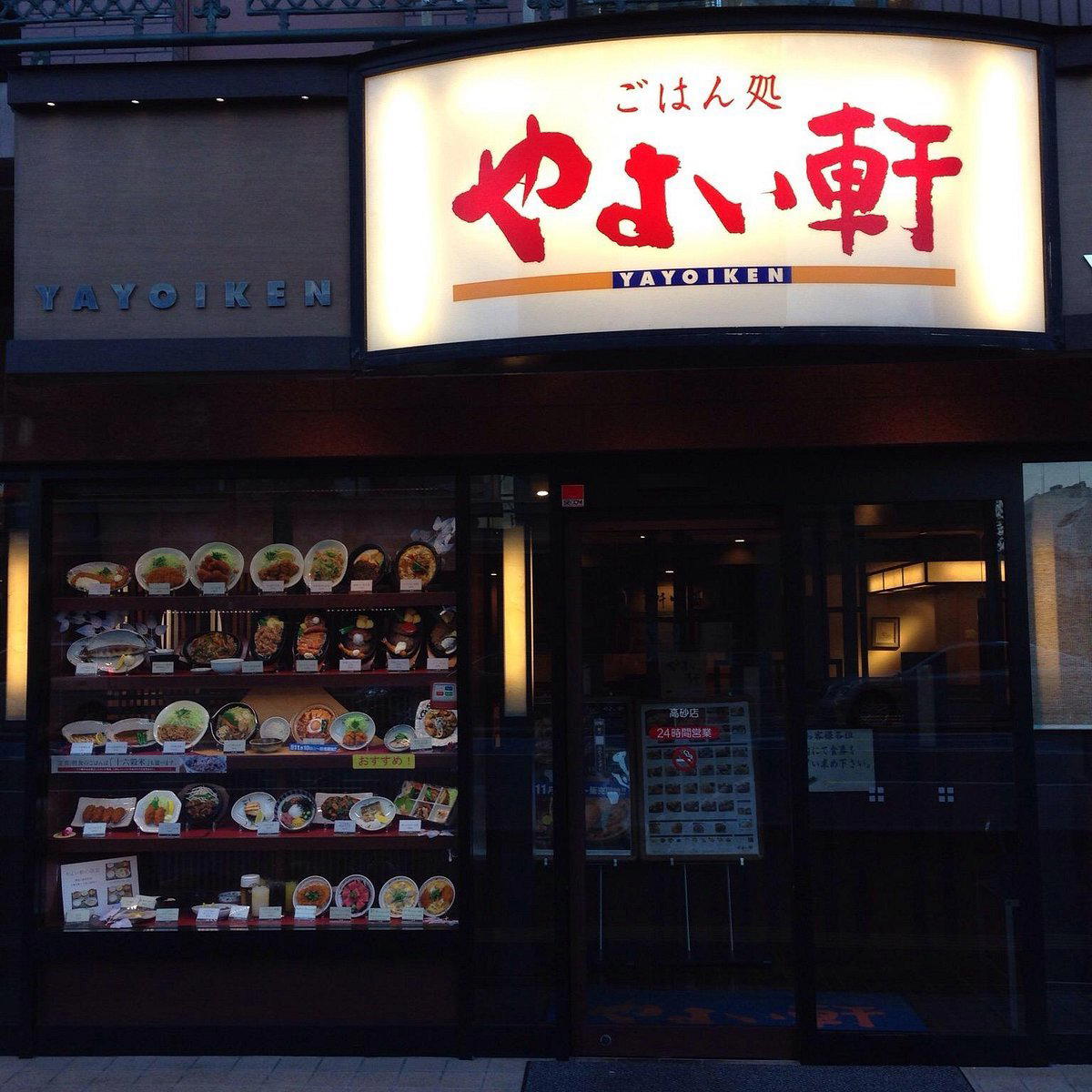
Hakata's Everyday Teishoku Counter
Within a short walk of Hakata Station's Chikushi exit, the rhythm of the surrounding streets is shaped by commuters, business travellers, and workers moving between the station and the office blocks of Hakata-ku. This is not the Fukuoka of curated omakase counters or the yakitori alleys of Tenjin. It is the city's working core, and the restaurants that survive here do so by meeting a consistent, practical demand: a full meal, at speed, at a price that makes daily repetition viable. Yayoi-ken (やよい軒) sits squarely in that context. It is a teishoku specialist — a format where a main dish arrives alongside rice, miso soup, and pickles as a fixed set — and its Chikushi exit branch occupies the kind of ground-floor position, close to a major transit node, that defines how this format operates across Japanese cities.
The Teishoku Format and What It Implies About Sourcing
Teishoku dining in Japan is not simply a price-point strategy. It is a structural commitment to a particular kind of ingredient rotation. The format demands that a kitchen cycle through grilled fish, simmered pork, fried chicken cutlets, and sautéed vegetables across a week's menu, which in turn requires supply chains that can deliver protein and produce at volume without inconsistency. In chain teishoku operations, this typically means centralised purchasing from regional wholesalers, with rice, the category's most scrutinised element, often sourced from specific domestic growing regions. Yayoi-ken as a brand has operated in this space for decades, and its positioning as a national chain means its ingredient logistics function at a different scale than an independent kissaten or a neighbourhood shokudo. The rice refill policy that the brand is known for in its stores signals a particular philosophy: the grain is the anchor of the meal, not an afterthought, and a diner's access to it should not be rationed.
This places Yayoi-ken in a different conversation from Fukuoka's higher register dining. At the counter-level of Japanese cuisine, venues like Chikamatsu (Sushi) are working with product whose provenance is cited by piece. At the teishoku tier, provenance operates through the category rather than the individual ingredient: the question is not which farm supplied today's mackerel, but whether the kitchen's supply relationship delivers mackerel that is consistent enough to grill well under volume conditions. Both approaches are serious, but they address different aspects of what it means to cook with care in Japan.
Fukuoka's Station District as a Dining Zone
The area around Hakata Station has shifted considerably in the past decade, particularly following the expansion of the Hakata Station complex itself. The station's interior and immediate surrounds now contain a concentration of dining options that ranges from ramen chains and bento counters to higher-end izakayas and, within walking distance, some of the city's more considered restaurants. What has not changed is the dominant demand profile: fast turnover, midday peaks, and a clientele that is largely local and largely time-constrained. Yayoi-ken's position at the Chikushi exit, slightly removed from the station's main commercial concourse, puts it adjacent to the office district rather than the tourist flow. That distinction shapes who is eating there and what they expect from the experience.
For the traveller arriving at Hakata and trying to map Fukuoka's dining range, this is useful context. The city supports a full spectrum, from the precision counter work found at places like Goh (French) and Asago at one end, to the direct set-meal formats of teishoku chains at the other. Beef Taigen (Beef泰元) and Bekk occupy intermediate positions in that range. Yayoi-ken is not competing in the same register as any of those; it is operating in a different tier entirely, and that is not a criticism, it is a description of what the venue is built to do.
What to Order and How the Format Works
In any Yayoi-ken branch, the ordering logic follows the teishoku template: choose a main from a menu that typically rotates between grilled fish (saba shioyaki or saba misoni are common across the brand), pork preparations, and fried items such as chicken nanban, a dish with particular resonance in Kyushu, where it has regional roots in Miyazaki Prefecture. The set arrives as a complete unit, rice, miso soup, pickled vegetables, and the rice can be refilled without additional charge, a policy that distinguishes the brand from some competitors in the same tier. The meal is designed for completion in under thirty minutes, which aligns with its intended use case. There is no tasting menu logic here, no sequencing of courses, no expectation that the diner will linger. The format's efficiency is the point.
For a broader view of how Fukuoka's dining scene positions itself relative to the rest of Japan's major cities, see our full Fukuoka restaurants guide. The city's culinary reference points extend nationally, conversations about Japanese precision dining inevitably draw in venues like Harutaka in Tokyo, Gion Sasaki in Kyoto, and HAJIME in Osaka, but the teishoku tier exists in its own parallel track, one that a large proportion of Japanese diners engage with on a daily basis.
Planning Your Visit
The Chikushi exit branch is positioned for transit convenience rather than destination dining. Arriving at Hakata Station and walking to the Chikushi side takes a matter of minutes, which makes this a viable option for a working lunch before a shinkansen departure or between meetings in the Hakata business district. No reservation is required or expected; teishoku format dining at this tier operates on a walk-in basis, and turnover during peak lunch hours (roughly noon to 1:30pm in Japanese office districts) is high. Visitors expecting the level of craft found at akordu in Nara or the ingredient precision of Le Bernardin in New York City are, self-evidently, in the wrong tier; but those looking for a clean, well-executed version of Japan's most democratic meal format will find the Chikushi exit branch fit for that purpose.
Frequently asked questions
Can I bring kids to Yayoi (やよい軒 筑紫口店)?
The teishoku format at Yayoi-ken is well-suited to families with children. Set meals are structured, portion-controlled, and served quickly, which reduces waiting time. The Chikushi exit location in Fukuoka's Hakata district attracts a cross-section of transit passengers and local workers, making it an informal, low-pressure environment without dress expectations or formal service protocols.
What kind of setting is Yayoi (やよい軒 筑紫口店)?
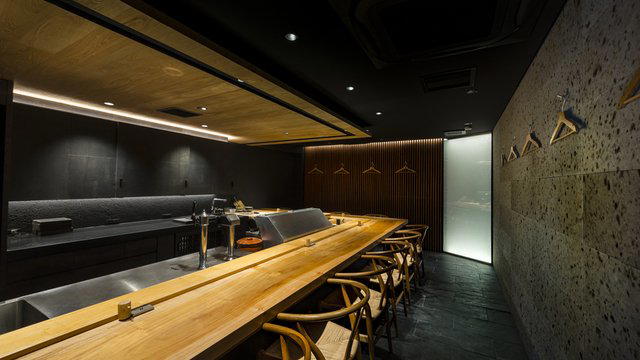
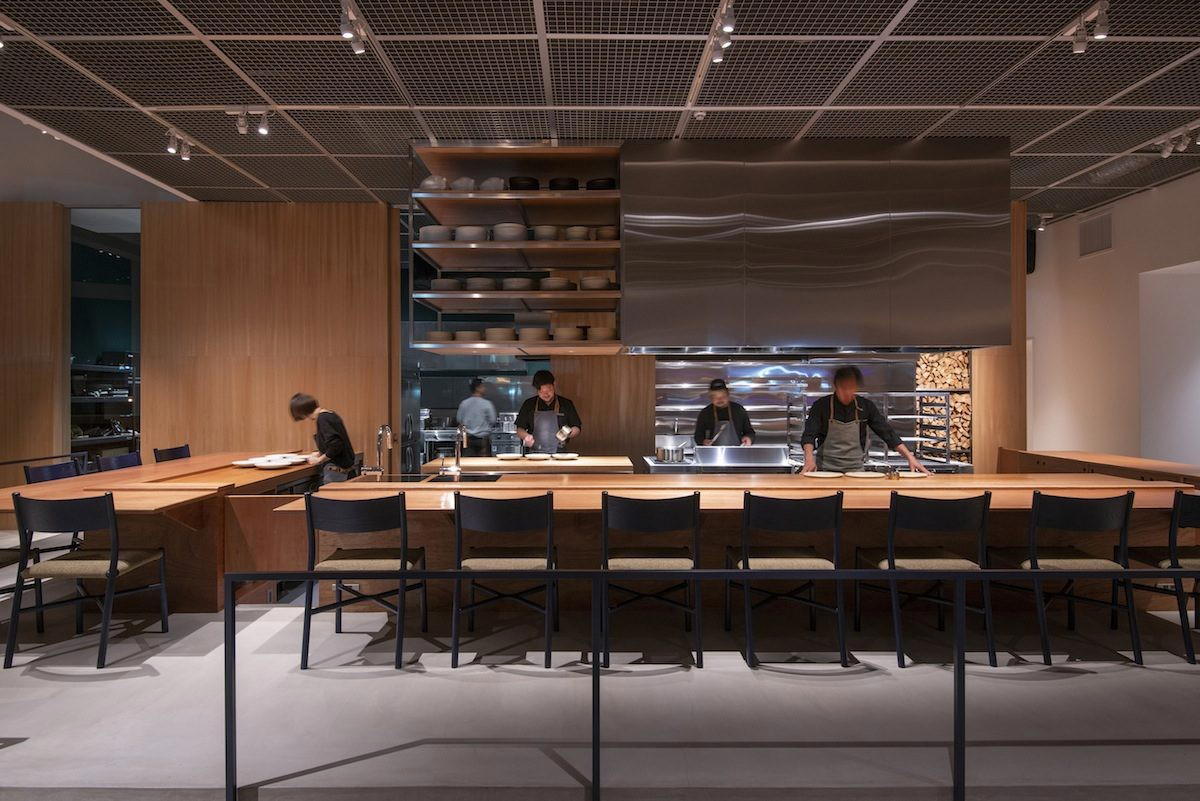
This is a counter-and-table teishoku house positioned directly in the commuter orbit of Hakata Station's Chikushi exit, at 博多区博多駅東2-1-26 in Fukuoka. The setting is functional rather than atmospheric: efficient service, tray-based set meals, and a clientele that turns over at pace with the station's foot traffic. It is the kind of place where the food logic matters more than the room.
Is Yayoi-ken near Hakata Station's Chikushi exit a good option for a quick meal between trains in Fukuoka?
For transit dining in Fukuoka, the Chikushi exit branch at 博多区博多駅東2-1-26 is positioned specifically for that use case. Teishoku meals at Yayoi-ken are assembled and served within minutes of ordering, and the format requires no reservation. Hakata Station's Chikushi side is less saturated with tourist-facing dining than the Hakata exit side, which means shorter queues during peak travel hours.
What's the best thing to order at Yayoi (やよい軒 筑紫口店)?
Yayoi-ken's menu follows the teishoku template across all branches, with grilled fish sets (saba being the most consistent option) alongside rice, miso soup, and pickles as standard accompaniments. The rotation varies, but the grilled fish teishoku represents the clearest expression of what the format is designed to deliver: a complete, balanced meal built around a single protein. Order at the counter or ticket machine, then wait for your tray.
| Venue | Cuisine | Price | Awards |
|---|---|---|---|
| Yayoi (やよい軒 筑紫口店)This venue — the venue you are viewing | Japanese Teishoku | $1–10 | Not listed |
| Chikamatsu | Edomae Sushi Omakase | $200–300 | La Liste Top Restaurants · Tabelog Gold #5 |
| Gahoujin 我逢人 | Seasonal Sushi Omakase | $200–300 | Tabelog Bronze #80 |
| Genkiippai | Hakata Tonkotsu Ramen | $10–20 | Tabelog 100 #51 |
| Matsuyama | Seasonal Kyushu Kaiseki Omakase | $300–500 | Tabelog Silver #74 |
| Mihara Tofuten | Traditional Japanese Tofu Izakaya | $30–50 | Not listed |
Details
- Modern
- Solo
- Casual Hangout
- Standalone
- Set Menu
- Counter Dining