
Fukuoka’s curry and South Asian dining scene is often read through convenience and price, but ZAEKA gives that category more weight: Pakistani and Indian cooking, all-halal menus, vegetarian and vegan options, and repeat Tabelog 100 recognition. Its Maizuru address keeps it close to Akasaka and Tenjin without making it part of the city’s ramen-and-yatai shorthand.
Pearl is the En Primeur Club membership app — saves, bookings, and concierge access live there. Same editors, same standards.
- Address
- 福岡県福岡市中央区舞鶴1-3-4 曙コーポ 2F
- Phone
- +81927327513
- Website
- zaeka.jp
 Saves & bookings on Pearl
Maizuru’s second-floor dining rooms ask for a different kind of attention than Fukuoka’s street-level food culture. The approach is less about neon, queues and steam rising from yatai stalls, and more about climbing away from the sidewalk into a compact room where curry, South Asian cooking and dietary access carry the argument. In a city often introduced to visitors through tonkotsu ramen, goma saba and late-night drinking, ZAEKA belongs to a quieter but serious strand of Fukuoka dining: restaurants that widen the city’s repertoire without chasing luxury codes.
The useful way to read the restaurant is through sourcing and restriction. Halal compliance across all menus changes the stakes, because it makes the kitchen accessible to Muslim diners without reducing the food to a special-order compromise. Vegetarian and vegan options add another layer. In Japan, where high-level dining can still be difficult for guests avoiding pork, alcohol-based seasonings or animal stock, a South Asian and Pakistani kitchen with clear dietary positioning fills a practical gap as much as a culinary one.
South Asian curry in a city better known for pork broth
Fukuoka’s food identity is unusually strong for a regional Japanese city. Hakata ramen dominates the international shorthand, while seafood counters, izakaya cooking and Kyushu beef formats compete for local attention. That context matters: South Asian restaurants here are not riding the same default tourist demand as noodle shops or sushi counters. Recognition has to come from consistency, local repeat use and a clear point of difference.
ZAEKA’s selection for Tabelog Asian cuisine and Ethnic cuisine WEST “Tabelog 100” in 2024, following earlier selections in the same Asian and ethnic category in 2022 and 2023 and in Curry WEST in 2019 and 2020, places it inside a documented regional conversation rather than a novelty category. The distinction is not about ceremony. It is about a mid-priced curry house earning sustained attention in western Japan, where the competitive field includes Indian, Pakistani, Thai, Vietnamese and other Asian kitchens working across casual and specialist formats.
That price tier matters. Compared with Fukuoka venues such as gasutoronomi ya kogakeisuke, Sushi Gosuian or Tori Kami Garden City, where dinner budgets move into a much higher bracket, this address operates in the everyday dining range. A closer price comparison is Hakata Gomasaba Ya, though the culinary grammar is entirely different. The point is not that one format replaces another; it is that Fukuoka’s dining depth is clearest when inexpensive, highly specific restaurants are taken as seriously as counter omakase and tasting-menu rooms.
Halal, vegetarian and vegan access as culinary infrastructure
Ingredient sourcing is often discussed in Japanese dining through seasonality, provenance and the name of a producer. Here, the more meaningful issue is what the kitchen excludes and controls. All-halal menus require attention to meat sourcing, seasonings and kitchen practice; vegetarian and vegan options require dishes that do not depend on the animal-stock assumptions common in many Japanese kitchens. Those constraints can make a restaurant more legible, not less, because the diner knows the boundaries before ordering.
For visitors, that makes ZAEKA especially useful within a broader Fukuoka itinerary. A day can move from seafood-focused local cooking at Aji Furai Shokudo Kaba or Aji Dokoro Taro Gen Sougyou ten to South Asian curry without treating the latter as a fallback. For curry-specific context, Afterglow and 106 South Indian Fukuoka tenjin ten show how broad the city’s non-Japanese spice cooking has become, from Japanese curry culture to regional Indian frames.
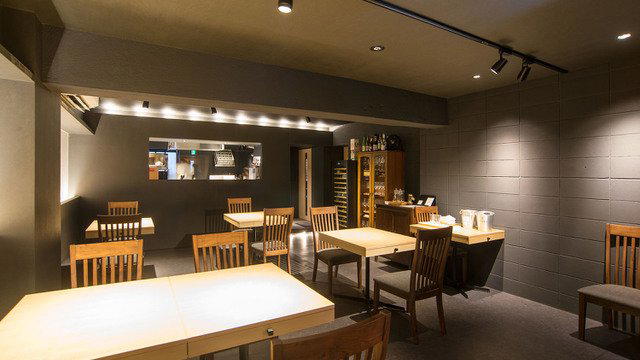
The restaurant’s 25-seat scale also shapes the experience. This is not a sprawling dining hall built for tour groups; it is a small room where the appeal sits in specificity, repeatability and practical access. Take-out extends that usefulness beyond a seated meal, while the non-smoking policy and children-welcome positioning make it workable for mixed groups. Those details are not glamorous, but they are exactly the details that determine whether a restaurant becomes part of a city’s usable dining map.
Where it fits in a Fukuoka itinerary
The Maizuru location puts the restaurant between the city’s business, shopping and nightlife patterns rather than in a destination dining enclave. Akasaka and Tenjin are useful reference points for travellers building a day around central Fukuoka, with hotels, bars and transit close enough to make dinner here a low-friction choice.
For a national comparison, Japan’s casual specialist restaurants often reward narrow focus over expensive format. That pattern links curry, seafood, set-meal and cafe culture across cities: [Curry Senmon Ten] Maruyama Kyoju. in Sapporo, (Shoku) Vietnam in Kawasaki.cafe in Osaka and.know in Kumamoto all sit in that broader category of focused, city-specific dining rather than grand occasion restaurants. The same logic explains why a Fukuoka meal might move from Aji no Katsueda to curry without feeling like a downgrade.
International readers may understand the appeal through similarly compact, specialist formats abroad: Jōdo Saké Bar in Los Angeles and Onigiri Time in Pasadena show how focused Japanese dining travels, while restaurants such as -Grilled beef Sukiyaki- KAMAKURA TANUKIAN 鎌倉 たぬき庵 in Kamakura and. 鮪と炭火焼き うお炭 秋葉原店 in Tokyo show the domestic range of narrow-format Japanese restaurants. ZAEKA’s value is in that same discipline: a clear culinary lane, documented recognition, and a level of dietary clarity that Fukuoka visitors cannot assume elsewhere.
Quick Comparison
Comparable venues by cuisine and price in the same metro.
| Venue | Cuisine | Price | Notes |
|---|---|---|---|
| ZAEKAThis venue — the venue you are viewing | Halal Pakistani & Indian Curry House | $$ | Not listed |
| HYDER | Halal Bangladeshi medicinal curry house | $$ | Chūō |
| 106 South Indian Fukuoka tenjin ten | South Indian | $$ | Chūō |
| Sakana to Sakana Ito Okashi | Japanese Seafood Izakaya | $$ | Chūō |
| Daitou en Honten | Dining | Not listed | Hakata |
| Yakitori Inada | Traditional Yakitori & Izakaya | $$ | Hakata |
Recognition history
Dated appearances from independent guides and award organizations, with the underlying list record or original source where available.
Tabelog 100 #62 · No. 62
Tabelog · Tabelog 100 - Asian cuisine / Ethnic cuisine - WEST - 2024
At a Glance
- Cozy
- Lively
- Casual Hangout
- Group Dining
- Family
- After Work
- Late Night
- Standalone
- Local Sourcing
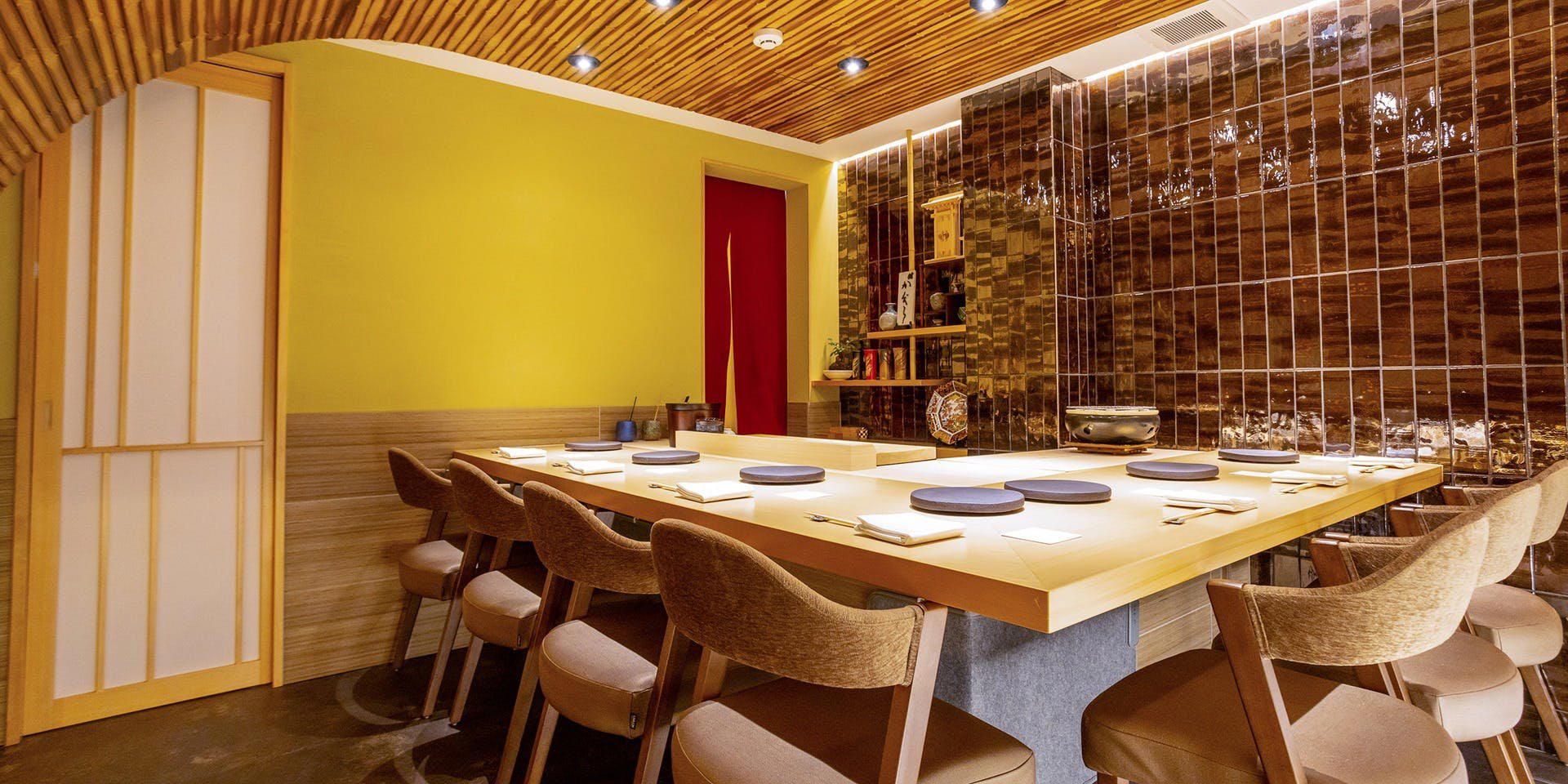
Casual, homely curry house atmosphere on a second floor back street in Maizuru, with simple décor and a relaxed, welcoming vibe popular among the local South Asian and Muslim community.