
Fukuoka’s ramen culture is inseparable from tonkotsu, and Fukuchan Ramen Taguma honten belongs to the city’s everyday, counter-led side rather than its polished dining tier. Recognition in Tabelog Ramen WEST 100 in 2023, 2024, and 2025 gives it a clear trust signal, while its price band keeps the experience rooted in local noodle-shop economics.
Pearl is the En Primeur Club membership app — saves, bookings, and concierge access live there. Same editors, same standards.
- Address
- 2 Chome-24-2 Taguma, Sawara Ward, Fukuoka, 814-0174, Japan
- Phone
- +81 92-863-5355
- Website
- fukuchan-ramen.com
 Saves & bookings on Pearl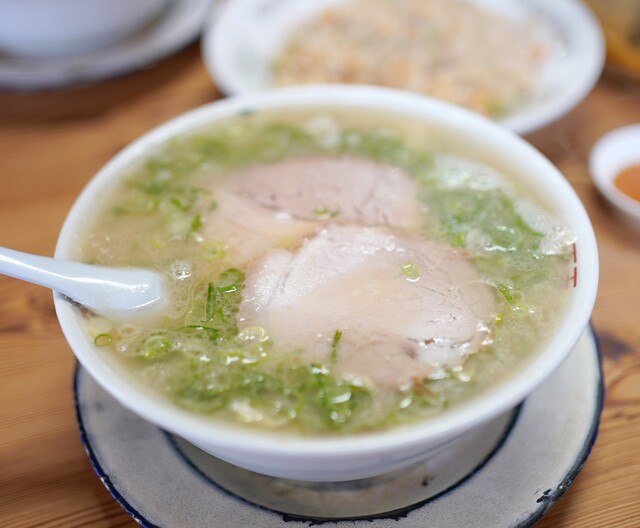
A serious Fukuoka ramen shop is rarely hushed. The cues are practical: counter seats, fast turnover, pork-broth aroma before the bowl arrives, and a room for diners who know what they came for. In Sawara Ward, away from the hotel-heavy centre, Fukuchan Ramen Taguma honten fits the everyday grammar of Hakata-area eating: ramen as quick meal, neighbourhood habit, and local pride rather than dressed-up tasting format.
Fukuoka’s ramen claim rests on tonkotsu, the pork-bone style that made Hakata noodles a national reference point. The local form is direct: concentrated broth, thin noodles, and a counter culture rewarding speed and repetition. Unlike Tokyo’s modern ramen scene, where chicken-clear soups, shellfish broths, and chef-driven limited bowls often dominate, Fukuoka stays attached to house style; the interest is how each shop calibrates richness, noodle texture, garlic, and sides within a familiar frame.
Tonkotsu in its working-city register
The reputation here rests on rich tonkotsu with thin noodles, Fukuoka ramen’s signature combination. Garlic appears in the shop’s public description, a meaningful detail because Hakata-style bowls often depend on small adjustments rather than theatrical novelty. The point is not reinvention, but whether broth, noodle, and seasoning land forcefully enough to draw regulars and cross-town traffic.
That helps travellers read Fukuoka dining. The city’s compelling food culture is not confined to celebratory rooms or chef’s-counter omakase; it also lives in narrow-format restaurants repeating one category until it becomes a local benchmark. Fukuchan Ramen Taguma honten sits closer to Fukuoka’s everyday canon than to higher-spend dining. Compared with Tsukune Seisakusho or Yakitori Benkei Nishijin ten, both in a higher dinner band, ramen sharply compresses the cost of a serious meal. Teppanyaki Hiyori sits higher again, while Aji Furai Shokudo Kaba represents another low-cost specialist lane.
The Tabelog Ramen WEST 100 selections in 2023, 2024, and 2025 give the shop a stronger signal than casual popularity. Tabelog’s Hyakumeiten lists matter in Japan because they separate category specialists by region rather than folding restaurants into one broad hierarchy. For ramen, regional framing is central: Fukuoka is not competing on the terms of Kyoto kaiseki or Ginza sushi, but within a noodle tradition where repeatability, identity, and local demand carry weight.
A counter meal, not a ceremony
The format is central. Counter seating keeps the exchange short and focused, and ramen does not ask for a tasting menu’s long arc. In Fukuoka, it is typically about choosing a bowl, eating while noodles keep their texture, and moving on. That rhythm makes solo dining natural and can reveal more than another polished central-district reservation.
Sawara Ward also changes the context. Unlike Tenjin or Hakata Station, where visitors cluster around transit, hotels, yatai, and shopping, going west into a residential ward shifts the lens from tourist convenience to local routine. The address is not decorative; it changes the audience at the counter and the meal the room serves.
The menu places dumplings alongside ramen, a common casual Japanese noodle-shop pairing. That matters because Fukuoka dining often works through small, repeatable combinations rather than broad menus. The more extensive a ramen shop becomes, the more identity can blur. Here the signal stays tight: ramen first, dumplings as support, drinks such as sake and shochu in the background rather than turning the room into an izakaya.
For travellers mapping a wider Fukuoka itinerary, this stop balances other specialist rooms. South Indian cooking at 106 South Indian Fukuoka tenjin ten, spice-led cooking at Afterglow, local Japanese dining at Aji Dokoro Taro Gen Sougyou ten, fried horse mackerel at Aji Furai Shokudo Kaba, and tonkatsu at Aji no Katsueda show how the city rewards category-specific eating. The through line is specialization, not luxury.
How to read it within Fukuoka
Fukuchan Ramen Taguma honten is strongest as a cultural reference point for tonkotsu, not a special-occasion address. Its value is how it clarifies Fukuoka’s ramen identity: low-friction, pork-broth driven, counter-oriented, and recognized within a regional noodle ranking across multiple recent years. That makes it useful for diners who want to understand why ramen here functions as civic infrastructure, not just a late-night option.
The practical profile reinforces that reading. Lunch and dinner sit in the JPY 1,000 to JPY 1,999 band, aligned with ramen’s democratic role. Reservations are unavailable, so the meal belongs to the queue-and-counter tradition rather than the reservation economy. The shop is non-smoking, has counter seating, and offers parking, marking it as a local ramen house rather than a central entertainment-district stop.
For a broader city plan, use Our full Fukuoka restaurants guide alongside Our full Fukuoka hotels guide, Our full Fukuoka bars guide, Our full Fukuoka wineries guide, and Our full Fukuoka experiences guide. Readers extending a Japan food route can compare category specialists such as -Grilled beef Sukiyaki- KAMAKURA TANUKIAN 鎌倉 たぬき庵 in Kamakura. 鮪と炭火焼き うお炭 秋葉原店 in Tokyo.cafe in Osaka.know in Kumamoto, (Shoku) Vietnam in Kawasaki, and [Curry Senmon Ten] Maruyama Kyoju. in Sapporo. For Japanese food culture outside Japan, Jōdo Saké Bar in Los Angeles and Onigiri Time in Pasadena offer a diaspora lens.
The editorial case is simple: not a long, choreographed meal, but a ramen counter with repeated regional recognition, defined tonkotsu identity, and pricing close to how Fukuoka actually eats. For visitors who know the central ramen names, Sawara Ward adds texture. For first-timers, it explains the local standard without turning noodles into ceremony.
Budget and Context
Comparable venues by cuisine and price in the same metro.
| Venue | Cuisine | Price | Notes |
|---|---|---|---|
| Fukuchan Ramen Taguma hontenThis venue — the venue you are viewing | Not listed | $ | Not listed |
| SACHiA Beef stroganoff | Not listed | $ | Higashi, Beef stroganoff-focused Yoshoku (Japanese-style Western) |
| Jidori Shokudo Magaribuchi ten | Sawara, Japanese Jidori Chicken BBQ | $$ | Not listed |
| LAS VEGAS | Chūō, Japanese Izakaya | $ | Not listed |
| Motsunabe Rakutenchi Tenjin Imaizumi So-Honten | Chūō, Hakata Motsunabe | $$ | Not listed |
| Sakana to Sakana Ito Okashi | Chūō, Japanese Seafood Izakaya | $$ | Not listed |
Recognition history
Dated appearances from independent guides and award organizations, with the underlying list record or original source where available.
Tabelog 100 #40 · No. 40
Tabelog · Tabelog 100 - Ramen - WEST - 2025
At a Glance
- Lively
- Classic
- Rustic
- Well Known
- Solo
- Casual Hangout
- After Work
- Late Night
- Family
- Standalone
Current opening hours
- Monday
- Closed
- Tuesday
- Closed
- Wednesday
- 11 AM–8 PM
- Thursday
- 11 AM–8 PM
- Friday
- 11 AM–8 PM
- Saturday
- 11 AM–8 PM
- Sunday
- 11 AM–8 PM
Hours can change for holidays and private events. Last verified .
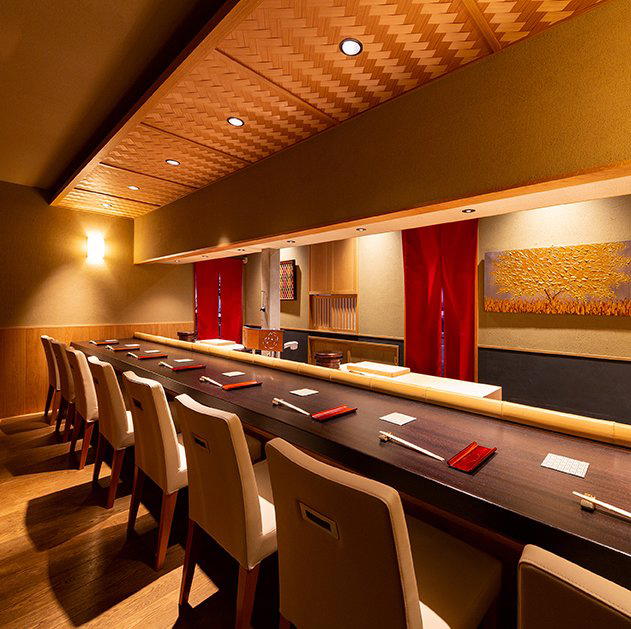
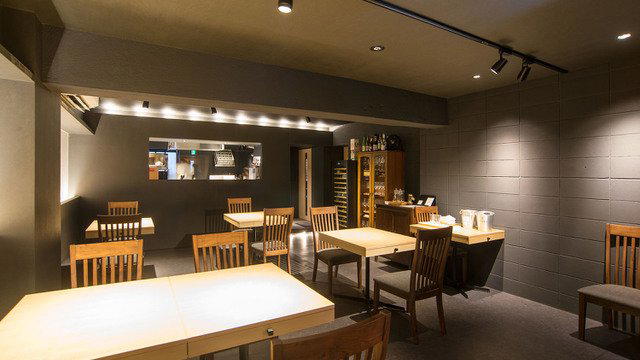
Busy, no-frills counter-only ramen shop with a slightly rustic, retro feel, bright functional lighting, and an energetic atmosphere focused on quick, satisfying bowls rather than decor.