On a narrow street in Vienna's First District, Gasthaus Reinthaler represents the kind of traditional Austrian Gasthaus that the city's dining scene has spent decades trying to preserve amid rising rents and shifting tastes. A working-class institution in an upscale postcode, it sits at a meaningful remove from the tasting-menu tier that now defines Vienna's international dining reputation, offering a direct line to everyday Viennese food culture.
Pearl is the En Primeur Club membership app — saves, bookings, and concierge access live there. Same editors, same standards.
- Address
- Gluckgasse 5, 1010 Wien, Austria
- Phone
- +434315123366
- Website
- gasthausreinthaler.at
- Directions
- Get directions
 Saves & bookings on Pearl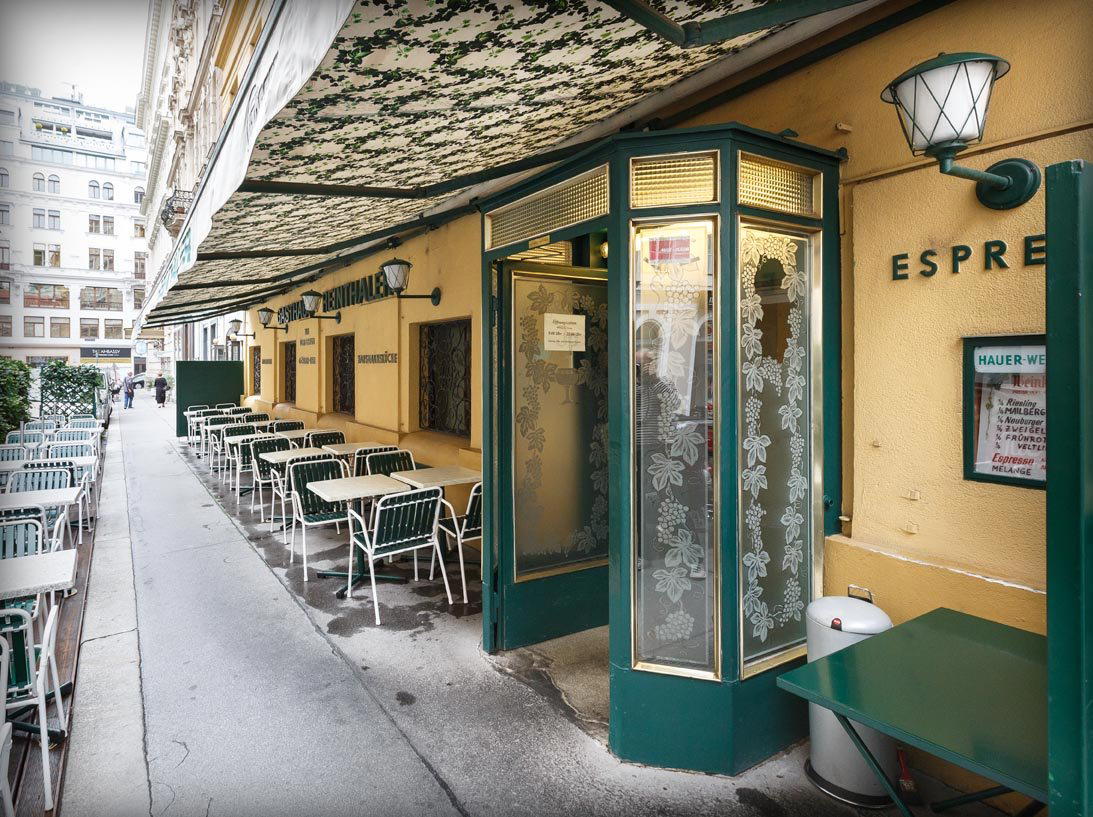
Where the First District Eats Like It Always Did
Gluckgasse is the sort of street that Viennese pedestrians pass through rather than stop on. The First District's grander arteries pull tourists toward the Staatsoper and the Hofburg, but the side streets that thread between them belong to a different rhythm, quieter, less curated, and occasionally home to the kind of place that resists being discovered in any formal sense. Gasthaus Reinthaler is a restaurant at Gluckgasse 5 in Vienna's First District, serving Traditional Viennese Gasthaus Cuisine at about $20 per person.
This is categorically different from the structured progression of a tasting menu at, say, Steirereck im Stadtpark or the deliberate modernism of Konstantin Filippou. The Gasthaus operates on older logic: food as sustenance and sociality rather than as performance.
The Sensory Register of a Proper Viennese Gasthaus
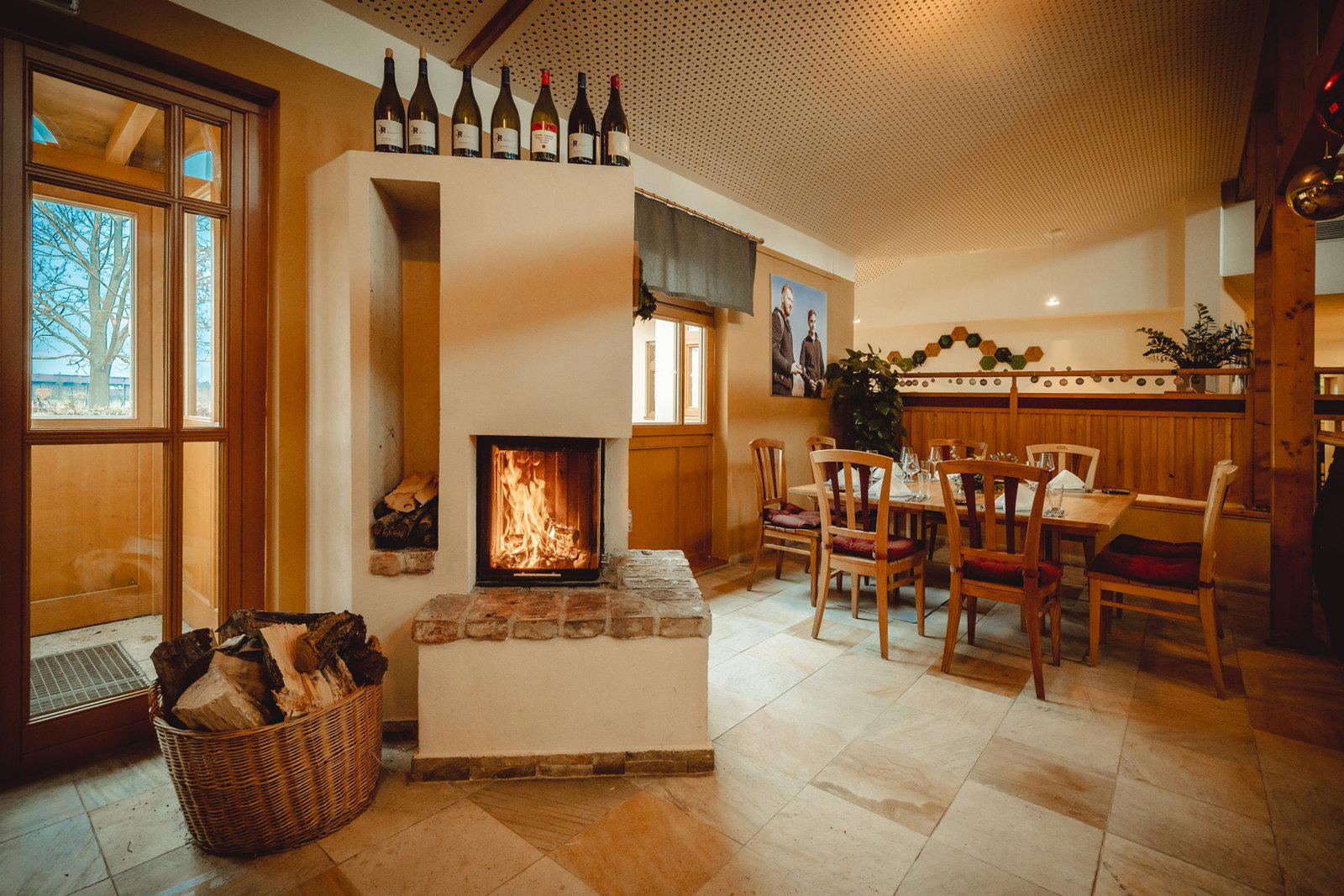
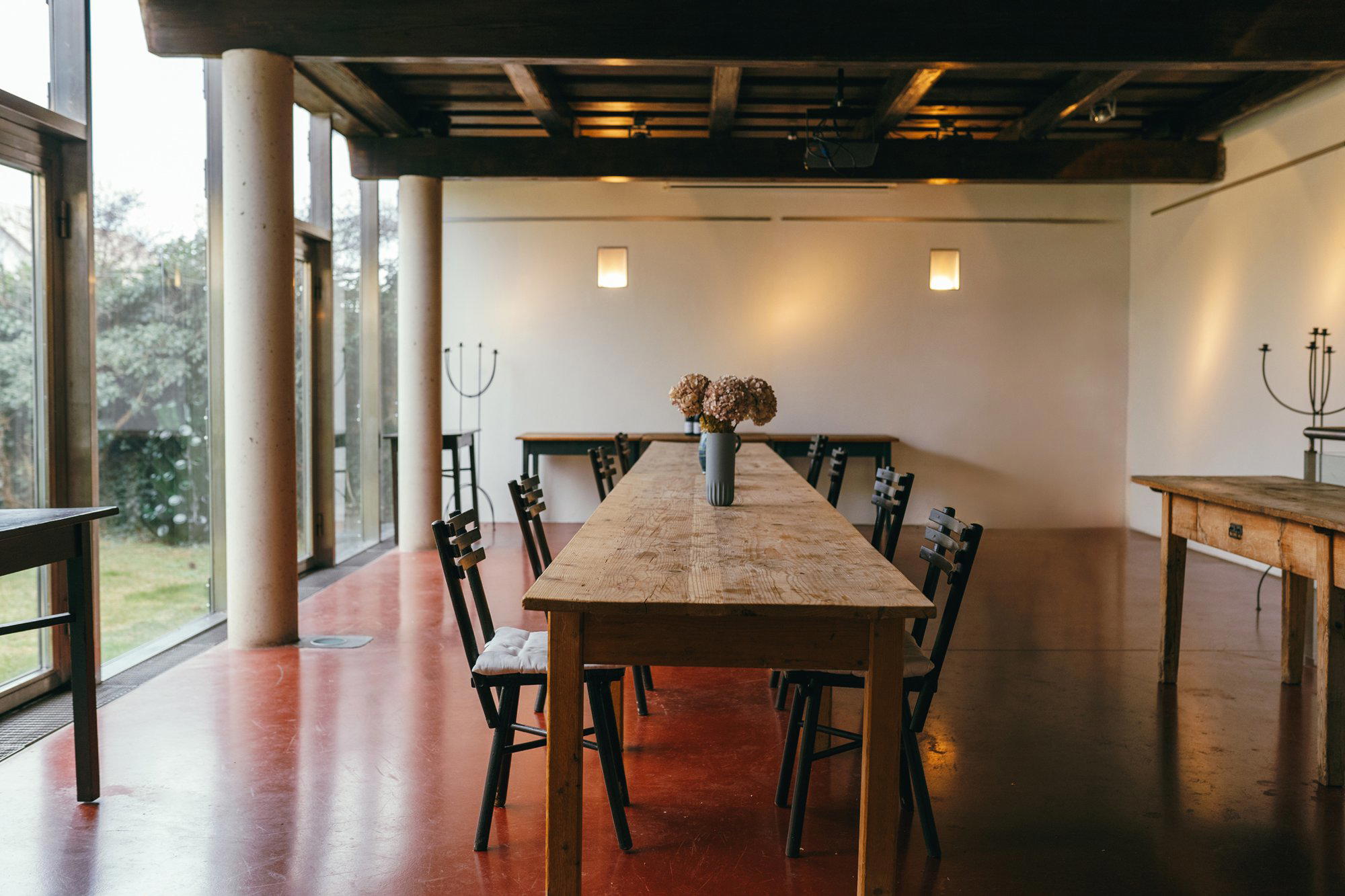
Gasthaus interiors in Vienna share a recognizable sensory grammar. The rooms tend to run warm in the cooler months, heated partly by proximity and partly by the kind of radiant systems that predate modern climate control. Surfaces are typically worn rather than distressed, there is a material difference between deliberate patina applied during a renovation and the genuine accumulation of decades of use, and the Gasthaus format sits firmly in the latter. Light levels are low by modern restaurant standards: pendant fittings, amber-toned, positioned for conversation rather than for the kind of overhead illumination that makes food appear on a smartphone screen.
The smell register in these rooms is specific. Braised meat, rendered fat, the faint acidity of Austrian white wine served in a Viertel, and beneath all of that, the particular staleness that comes from old wood that has absorbed years of cooking. It is not unpleasant. It is a reminder of why these places still matter in a city where the tasting-menu tier operates at an entirely different frequency. The Gasthaus doesn't compete with those rooms. It answers a different question entirely.
Sound matters here too. A working Gasthaus at lunch carries the low-level percussion of a functioning kitchen: the clatter of heavy-gauge pans, the occasional shout between the pass and the prep area, and a dining room noise floor set by regulars who know each other and talk at the volume of people who are comfortable where they are. This is a different acoustic experience from the deliberate quiet of a formal dining room, and for many visitors, it is more relaxing precisely because it requires nothing of them.
Reinthaler in the Context of Vienna's Dining Tiers
Vienna's dining map has separated into distinct tiers over the past two decades. The traditional Gasthaus occupies a third tier, less fashionable, less photographed, and in many cases, less replicated, because the economics of running a genuine working Gasthaus in a First District address are not direct.
Reinthaler's address on Gluckgasse puts it inside among the more expensive real estate postcodes in Austria, which is itself an unusual circumstance. Most surviving traditional Gasthäuser have migrated outward to districts where rents allow the margins of low-price, high-volume service. The fact that this one remains central makes it a useful reference point for anyone trying to understand what the First District's everyday food culture looked like before the hospitality industry began optimising it for tourism revenue.
For contrast within Austria's wider dining tradition, the country's formal restaurant tier extends well beyond Vienna. Döllerer in Golling an der Salzach, Obauer in Werfen, and Landhaus Bacher in Mautern an der Donau each represent the structured, destination-dining end of Austrian hospitality. Taubenkobel in Schützen am Gebirge offers a wine-country counterpoint, while the alpine tier includes places like Gourmetrestaurant Tannenhof in Sankt Anton am Arlberg, Stüva in Ischgl, and Kräuterreich by Vitus Winkler in Sankt Veit im Pongau. Reinthaler sits at the opposite end of that spectrum from all of them, and that is precisely its function within the broader picture of Austrian dining.
Closer to home, the comparison worth making is less with Doubek or other Vienna venues chasing creative territory, and more with the question of what gets lost when a city's everyday dining infrastructure is replaced entirely by restaurants optimised for either high-margin fine dining or photo-ready casual formats. The Gasthaus model resists both, and Reinthaler is one of the clearer examples of that resistance in an inner-city address.
When to Go and What to Expect
The Gasthaus format peaks in autumn and winter in Vienna. The cooking that defines these rooms, centred on braised and roasted preparations, reads differently in October than it does in July. The room itself, typically warmer and more enclosed than a terrace-heavy summer operation, comes into its own when the temperature outside is low and the logic of staying at a table for two hours with something slow-cooked in front of you becomes self-evident. Visitors arriving in Vienna between October and March will find this format most coherent on its own terms.
Lunch tends to be the busier service, populated by office workers from the surrounding First District addresses and by the kind of regulars who have been eating at the same table for years. The evening service runs quieter and longer. Neither requires the booking lead time of the city's formal tier: at Steirereck, tables for peak periods book weeks ahead; the Gasthaus operates on shorter notice, though calling ahead for the evening is sensible.
Internationally, places like Le Bernardin in New York City and Lazy Bear in San Francisco show how legacy-format dining survives in expensive cities, though the Gasthaus model operates with considerably less ceremony than either.
Gasthaus Reinthaler, Gluckgasse 5, 1010 Wien. Walk-ins are one reliable entry point.
Comparable Venues
Comparable venues nearby, for context on price, style, and recognition.
| Venue | Cuisine | Price | Notes |
|---|---|---|---|
| Gasthaus ReinthalerThis venue — the venue you are viewing | Traditional Viennese Gasthaus Cuisine | $$ | Not listed |
| Leitenbauer Delikatessen | Austrian Sausage Deli | $$ | Neubau |
| Am Nordpol 3 | Authentic Bohemian-Viennese | $$ | Brigittenau |
| Figlmüller – Restaurant Bäckerstraße | Traditional Viennese Cuisine | $$ | Innere Stadt |
| DIE PFERDEFLEISCHEREI Gumprecht Filiale Friedensbrücke | Austrian Horse Meat Butchery | $$ | Franz Josefs Bahnhof |
| Lusthaus | Traditional Austrian | $$ | Praterbrucke |
Continue exploring
More in Vienna
Restaurants in Vienna
Browse all →
Bars in Vienna
Browse all →
Hotels in Vienna
Browse all →
At a Glance
- Cozy
- Classic
- Rustic
- Casual Hangout
- Family
- Group Dining
- After Work
- Terrace
- Standalone
- Beer Program
Current opening hours
- Monday
- 11 AM–11 PM
- Tuesday
- 11 AM–11 PM
- Wednesday
- 11 AM–11 PM
- Thursday
- 11 AM–11 PM
- Friday
- 11 AM–11 PM
- Saturday
- Closed
- Sunday
- Closed
Hours can change for holidays and private events. Last verified .
Cozy, down-to-earth, and authentically Viennese with warm lighting and a vintage Austrian aesthetic; features an ivy-covered outdoor seating area in warmer months.