Gut Oberstockstall


Michelin Plate · Falstaff Restaurant - 95 Falstaff Points
Our verdict
Gut Oberstockstall sits in Kirchberg am Wagram, a Danube-region village at the heart of Austria's Wagram wine country, where the estate's agricultural roots connect directly to the table. The setting places it within a wider Austrian tradition of land-anchored dining that runs from farm to glass with unusual directness. For those exploring Lower Austria's quieter restaurant circuit, it belongs on the same itinerary as the Wagram's vineyards themselves.

Pearl is the En Primeur Club membership app, where members save venues, book tables and use the concierge.
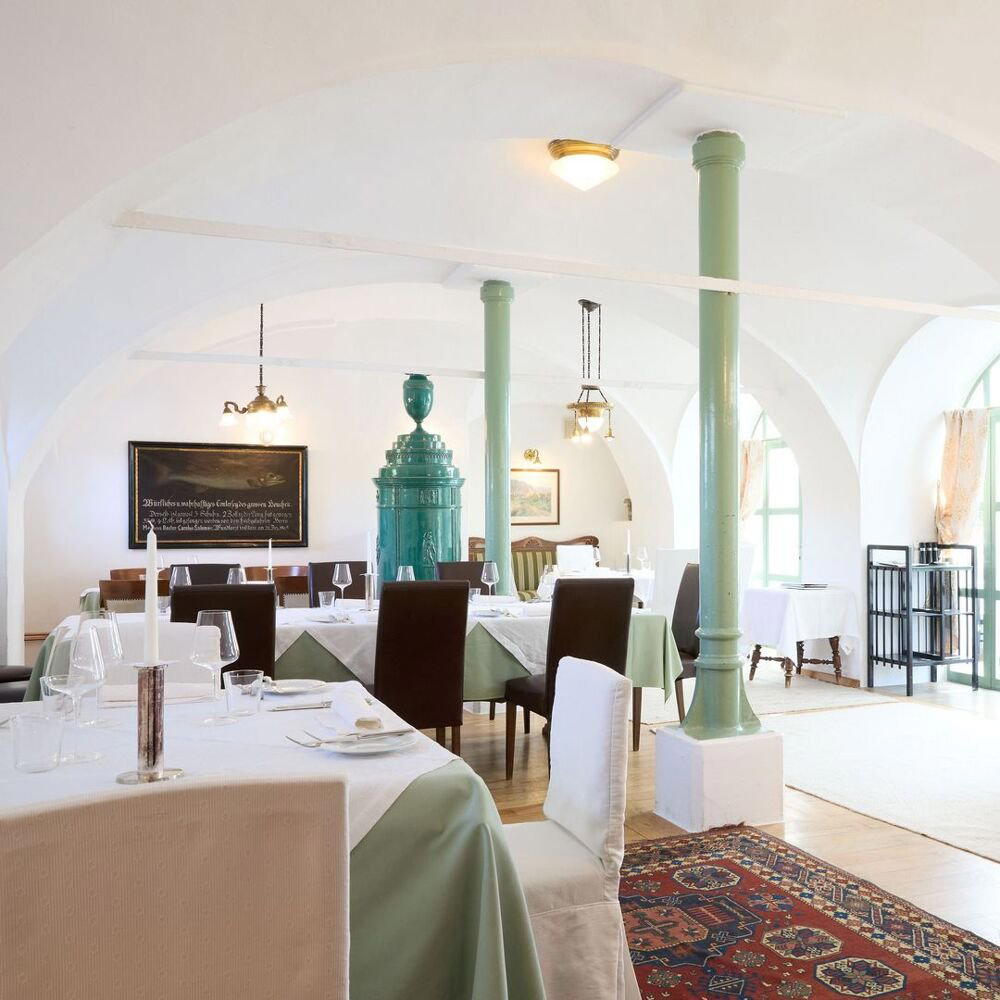
Where the Wagram's Agricultural Character Comes Indoors
The road into Kirchberg am Wagram follows the loess terraces that define this stretch of Lower Austria, the same deep, mineral-rich soil that gives Grüner Veltliner its weight and Roter Veltliner its rarity. By the time you arrive at Ringstraße 1, the estate's physical presence does something that polished urban restaurants cannot: it removes the distance between a working agricultural landscape and the act of eating within it. Gut Oberstockstall is, in the literal sense of the word, a gut, an Austrian estate property where land use and hospitality have historically shared the same address. That context is not decorative. It shapes what the place is and how it sits relative to dining in the broader Wagram region.
Austria has a long tradition of estate-anchored dining, from the Buschenschank culture of Styria and Burgenland to the more formal Heurigen of the Viennese hills. The Wagram sits slightly outside the most-visited corridors of that tradition, which has kept towns like Kirchberg am Wagram at a lower commercial temperature than, say, the Wachau directly to the west. That relative quiet is precisely what makes the area interesting. Where the Wachau has become a wine-tourism circuit with infrastructure to match, the Wagram remains a producers' region where the ratio of agricultural seriousness to visitor amenity still tilts toward the former. Gut Oberstockstall's address in this context is telling: this is not a restaurant that exists to service tourist traffic.
The Sourcing Logic of an Estate Setting
The ingredient-sourcing argument for estate dining in Lower Austria is structural rather than marketing. When a property operates on land that produces or abuts agricultural output, the supply chain compresses in ways that urban restaurants can approximate but not replicate. The Wagram's loess soils support not only viticulture but vegetable cultivation, and the wider Danube corridor provides access to freshwater fish, game from surrounding lowland forests, and a livestock tradition that predates industrial food systems. For a dining address embedded in this geography, the question is less whether regional ingredients are available and more how deliberately the kitchen engages with them.
This matters in the Austrian context because the country's premium dining scene has developed along two distinct tracks. One track runs through the modernist kitchens of Vienna, where places like Steirereck im Stadtpark in Vienna have built international reputations on creative technique applied to Austrian produce. The other track runs through region-specific houses that treat proximity and seasonal discipline as the primary editorial voice. Landhaus Bacher in Mautern an der Donau, just along the Danube, represents the latter approach at the level of long-established critical recognition. Gut Oberstockstall operates in the same geographic corridor and within the same broader logic, though at a different scale and with a different relationship to visibility.
The comparison matters because it positions the Kirchberg am Wagram estate within a regional dining tradition rather than treating it as an isolated curiosity. Austria's quieter provincial tables have produced some of the country's most considered cooking, from Obauer in Werfen to Döllerer in Golling an der Salzach, both of which built reputations well outside their small-town addresses through disciplined ingredient work rather than urban positioning.
The Wagram as a Dining Region
Understanding Gut Oberstockstall requires understanding the Wagram's current position in Austrian dining and wine geography. The region is formally designated as a DAC wine area, with Grüner Veltliner and Roter Veltliner as its principal varieties, the latter being among the rarest cultivated grapes in Austria and almost exclusively planted here. That specificity creates a natural pairing culture around the table: the wines are not generic Austrian whites but terroir-marked expressions of this particular soil type, and any kitchen serious about regional identity will build around them.
Dining in the Wagram is quieter and more local-facing than in the wine routes south of Vienna, which means that the establishments operating here do so without the volume of passing traffic that sustains kitchens in Krems or Klosterneuburg. For the traveller, that translates into a different kind of experience, one that rewards deliberate planning rather than spontaneous discovery. Weinhaus Kirchberg covers comparable ground in the same town, and the two together make Kirchberg am Wagram a practical base for a day's engagement with the region's food and wine output. Our full Kirchberg am Wagram restaurants guide maps the wider options across the area.
How It Sits Within Austria's Broader Estate Dining Scene
Austria's estate dining tradition runs from the Burgenland's wine-growing families through the Styrian country houses documented at places like Taubenkobel in Schützen am Gebirge, which has used its Pannonian-edge location as an explicit sourcing and menu argument. The alpine equivalent operates through a different idiom, with addresses like Kräuterreich by Vitus Winkler in Sankt Veit im Pongau building programs around high-altitude herb cultivation and mountain produce. Both represent the same underlying principle: that a kitchen's physical relationship to its landscape is not a branding decision but an operational one.
The Danube corridor where Gut Oberstockstall sits is flatter, warmer, and more agriculturally diverse than the alpine addresses, which shifts the ingredient register toward vegetables, freshwater produce, and the grain crops that have historically defined Lower Austrian cooking. It is a less photogenic landscape than the Wachau gorge, but a more texturally varied one from a kitchen's perspective. That distinction has been underplayed in Austrian food media, which has tended to concentrate attention on the alpine region and the capital, leaving the Danube lowlands as a quieter, less-competed space for serious producers and the tables that buy from them.
Planning a Visit
Kirchberg am Wagram sits roughly 50 kilometres northwest of Vienna, reachable by car in under an hour via the A22 and B34. The town is small enough that orientation is immediate on arrival; the estate address at Ringstraße 1 is central within the village. Given the limited public information currently available about booking procedures and opening hours, contacting the property directly before travelling is the practical approach, particularly for weekend visits when regional estate properties in Lower Austria tend to operate at higher demand. Those building a wider Austrian itinerary might cross-reference with Artis in Graz or the mountain-region tables at Griggeler Stuba in Lech and Stüva in Ischgl for a fuller picture of Austria's regional dining range. For reference points at the other end of the formality spectrum, Le Bernardin in New York City and Atomix in New York City represent how estate-style sourcing logic translates into a metropolitan context.
Frequently asked questions
Does Gut Oberstockstall work for a family meal?
Estate properties in the Wagram region operate at a notably more relaxed register than Vienna's formal dining rooms, and Kirchberg am Wagram itself is a small agricultural village rather than a resort destination. That context suggests a pace and atmosphere more suited to extended family meals than to tightly choreographed tasting menus. Booking ahead is still advisable, as estate venues in Lower Austria's smaller wine villages often have limited covers.
Is Gut Oberstockstall better for a quiet night or a lively one?
Kirchberg am Wagram has a population in the low thousands and sits on the loess terraces of the Wagram roughly 50 kilometres northwest of Vienna, the setting points firmly toward quiet. An estate address at Ringstraße 1 in a village of that scale is not the place to expect a high-energy room. Evenings here are defined by the wine country pace of Lower Austria, which rewards visitors looking for conversation and regional bottles over ambient noise.
What distinguishes Gut Oberstockstall from other wine estate addresses in Lower Austria?
Gut Oberstockstall sits within the Wagram DAC, one of Austria's smaller and less internationally publicised wine appellations, which means the Roter Veltliner grown on these specific loess terraces near Kirchberg am Wagram is among the rarest commercially available expressions of that variety in the country. Most Lower Austrian estate addresses cluster around the Wachau or Kamptal, making the Wagram's position as a less-visited appellation a meaningful point of difference for wine-focused visitors. The estate's address at Ringstraße 1 places it directly within the village rather than on a remote rural site, which affects access compared to more isolated country-house properties.
What do people recommend at Gut Oberstockstall?
The Wagram DAC designation covers two varieties found almost nowhere else in Austria at meaningful scale: Grüner Veltliner grown on the region's distinctive loess terraces and the rare Roter Veltliner, which makes up a significant share of plantings in Kirchberg am Wagram specifically. At an estate property in this region, the wine list built around those local varieties is the most coherent starting point for the meal.
Where is Gut Oberstockstall in Kirchberg am Wagram?
Gut Oberstockstall is located at Ringstraße 1, 3470 Kirchberg am Wagram, Austria, Kirchberg am Wagram.
Can I walk in to Gut Oberstockstall?
Kirchberg am Wagram draws visitors specifically for the Wagram wine country, and estate properties in Lower Austria's smaller villages tend to fill during weekend lunches and harvest-season events without much notice. Contacting the estate directly before travelling from Vienna, roughly a 50-kilometre drive, is the practical approach.
At-a-Glance Comparison
Comparable venues nearby, for context on price, style, and recognition.
| Venue | Cuisine | Price | Awards | Notes |
|---|---|---|---|---|
| Gut OberstockstallThis venue (the venue you are viewing) | Modern Austrian Regional Farm-to-Table | $100–150 | Michelin Plate · Falstaff Restaurant - 95 Falstaff Points | Not listed |
| Weinhaus Kirchberg | Modern Austrian Winehouse | $50–100 | Star Wine List · Falstaff Restaurant - 92 Falstaff Points | Kirchberg am Wagram |
| Griechenbeisl | Traditional Viennese | $30–50 | Not listed | Innere Stadt |
| Das LiebEck | Refined Regional Austrian with International Influences | Not listed | Not listed | Stainz bei Straden |
| HORA Restaurant & Weinbar am See | Regional Austrian Seasonal | Not listed | Not listed | Allentsteig |
| Stockerwirt | Traditional Austrian | $30–50 | Michelin Plate · Star Wine List | Sulz im Wienerwald |
Recognition history
Dated appearances from independent guides and award organizations, with the underlying list record or original source where available.
Michelin Plate
Michelin
Falstaff Restaurant - 95 Falstaff Points
Falstaff
Continue exploring
More in Kirchberg am Wagram
Restaurants in Kirchberg am Wagram
All restaurants in Kirchberg am Wagram →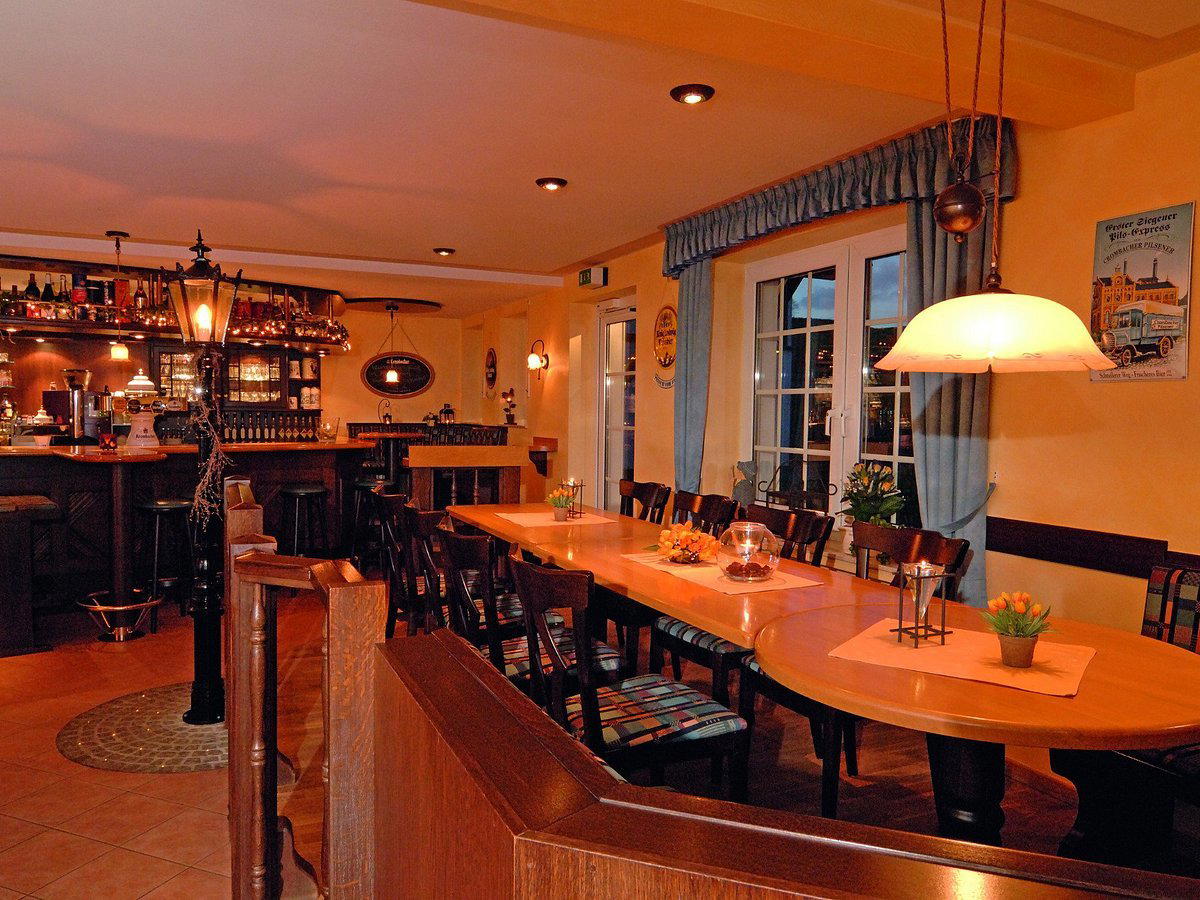
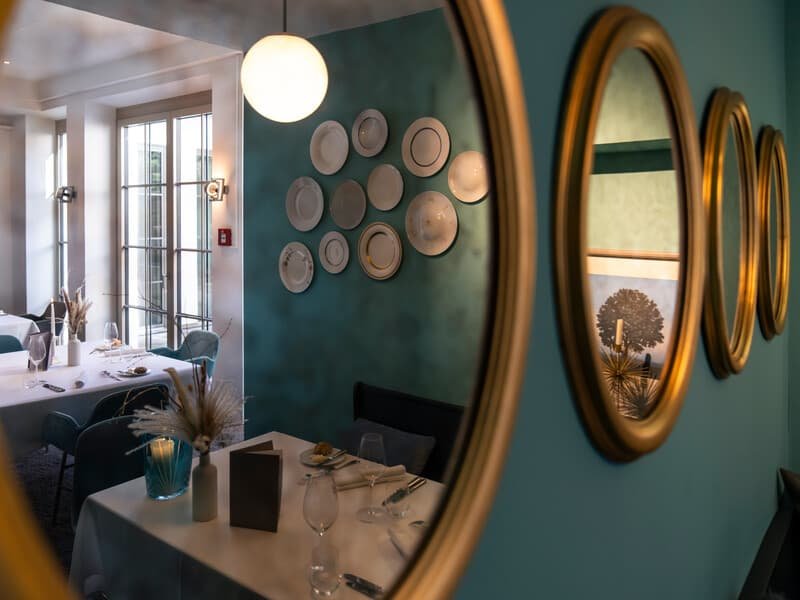
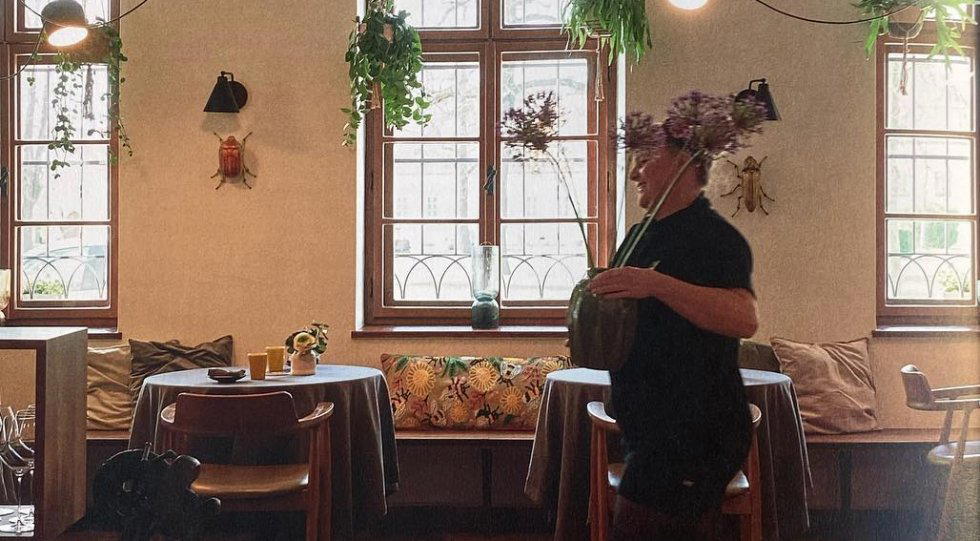
Bars in Kirchberg am Wagram
Browse all →
Hotels in Kirchberg am Wagram
Browse all →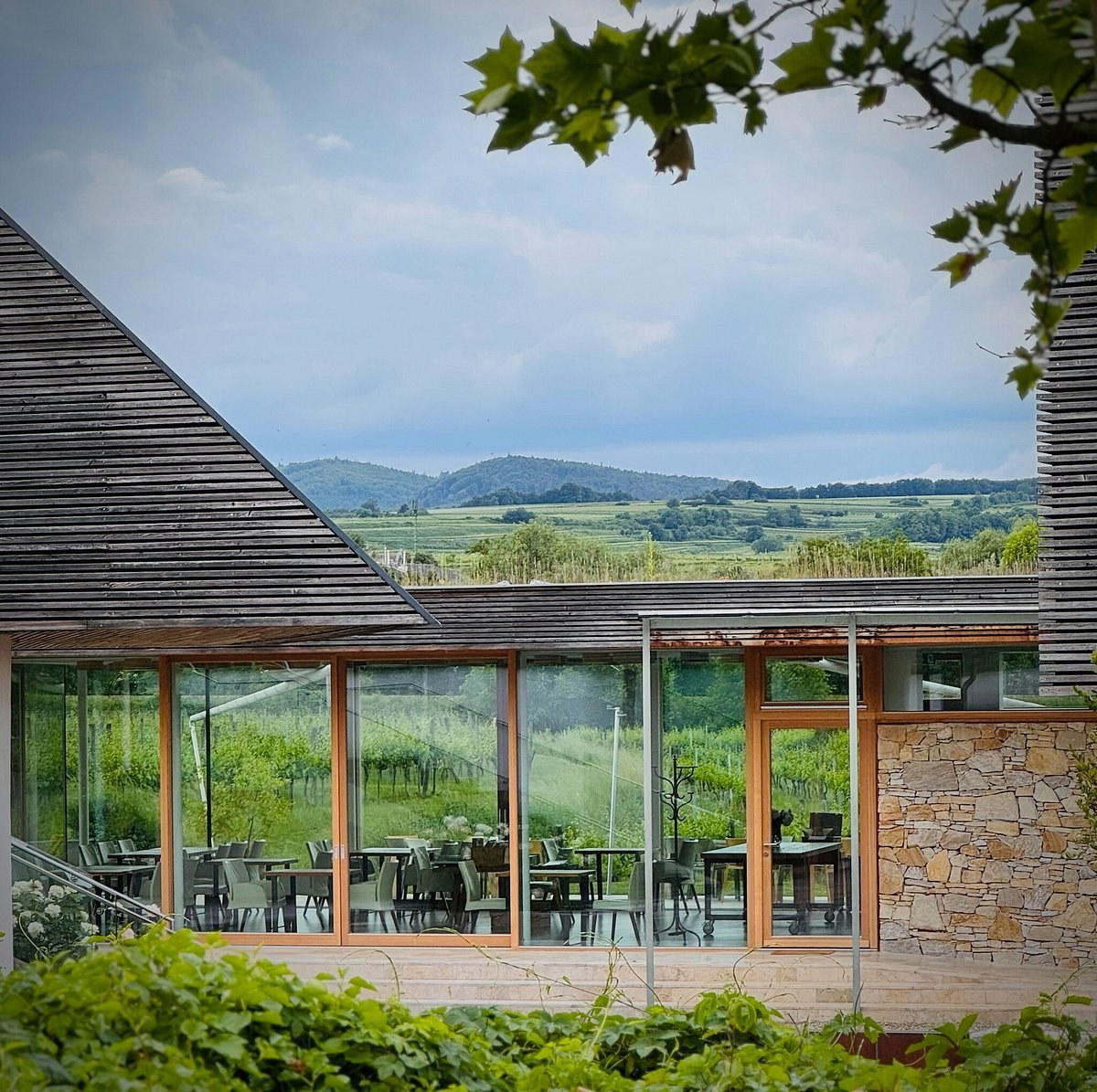

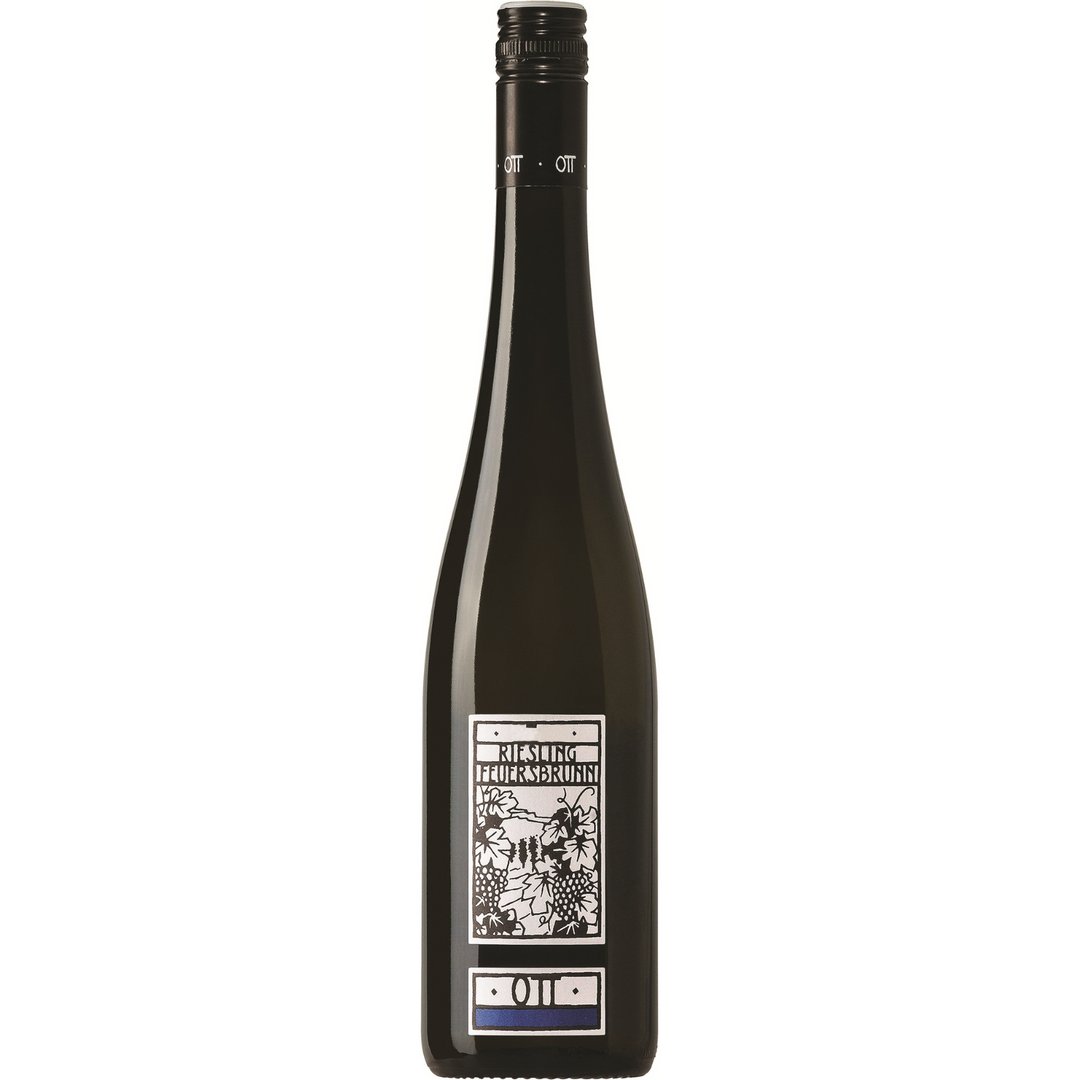
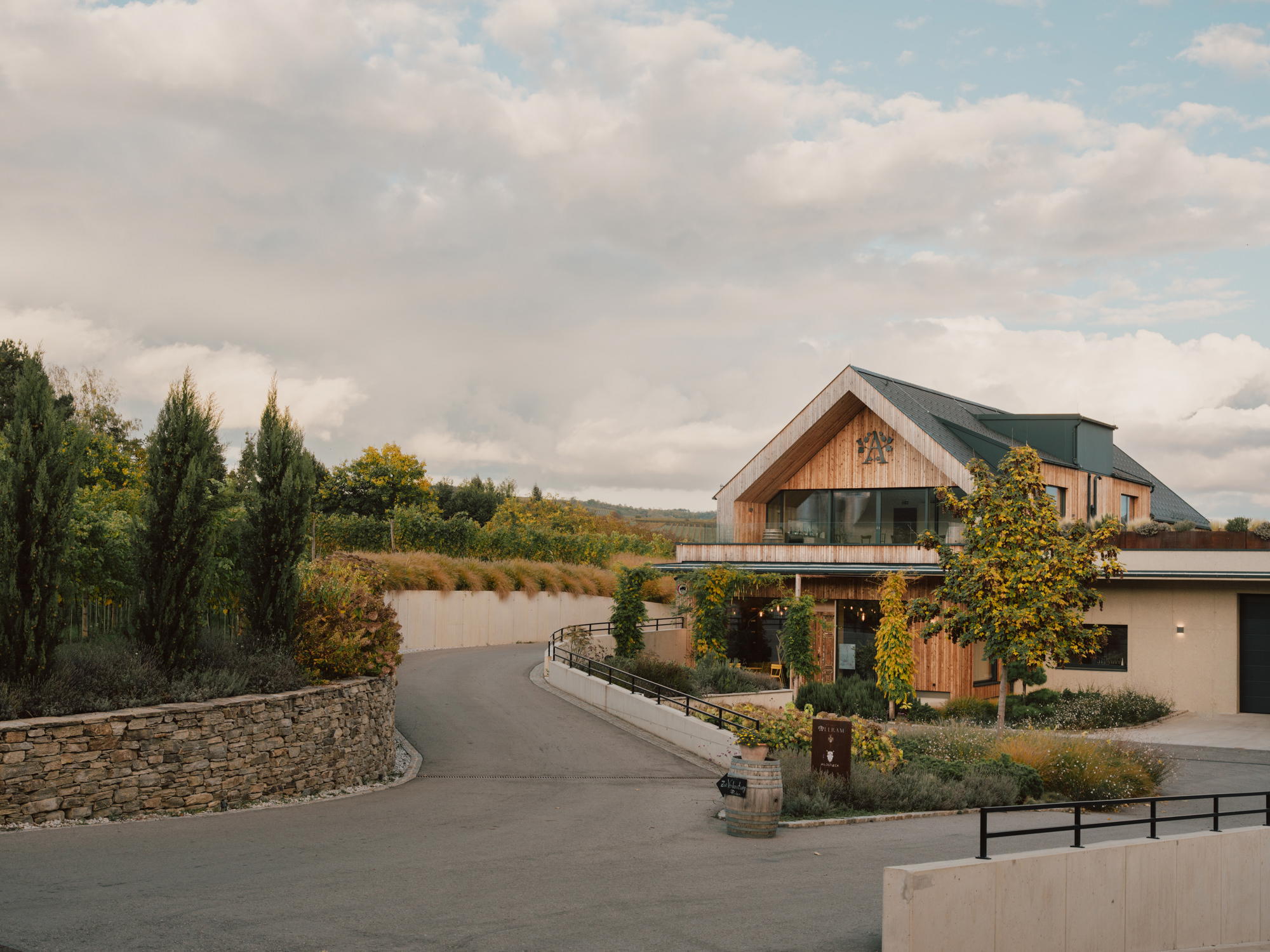
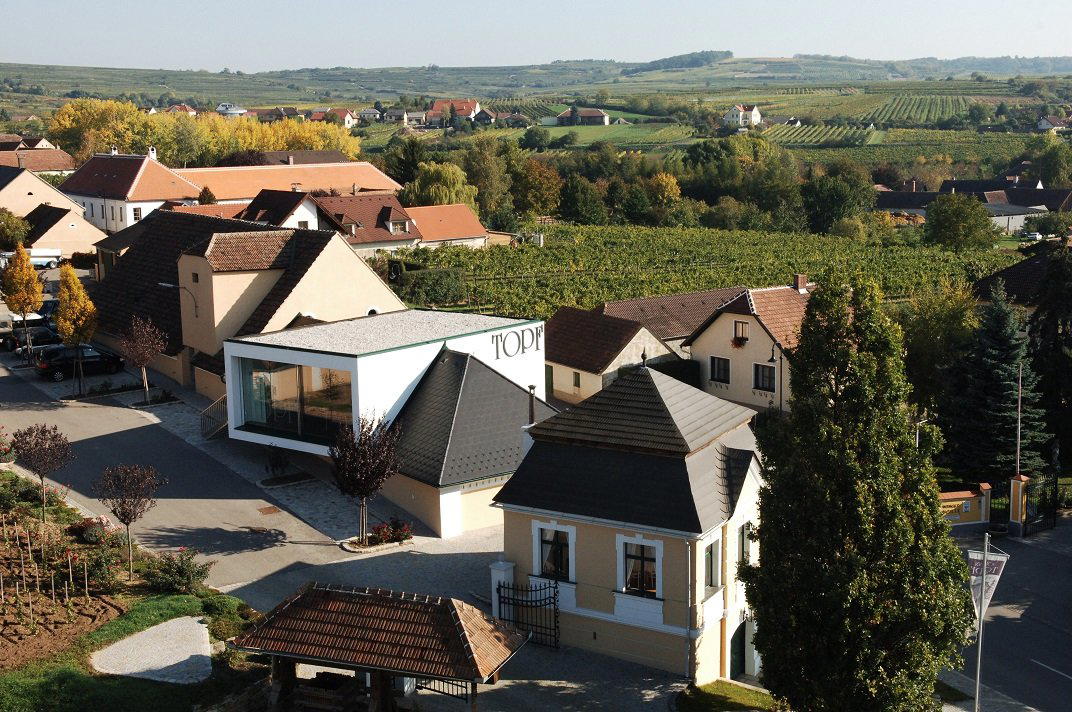
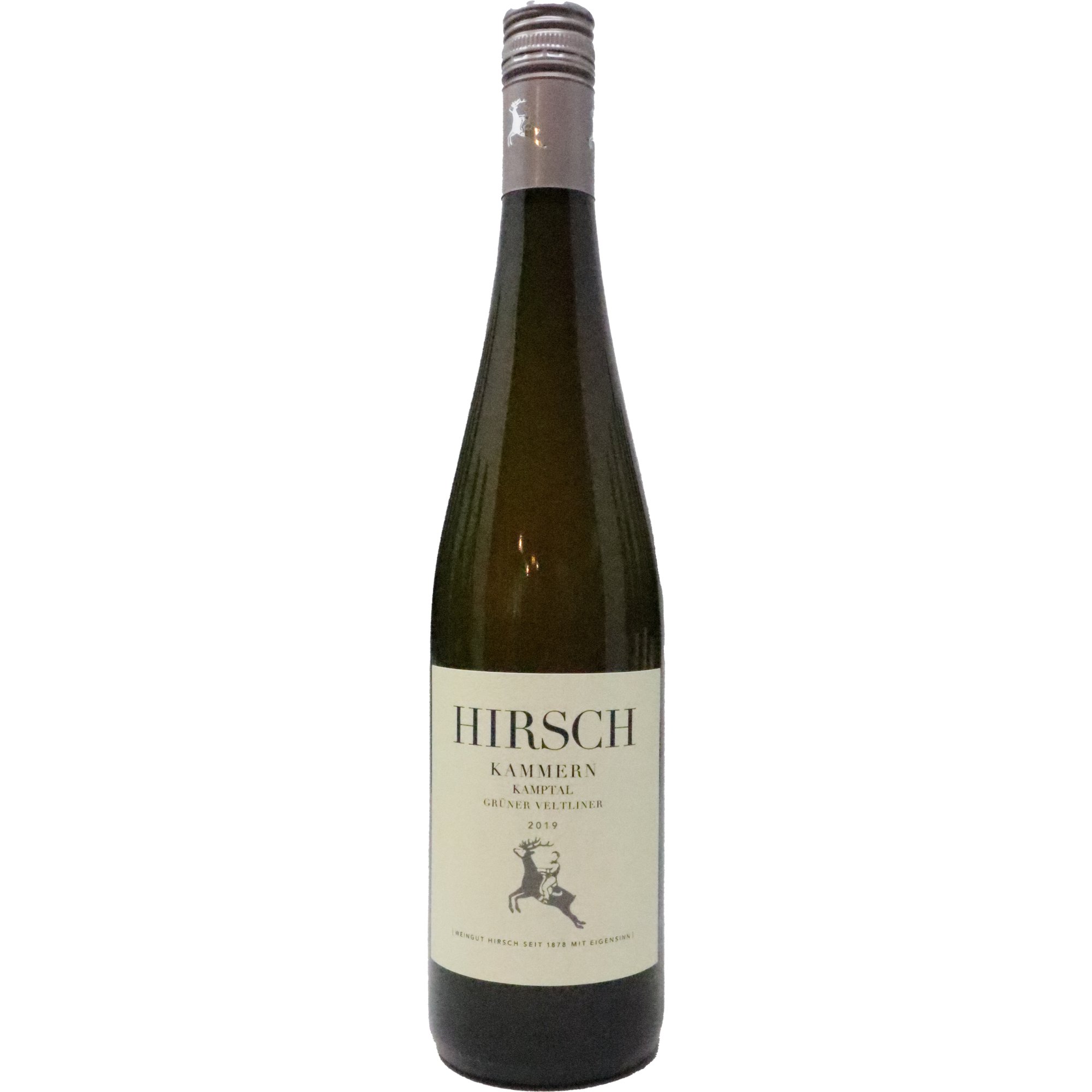
Gut Oberstockstall
The wine
- Wine program
- Deep wine list
- Extensive wine list
- Sommelier-led
- Natural wine
Details
- Rustic
- Elegant
- Cozy
- Scenic
- Special Occasion
- Date Night
- Historic Building
- Standalone
- Extensive Wine List
- Natural Wine
- Sommelier Led
- Farm To Table
- Organic
- Biodynamic
- Local Sourcing
- Vineyard
- Set Menu
- A La Carte
- Biodynamic Wines
- Vegetarian Friendly
Current opening hours
- Monday
- Closed
- Tuesday
- Closed
- Wednesday
- Closed
- Thursday
- 5–11 PM
- Friday
- 5–11 PM
- Saturday
- 11:30 AM–11 PM
- Sunday
- 11:30 AM–5 PM
Hours can change for holidays and private events. Hours as of .
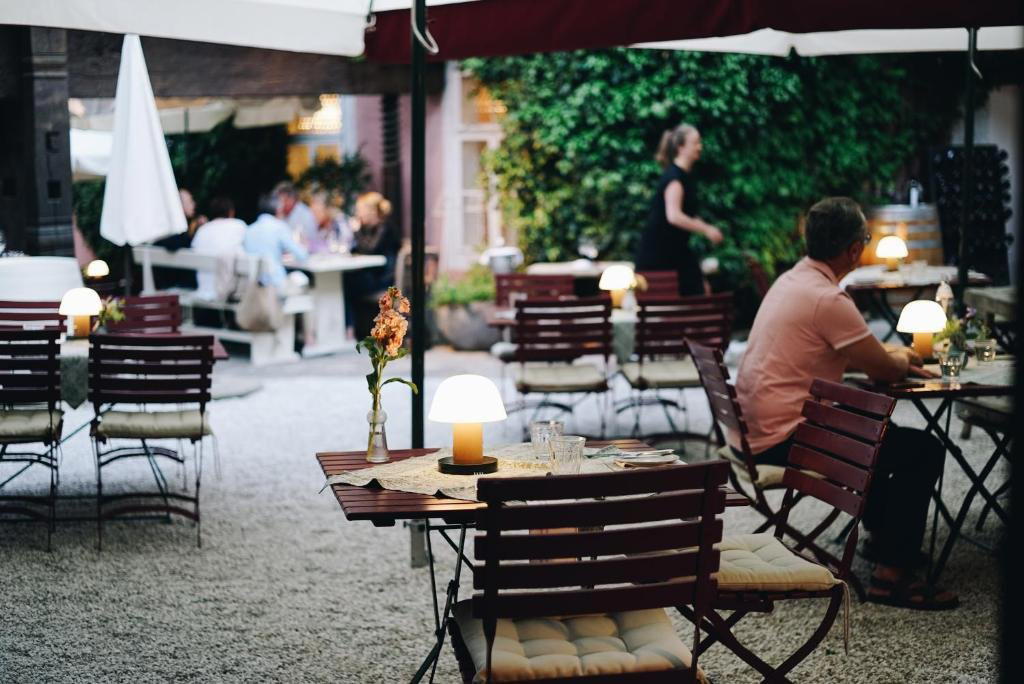
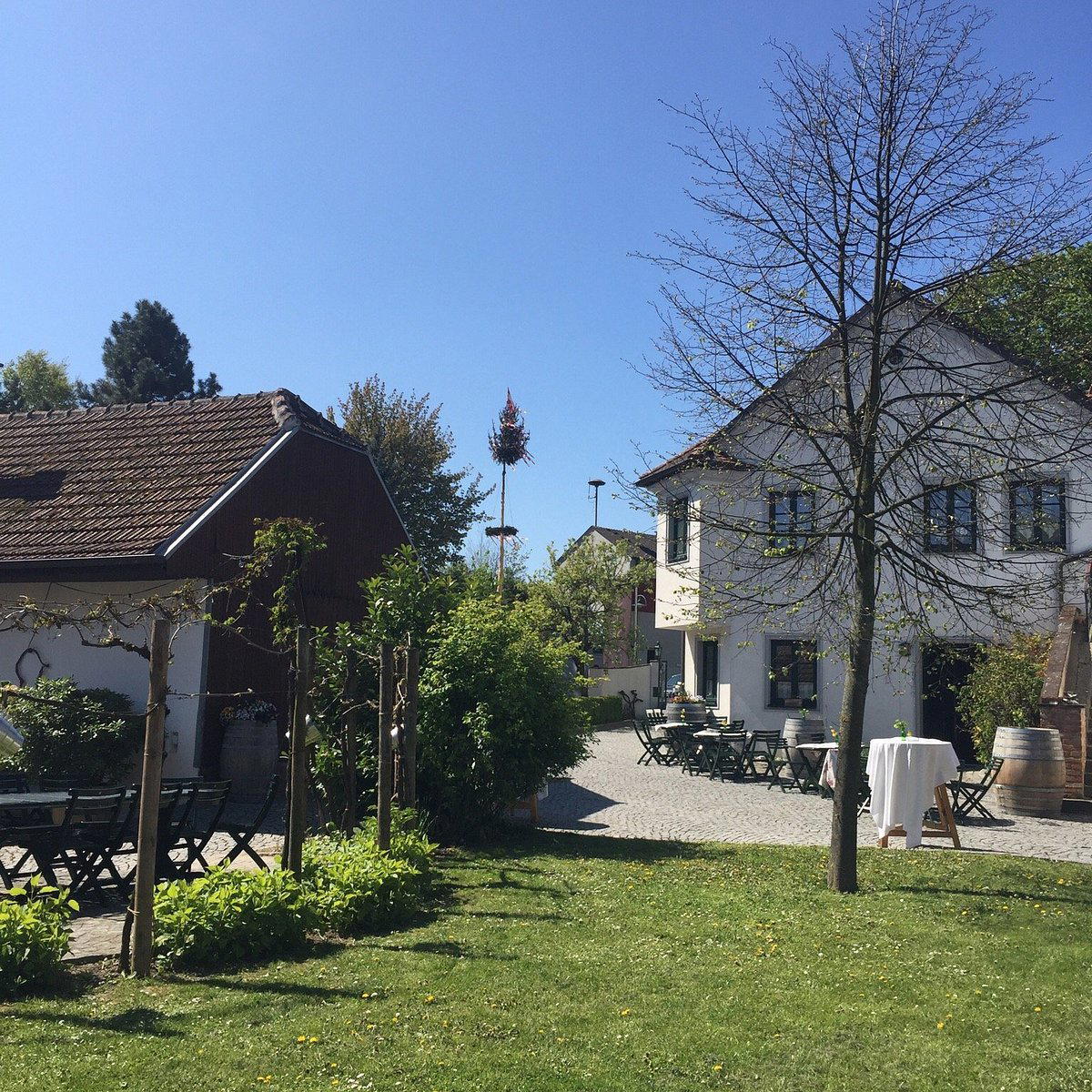
Picturesque environment exuding keen sense of design and aesthetics, well-suited for relaxation with a rustic yet elegant historic charm.