Indian Zing
On King Street in Hammersmith, Indian Zing has held a place in London's serious Indian dining conversation for years, drawing a neighbourhood crowd that expects more from the subcontinent's kitchen than the standard curry-house playbook. The cooking draws on regional Indian traditions with an emphasis on sourcing and technique that separates it from the broader West London field.
Pearl is the En Primeur Club membership app — saves, bookings, and concierge access live there. Same editors, same standards.
- Address
- 236 King St, London W6 0RF, United Kingdom
- Phone
- +44 20 8748 5959
- Website
- indian-zing.co.uk
- Directions
- Get directions
 Saves & bookings on Pearl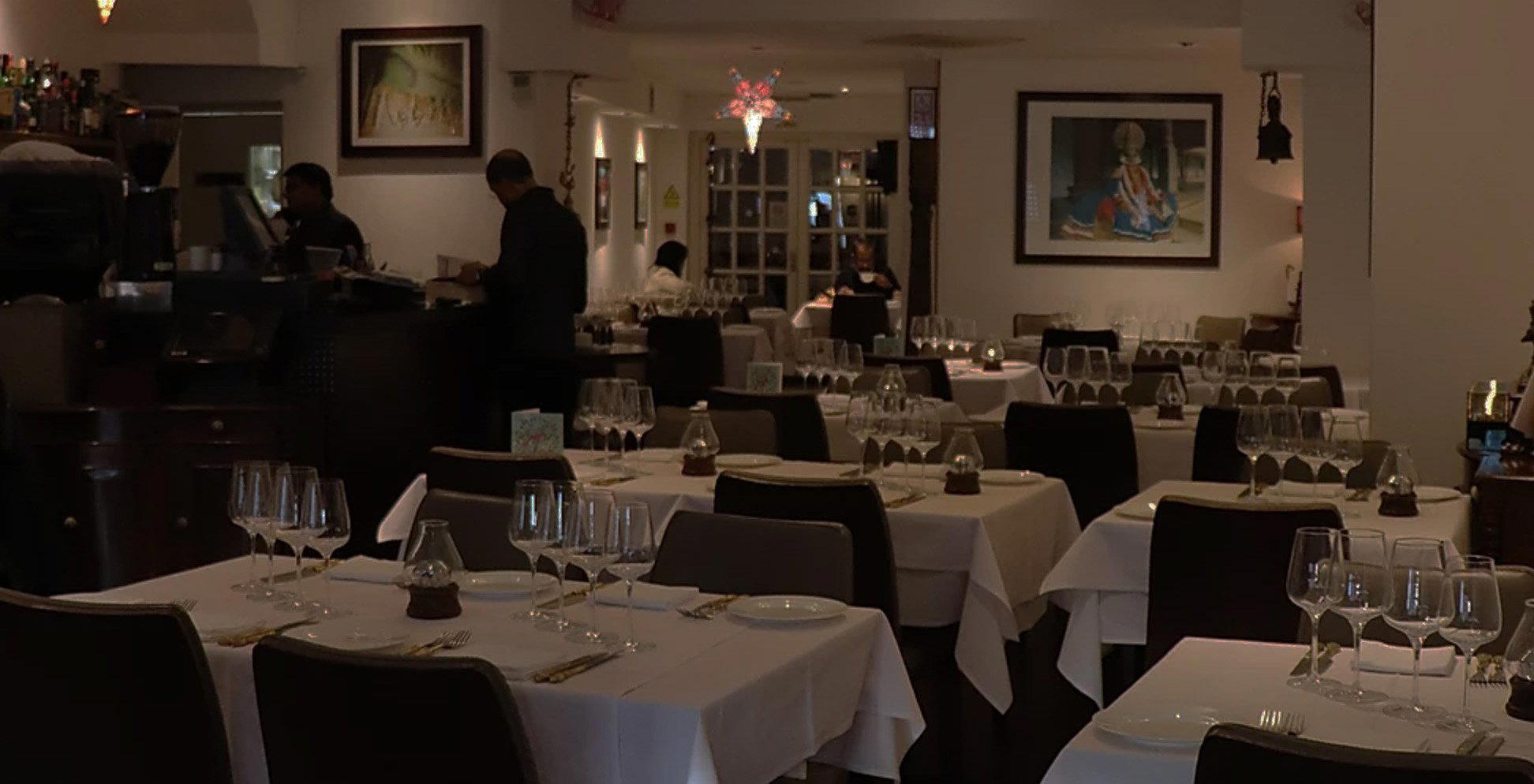
Hammersmith's Indian Dining Scene and Where Indian Zing Sits Within It
London's Indian restaurant offer divides more sharply than most visitors expect. At one end, Mayfair and Marylebone host a tier of modern Indian restaurants competing on tasting-menu format, wine lists, and Michelin ambition, venues that sit in a comparable set closer to CORE by Clare Smyth or The Ledbury in terms of price positioning than to a neighbourhood curry house. At the other end, the high street curry house model persists across the city, driven by volume and familiarity. Between those two poles sits a smaller, more considered tier: independently operated restaurants in residential neighbourhoods that apply genuine culinary rigour without the Mayfair price point or the tasting-menu format. Indian Zing at 236 King Street, Hammersmith, belongs to that middle tier.
King Street is not a dining destination in the way that Notting Hill or Soho draw visitors specifically to eat. It is a working West London high street, which means a restaurant holding a serious reputation there has earned it from a repeat local clientele rather than from tourist footfall or the hype cycle that inflates openings in more visible postcodes. That context matters when reading what Indian Zing has sustained over the years: longevity on King Street is a different credential from longevity in W1.
Ingredient Sourcing as the Central Argument
The dominant narrative in ambitious Indian cooking in Britain has shifted over the past decade from novelty of format toward honesty of ingredient. Where earlier fine-dining Indian restaurants in London often justified their price by innovation in presentation or the theatre of the room, the more durable restaurants in this tier have grounded their offer in what comes through the kitchen door. Regional Indian cuisine, properly sourced, does not need theatrical scaffolding: the difference between a spice blend built from fresh whole spices and one assembled from pre-ground product is audible in the finished dish in a way that no amount of plating can compensate for.
This sourcing-led approach to Indian cooking connects the restaurant to a broader movement visible across premium ethnic-cuisine restaurants in London, a movement that places it in a different peer conversation from the standard curry-house model, even when the price gap is not enormous. The same logic applies at the ingredient level in other high-seriousness kitchens across the capital. Restaurants like Dinner by Heston Blumenthal have made provenance-tracking a public-facing credential; in Indian cooking, the equivalent discipline is less often front-of-house storytelling and more often felt in the depth of spice character and the quality of proteins and produce. When sourcing is done well, the food tastes like a specific place, not a generic cuisine category.
Regional Specificity Over Generic 'Indian'
One persistent problem in British Indian restaurant culture is the flattening of one of the world's most geographically diverse cuisines into a single menu grammar. The standard British curry house menu, a product of post-war economic migration and British palate adaptation, bears limited resemblance to the regional cooking traditions of Gujarat, Kerala, Bengal, Punjab, or Rajasthan. The restaurants that have moved the category forward in London are those that anchor themselves in specific regional traditions rather than offering a pan-Indian composite.
The restaurant operates on King Street as part of this more regionally attentive tendency, drawing on subcontinent traditions with the kind of specificity that distinguishes a kitchen with genuine culinary investment from one running a legacy menu on autopilot. This regional precision is the quality signal that connects a West London neighbourhood restaurant to the wider discourse about what serious Indian cooking in Britain now looks like, a discourse that runs from London restaurants to the broader UK conversation visible at destinations like L'Enclume in Cartmel and Moor Hall in Aughton, where the sourcing and regional anchoring of British produce has reset expectations across cuisine categories.
How Indian Zing Compares in the West London Field
West London has a dense Indian restaurant offer relative to many parts of the city. Southall to the west operates as a self-contained South Asian dining district. Brick Lane in East London serves as a different, more tourist-facing cluster. Hammersmith and Chiswick occupy a middle band: affluent residential areas with a restaurant-going population that has the reference points to reward better cooking, but without the critical mass of food media attention that Soho or Fitzrovia attract.
In that context, a restaurant that holds a serious local reputation on King Street is not competing against the Michelin three-star tier occupied by Restaurant Gordon Ramsay or Sketch's Lecture Room and Library. The competitive comparable set is the wave of earnest, owner-operated Indian restaurants across London's residential zones that have moved the cuisine's reputation without moving into the Mayfair price tier. That positioning is a deliberate choice, and it is the right one for King Street. The same kind of careful, provenance-conscious approach visible in British regional fine dining, at places like Gidleigh Park in Chagford or Hand and Flowers in Marlow, informs the serious end of the independent restaurant world across cuisine categories, including Indian.
Visiting Indian Zing: What to Know Before You Go
The restaurant is located at 236 King Street, London W6 0RF, on the main Hammersmith arterial, within easy reach of Stamford Brook and Ravenscourt Park Underground stations on the District line. The King Street address means parking is available in side streets during evenings, and the Overground and District line connections make it accessible from central London without a cab.
Reservations are recommended. Dress: Smart casual is the baseline for Hammersmith's serious independent restaurants; nothing more formal is required. Budget: Expect about $45 per person. For UK dining beyond London, The Fat Duck in Bray, hide and fox in Saltwood, and internationally Le Bernardin and Atomix in New York City represent the broader tier of serious independent restaurant dining that shares the same sourcing-first philosophy.
- Prawn Lonche
- Karwari Fish Curry
- Bhujung Biryani
- Vegetable Bhanola
- Duck Chettinad
- Chicken Jalfrezi
Comparable Options
Comparable venues nearby, for context on price, style, and recognition.
| Venue | Cuisine | Price | Notes |
|---|---|---|---|
| Indian ZingThis venue — the venue you are viewing | Modern Indian | $$$ | Not listed |
| Oudh 1722 | Awadhi fine dining from Lucknow in a historic Borough townhouse | $$$ | Borough |
| Black Salt | Modern Indian | $$$ | Mortlake |
| Shezan | Authentic Indian & Pakistani | $$$ | Knightsbridge |
| Zayna | Authentic Pakistani & Indian | $$$ | Marble Arch |
| Gunpowder Tower Bridge | Modern Indian Small Plates | $$$ | Borough |
Continue exploring
More in London
Restaurants in London
Browse all →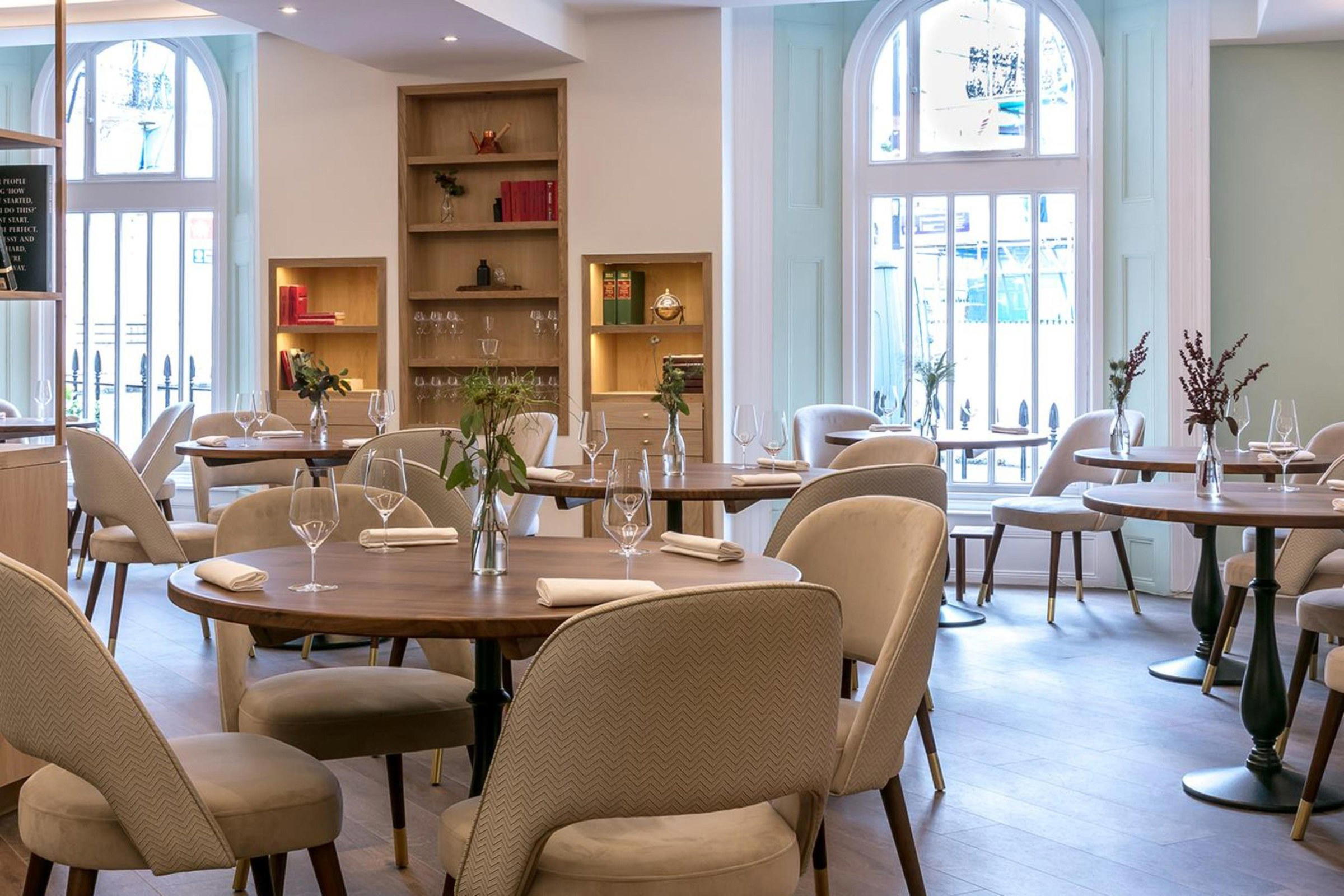
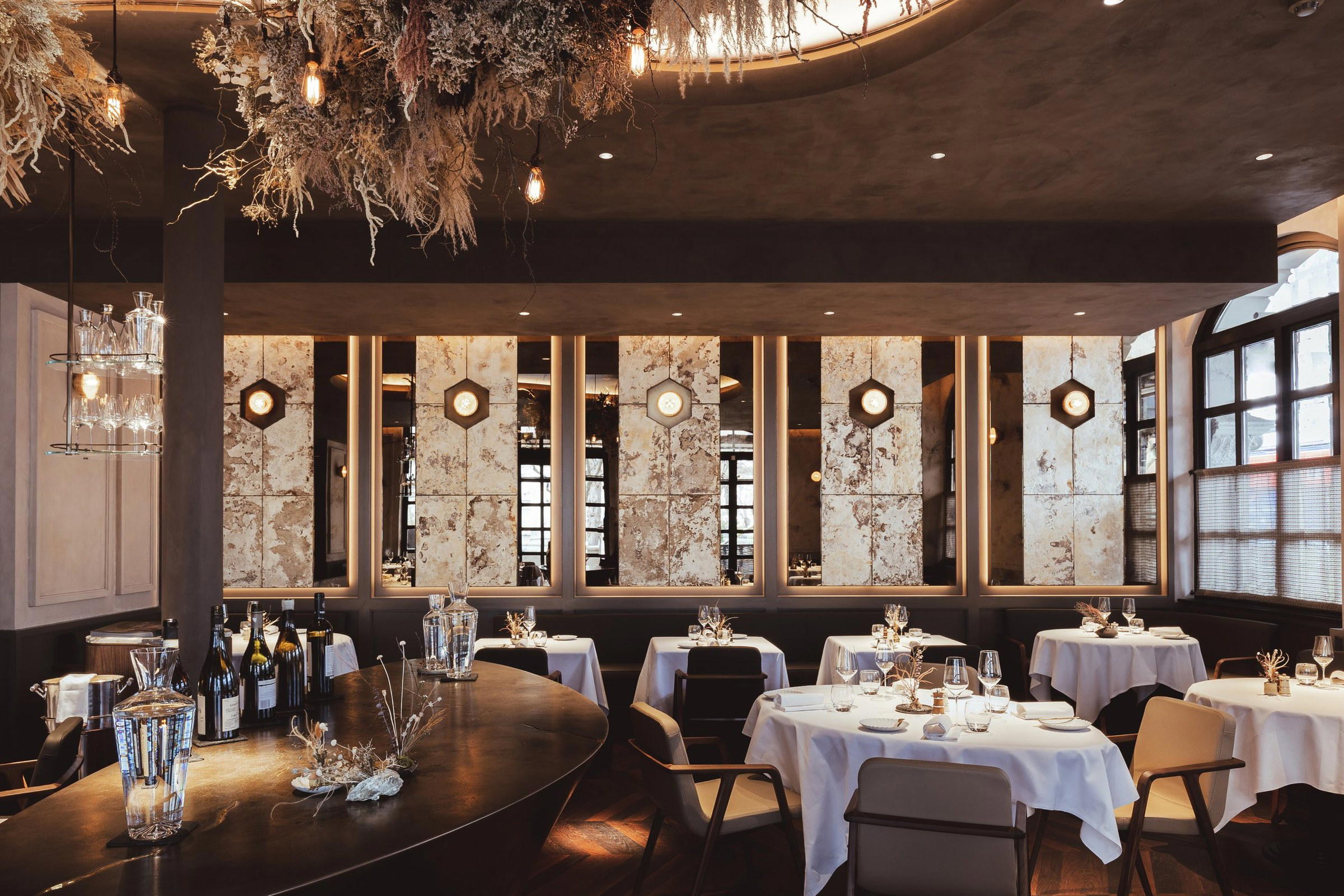
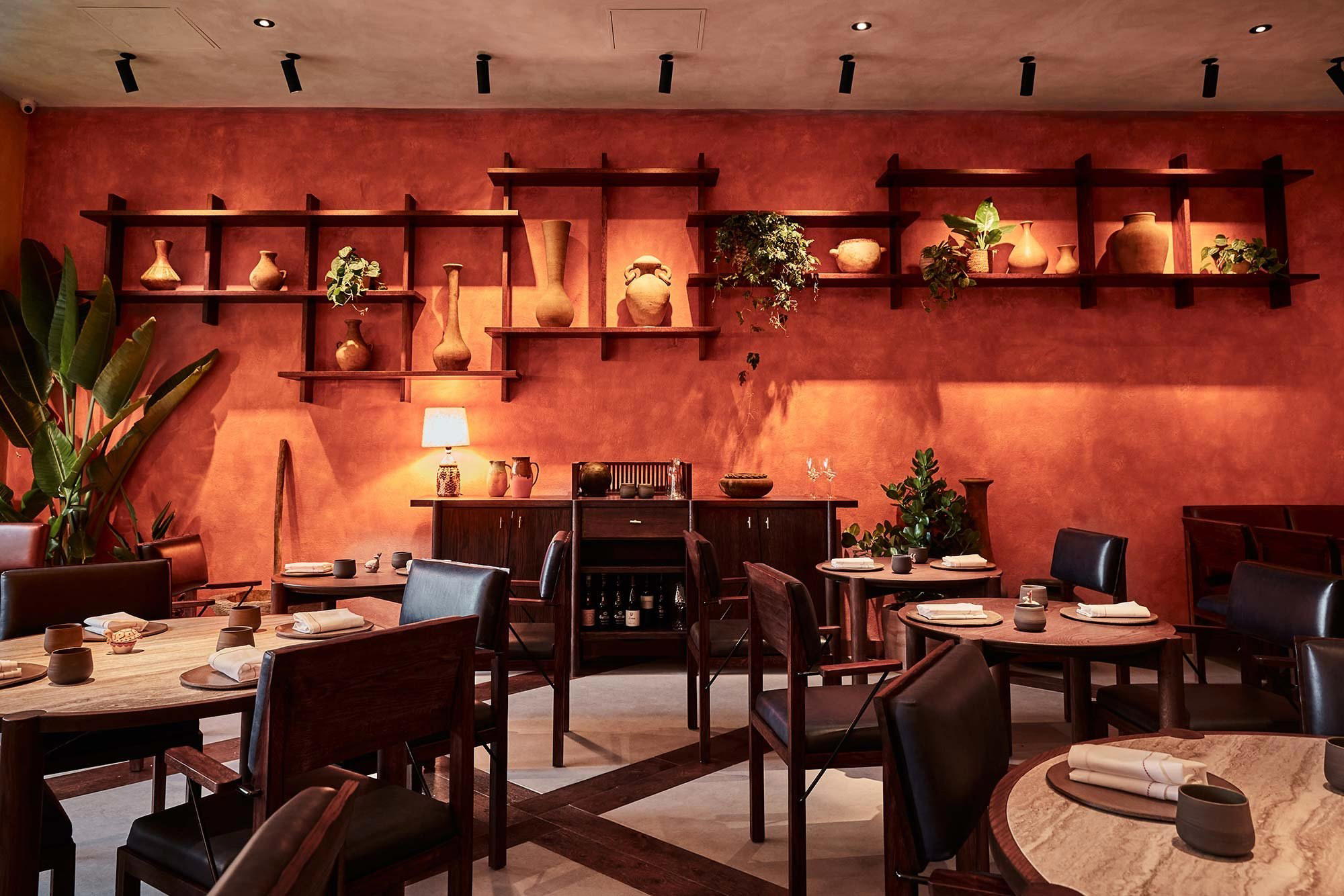
Bars in London
Browse all →
Hotels in London
Browse all →


At a Glance
- Elegant
- Modern
- Sophisticated
- Intimate
- Date Night
- Business Dinner
- Group Dining
- Celebration
- Special Occasion
- Open Kitchen
- Standalone
- Beer Program
- Local Sourcing
- Sustainable Seafood
Current opening hours
- Monday
- 12–2:30 PM, 6–10 PM
- Tuesday
- 12–2:30 PM, 6–10 PM
- Wednesday
- 12–2:30 PM, 6–10 PM
- Thursday
- 12–2:30 PM, 6–10 PM
- Friday
- 12–2:30 PM, 6–10 PM
- Saturday
- 12–2:30 PM, 6–10 PM
- Sunday
- 12–2:30 PM, 6–10 PM
Hours can change for holidays and private events. Last verified .
Light and contemporary with Indian accents, subtle thematic design elements including wrought cutlery, relaxed yet refined atmosphere with attentive service creating a welcoming environment.