
Hakata’s yakitori scene is built for late evenings, station-area convenience, and serious chicken cooking rather than ceremony. Toritori Kenkyu Dan sits in that lane with Tabelog Yakitori WEST 100 selections in 2023, 2024, and 2025, a JPY 5,000–5,999 dinner bracket, and a format that adds ramen to the usual skewer-led conversation.
Pearl is the En Primeur Club membership app — saves, bookings, and concierge access live there. Same editors, same standards.
- Address
- 福岡県福岡市博多区博多駅前4-18-19 博多フロントビル
- Phone
- +81922923467
- Website
- tabelog.com
 Saves & bookings on Pearl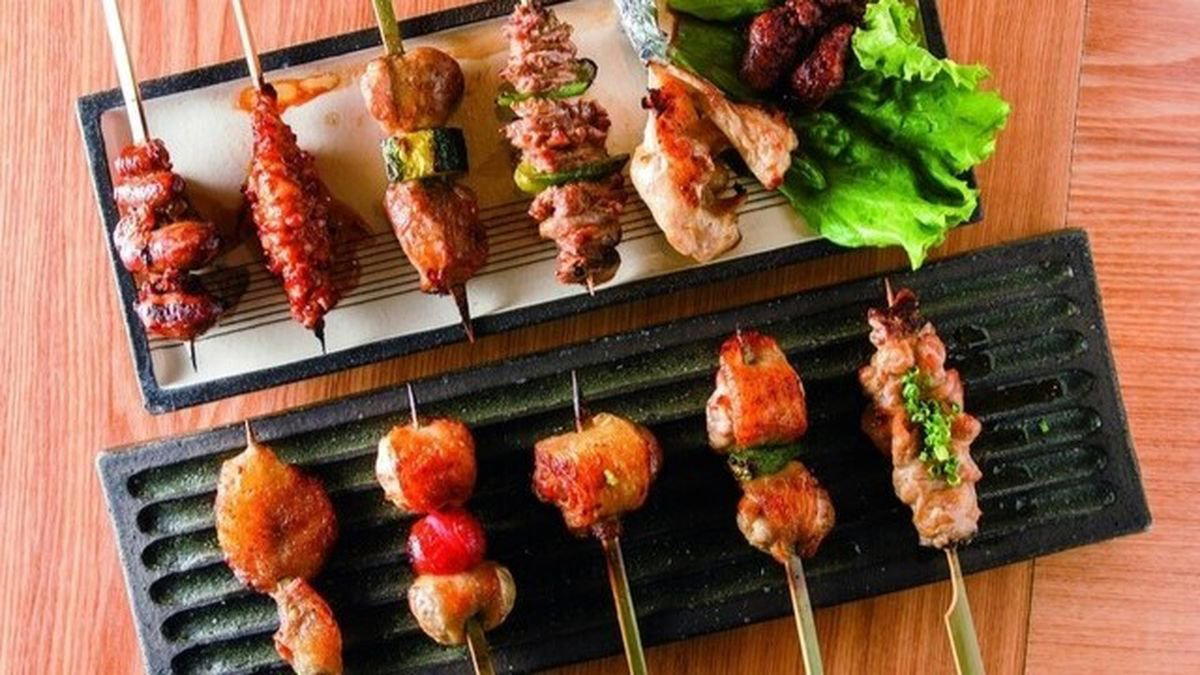
South of Hakata Station, the city changes register quickly: office blocks, rail shadows, business hotels, and small dining rooms built for people who know exactly where they are going after work. This is not the lantern-lined theatre visitors often imagine when they think of yakitori in Japan. Around Hakata Ekimae, the pleasure is more functional and more local: smoke, counter rhythm, drinks that run from sake to shochu to wine, and enough proximity to the station to make dinner feel part of the city’s daily machinery rather than a detour.
Toritori Kenkyu Dan belongs to that station-side Fukuoka category, but with stronger selection signals than the average neighbourhood grill. Its inclusion in Tabelog’s Yakitori WEST 100 for 2023, 2024, and 2025 places it inside a regional conversation that stretches beyond Hakata, while its price band keeps it closer to regular-night dining than to the city’s high-ticket sushi counters. That distinction matters in Fukuoka, where serious eating is not confined to tasting-menu rooms. The city’s appeal often sits in focused specialists that do one thing with confidence, then fold in a local habit or two.
Hakata yakitori with a ramen afterword
Yakitori in Fukuoka has its own grammar. Compared with Tokyo’s more formal counter culture, Hakata’s version often feels looser: groups of friends, dates, after-work tables, a drink list that covers more ground than expected, and a willingness to let chicken move beyond skewers. Here, the listed categories are yakitori and ramen, a pairing that says a great deal about the city. Fukuoka is a ramen capital first in the national imagination, but that usually means pork-bone broth. A chicken-led yakitori room adding ramen reframes the familiar local ending without leaving the bird behind.
The useful comparison is not with destination sushi such as Sushi Soejima, where the dinner spend moves into a JPY 20,000–29,999 bracket, but with mid-range station-area dining that rewards precision without requiring a ceremonial evening. Yakiniku Tagyu Ekiminami ten occupies a similar dinner budget, while Udon Taira shows another side of Hakata’s low-cost food culture. Together they explain the neighbourhood’s range: quick noodles, grill tables, and award-listed specialists within walking distance of the rail hub.
That wider Hakata context is worth reading alongside Our full Fukuoka restaurants guide, especially for travellers building a night around the station rather than Nakasu or Tenjin. Nearby dining research can also widen the picture through Aji no Katsueda, Aji Furai Shokudo Kaba, Aji Dokoro Taro Gen Sougyou ten, 106 South Indian Fukuoka tenjin ten, and Afterglow. The point is not to chase every style in one evening, but to understand how compact Fukuoka’s dining map can be when the rail lines, office districts, and late meals overlap.
The room suits regulars, dates, and drink-led dinners
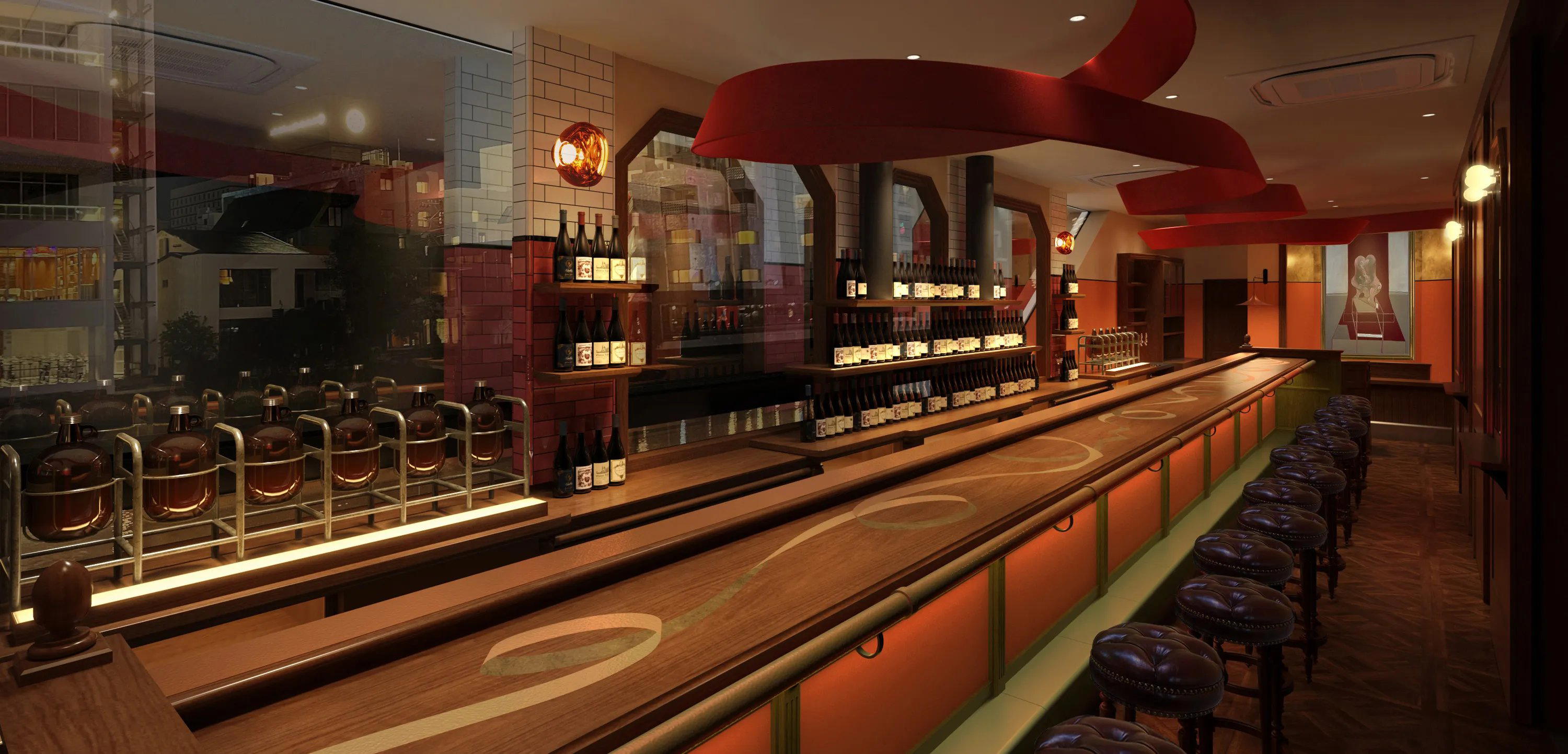
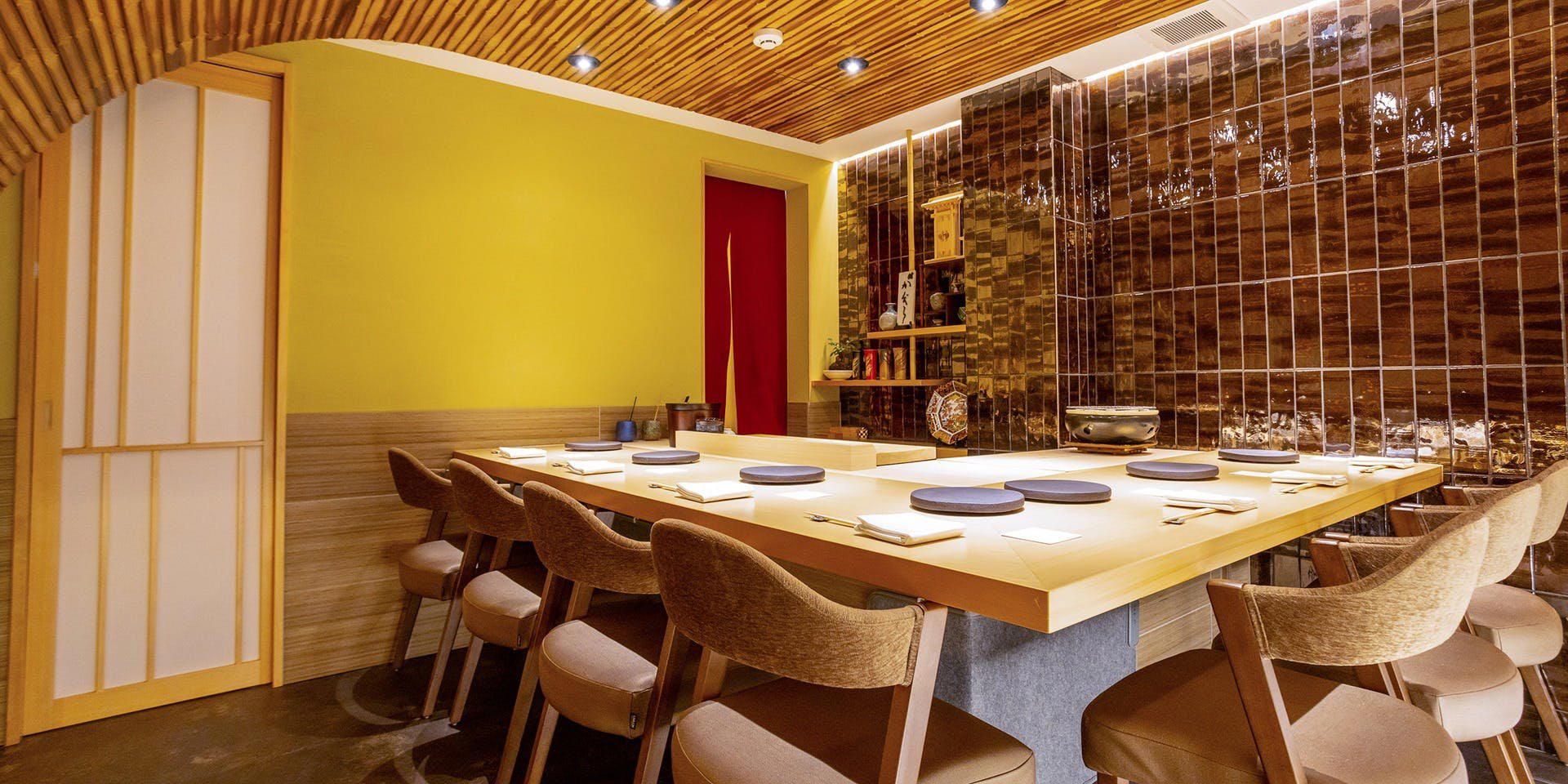
The format signals a casual-serious room rather than a luxury set piece. There are 34 seats, with counter seating and sofa seating listed, and private rooms are not part of the setup. Non-smoking status, power outlets, and card, electronic money, and QR payments make it more contemporary than the old image of cash-only smoky yakitori shops. Children of elementary-school age and above are accepted on the same meal basis as adults, which gives a clear read on the dining tempo: adult-facing, but not sealed off from families who understand the format.
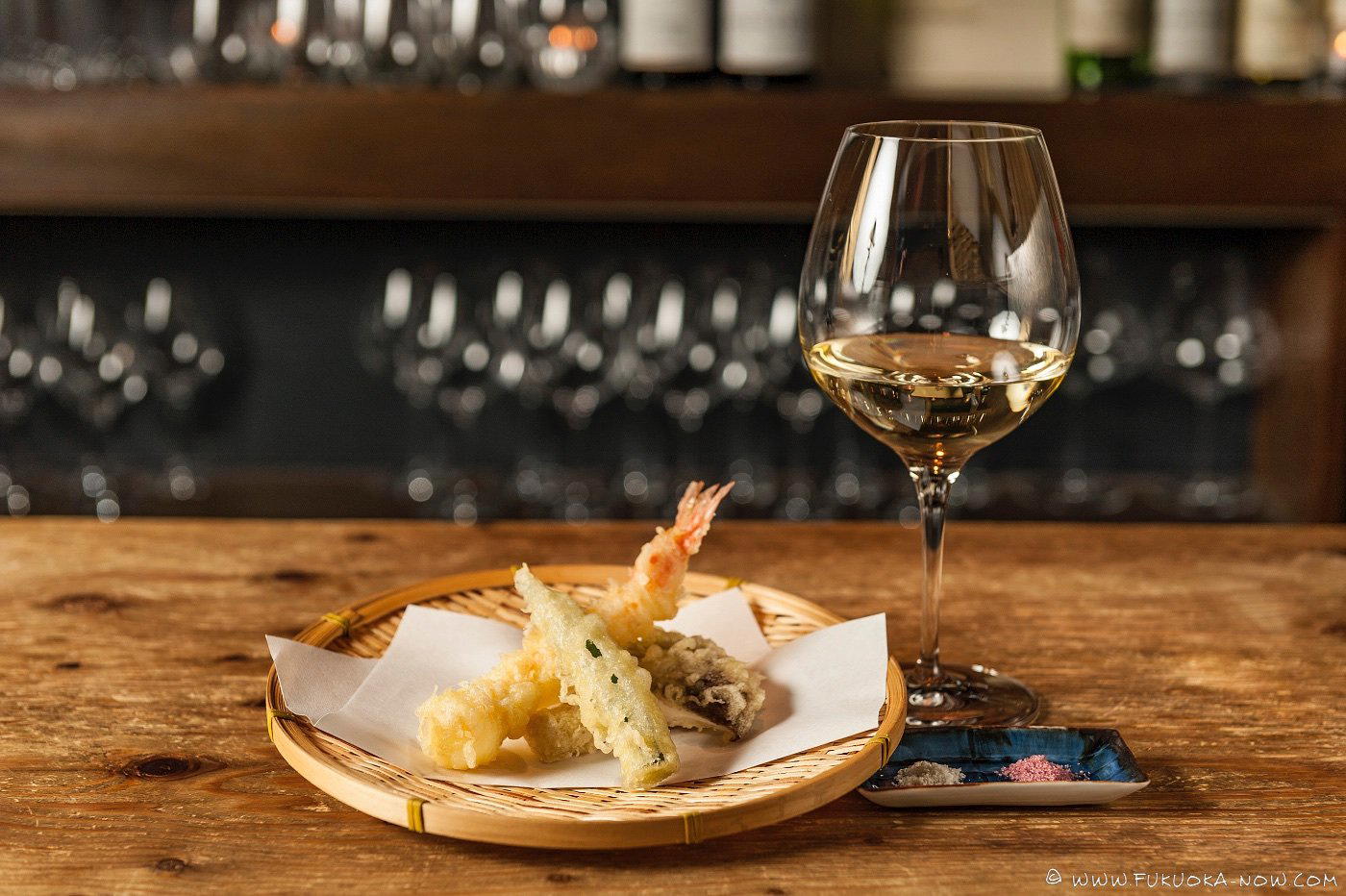
The drinks list also matters. Sake, shochu, wine, and cocktails are all listed, with particular attention noted for sake, shochu, and wine. That breadth tracks a shift in Japan’s yakitori culture, where chicken grilling increasingly sits between izakaya ease and wine-bar seriousness. The skewer counter no longer has to choose between beer-and-highball simplicity and full fine-dining structure. In Fukuoka, that middle lane is especially persuasive because the city has always been good at casual food with technical depth.
For planning, the station location is the advantage. The restaurant is listed as an eight-minute walk from Hakata Station’s Hakata Exit, or 655 metres from Hakata, which makes it practical before or after a rail day. Reservations are available, and the monthly calendar is published on Instagram because holidays can be irregular. Closing may come earlier if items sell out, so late-night assumptions are risky even when the posted closing time runs to midnight.
How to place it in a Fukuoka itinerary
Toritori Kenkyu Dan makes sense when dinner needs to stay close to Hakata rather than become a cross-city project. Travellers staying near the station can pair it with hotel planning from Our full Fukuoka hotels guide, then use Our full Fukuoka bars guide for a second stop if the evening continues. For broader city context, Our full Fukuoka experiences guide and Our full Fukuoka wineries guide map the wider travel frame, even when the night itself remains centred on skewers and drinks.
The restaurant’s appeal is sharper for diners who want an awarded yakitori address without committing to a luxury budget or a formal tasting-menu posture. It is less suited to those seeking private rooms, whole-venue hire, or a chef-biography narrative. The evidence points instead to a compact Hakata specialist: repeated Tabelog Yakitori WEST 100 selection, a mid-range dinner spend, a chicken-focused format, and the extra Fukuoka logic of ramen at the end.
鮪と炭火焼き うお炭 秋葉原店 in Tokyo to.cafe in Osaka.know in Kumamoto, (Shoku) Vietnam in Kawasaki, and [Curry Senmon Ten] Maruyama Kyoju. in Sapporo. For Japanese drinking and rice culture outside Japan, Jōdo Saké Bar in Los Angeles and Onigiri Time in Pasadena offer useful contrast. Fukuoka’s version remains more compressed: rail-station geography, chicken over charcoal, and the city’s instinct to end the night with noodles.
A Lean Comparison
Comparable venues at the same tier for side-by-side context.
| Venue | Cuisine | Price | Notes |
|---|---|---|---|
| Toritori Kenkyu DanThis venue — the venue you are viewing | Hakata, Yakitori & Chicken Ramen | $$ | Not listed |
| 神戸焼肉大山 | Hakata, Japanese Robatayaki Grill | $$ | Not listed |
| Dai 8 Yachiyo Maru | Not listed | $$ | Hakata, Traditional Japanese Izakaya & Live-Tank Seafood |
| Nakanishi Shokudo | Not listed | $$ | Higashi, Japanese Cafeteria / Donburi |
| Hakata Daruma (博多だるま) | Not listed | $$ | Chuo (Watanabedori) / Hakata, Traditional Hakata Tonkotsu Ramen |
| Yakiniku Tagyu Ekiminami ten | Not listed | $$ | Hakata, Yakiniku & Sukiyaki near Hakata Station |
Recognition history
Dated appearances from independent guides and award organizations, with the underlying list record or original source where available.
Tabelog 100 #23 · No. 23
Tabelog · Tabelog 100 - Yakitori - WEST - 2025
At a Glance
- Cozy
- Modern
- Trendy
- Intimate
- Casual Hangout
- After Work
- Group Dining
- Date Night
- Solo
- Family
- Standalone
- Open Kitchen
- Sake Program
- Beer Program
- Extensive Wine List
- Local Sourcing
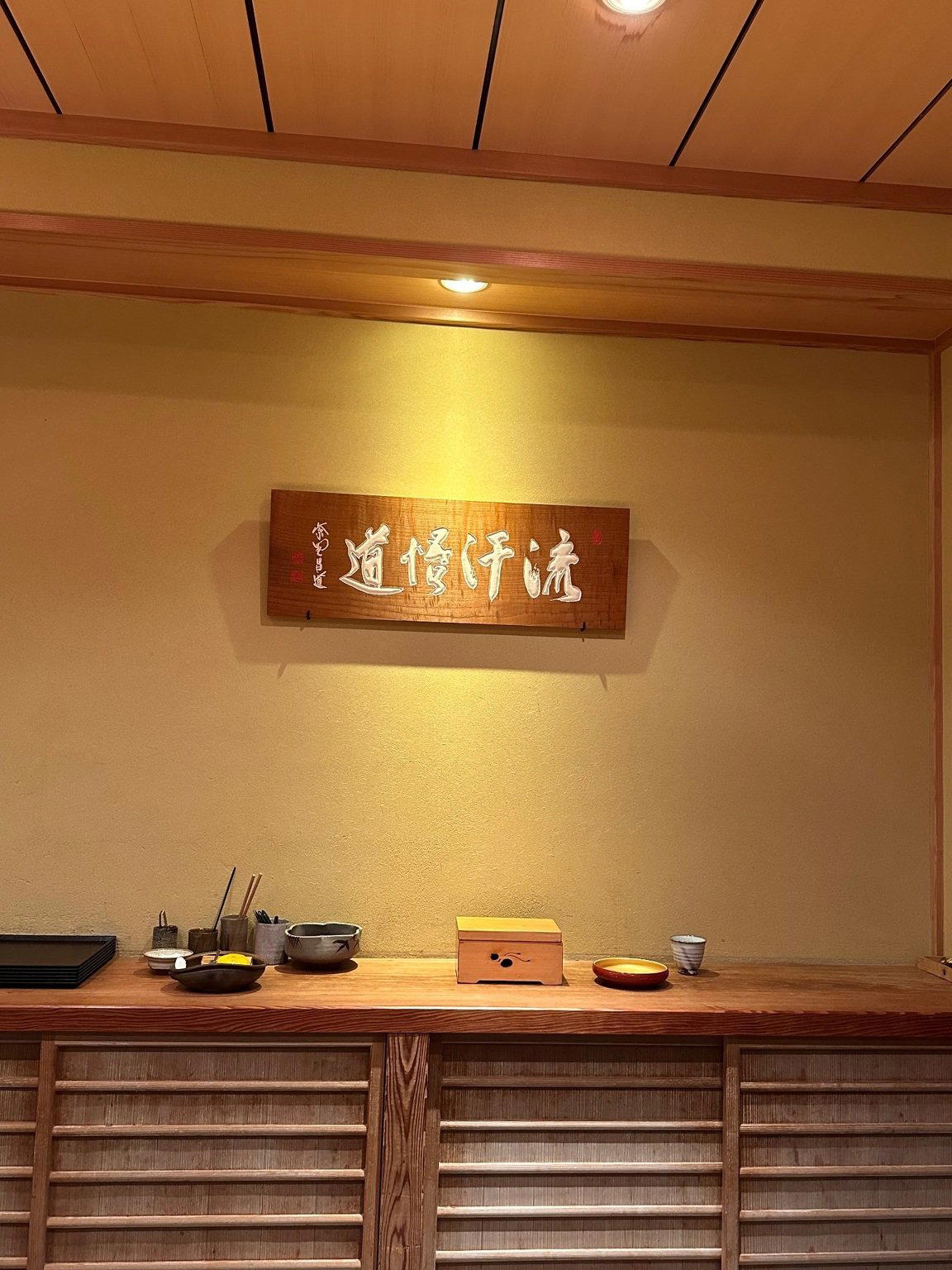
A compact, stylish yakitori shop with counter and sofa seating, relaxed but energetic in the evenings, designed as a comfortable hideout near Hakata Station rather than a formal restaurant.