Jordyn's Soul Cafe
On West Grand Avenue in Chicago's River West corridor, Jordyn's Soul Cafe brings a neighborhood-rooted approach to soul food in a city where the genre has long anchored communities on the South and West Sides. The address places it in a mixed-residential pocket where casual and serious dining coexist. Visitors looking for grounded, comfort-forward cooking in a less-trafficked part of the city will find the location worth noting.
Pearl is the En Primeur Club membership app — saves, bookings, and concierge access live there. Same editors, same standards.
- Address
- 1160 W Grand Ave, Chicago, IL 60642
- Phone
- +13122852737
- Website
- jordynssoulcafe.com
- Directions
- Get directions
 Saves & bookings on Pearl
River West and the Soul Food Question
Chicago's soul food tradition runs deep and specific. It traces its roots to the Great Migration, when hundreds of thousands of Black Americans moved north from the Deep South between the 1910s and 1970s, carrying cooking practices that became embedded in neighborhoods on the South Side and West Side. Bronzeville, Chatham, Englewood: these are the communities where the genre developed its Chicago character, built around fried chicken, smothered pork chops, candied yams, and long-braised greens seasoned with smoked meat. What happens when that tradition migrates again, this time into River West at 1160 W Grand Ave, a corridor better known for its warehouse conversions and proximity to the West Loop dining cluster, is the more interesting question Jordyn's Soul Cafe invites.
River West sits between the high-traffic restaurant concentration of Randolph Street and the quieter residential blocks pushing toward Humboldt Park. It is not a neighborhood that has historically defined itself through food the way the West Loop or Pilsen have, which means a soul food cafe landing here reads as a deliberate positioning rather than a default location.
The Genre and What It Demands
Soul food, as a dining category, operates on a different set of expectations than the progressive American menus that dominate Chicago's award conversation. Where Alinea and Smyth work in highly constructed, multi-course formats, and Oriole maintains a focused tasting progression, soul food's measure of success is calibrated differently: execution fidelity, seasoning depth, and the sense that a dish has been cooked rather than assembled. These are not lesser standards; they are different ones, and they require a kitchen with genuine fluency in a specific tradition rather than technical novelty.
Nationally, the genre has seen renewed critical attention, with food writers and awards programs paying closer attention to the craft embedded in African American cooking traditions. Venues like Emeril's in New Orleans have long acknowledged the Southern foundations underpinning American cuisine more broadly, and the conversation about what constitutes fine dining has expanded meaningfully in recent years. Chicago, as a city shaped by that migration history, is a logical place for soul food to receive serious editorial and critical treatment alongside the tasting-menu circuit.
Team Dynamic in a Comfort-Kitchen Format
The editorial angle that matters most in a cafe-format soul food operation is not the individual chef narrative but the coordination between kitchen and front-of-house in delivering consistency at a casual price register. In a genre where regulars return weekly and expectations are calibrated by memory as much as by menu description, the front-of-house function carries unusual weight. A regular who wants their smothered chicken the same way every time is not being inflexible; they are applying the appropriate standard for this type of cooking. That means the floor team needs to understand the kitchen's approach well enough to communicate it, manage expectations on busy services, and maintain the relational warmth that distinguishes a neighborhood cafe from a transactional counter.
This is a different collaboration dynamic than the one at Kasama, where the kitchen and pastry programs are closely integrated in a high-visibility format, or at Next Restaurant, where thematic coherence across kitchen, design, and service is part of the explicit concept. At a neighborhood soul food cafe, the collaboration is less theatrical but no less consequential: it is what determines whether a first-time visitor from outside the neighborhood feels welcomed or like an outsider, and whether a longtime regular feels seen.
The Broader Context: Soul Food Across American Cities
Placing Jordyn's Soul Cafe within a national picture requires acknowledging that Chicago is one of several American cities where the soul food tradition carries specific regional inflection. New Orleans operates with a Creole overlay. Atlanta's soul food scene, where venues like Bacchanalia have contributed to a more expansive view of Southern cooking, reflects Georgia's particular agricultural and cultural history. Chicago's version tends toward the Arkansas, Mississippi, and Tennessee traditions carried north by migrants who settled specific communities and maintained those cooking practices across generations.
The fine-dining parallel is worth noting even if the price registers are different. Just as The French Laundry in Napa, Providence in Los Angeles, and Blue Hill at Stone Barns in Tarrytown each express a regional culinary identity through a particular lens, neighborhood soul food operations express a community's culinary memory through the lens of whoever is running the kitchen. The difference is that the latter rarely receive the same critical infrastructure of awards, press coverage, or booking platforms, which is its own observation about how the industry assigns prestige.
For readers interested in how other American cities approach the intersection of tradition and ambition in their dining scenes, venues like Lazy Bear in San Francisco, Single Thread Farm in Healdsburg, Addison in San Diego, The Inn at Little Washington, and Atomix in New York City each offer a different model of how regional identity gets formalized into dining experience. Le Bernardin in New York City and 8 1/2 Otto e Mezzo Bombana in Hong Kong show how European traditions anchor international dining at the highest tier. Soul food sits in an entirely different category, but the question of how tradition becomes craft is the same across all of them.
Planning Your Visit
Jordyn's Soul Cafe is located at 1160 W Grand Ave, Chicago, IL 60642, in River West. The address is accessible from multiple bus routes and is within reasonable distance of the Chicago Blue Line stop on Milwaukee Avenue. Dress: Casual, consistent with the neighborhood cafe format.
Reputation First
Comparable venues nearby, for context on price, style, and recognition.
| Venue | Cuisine | Price | Notes |
|---|---|---|---|
| Jordyn's Soul CafeThis venue — the venue you are viewing | Modern Soul Food | $$$ | Not listed |
| Homestead On The Roof | Farm-to-Table American with Latin Influences | $$$ | West Town |
| The Promontory | Hearth-to-Table American | $$$ | Hyde Park |
| Gordon Ramsay Burger - Chicago | Gourmet Burgers & Comfort Food | $$$ | River North |
| Blue Leopard | Modern American Lounge | $$$ | Old Town |
| Celeste | Modern American | $$$ | River North |


At a Glance
- Cozy
- Elegant
- Trendy
- Brunch
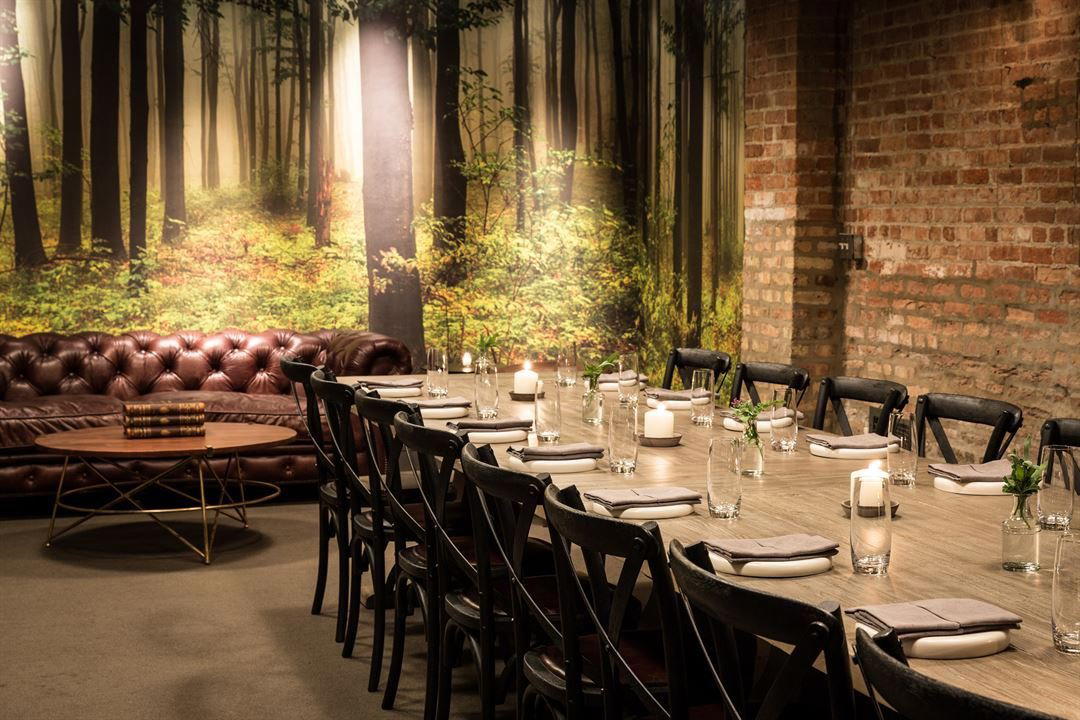
- Group Dining
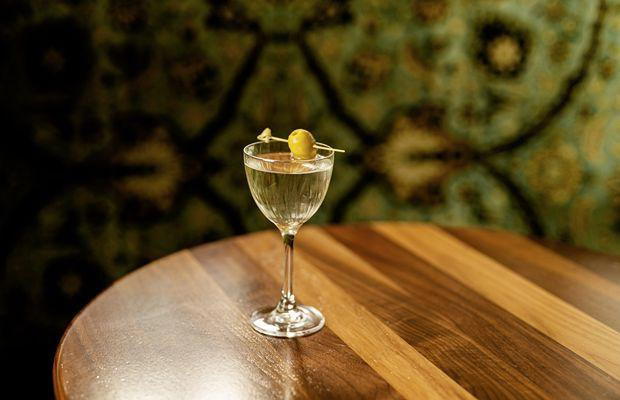
- Craft Cocktails
Current opening hours
- Monday
- Closed
- Tuesday
- 2–10 PM
- Wednesday
- 2–10 PM
- Thursday
- 2–10 PM
- Friday
- 2–11 PM
- Saturday
- 12 PM–12 AM
- Sunday
- 12–9 PM
Hours can change for holidays and private events. Last verified .
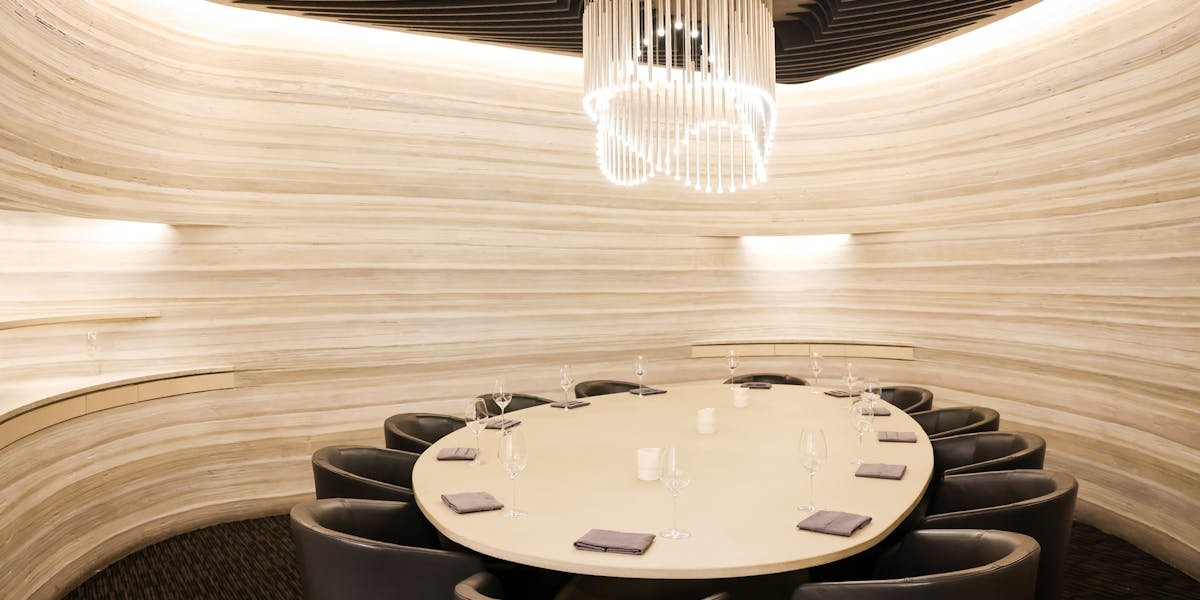
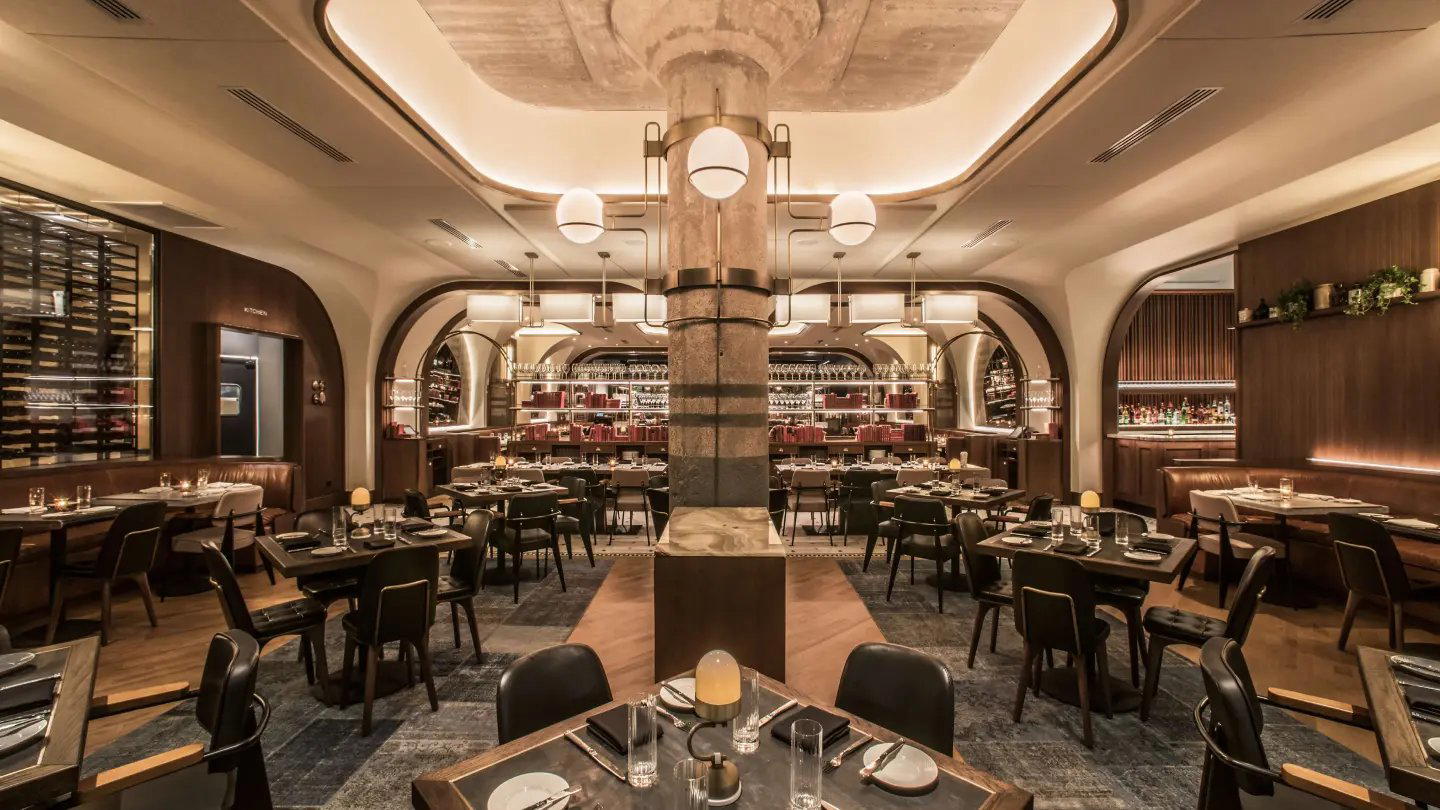
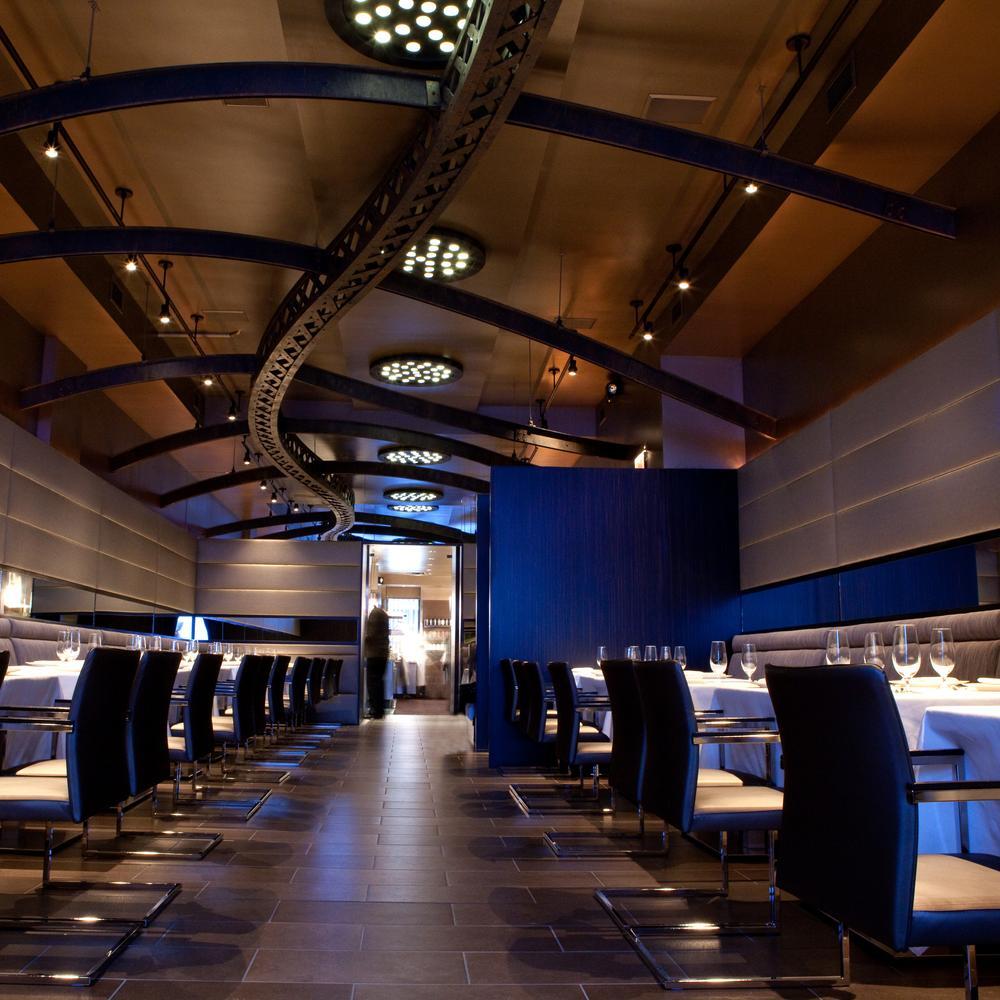
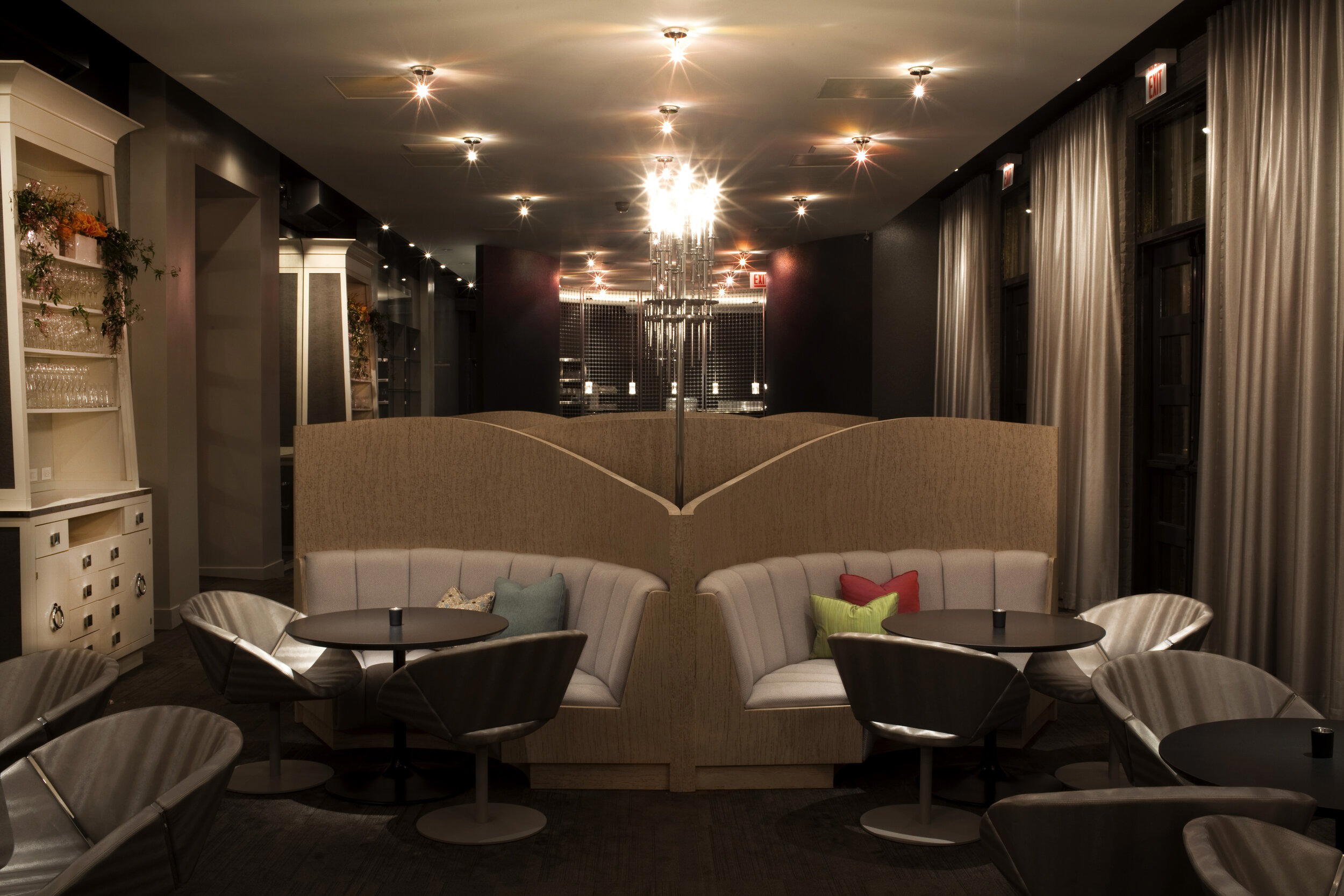
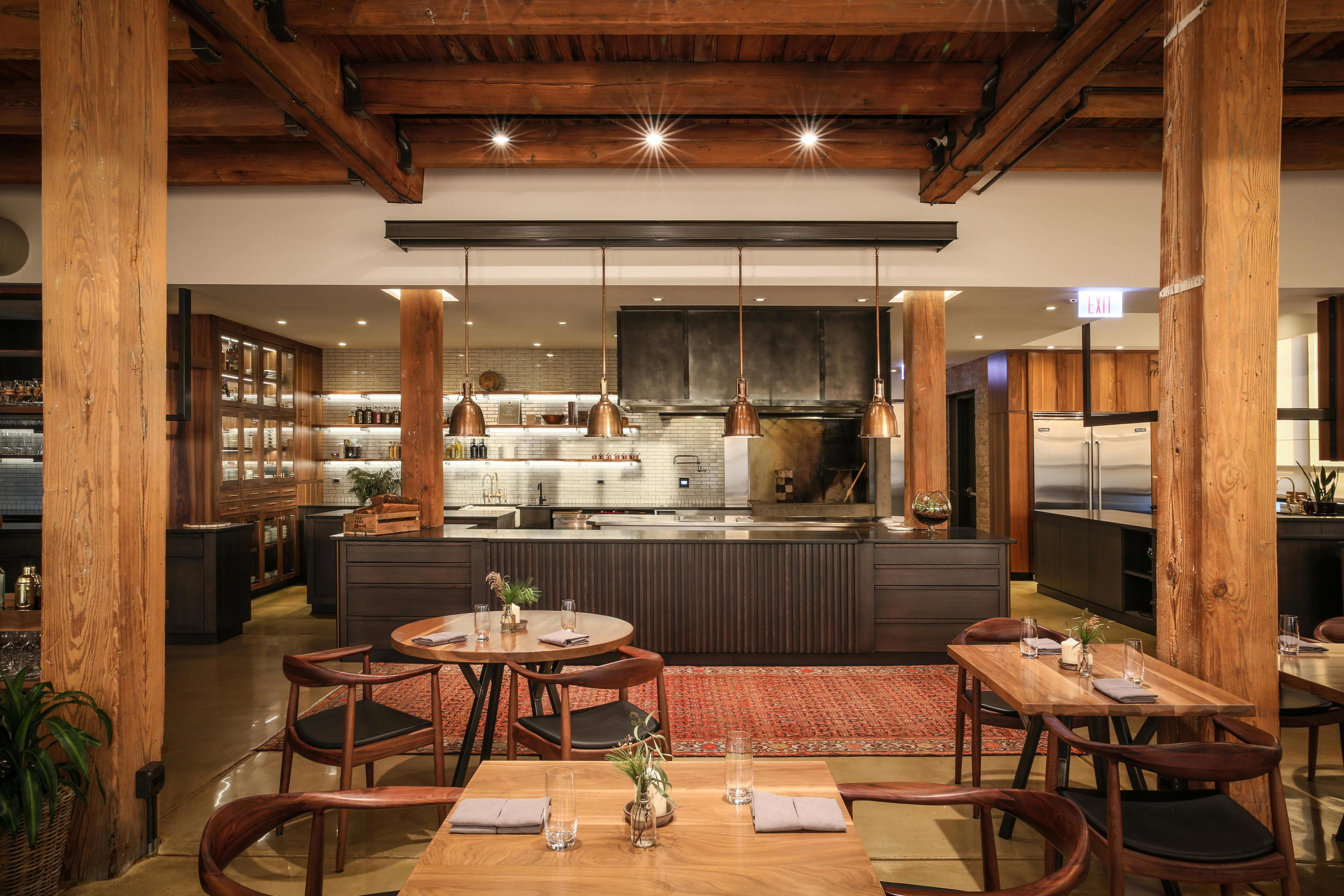
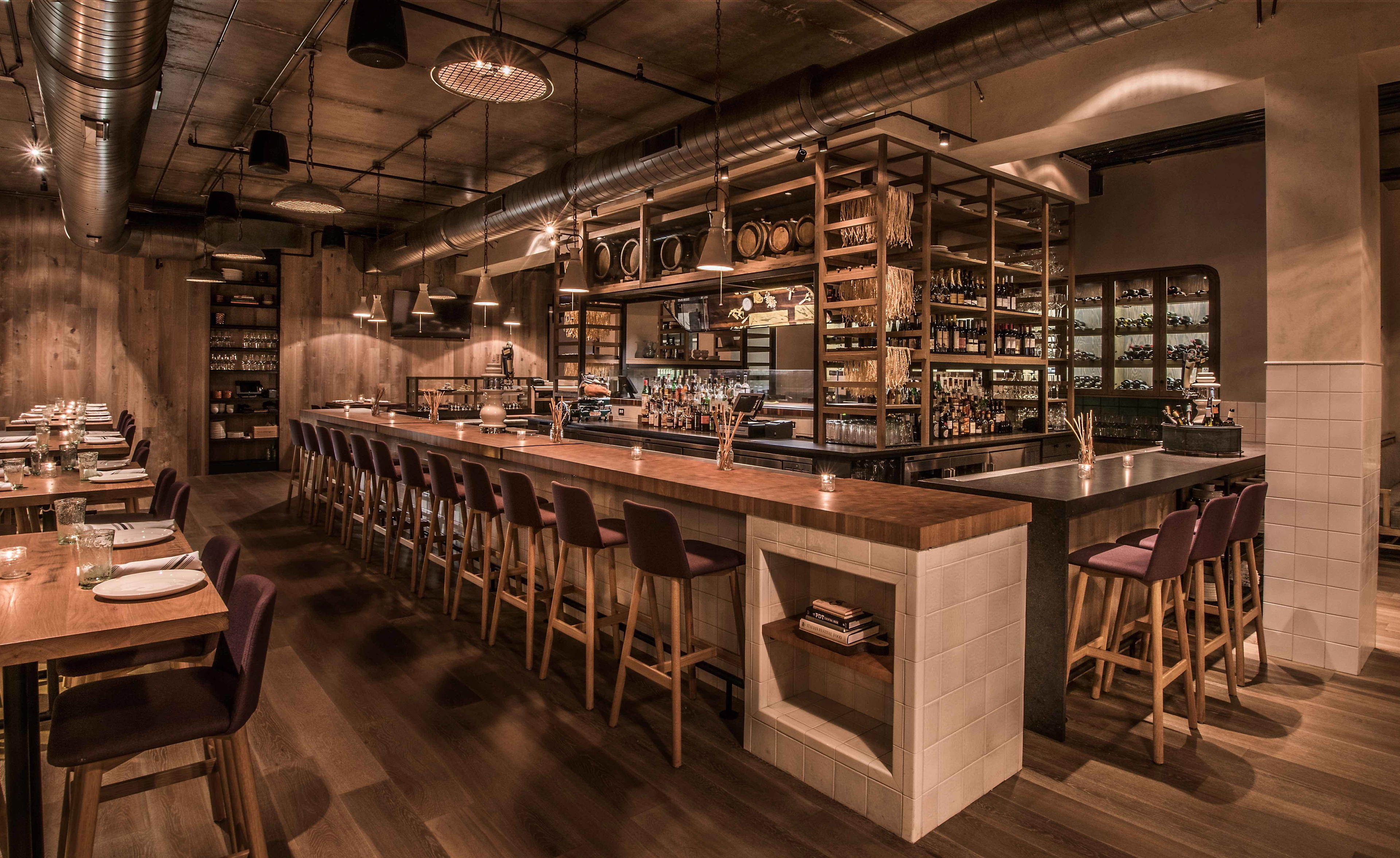
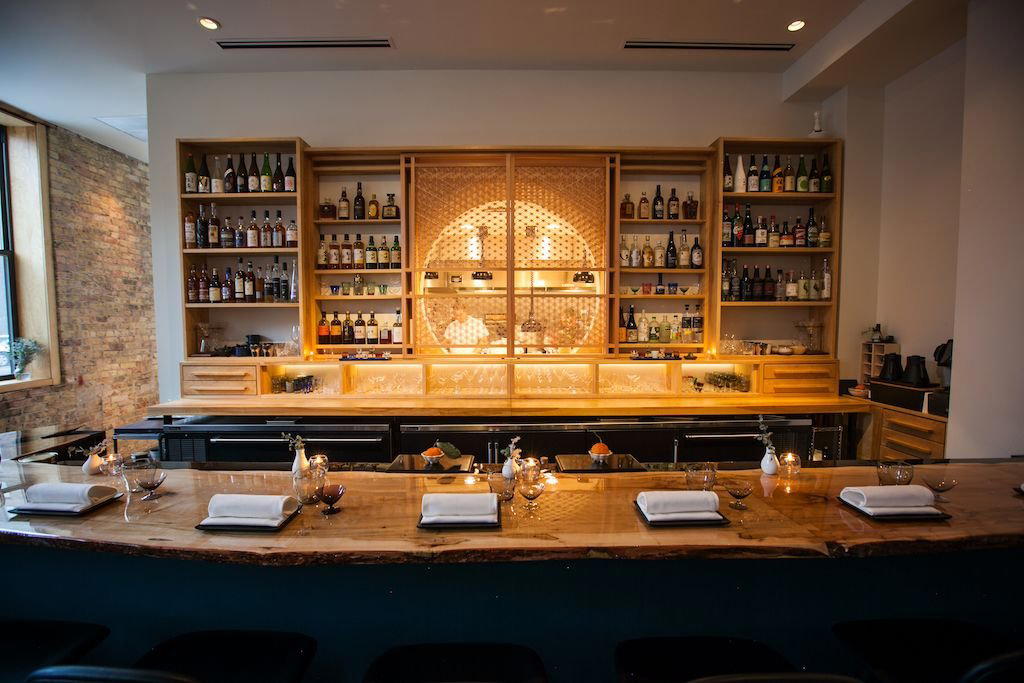
Precise decor with a beautiful ambience and moderate noise level featuring a party background.