Grevenhuis occupies a prominent address on Borgloon's central market square, placing it within one of Belgian Limburg's most food-serious small towns. The restaurant draws on the region's orchard and agricultural heritage, connecting the table directly to the Haspengouw landscape that defines this corner of Belgium. It sits alongside a compact set of ambitious dining addresses that have quietly put Borgloon on the country's culinary map.
Pearl is the En Primeur Club membership app — saves, bookings, and concierge access live there. Same editors, same standards.
- Address
- Markt 5, 3840 Tongeren-Borgloon, Belgium
- Phone
- +3212213240
- Website
- grevenhuis.be
- Directions
- Get directions
 Saves & bookings on Pearl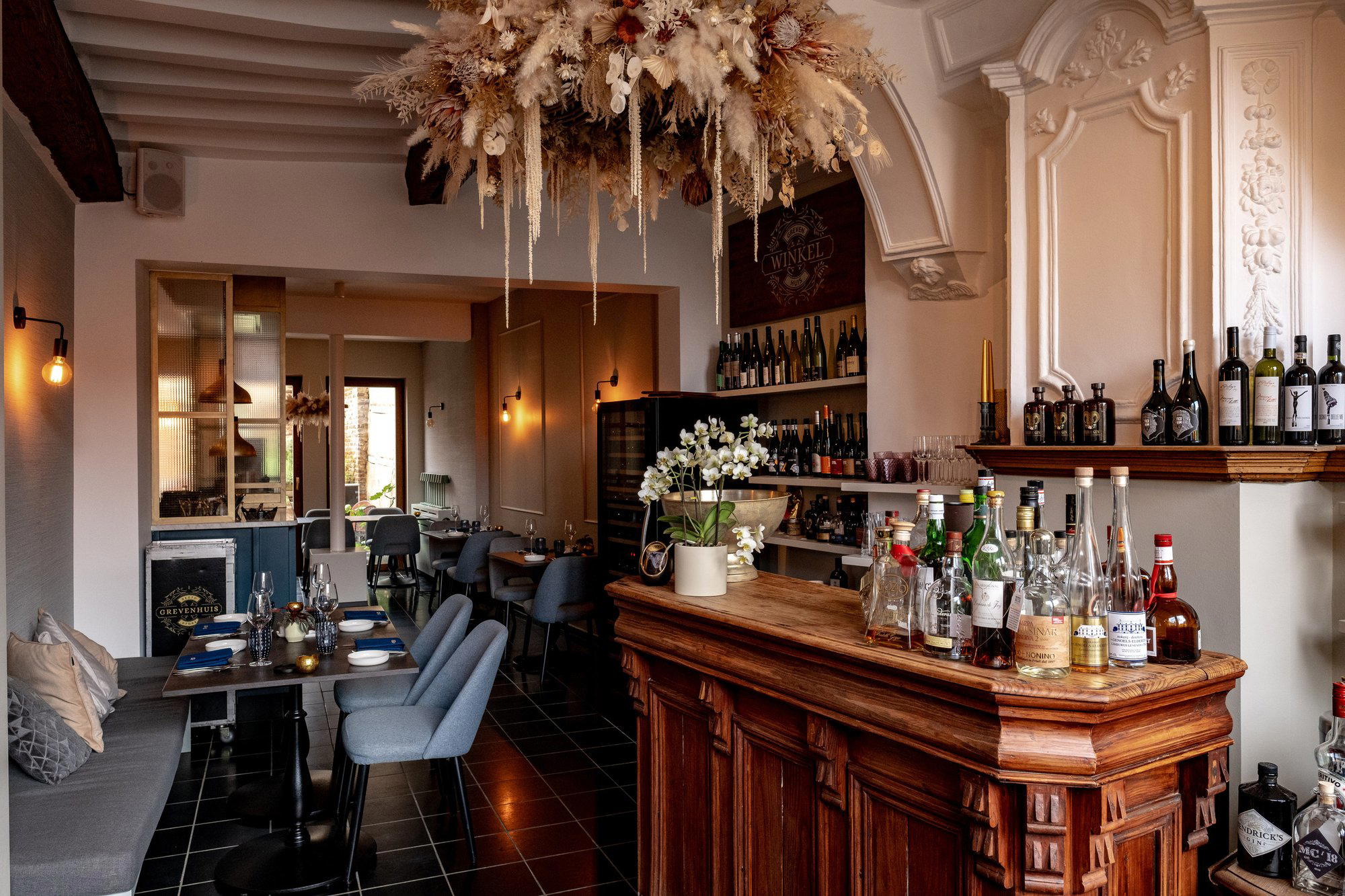
A Market Square Address in Belgium's Orchard Country
Borgloon sits at the centre of Haspengouw, the broad agricultural plateau in Belgian Limburg where fruit orchards, grain fields, and heritage farms define the terrain for kilometres in every direction. This is not incidental context for dining in the town: the region's identity as a producer of apples, pears, cherries, and a range of artisan goods is the material from which serious local kitchens build their menus. When a restaurant holds an address at Markt 5, on the town's central square, it occupies more than a convenient location. It places itself at the civic heart of a community whose relationship with the land is long and deliberate. Grevenhuis holds exactly that position.
The market square in Borgloon functions as the town's social anchor, a space that sees weekly rhythms of local trade and seasonal produce movement. Arriving from that square, visitors encounter a dining room that does not need to import a sense of place: the place arrives with the ingredients. Belgium's strongest independent kitchens, whether in cities or in smaller towns like Borgloon, have increasingly made ingredient provenance the organising principle of the menu, a shift visible across the country's dining culture over the past decade and apparent in this corner of Limburg specifically. Grevenhuis fits within that broader movement, drawing its material from the same orchard and farming belt that has made Haspengouw recognisable to producers and buyers across northern Europe.
What Borgloon's Dining Scene Signals
Borgloon is a small municipality with a dining profile disproportionate to its population. The town now hosts a cluster of addresses, each operating with a distinct format. Nyde (Modern Cuisine), operating at the €€€ price point with a modern cuisine format, represents the more structured fine-dining end of that cluster. 't Russelt by Jarne and Barnito bring additional formats to a town that, for its scale, now sustains genuine dining variety. Within that peer group, Grevenhuis occupies the market square anchor position, which carries its own kind of gravity in a community-oriented Flemish town.
The broader Belgian fine-dining circuit, anchored by recognised addresses like Hof van Cleve in Kruishoutem, Boury in Roeselare, and Zilte in Antwerp, has historically concentrated prestige in larger cities or well-connected Flemish villages. A generation of kitchens operating in smaller municipalities, including those in Limburg, has gradually shifted that centre of gravity. Willem Hiele in Oudenburg and Bartholomeus in Heist represent the coastal expression of this tendency; Borgloon's dining cluster represents the inland, orchard-country equivalent.
Ingredient Sourcing in Haspengouw: Why Region Matters Here
Haspengouw is one of Belgium's most productive agricultural zones, and its output goes well beyond the fruit orchards for which it is most publicly recognised. The plateau supports dairy, grain, and vegetable cultivation alongside the apple and pear production that has defined its export identity for generations. For kitchens working within this geography, the sourcing question resolves itself differently than in an urban setting: proximity to producers is structural, not aspirational. Restaurants in Borgloon have a different kind of access to the growing season than their counterparts in Brussels or Antwerp, where sourcing from Haspengouw requires a supply chain. Here, it can require a short drive or an ongoing relationship with a neighbouring farm.
This dynamic shapes how ingredient-led menus function in a town like Borgloon. The Belgian kitchen's long engagement with seasonal produce, visible at addresses like L'air du temps in Liernu and Castor in Beveren, finds a particular expression in Limburg because the ingredient supply is not just regional in aspiration but genuinely local in practice. Grevenhuis, positioned at Markt 5 in this context, operates within a sourcing geography that gives the kitchen both opportunity and accountability: when the orchards and fields are immediately visible from the town square, the connection between what is grown and what is served is not a marketing point but a daily operational reality.
Belgium's Smaller-Town Kitchen Tradition
The tendency to treat Belgium's serious dining culture as primarily urban misreads the country's culinary geography. Particularly considered kitchens in Belgium operate outside Brussels, Antwerp, and Ghent, in smaller municipalities where lower overheads, tighter community ties, and direct producer access create conditions that urban restaurants cannot replicate. La Table de Maxime in Our, De Jonkman in Sint-Kruis, La Durée in Izegem, and d'Eugénie à Emilie in Baudour all represent variations on this model across different Belgian regions. Borgloon's dining cluster, including Grevenhuis, fits within this national pattern rather than existing as an anomaly.
For visitors travelling specifically for food, the case for Borgloon is cleaner than it might initially appear. The town is reachable from Hasselt and Liège within a manageable drive, and its compact centre means that multiple dining addresses are within walking distance of one another. The orchard country surrounding the town also makes the area a logical stop for those combining Belgian agricultural tourism with a considered dining itinerary.
For those whose reference points are primarily city-based, the comparison that may be most useful is not between Borgloon and Brussels but between the sourcing philosophy visible here and what drives celebrated kitchens internationally. The ingredient-first frameworks that underpin highly awarded restaurants, from Bozar Restaurant in Brussels to addresses like Le Bernardin in New York City and Atomix in New York City, trace different paths to the same underlying logic: that the quality and specificity of ingredients is especially durable foundation for a kitchen's identity. In Haspengouw, that foundation is embedded in the terrain itself.
Planning a Visit
Grevenhuis is located at Markt 5 in Borgloon, on the town's central market square, making it direct to reach on foot once you are in the town centre. Borgloon is accessible by road from both Hasselt, approximately 20 kilometres to the northwest, and Tongeren, which is the nearest larger town and sits a short drive to the south. Given the limited public transport options in rural Limburg, arriving by car is one practical approach for most visitors.
Comparable Venues
Comparable venues nearby, for context on price, style, and recognition.
| Venue | Cuisine | Price | Awards | Notes |
|---|---|---|---|---|
| GrevenhuisThis venue — the venue you are viewing | Belgian Farm-to-Table Bistro | $$$ | Not listed | Not listed |
| 't Russelt by Jarne | Belgian-French Bistronomy | $$ | Not listed | Borgloon |
| Barnito | Tapas & Brasserie | $$ | Not listed | centrum |
| Nyde | Modern French-Belgian with Local Terroir | $$$ | Michelin Plate | Borgloon |
| 't Genoegen | Classic Belgian with French influences | $$$ | Not listed | city center |
| De Loteling | Traditional Belgian Bistro | $$$ | Not listed | Aldeneik |
At a Glance
- Elegant
- Classic
- Cozy
- Rustic
- Date Night
- Business Dinner
- Group Dining
- Special Occasion
- Open Kitchen
- Terrace
- Historic Building
- Extensive Wine List
- Farm To Table
- Local Sourcing
Current opening hours
- Monday
- Closed
- Tuesday
- 12–1 PM, 6–8 PM
- Wednesday
- 12–1 PM, 6–8 PM
- Thursday
- 12–1 PM, 6–8 PM
- Friday
- 12–1 PM, 6–8 PM
- Saturday
- 6–8 PM
- Sunday
- Closed
Hours can change for holidays and private events. Last verified .
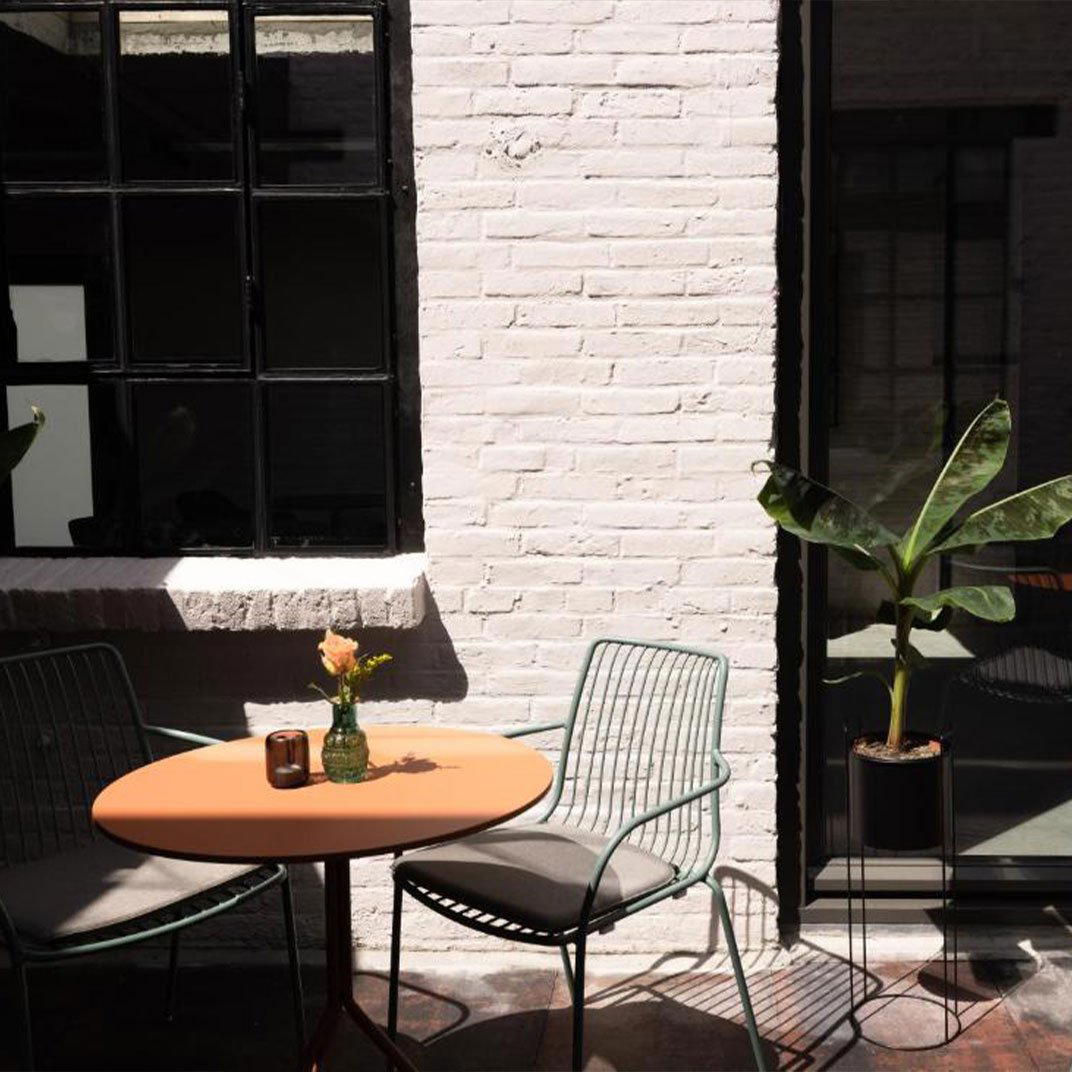
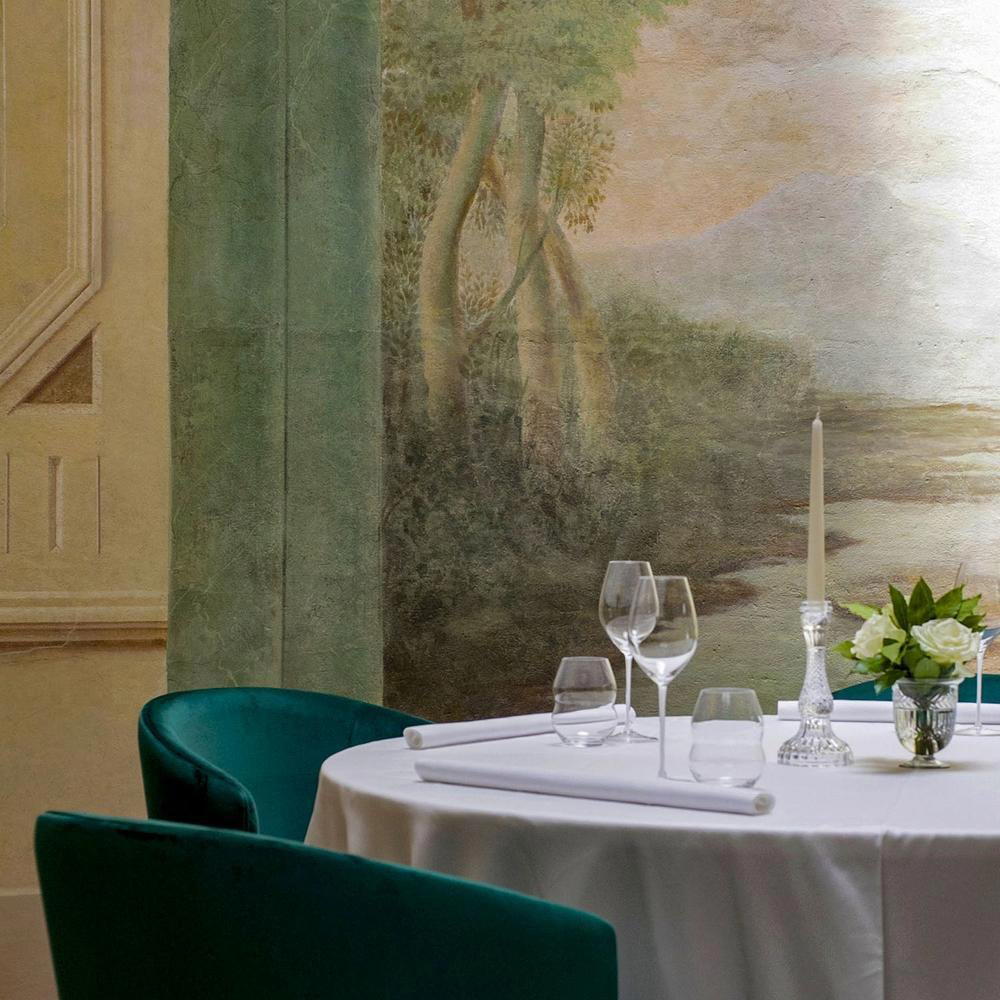
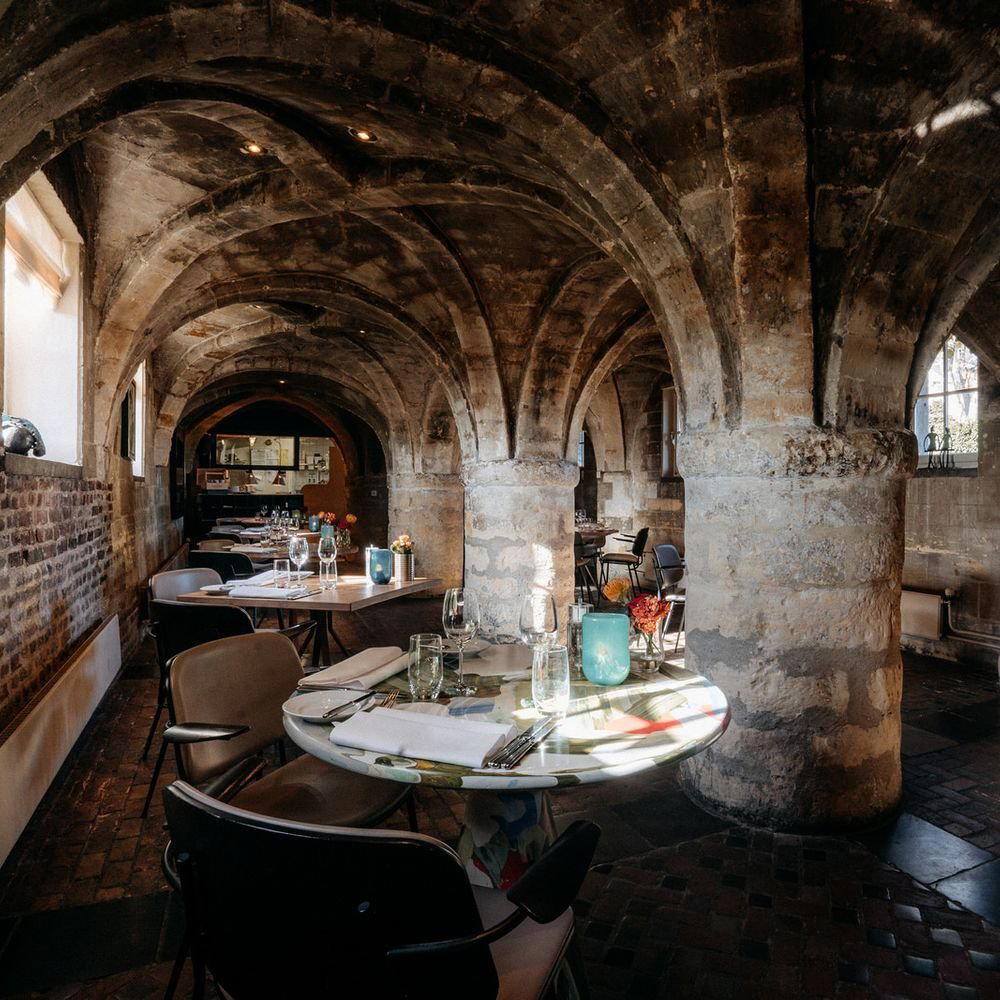
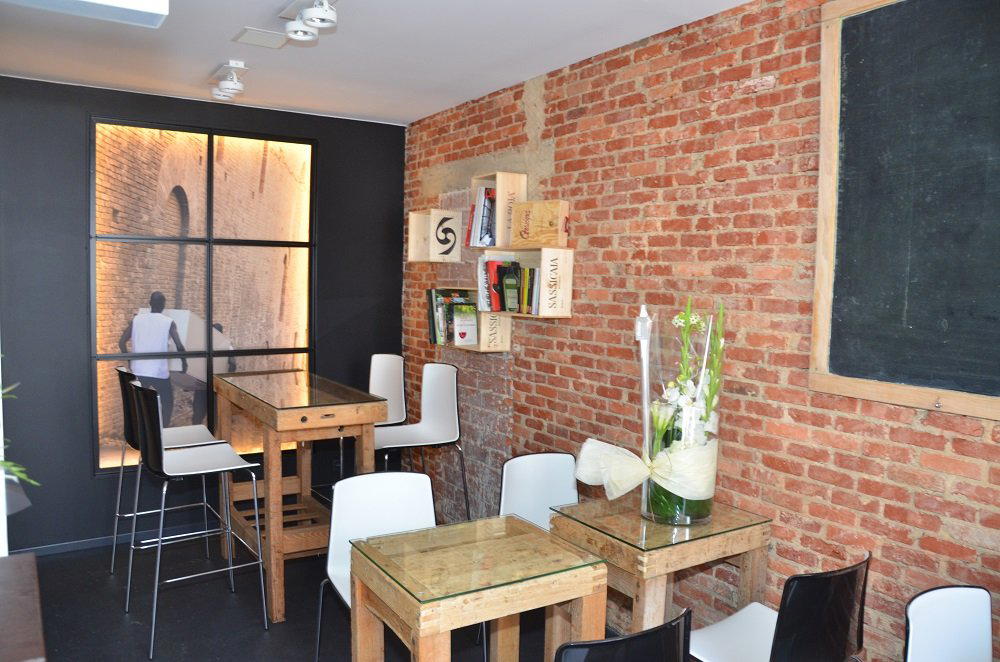
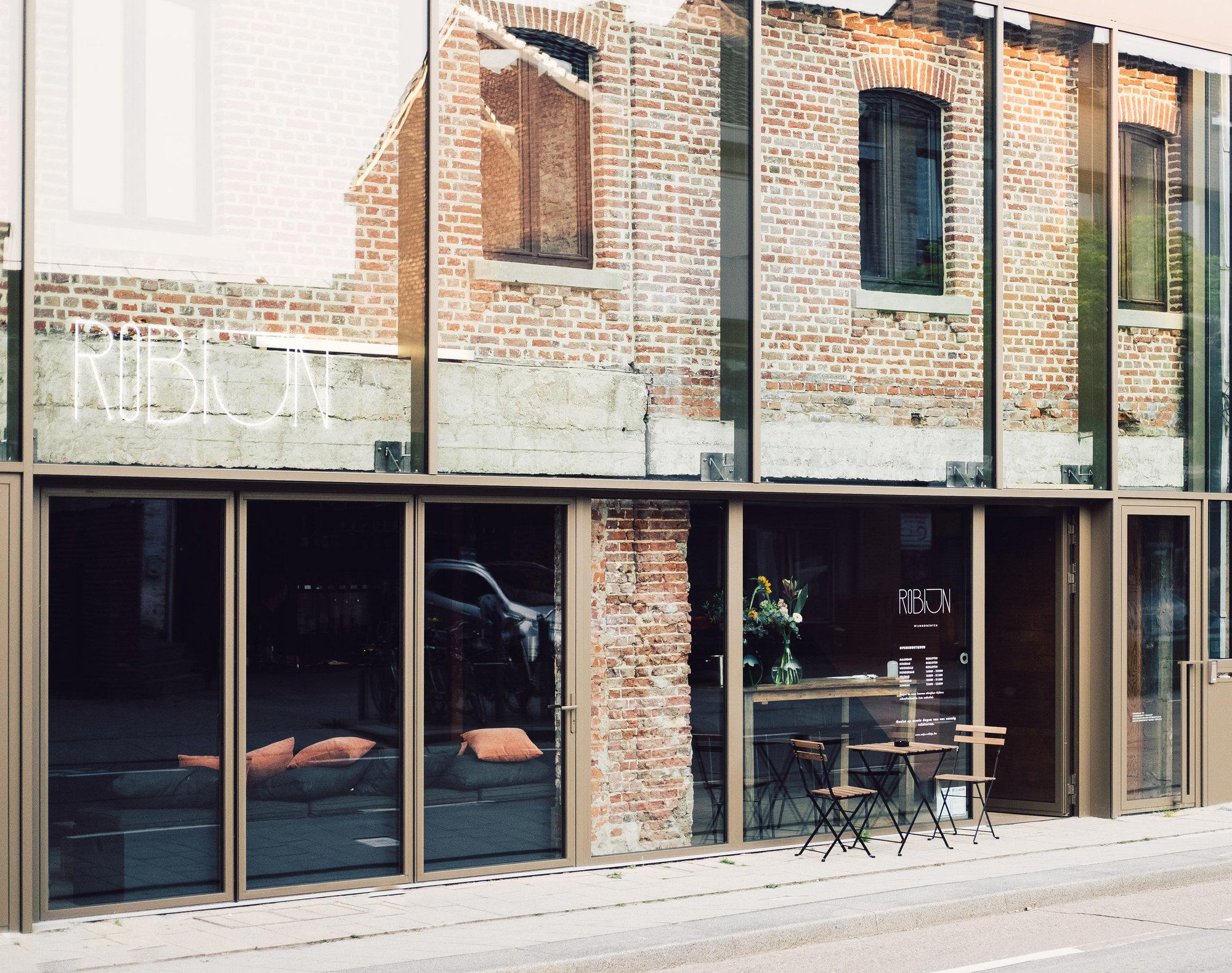
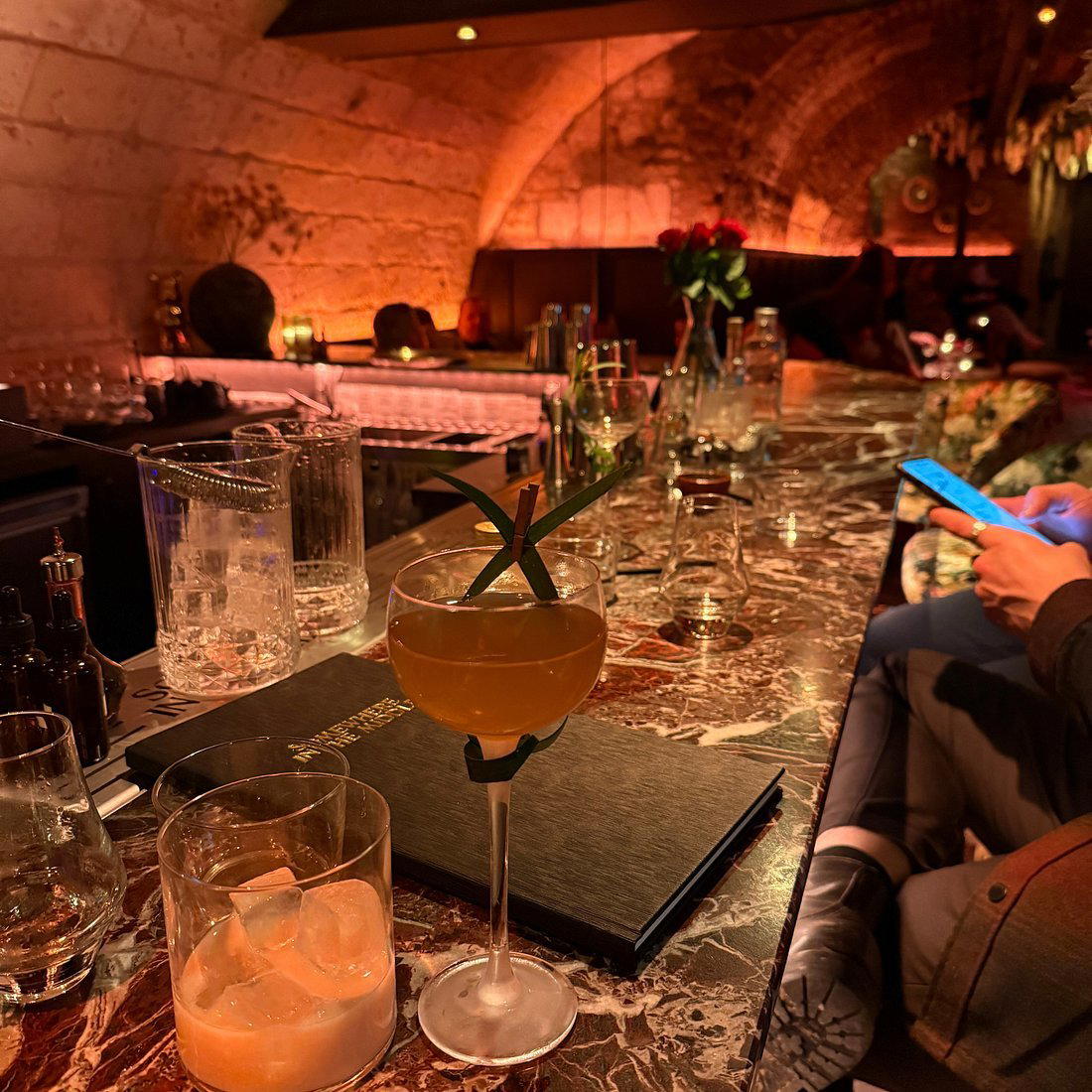
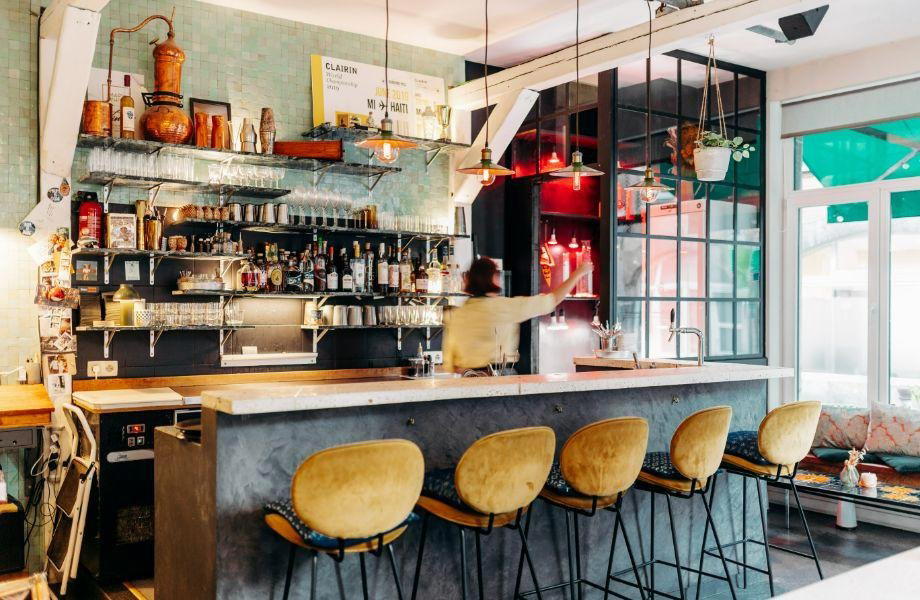
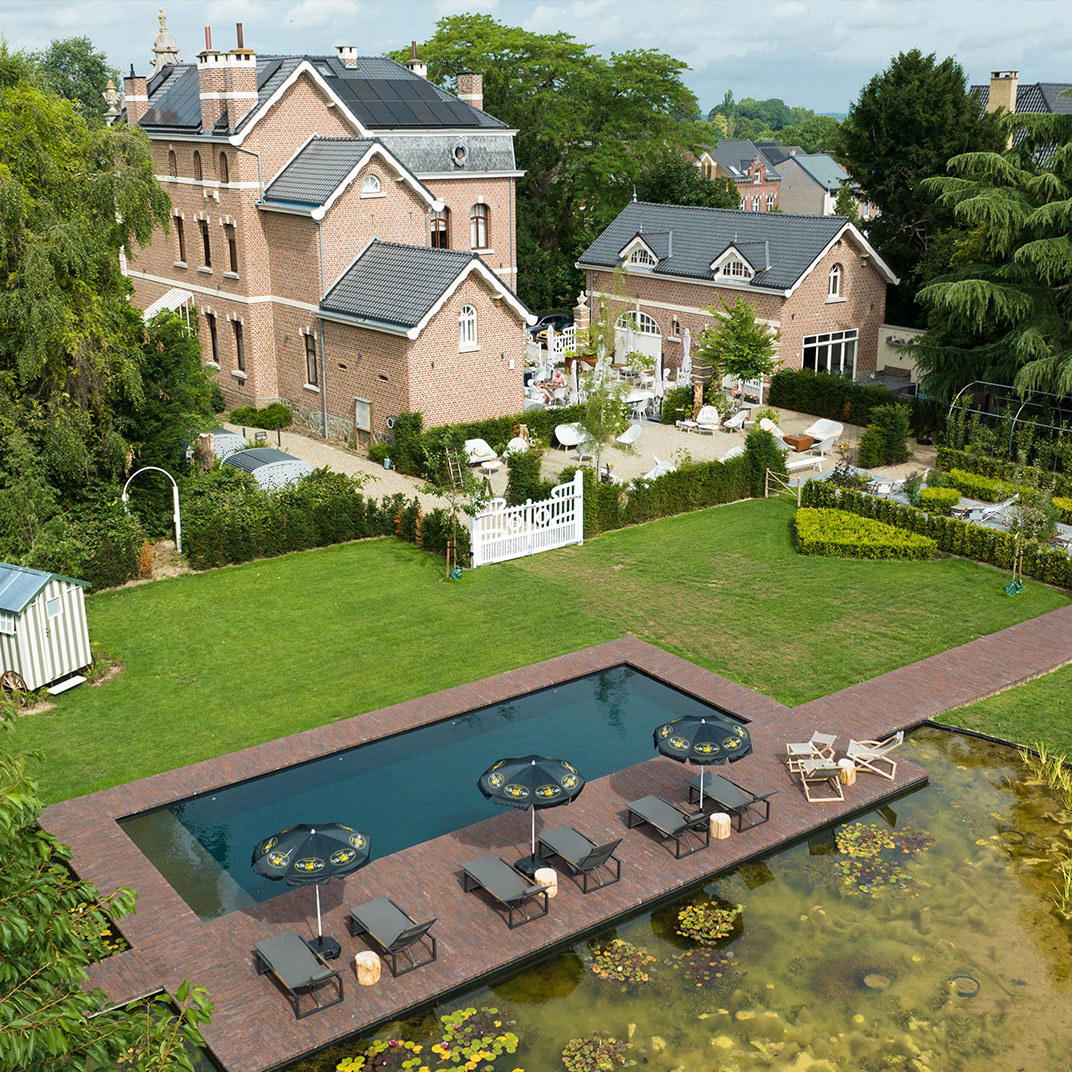
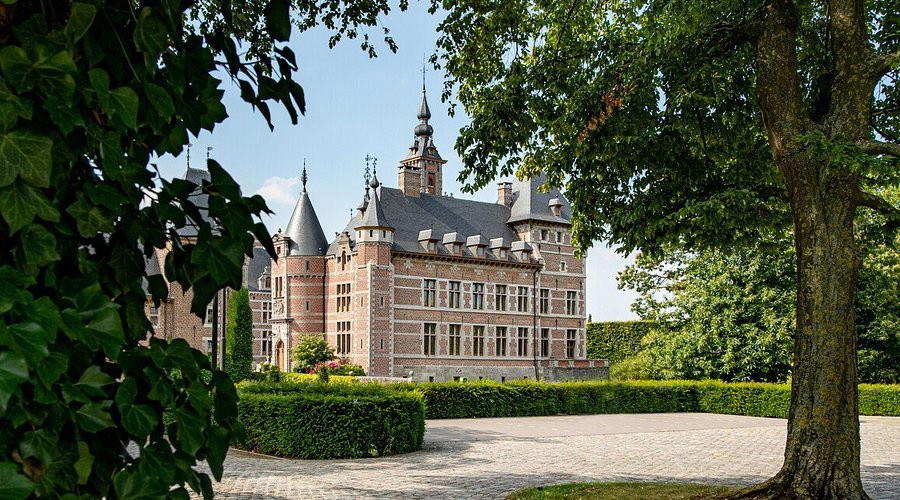
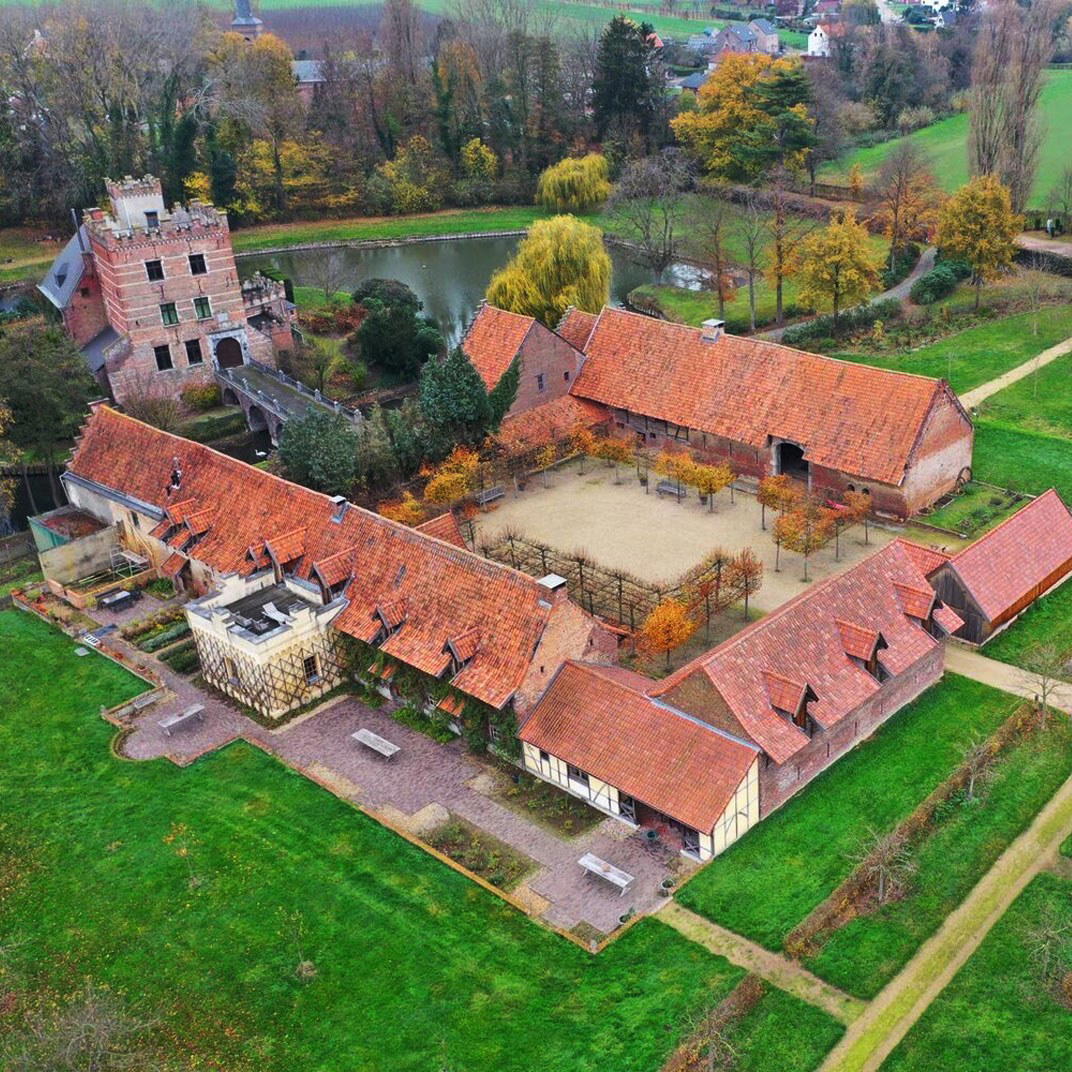
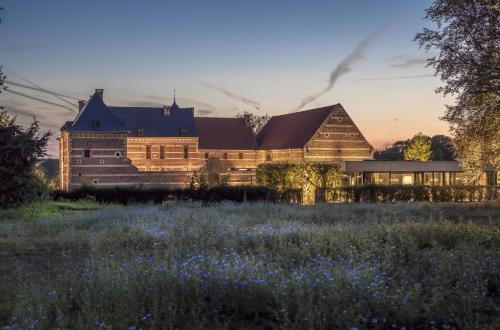
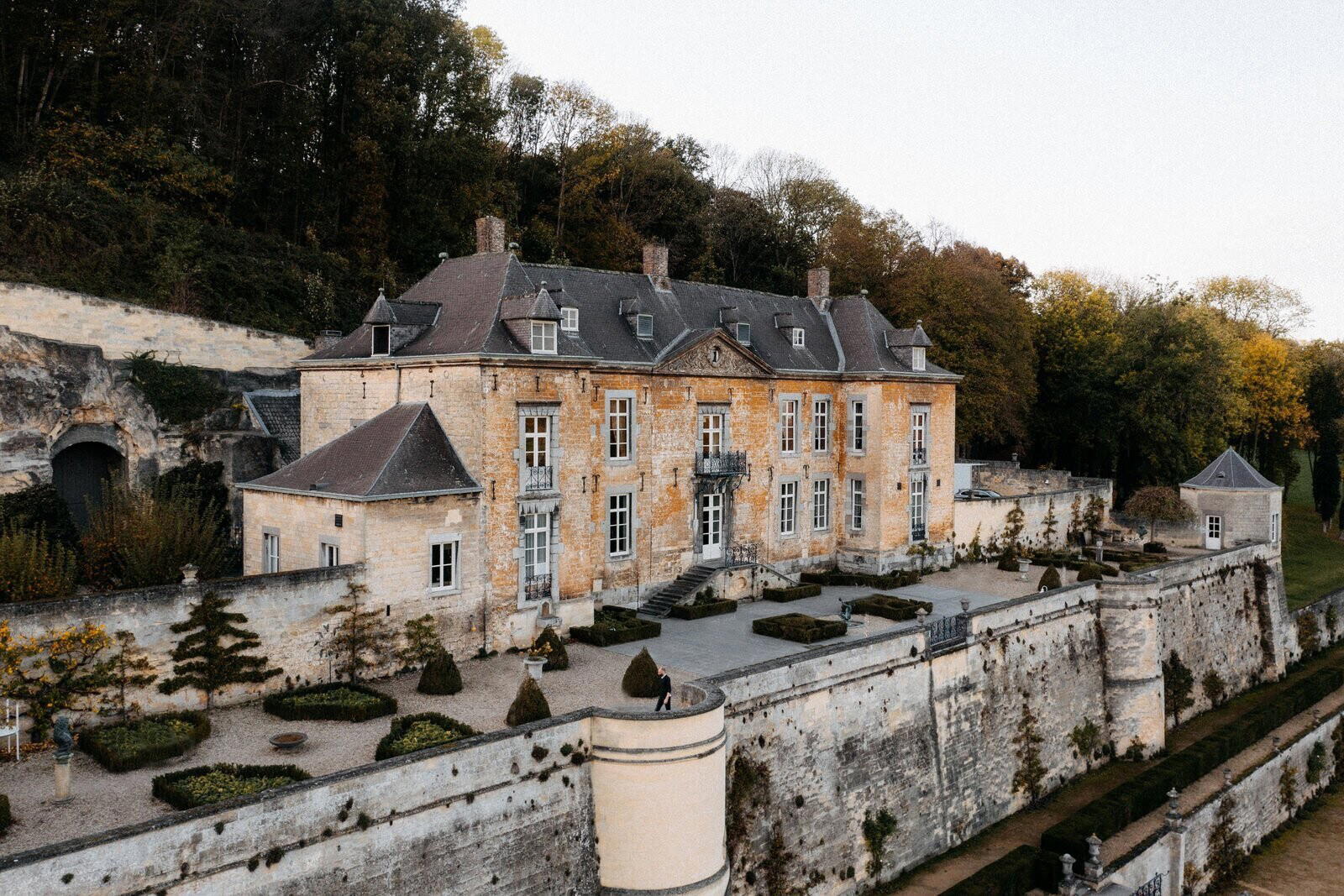
Warm and convivial atmosphere in a historic setting with an open kitchen visible to guests, complemented by a modern terrace.