Barnito occupies a quiet address at Speelhof 7 in Borgloon, a fruit-growing commune in the Haspengouw region of Belgian Limburg where the agricultural calendar still shapes what ends up on the plate. The restaurant sits within a dining scene that punches above its village scale, drawing visitors who come specifically for the produce-rooted cooking style that this corner of Belgium does quietly well.
Pearl is the En Primeur Club membership app — saves, bookings, and concierge access live there. Same editors, same standards.
- Address
- Speelhof 7, 3840 Tongeren-Borgloon, Belgium
- Phone
- +3212219422
- Website
- barnito.be
- Directions
- Get directions
 Saves & bookings on Pearl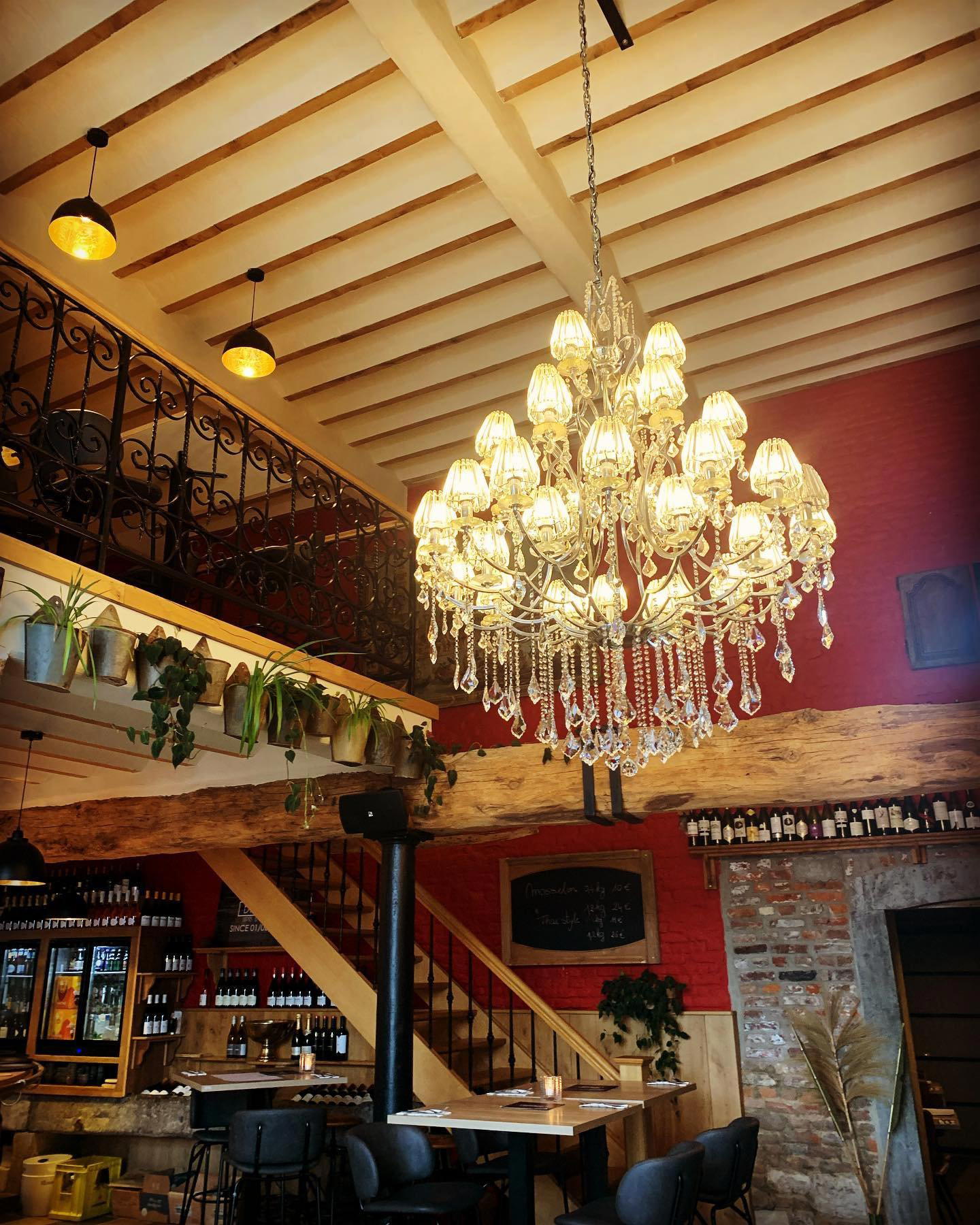
Haspengouw on the Plate: Why Borgloon's Agricultural Identity Matters at the Table
The Haspengouw plateau in Belgian Limburg is one of the country's most fertile agricultural zones, known primarily for its fruit orchards: cherry, apple, and pear trees that bloom in coordinated pink-and-white waves each spring and yield harvests that local restaurants have historically taken for granted rather than celebrated. That relationship between kitchen and landscape is shifting. A generation of Belgian chefs has spent the past decade treating regional sourcing not as a marketing posture but as a structural constraint that shapes the menu from the first decision rather than the last. Borgloon, the small market town at the centre of this orchard belt, has become a quiet concentration point for that approach. Barnito is a restaurant serving Tapas & Brasserie at Speelhof 7 in Tongeren-Borgloon, Belgium.
To understand what makes a restaurant in this corner of Limburg coherent, it helps to understand what Haspengouw produces. The plateau's loamy soil supports not just stone fruit but a range of vegetables, herbs, and grains that rarely appear on the supply chains of Belgium's urban fine-dining circuit. Chefs working here have shorter distances between grower and kitchen than their counterparts in Brussels or Antwerp, and the leading ones treat that proximity as an editorial tool rather than a cost-saving measure. Barnito operates in a smaller, more local register.
The Address and What It Signals
Speelhof 7 is not a central-square address. In a Flemish country town, streets away from the main commercial strip tend to house either long-established neighbourhood institutions or deliberate retreats from the tourist-facing trade. Either framing points toward an audience that already knows where it's going. This is not a walk-in location in the way that a brasserie on a market square might be. The approach to the building, through a residential streetscape typical of small Limburg municipalities, is itself a kind of filter: guests arriving here have made a specific decision rather than a spontaneous one.
That matters for ingredient sourcing because restaurants in non-tourist positions tend to have closer, more consistent relationships with local producers. They are not replenishing at scale to handle unpredictable walk-in volume. Supply can be planned seasonally and weekly rather than daily in response to covers. It is in exactly this kind of operation that hyper-local sourcing becomes practically executable rather than aspirationally stated. Nyde (Modern Cuisine) in Borgloon operates in a comparable local register at the €€€ tier, demonstrating that serious culinary intent is not confined to the town's most prominent addresses.
Sourcing Culture in the Haspengouw Context
Belgian fine dining has a longer sourcing tradition than the wider conversation often credits. The country's density of Michelin-starred restaurants relative to its population is among the highest in Europe, and a meaningful proportion of those kitchens have maintained direct grower relationships since well before farm-to-table became an exported vocabulary. In Limburg specifically, the proximity to Dutch horticultural networks to the north and the orchard economy immediately surrounding Borgloon gives kitchens access to produce that is genuinely differentiated from what arrives in Brussels wholesale markets.
The Haspengouw cherry, to take one concrete example, has a designated protected origin status in Belgium, and its harvest window is short enough that restaurants working with it must plan their menus around a biological calendar rather than imposing a fixed menu on available supply. The same logic applies to the region's endive production, its asparagus season, and the game that moves through the plateau's agricultural borders in autumn. A kitchen genuinely embedded in this supply chain looks different in February than it does in June, and those differences are legible on the plate if the sourcing is honest rather than decorative.
For comparison across Belgian dining traditions, Zilte in Antwerp and Vrijmoed in Gent show how urban Belgian kitchens approach ingredient sourcing within their own geographic constraints. In Borgloon, the orchard and field context is tighter and more specific. Restaurants like 't Russelt by Jarne and Grevenhuis in the same town reflect variations on how that local supply gets interpreted at the table. Internationally, kitchens committed to this kind of place-specific sourcing discipline include Lazy Bear in San Francisco, where the seasonal and local framing is structurally embedded in the tasting format rather than tagged on as a description.
Planning a Visit: Practical Considerations
Borgloon is accessible from Hasselt, roughly 15 kilometres to the north-east, and from Tongeren, which sits adjacent and gives the postal address its secondary denomination. Visitors travelling from Brussels should budget approximately 70 to 80 minutes by car; rail connections to this part of Limburg require changes and tend to be slower than driving. The town has limited accommodation stock, which means most visitors to Barnito and its neighbours are either day-trip diners from Hasselt or Liège, or guests staying in Tongeren, which has a broader hotel offer given its Roman heritage tourism draw. Reservations for restaurants in this area are advisable well in advance, particularly for weekend evenings during the spring blossom period (typically late March to mid-April) when Haspengouw draws visitors to the orchards and restaurant demand spikes accordingly. Borgloon's dining peers in the wider Belgian circuit, including Ralf Berendsen in Neerharen and Cuchara in Lommel, attract similar advance-booking patterns from regional diners who treat Limburg as a day-trip dining destination in its own right.
Where Barnito Sits in Its comparable set
Borgloon's restaurant cluster is small but editorially coherent: kitchens that take local produce seriously and operate at a scale that suits a town of this size. The competition for covers at this level is not with Antwerp or Brussels addresses but with the other Haspengouw tables that Belgian food-aware diners weigh against each other when planning a specific trip to the region. That competitive set includes the Borgloon addresses already mentioned as well as the broader Limburg circuit. Belgium's wider fine-dining tier, represented by addresses like Le Chalet de la Forêt in Uccle, De Jonkman in Sint-Kruis, and Bozar Restaurant in Brussels, operates at a different scale and with a different sourcing geography. Kitchens like Willem Hiele in Oudenburg and La Durée in Izegem show that serious Belgian cooking rooted in a specific regional larder can sustain significant critical attention. Barnito's address in the orchard heart of Haspengouw gives it a sourcing argument that urban kitchens cannot replicate. The kitchen's approach is best judged on the plate. For reference across the Atlantic on how place-specific sourcing translates into a dining experience at the highest level, Le Bernardin in New York City and d'Eugénie à Emilie in Baudour both illustrate that the discipline required to build a kitchen around a specific ingredient philosophy is consistent regardless of geography or price tier.
How It Stacks Up
Comparable venues nearby, for context on price, style, and recognition.
| Venue | Cuisine | Price | Awards | Notes |
|---|---|---|---|---|
| BarnitoThis venue — the venue you are viewing | Tapas & Brasserie | $$ | Not listed | Not listed |
| 't Russelt by Jarne | Belgian-French Bistronomy | $$ | Not listed | Borgloon |
| Grevenhuis | Belgian Farm-to-Table Bistro | $$$ | Not listed | Borgloon |
| Nyde | Modern French-Belgian with Local Terroir | $$$ | Michelin Plate | Borgloon |
| Casa Paco | Spanish Tapas and Paella | $$ | Not listed | Alleur |
| Hoeve Roosbeek | Belgian Seasonal Gastronomy | $$ | Not listed | Zepperen |
At a Glance
- Cozy
- Rustic
- Casual Hangout
- Group Dining
- Terrace
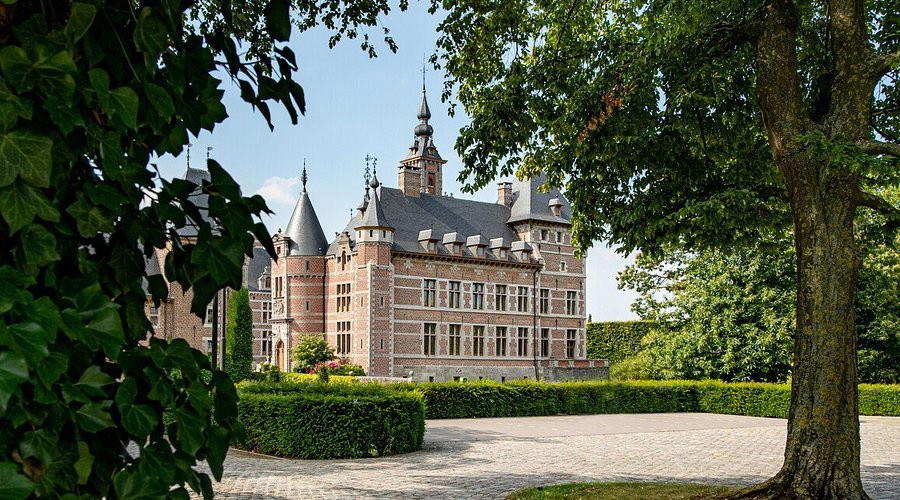
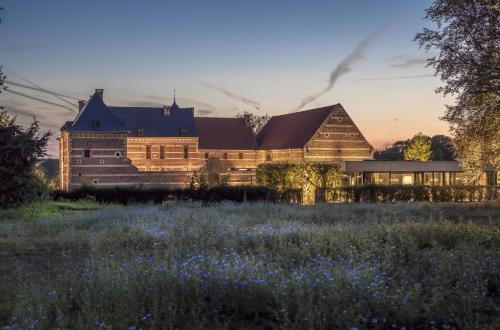
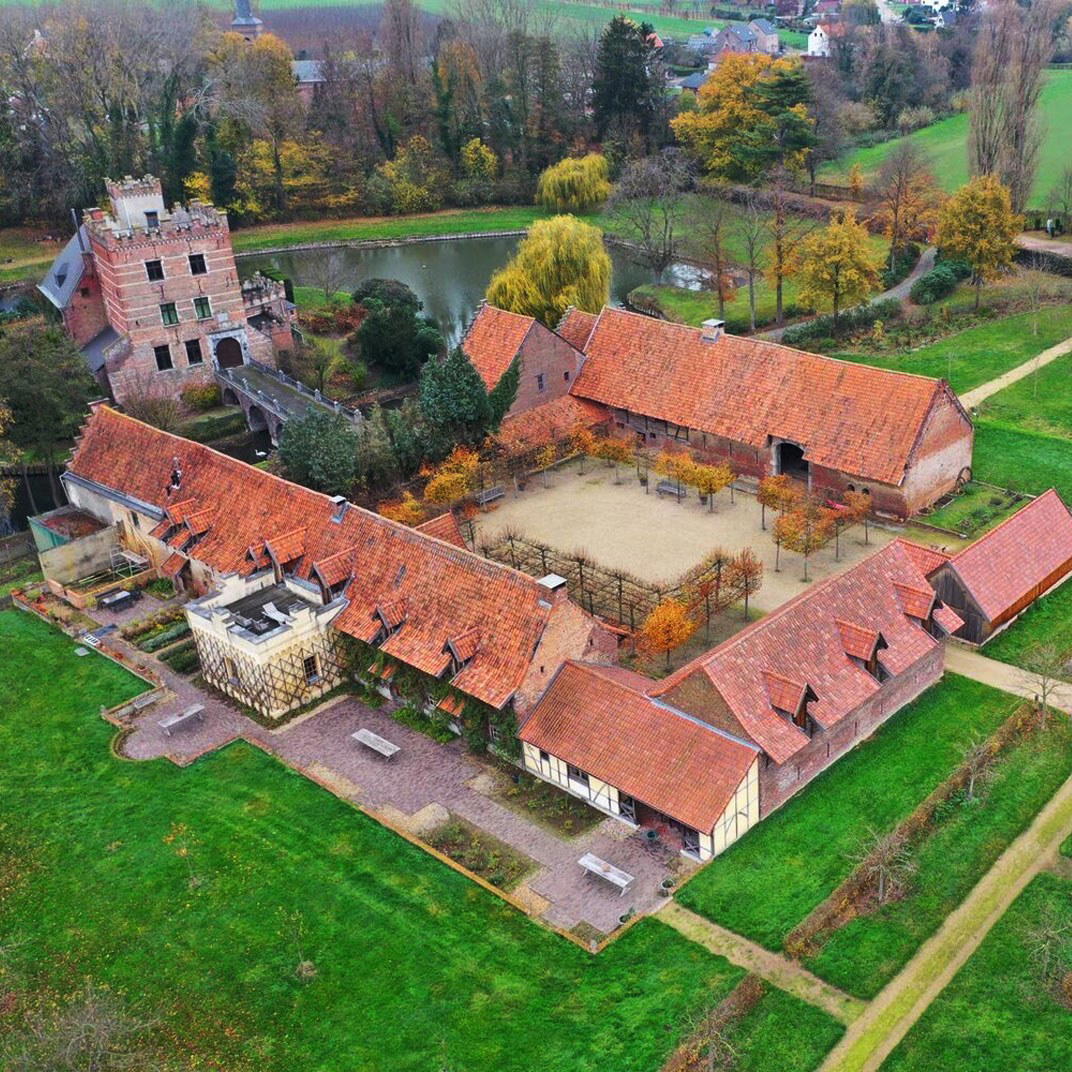
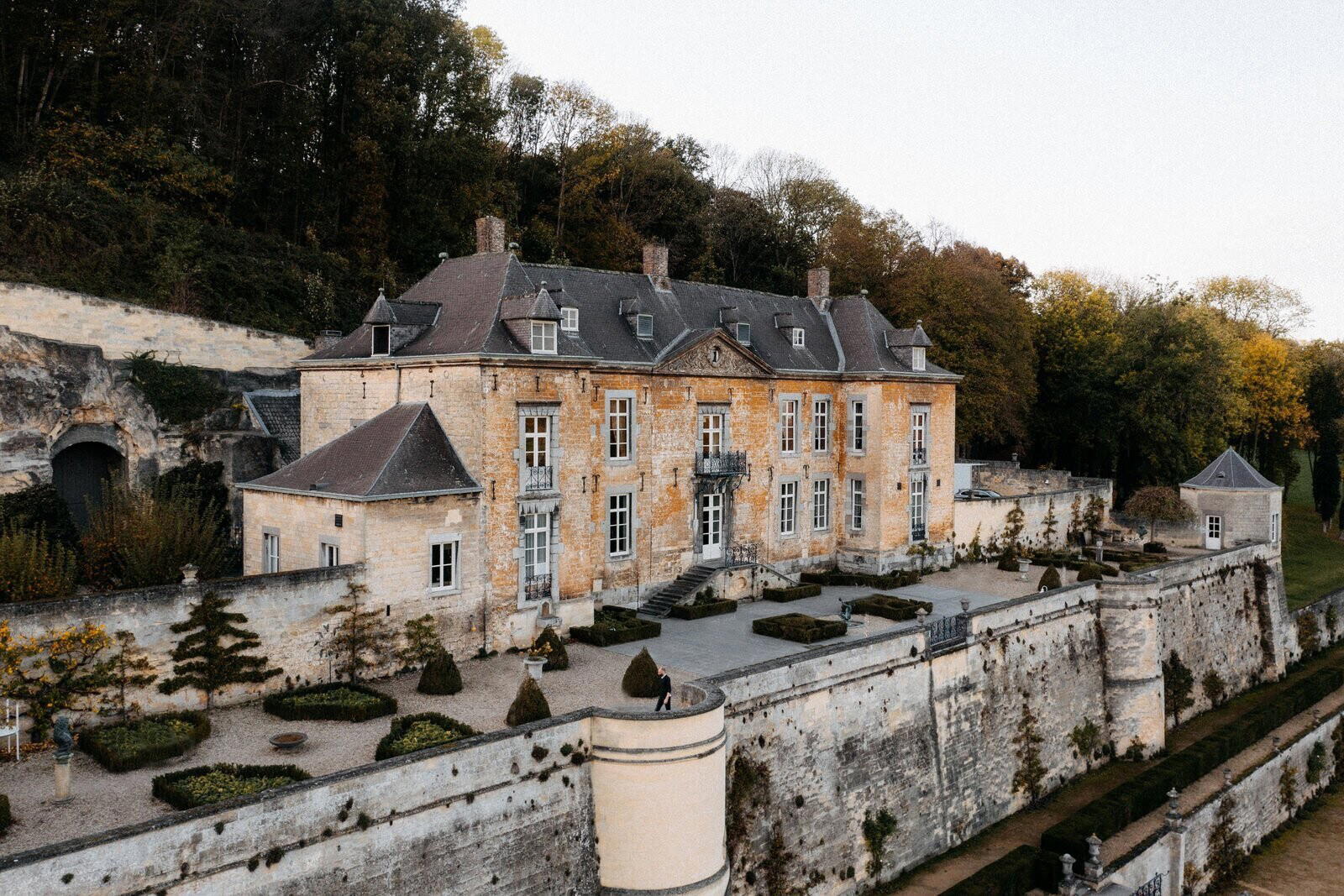
- Historic Building
- Beer Program
Current opening hours
- Monday
- 5 PM–12 AM
- Tuesday
- 5 PM–12 AM
- Wednesday
- Closed
- Thursday
- 5 PM–12 AM
- Friday
- 5 PM–12 AM
- Saturday
- 5 PM–12 AM
- Sunday
- 11:30 AM–12 AM
Hours can change for holidays and private events. Last verified .
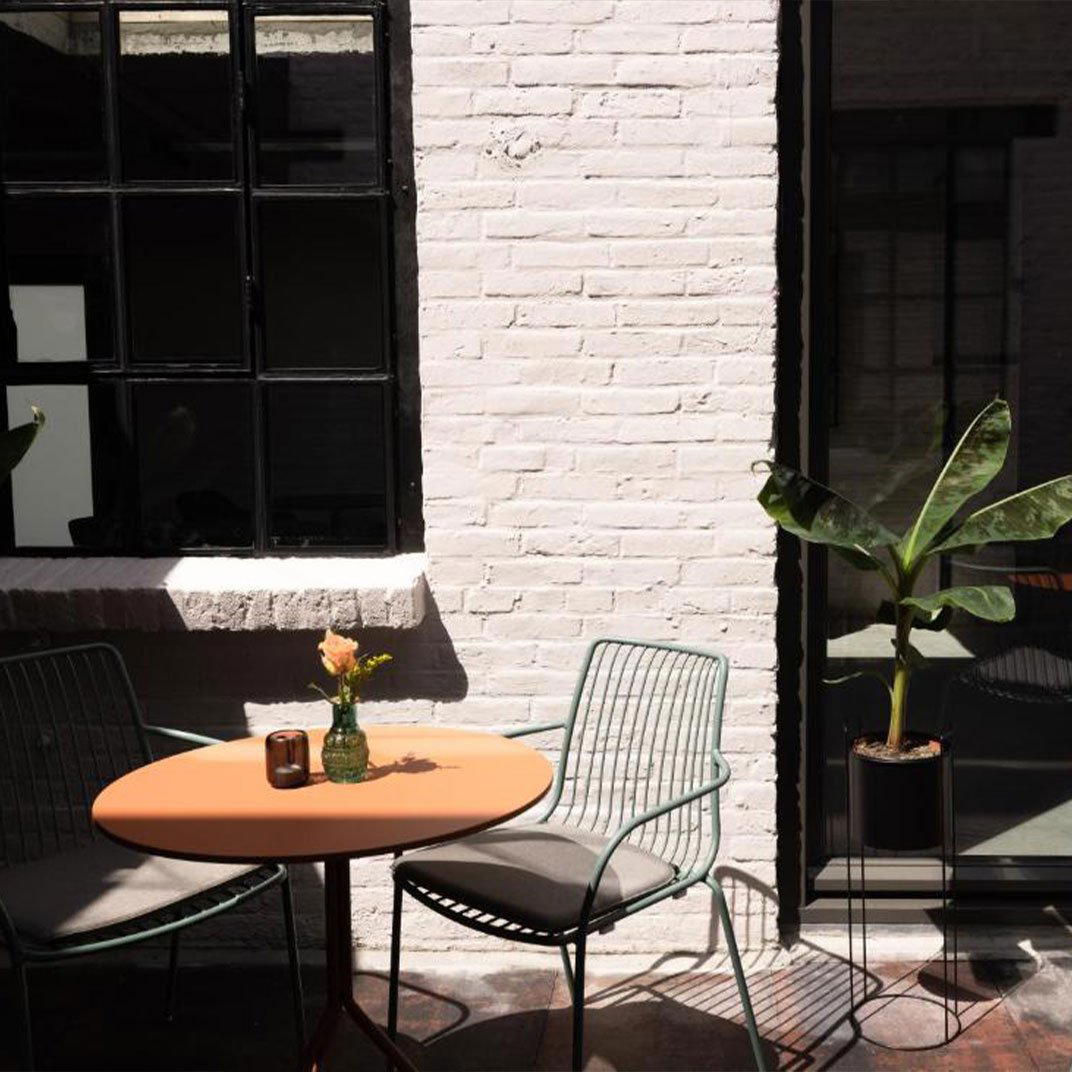
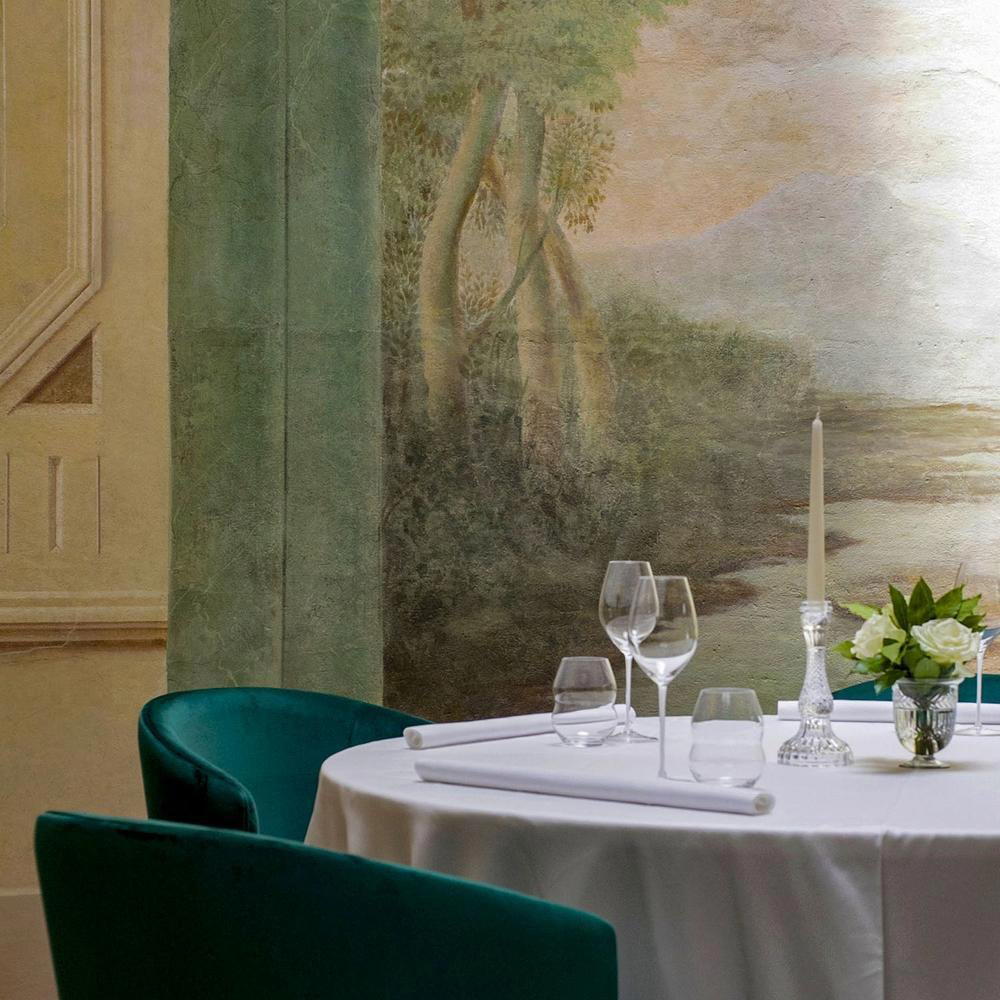
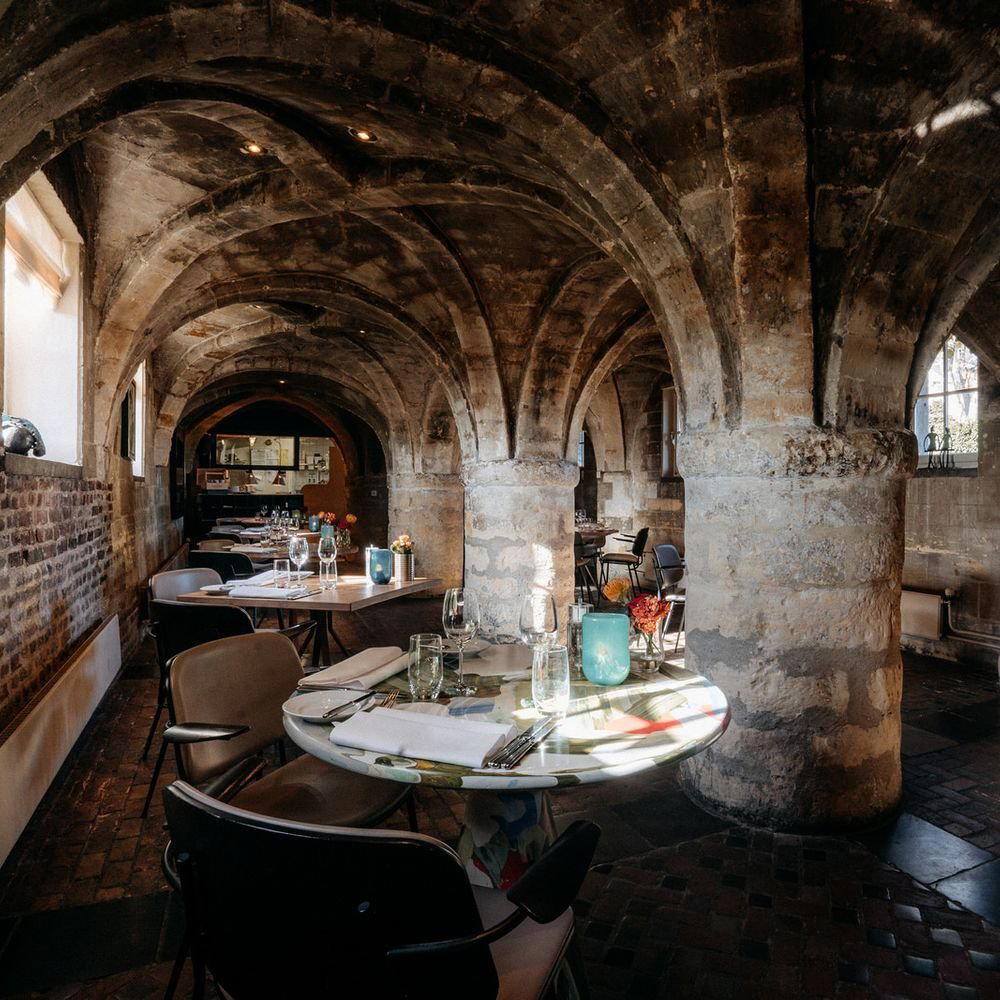
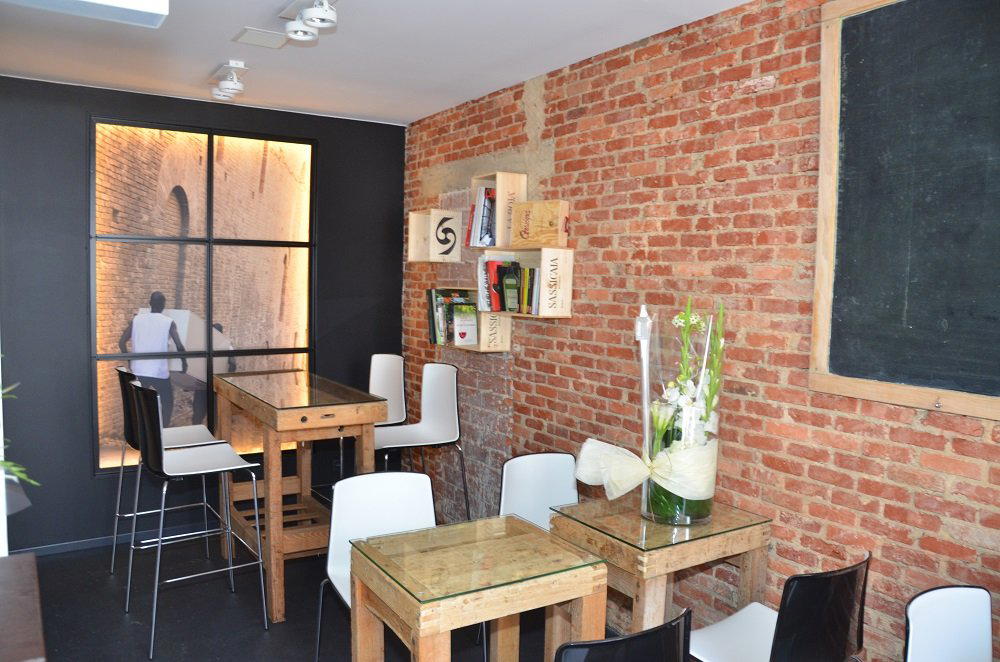
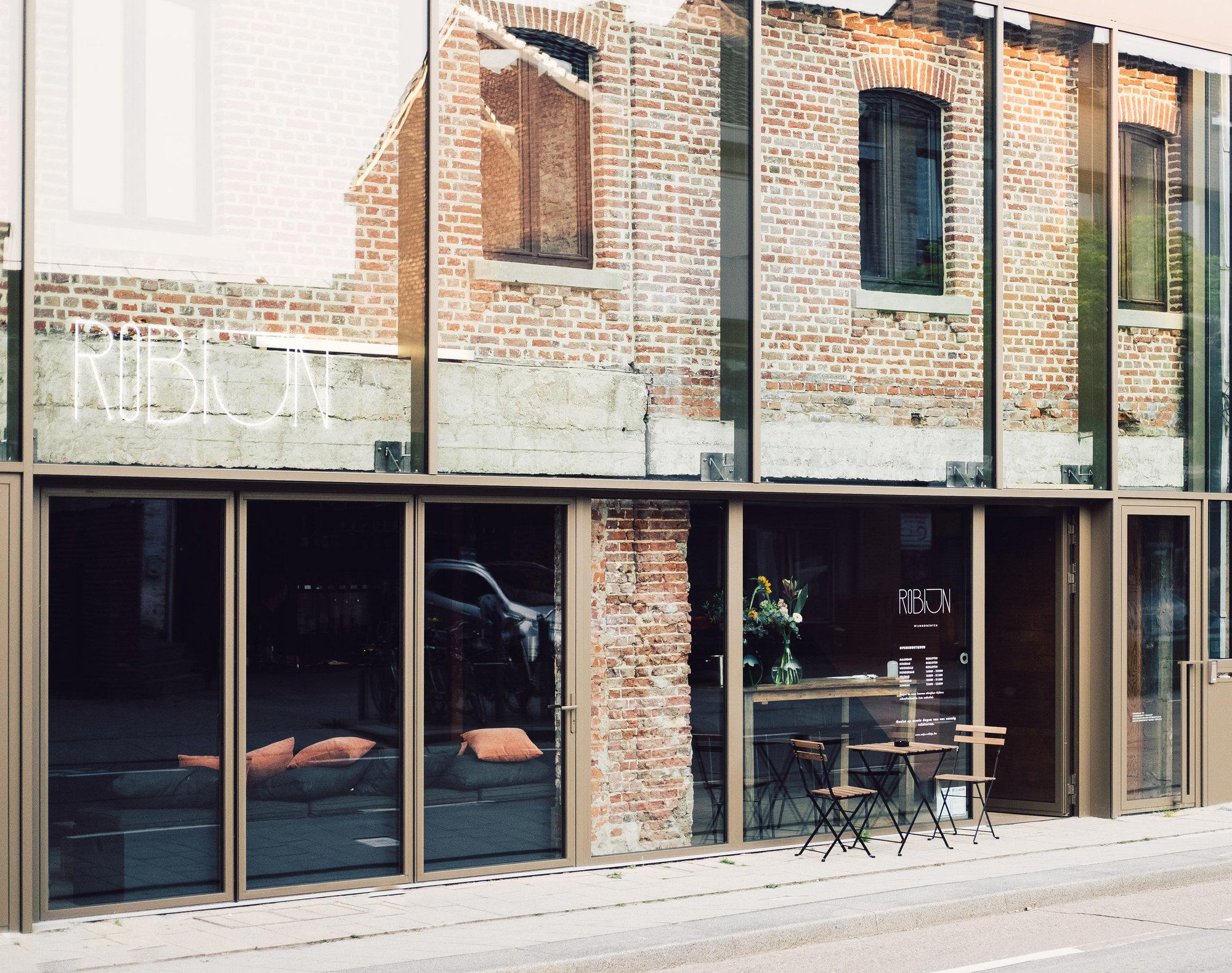
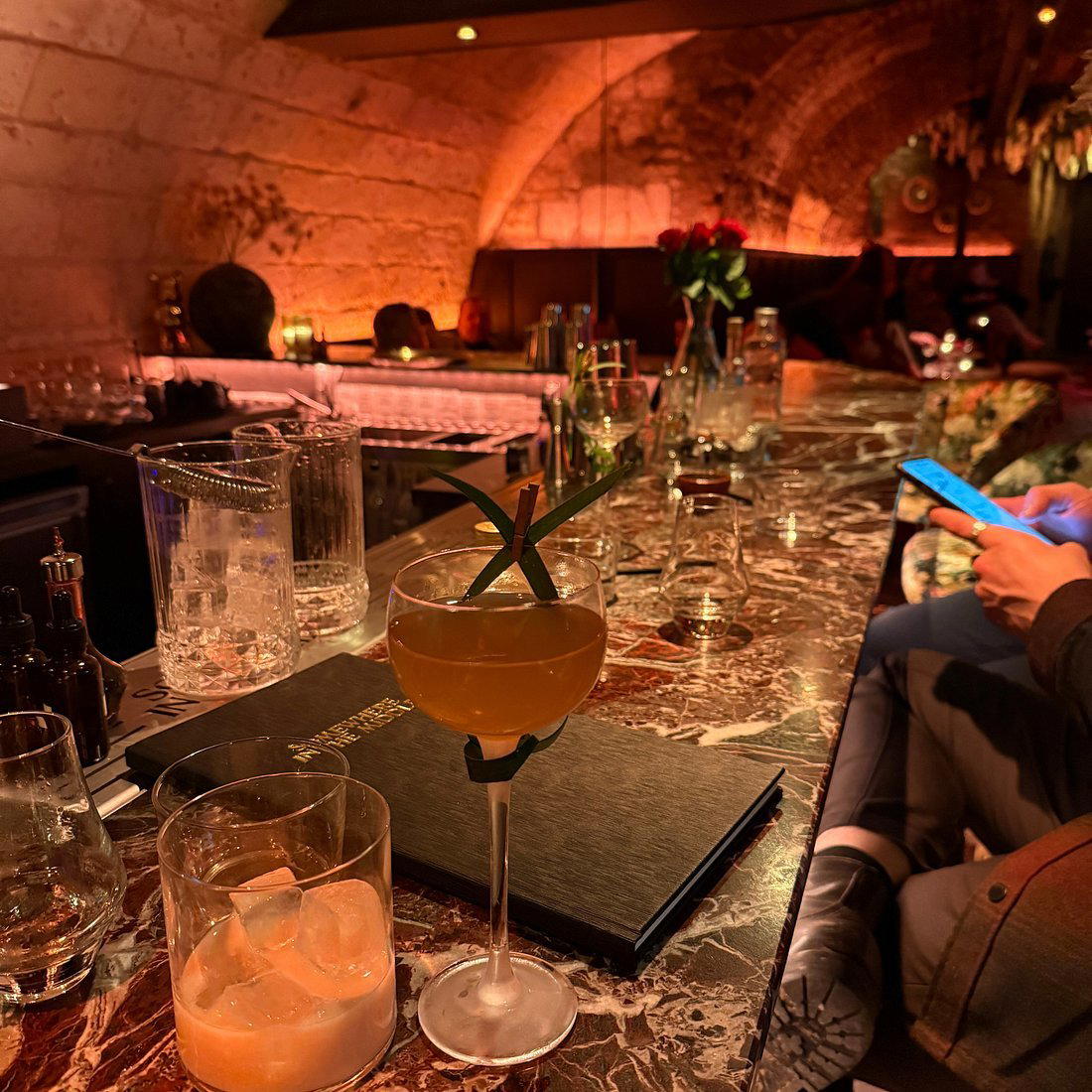
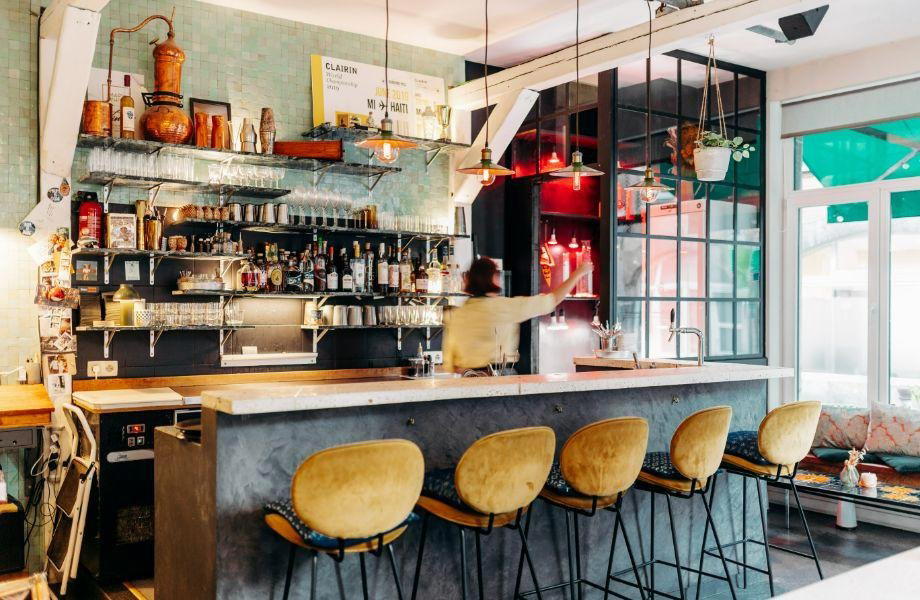
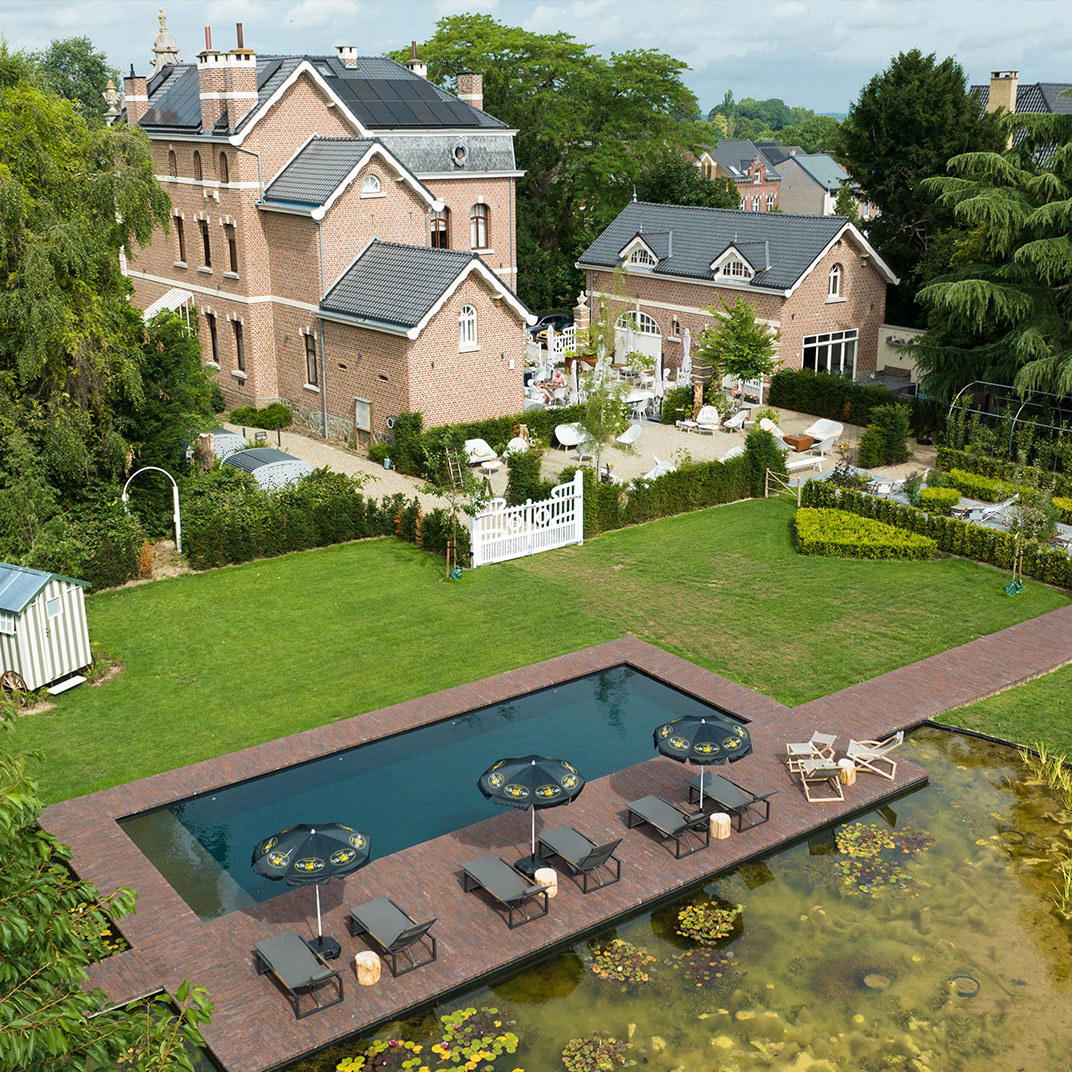
warm and welcoming atmosphere in historic pand with terrace seating