Our verdict
De Loteling occupies a quiet address on Willibrordusweg in Maaseik, a small Flemish city on the Meuse that punches above its size for serious dining. Positioned within a local scene that includes modern cuisine addresses like Bienvenue and neighbourhood fixtures such as Bonaparte and De Bokkerijder, De Loteling draws visitors willing to travel for a considered meal in an unhurried setting away from Belgium's main restaurant corridors.

Pearl is the En Primeur Club membership app, where members save venues, book tables and use the concierge.
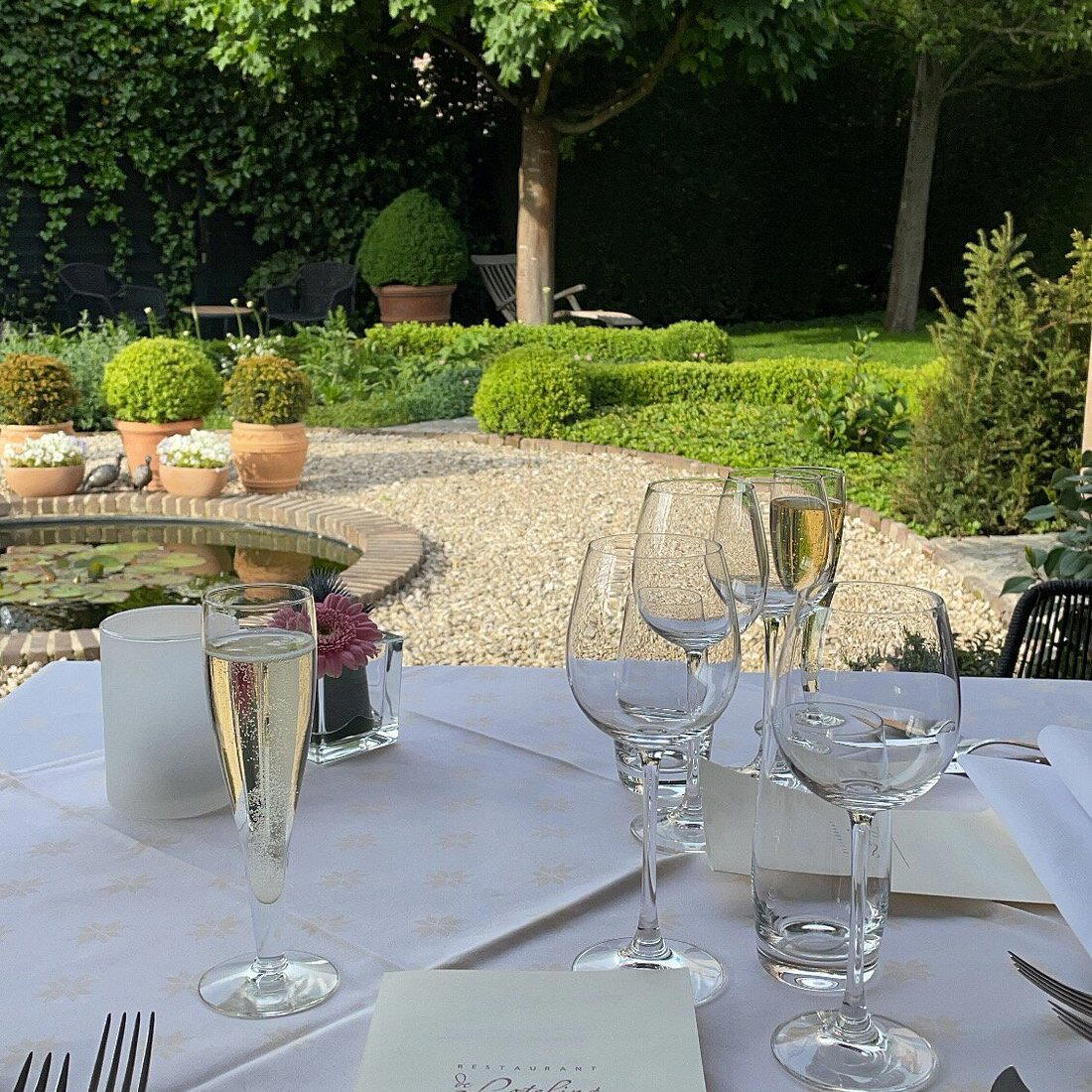
Maaseik and the Case for Eating Away from the Centre
Belgium's restaurant conversation defaults quickly to Brussels, Antwerp, and Ghent. The country's decorated houses in those cities, from Zilte in Antwerp to Vrijmoed in Gent, draw international attention and set the benchmark for what Belgian fine dining looks like at its most polished. But a quieter pattern has been building in smaller Flemish towns, where dining rooms operate at a pace and scale that the cities can rarely sustain. Maaseik, pressed against the Dutch border in the far northeast of Limburg province, belongs to that pattern.
The city is small enough that its restaurant scene fits on a short list, but that compactness produces its own editorial interest. When a town of this size maintains several serious addresses, the cumulative effect tells you something about the local appetite for quality over convenience. De Loteling, at Willibrordusweg 5 on the edge of the city, sits within that constellation alongside Bienvenue (Modern Cuisine), Bonaparte, De Bokkerijder, d'Olivio, and Gastronomia Inglima. Each address occupies a slightly different register, and together they make a compelling argument for Maaseik as a dining destination worth the detour.
The Willibrordusweg Address: What the Location Signals
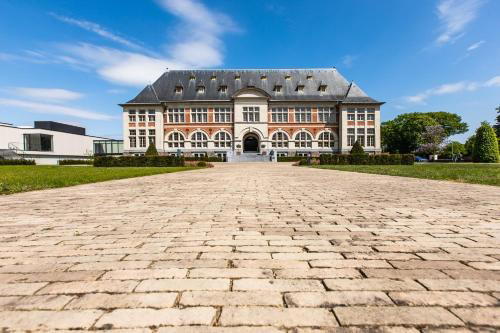
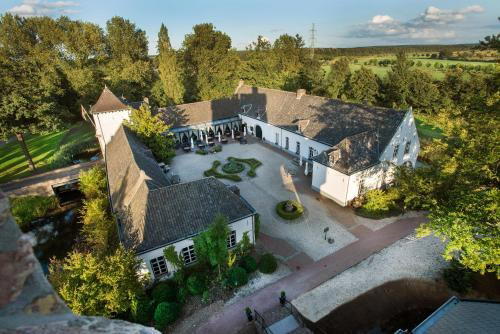
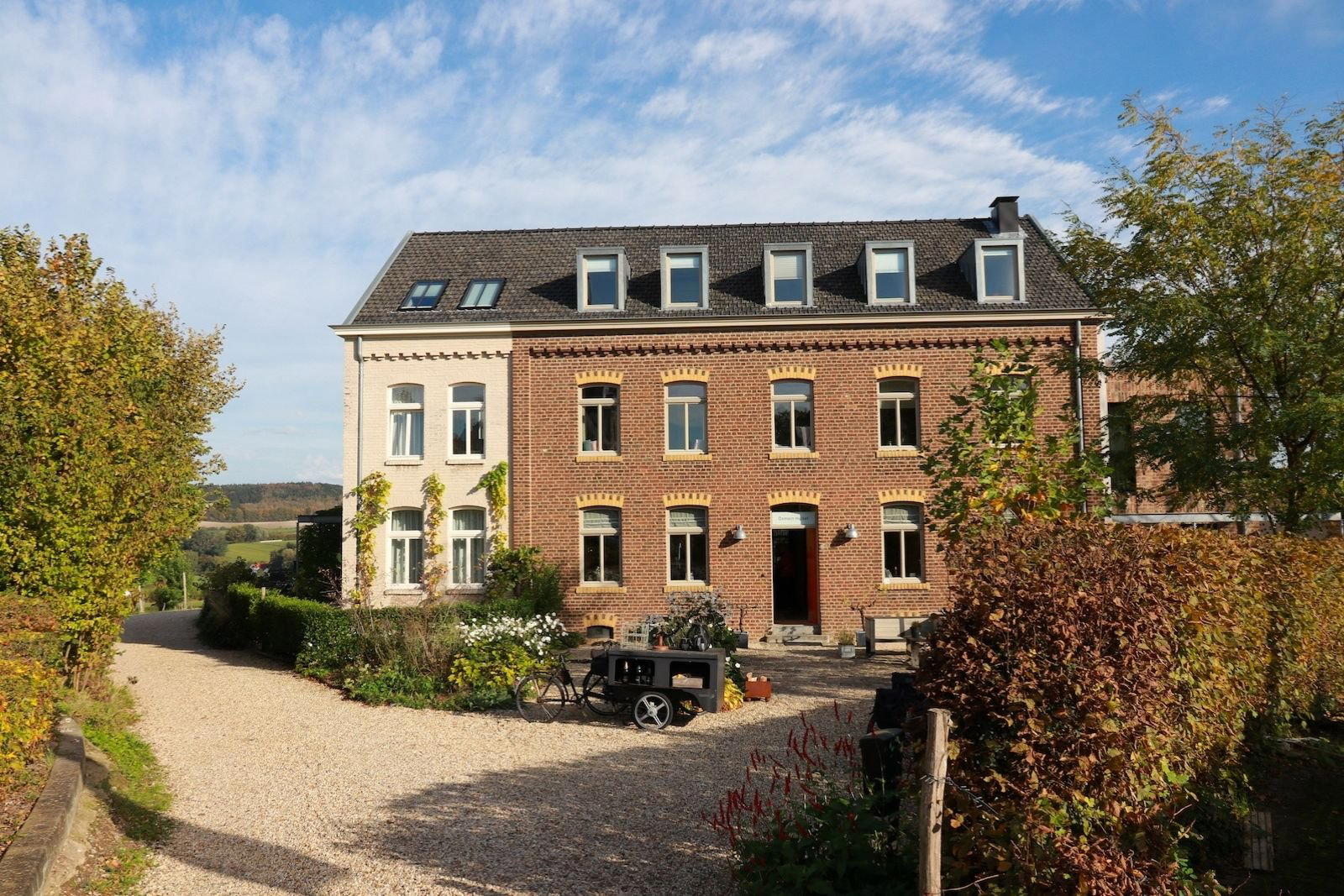
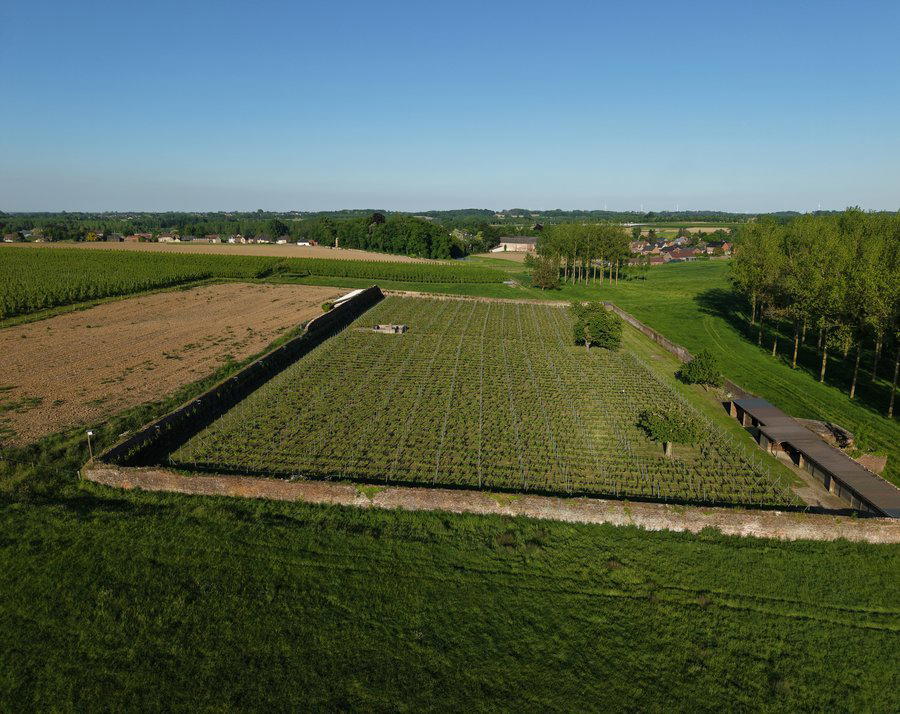
The address itself carries information. Willibrordusweg sits outside the immediate centre of Maaseik, the kind of location that a destination restaurant in a small city often occupies by choice rather than necessity. In this corner of Limburg, the built environment is modest and the surroundings run to flat agricultural land bordering the Meuse floodplain. There is no urban backdrop to frame the approach, no neighbourhood foot traffic to fill tables with passersby. A room in this position fills because people plan to be there, not because they happened past.
That dynamic shapes the dining experience in ways that are difficult to replicate in a city centre. Tables turn more slowly. The ratio of intention to spontaneity skews heavily toward the former. Guests at addresses like this tend to have thought about the meal before arriving, and kitchens in these locations typically calibrate their offer accordingly. Across Belgian dining, properties that have deliberately chosen peripheral or rural positions often signal a commitment to the food itself rather than to the commercial logic of high footfall. The same tendency shows up in very different registers elsewhere in the country, from Hof van Cleve in Kruishoutem to Willem Hiele in Oudenburg.
Limburg's Dining Character and the Broader Belgian Northeast
Flemish Limburg has long operated in the shadow of Antwerp and Ghent for culinary recognition, but the province has been developing a more legible dining identity over the past decade. The proximity to the Netherlands and Germany introduces cross-border influences that don't register as strongly in the western provinces. Ingredients, references, and guest profiles all carry traces of that geographic position. Maaseik, as the northernmost significant town in the province along the Meuse, sits at the edge of this influence zone.
For visitors driving from the Dutch side of the border, Maaseik reads as an accessible Belgian dining destination with a significantly lower profile than Antwerp or Brussels, which is part of the appeal. The same journey calculus applies from Hasselt, the provincial capital roughly 45 kilometres to the southwest, or from Liège, about 60 kilometres south via the Meuse valley. Reaching De Loteling by car is the practical default given the limited public transport connections to this part of Limburg. For those approaching from farther afield, the combination of Maaseik's full dining scene and the surrounding Haspengouw and Maasland countryside makes the trip more than a single-restaurant proposition. The full Maaseik restaurants guide covers the wider scene.
In the broader Belgian context, the northeast has produced some distinctive dining voices operating outside the recognised circuits, from addresses like Cuchara in Lommel and Ralf Berendsen in Neerharen to the Walloon counterpart at d'Eugénie à Emilie in Baudour. These are rooms that reward planning rather than impulse, and De Loteling occupies a comparable position in Maaseik's local hierarchy.
Planning Your Visit
De Loteling's address at Willibrordusweg 5 places it at the edge of the Maaseik urban area, making a car the most practical way to arrive. Direct contact details and current booking information are best confirmed through local search or the venue directly, as operational specifics change. The broader Maaseik dining scene rewards a stay of at least one night, which allows the meal to sit within a more considered itinerary rather than functioning as a single stop. The town's historical centre, one of the best-preserved in the Belgian northeast, provides the surrounding context that makes the region worth the journey in the first place.
For those building a longer Belgian dining itinerary, Maaseik pairs logically with stops at Boury in Roeselare, La Durée in Izegem, or Bozar Restaurant in Brussels depending on routing. Internationally, the approach De Loteling represents, a considered room in a small city that requires deliberate travel, aligns with how a venue like Lazy Bear in San Francisco or Le Bernardin in New York City functions as a destination in a different key: the commitment to getting there is part of the contract.
Frequently asked questions
What's the address for De Loteling?
De Loteling is located at Willibrordusweg 5, 3680 Maaseik, Belgium, Maaseik.
Is De Loteling in Maaseik a good option for a special occasion dinner in Flemish Limburg?
De Loteling's address at Willibrordusweg 5 on the edge of Maaseik places it among the small number of destination-oriented restaurants operating in Flemish Limburg, a province with a developing but still under-documented dining identity. For a special occasion, the out-of-centre location and deliberate journey involved suit a sit-down event rather than a casual meal.
What should I order at De Loteling?
No menu details are publicly documented for De Loteling at this time. The address on Willibrordusweg in Maaseik places it firmly in destination-restaurant territory, the kind of location where kitchens typically offer set or seasonal formats rather than à la carte. Contacting the venue directly before your visit is the reliable way to understand current offerings.
What's the best way to book De Loteling?
No phone number or website is currently listed in public records for De Loteling at Willibrordusweg 5, Maaseik. Arriving through a local concierge or searching for updated contact details closer to your visit date is the most practical route. Given the location outside the town centre, confirming your reservation in advance is advisable.
What has De Loteling built its reputation on?
De Loteling occupies a Willibrordusweg address on the edge of Maaseik, the kind of out-of-centre positioning that typically signals a venue drawing guests on destination rather than foot traffic alone. Within Flemish Limburg, a province that operates beneath Antwerp and Ghent in Belgium's culinary conversation, that positioning carries weight. No formal awards are currently documented in the public record.
What if I have allergies at De Loteling?
Allergy and dietary requirements should be communicated directly to De Loteling when booking, not managed on arrival. No public menu or ingredient documentation exists. Given Maaseik's position in Flemish Limburg and the restaurant's destination character, advance notice is the standard expectation at houses of this type.
Is a meal at De Loteling worth the investment?
No pricing data is publicly available for De Loteling, which makes a direct cost-benefit comparison difficult. What the Willibrordusweg address in Maaseik does indicate is that the venue operates as a deliberate destination, drawing guests away from Belgium's more publicised restaurant cities. Whether that trade-off, the drive into Flemish Limburg, the remove from central dining circuits, delivers is a question best answered by confirming the current format with the venue before you travel.
The Essentials
Comparable venues nearby, for context on price, style, and recognition.
| Venue | Cuisine | Price | Awards | Notes |
|---|---|---|---|---|
| De LotelingThis venue (the venue you are viewing) | Traditional Belgian Bistro | $50–100 | Not listed | Not listed |
| TIFFANY'S BY PASCAL | Contemporary Classical French-Belgian | $50–100 | Not listed | Maaseik, Contemporary Classical French-Belgian |
| De Bokkerijder | Traditional Belgian-French Brasserie | Not listed | Not listed | Marktplein, Traditional Belgian-French Brasserie |
| Ratatouille | Modern Belgian Gastronomic | $100–150 | Not listed | Maaseik, Modern Belgian Gastronomic |
| Smaakkamer Lavendel | French-Belgian with Eastern Influences | $50–100 | Not listed | Markt, French-Belgian with Eastern Influences |
| Bienvenue | Modern French-Belgian | $50–100 | Michelin Plate | Markt, Modern French-Belgian |
Continue exploring
More in Maaseik
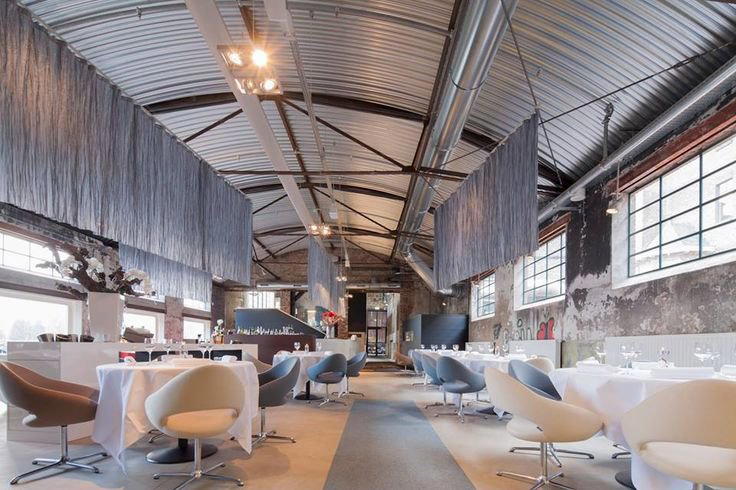
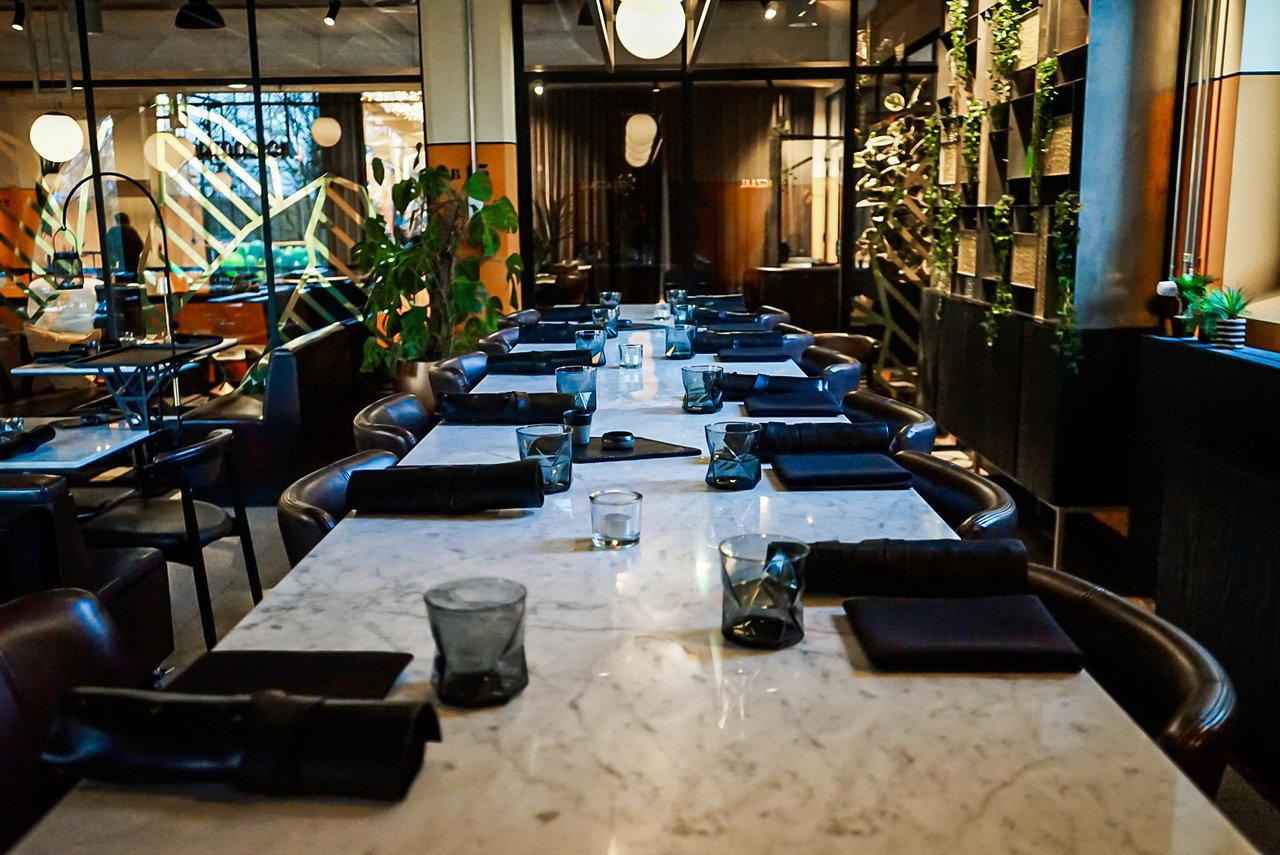
Restaurants in Maaseik
All restaurants in Maaseik →
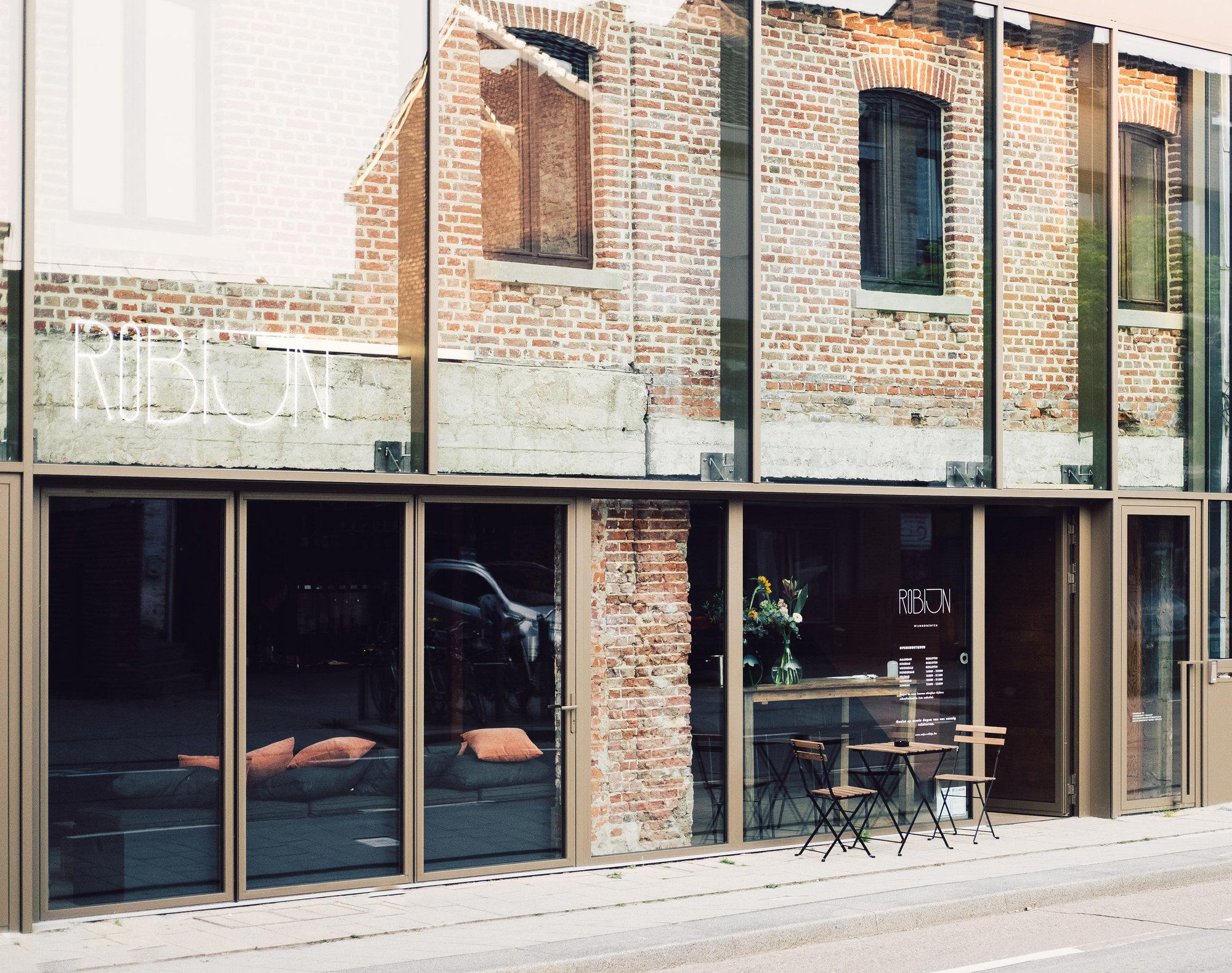
Bars in Maaseik
Browse all →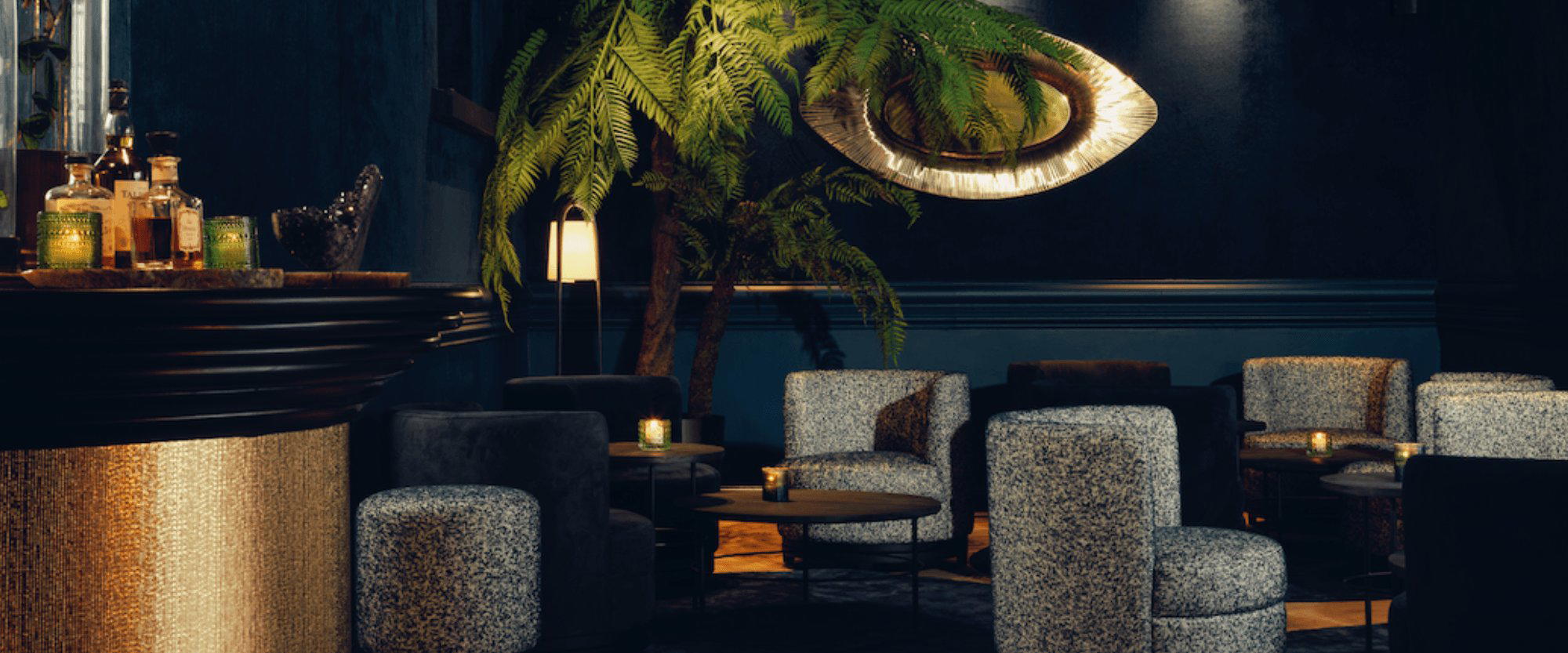

Details
- Cozy
- Romantic
- Rustic
- Date Night
- Special Occasion
- Terrace
- Garden
- Garden
- A La Carte
Current opening hours
- Monday
- 12–3 PM, 6–11 PM
- Tuesday
- Closed
- Wednesday
- Closed
- Thursday
- 12–3 PM, 6–11 PM
- Friday
- 12–3 PM, 6–11 PM
- Saturday
- 12–3 PM, 6–11 PM
- Sunday
- 12–3 PM, 6–11 PM
Hours can change for holidays and private events. Hours as of .
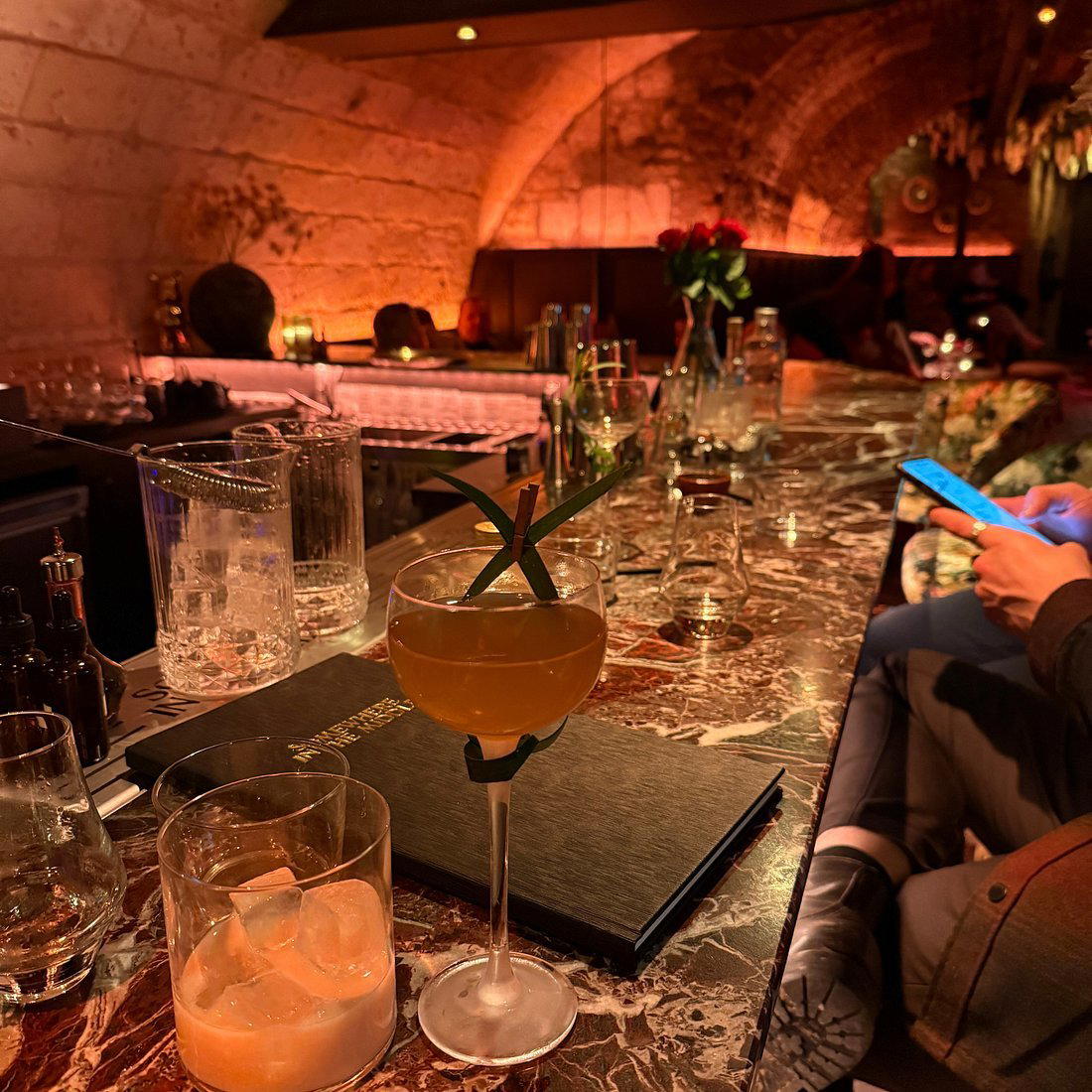
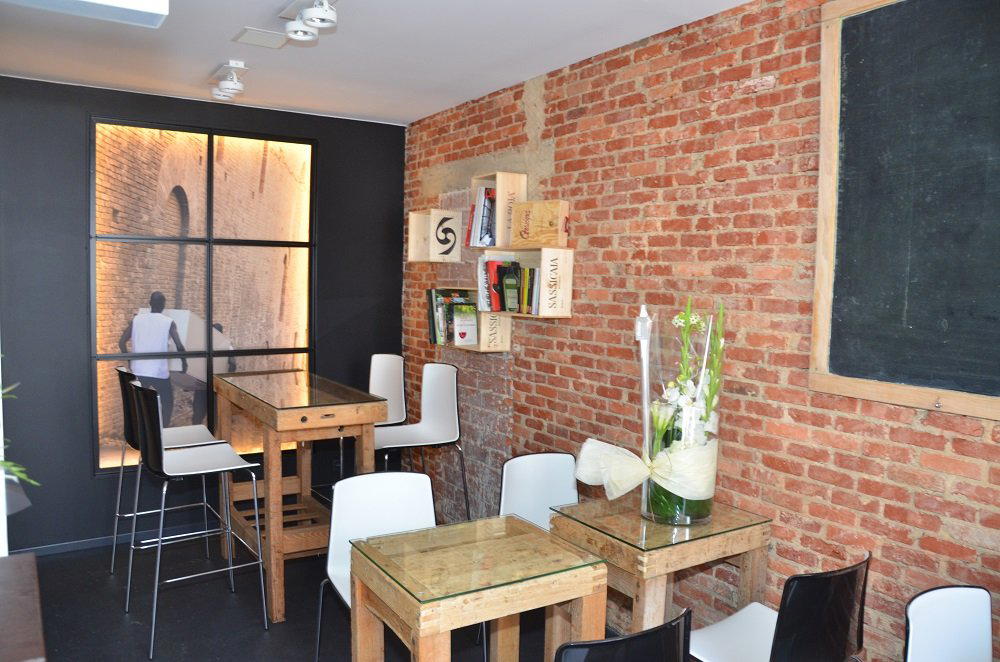
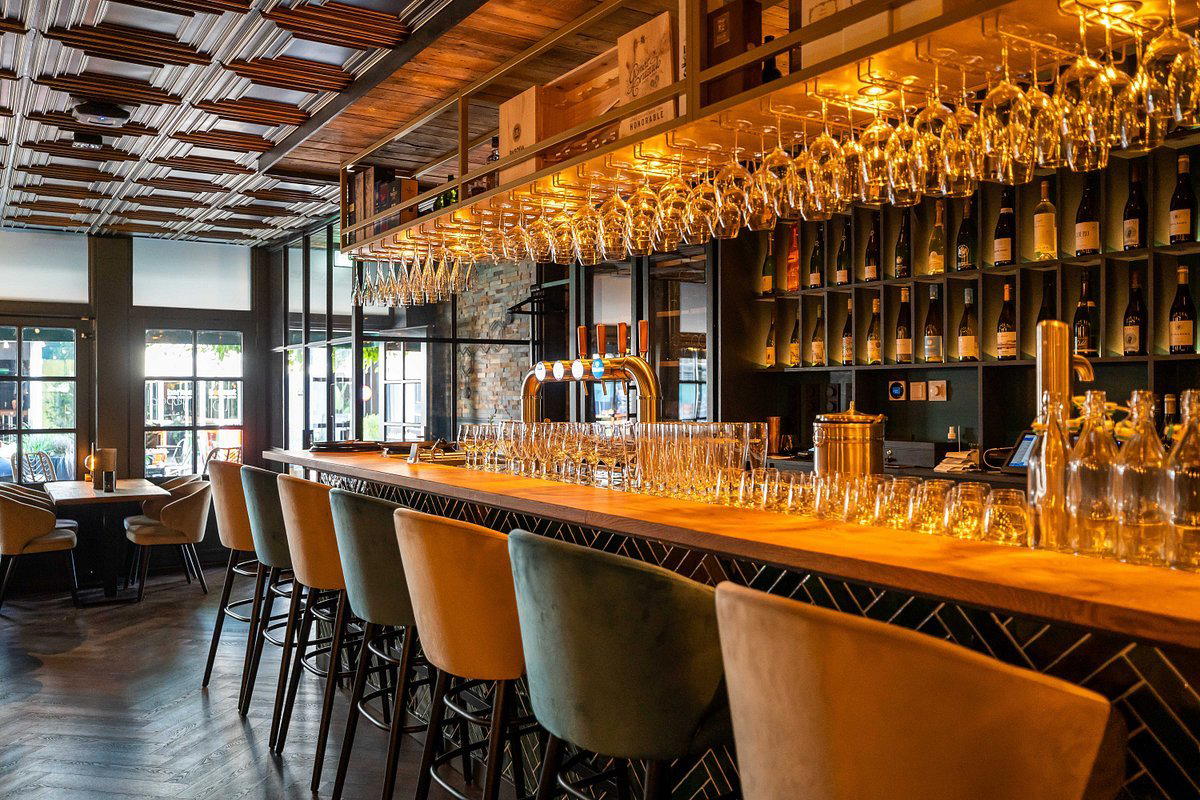
Serene and pleasant atmosphere, candlelit in winter and garden terrace in summer.