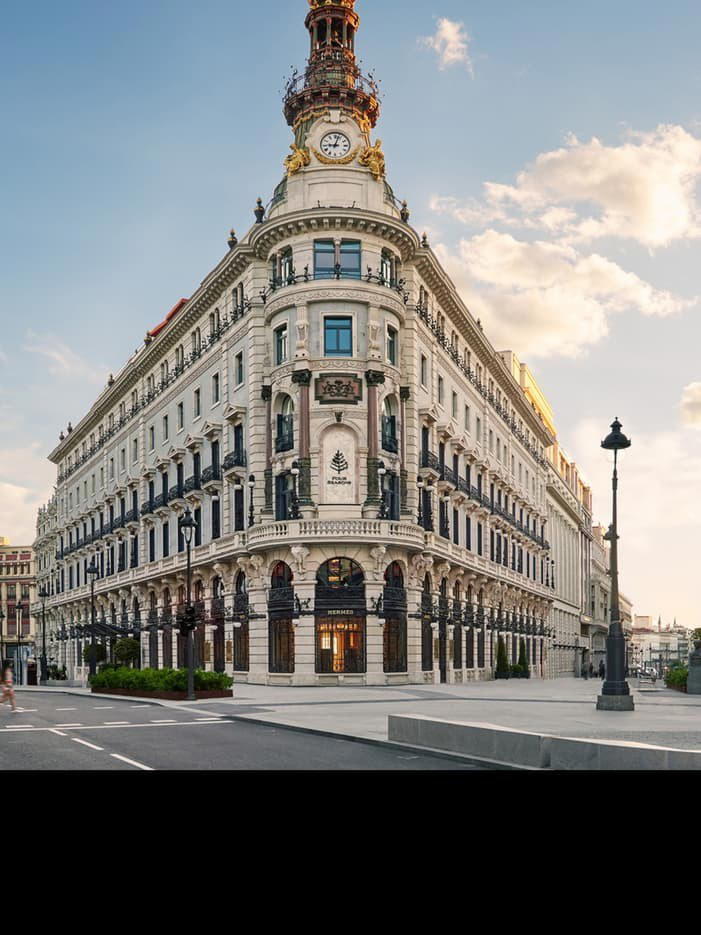
Gran Vía 18 sits on Madrid's most theatrically designed boulevard, where the architecture alone commands attention before you reach the door. The address places it inside a Centro dining corridor that has quietly accumulated some of the city's most visited tables. For regulars who know the street, the number matters as much as the name.
Pearl is the En Primeur Club membership app — saves, bookings, and concierge access live there. Same editors, same standards.
- Address
- Gran Vía, 18, Centro, 28004 Madrid, Spain
- Phone
- +34608511933
- Website
- granvia18restaurante.com
- Directions
- Get directions
 Saves & bookings on Pearl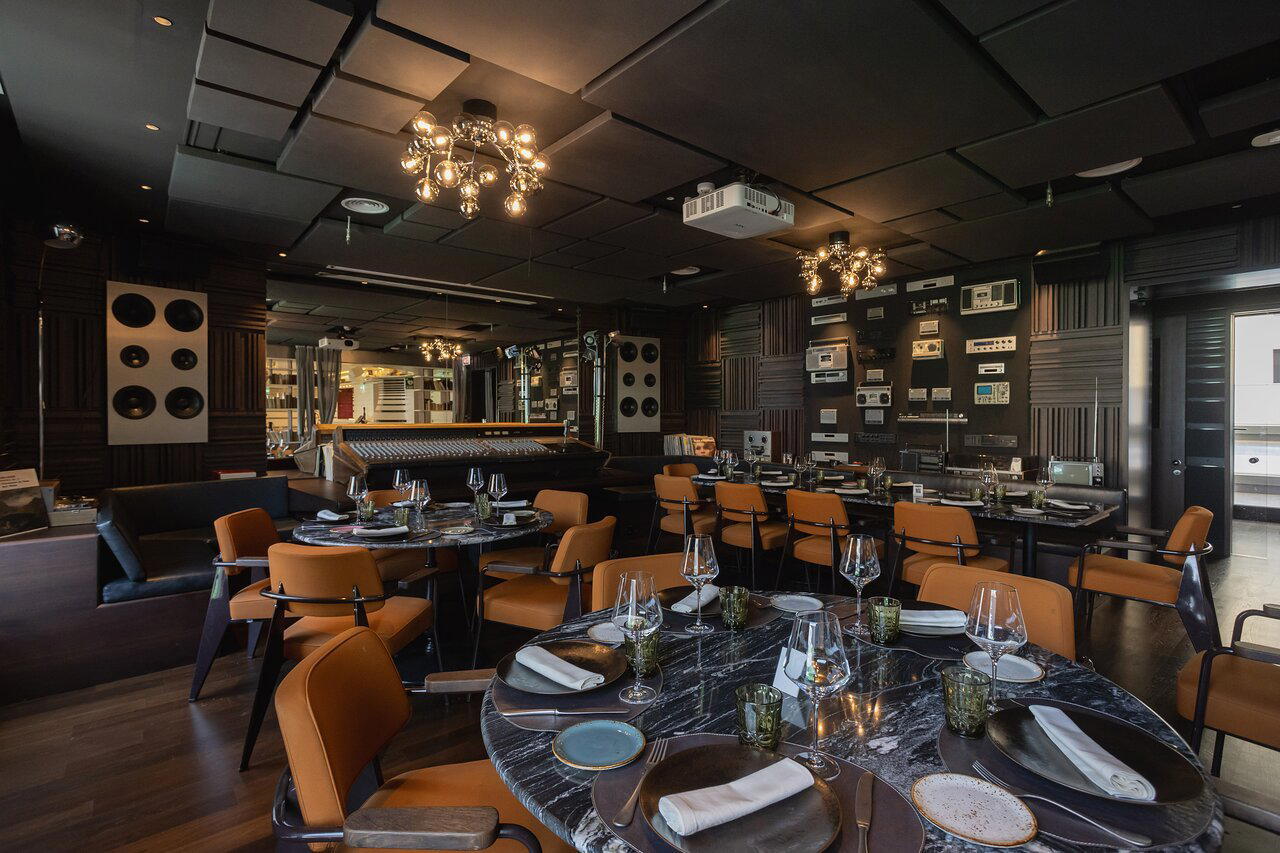
The Boulevard That Became a Dining Reference Point
Gran Vía is not a street you wander down by accident. Madrid's most architecturally dense corridor, running west from Cibeles toward Plaza de España, was purpose-built in the early twentieth century as a statement of urban modernity, and the buildings that line it have never stopped performing. The address Gran Vía, 18 sits in the eastern stretch of that boulevard, where the density of foot traffic, heritage facades, and accumulated hospitality history makes the street number itself a locating signal for anyone who knows the city well. In Madrid's dining geography, Centro addresses on this corridor carry a particular weight: high visibility, high expectation, and a clientele that ranges from local professionals to international visitors who treat the avenue as a first orientation point.
The regulars' relationship with a place on Gran Vía is different from the relationship that forms around a tucked-away Malasaña counter or a Salamanca institution. The boulevard is exposed, declarative, and busy in all seasons. Tables here earn loyalty not through obscurity but through consistency under pressure, through a room that holds its character even when it is full, and through a kitchen that does not drift when the tourist numbers peak in summer or thin out in January. That kind of sustained reliability is what keeps a regular returning to the same address on one of the most competitive dining streets in the Spanish capital.
What the Street Tells You About the Room
Centro's dining identity has shifted over the past decade. The neighbourhood that once functioned primarily as a transit zone for visitors heading toward the Prado or the Retiro has developed a more layered hospitality offer, with addresses that hold their own against the Chamberí and Salamanca tables that Madrid's food press has historically favoured. Gran Vía itself has been part of that rebalancing. The street's upper tiers now sit alongside creative Spanish addresses that compete for the same informed diner: DSTAgE and Deessa have established that Madrid's most interesting cooking is no longer concentrated in a single postcode, and the pressure that creates across the city's broader restaurant offer is visible in how addresses on corridors like Gran Vía position themselves.
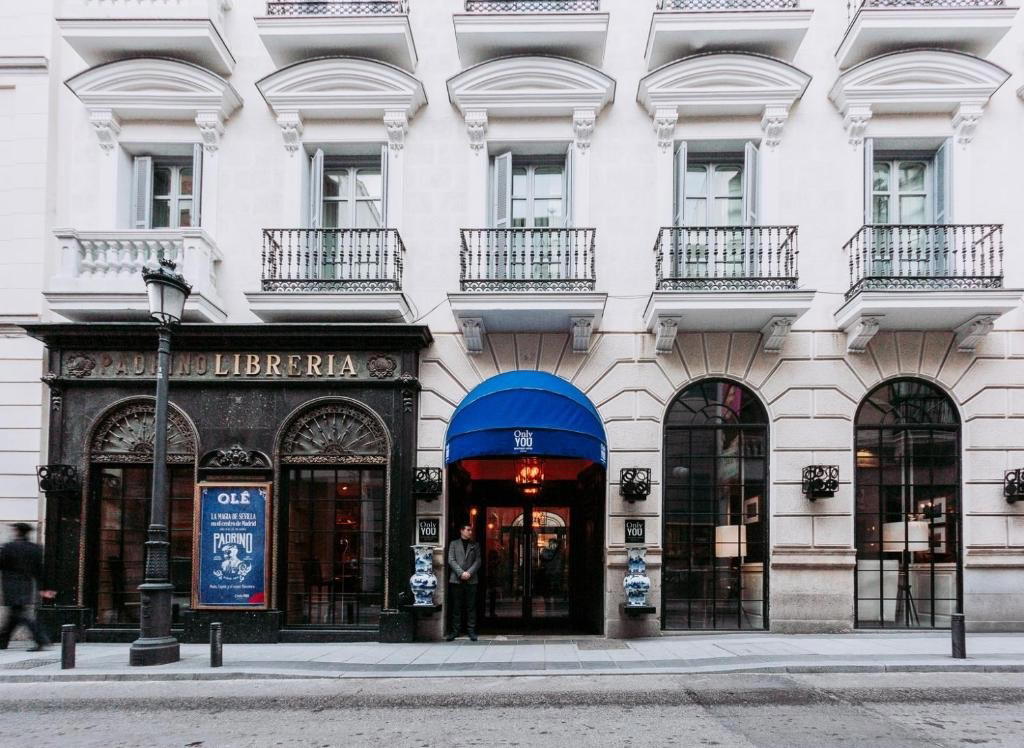
At number 18, the physical context matters. Buildings along this stretch include several protected heritage structures, and the interplay between a grand exterior and whatever dining format occupies the ground floor or interior creates an atmospheric expectation before a guest sits down. Madrid regulars who return to an address in this part of the city are often as responsive to the room as they are to the plate, because the city has trained them to read both together.
The Regulars' Logic
In any high-traffic boulevard address, the distinction between transient custom and a genuine regular clientele is telling. Transient traffic rewards novelty and name recognition. Regulars reward something harder to manufacture: the sense that the kitchen knows what it is doing and does not need to prove it differently each week. Madrid's dining culture, shaped by long lunch traditions and a late-dinner calendar that runs closer to ten or eleven in the evening than the European norm, tends to produce regulars who treat their preferred tables as social infrastructure rather than occasional treats.
The broader Madrid scene offers strong contextual pressure here. At the upper end of the city's creative cooking, venues like DiverXO, Coque, and Paco Roncero operate with reservation windows that run months ahead and price points that place them firmly in occasion-dining territory. Spain's broader fine-dining geography, from El Celler de Can Roca in Girona to Arzak in San Sebastián and Mugaritz in Errenteria, sets a high comparative bar for any address that wants to hold informed Spanish diners. Within that context, a Gran Vía address earns its regulars through what it offers that the occasion-dining tier does not: accessibility, frequency of visit, and a room that functions as part of the city's daily rhythm rather than a punctuation mark in an annual calendar.
Madrid's Dining Coordinates and Where Gran Vía Fits
Understanding Gran Vía, 18 requires placing it inside Madrid's full dining map. The city has produced a cluster of internationally recognised addresses over the past two decades that have changed how Spain's capital is perceived relative to Barcelona and the Basque Country. Martin Berasategui in Lasarte-Oria, Azurmendi in Larrabetzu, and Cocina Hermanos Torres in Barcelona are the external reference points against which Madrid's ambitions are measured. Within the city itself, addresses like Deessa and DSTAgE represent the creative tier that has pulled critical attention inward toward Centro and Chamberí.
Gran Vía, 18 occupies a position that is legible to anyone who reads the street number as a coordinate rather than just an address. The eastern end of the boulevard, closer to the Banco de España and the cultural institutions along Paseo del Prado, attracts a different visitor profile than the western blocks near Plaza de España. The concentration of theatres, historic cinemas, and hotel bars along the central and eastern Gran Vía has historically supported a dining culture that favours rooms with character over rooms that prioritise technical minimalism. That context shapes what a regular at number 18 is likely to value and return for.
For visitors building a Madrid itinerary that extends beyond the city's Michelin-tracked addresses, the full guide at our Madrid restaurants section maps the broader landscape. For those with an appetite for Spain's wider fine-dining circuit, Quique Dacosta in Dénia, Aponiente in El Puerto de Santa María, Ricard Camarena in València, and Atrio in Cáceres offer comparison points that span the peninsula's range. Internationally, the standard-setting model for a high-volume address that retains critical credibility can be found in places like Le Bernardin in New York City and Atomix, also in New York, each operating in a high-footfall urban environment where consistency across service is the primary proof of seriousness.
Know Before You Go
- Address: Gran Vía, 18, Centro, 28004 Madrid, Spain
- Neighbourhood: Centro, eastern Gran Vía corridor
- Getting There: Metro lines 1, 5 stop at Gran Vía station; the address is within a few minutes on foot from the exit
- Booking: Contact details not currently listed; walk-in availability depends on time of day and season
- Price Range: Not currently confirmed; check on arrival or via the venue directly
- Hours: Not confirmed; verify before visiting, particularly around public holidays
How Gran Vía 18 Madrid compares with similar nearby venues.
| Venue | Cuisine |
|---|---|
| Angelita Madrid | Wine Bar |


At a Glance
- Modern
- Trendy
- Elegant
- Date Night
- Group Dining
- Brunch
- Rooftop
- Panoramic View
- Skyline
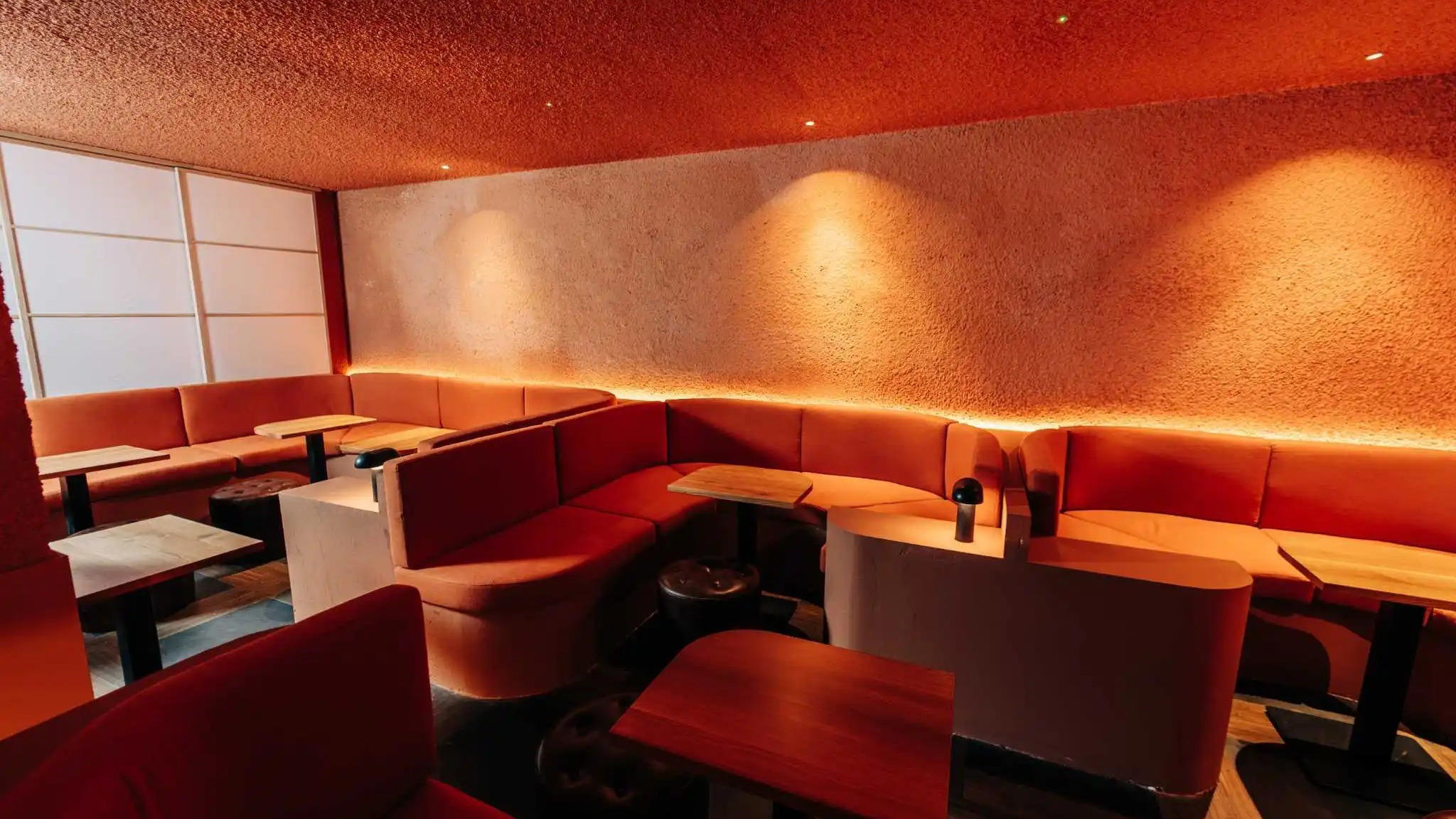
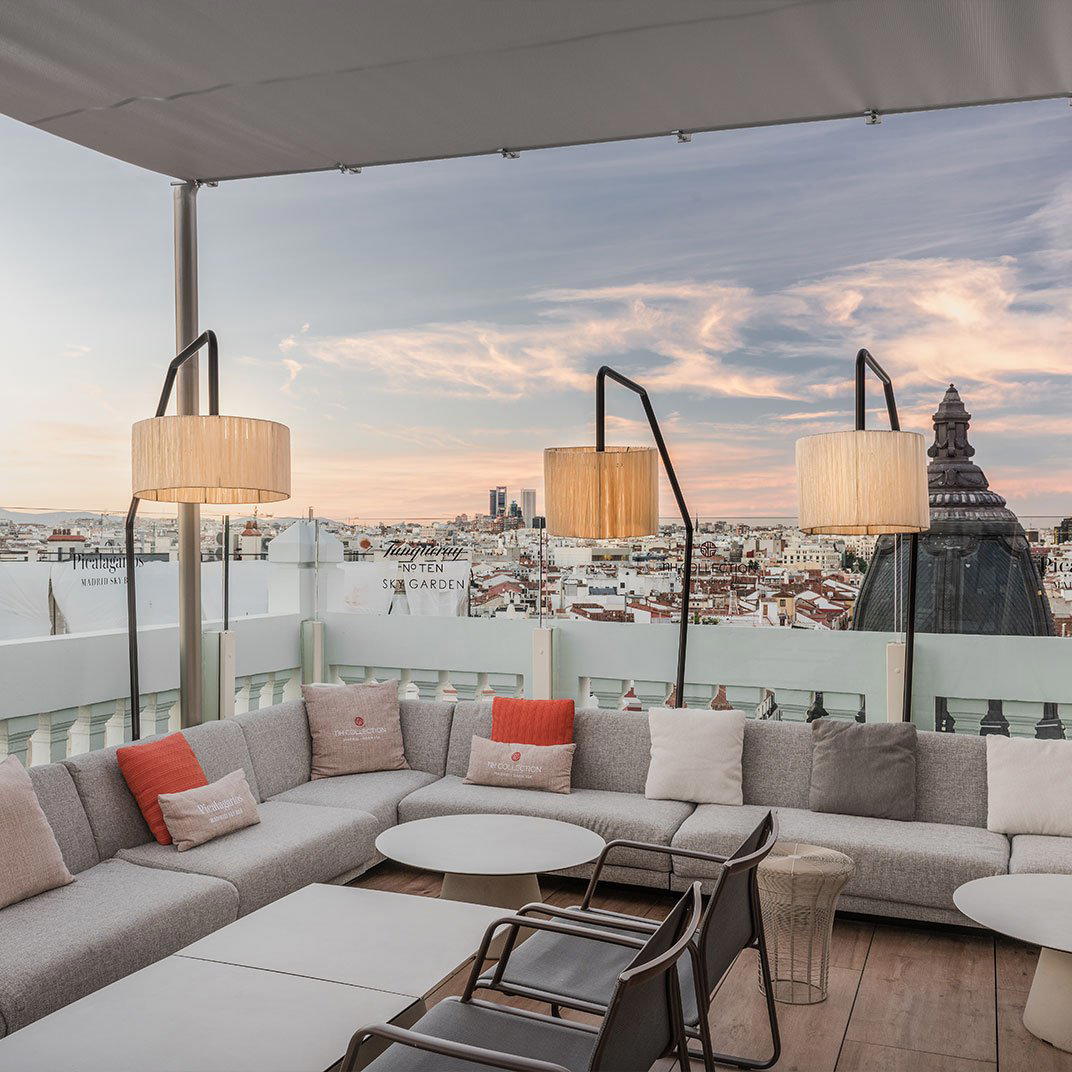
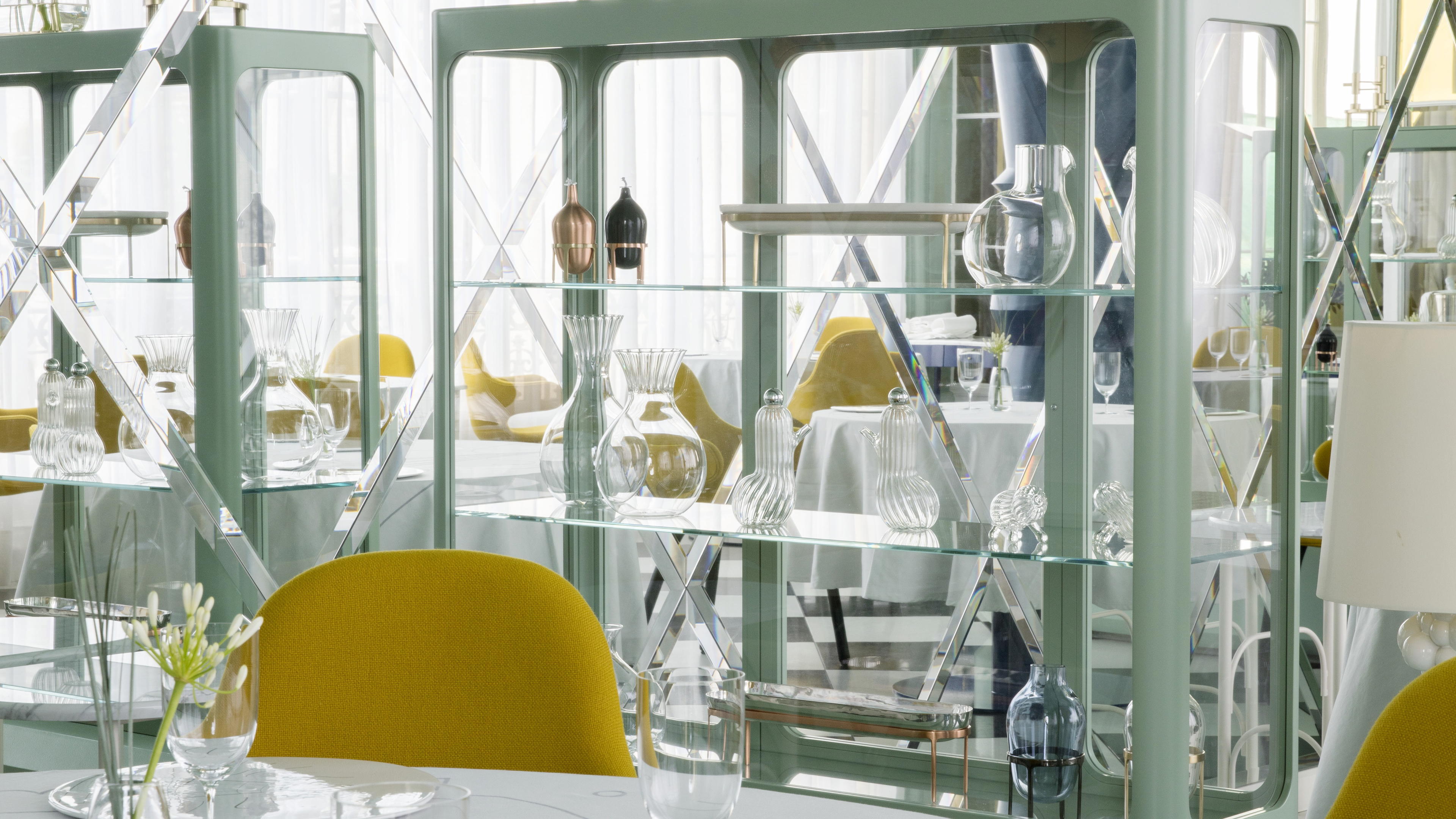
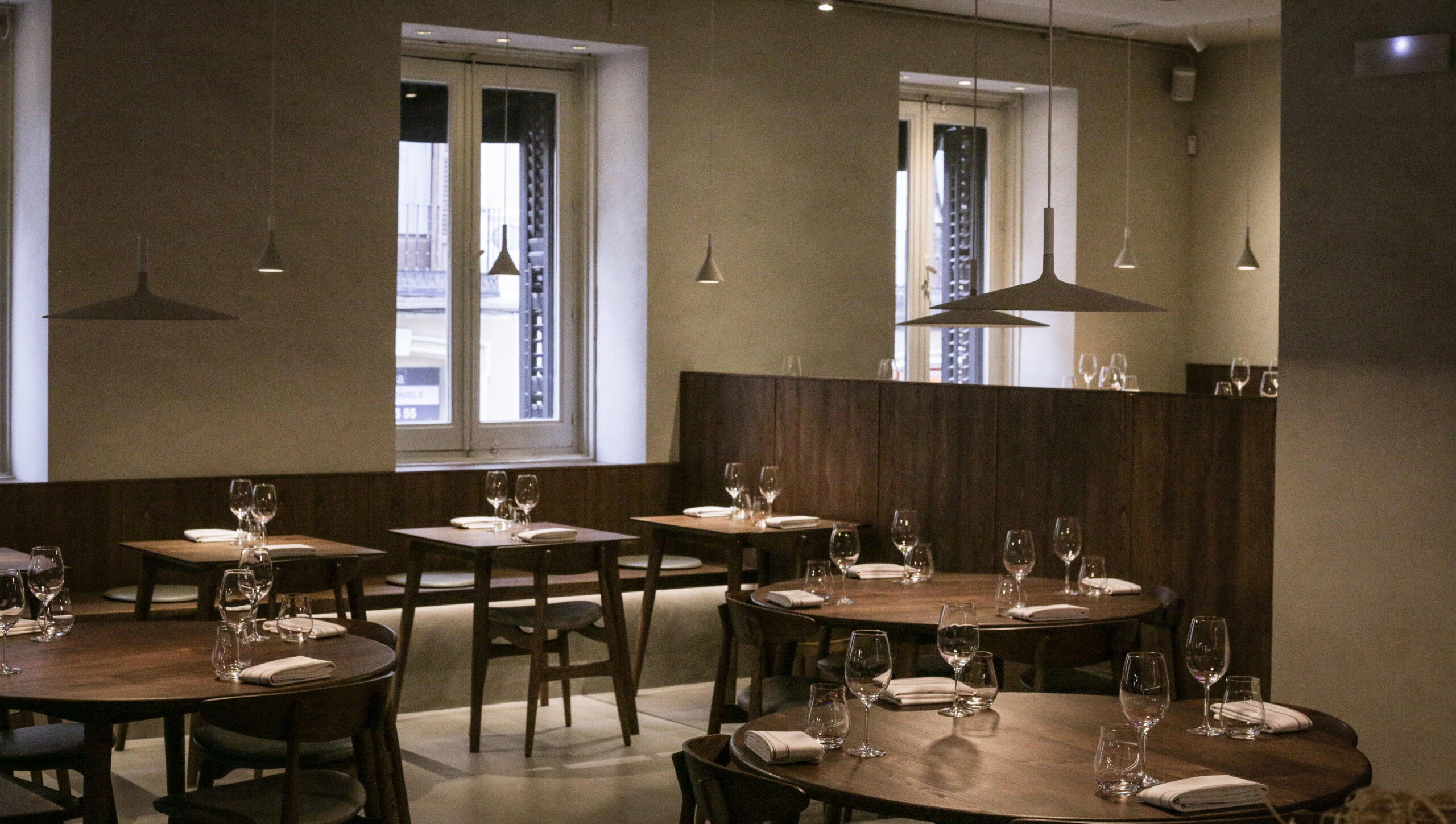
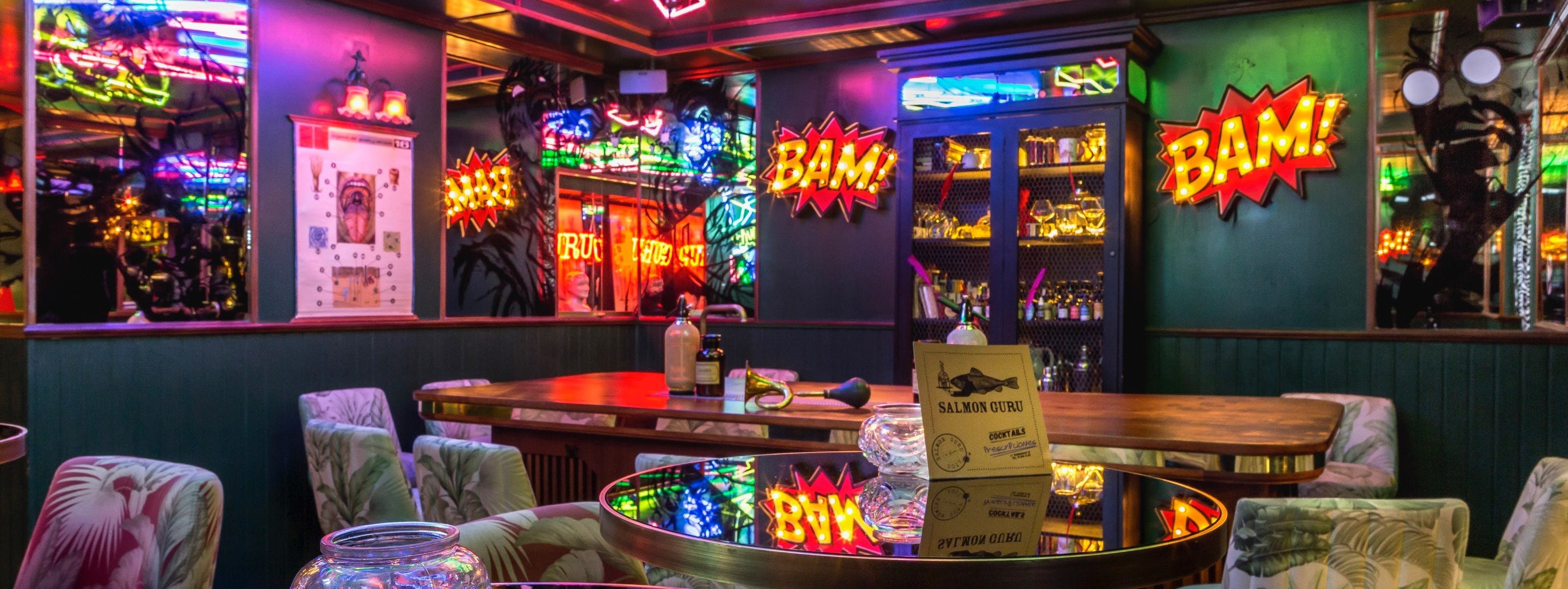
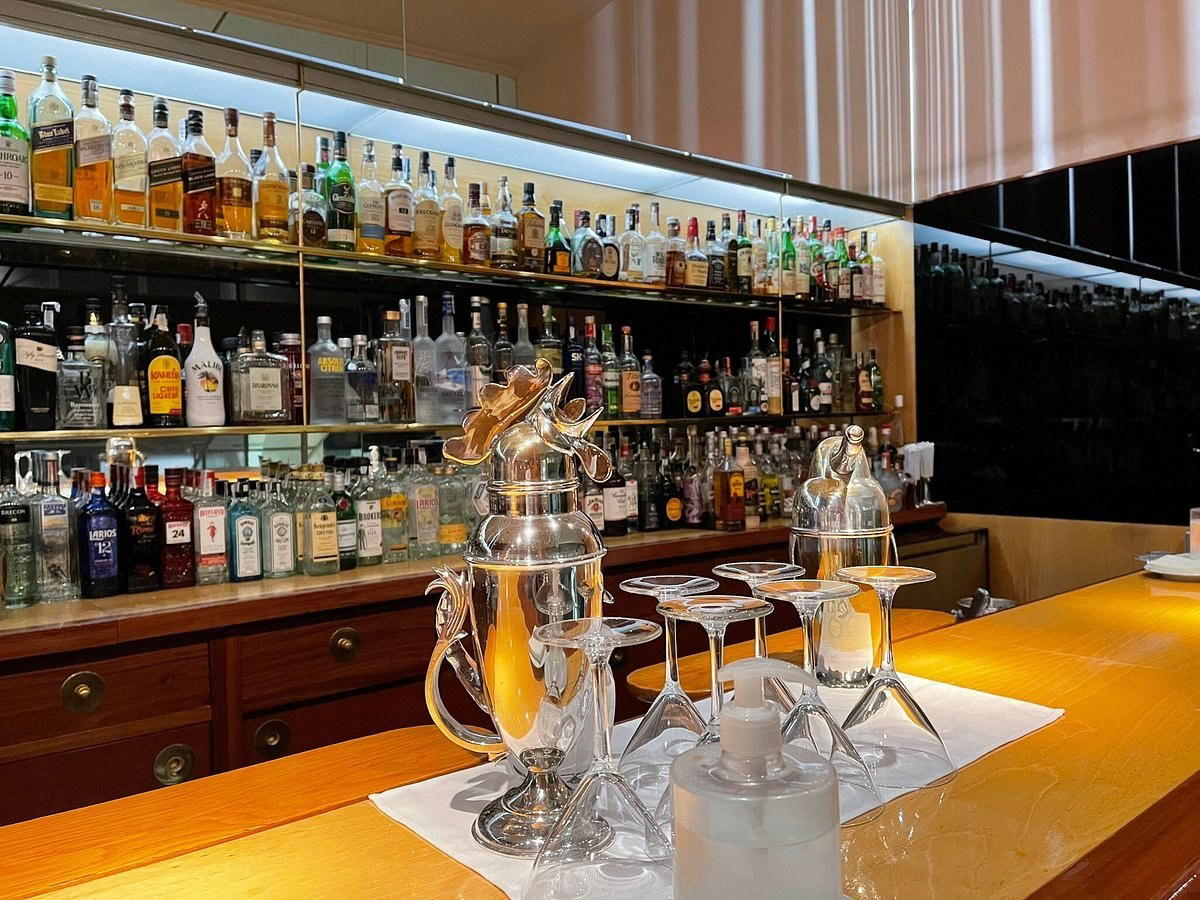
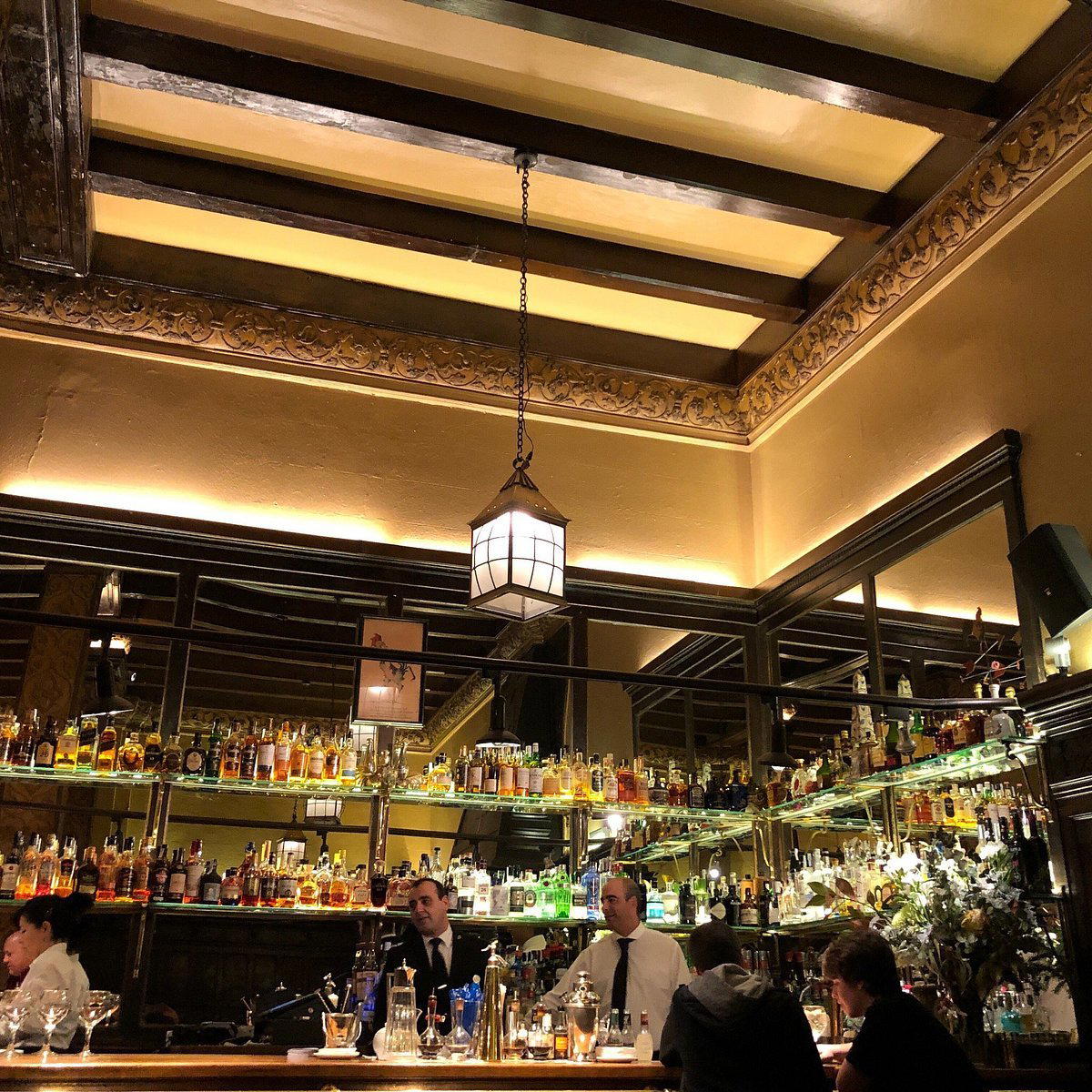
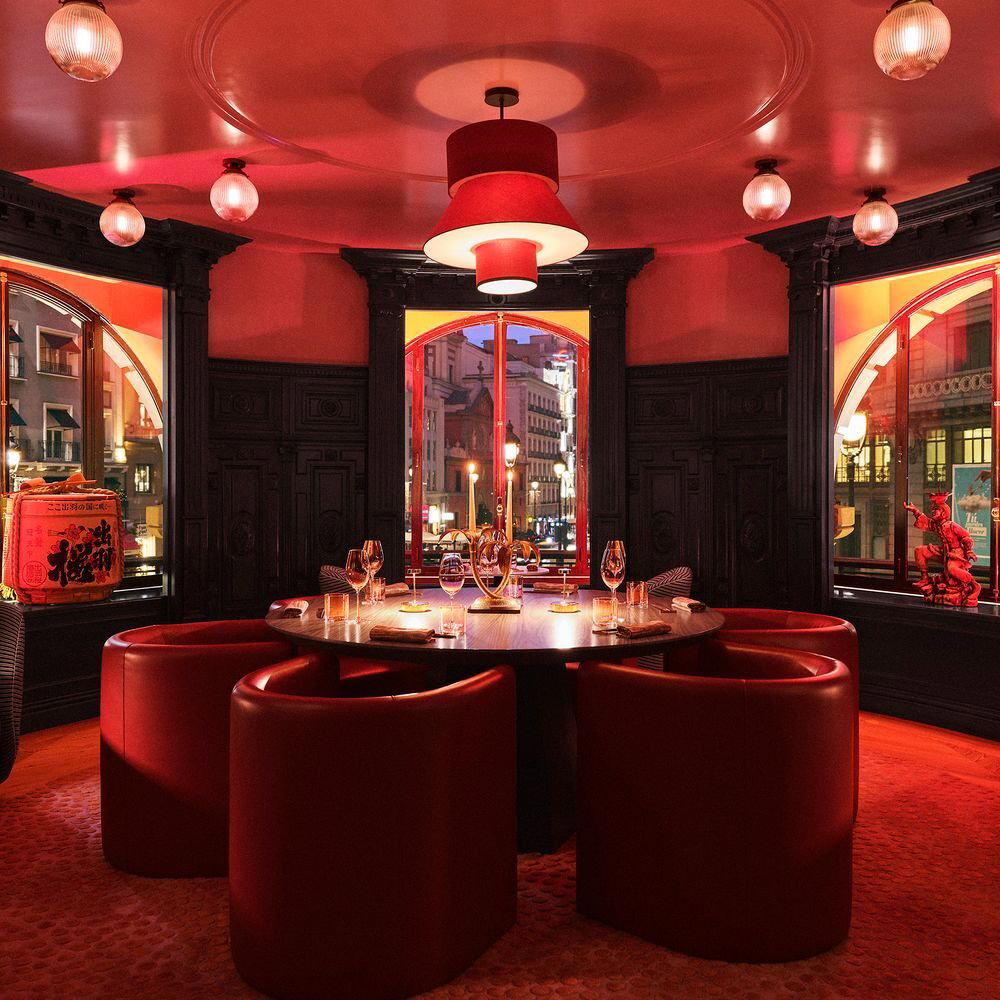
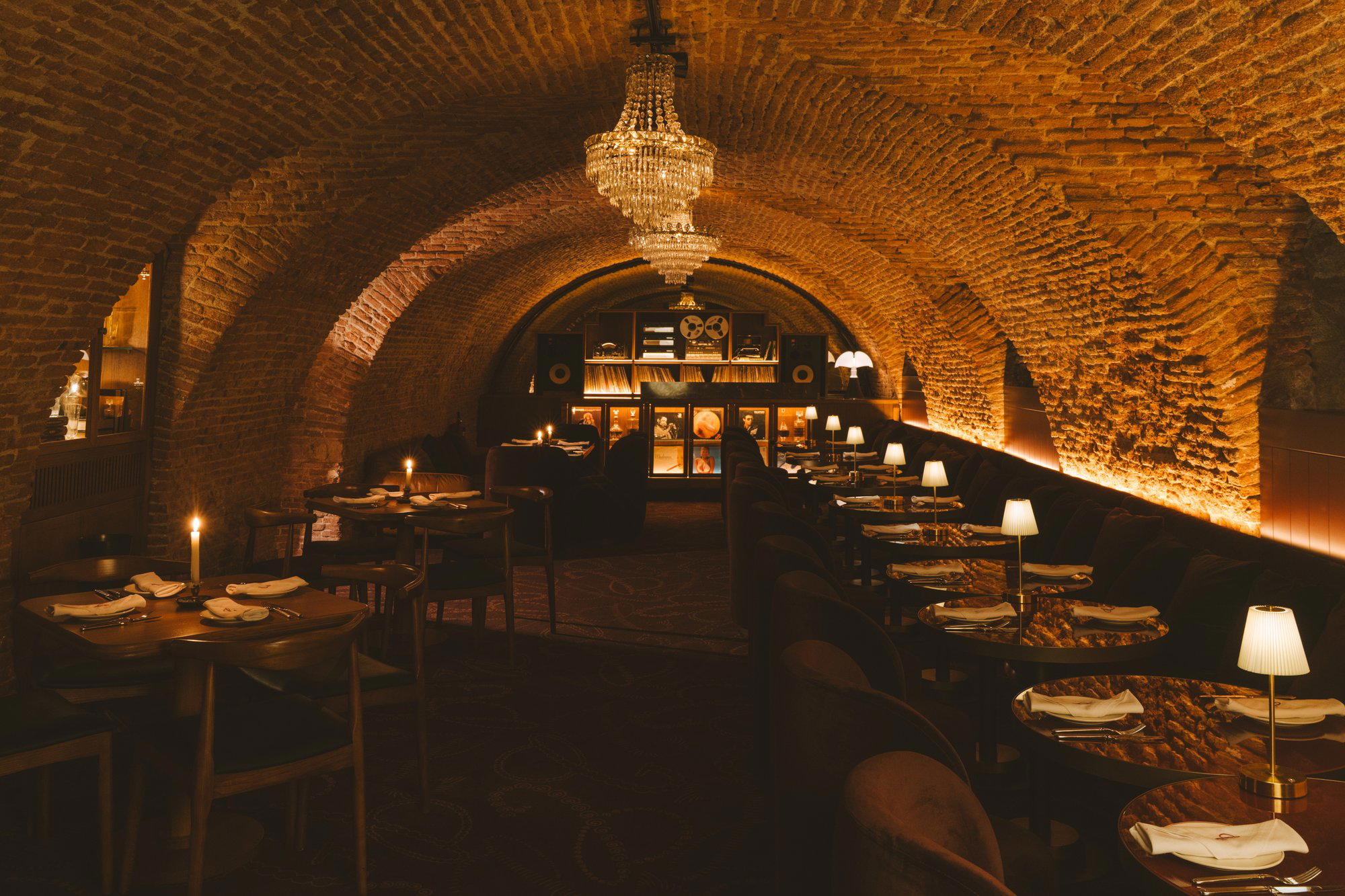
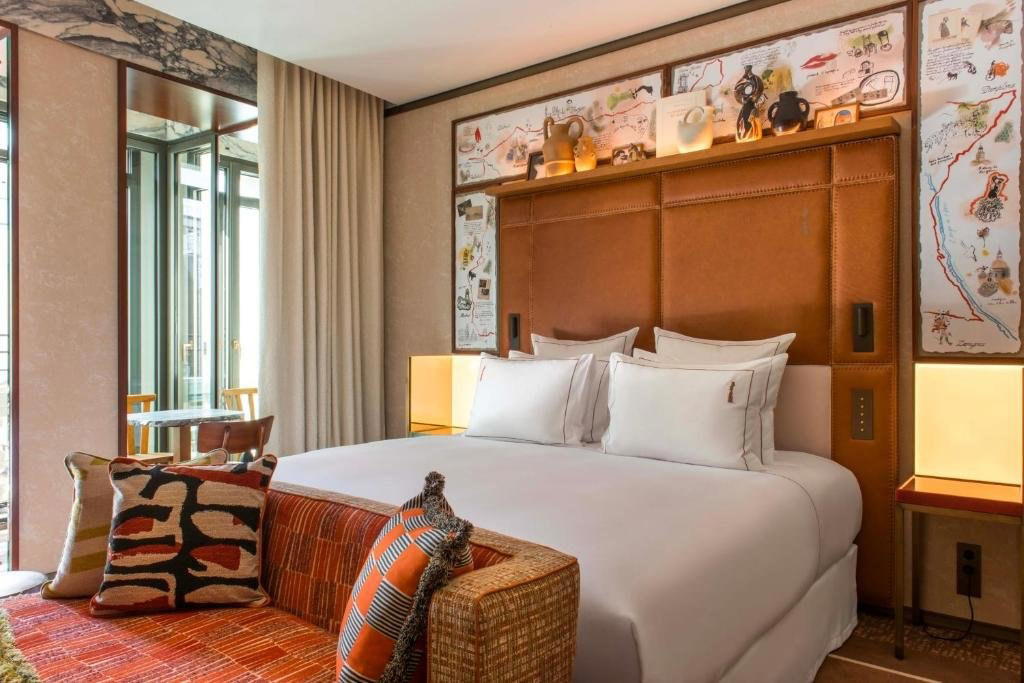
Sophisticated retro-futuristic atmosphere with fabulous city views from upper floors.
Know Before You Go
- Getting there
- Gran Vía, 18, Centro, 28004 Madrid, Spain