Gothersgade 87
Gothersgade 87 sits on one of Copenhagen's most historically layered streets, where the city's appetite for rigorous seasonal cooking meets a quieter, less-publicised register than the capital's headline addresses. The address places it within easy reach of the inner city's dining corridor while operating at a remove from the tourist circuit. Copenhagen's broader New Nordic framework provides the critical context for reading what this kitchen does.
 Discover on Pearl
Pearl is the En Primeur Club membership app — saves, bookings, and concierge access live there. Same editors, same standards.
A Street That Frames a City's Cooking Ambitions
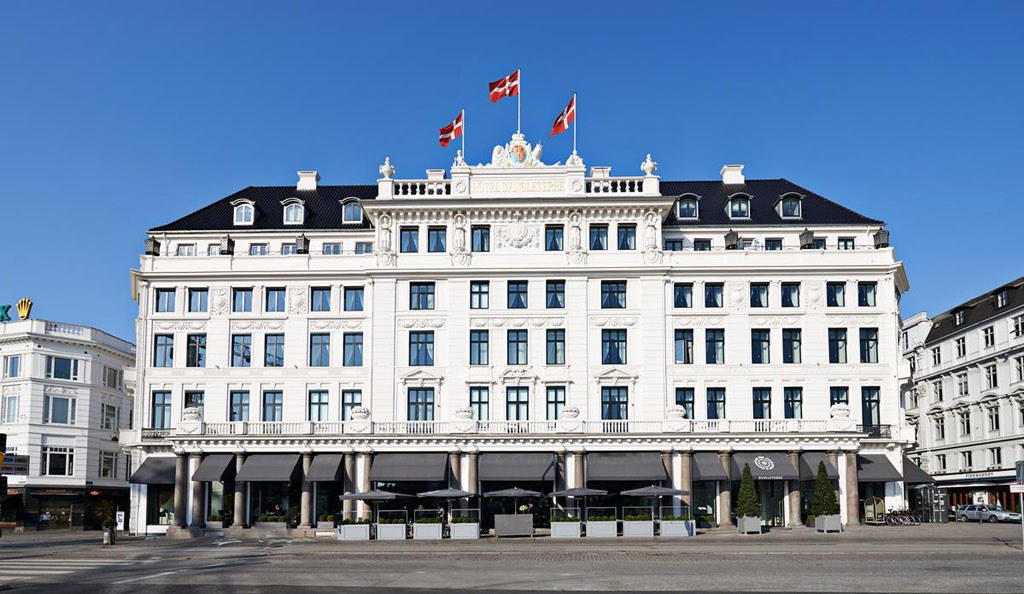
Gothersgade runs through the heart of central Copenhagen in a long diagonal from the Royal Gardens toward Kongens Nytorv, threading past buildings that date to the seventeenth and eighteenth centuries before opening onto the city's busiest transit hub. It is not a restaurant row in the obvious sense. The street carries commuters, cyclists, and locals rather than dining tourists, which means any kitchen operating here anchors itself to a neighbourhood logic rather than a destination footfall. That orientation shapes expectations in a particular way: the cooking has to earn the visit on its own terms.
Copenhagen's dining culture has spent two decades redefining what a Scandinavian meal can mean. The influence of Noma established fermentation, foraged botanicals, and hyper-local sourcing as a credible global framework, while Geranium and Alchemist extended that into conceptual territory that commands international attention and €€€€ pricing. The tier below those flagships is less visible internationally but arguably more instructive about where the city's cooking is actually going: smaller rooms, tighter menus, and a more direct relationship between kitchen technique and the ingredients Danish seasons produce.
Local Ingredients as the Starting Point, Not the Concept
The intersection of imported technique and indigenous product is where Copenhagen's most interesting cooking happens right now, and Gothersgade 87 operates within that conversation. Denmark's larder is constrained in ways that force creative discipline: the growing season runs roughly from April through October, root vegetables and preserved goods carry winter menus, and coastal access provides fish and shellfish that remain the clearest expression of northern European terroir. Kitchens that take this seriously tend to read the calendar as a menu brief rather than a logistical obstacle.
The techniques that have entered Copenhagen kitchens over the past fifteen years are broadly global in origin: Japanese precision in cutting and temperature control, French classical structure in sauce construction, fermentation traditions drawn from Scandinavia and Korea alike. Koan makes that cross-cultural dialogue explicit through a New Nordic and Kaiseki framework. Kadeau routes a similar impulse through Bornholm's island produce. At the address level, what distinguishes kitchens in this tier is less the concept and more the consistency of execution when working with ingredients that change weekly through the season.
Spring menus in Copenhagen tend to arrive earlier than the weather suggests they should. Forced rhubarb, wild garlic, and the first green shoots from Swedish and Danish farms begin appearing in kitchens from late February. By June, the shift is dramatic: strawberries from the Copenhagen region, new potatoes, samphire from the western coast. Winter cooking, by contrast, relies heavily on celeriac, Jerusalem artichoke, dried and smoked fish, and the preservation work done in the preceding months. A kitchen reading those seasons honestly produces menus that look quite different in January than they do in August, which is a reliable indicator of sourcing discipline.
Where Gothersgade 87 Sits in Copenhagen's Dining Structure
Copenhagen's restaurant scene has stratified clearly. At the leading sits the internationally-recognised tier anchored by Geranium and Alchemist, with Jordnær in Gentofte representing the same level of ambition just outside the city limits. Below that sits a substantial mid-tier of ambitious kitchens operating without the same level of international profile but with equivalent seriousness about sourcing and technique. This is the tier in which Gothersgade 87 is most usefully read.
That mid-tier functions differently from its headline counterparts. Booking windows are typically shorter. The room is smaller and the format more direct. The experience is closer to what Copenhagen residents actually eat when they are spending seriously. For visitors arriving from cities where this standard of cooking would sit in the leading bracket, the adjustment is real: Copenhagen's density of technically competent kitchens means that this tier delivers at a level that would read as exceptional elsewhere.
Denmark's broader geography of serious cooking is worth noting for planning purposes. Frederikshøj in Aarhus, Henne Kirkeby Kro, Dragsholm Slot Gourmet in Hørve, and LYST in Vejle represent a national conversation about regional ingredients and technique that extends well beyond the capital. Tri in Agger, Pearl by Paul Proffitt in Kruså, Syttende in Sønderborg, and Frederiksminde in Præstø all extend that map further. Ti Trin Ned in Fredericia adds another node to a national scene that Copenhagen no longer monopolises. An itinerary that includes Gothersgade 87 alongside one or two of those regional addresses gives a more complete picture of Danish cooking than the capital alone can provide.
Planning a Visit: Practical Orientation
Gothersgade is accessible from multiple directions in central Copenhagen. The nearest Metro stop is Kongens Nytorv, approximately a ten-minute walk along the street toward the Royal Gardens end. The address places it within the inner city's walkable dining corridor, making it practical to combine with a pre-dinner visit to the area around Nørreport or a post-dinner walk through the Latin Quarter.
Copenhagen winters are cold enough that the approach to any dinner involves planning around outdoor transit. Summer evenings, by contrast, allow for the long Nordic light that keeps the sky bright past ten o'clock and changes the entire character of arriving at a restaurant on foot. The seasonal shift in light is not incidental to the dining experience: it affects pacing, mood, and the way an evening stretches or contracts. Booking in June or July for a late sitting captures something that a November reservation cannot replicate.
Visitors calibrating Copenhagen against comparable international scenes will find a useful reference point in how similarly-positioned kitchens operate globally. Le Bernardin in New York City and Lazy Bear in San Francisco each represent their own city's response to the question of how technique and produce can be brought into precise alignment. Copenhagen's answer to that question runs through a different set of ingredients and a different cultural relationship to restraint, but the underlying ambition is comparable: cooking that uses method to reveal rather than obscure what the land and water actually produce.
Peers Worth Knowing
Comparable venues nearby, for context on price, style, and recognition.
| Venue | Cuisine | Price | Notes |
|---|---|---|---|
| Gothersgade 87This venue — the venue you are viewing | Nordic Danish Wine Bar | $$ | |
| Nyhavns Færgekro | Traditional Danish Smørrebrød & Herring Specialties | $$ | Indre By |
| Restaurant Søren K | Modern Nordic Brasserie with French Influences | $$$ | Indre By |
| Krebsegaarden | Art-Inspired Scandinavian Fine Dining | $$$ | Indre By |
| Ravelinen | Traditional Danish | $$ | Indre By |
| Almanak | Modern Danish Nordic | $$$ | Indre By |
Continue exploring
More in Copenhagen
Restaurants in Copenhagen
Browse all →
Bars in Copenhagen
Browse all →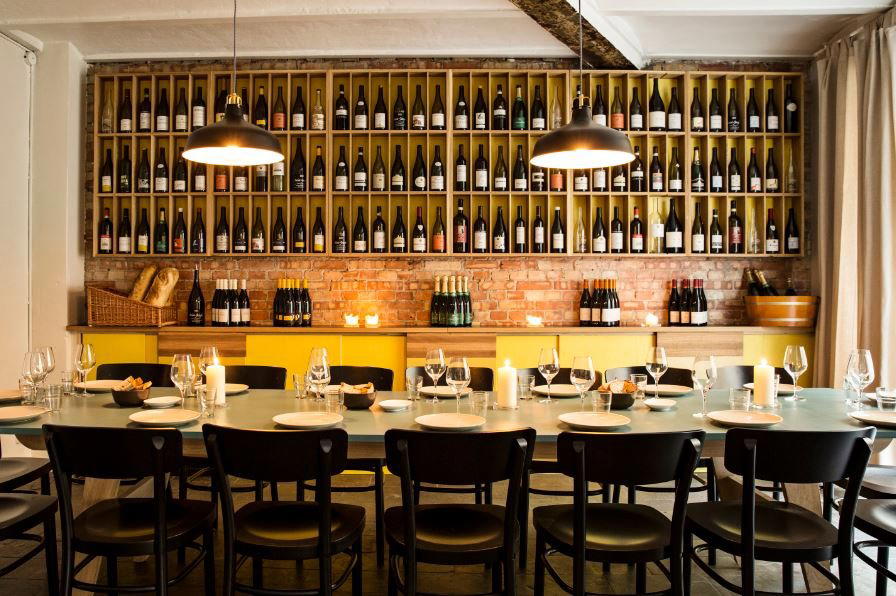

At a Glance
- Cozy
- Intimate
- Date Night
- Casual Hangout
- Terrace
- Extensive Wine List
- Local Sourcing
- Garden
- Street Scene
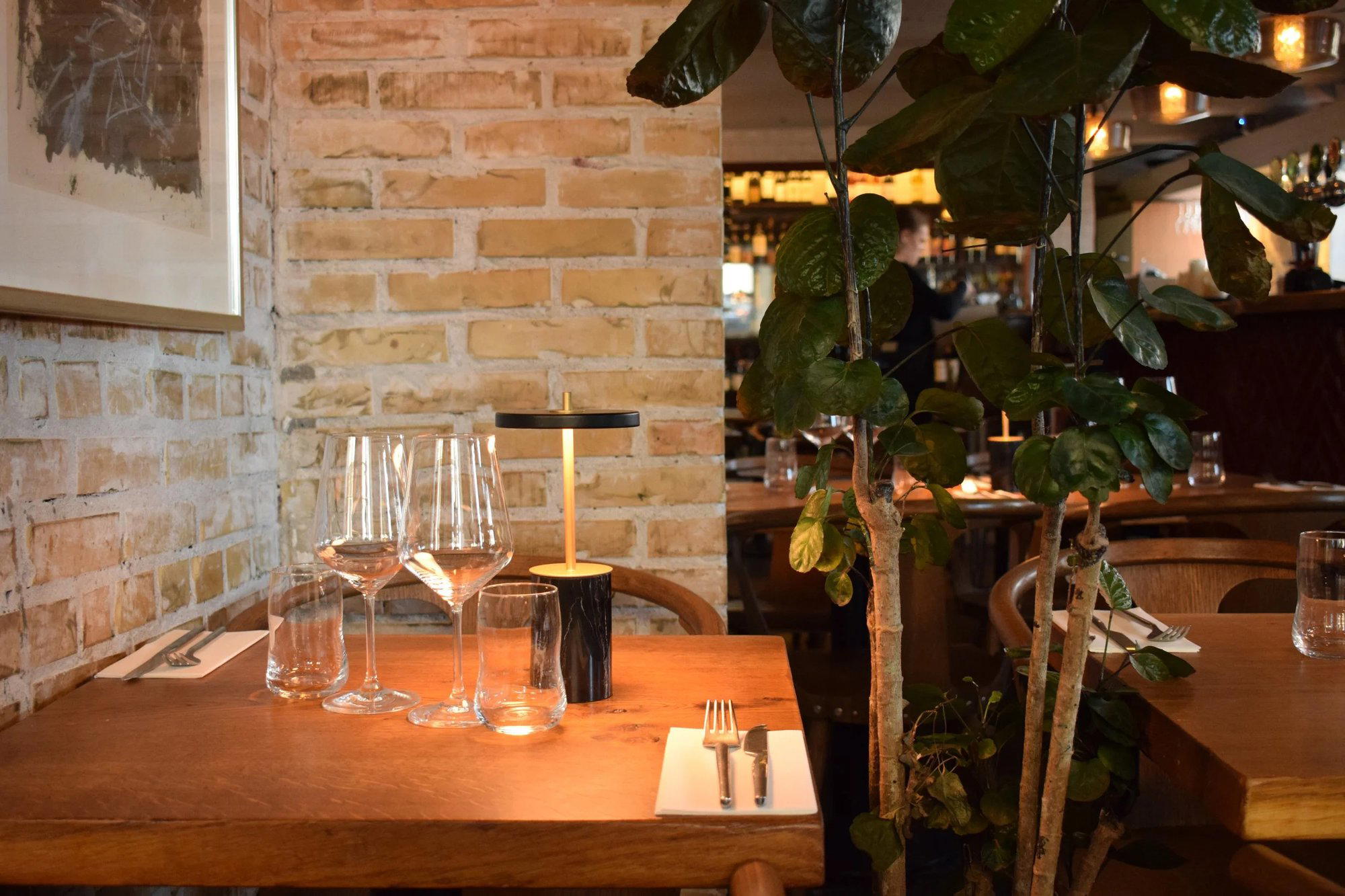
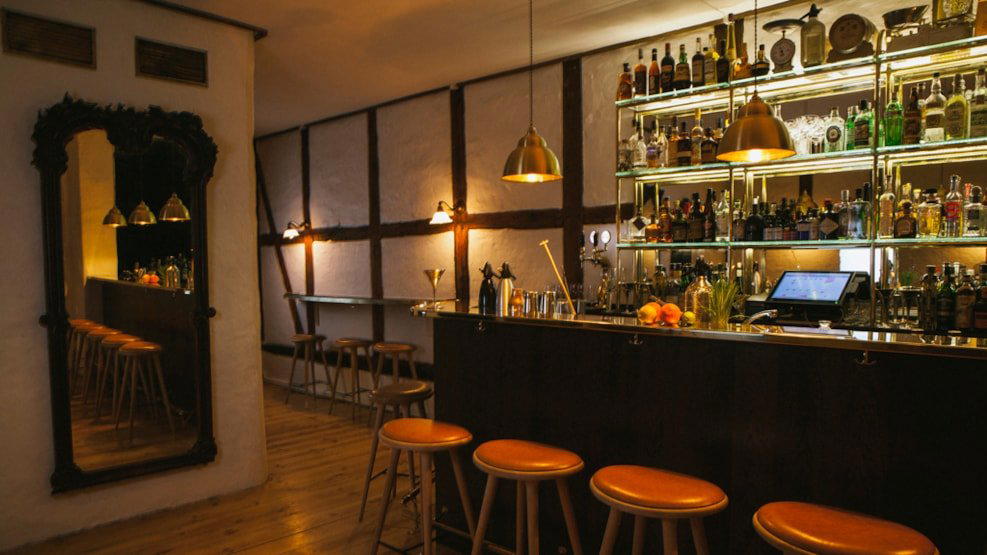
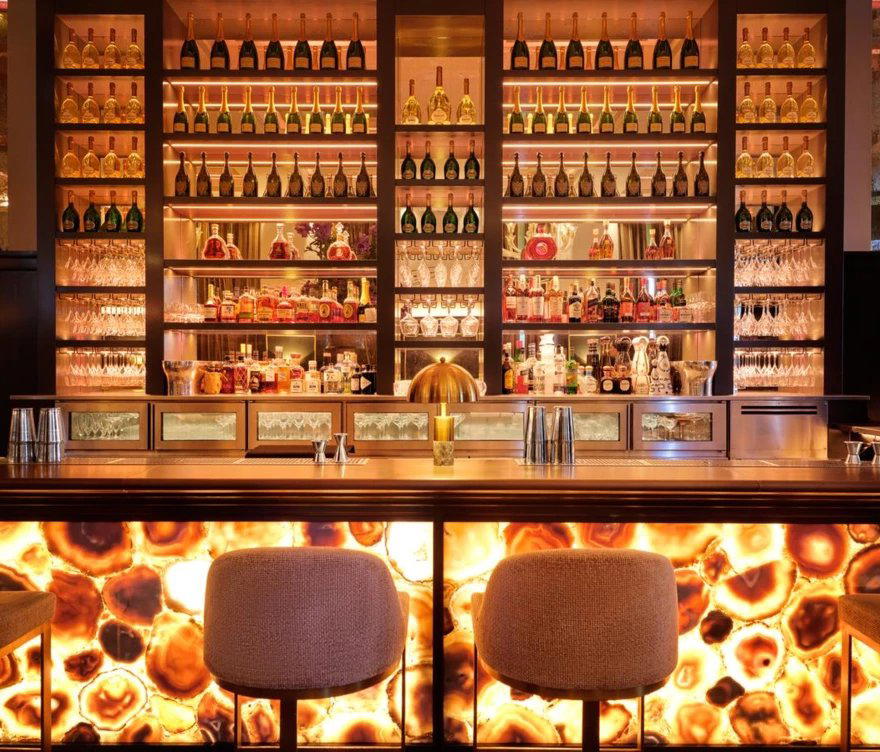
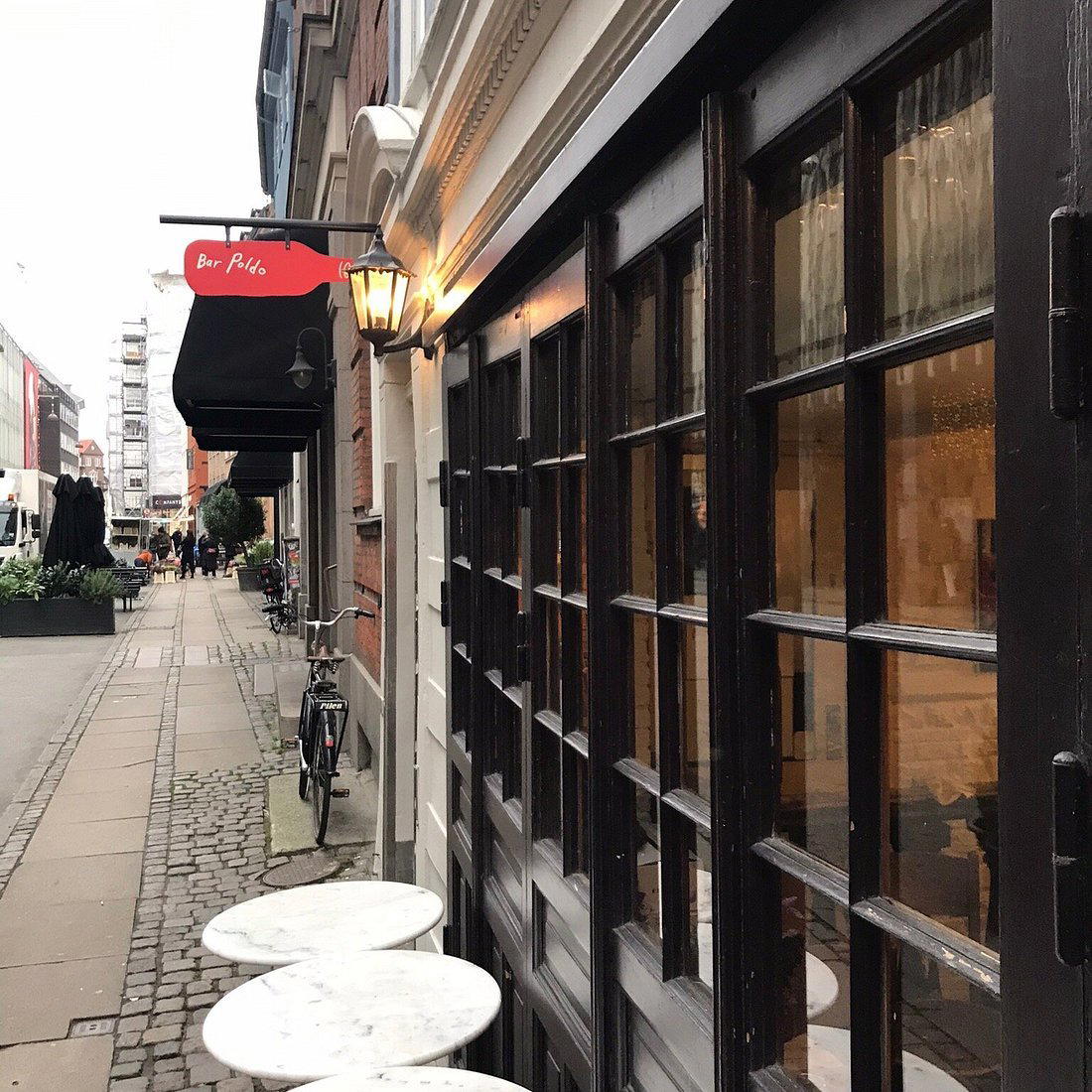
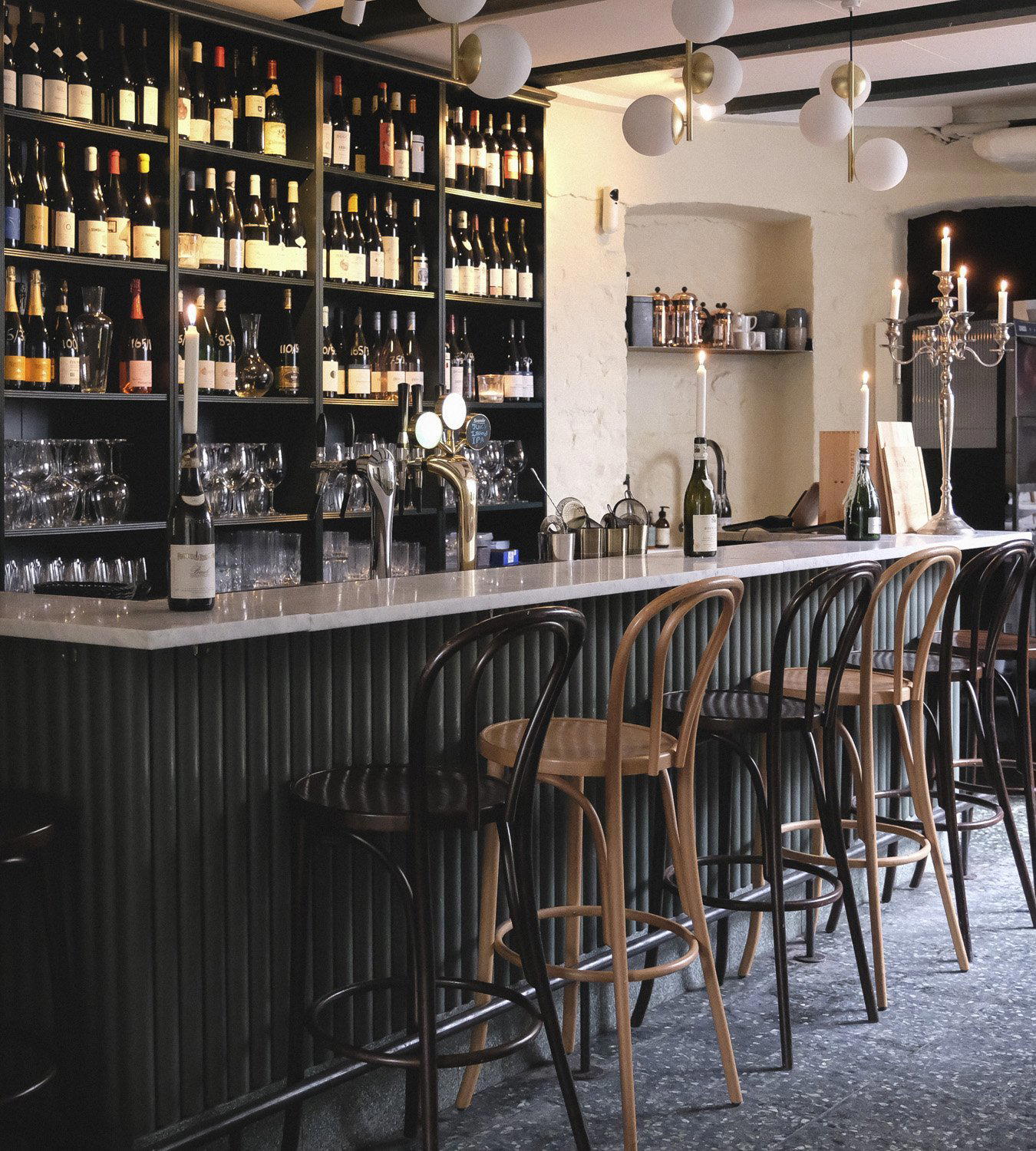
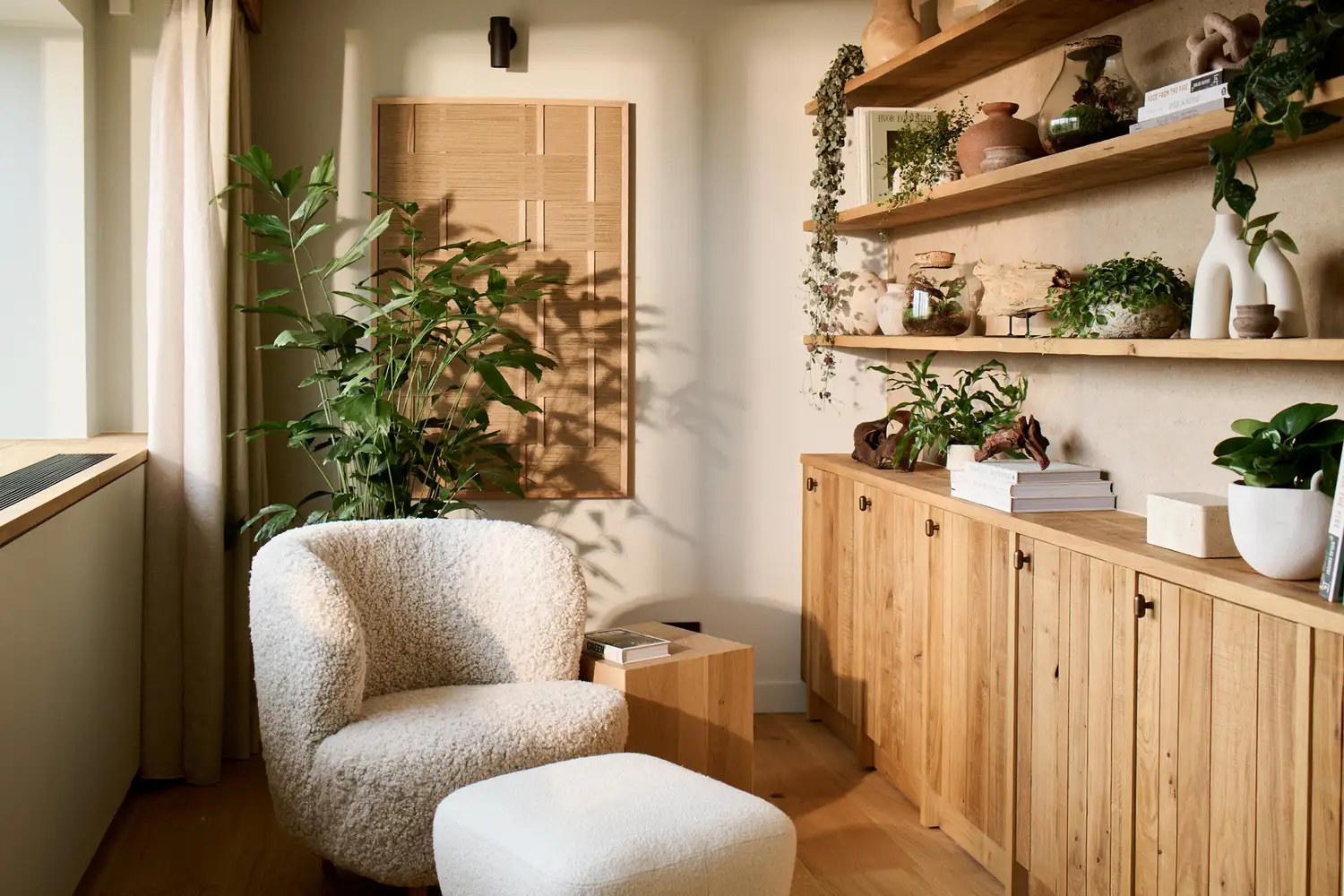
Cozy and inviting atmosphere with warm lighting, green plants, and a relaxed vibe in both cellar and outdoor terrace settings.