Ravelinen
Ravelinen occupies a address on Torvegade in Copenhagen's Christianshavn district, a neighbourhood where the city's relationship with water and craft has always shaped what ends up on the plate. The restaurant sits within a dining scene defined by ingredient rigour and Nordic seasonal logic, and draws comparisons to the generation of Copenhagen kitchens that rebuilt the city's culinary reputation from the ground up.
Pearl is the En Primeur Club membership app — saves, bookings, and concierge access live there. Same editors, same standards.
- Address
- Torvegade 79, 1400 København, Denmark
- Phone
- +4532962045
- Website
- ravelinen.dk
- Directions
- Get directions
 Saves & bookings on Pearl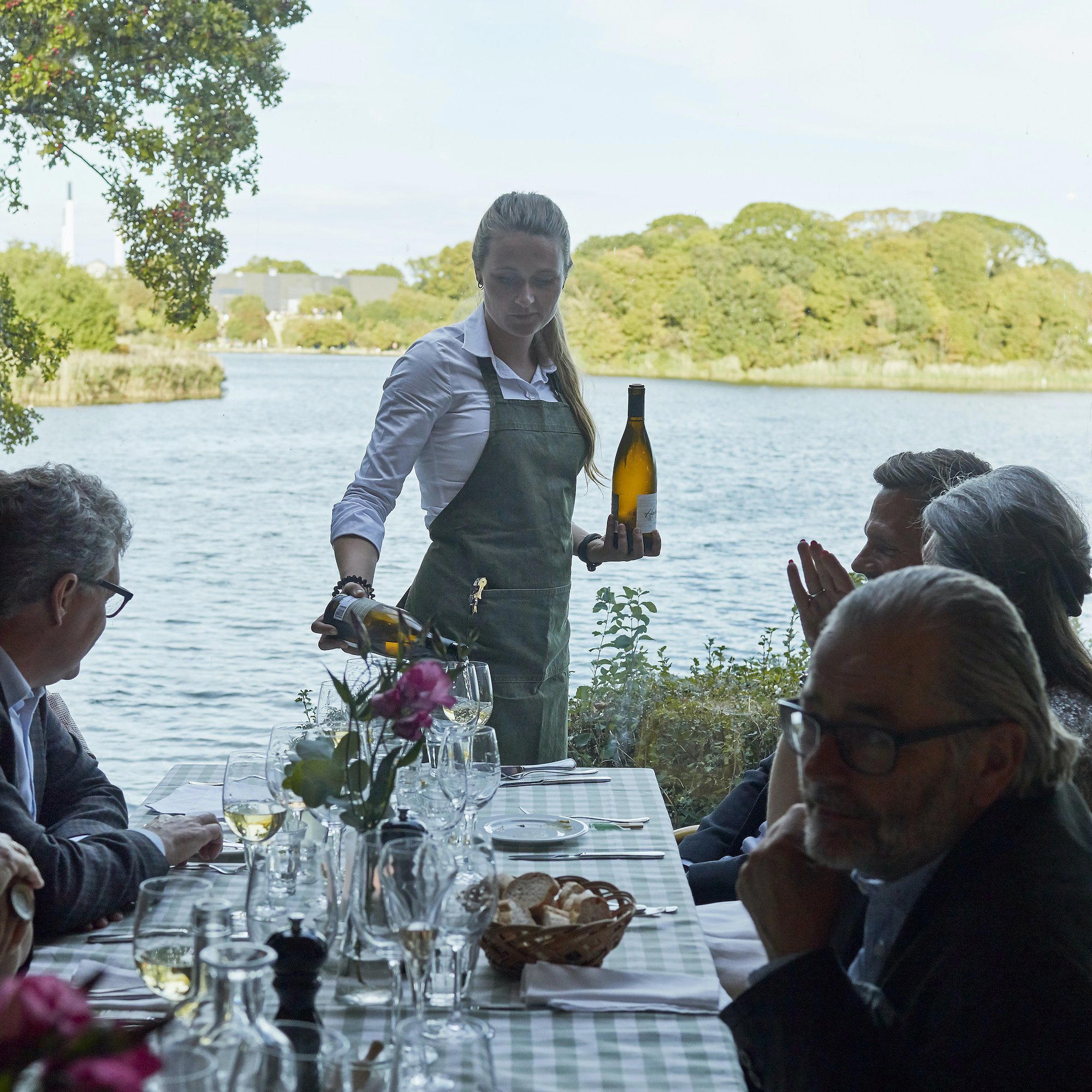
Christianshavn and the Ingredient-Led Tradition
Ravelinen is a traditional Danish restaurant at Torvegade 79 in Copenhagen's Christianshavn, with a casual dress code and reservations recommended. There is a particular discipline that runs through Copenhagen's serious dining rooms, one that predates the international attention and has only sharpened since. It is a preoccupation with where things come from: which coast, which farm, which week of the season. Ravelinen, at Torvegade 79 in Christianshavn, sits inside that tradition. The address places it in one of the city's most historically layered neighbourhoods, a canal-cut district with an identity distinct from the inner city, where the proximity to water once defined trade and now, in a different register, shapes the sourcing sensibility of the kitchens that operate here.
Christianshavn has never been the obvious choice for Copenhagen's dining flagships. That role belongs to the inner-city rooms and the addresses that cluster around Kongens Nytorv and the harbour front. But the neighbourhood's slight remove from the centre has produced a different kind of restaurant culture, one less oriented toward spectacle and more toward the kind of sustained, ingredient-focused work that earns a loyal local following before it earns wider recognition. Ravelinen fits that pattern.
Where the Food Comes From, and Why That Framing Matters
Copenhagen's place in the global conversation about ingredient sourcing is not accidental. The city built that reputation over roughly two decades, driven by kitchens that treated provenance as the organising principle of a menu rather than a marketing footnote. Noma codified that approach internationally; Geranium refined it toward a more precise technical expression. What followed was a generation of Copenhagen rooms that absorbed those lessons and applied them at different price points and formats.
The restaurants that define the city's current serious dining tier, including Kadeau, Alchemist, and Koan, each make different arguments about what Nordic sourcing can look like when pushed in a specific direction. Kadeau argues for Bornholm as a specific terroir, not just a geographic origin. Alchemist frames sourcing within a broader political and ecological argument. Koan imports a kaiseki logic and applies it to Nordic materials. These are not interchangeable approaches, and the distinctions matter when placing a newer address like Ravelinen within the scene.
Ingredient-led cooking in Copenhagen now carries a set of implied commitments: seasonal menus that shift with the actual harvest calendar rather than a stylised version of it, supplier relationships that are named and specific rather than gestured at generically, and a kitchen that treats the raw material as the primary creative constraint. Whether Ravelinen operates at that level of explicitness is something the room itself communicates, through the menu structure, the service language around dishes, and the decisions made about what gets preserved or fermented versus what arrives fresh.
The Address and What It Signals
Torvegade is the main artery through Christianshavn, running from the bridge at Knippelsbro down through the neighbourhood's commercial spine. It is not a quiet backstreet address, but neither is it the kind of high-traffic tourist corridor that defines parts of the inner city. A restaurant here is making a considered location choice: accessible by metro (Christianshavn station is within walking distance), with a local catchment that includes residents who eat out with regularity and a visitor population that arrives with some intentionality.
That intentionality matters in Copenhagen more than in most cities. The dining scene here is dense enough and well-documented enough that visitors tend to arrive with a considered shortlist. Ravelinen at this address is positioned to draw from both the neighbourhood's own community and from the broader city-wide audience that moves between serious kitchens on a given evening.
For wider context on how Copenhagen's dining map is structured across districts, our full Copenhagen restaurants guide covers the city neighbourhood by neighbourhood, including the shift in character between the inner-city flagship tier and the more locally embedded rooms in areas like Christianshavn and Vesterbro.
Copenhagen in a Danish Dining Context
Copenhagen dominates Denmark's fine dining conversation, but the country's serious kitchens extend well beyond the capital. Jordnær in Gentofte operates just north of the city with a different sourcing logic and a tighter, more classical format. Further afield, Frederikshøj in Aarhus, Henne Kirkeby Kro in Henne, Alimentum in Aalborg, ARO in Odense, Domæne in Herning, Dragsholm Slot Gourmet in Hørve, Frederiksminde in Præstø, LYST in Vejle, and MOTA in Nykøbing Sjælland each represent a different chapter of Denmark's ingredient-led cooking tradition, often with more direct access to specific regional producers than capital-city kitchens can manage.
That regional spread is worth keeping in mind when assessing what Copenhagen's neighbourhood restaurants are competing against. A room in Christianshavn is not just positioned against the city's marquee addresses; it is also part of a national conversation about where Denmark's food culture is heading, and whether the innovation that defined the 2000s and 2010s is being absorbed into a broader, more distributed set of kitchens or remains concentrated in a small number of high-profile rooms.
For comparison outside Denmark, the sourcing rigour that Copenhagen kitchens have normalised finds echoes in different formats internationally. Le Bernardin in New York City has applied a comparable discipline to seafood provenance within a classical French framework. Atomix in New York City applies Korean culinary logic to a tasting menu format with a similar attention to where each element originates. The comparison is not about cuisine type but about the underlying commitment to ingredient accountability as a kitchen philosophy.
Planning Your Visit
Know Before You Go
- Address: Torvegade 79, 1400 København, Denmark
- Neighbourhood: Christianshavn, Copenhagen
- Nearest Metro: Christianshavn station (M1/M2), approximately 5 minutes on foot
- Booking: Reservations are recommended.
- Timing note: Ravelinen is closed Monday and serves lunch and dinner Tuesday through Saturday, with lunch only on Sunday.
- Context: Christianshavn is walkable from the inner city and well-served by metro and harbour bus
Cuisine Context
Comparable venues nearby, for context on price, style, and recognition.
| Venue | Cuisine | Price | Notes |
|---|---|---|---|
| RavelinenThis venue — the venue you are viewing | Traditional Danish | $$ | Not listed |
| Restaurant Puk | Classic Danish | $$ | Indre By |
| Gemini | Nordic Fine Dining | $$$ | Indre By |
| Gro Eatery | Modern Scandinavian Farm-to-Table | $$$ | Østerbro |
| KILDEN i haven | Modern Danish Bistro | $$ | Indre By |
| Aamanns Etablissement | Modern Danish Smørrebrød | $$$ | Indre By |
Continue exploring
More in Copenhagen
Restaurants in Copenhagen
Browse all →
Bars in Copenhagen
Browse all →
At a Glance
- Cozy
- Classic
- Scenic
- Rustic
- Romantic
- Family
- Group Dining
- Celebration
- Casual Hangout
- Date Night
- Waterfront
- Garden
- Historic Building
- Private Dining
- Terrace
- Beer Program
- Local Sourcing
- Waterfront
- Garden
Current opening hours
- Monday
- Closed
- Tuesday
- 11:30 AM–3 PM, 5:30–9 PM
- Wednesday
- 11:30 AM–3 PM, 5:30–9 PM
- Thursday
- 11:30 AM–3 PM, 5:30–9 PM
- Friday
- 11:30 AM–3 PM, 5:30–9 PM
- Saturday
- 11:30 AM–3 PM, 5:30–9 PM
- Sunday
- 11:30 AM–3 PM
Hours can change for holidays and private events. Last verified .
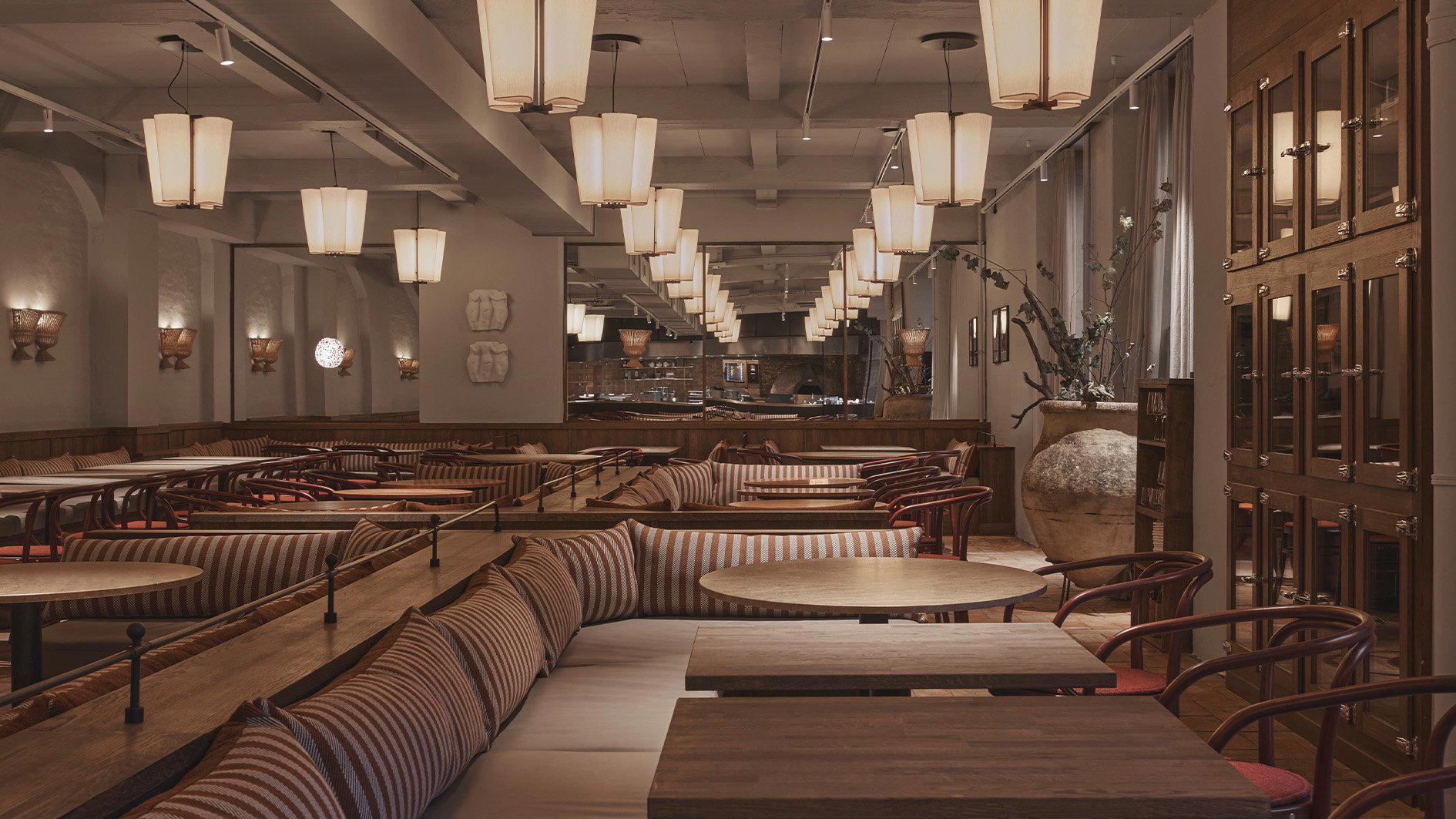
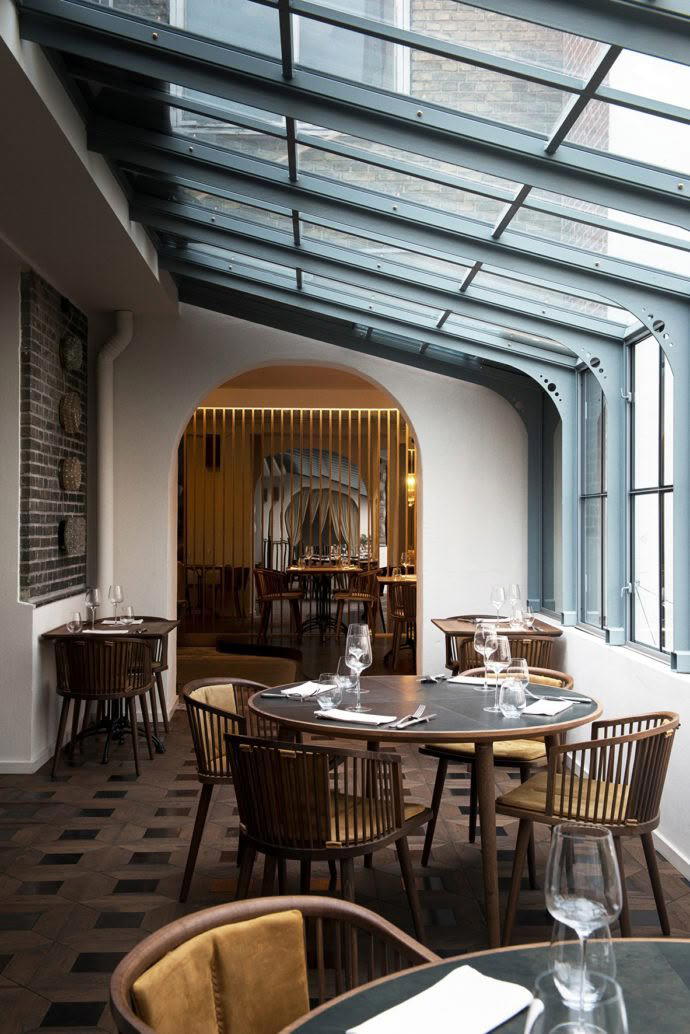
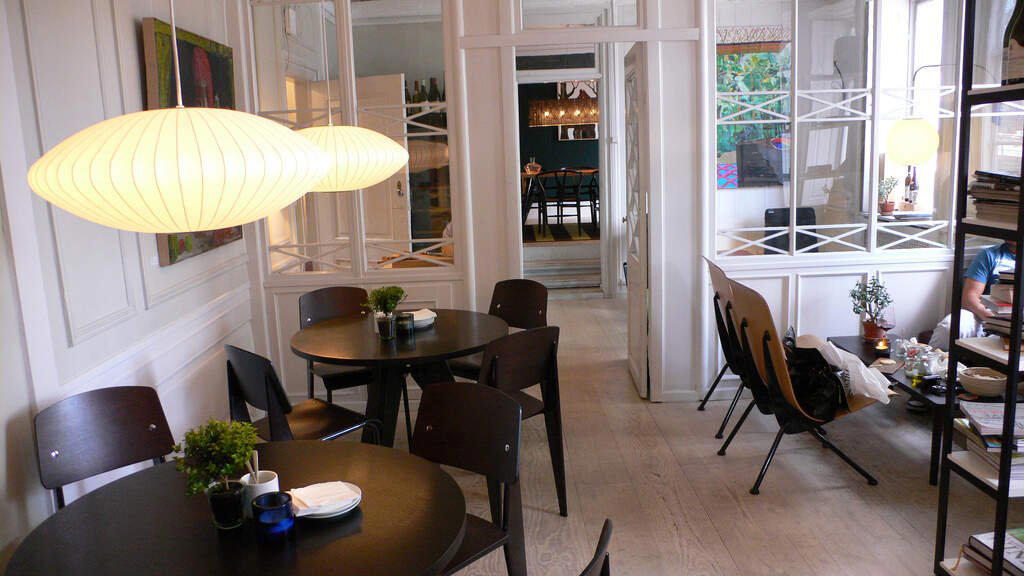
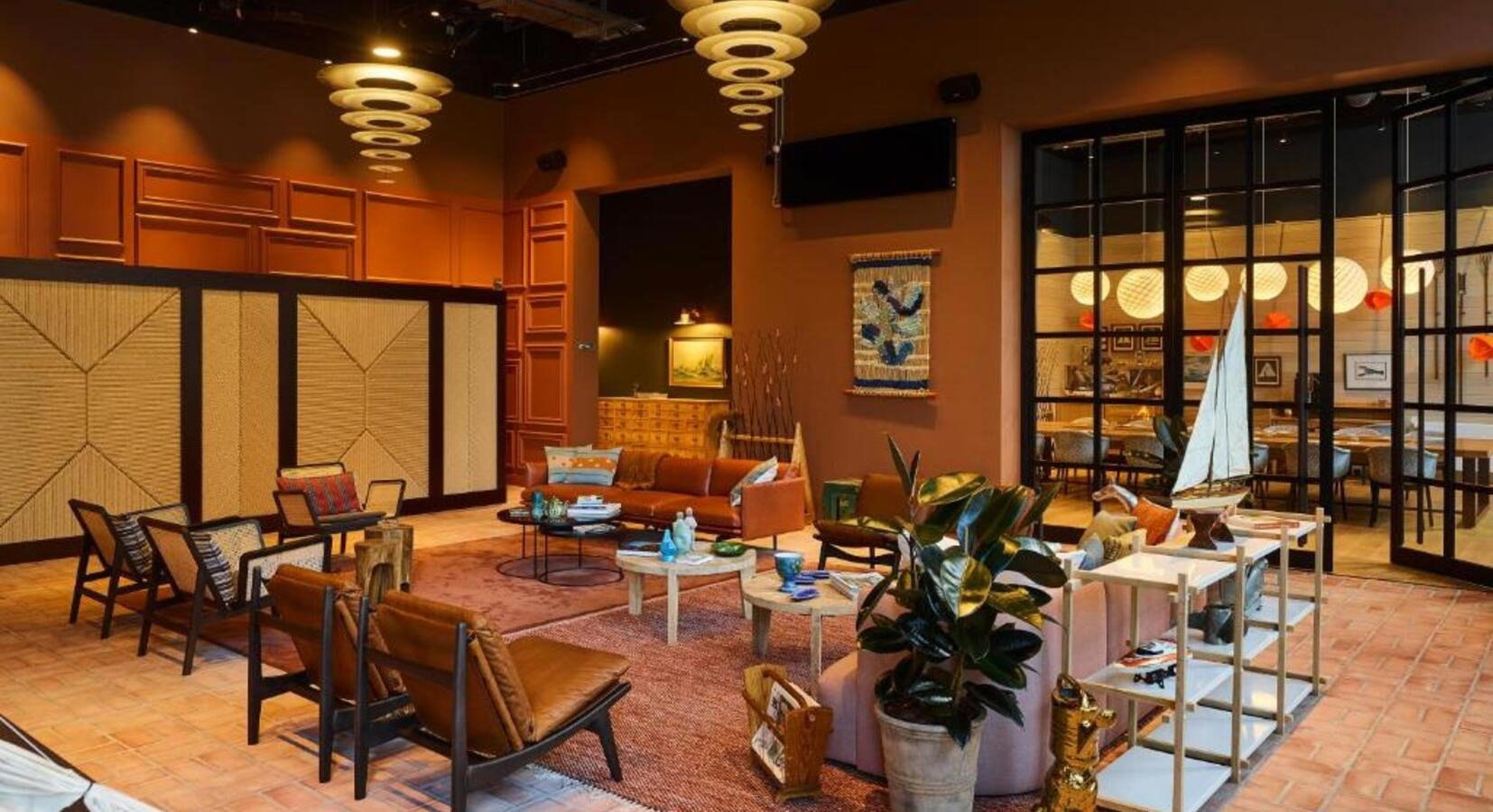
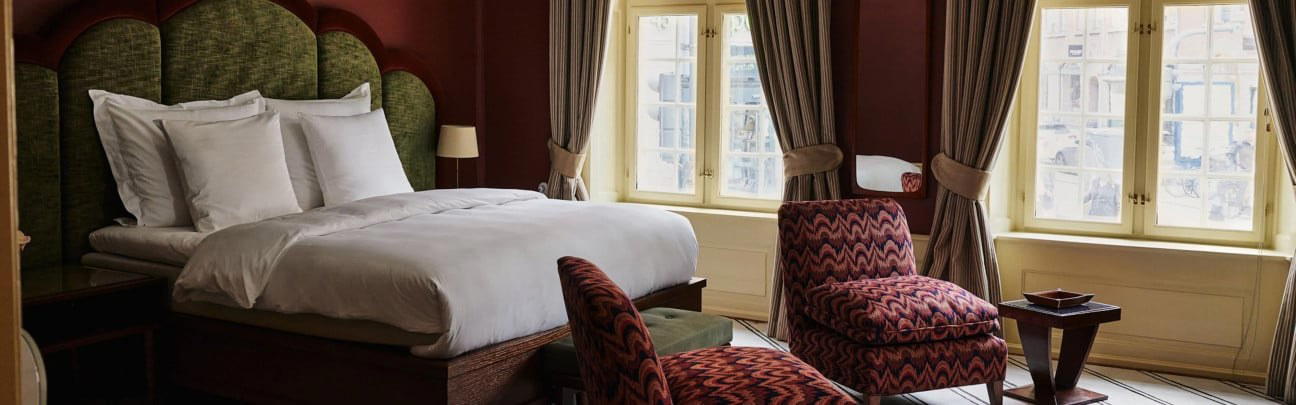
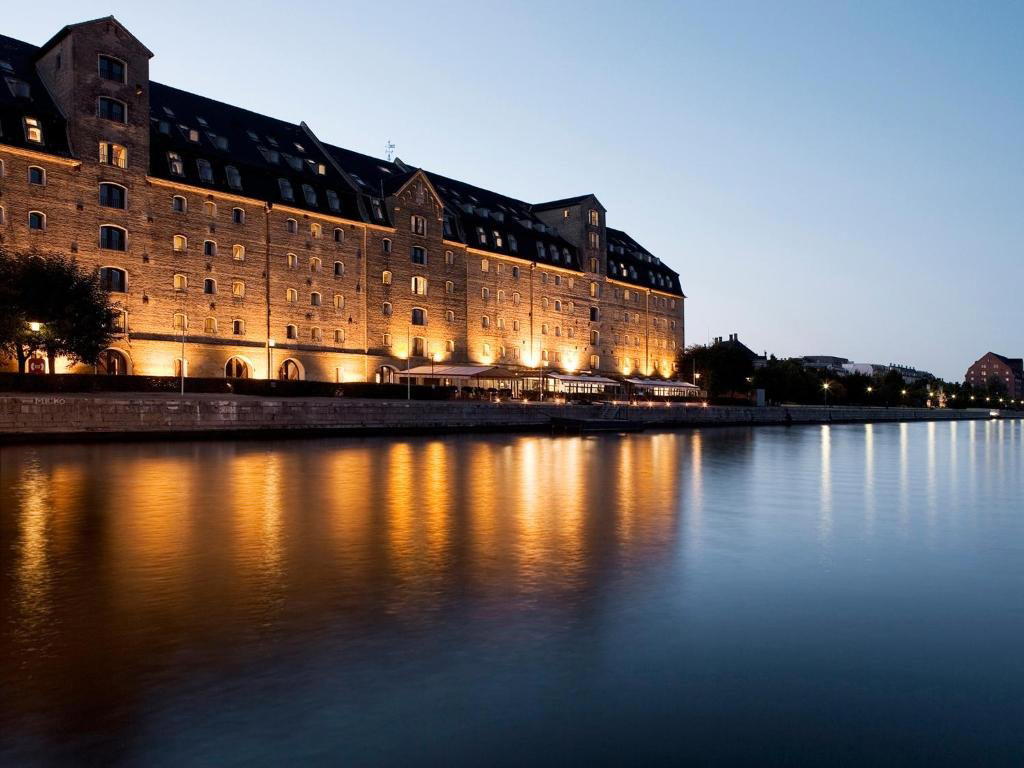
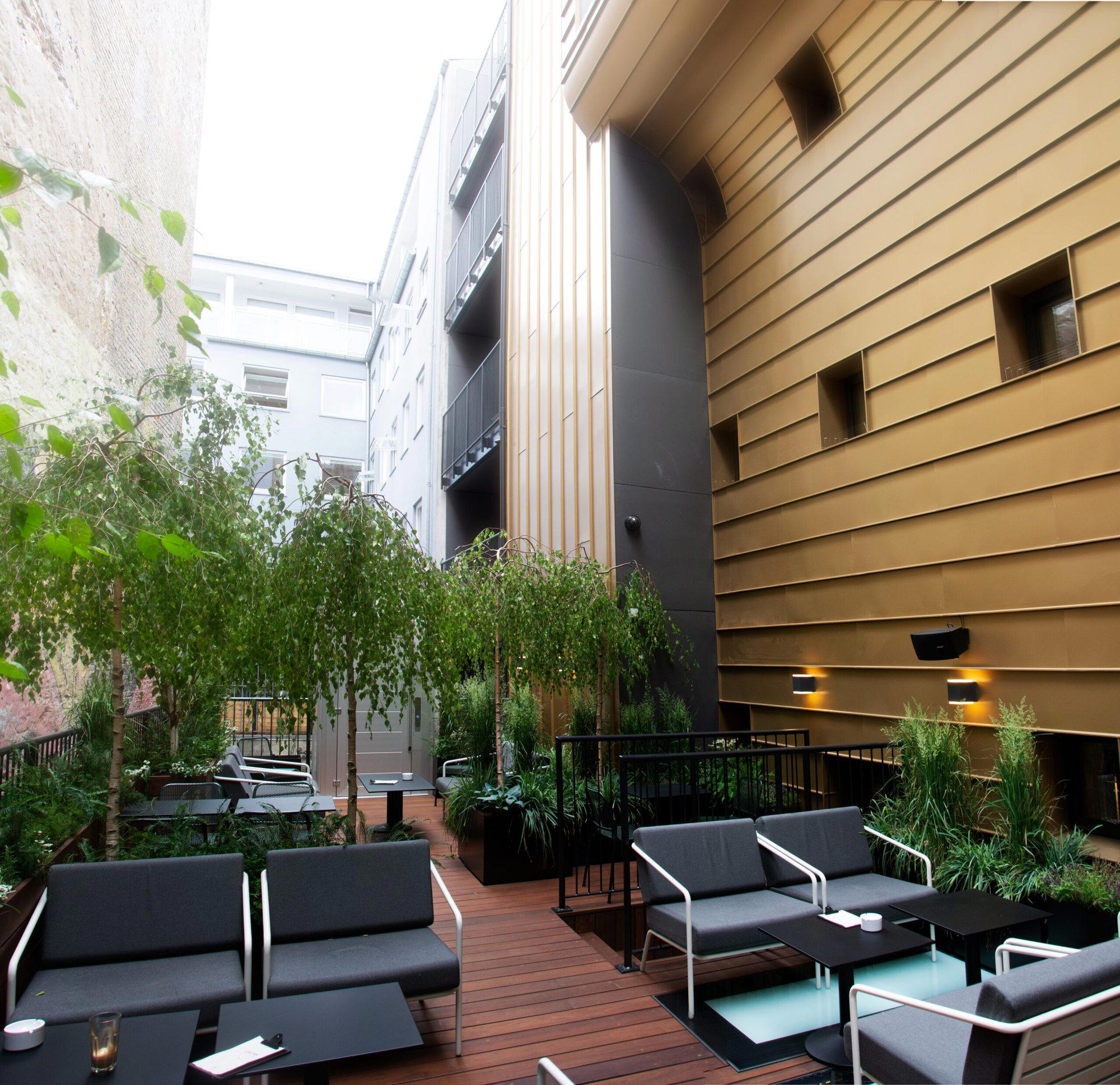
Relaxed and cozy with warm, welcoming lighting; spacious indoor pavilions and covered garden with clean windows overlooking water; comfortable temperature control; feels like a local gathering place rather than tourist destination.