Ti Trin Ned




Ti Trin Ned holds a Michelin star on the waterfront of Fredericia, where chef Michael Nørtoft builds menus around local seafood and kitchen-garden produce. The address, Toldkammeret 9, steps from the water, shapes the kitchen's priorities as much as any culinary philosophy.
Pearl is the En Primeur Club membership app — saves, bookings, and concierge access live there. Same editors, same standards.
- Address
- Toldkammeret 9, 7000 Fredericia, Denmark
- Phone
- +45 75 93 33 55
- Website
- titrinned.dk
- Directions
- Get directions
 Saves & bookings on Pearl
Ti Trin Ned is a one-star Michelin restaurant in Fredericia serving Modern Nordic Fine Dining at about $150 per person. Ti Trin Ned, at Toldkammeret 9 in Fredericia, is one of the clearest examples of this pattern. The address is literal in its logic: the building sits at the edge of the water, and that proximity defines what lands on the plate. Fresh seafood is not a marketing posture here; it is a direct consequence of geography.
Fredericia is a small industrial city on the east coast of Jutland, easily overlooked on a Danish dining itinerary that tends to jump from Copenhagen to Aarhus. That oversight is the city's advantage. A €€€€ restaurant in this context operates with a different set of pressures than its counterparts in larger centres, where competition for attention is relentless and the audience is partly tourist-driven.
Where the Setting Shapes the Menu
The waterfront position at Toldkammeret, a former customs house building, is the kind of site that comes with its own atmospheric charge before a single dish arrives. Harbour-adjacent dining in Scandinavia carries a long tradition of cold-water seafood as the organizing principle of the kitchen, and Ti Trin Ned works clearly within that tradition. The kitchen sources vegetables and herbs locally, which places it in a broader Jutland pattern of restaurants that treat the surrounding farmland as a secondary pantry to the sea. The result is a menu structured around what the Danish coast and interior can actually provide at any given point in the year, rather than what a global supply chain might allow.
This is not a new approach, Henne Kirkeby Kro in Henne has long operated on a similar logic of deep local sourcing in a rural setting, and Kadeau Bornholm in Åkirkeby has made island-specific produce its entire identity. What distinguishes the Fredericia context is the industrial harbour character of the city itself, which gives the dining experience a different texture than either a rural inn or an island restaurant. The setting is less pastoral, more functional, and the cooking, by all available signals, reflects that directness.
Chef Michael Nørtoft and the Modern Cuisine Framework
The editorial angle on the restaurant runs through chef Michael Nørtoft, but the more instructive frame is what his approach reveals about Danish fine dining outside Copenhagen. The capital's top tier, Geranium, Alchemist, and Koan, operates at a level of theatrical ambition and resource intensity that few regional restaurants can or should replicate. The interesting question is what happens when a skilled chef builds a program around a specific provincial city and its immediate resources, rather than competing on the capital's terms.
The cuisine type on record is Modern Nordic Fine Dining, a category broad enough to accommodate everything from highly technical tasting menus to more ingredient-forward cooking. At the Michelin one-star level in Denmark, it tends to mean precise technique applied to seasonal and local material, without the conceptual maximalism of the three-star tier. Jordnær in Gentofte and Frederikshøj in Aarhus both operate at similar Michelin levels with their own regional inflections; the comparable set for the restaurant is closer to these than to the capital's headline addresses.
Nørtoft's kitchen has held its Michelin star consistently, which matters as a consistency signal. A single star awarded once and then retained is a different proposition than one earned and lost.
The Wine Program
Star Wine List ranked the restaurant number one in its category in 2022, which places the wine program in a different tier than most one-star regional restaurants can claim. For a restaurant at this price point (€€€€) in a smaller Danish city, a wine program that earns specialist recognition is a meaningful differentiator. Guests with serious wine interests should treat this as a primary draw, not an afterthought. Denmark has no significant domestic wine production to speak of, so the curation here reflects sourcing choices and buyer expertise rather than regional provenance. The analogy is closer to how Alimentum in Aalborg or ARO in Odense approach wine: as a program that can stand independently of the food as a reason to visit.
Positioning in the Danish Fine Dining Map
Denmark has produced a disproportionate share of the world's most discussed fine dining restaurants relative to its population, but the conversation tends to concentrate on Copenhagen addresses. The provincial tier, restaurants in Jutland, Funen, and the smaller islands, functions as a largely separate circuit, connected to the capital by occasional awards recognition but operating on different rhythms and for a different primary audience. The restaurant sits in this provincial tier alongside Domæne in Herning, MOTA in Nykøbing Sjælland, and Dragsholm Slot Gourmet in Hørve.
At the Scandinavian scale, the comparison extends to how Swedish restaurants like Frantzén in Stockholm have defined what the region's fine dining can look like at its most ambitious, and how that ambition filters down to the one-star level across smaller cities. FZN by Björn Frantzén in Dubai represents a different export model entirely. The restaurant is neither of those things. It is a rooted, geographically specific address that earns its Michelin recognition through focus rather than scale. Combining it with Fredericia's other options across the city's restaurant scene, its bars, or hotels adds dimension to what might otherwise feel like a single-destination detour.
Planning Your Visit
The restaurant's booking window is likely more manageable, though weekend tables in the summer season will close earlier than weekday slots in autumn or winter. The price range (€€€€) places it at the summit of the Danish dining scale, consistent with the Michelin one-star tier nationally. For those building a wider Danish itinerary that includes wine and producer visits or local experiences, Fredericia works as a logistical base for the surrounding region. The Parsley Salon in Hellerup offers a point of comparison on the Copenhagen side for guests calibrating expectations across Danish fine dining tiers.
Quick Comparison
Comparable venues nearby, for context on price, style, and recognition.
| Venue | Cuisine | Price | Awards | Notes |
|---|---|---|---|---|
| Ti Trin NedThis venue — the venue you are viewing | Modern Nordic Fine Dining | $$$$ | Michelin 1 Star | Not listed |
| Alimentum | Modern Scandinavian Farm-to-Table | $$$$ | Michelin 1 Star | Aalborg city center |
| LYST | Nordic Creative Fine Dining | $$$$ | Michelin 1 Star | Havneøen |
| Jatak | Nordic-Asian Fusion | $$$$ | Michelin 1 Star | Nørrebro |
| Dragsholm Slot Gourmet | Modern Nordic Fine Dining | $$$$ | Michelin 1 Star | Hørve |
| Alouette | Modern Nordic Fine Dining | $$$$ | Michelin 1 Star | Indre By |
Recognition history
Dated appearances from independent guides and award organizations, with the underlying list record or original source where available.
La Liste Top Restaurants
La Liste
Michelin 1 Star
Michelin
Star Wine List
Star Wine List
White Guide Denmark Restaurants - Global Masters Level
White Guide
La Liste Top Restaurants
La Liste
Michelin 1 Star
Michelin
Michelin 1 Star
Michelin
Star Wine List
Star Wine List
Continue exploring
More in Fredericia
Restaurants in Fredericia
Browse all →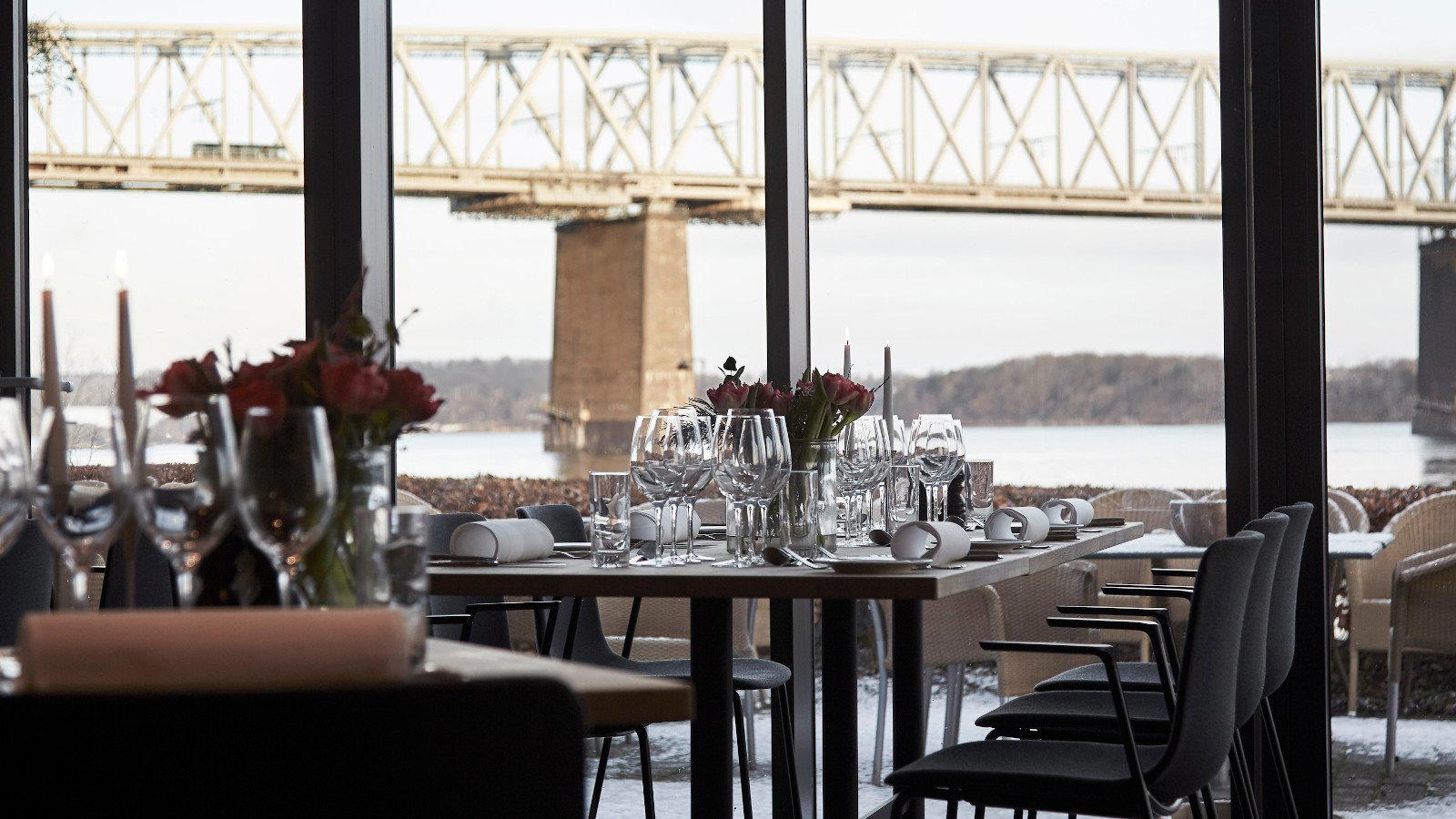
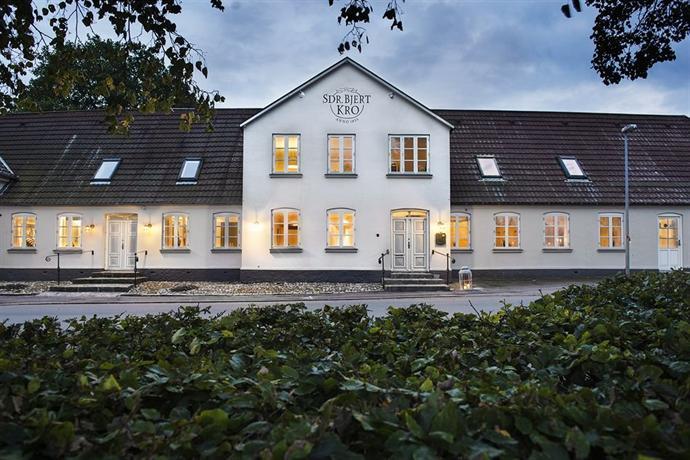
Hotels in Fredericia
Browse all →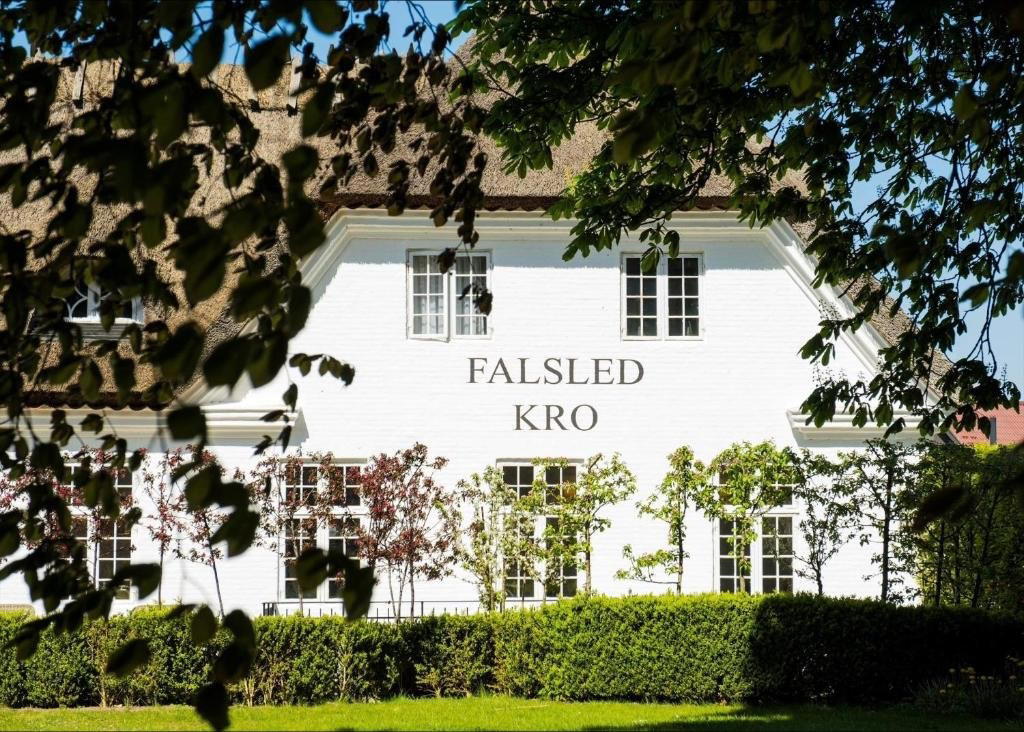
At a Glance
- Elegant
- Cozy
- Romantic
- Sophisticated
- Date Night
- Special Occasion
- Celebration
- Open Kitchen
- Waterfront
- Private Dining
- Extensive Wine List
- Sommelier Led
- Local Sourcing
- Farm To Table
- Waterfront
Current opening hours
- Monday
- Closed
- Tuesday
- Closed
- Wednesday
- 6 PM–12 AM
- Thursday
- 6 PM–12 AM
- Friday
- 6 PM–12 AM
- Saturday
- 6 PM–12 AM
- Sunday
- Closed
Hours can change for holidays and private events. Last verified .
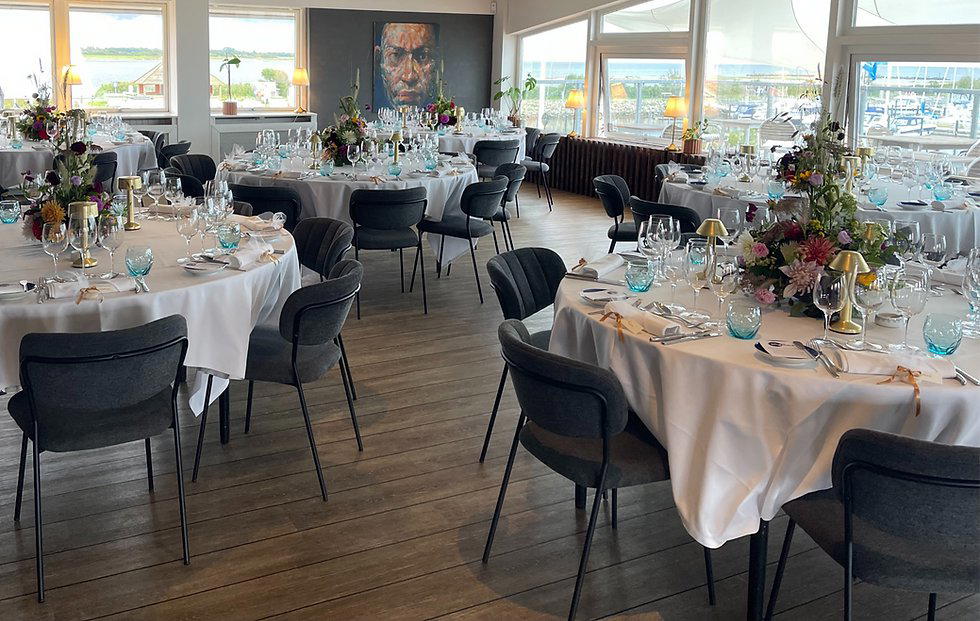
Elegant and cozy atmosphere with soft lighting, design-led interior, open kitchen, and beautiful sea views over the Lillebælt Strait.