Nyhavns Færgekro
Nyhavns Færgekro sits on the harbour at Nyhavn 5, one of Copenhagen's most recognisable addresses. The restaurant draws on Denmark's tradition of waterfront dining, placing it firmly in the city's established mid-market dining scene rather than its New Nordic avant-garde tier. For visitors orienting themselves in Copenhagen's wider restaurant picture, it serves as a grounded, accessible counterpoint to the tasting-menu circuit.
Pearl is the En Primeur Club membership app — saves, bookings, and concierge access live there. Same editors, same standards.
- Address
- Nyhavn 5, 1051 København, Denmark
- Phone
- +4533151588
- Website
- nyhavnsfaergekro.dk
- Directions
- Get directions
 Saves & bookings on Pearl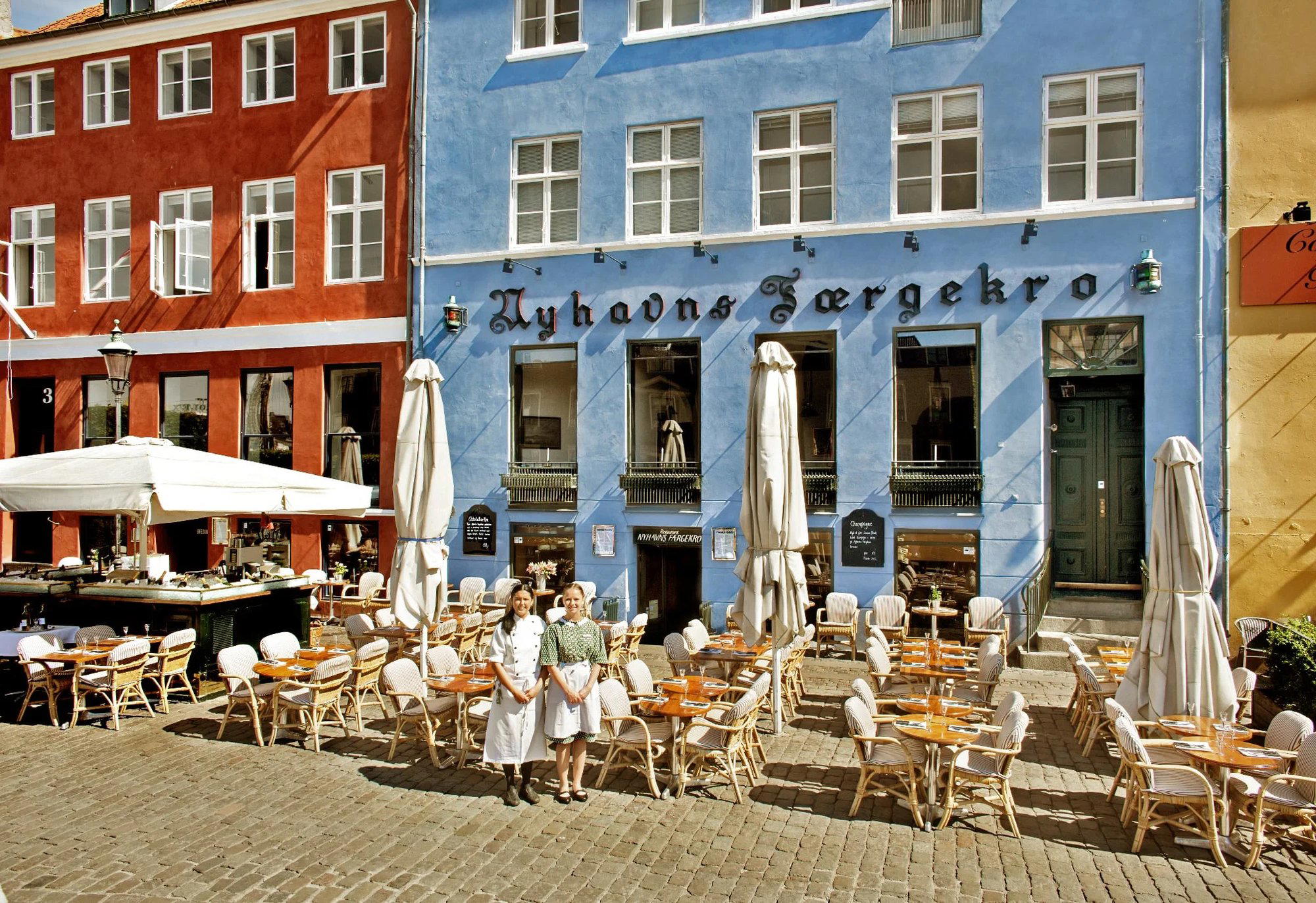
Nyhavn and the Canal Dining Tradition
The stretch of painted townhouses lining Nyhavn canal is among the most photographed in northern Europe, and the restaurant addresses that face the water have long traded on that visual weight. Nyhavns Færgekro occupies number 5 on the canal's north-facing side, in a building that dates to the era when the harbour functioned as a working ferry terminus. The word færgekro translates literally as ferry inn, a reference to the transient, working-class hospitality that once defined the canal before tourism repositioned it as a leisure destination.
That historical framing matters because it sits in tension with the direction Copenhagen's broader dining culture has taken over the past two decades. The city has become shorthand for a particular kind of ingredient-led, low-intervention cooking — the kind practised at Geranium, Noma, and Alchemist — where supply-chain transparency, foraged ingredients, and waste-minimisation are design principles, not afterthoughts. Nyhavn, by contrast, functions as a tourist corridor, and the restaurants lining it have historically served a different brief: volume, accessibility, and the Danish open-sandwich tradition. Nyhavns Færgekro has long been associated with that latter register.
Where Sustainability Meets Canal Dining
The broader shift across Copenhagen's food culture toward ethical sourcing and environmental accountability has not left the canal district untouched. Danish food policy and consumer expectation now press even mid-market operators toward verifiable sourcing standards. Organic certification, reduced food waste, and shorter supply chains have moved from differentiators to baseline expectations in a city where Kadeau built its entire identity around Bornholm island provenance, and where Koan folds a similar discipline into its New Nordic-Kaiseki framework.
For a venue positioned on one of the city's highest-footfall stretches, the tension between throughput economics and sustainability-led practice is real. High-volume canal-side restaurants face structural pressures that tasting-menu formats do not: shorter average spend per cover, faster table turns, and a customer base that skews toward first-time visitors rather than the reservation-planning regulars who sustain fine dining rooms. How operators in this tier respond to sustainability pressure, whether through supply chain choices, seasonal menu discipline, or waste reduction systems, tells a more complicated story than the cleaner narratives available to low-capacity fine dining.
Denmark's national food strategy, which has consistently ranked among the most ambitious in the EU for organic procurement targets in the public sector, creates a context in which even casual dining operators face scrutiny. The Ø-label (Denmark's state organic certification) is a recognisable trust signal for Danish diners, and its presence or absence on a menu communicates clearly to locals in a way it may not to international visitors. For travellers building a Copenhagen itinerary that takes environmental sourcing seriously, knowing where a venue sits on this spectrum matters as much as the cuisine category.
The Smørrebrød Reference Point
Nyhavns Færgekro's historical association with Danish open-sandwich dining places it inside a tradition that predates the New Nordic movement by well over a century. Smørrebrød, the rye-bread-based open sandwich, is one of Scandinavia's most legible culinary traditions to international visitors, and venues along Nyhavn have long served as an entry point to that format. The tradition involves a degree of inherent seasonality, herring preparations shift with the calendar, and the cold-table format lends itself to local and preserved ingredients, which gives it a structural affinity with sustainability principles even before any deliberate policy is applied.
The smørrebrød tier in Copenhagen occupies a distinct market position from the tasting-menu circuit at venues such as Jordnær in Gentofte or Frederikshøj in Aarhus, and from the destination dining offered at rural properties like Henne Kirkeby Kro or Dragsholm Slot Gourmet. It is also distinct from the ingredient-focused ambition appearing in cities like Aalborg at Alimentum, Odense at ARO, Herning at Domæne, Vejle at LYST, and Nykøbing Sjælland at MOTA. These comparisons clarify what Nyhavns Færgekro is and is not: it functions as a canal-side institution in a traditional format, not as part of the movement redefining what Danish cooking can be internationally.
That distinction is worth holding when planning a Copenhagen visit. The city's dining offer is wide enough that a single trip can reasonably include a lunch-format smørrebrød alongside a tasting-menu dinner, and the two experiences reinforce rather than duplicate each other. Internationally, the contrast is roughly comparable to visiting a Parisian brasserie alongside a starred table, or eating at a traditional izakaya before a kaiseki progression in Tokyo. Both registers are honest expressions of a food culture; they just answer different questions.
Planning a Visit
Nyhavn is easily reached on foot from the city centre, with Kongens Nytorv metro station less than five minutes from the canal entrance. The address at number 5 places Nyhavns Færgekro toward the inner end of the canal, closer to the square than to the harbour mouth. Canal-side seating is available in warmer months, typically from April through September, when the north-facing terrace receives afternoon light. As with most Nyhavn addresses, lunchtime tends to draw heavier foot traffic than evening service, and the format is accessible without advance planning in most conditions, though summer weekends are busier. Visitors with specific dietary requirements are advised to contact the restaurant directly before visiting, as canal-side venues at this tier vary in their flexibility.
For travellers mapping Copenhagen against other high-ambition dining cities, the canal-district offering sits at a different point on the spectrum from venues like Le Bernardin in New York City or Atomix, where sourcing and sustainability claims are integrated into tasting formats and priced accordingly. The full picture of what Copenhagen's dining culture offers, from canal-side tradition to the avant-garde programmes reshaping Nordic food internationally, is covered in our full Copenhagen restaurants guide. Similarly, Frederiksminde in Præstø demonstrates how destination dining outside the capital can deliver on sourcing ethics with as much rigour as any urban fine dining room.
- Smørrebrød
- Herring Buffet
- Frikadeller
- Stegt Flæsk
- Pork Belly
- Rhubarb Dessert
How Nyhavns Færgekro Copenhagen compares with similar nearby venues.
| Venue | Cuisine | Price |
|---|---|---|
| Restaurant Anton | Modern Cuisine | €€ |
| Restaurant Palægade | Smørrebrød | €€ |
Continue exploring
More in Copenhagen
Restaurants in Copenhagen
Browse all →
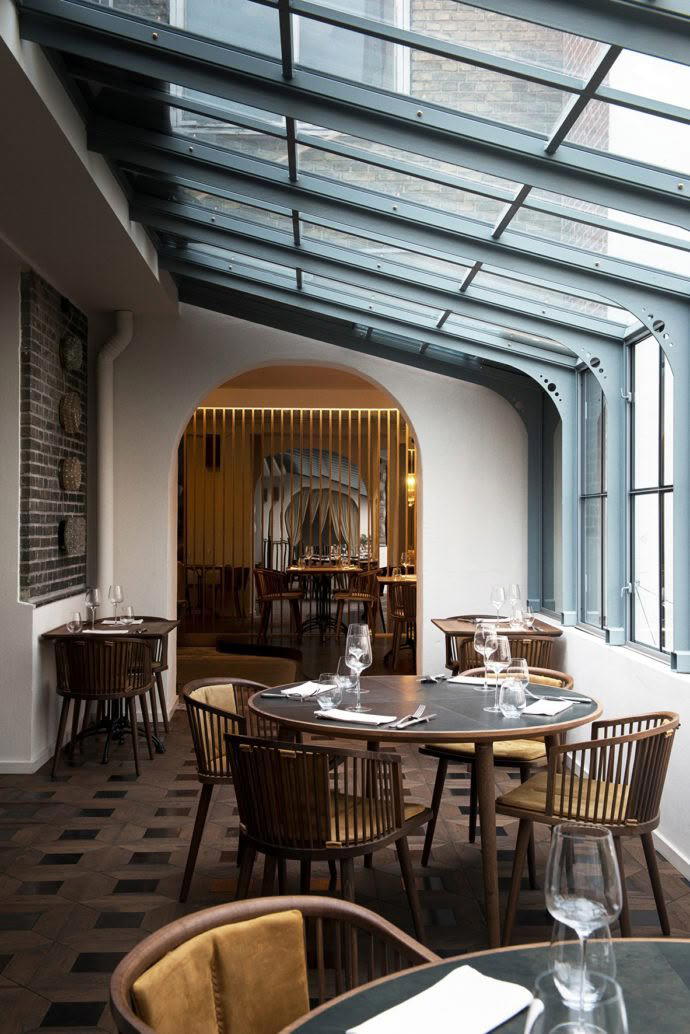
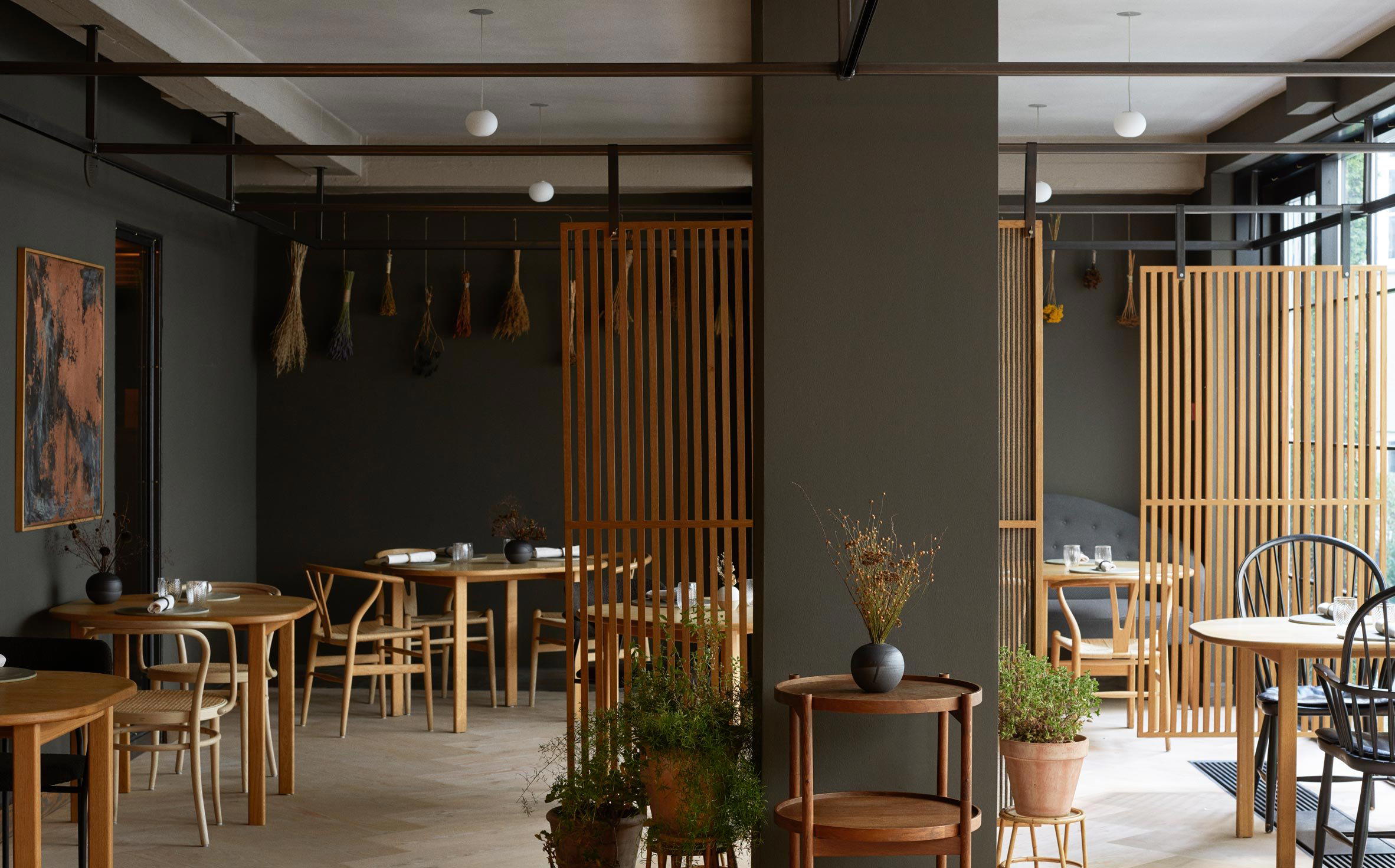
Bars in Copenhagen
Browse all →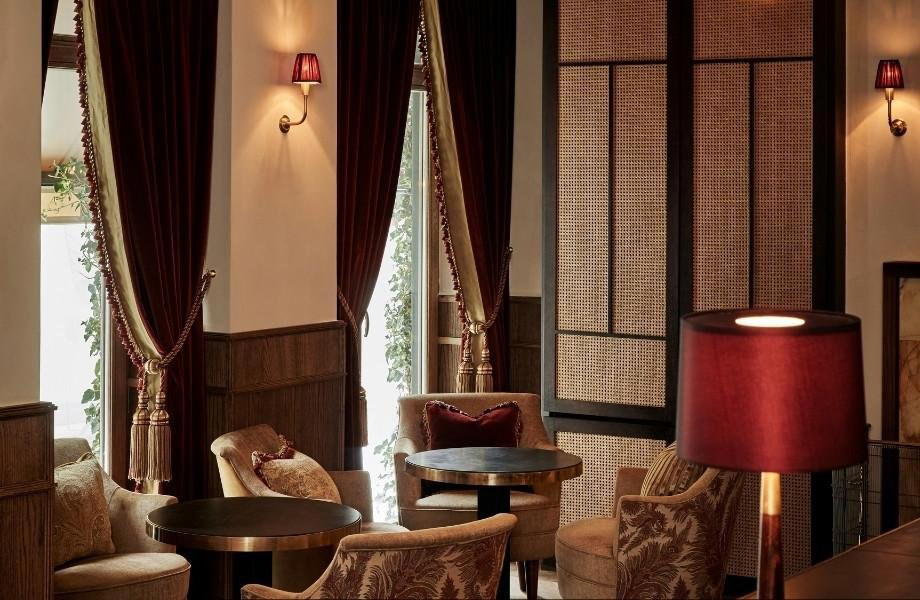
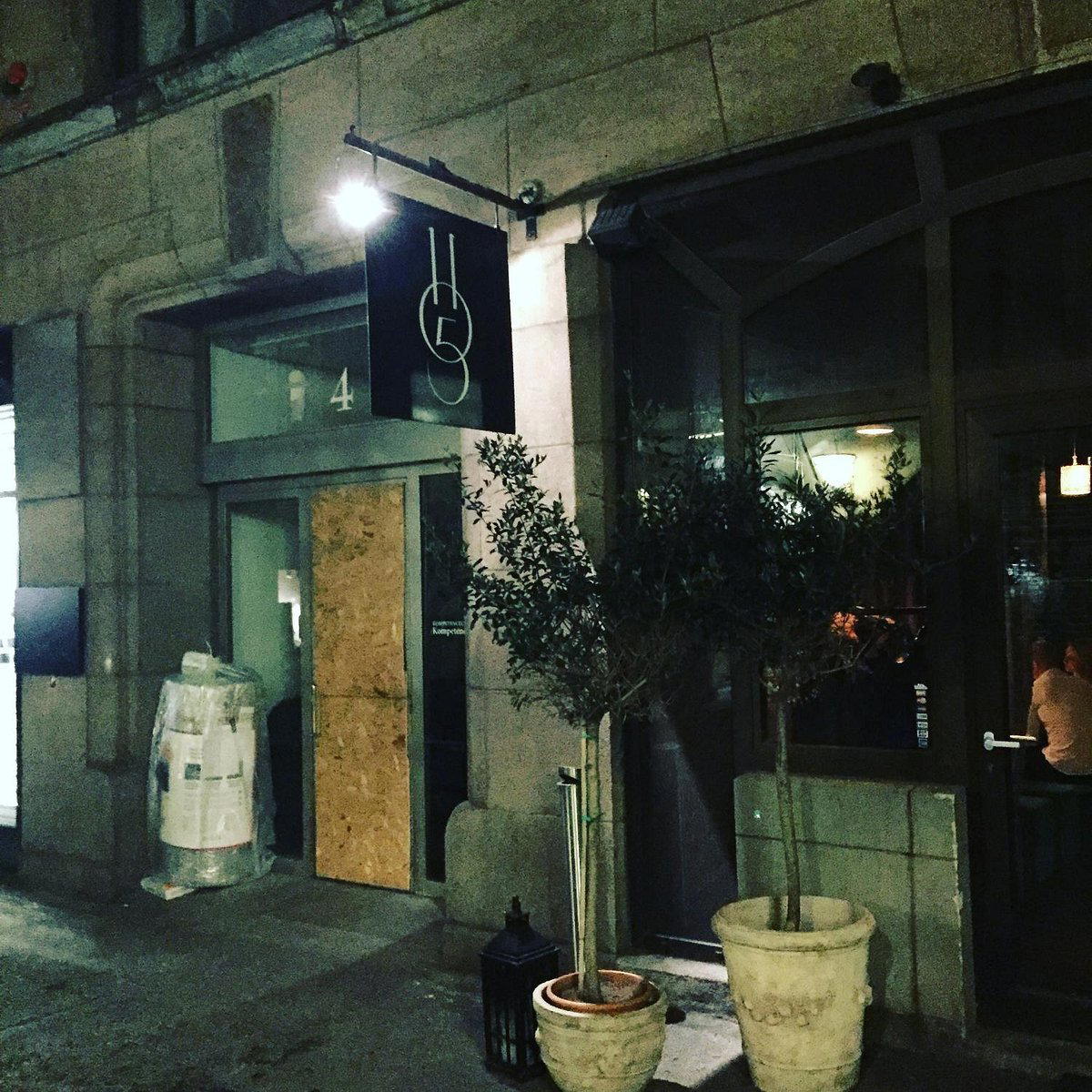
Hotels in Copenhagen
Browse all →

At a Glance
- Cozy
- Classic
- Scenic
- Well Known
- Casual Hangout
- Group Dining
- Family
- Solo
- Waterfront
- Historic Building
- Terrace
- Beer Program
- Local Sourcing
- Waterfront
- Street Scene
Current opening hours
- Monday
- 11:30 AM–9 PM
- Tuesday
- 11:30 AM–9 PM
- Wednesday
- 11:30 AM–9 PM
- Thursday
- 11:30 AM–9:30 PM
- Friday
- 11 AM–10 PM
- Saturday
- 11 AM–10 PM
- Sunday
- 11 AM–9 PM
Hours can change for holidays and private events. Last verified .
Warm and inviting maritime-themed dining room with model ships and sailing-boat pictures on the walls, overlooking the picturesque Nyhavn canal with bustling harbor life.
Know Before You Go
- Getting there
- Nyhavn 5, 1051 København, Denmark