Gostilna pri hrastu
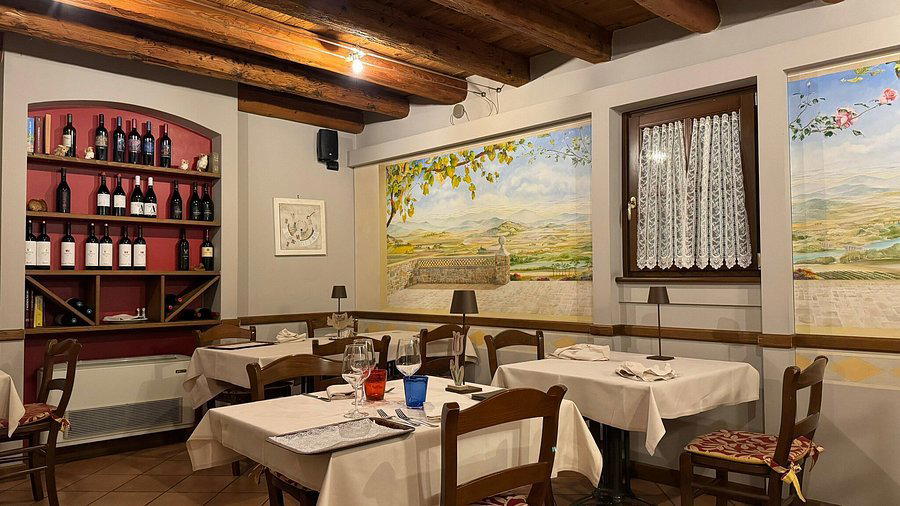
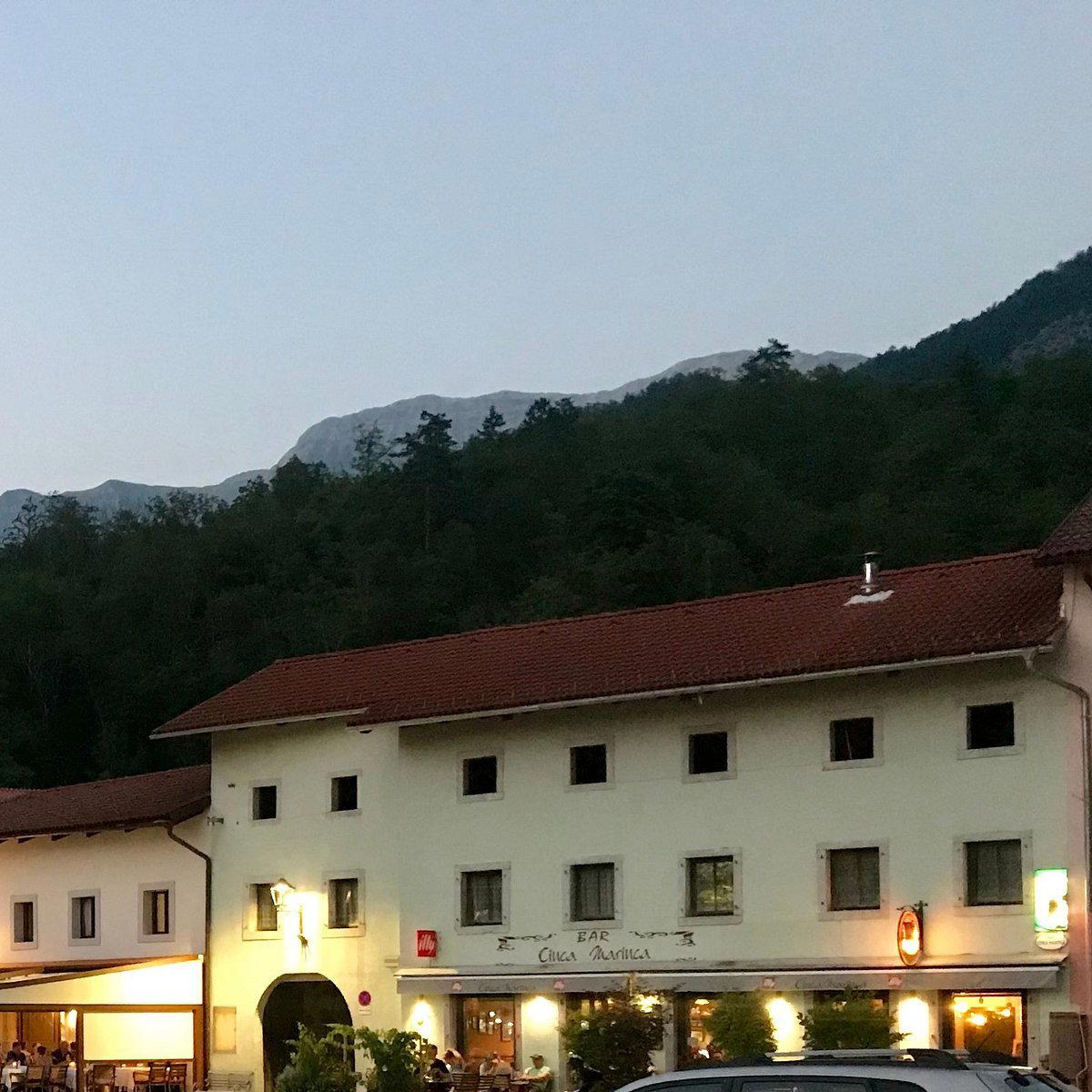
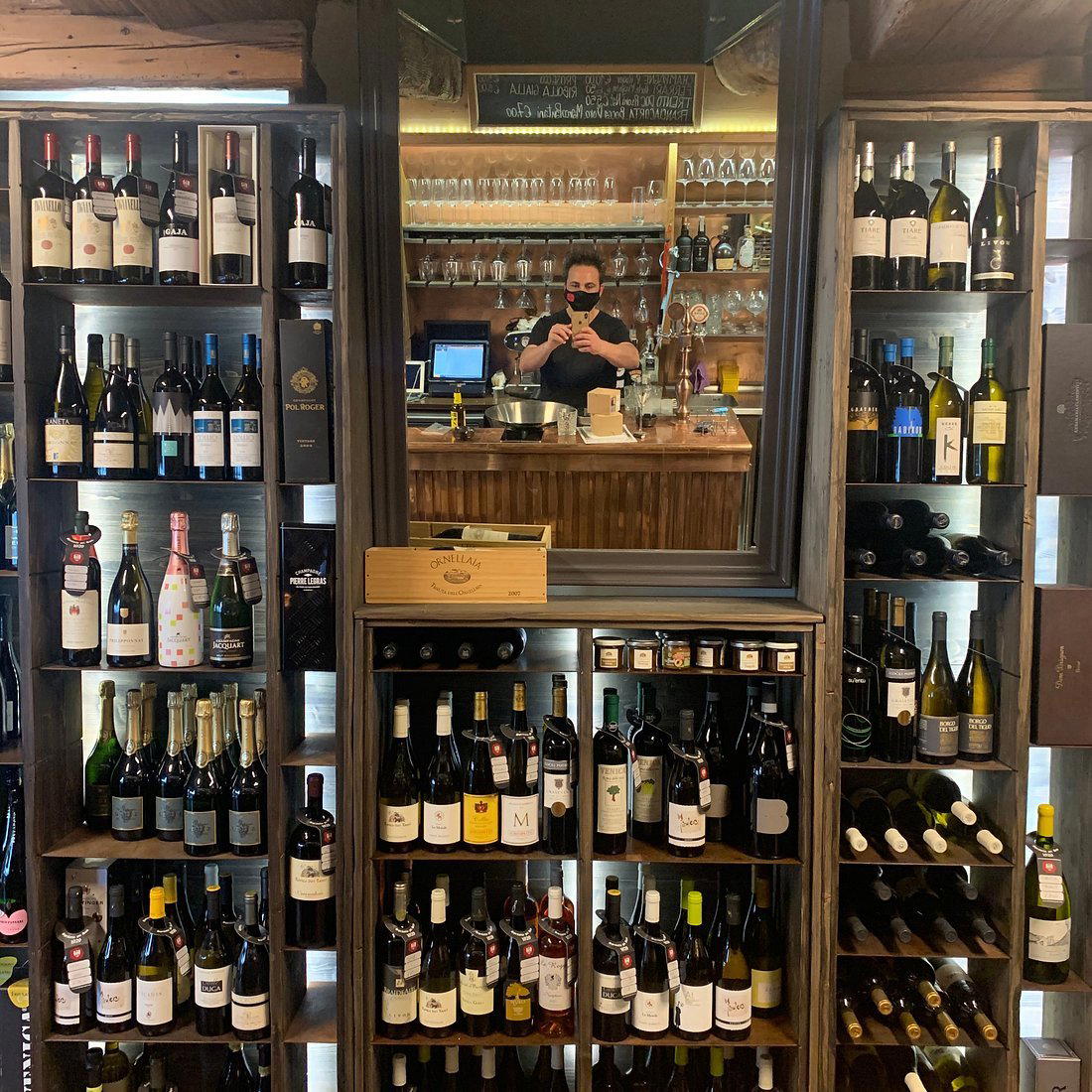
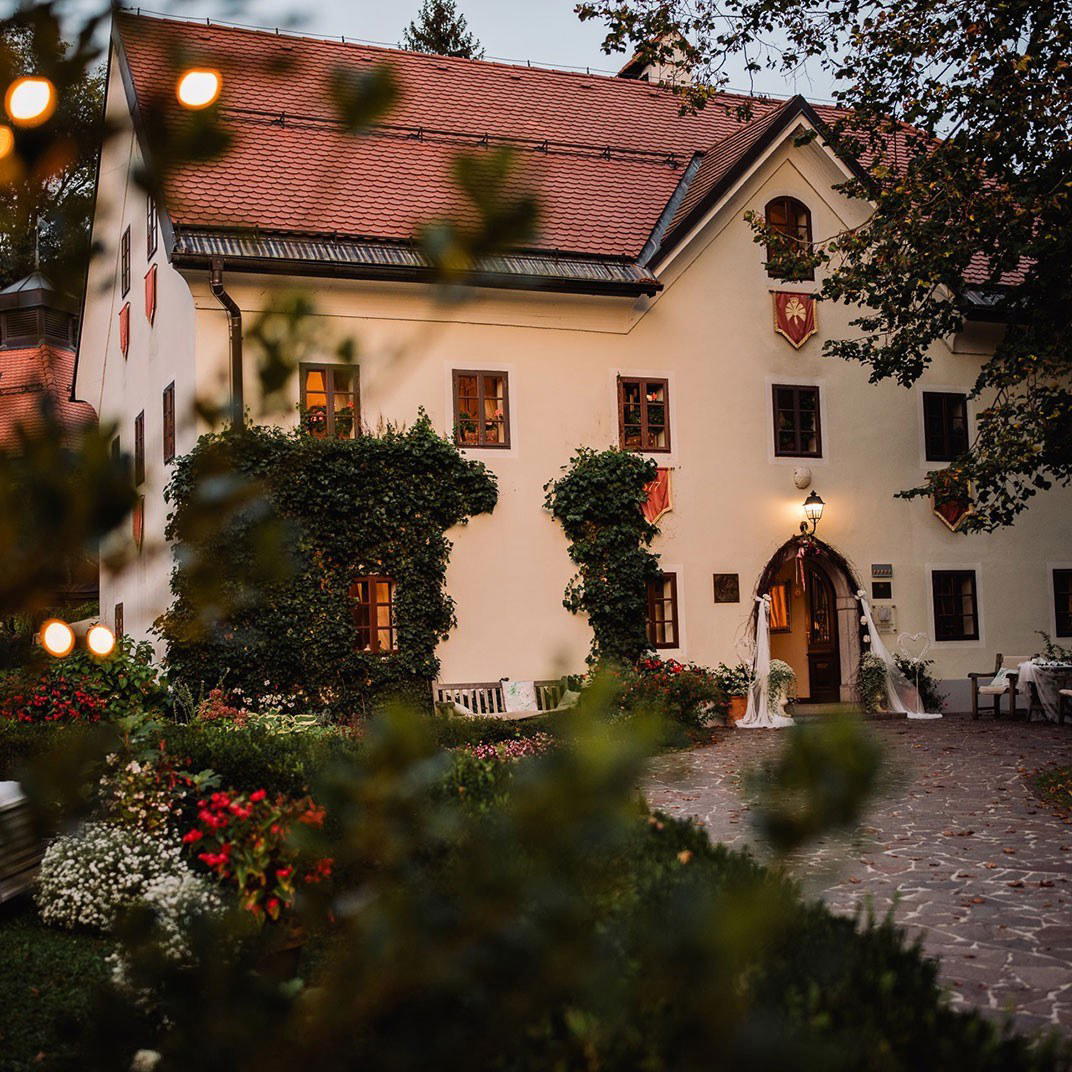
Gostilna pri hrastu serves Traditional Slovenian Primorska with Italian influences in a historic building with a garden and terrace, plus an extensive wine list for lunch or dinner.
Pearl is the En Primeur Club membership app — saves, bookings, and concierge access live there. Same editors, same standards.
- Address
- Kromberška cesta 2, 5000 Nova Gorica, Slovenia
- Phone
- +38653027210
- Website
- gostilna-prihrastu.si
- Directions
- Get directions
 Saves & bookings on Pearl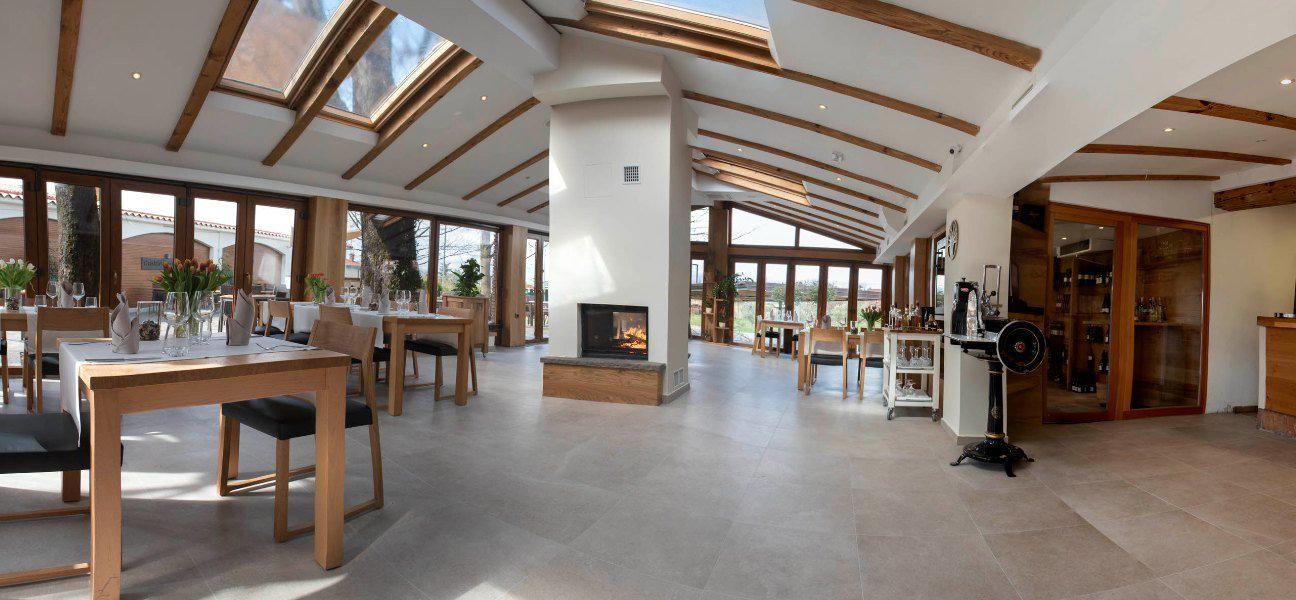
Where the Gostilna Tradition Still Holds Ground
Kromberška cesta runs quietly through the outskirts of Nova Gorica, away from the pedestrian corridors and cross-border foot traffic that define the city's more conspicuous dining stretch. Gostilna pri hrastu sits at Kromberška cesta 2 in Nova Gorica and serves traditional Slovenian Primorska cooking with Italian influences. The name itself references an oak tree, a detail that signals something about the register you are entering before you have read a menu or sat at a table.
The gostilna as a format has deep roots in Slovenian food culture. It occupies a distinct position between the rural gostiše and the urban restavracija, functioning historically as a gathering point for a local community rather than a destination for outsiders. At its leading, the format delivers home-style cooking that reflects regional larder and seasonal availability, without the abstraction that tasting menus introduce. In the Goriška Brda and Vipava Valley corridor that frames Nova Gorica's food identity, that means dishes built around slow-cooked meats, foraged herbs, dried and cured preparations, and the buckwheat and polenta bases that predate any modern Slovenian culinary revival.
Nova Gorica's Dining Range and Where Pri Hrastu Sits
Nova Gorica's restaurant scene has diversified considerably in recent years, partly driven by its designation as a European Capital of Culture in 2025, shared with Gorizia across the Italian border. That status accelerated investment in the city's hospitality infrastructure and brought a wider range of formats into the mix. Dam represents the Mediterranean and modern cuisine tier, operating at the €€€ price point and attracting guests who are thinking about the meal as an event in itself. At the more accessible end, venues like Gostilna Žeja, Fabrika, and Gostilna Termika serve the city's everyday dining needs across a spread of formats and price points. Ošterija Žogica adds another node to the traditional end of the range. Gostilna pri hrastu occupies a position that is less about competing with any of these and more about persisting in the format that predates all of them: the neighborhood gostilna that feeds people who know the place rather than people who found it online.
That positioning matters in a city where the restaurant map is shifting. As Nova Gorica draws more visitors from across the Italian border and from Ljubljana-based travelers making a weekend of the Soča and Brda region, the pressure on traditional gostilnas is to either modernize or retreat. Pri Hrastu's address on Kromberška cesta puts it slightly outside the zones where that pressure is most acute, which may be exactly why it continues to function as it does.
The Cultural Logic of Slovenian Gostilna Cooking
Understanding what a gostilna serves requires understanding what it is not trying to do. It is not a tasting menu operation. It is not attempting to reinterpret the Slovenian canon through a contemporary lens in the manner that places like Hiša Franko in Kobarid or Gostilna Pri Lojzetu in Vipava do with their Michelin-recognized formats. Those operations use traditional ingredients as raw material for a contemporary argument. The gostilna format uses the same ingredients to make the same argument it has always made, which is that Slovenian food is sustaining, regional, and built for a table of people who have been outside in the cold.
In the Goriška region specifically, that cooking draws on influences from both the Italian side of what was once a single Austro-Hungarian administrative zone and the Karst plateau's preserved-meat tradition. Wine from the Brda hills and the Vipava Valley has always been part of the gostilna table rather than an afterthought, and the proximity of Nova Gorica to some of Slovenia's most serious wine production means that even a traditional-format restaurant in this city operates in a different context from a similar venue in, say, the interior. Gostilna meals in this part of Slovenia have always assumed wine on the table, which is a structural difference from the northern alpine gostilna tradition.
Across Slovenia, the restaurants attracting greater attention currently occupy the fine-dining bracket: venues like Restavracija Strelec in Ljubljana, Hiša Denk in Zgornja Kungota, Hiša Linhart in Radovljica, Milka in Kranjska Gora, Grič in Šentjošt nad Horjulom, Pavus in Lasko, and Gostilna Mlinar in Idrija. These establishments have put Slovenian cuisine into the same conversation as internationally recognized fine-dining formats. For readers familiar with destinations like Le Bernardin in New York City or Atomix in New York City, the technical ambition at Slovenia's upper tier is comparable in its precision and sourcing discipline, if not in its register. Also notable is Gostišče Karavla 297 in Trzic, which demonstrates how the gostilna format can absorb contemporary technique without abandoning its essential character. Gostilna pri hrastu operates further down the formality scale, which is a deliberate structural choice rather than a limitation.
Planning a Visit
The restaurant sits at Kromberška cesta 2 in Nova Gorica, reachable from the city center by a short drive or a considered walk. The address places it in a quieter residential zone rather than the commercial core, so arriving without a clear map reference is inadvisable. For a traditional gostilna of this type, arriving without a booking on a weekend is a risk, particularly during the summer months when the Brda and Vipava Valley draw wine tourists to the whole corridor. Weekday lunches at this format tend to run more flexibly. For the fuller picture of what Nova Gorica's dining scene offers across formats and price tiers, the EP Club Nova Gorica restaurants guide covers the city's range with comparative context.
Price Lens
Comparable venues nearby, for context on price, style, and recognition.
| Venue | Cuisine | Price | Notes |
|---|---|---|---|
| Gostilna pri hrastuThis venue — the venue you are viewing | Not listed | $$ | Not listed |
| Fabrika | Not listed | $$ | Nova Gorica, American Steakhouse & Burgers |
| Tiffany Restaurant | Not listed | $$$ | Nova Gorica, Modern Mediterranean Seafood |
| Gostilna Termika | Not listed | $$ | Sempas, Slovenian Regional with Goriška Gnocchi |
| Restavracija Grad Kromberk | Not listed | $$$ | Nova Gorica, Contemporary Slovenian & Mediterranean Fine Dining |
| Gostilna Žeja | Sempas, Slovenian Seafood | $$ | Not listed |
Continue exploring
More in Nova Gorica
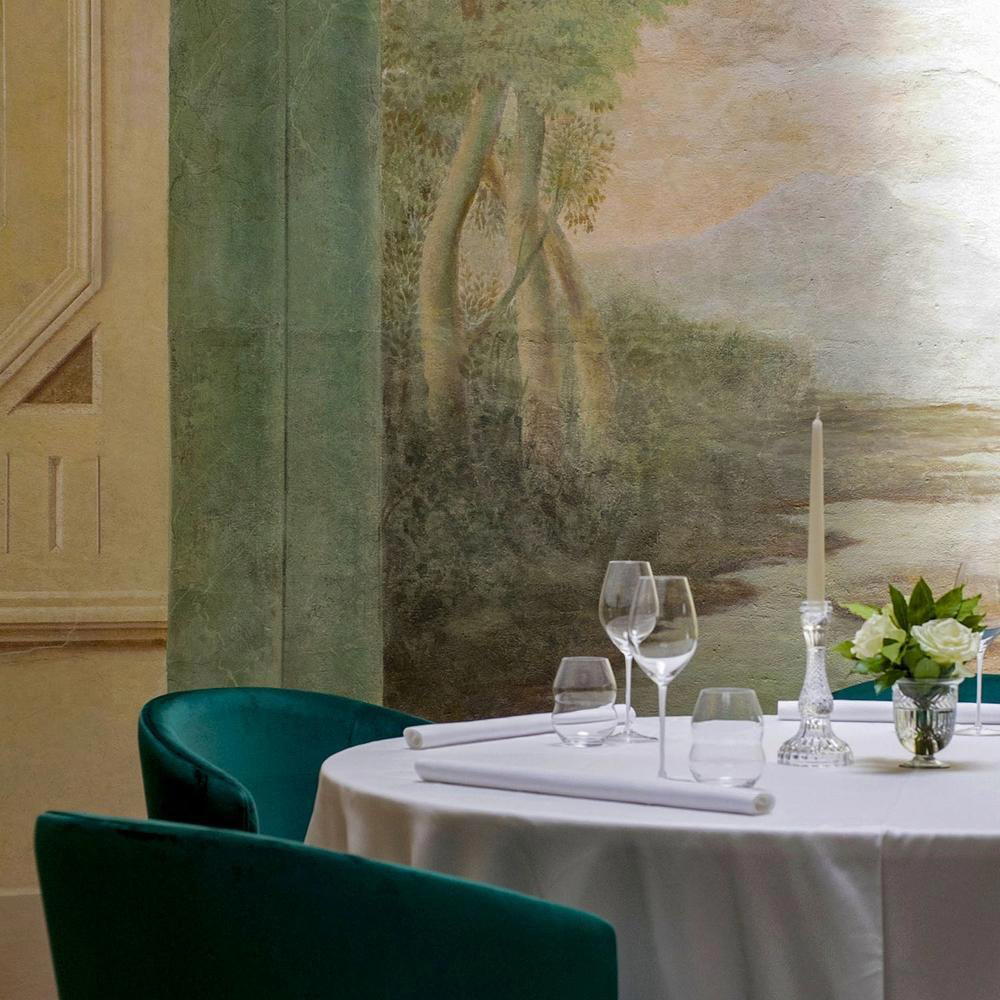
Restaurants in Nova Gorica
Browse all →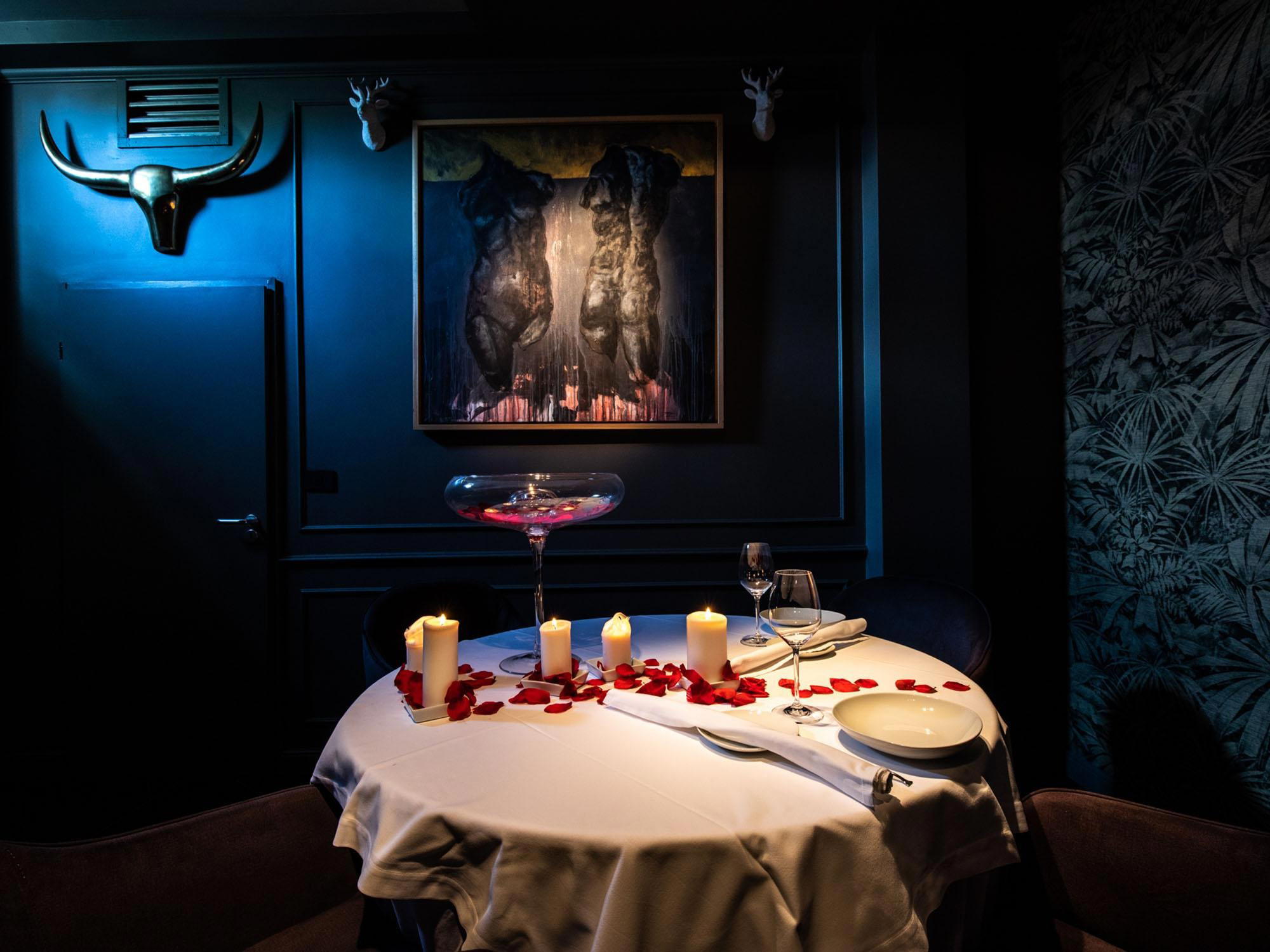
Bars in Nova Gorica
Browse all →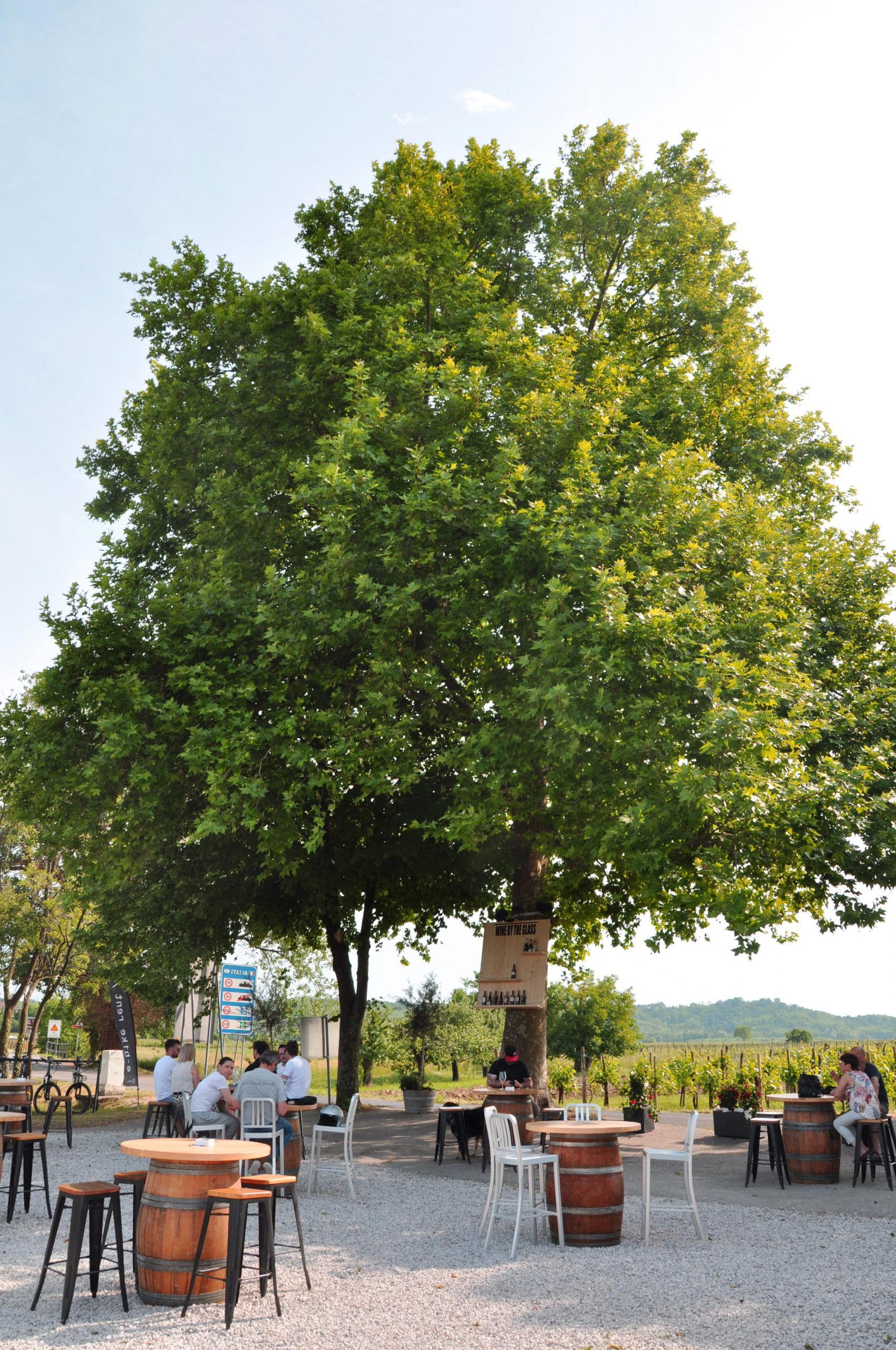
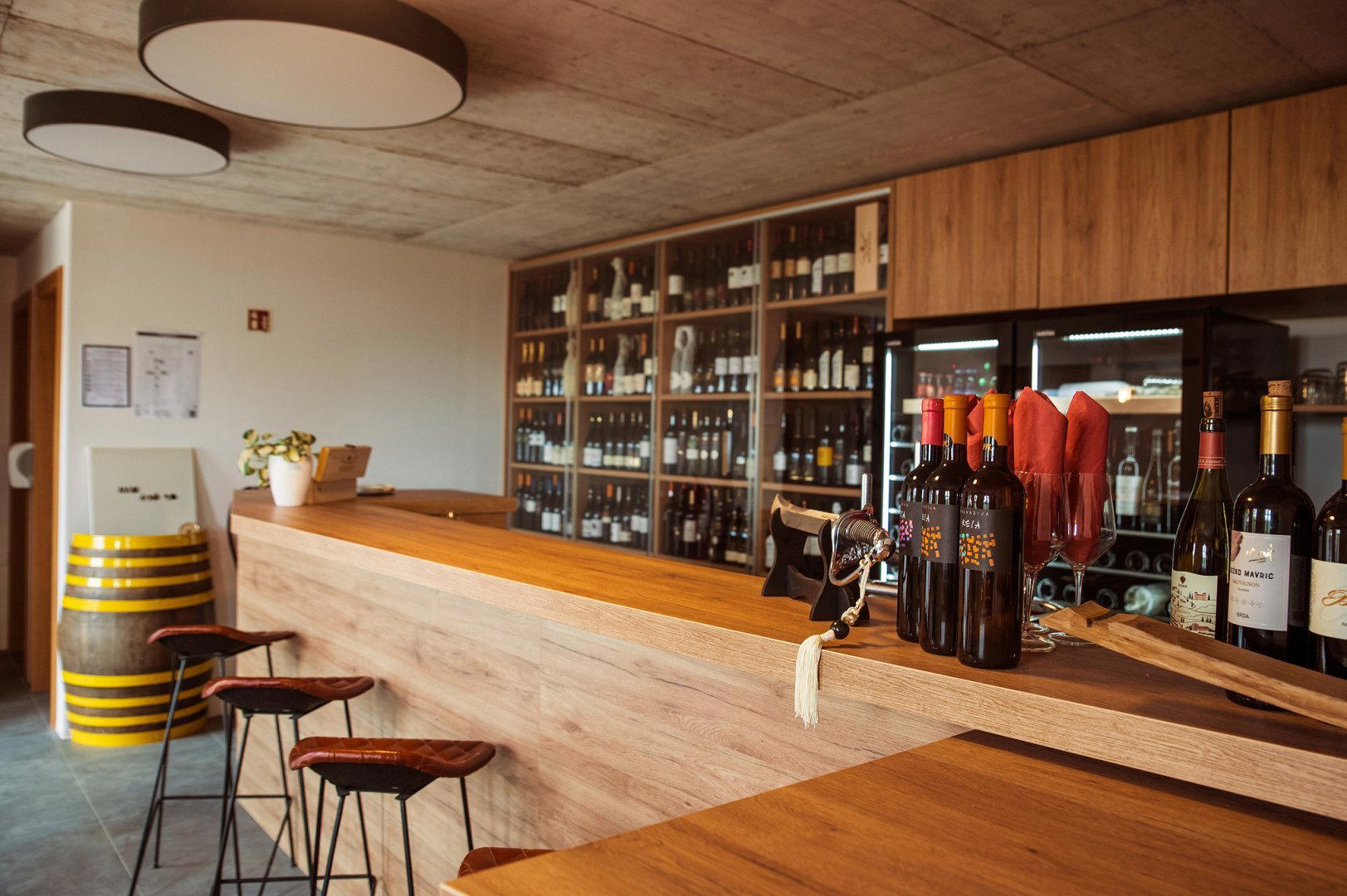
Hotels in Nova Gorica
Browse all →
At a Glance
- Rustic
- Cozy
- Romantic
- Classic
- Family
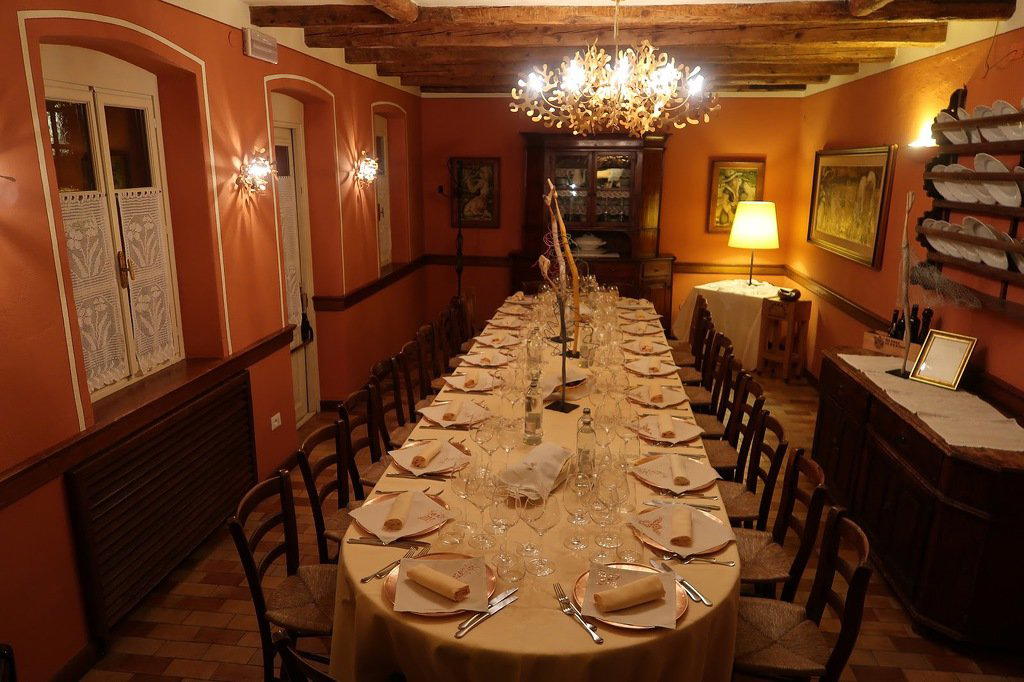
- Group Dining
- Celebration
- Business Dinner
- Garden
- Terrace
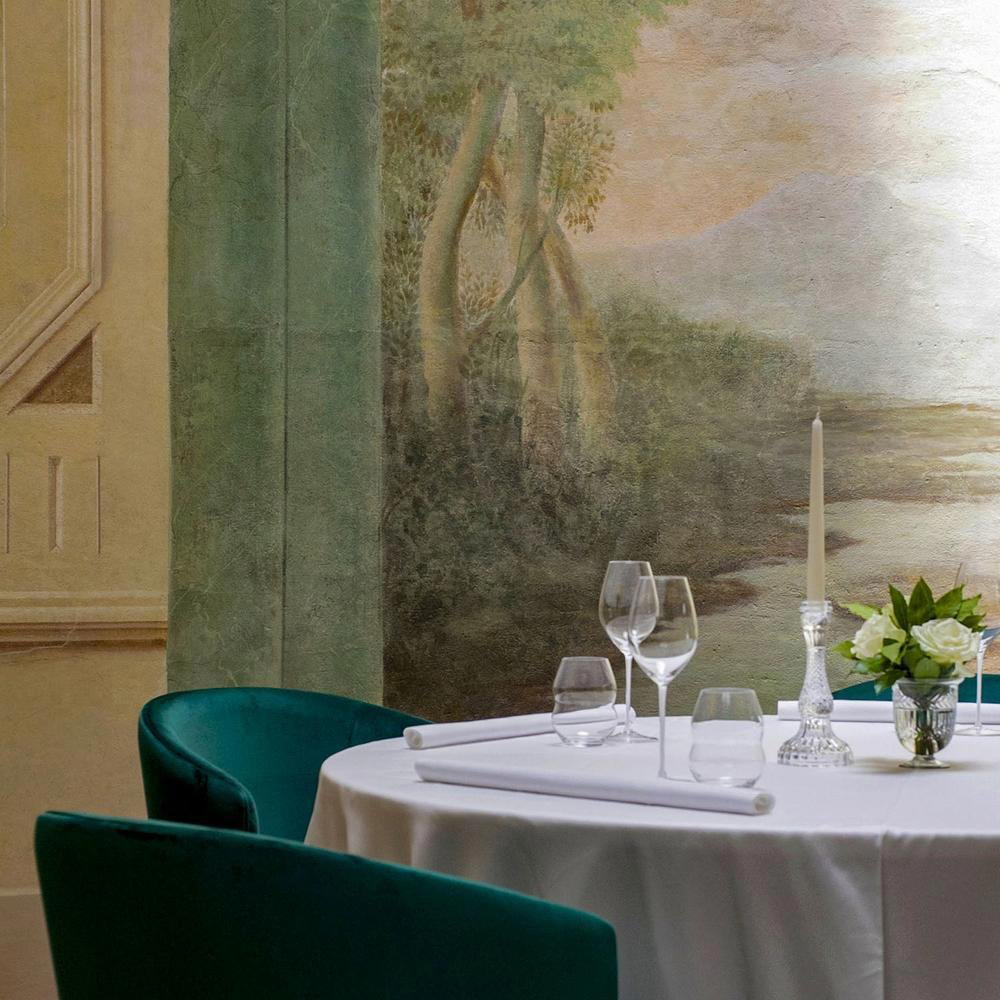
- Historic Building
- Extensive Wine List
- Local Sourcing
- Garden
Current opening hours
- Monday
- 11 AM–10 PM
- Tuesday
- 11 AM–10 PM
- Wednesday
- 11 AM–10 PM
- Thursday
- 11 AM–10 PM
- Friday
- 11 AM–10 PM
- Saturday
- 12–10 PM
- Sunday
- 12–10 PM
Hours can change for holidays and private events. Last verified .
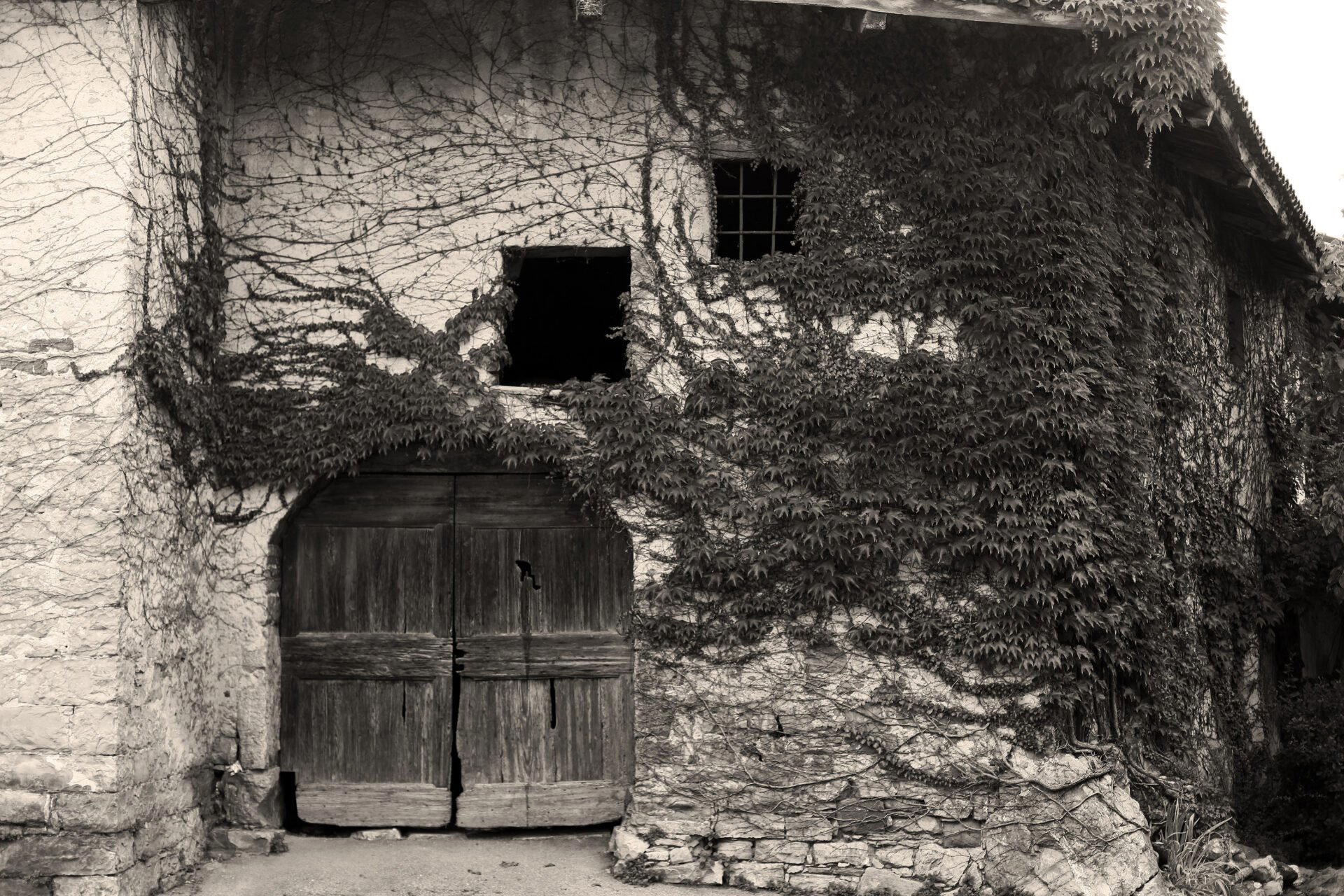
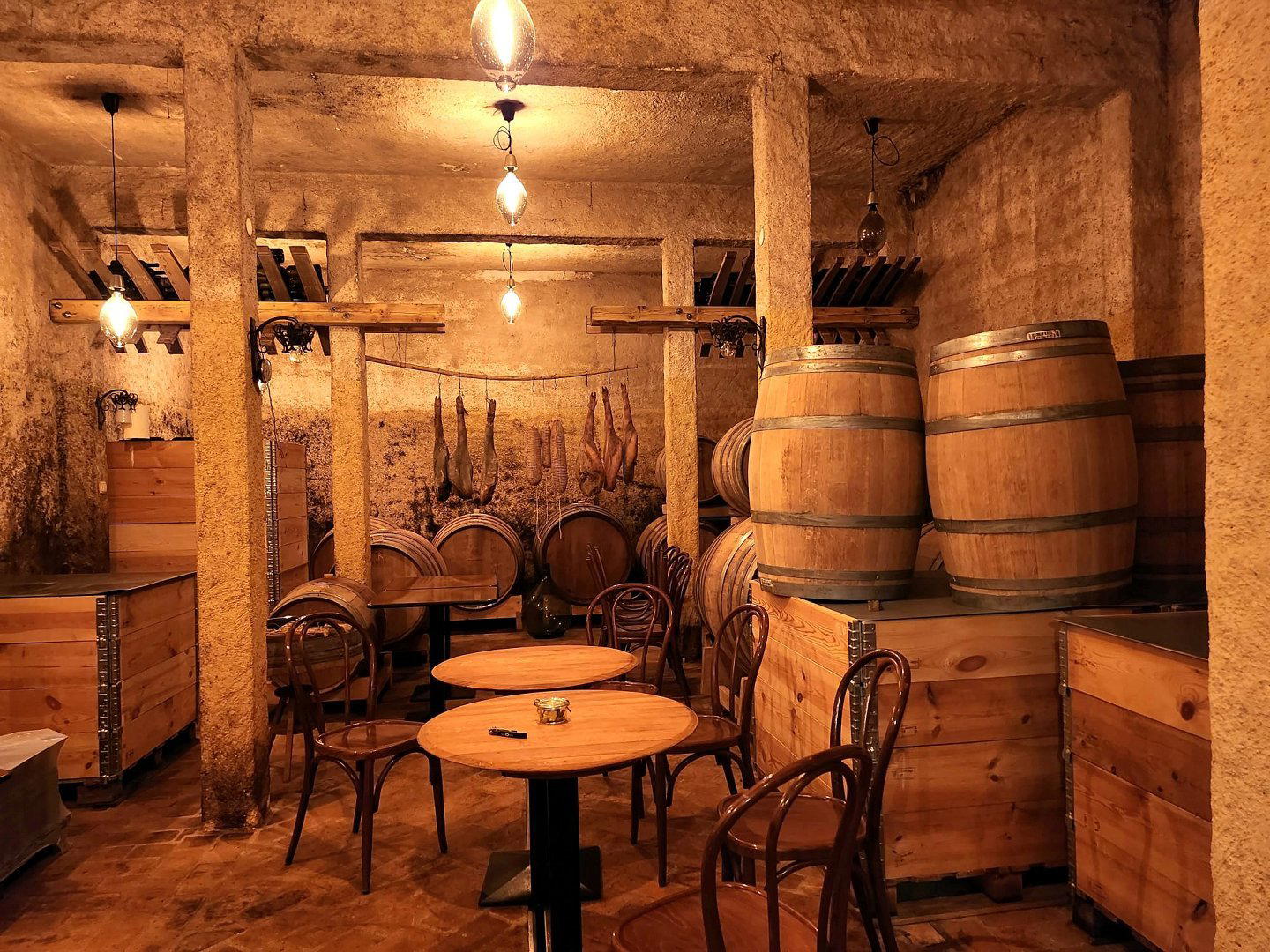
Cozy and rustic interior with wood structure, fireplaces, pastel autumn tones, spacious welcoming rooms, and a large covered romantic garden terrace.