Gostilna Žeja
Our verdict
Gostilna Žeja sits in the village of Ozeljan, a short drive from Nova Gorica in the Vipava Valley corridor, where the Karst plateau meets some of Slovenia's most storied wine country. The kitchen draws on the agricultural depth of this specific stretch of western Slovenia, placing it in a tradition of rural gostilna cooking that prioritises provenance over presentation. For travellers moving between the Italian border and the Slovenian interior, it represents a grounded alternative to the city's more polished dining options.

Pearl is the En Primeur Club membership app, where members save venues, book tables and use the concierge.

The menu
What to order
- Raw scampi
- Oven baked scorpaena
- Mussels buzara
A Village Table in Wine Country
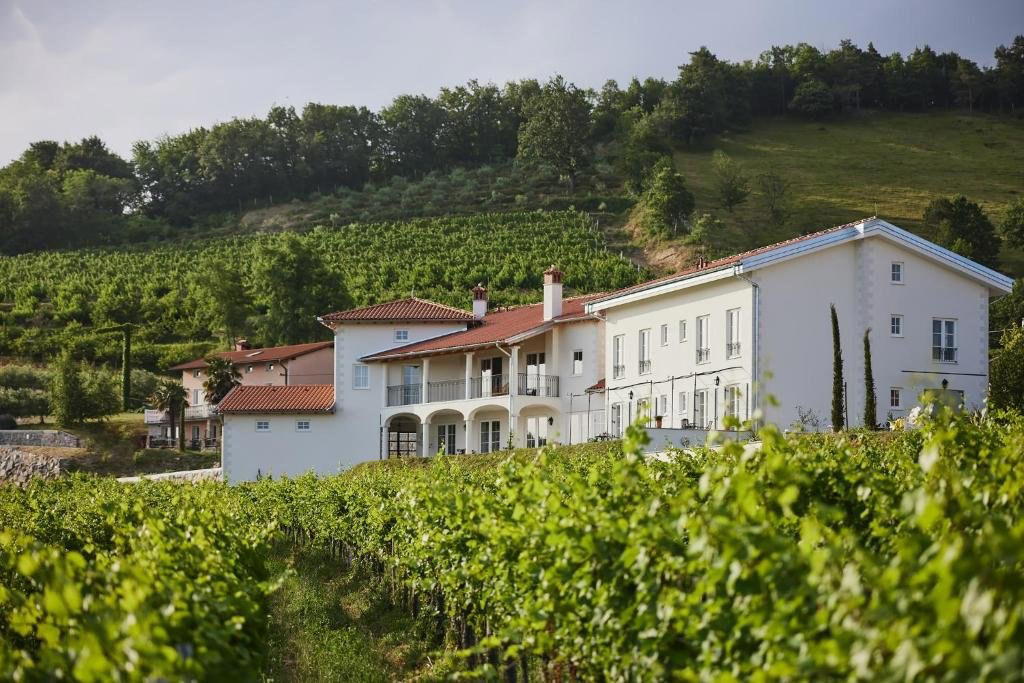
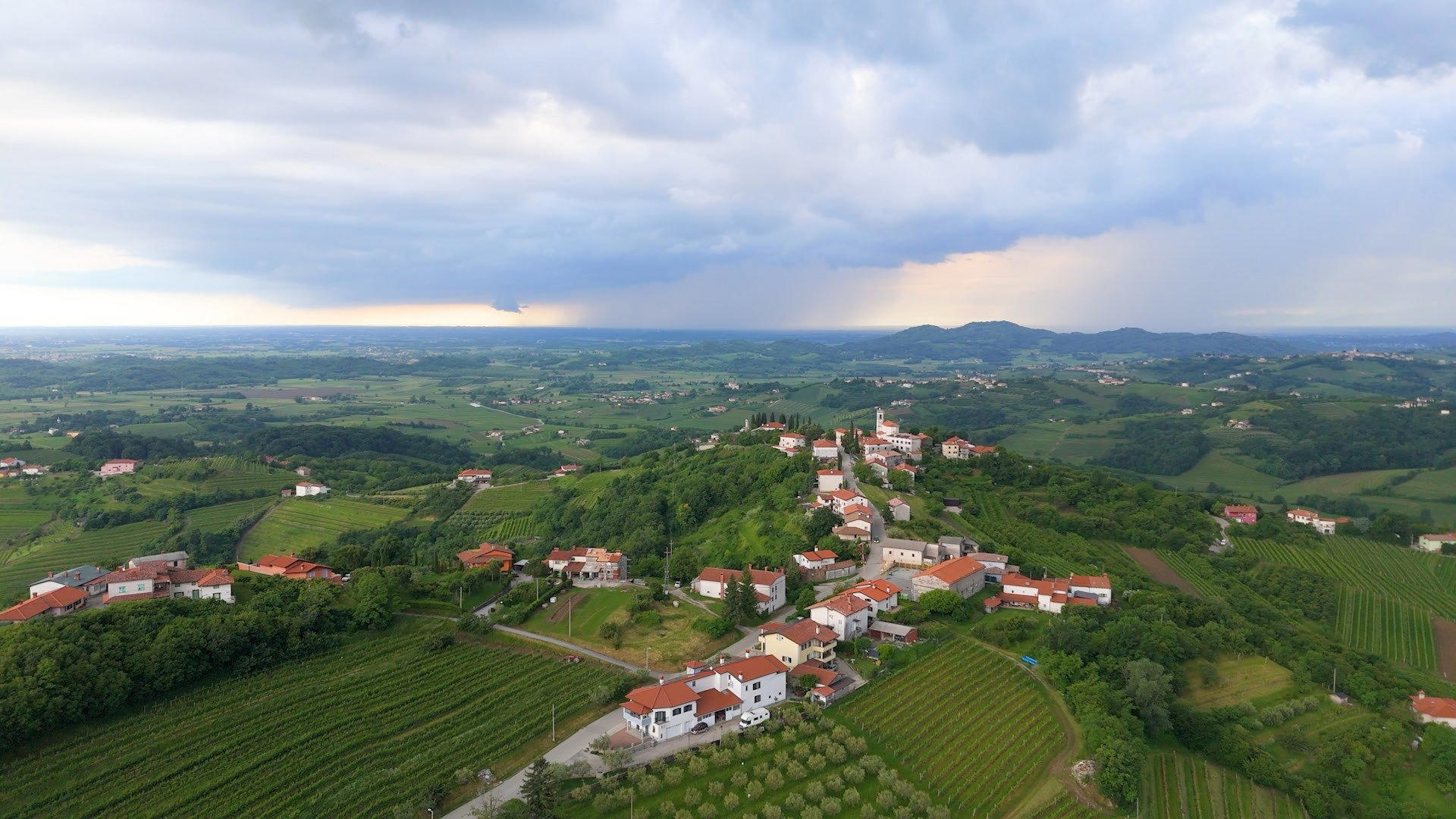
The road from Nova Gorica into the Vipava Valley passes through a sequence of small settlements where the landscape shifts from urban sprawl to limestone terraces and vine rows. Ozeljan, the village where Gostilna Žeja is addressed, sits within this corridor at an elevation that catches the Bora wind off the Karst. The physical approach signals the kind of place this is before you arrive: agricultural, rooted, operating at a scale where the distance between producer and plate is measured in kilometres rather than supply chain tiers. In western Slovenia, this model of the village gostilna is not a concept restaurant reimagining rural food for urban audiences. It is the original format, still functioning in the register it was built for.
The Ingredient Geography of Western Slovenia
The Vipava Valley and its surrounding hills represent one of the most ingredient-dense microregions in Slovenia. The valley floor produces vegetables and herbs under a Mediterranean-influenced microclimate that the Karst plateau above it does not share. Wild greens, cured meats from the Karst tradition, and fish moving through supply chains anchored in both the Adriatic and the Soča river system all fall within sourcing reach of kitchens at this latitude. The gostilna format in this part of Slovenia historically served as the mechanism by which those local ingredients reached the table without institutional intermediaries, and many village restaurants in the Nova Gorica orbit continue to operate on that logic.
What distinguishes this approach from the farm-to-table framing applied to restaurants in larger markets is the absence of marketing apparatus around it. The sourcing is structural, not promotional. Producers in the Vipava corridor have supplied local kitchens for generations, and the relationship between kitchen and supplier in this context tends to be durable rather than curated. Travellers arriving from Ljubljana or crossing from Gorizia should register that difference: the ingredient story here is geographical and historical, not branded.
Žeja in Its Local Competitive Set
Nova Gorica's dining scene covers a wider range than the city's modest profile suggests. Dam operates at the modern Mediterranean end of the spectrum with a more ambitious format and price point. Fabrika and Gostilna Termika occupy the mid-range. Ošterija Žogica and Gostilna pri hrastu share the traditional end of the market. Gostilna Žeja, addressed in Šempas rather than the city centre, sits slightly outside this grid, which places it in the category of destination restaurants that require deliberate travel. That positioning is neither a liability nor an asset in itself; it simply means the visit is structured differently from a city-centre meal. You come here because you are already moving through the valley, or because you have made the decision to leave Nova Gorica for the table rather than the reverse.
For context on what ambitious Slovenian cooking looks like at the national level, the reference points are spread across the country. Hiša Franko in Kobarid and Gostilna Pri Lojzetu in Vipava define the high end of what the western Slovenian tradition produces when it is applied with technical ambition and Michelin recognition. Hiša Denk in Zgornja Kungota and Grič in Šentjošt nad Horjulom represent the same instinct applied in other regional corners of Slovenia. Gostilna Žeja does not compete with that tier, but it operates in the same broad tradition: cooking anchored in a specific geography, served in a format that reflects the scale of the surrounding community.
The Gostilna Tradition and What It Expects of the Visitor
The Slovenian gostilna is a specific institution. It is neither a trattoria nor a tavern in the English-language sense, though it shares features with both. The format typically involves a single-room dining space, a menu oriented toward seasonal and regional produce, and a wine selection that leans heavily on the surrounding wine region. In the Nova Gorica area, that means Vipava Valley whites and the orange wines now internationally associated with the broader Slovenian-Friulian natural wine tradition. The expectation from the kitchen is that the guest understands the format: lunch is often the primary service, the menu changes with availability, and the pacing is the kitchen's rather than the diner's.
Travellers accustomed to restaurants in larger markets, where the pace and format bend toward the guest's preferences, sometimes find this arrangement disorienting. The better frame is to treat the gostilna visit as an immersive encounter with local food culture, where the logistical friction is part of the character. Arriving without a reservation at peak lunch hours is a risk throughout the Vipava corridor, particularly in warmer months when the valley draws visitors from both sides of the Italian border.
Where Žeja Sits in the Broader Slovenian Dining Map
Slovenia has built a credible international dining reputation over the past decade, anchored at the leading by names like Restavracija Strelec in Ljubljana and extending through a network of regional houses including Hiša Linhart in Radovljica, Milka in Kranjska Gora, Pavus in Lasko, Gostilna Mlinar in Idrija, and Gostišče Karavla 297 in Trzic. The country's culinary profile is not built on urban concentration; it is distributed across a network of village and small-town kitchens, each drawing on hyper-local sourcing in the way that larger restaurant economies cannot replicate at scale. Gostilna Žeja in Ozeljan participates in that distributed model, and readers planning an itinerary through western Slovenia should consult our full Nova Gorica restaurants guide to map it alongside the city's other options.
For international reference, the contrast with places like Le Bernardin in New York City or Atomix in New York City is instructive in what it reveals about the different registers fine and traditional food occupies globally. Those restaurants operate within a formal fine-dining economy where the table is a designed experience. The Slovenian village gostilna operates on an entirely different logic, one where the value is in the specificity of place and the durability of local food culture rather than in technical display.
Planning Your Visit
Gostilna Žeja is located at Ozeljan 32i, in the municipality of Šempas, a short drive northeast of Nova Gorica. The address places it in the agricultural zone between the city and the Karst plateau, accessible by car rather than on foot from the city centre. Arriving unannounced at a small village gostilna of this type carries risk, particularly outside of core lunch hours. The surrounding area rewards a slower itinerary: the Vipava Valley wine route passes through this territory, and the Nova Gorica-Gorizia border region has accumulated significant cultural interest since the two cities were designated European Capital of Culture for 2025.
Frequently asked questions
What part of town is Gostilna Žeja in?
Gostilna Žeja is located at Ozeljan 32i, 5261 Šempas, Slovenia, Nova Gorica.
Is Gostilna Žeja a good base for exploring Vipava Valley wine country?
The address at Ozeljan 32i in Šempas places Gostilna Žeja directly inside the agricultural belt that feeds into the Vipava Valley wine region, one of Slovenia's most active zones for orange wine and indigenous varietals like Zelen and Pinela. Combining a meal at a gostilna of this type with cellar visits in the surrounding villages follows a well-worn local pattern. The venue sits close enough to several small producers to make a half-day circuit practical without re-entering Nova Gorica.
What's the best thing to order at Gostilna Žeja?
Gostilna Žeja sits in Šempas, at the edge of the Vipava Valley, one of western Slovenia's most productive agricultural zones. The kitchen draws on that geography, so dishes built around seasonal valley produce and locally sourced meat are the logical choices.
Do they take walk-ins at Gostilna Žeja?
Gostilna Žeja is located at Ozeljan 32i in Šempas, a rural address northeast of Nova Gorica rather than a town-centre spot with steady foot traffic. Village gostilne in Slovenia typically accommodate walk-ins during standard meal hours, but capacity at a small rural table can fill quickly on weekends. Calling ahead is advisable; no phone number is currently listed in public records.
What makes Gostilna Žeja worth seeking out?
The case for making the drive from Nova Gorica rests on the format itself: a gostilna in its original sense, tied to a specific agricultural neighbourhood rather than a tourist corridor. The Šempas address places it within reach of Vipava Valley producers whose output rarely travels far from source. That proximity to ingredient origin is what separates this kind of venue from the city restaurants that approximate the same tradition at a remove.
What if I have allergies at Gostilna Žeja?
Gostilna Žeja operates as a traditional Slovenian gostilna in Šempas, where menus tend to be compact and kitchen staff are typically few. Guests with serious allergies should communicate their requirements before arrival rather than at the table, since small rural kitchens have limited capacity to adapt dishes under service pressure.
Does Gostilna Žeja justify its prices?
Traditional Slovenian gostilne at village addresses like Ozeljan 32i in Šempas generally sit well below the cost of comparable meals in Nova Gorica's more formal dining rooms, with the value proposition resting on ingredient quality and portion scale rather than service theatre or décor spend.
Quick Comparison
Comparable venues nearby, for context on price, style, and recognition.
| Venue | Cuisine | Price | Notes |
|---|---|---|---|
| Gostilna ŽejaThis venue (the venue you are viewing) | Slovenian Seafood | Not listed | Not listed |
| Fabrika | American Steakhouse & Burgers | $20–30 | Nova Gorica |
| Pikol | Modern Mediterranean Fine Dining | $50–100 | Vipava Valley |
| Ošterija Žogica | Slovenian Osteria with Pizza | Not listed | Solkan |
| Gostilna pri hrastu | Traditional Slovenian Primorska with Italian influences | $20–30 | Nova Gorica |
| Tiffany Restaurant | Modern Mediterranean Seafood | $50–100 | Nova Gorica |
Continue exploring
More in Nova Gorica
Restaurants in Nova Gorica
All restaurants in Nova Gorica →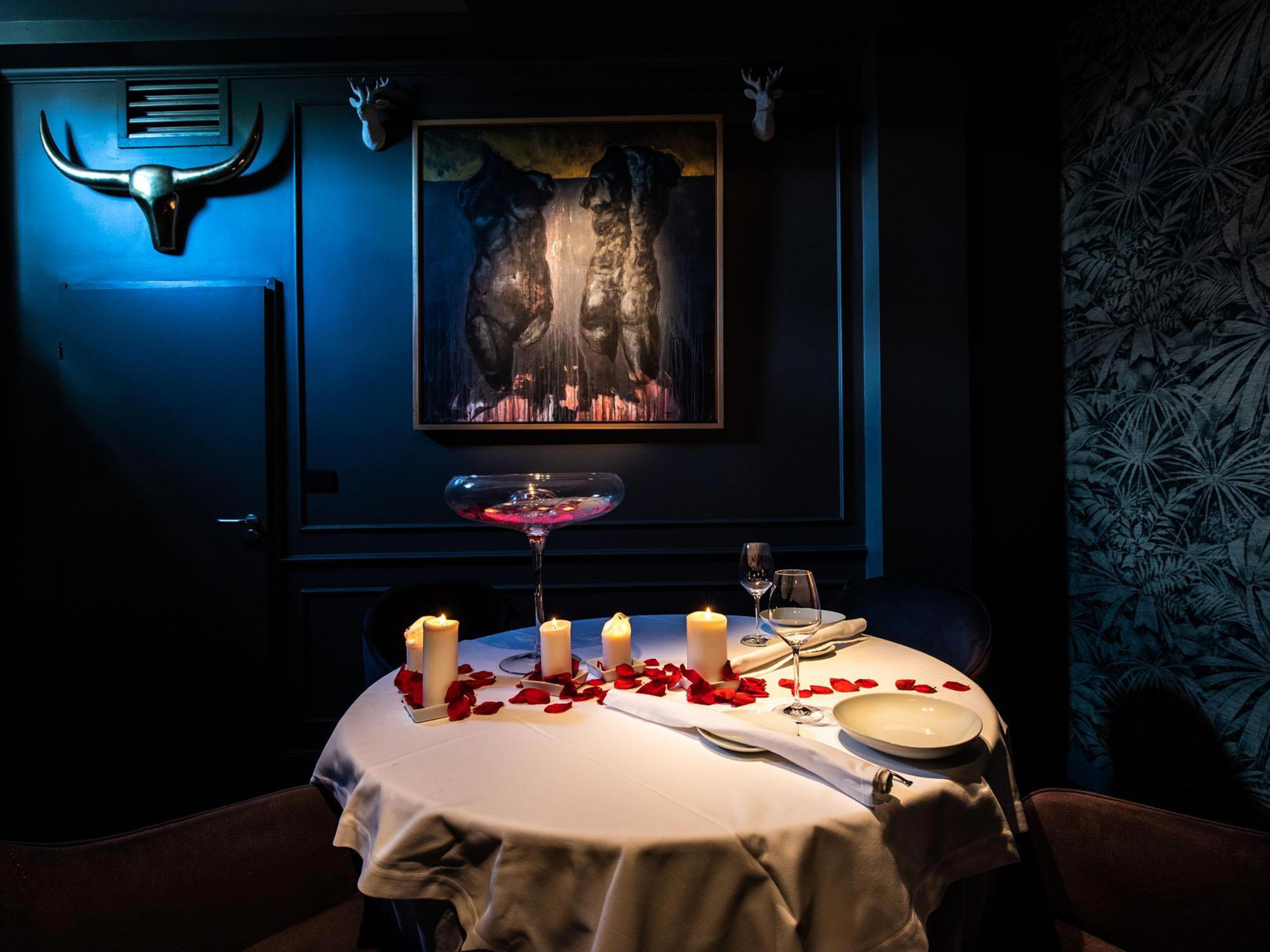
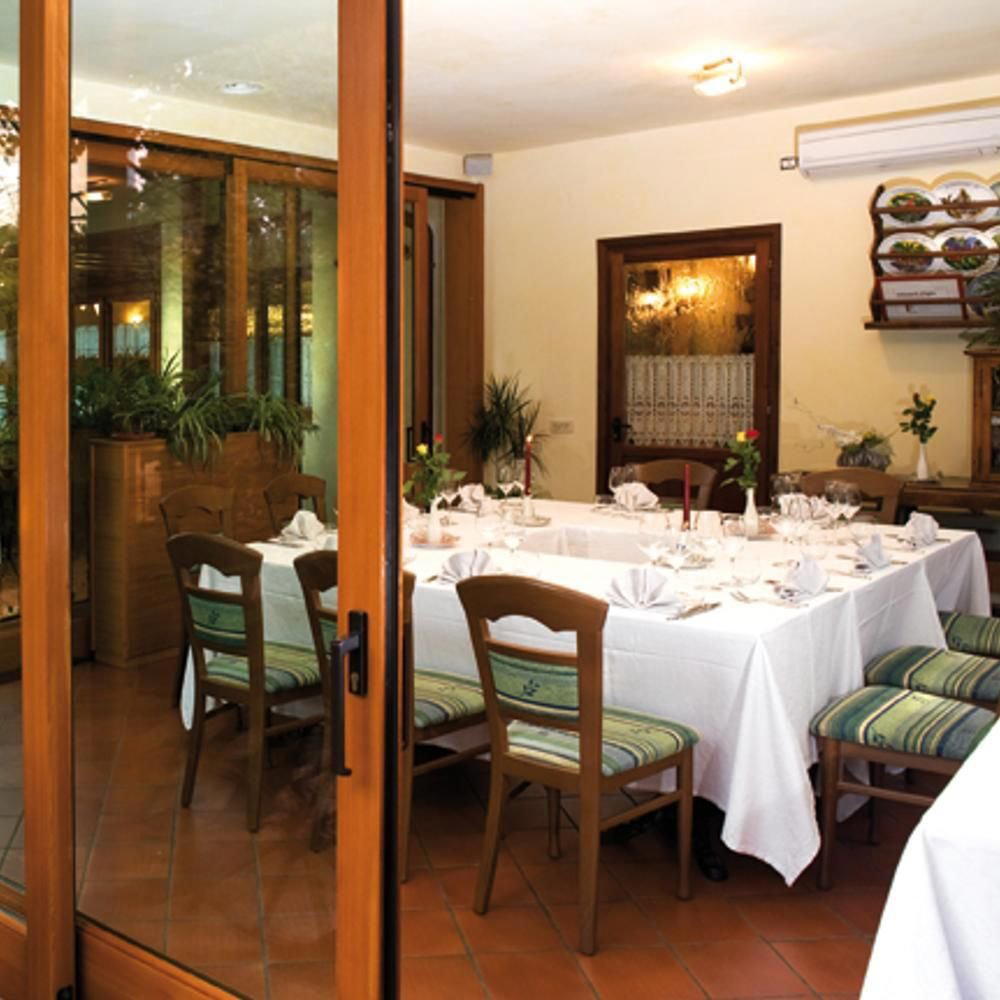
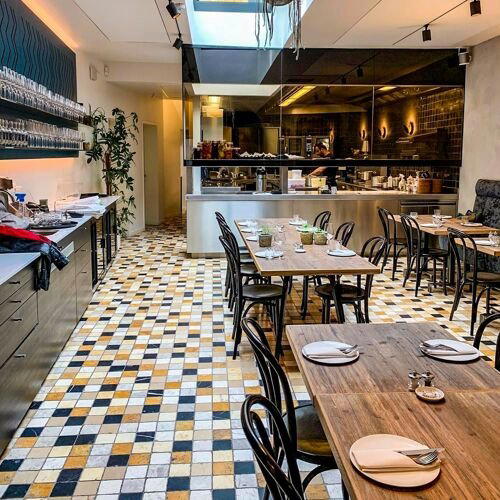
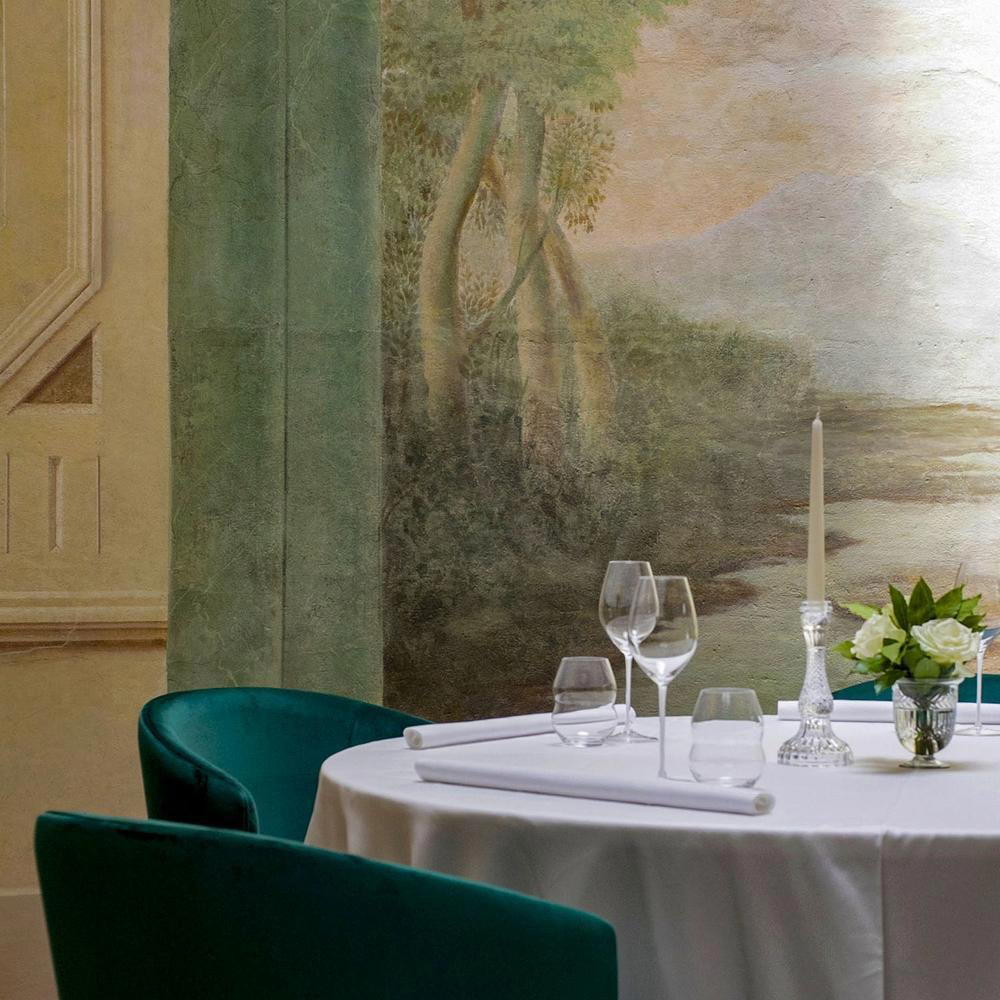
Bars in Nova Gorica
Browse all →
Details
- Cozy
- Rustic
- Intimate
- Date Night
- Special Occasion
- Terrace
- Extensive Wine List
- Local Sourcing
- A La Carte
- Small Plates
Current opening hours
- Monday
- Closed
- Tuesday
- Closed
- Wednesday
- Closed
- Thursday
- 12–10 PM
- Friday
- 12–10 PM
- Saturday
- 12–10 PM
- Sunday
- 12–5:30 PM
Hours can change for holidays and private events. Hours as of .
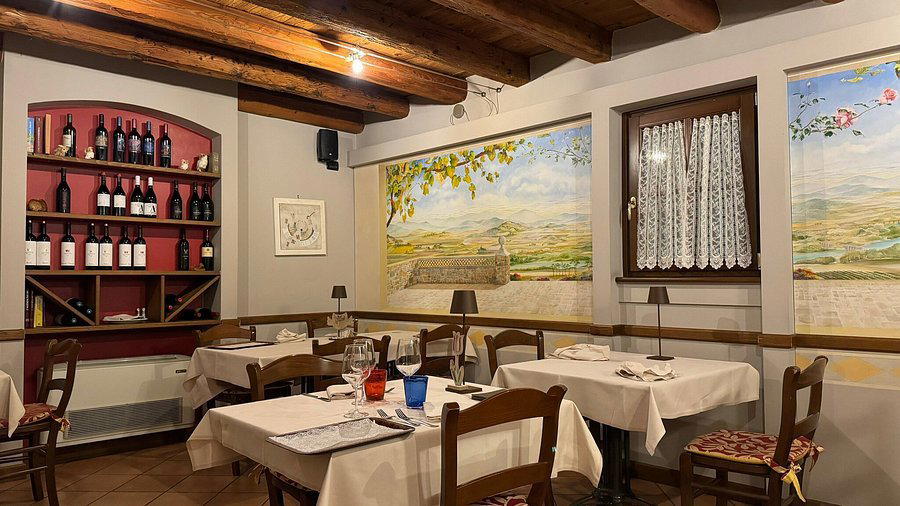
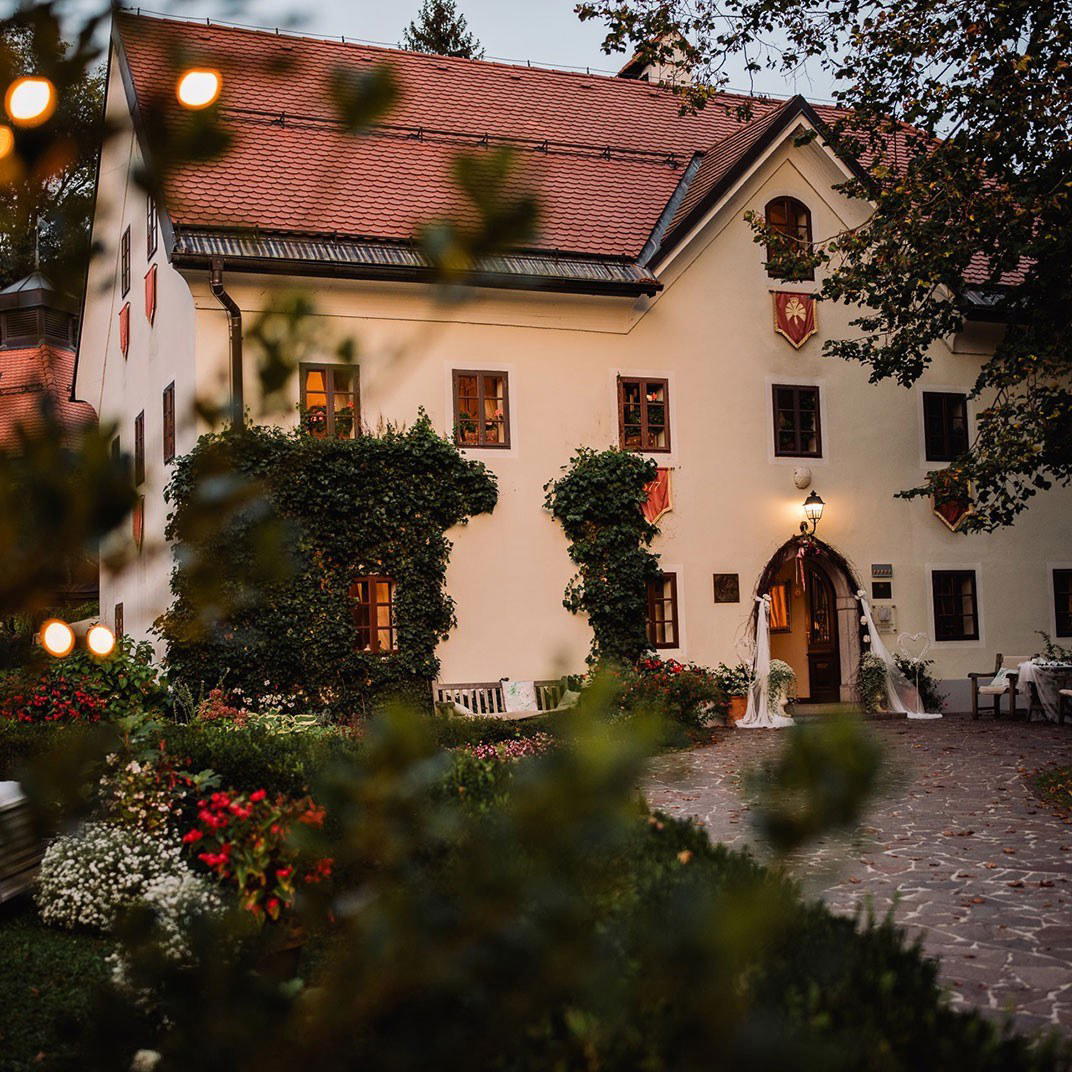
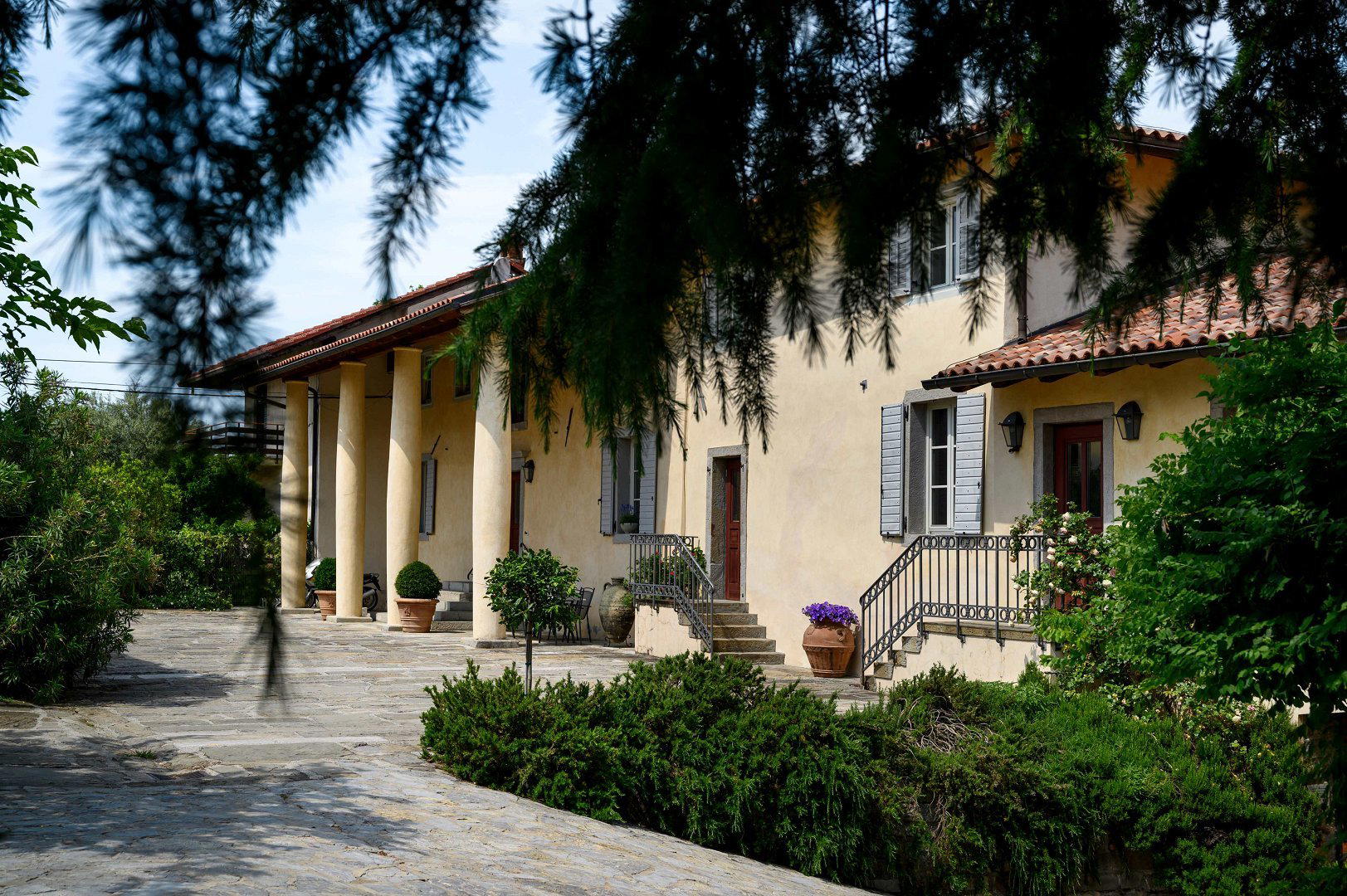
Relaxed, home-like atmosphere with shaded terrace under vines and white tablecloths, evoking a friendly family dinner.