Ošterija Žogica
Ošterija Žogica operates in the ošterija tradition along Soška cesta in Solkan, the riverside neighbourhood just outside Nova Gorica's border-zone centre. Its format reflects the Goriška region's layered culinary heritage, where Slovenian, Friulian, and Austro-Hungarian influences have compressed over time into a style of eating that is neighbourhood-rooted rather than tourism-facing. For visitors exploring the 2025 European Capital of Culture territory, it represents the local register of a scene better known internationally for venues like Hiša Franko.
Pearl is the En Primeur Club membership app — saves, bookings, and concierge access live there. Same editors, same standards.
- Address
- Soška cesta 52, 5250 Solkan, Slovenia
- Phone
- +38653005240
- Website
- zogica.com
- Directions
- Get directions
 Saves & bookings on Pearl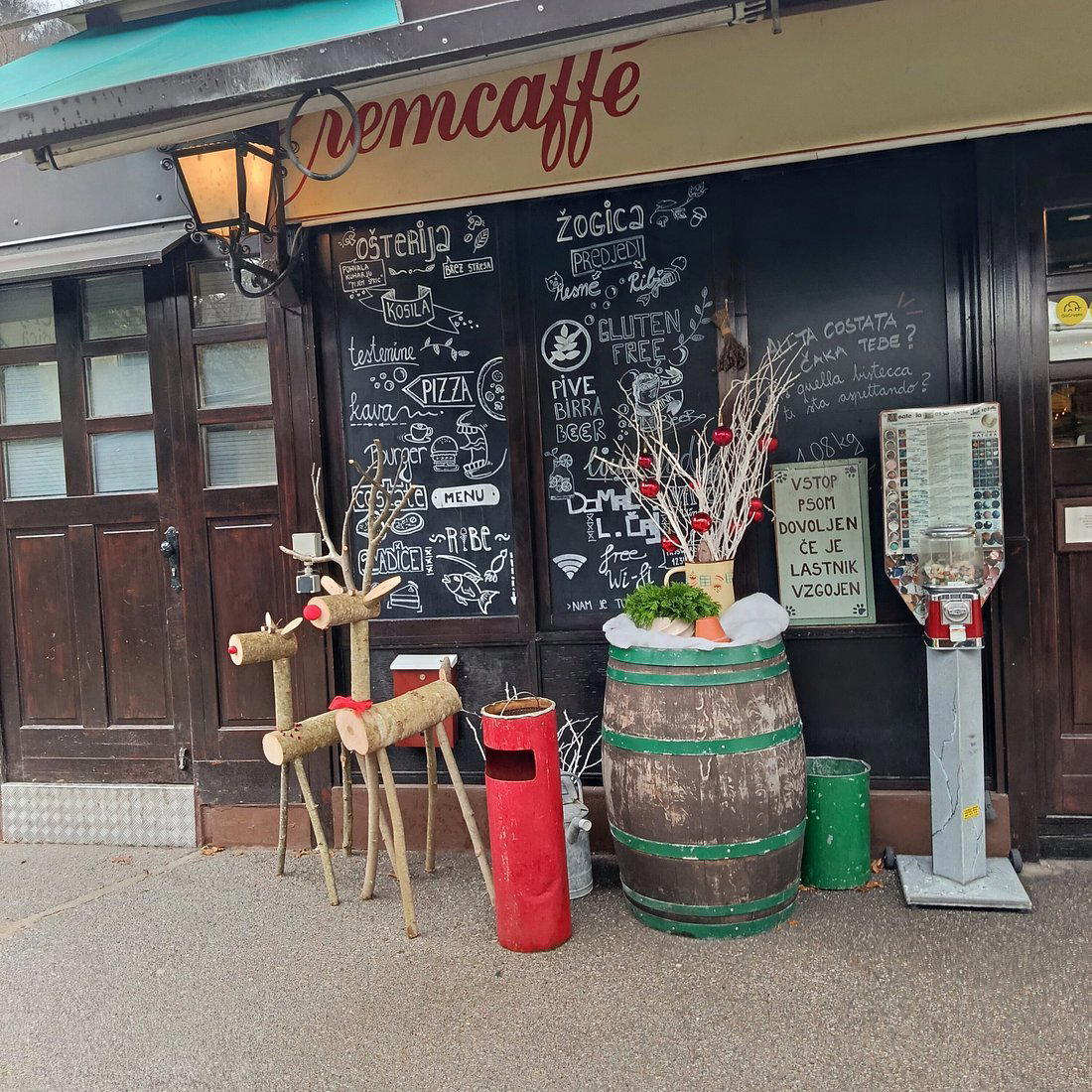
Solkan, Between Two Countries and Two Kitchens
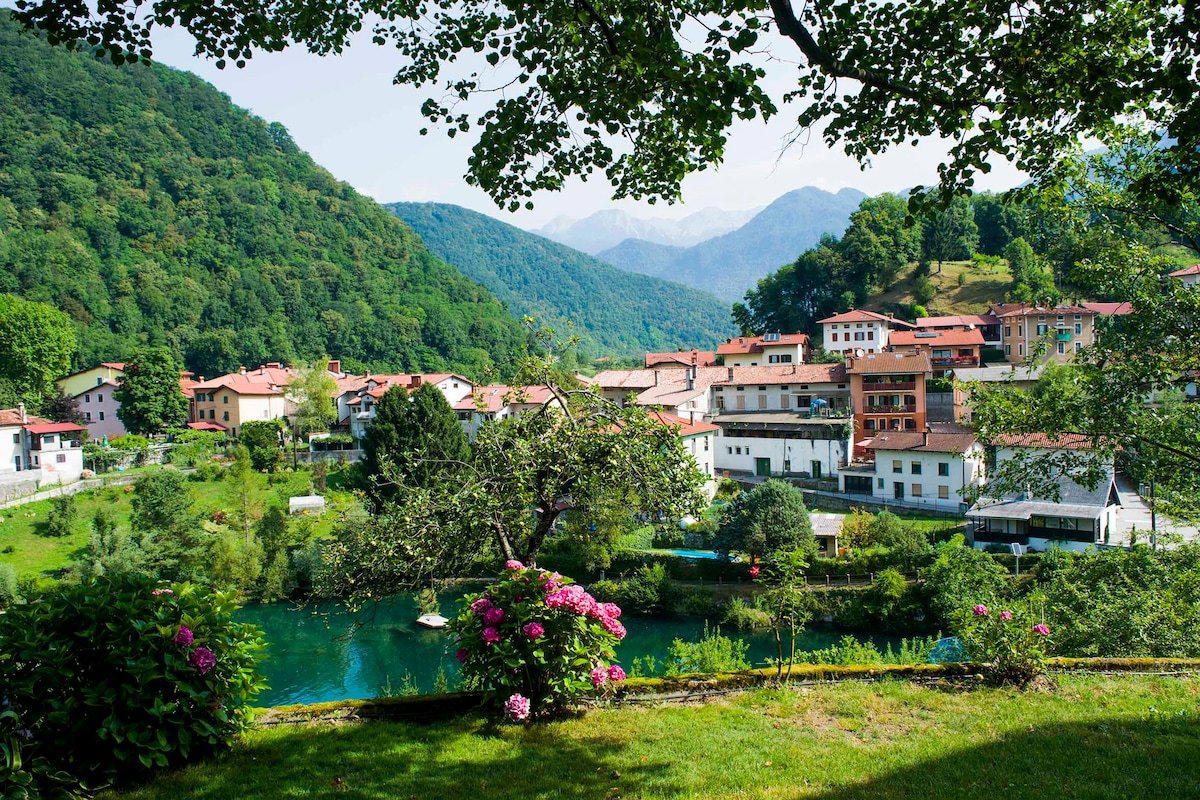
Solkan sits at the edge of Nova Gorica where the Soča River makes its last Slovenian turn before the Italian border closes in. This is not a neighbourhood in the conventional city sense: it is a ribbon of houses, stone bridges, and working-life infrastructure that predates the political division of Gorizia by decades. Restaurants here do not market themselves against a skyline; they position themselves against a way of eating that belongs to the Soča Valley rather than to any single cuisine category. Dam, across the border zone in Nova Gorica proper, operates in a Mediterranean-modern register at the €€€ tier. Ošterija Žogica, at Soška cesta 52 in Solkan, belongs to a different conversation: the ošterija tradition, which in this part of Slovenia means something closer to the Friulian osteria than to either a formal gostilna or a tourist-facing trattoria.
What the Ošterija Format Actually Means Here
The word ošterija is not an affectation. Across the Goriška region, it signals a specific contract with the guest: a room that functions as much as a local gathering point as a dining destination, a menu built around seasonal and regional materials rather than imported trend signals, and a price register that keeps the place in daily use rather than special-occasion orbit. This format has survived in pockets of the Soča Valley and the Vipava corridor precisely because the border geography created culinary density: Slovenian, Italian, and Austro-Hungarian influences compressed into a small area over a long time. The result is a tradition that draws from all three without announcing itself as fusion.
That density is visible in the wider Goriška dining scene. Gostilna pri hrastu and Gostilna Termika represent the more formal gostilna end of Nova Gorica's mid-tier, while Gostilna Žeja and Fabrika cover different registers of the local casual scene. Ošterija Žogica's address places it slightly outside the central Nova Gorica cluster, in Solkan, which means the clientele it draws tends to be neighbourhood-rooted rather than transient.
The Soča Corridor as Context
Understanding why a place like Ošterija Žogica matters requires understanding what the Soča corridor has produced for Slovenian dining more broadly. The valley runs from Bovec in the north through Tolmin and down toward the Goriška plain, threading through terrain that has historically supported small-scale farming, viticulture along the Vipava edges, and fishing culture centred on the river itself. Restaurants across this geography tend to reflect those inputs. Hiša Franko in Kobarid operates at the highest technical tier of Soča Valley cooking, with two Michelin stars and a foraging-intensive approach that has earned it sustained international attention. But Hiša Franko is not the model against which local ošterije measure themselves; they sit in a different tier and serve a different social function.
The more instructive comparison set for the Goriška region includes Gostilna Pri Lojzetu in Vipava, which has built a serious wine and food program from within the Vipava Valley's natural wine tradition, and Gostilna Mlinar in Idrija, known for anchoring a local identity through a single regional dish. Both illustrate how Slovenian dining at the mid-to-serious tier has become more rooted in specific geography rather than generically Central European. The restaurant operates within that broader Slovenian pattern, even if its individual profile is less documented in the international press.
Nova Gorica and the 2025 European Capital of Culture Effect
Nova Gorica, together with the Italian city of Gorizia across the border, held the European Capital of Culture title in 2025 under the shared designation GO!2025. That designation brought infrastructure investment, cultural programming, and a measurable increase in visitor attention to a border zone that had previously been on few international itineraries. The practical effect for restaurants in the wider municipality, including those in Solkan, was greater exposure to a European visitor base that was not simply passing through to Ljubljana or Bled. For venues without formal awards or international reviews, this period of heightened attention represents a meaningful inflection point. Venues operating in the ošterija register, where the offer is legible to a regional audience but less marketed to international arrivals, have a particular opportunity when visitors arrive already curious about local dining character.
Slovenia's Michelin-recognised dining scene, which includes properties such as Grič in Šentjošt nad Horjulom, Hiša Denk in Zgornja Kungota, Hiša Linhart in Radovljica, Pavus in Lasko, and Restavracija Strelec in Ljubljana, tends to cluster in Ljubljana or in the broader Gorenjska and Štajerska regions. The Goriška area is less saturated with formal recognition, which means the floor-level neighbourhood operators carry more of the daily dining weight than equivalent venues might in a city with denser fine-dining competition.
Planning a Visit to Solkan
The restaurant's address at Soška cesta 52 in Solkan places it along the main road that follows the Soča River south from the old stone arch bridge, one of the longest single-arch railway bridges in the world. Solkan is accessible from Nova Gorica's central area on foot or by short drive, and the neighbourhood has its own low-key rhythm that differs from the more commercially active strips closer to the Gorizia border crossing. The restaurant is open daily from 11 AM to 10 PM. The ošterija format in Slovenia, as in neighbouring Friuli, often operates on schedules tied to local demand rather than tourist-facing hours, which can mean reduced service on Mondays or limited evening sittings mid-week.
Visitors comparing the ošterija register with Nova Gorica's more ambitious end of the market will find the contrast between neighbourhood operators in Solkan and the Mediterranean-modern positioning of venues like Dam instructive. For reference points outside the region, the discipline of cooking with place-specific materials and a fixed local clientele in mind has equivalents at different price levels, from Le Bernardin in New York City to Milka in Kranjska Gora, though the format and price register could hardly differ more. A restaurant's identity is defined by its relationship to a specific place and a specific eater.
A Minimal comparable set
Comparable venues nearby, for context on price, style, and recognition.
| Venue | Cuisine | Price | Notes |
|---|---|---|---|
| Ošterija ŽogicaThis venue — the venue you are viewing | Solkan, Slovenian Osteria with Pizza | $$ | Not listed |
| Gostilna pri hrastu | Not listed | $$ | Nova Gorica, Traditional Slovenian Primorska with Italian influences |
| Fabrika | Not listed | $$ | Nova Gorica, American Steakhouse & Burgers |
| Tiffany Restaurant | Not listed | $$$ | Nova Gorica, Modern Mediterranean Seafood |
| Pikol | Not listed | $$$$ | Vipava Valley, Modern Mediterranean Seafood |
| Gostilna Termika | Not listed | $$ | Sempas, Slovenian Regional with Goriška Gnocchi |
Continue exploring
More in Nova Gorica
Restaurants in Nova Gorica
Browse all →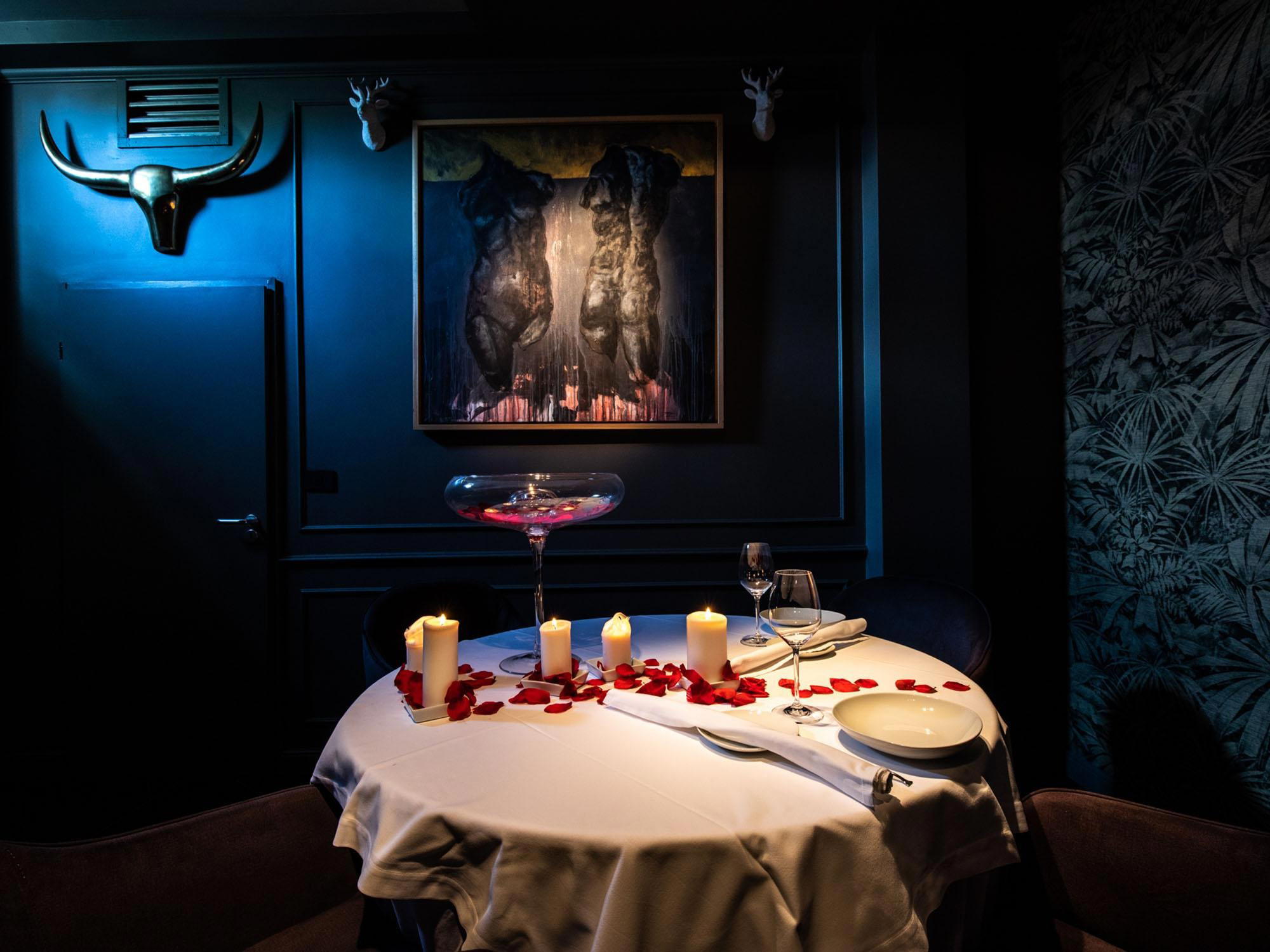
Bars in Nova Gorica
Browse all →
Hotels in Nova Gorica
Browse all →
At a Glance
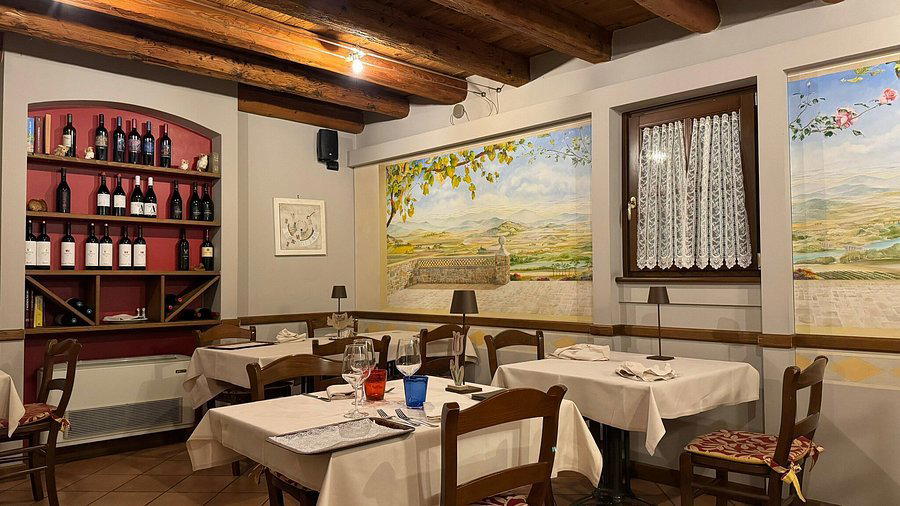
- Cozy
- Rustic
- Family
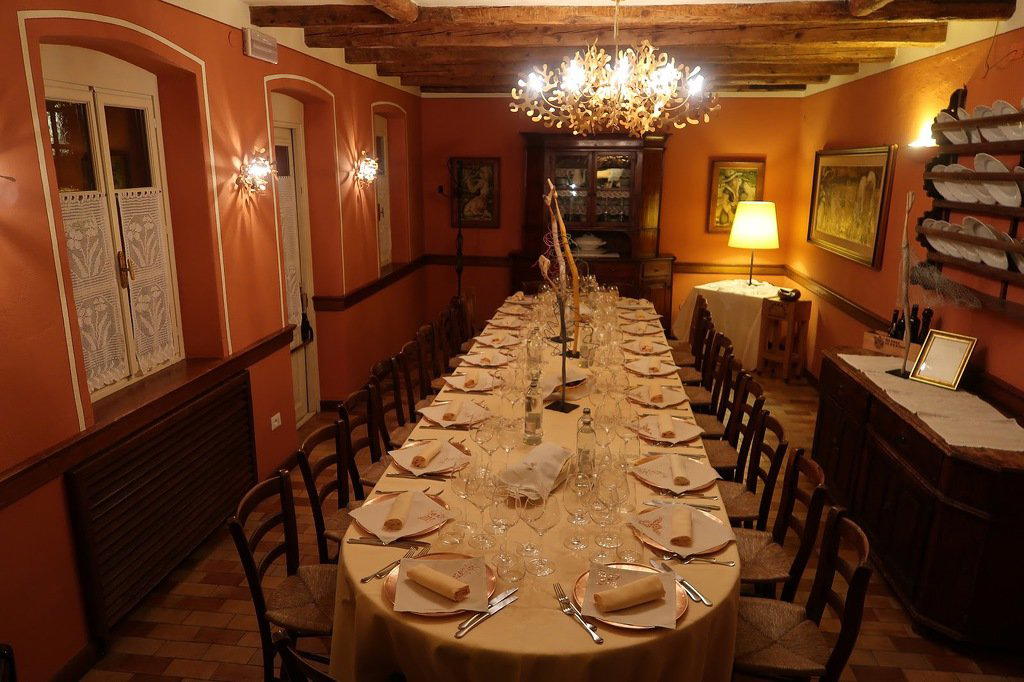
- Group Dining
- Casual Hangout
- Open Kitchen
- Local Sourcing
Current opening hours
- Monday
- 11 AM–10 PM
- Tuesday
- 11 AM–10 PM
- Wednesday
- 11 AM–10 PM
- Thursday
- 11 AM–10 PM
- Friday
- 11 AM–10 PM
- Saturday
- 11 AM–10 PM
- Sunday
- 11 AM–10 PM
Hours can change for holidays and private events. Last verified .
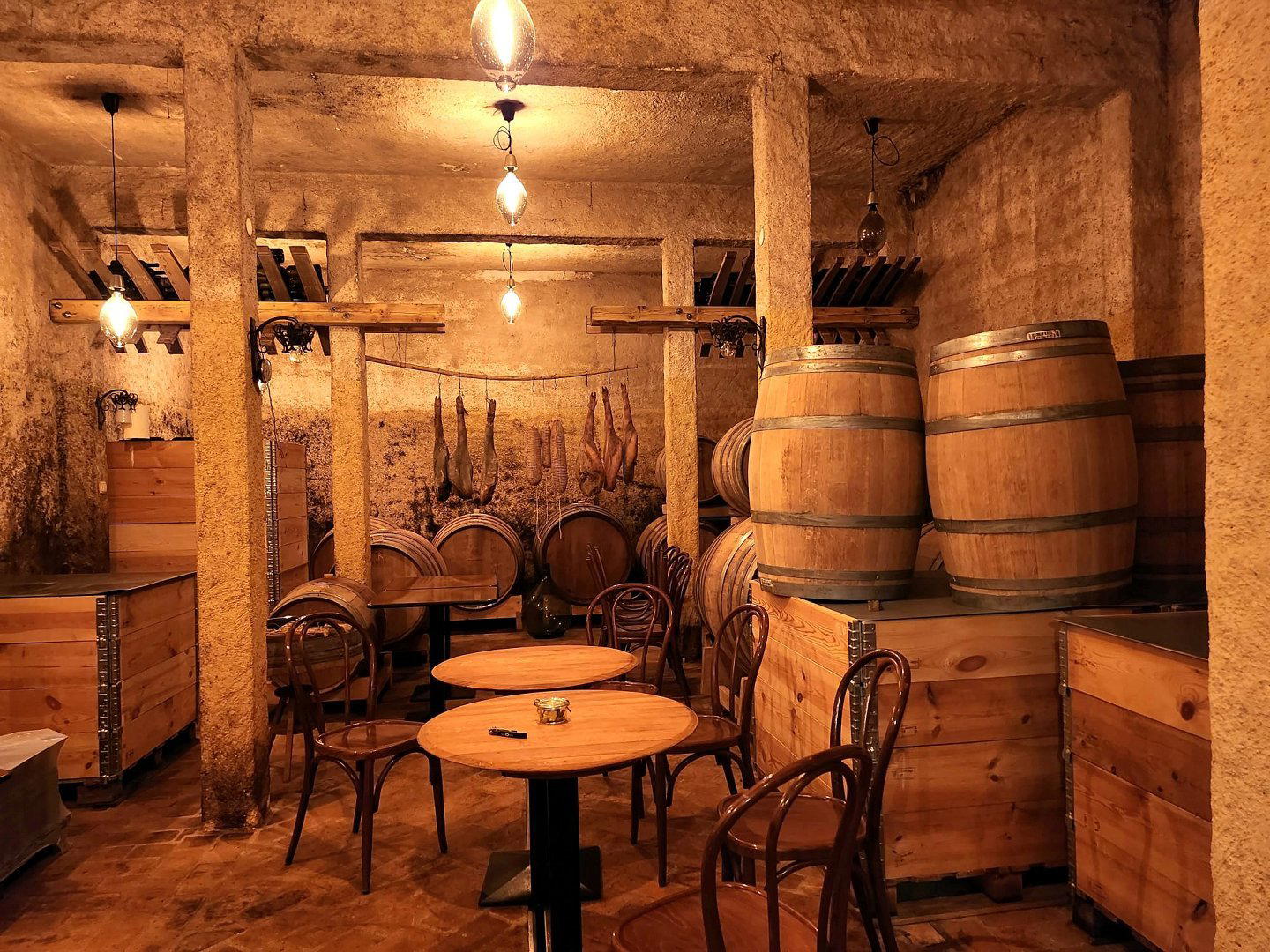
Cozy and inviting with warm hospitality and friendly atmosphere well-suited for family gatherings or romantic dinners.