Gostilna Kunst occupies a quiet address in Leskovec pri Krškem, a small settlement on the edge of the Krško basin in lower Posavje. The gostilna format, Slovenia's deep-rooted tradition of inn-style cooking built around regional produce and local hospitality, situates it within a culinary tradition that predates modern restaurant culture by centuries. For visitors passing through the Sava Valley corridor, it represents the kind of grounded, place-specific dining that the region does quietly well.
Pearl is the En Primeur Club membership app — saves, bookings, and concierge access live there. Same editors, same standards.
- Address
- Ulica mladinskih del. brigad 1, 8273 Leskovec pri Krškem, Slovenia
- Phone
- +38674880318
- Website
- kunst.si
- Directions
- Get directions
 Saves & bookings on Pearl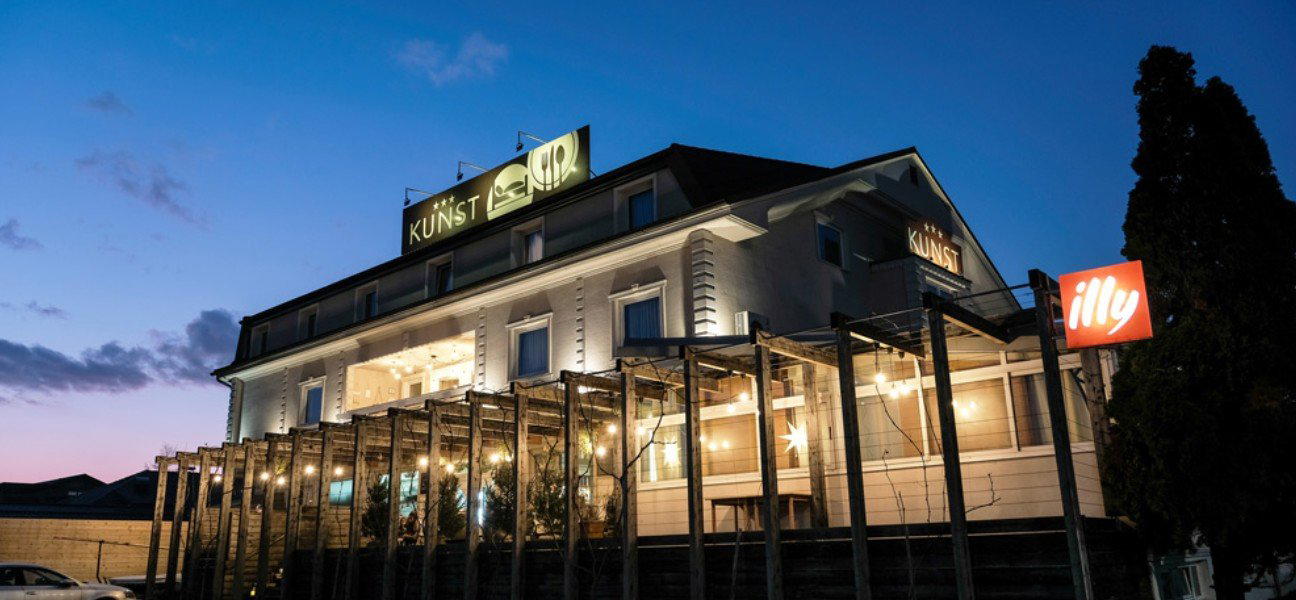
Where the Sava Valley Sets the Table
The lower Posavje region of Slovenia rarely appears on the standard circuit of food destinations, which makes the cooking that happens here worth paying attention to. Between the Sava River and the rolling hills that separate Krško from Dolenjska to the south, the area produces a quiet but consistent agricultural output: river-valley vegetables, orchard fruit, livestock raised on mid-elevation pasture, and a wine tradition, Bizeljsko-Sremič to the north, that has been underexamined outside of Slovenia. It is into this context that Gostilna Kunst sits, a restaurant in Leskovec pri Krškem, Slovenia.
The gostilna format itself carries significant cultural weight in Slovenia. Unlike a restaurant defined by a single chef's vision, the gostilna is a civic institution: an inn-kitchen hybrid where the expectation has historically been seasonal, regional food served without ceremony to locals who eat there as a matter of course. Some of Slovenia's most decorated tables, Gostilna Pri Lojzetu in Vipava and Hiša Linhart in Radovljica, began in this same tradition. The format's emphasis on sourcing from the surrounding land is not a marketing choice; it is structurally built into what a gostilna is.
The Posavje Sourcing Tradition
Ingredient logic of the Krško basin operates differently from Slovenia's more celebrated food regions. The Vipava Valley, where Dam in Nova Gorica and Gostilna Pri Lojzetu draw on Mediterranean-adjacent produce, benefits from a specific microclimate. The Soča corridor that feeds Hiša Franko in Kobarid brings alpine river ingredients and high-altitude foraged material. Posavje, by contrast, is continental and agricultural in a flatter, more temperate way, apples, pears, pumpkin, carp from the Sava, pork from valley farms, and a wine arc that runs toward Žametovka and Kraljevina in its traditional local varieties.
This agricultural character shapes what ends up on a gostilna plate in the region. Preparations tend to be direct: braised meats, stewed vegetables, bread-and-soup traditions that trace back to the same larder century after century. The question a gostilna like Kunst answers is whether it interprets that tradition faithfully or translates it into something with wider appeal. The Krško area has not historically produced the kind of restaurant investment visible further west or in Ljubljana, which means gostilne here remain closer to their original function than peer establishments in more tourism-heavy zones. For visitors coming from Ljubljana, roughly 80 kilometres to the northwest, or from the Brežice border crossing to the southeast, the Posavje gostilna represents a different register entirely from the polished Modern Slovenian cooking now visible at places like Restavracija Strelec in Ljubljana or the farm-to-table precision of Grič in Šentjošt nad Horjulom.
Krško in Its Regional comparable set
Across Slovenia's smaller cities, the pattern is consistent: the dining worth seeking tends to be rooted in a specific local agricultural identity rather than competing with Ljubljana's more cosmopolitan restaurant tier. Pavus in Laško, less than 30 kilometres west of Krško along the Savinja, operates within a similar continental valley framework. Gostilna Oštirka in Celje holds a similar regional-kitchen position in Štajerska. These are not venues competing on the same axis as the Michelin-tracked tables at Hiša Denk in Zgornja Kungota or the creative cooking at Milka in Kranjska Gora. They occupy a different tier, one where the value is fidelity to place rather than technical ambition.
Within Krško itself, Gostilna Kunst shares the local table with Tri lučke, and both sit within the broader context of a town that functions primarily as a regional hub rather than a food destination. That is not a limitation so much as a descriptor: eating in Krško means eating Posavje, which is an experience largely absent from the international press covering Slovenian food.
What the Ingredient Story Tells You
The sourcing patterns of Slovenia's non-capital gostilne carry a kind of culinary intelligence that does not require fine-dining infrastructure to communicate. When a kitchen in the Krško basin uses Sava carp or local pumpkin oil, the Štajerska-Prekmurje pumpkin oil tradition bleeds into the eastern reaches of lower Slovenia, it is drawing on supply chains measured in single-digit kilometres. That proximity affects flavour in ways that are difficult to replicate in urban restaurant settings, regardless of ambition or technique. It also means seasonal shifts are immediate: what appears on the plate in October is not what was there in July.
This is the axis on which gostilne like Kunst should be evaluated: not against the creative output of Gostilna Mlinar in Idrija or the coastal sourcing visible at Gostišče Neptun in Piran, but against the baseline question of whether a kitchen is cooking honestly with what its land provides. In lower Posavje, that honest cooking has a clear agricultural signature. The broader view of Slovenia's regional dining maps venues against these regional identities rather than a single national standard.
Planning Your Visit
Gostilna Kunst is located at Ulica mladinskih del. brigad 1 in Leskovec pri Krškem, a short distance from central Krško and accessible from the A2 motorway that connects Ljubljana with the Croatian border. Leskovec itself sits within the Krško municipality, making it a practical stop for travellers moving along the Sava Valley corridor. Visitors approaching from Brežice or Novo Mesto will find the address easy to reach by road. As with most gostilne in smaller Slovenian towns, checking hours in advance is advisable, particularly midweek and outside peak lunch periods. Phone and booking details are not centrally listed, and calling ahead or arriving during standard lunch service is one reliable approach. Krško is a practical base for anyone routing through lower Posavje. Comparable regional-kitchen experiences in Slovenia's less-visited corridors include Gostišče Karavla 297 in Trzic and Turistična Kmetija Breg in Brda, both of which anchor their menus in the produce of their immediate surroundings in the same structural way.
Side-by-Side Snapshot
Comparable venues nearby, for context on price, style, and recognition.
| Venue | Cuisine | Price | Notes |
|---|---|---|---|
| Gostilna KunstThis venue — the venue you are viewing | Traditional Slovenian with Krškopolje Pork Specialization | $$ | Not listed |
| Tri lučke | Modern Slovenian with Local Ingredients | $$ | Sremič |
| Gostilna pri lipi | Traditional Slovenian | $$ | Lackova cesta |
| Odprta Kuhna | Slovenian Street Food Market | $$ | Pogačarjev trg |
| Baščaršija | Traditional Bosnian Balkan | $$ | city centre |
| Gostilna Mihovec | Contemporary Slovenian | $$ | Zgornje Pirniče |

At a Glance
- Classic
- Cozy
- Modern
- Business Dinner
- Group Dining
- Family
- Celebration
- Private Event
- Hotel Restaurant
- Wine Cellar
- Standalone
- Extensive Wine List
- Local Sourcing
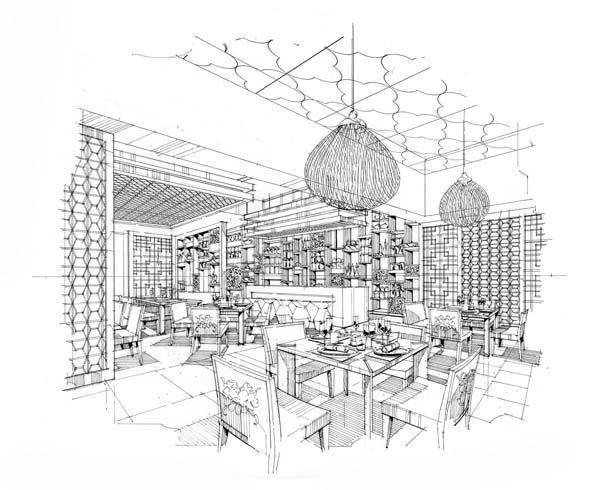
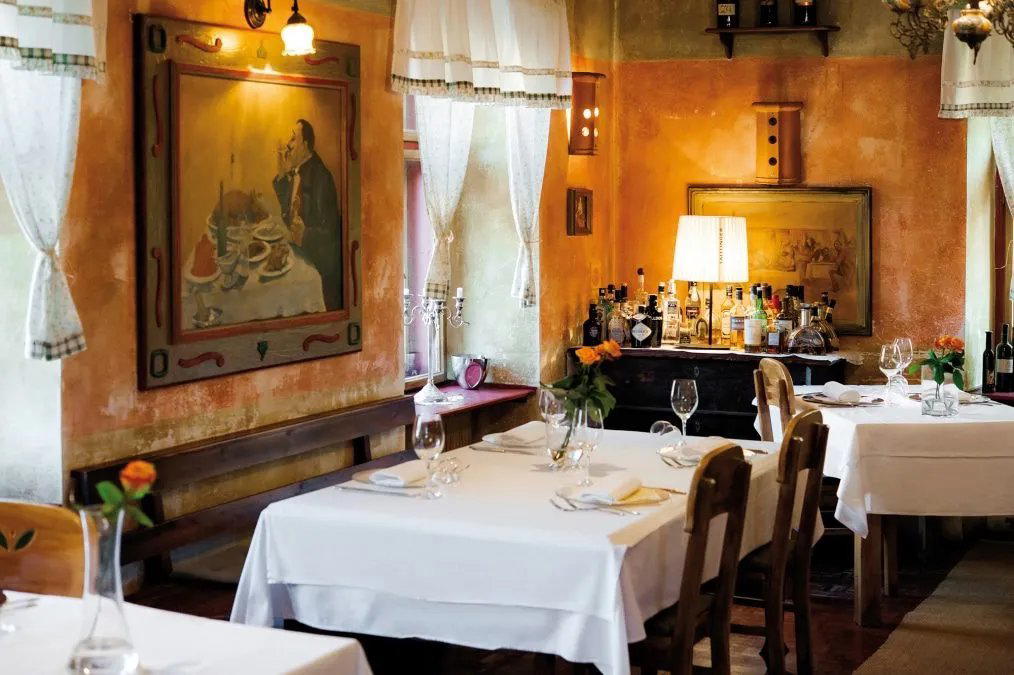
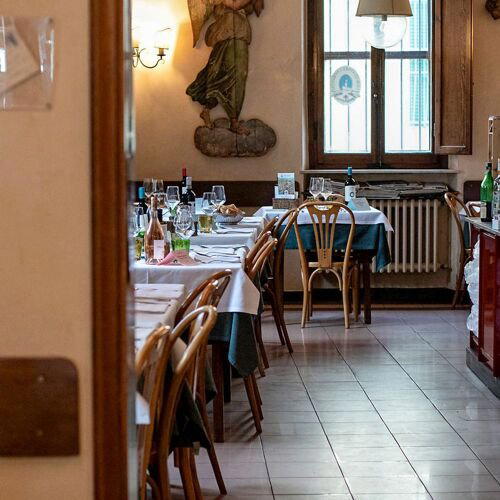
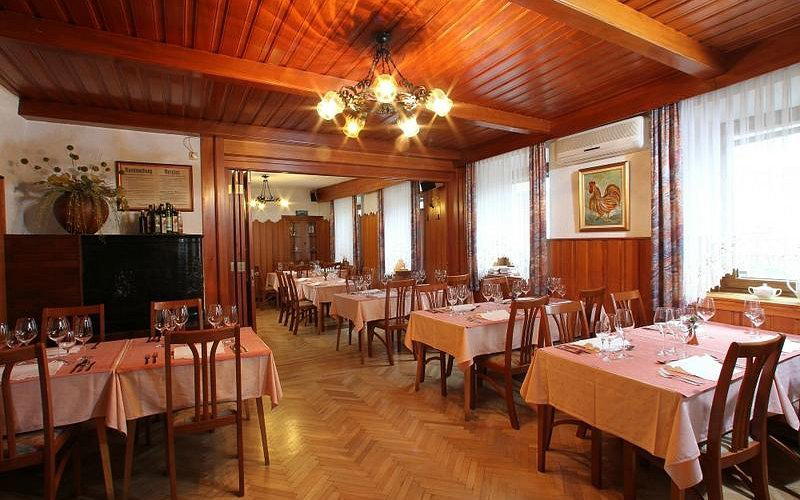
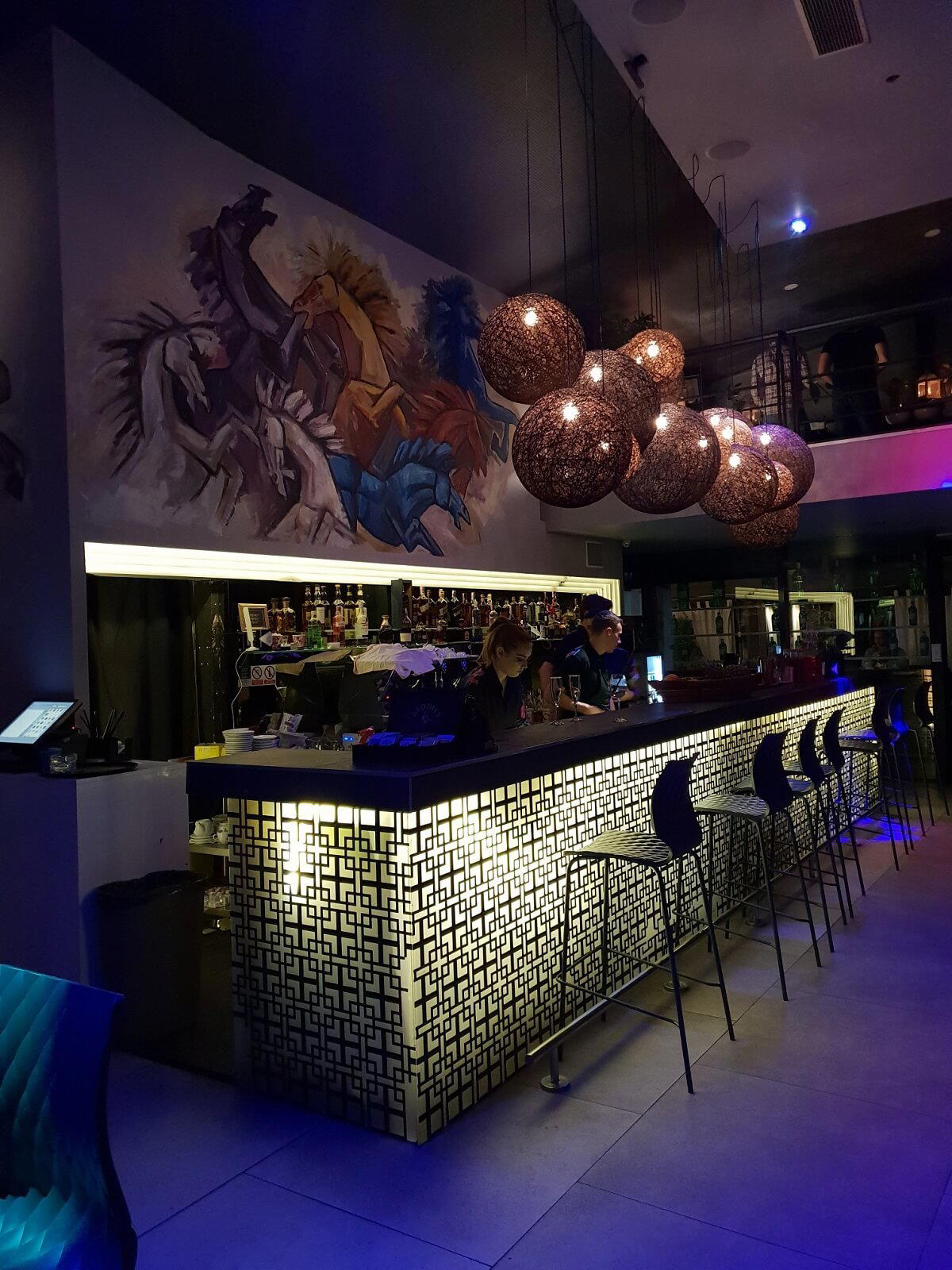
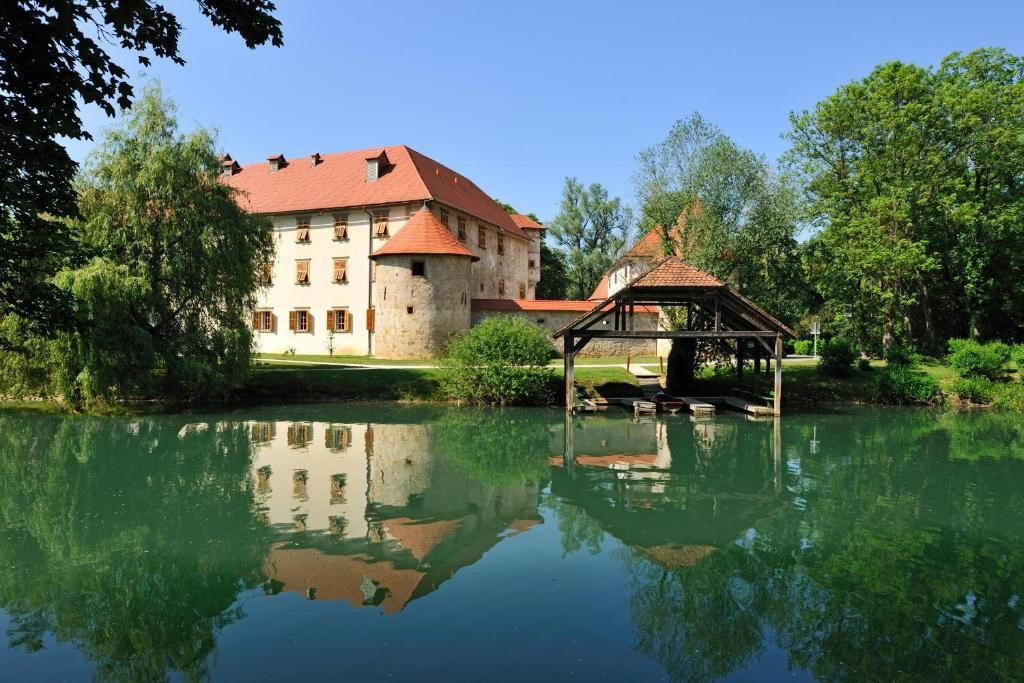
Traditional hospitality with a contemporary style, combining a relaxed inn atmosphere with modern hotel comfort.