Our verdict
Baščaršija on Poštna ulica 8 brings a slice of Balkan trading-quarter culture to Maribor's old town, where the name itself references the historic Ottoman bazaar district of Sarajevo. The address places it within walking distance of Maribor's compact city centre, making it a natural stop for those tracing the region's layered Central European and South Slavic culinary threads.

Pearl is the En Primeur Club membership app — saves, bookings, and concierge access live there. Same editors, same standards.
- Address
- Poštna ulica 8, 2000 Maribor, Slovenia
- Phone
- +38622506359
- Hours
- Mon–Thu 10 AM–11 PMFri–Sat 10 AM–12 AMSun 11 AM–10 PM
- Website
- bascarsija.si
- Directions
- Get directions
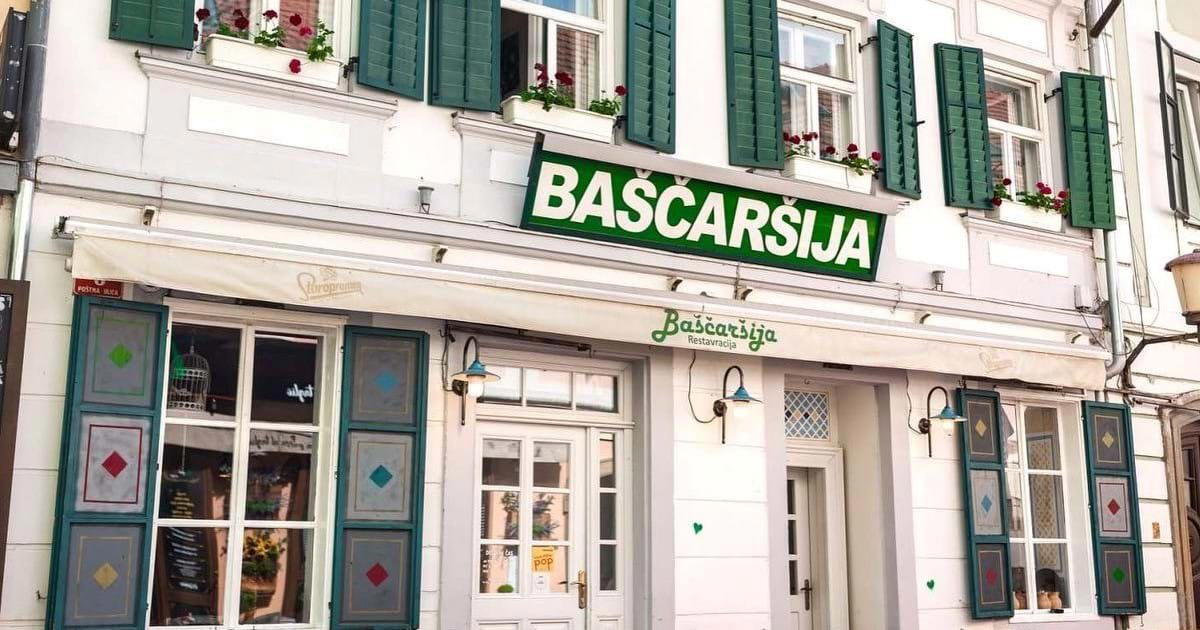
Where the Balkan Bazaar Meets a Slovenian River City
Maribor's old town moves at a pace that larger Central European cities abandoned decades ago. Poštna ulica, a short street threading through the historic core, carries the kind of foot traffic that belongs to a city confident in its own scale. It is on this street, at number 8, that Baščaršija announces itself through its name alone. Baščaršija is what Sarajevo calls its Ottoman-era marketplace quarter, a warren of copper workshops, coffee houses, and open-fronted shops that served as the commercial and cultural engine of the city for centuries. Transplanting that name to Maribor is not decorative. It signals a deliberate orientation toward the cuisines, flavours, and hospitality traditions that developed along the old Balkan trade routes, a culinary lineage that sits at some distance from the Alpine-Styrian cooking that dominates most of the city's restaurant scene.
The Balkan Dining Tradition in a Slovenian Context
Slovenia occupies a hinge point in European culinary geography. To the north and west, the cooking pulls toward Austrian and Italian traditions. To the south and east, the influences of the former Yugoslav republics persist in grilled meats, slow-cooked stews, dairy-rich pastries, and the kind of communal, unhurried table culture that the Balkans have long practised. Maribor, as Slovenia's second city and a regional hub with historic ties stretching toward Croatia and Bosnia, has always been a place where those two currents meet. The city's restaurant scene reflects this duality: venues like Ancora and City Terasa (Mediterranean Cuisine) lean into the Adriatic and Mediterranean sides of Slovenian cooking, while places like Baščaršija hold space for the South Slavic traditions that are less visible in the city's more tourist-facing dining corridor.
Balkan restaurant culture, when it operates at its most considered, is not simply about grilled meats. The tradition encompasses a broader vocabulary: burek, the layered filo pastry filled with meat or cheese that originated in Ottoman kitchens and spread across the entire western Balkans; ćevapi, the skinless minced-meat sausages served with flatbread and raw onion that are as close to a universal Balkan staple as exists; slow-braised dishes like bosanski lonac, the Bosnian pot stew that requires patience rather than technique; and the thick, strong coffee that arrives in a džezva alongside a sugar cube and a glass of water. This is a table culture built around generosity and duration rather than precision and brevity.
Maribor's Dining Tier and Where Baščaršija Sits
Maribor's restaurant scene spans a wider range than the city's modest international profile might suggest. At the upper end, venues such as Hiša Denk in Zgornja Kungota, just outside the city, operate at a level that positions them within Slovenia's small cluster of fine dining destinations alongside Hiša Franko in Kobarid and Restavracija Strelec in Ljubljana. Further down the price register, the city supports a healthy middle tier of contemporary and regional cooking, represented locally by venues like Fudo and Gostilna pri lipi. At the more accessible end, options like Jack & Joe BBQ & Pizza serve the city's everyday appetite.
Baščaršija, with its Balkan identity and old-town address, positions itself in the accessible-to-mid tier of this market. The name and the cultural reference it carries suggest a room that prioritises conviviality over formality, generous portions over architectural plating, and the logic of a shared table over a tasting menu sequence. That is not a diminishment. In the broader context of Slovenian dining, where fine dining venues such as Gostilna Pri Lojzetu in Vipava or Milka in Kranjska Gora demand significant planning and investment, a Balkan-inflected address in the city centre fills a distinct and useful gap.
The Old Town Setting
Poštna ulica 8 places Baščaršija inside Maribor's historic quarter, a district that retains enough of its medieval street plan to feel genuinely coherent rather than reconstructed. The proximity to the Drava river, the Cathedral of St. John the Baptist, and the old vine house that gives the city one of its more curious claims to viticultural history means that the immediate neighbourhood carries its own cultural weight. For visitors working through Maribor before or after visiting the broader Styrian wine region, this part of the city functions as a natural base. The logistics of the address are direct: the old town is compact, walkable, and well connected to the main train station, which serves routes toward Ljubljana, Vienna, and Zagreb.
For those building a longer Slovenian itinerary that takes in the country's restaurant scene across multiple regions, Maribor functions as the eastern anchor. The western and northern points of that circuit might include Hiša Linhart in Radovljica, Grič in Šentjošt nad Horjulom, Dam in Nova Gorica, Pavus in Lasko, or Gostilna Skaručna in Vodice. Maribor, as a city, rewards the visitor who approaches it as a destination in its own right rather than a transit point. Our full Maribor restaurants guide maps the full range of options across the city's neighbourhoods and price points.
Planning Your Visit
Balkan-style restaurants of this type typically operate across lunch and dinner with extended afternoon hours, and walk-in visits are generally accommodated at this format and price level. The old-town location means weekend evenings attract higher foot traffic from both locals and visitors, so arriving early or on a weekday reduces waiting time. For context on Maribor's overall dining patterns, the venue sits in the accessible mid-tier of a city where the high-end fine dining options are concentrated on the city's outskirts rather than its historic centre.
Frequently asked questions
Would Baščaršija be comfortable with kids?
The Balkan dining tradition that Baščaršija references by name is built around communal, unhurried meals shared across generations. Venues of this type in Maribor's old town tend to be relaxed in format, with generous portions that suit mixed-age groups. Poštna ulica sits within the historic quarter, which is pedestrian-friendly and easy to reach on foot from central Maribor.
What is the atmosphere like at Baščaršija?
The name points directly to Sarajevo's historic bazaar district, and that cultural reference sets the register: warmth over ceremony, convivial over curated. Maribor's old town, where the restaurant sits on Poštna ulica 8, already carries a slower, more intimate pace than larger Central European cities, which reinforces that sensibility rather than working against it.
Is Baščaršija a good option for experiencing Balkan food in the Styrian wine region?
Maribor sits at the centre of the Styrian wine region, home to one of Slovenia's most active wine-producing areas and the famous old vine on Vojašniška ulica, documented as one of the oldest producing vines in the world. Baščaršija's Balkan culinary framing sits in deliberate contrast to the Austrian and Italian pull of Slovenian cooking further north and west, offering a different reference point within the same wine-country setting. For visitors combining Styrian wine visits with a broader survey of Central European food traditions, the pairing is geographically coherent.
What dish is Baščaršija famous for?
Specific menu confirmation is not currently held in our venue data for Baščaršija. Within the Balkan culinary tradition the name invokes, the structural pillars are grilled meats such as ćevapi and pljeskavica, slow-cooked stews, and flatbreads of Bosnian lineage. These dishes define the category across the region and would be the logical reference point for any venue working within it.
Where exactly is Baščaršija?
Baščaršija is located at Poštna ulica 8, 2000 Maribor, Slovenia, Maribor.
Do they take walk-ins at Baščaršija?
At the accessible, communal end of Maribor's dining scene, walk-ins during quieter weekday periods are generally manageable, though weekend evenings in the old town can fill quickly. Checking directly via the address at Poštna ulica 8 or by phone before visiting is the most reliable approach.
What's the signature at Baščaršija?
Balkan restaurants organised around this cultural identity typically anchor their offer in charcoal-grilled meats, house-made flatbreads, and slow-cooked preparations that favour depth over precision plating. That is the category Baščaršija, by name and context in Maribor, is operating within.
Price and Positioning
| Venue | Cuisine | Price | Awards | Notes |
|---|---|---|---|---|
| BaščaršijaThis venue — the venue you are viewing | Traditional Bosnian Balkan | $10–20 | Not listed | Not listed |
| MAK | Creative Modern European | $150–200 | Michelin Plate · La Liste Top Restaurants | Creative |
| Restavracija Sedem | Modern Slovenian Fine Dining | $50–100 | Michelin Plate | Contemporary |
| City Terasa | Modern Adriatic Mediterranean | $50–100 | Michelin Plate | Mediterranean Cuisine |
| Restavracija Rožmarin | Modern Steakhouse | $20–30 | Star Wine List | Not listed |
| Ancora | Italian Pizzeria and Mediterranean Seafood | $10–20 | Not listed | Not listed |

Details
- Rustic
- Cozy
- Lively
- Family
- Casual Hangout
- Historic Building
- A La Carte
- Vegetarian Friendly
Current opening hours
- Monday
- 10 AM–11 PM
- Tuesday
- 10 AM–11 PM
- Wednesday
- 10 AM–11 PM
- Thursday
- 10 AM–11 PM
- Friday
- 10 AM–12 AM
- Saturday
- 10 AM–12 AM
- Sunday
- 11 AM–10 PM
Hours can change for holidays and private events. Last verified .
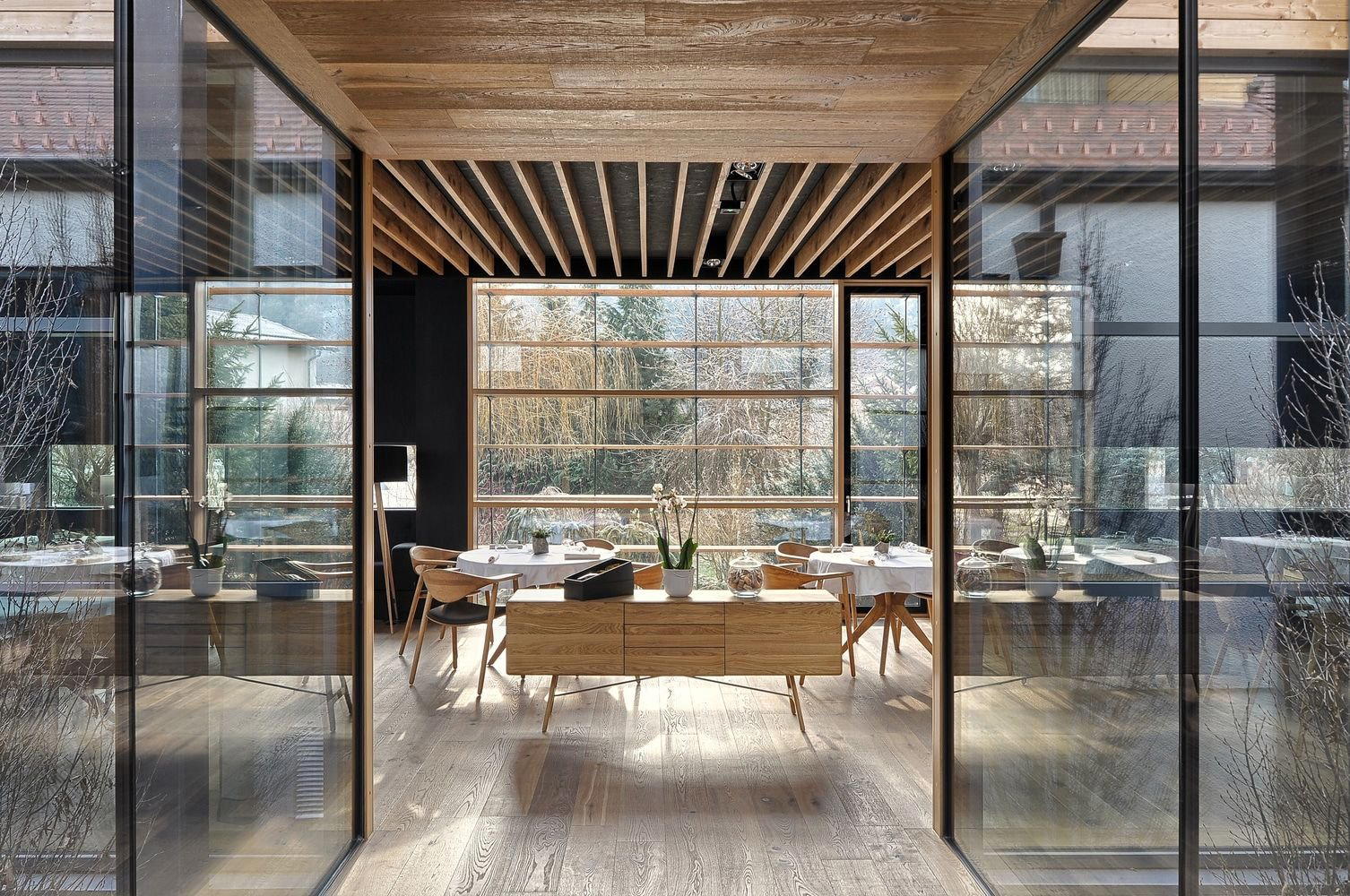
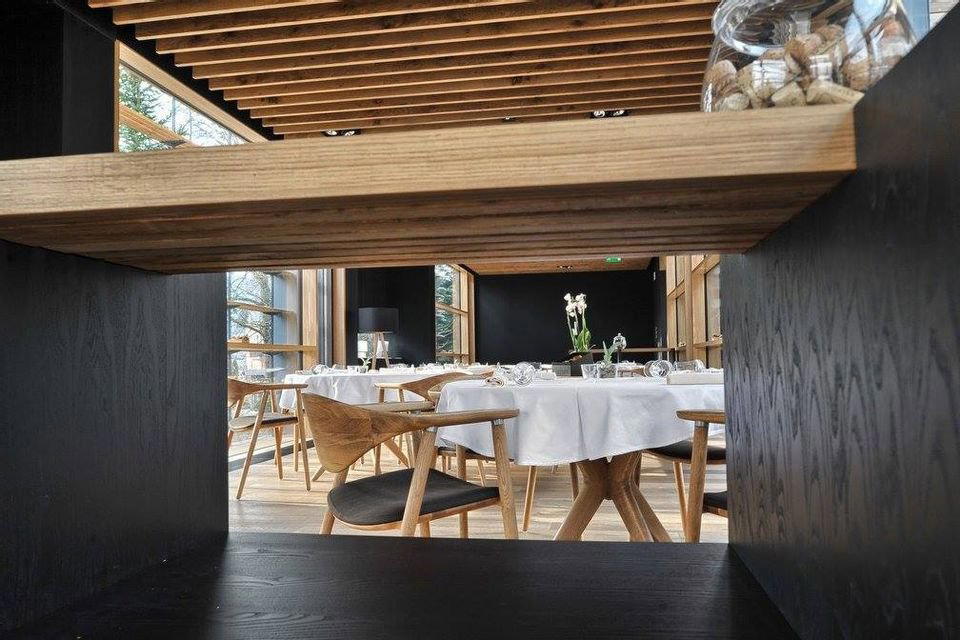
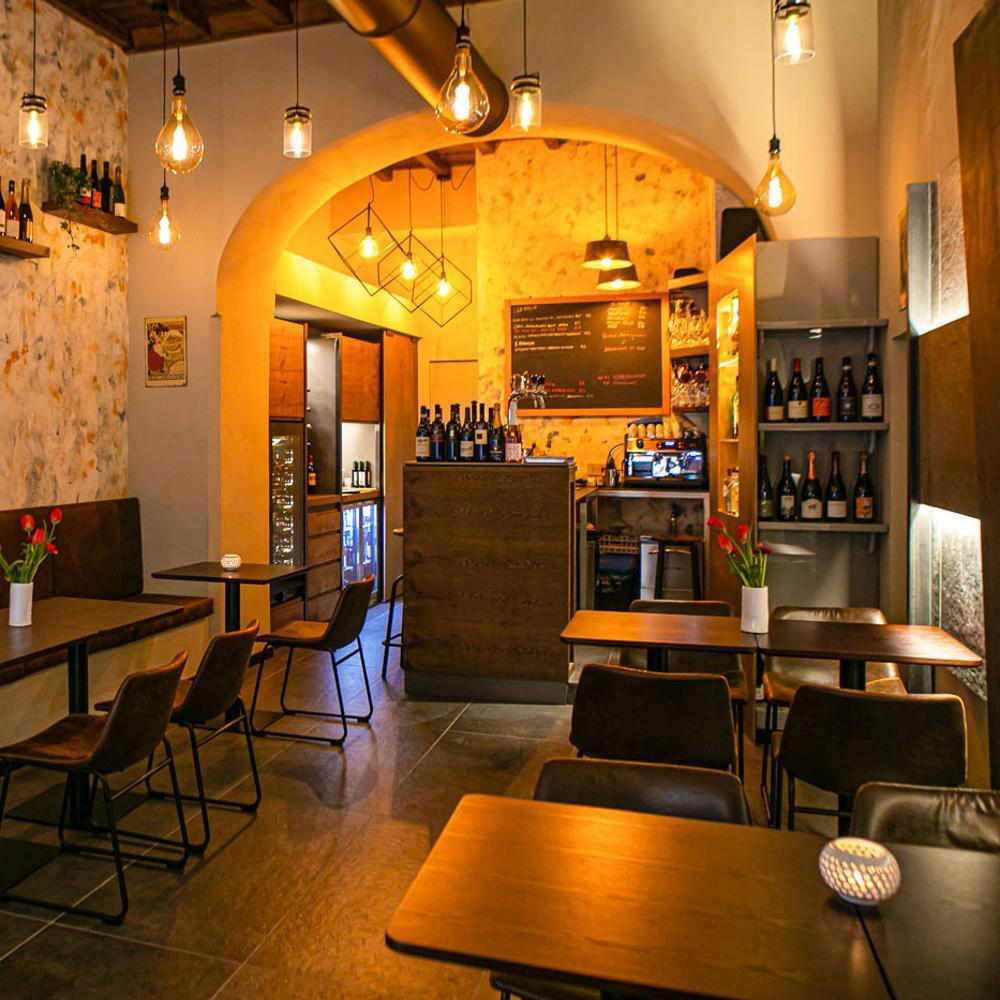
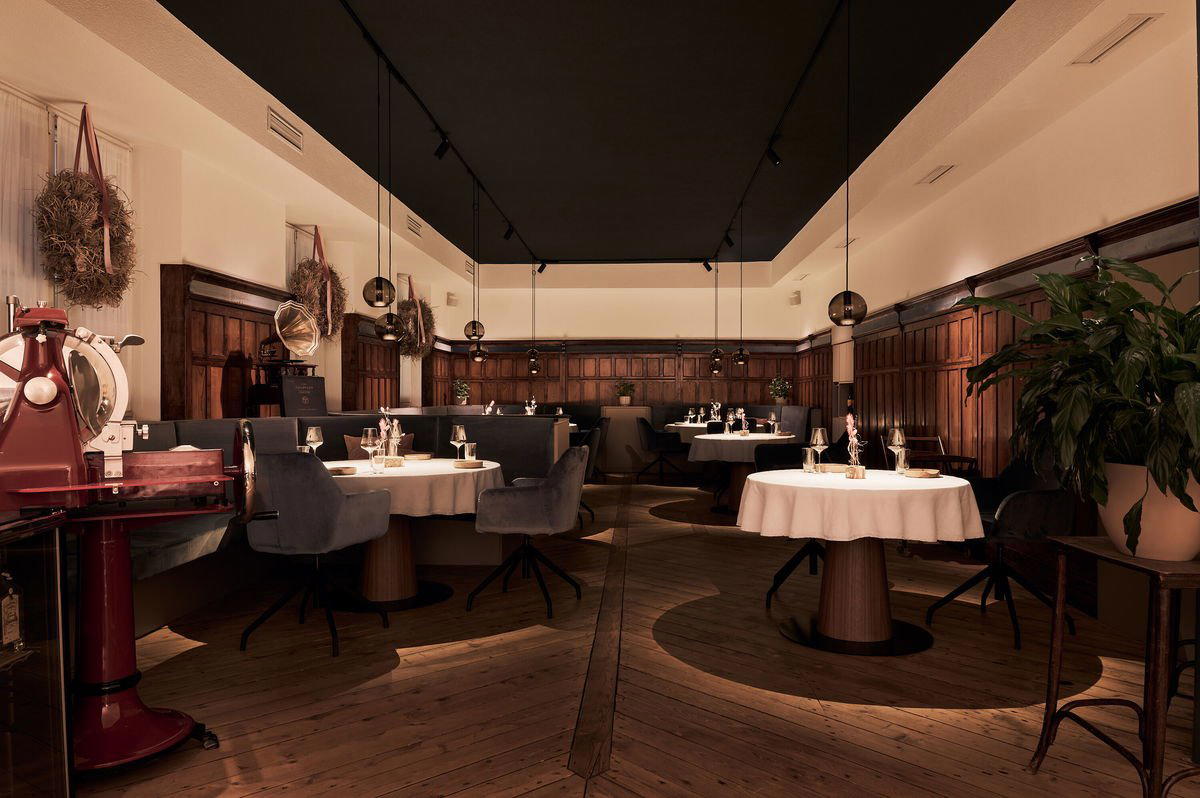
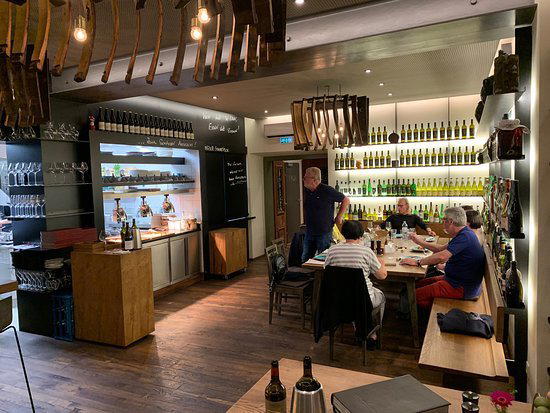
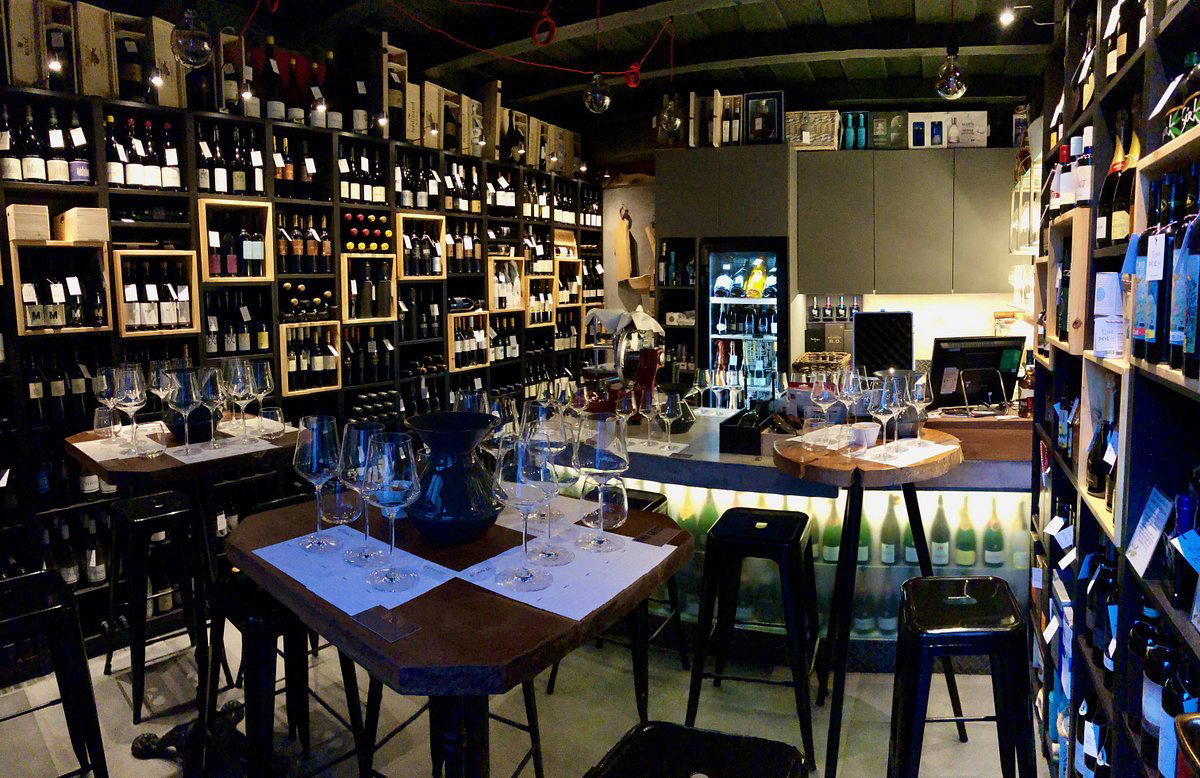
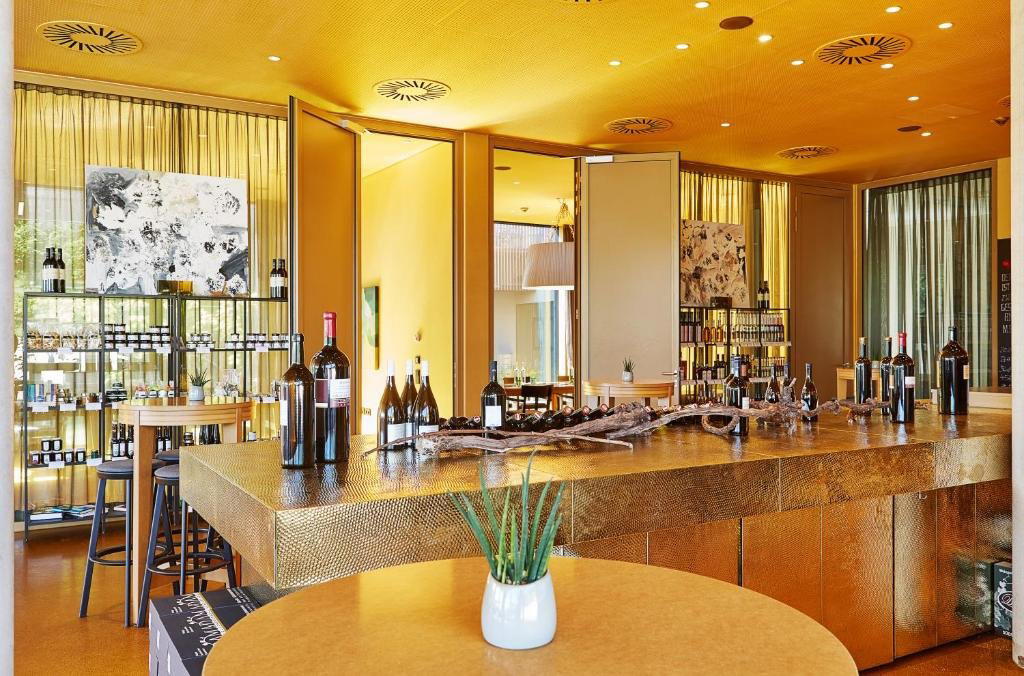
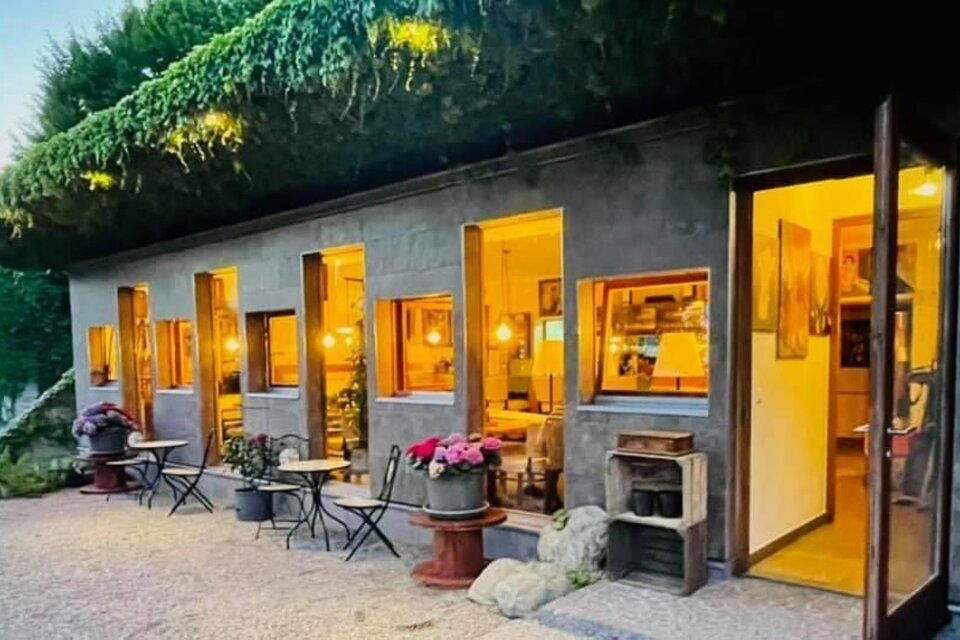
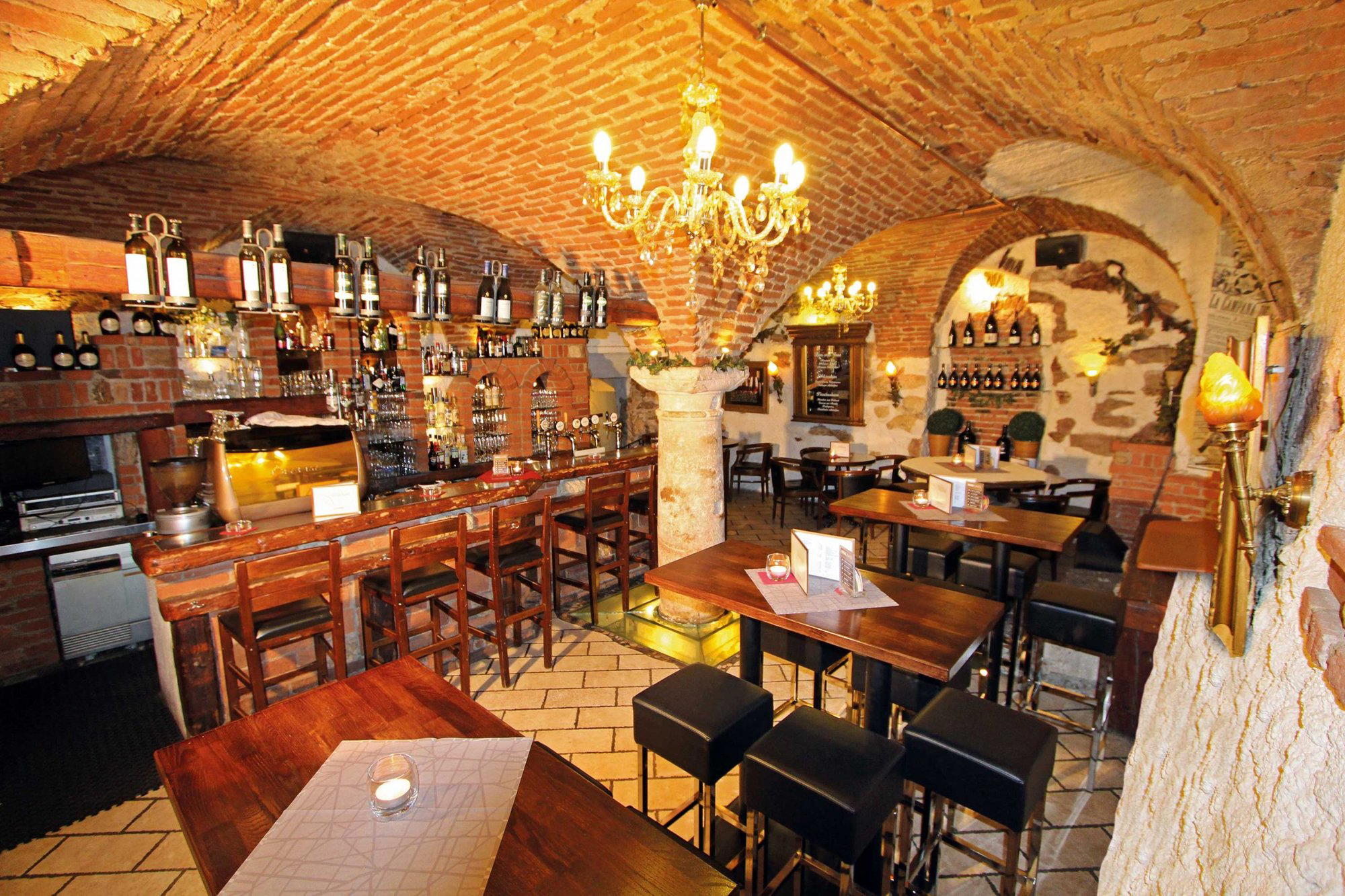
Warm, welcoming atmosphere with artistic ethno interiors that evoke the heart of Sarajevo.