


Open since 1925 as a refuge for Orient Express passengers, the Esplanade Zagreb Hotel is the Croatian capital's most historically significant address. Its Art Deco interiors have been maintained rather than modernised, placing it in a rare category of grand hotels where the architecture itself is the primary experience. La Liste ranked it 93 points in its 2026 Top Hotels selection, confirming its standing among Europe's enduring luxury properties.
Pearl is the En Primeur Club membership app — saves, bookings, and concierge access live there. Same editors, same standards.
- Address
- Mihanovićeva ul. 1, 10000, Zagreb
- Phone
- +385 1 4566 666
- Website
- esplanade.hr
- Directions
- Get directions
 Saves & bookings on Pearl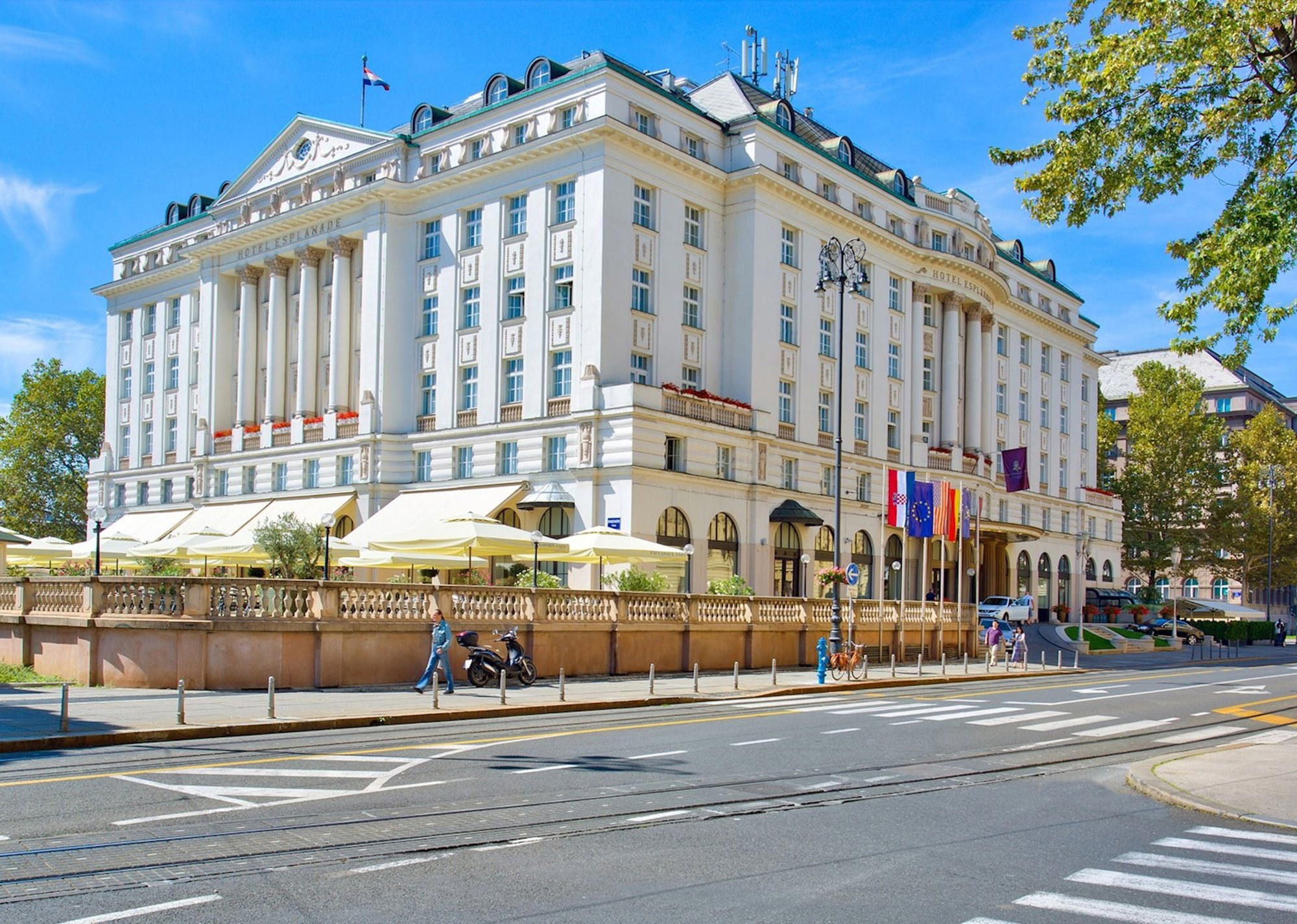
The Architecture of a Particular Era
There is a specific category of European grand hotel that exists outside the renovation cycle entirely. These properties, built between the wars for a clientele that expected permanence and scale, have survived not by reinventing themselves but by maintaining what they were. The Esplanade Zagreb Hotel, opened in 1925 at Mihanovićeva ul. 1, belongs to that category. Its Art Deco structure was conceived to receive passengers disembarking from the Orient Express, and the design logic of that moment, generous volumes, formal symmetry, a sense of occasion built into the architecture, has remained the defining characteristic of the building ever since.
Approaching the hotel from the street, the exterior reads as a formal civic statement rather than a commercial building. The proportions are those of a different era of hospitality, one in which the lobby and public rooms were considered as important as the guest accommodation, and in which the act of arriving was understood to be part of the experience. Zagreb's hotel stock has changed significantly in recent decades, but the Esplanade's streetside presence remains unchanged in a way that sets it apart from the newer properties that have appeared around it.
What Art Deco Means at This Scale
Art Deco as a design vocabulary is frequently borrowed and rarely executed with any conviction in contemporary hospitality. At the Esplanade, the style is not a reference or an inspiration; it is the building itself. The interiors have been renovated but not reinterpreted, meaning the decorative programme, the material palette, and the spatial proportions remain those of the original commission. Walking through the lobby, the cocktail lounge, or the grand ballroom, the geometry and detailing are consistent in a way that only occurs when the original fabric has been preserved rather than reconstructed.
This matters practically for a guest making a choice between hotel categories. Design-led boutique properties in Croatia and across the region, properties like Grand Park Hotel Rovinj by Maistra Collection in Rovinj, Boutique & Design Hotel Navis in Opatija, or Lone Hotel by Maistra Collection, offer contemporary spatial intelligence and a clearly considered aesthetic position. What they cannot offer is a building that has actually functioned continuously as a luxury hotel since the 1920s. The Esplanade's interiors carry the weight of that continuity, and it registers as something distinct from designed atmosphere.
Public Rooms as the Core Offer
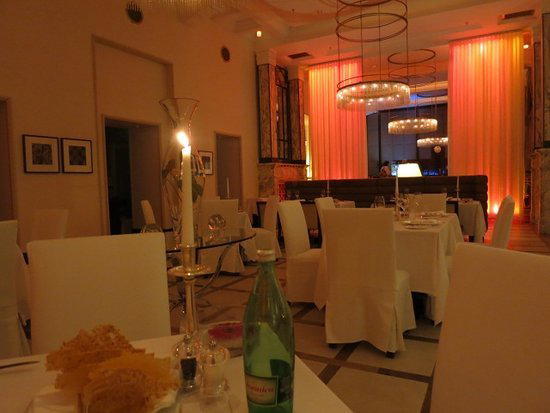
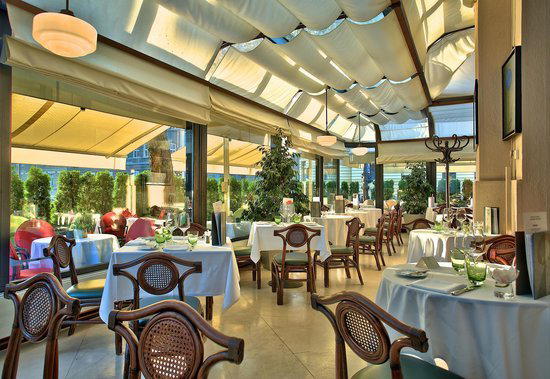
In the grand hotel tradition, the private rooms are the baseline and the public rooms are the statement. The Esplanade follows this logic precisely. The fine dining restaurant and the grand ballroom are the spaces that define the hotel's character most completely, operating at a scale and with a formal presence that no boutique or contemporary property in Zagreb can replicate. The lobby and cocktail lounge function in the same register: stylish, maintained to a standard that reflects the original ambition of the building, and capable of generating the kind of atmosphere that comes from decades of use by a particular class of visitor.
Zagreb lacks the dense luxury hotel competition of, say, Vienna or Prague, which means the Esplanade occupies a category of its own within the city. The properties that come closest in terms of historical character are found elsewhere in Croatia: Boutique Hotel Alhambra in Mali Lošinj operates from a comparable heritage position, as does Hotel Kastel in Motovun in a different architectural register. But neither matches the Esplanade's scale or the degree to which its public spaces function as destinations in their own right.
Guest Accommodation and Practical Standing
The hotel runs to 208 rooms, a count that places it firmly in the grand hotel tier rather than the intimate boutique segment. Room appointments follow the European grand hotel template: goose down bedding, marble bathrooms with oversized towels, and spatial generosity that city-centre properties at smaller scales cannot match. The contemporary conveniences are present, but they are subordinate to the architecture rather than defining it. The satellite television is the one detail that visibly anchors the rooms in the present; otherwise, the period character of the interiors is maintained throughout.
La Liste included the Esplanade in its 2026 Leading Hotels selection with a score of 93 points, placing it within a recognised tier of European properties whose reputation rests on sustained quality rather than recent repositioning. For Zagreb specifically, this represents a rare level of international recognition. Visitors who have stayed at comparable grand hotel properties elsewhere in Europe, at addresses like Aman Venice or The Fifth Avenue Hotel in New York City, will find the Esplanade operating in a comparable tradition, though with a specifically Central European character.
The Orient Express Context
The hotel's origin as a facility for Orient Express passengers is more than historical footnote. The train connected Paris to Istanbul via Zagreb, and the Esplanade was positioned directly adjacent to Zagreb Glavni Kolodvor, the main railway station, to receive that traffic. The clientele the hotel was built to serve, affluent, internationally mobile, accustomed to a particular standard of service and environment, shaped the scale and ambition of the original commission in ways that remain legible in the building today. The long roster of A-list guests across decades of operation, from political figures to artists and performers, is the direct result of a property that was conceived for exactly that kind of international visitor from the outset.
For those planning a wider Croatian itinerary beyond Zagreb, the country's hotel offer extends significantly into the coast and islands. Properties worth considering in different categories include Lešić Dimitri Palace in Korčula, Meneghetti Wine Hotel & Winery in Bale, Hotel Kompas Dubrovnik, Littlegreenbay Hotel in Hvar, and D-Resort Šibenik. Additional Croatian options across price points and formats include Aminess Korčula Heritage Hotel, Brown Beach House Croatia in Trogir, B&B Heritage Villa Apolon in Stari Grad, Girandella Resort, Valamar Collection in Rabac, Falkensteiner Hotel & Spa Iadera in Petrčane, Hotel Ambasador Split, Hotel Supetar in Cavtat, LIOQA Resort in Ugljan, Palazzo Rainis Hotel & Spa in Novigrad, Kastil in Bol, Hotel Vela Vrata in Pinguente, and Aman New York for those benchmarking against international luxury standards.
Fast Comparison
Comparable venues nearby, for context on price, style, and recognition.
| Venue | Cuisine | Price | Awards | Notes |
|---|---|---|---|---|
| Esplanade Zagreb HotelThis venue — the venue you are viewing | Well-known historic luxury hotel with Art Deco architecture renovated to modern standards | $$$$ | Michelin 1 Key | Not listed |
| Pullman Hotel Zagreb | Contemporary premium business-leisure hotel in a striking steel-and-glass building integrated into a new mixed-use City Island hub. | $$$ | 4-Star | Novi Zagreb / Buzin (City Island business hub) |
| art'otel Zagreb | Art-inspired lifestyle hotel in restored historic Art Deco building | $$$ | Not listed | city centre |
| Villa Korta Katarina & Winery | historic sea captain's villa meticulously restored to modern luxury standards | $$$$ | Michelin 1 Key | Orebić |
| Meneghetti Wine Hotel & Winery | Restored Istrian stone farmhouse blending tradition with luxury. | $$$$ | Michelin 1 Key | Bale |
| San Canzian Hotel & Residences | Historic medieval village with modern luxury residences | $$$$ | Michelin 1 Key | Mužolini Donji |
Recognition history
Dated appearances from independent guides and award organizations, with the underlying list record or original source where available.
La Liste Top Hotels
La Liste
Virtuoso Luxury Hotel Partner
Virtuoso
Michelin 1 Key
Michelin
Continue exploring
More in Zagreb
Bars in Zagreb
Browse all →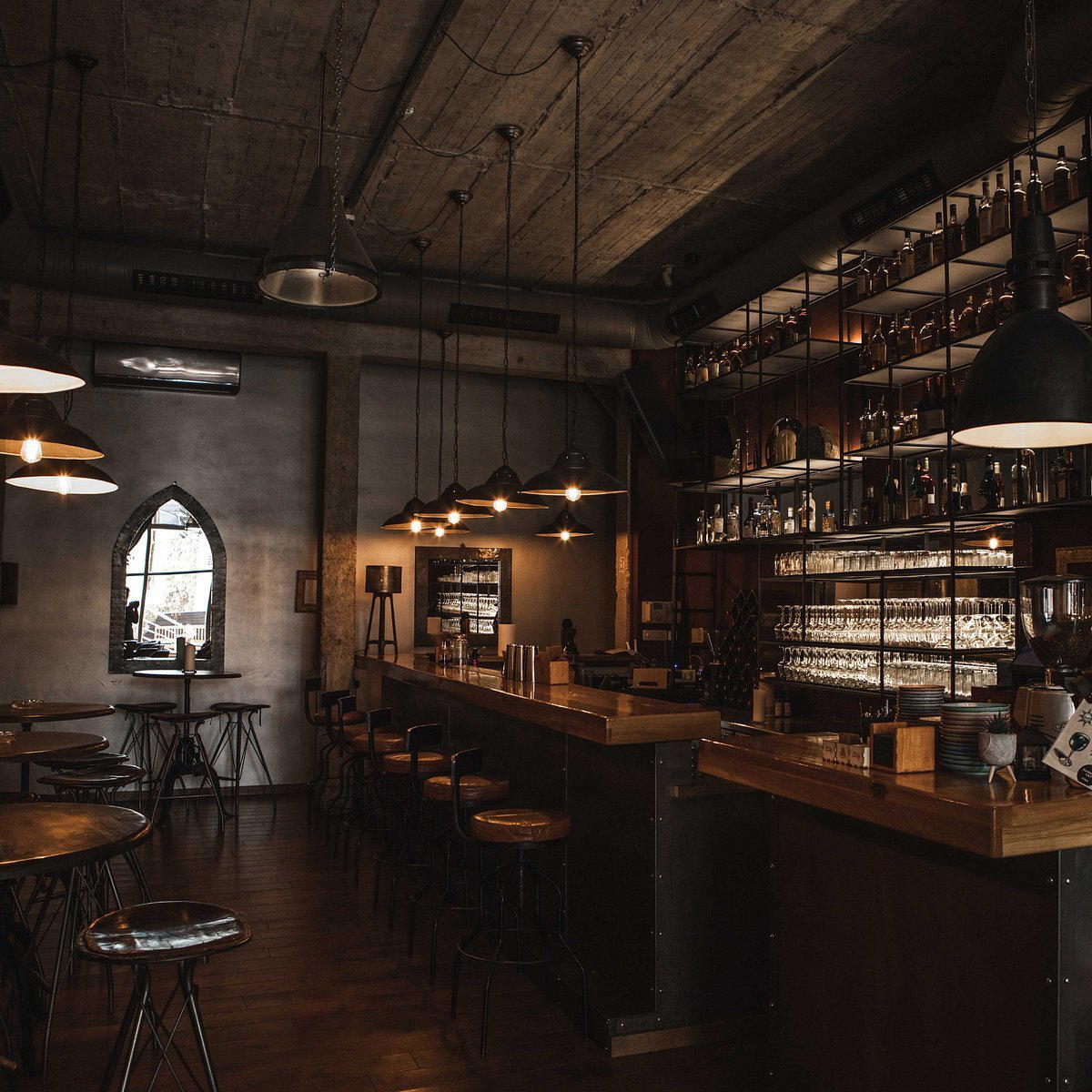
At a Glance
- Elegant
- Classic
- Sophisticated
- Well Known
- Romantic Getaway
- Business Trip
- Anniversary
- Historic Building
- Terrace
- Panoramic View
- Wi Fi
- Spa
- Fitness Center
- Room Service
- Concierge
- Business Center
- Valet Parking
- EV Charging
- Street Scene
- Wi Fi
- Spa
- Fitness Center
- Room Service
- Concierge
- Business Center
- Valet Parking
- EV Charging
Elegant art deco atmosphere with art deco glamour, spacious rooms, marble bathrooms, and a tranquil yet sophisticated setting praised for its old-world charm and professional service.