A traditional Slovenian gostilna set in Zgornje Pirniče, just outside Medvode, Gostilna Mihovec represents the kind of rooted, ingredient-led cooking that defines rural dining north of Ljubljana. The format sits closer to a village inn than a destination restaurant, which is precisely its value, unhurried, local, and grounded in the agricultural rhythms of the Sava valley.
Pearl is the En Primeur Club membership app — saves, bookings, and concierge access live there. Same editors, same standards.
- Address
- Zgornje Pirniče 54, 1215 Medvode, Slovenia
- Phone
- +38631684434
- Website
- gostilnamihovec.si
- Directions
- Get directions
 Saves & bookings on Pearl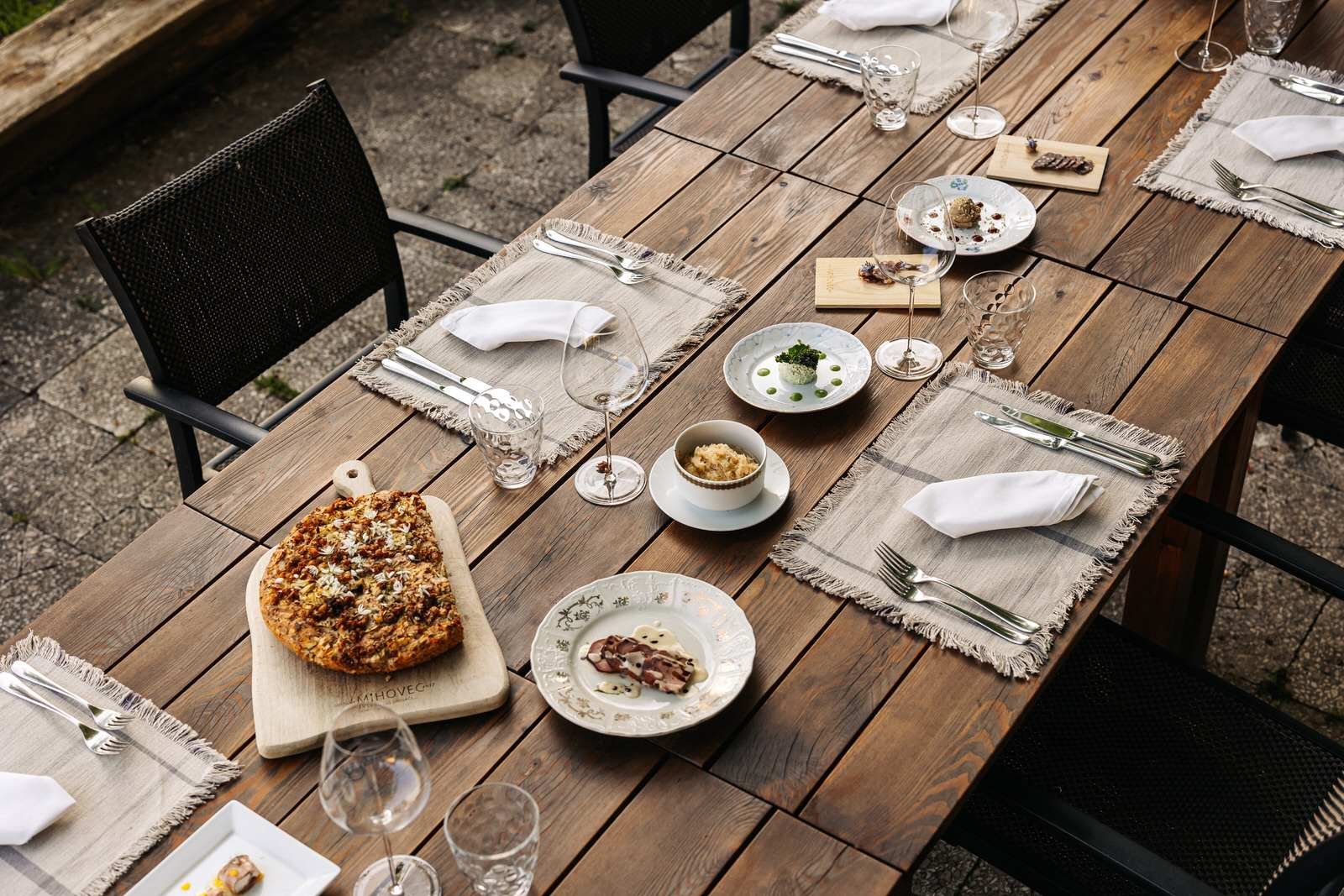
Where the Sava Valley Comes to the Table
The road north from Ljubljana toward Medvode passes through a range of low hills, river meadows, and small settlements where farming and hospitality have coexisted for generations. Gostilna Mihovec, located at Zgornje Pirniče 54 on the edge of this corridor, belongs to a category of Slovenian dining that predates the country's recent wave of destination restaurants: the village gostilna, a format built around proximity to its own supply chain and a clientele that arrives on foot or by car from the surrounding parishes rather than by reservation from a city.
That distinction matters more than it might initially appear. While much of Slovenia's fine-dining attention has concentrated on properties like Hiša Franko in Kobarid or Hiša Denk in Zgornja Kungota, the gostilna tradition operates on a different logic entirely. It is not trying to interpret terroir through a tasting menu; it is trying to serve what the season and the region produce, plainly and without ceremony. The two formats exist on separate tracks, and judging one by the standards of the other misses the point.
The Ingredient Logic of a Rural Slovenian Table
Slovenia's agricultural geography is unusually compressed. Within a few kilometres of Medvode, you have the Sava River floodplain, the southern foothills of the Kamnik Alps, and smallholder farms that have supplied local kitchens for centuries. The gostilna format has historically depended on that compression: short supply chains not as a marketing claim but as a practical reality of rural provisioning.
This is the sourcing environment in which a venue like Gostilna Mihovec operates. Slovenian gostilne in this region have traditionally drawn from nearby producers for their meat, dairy, and seasonal vegetables, with menus shifting according to what is available rather than what is printed permanently on a laminated card. That approach places them in the same broad category as farm-to-table operators elsewhere in the country, such as Grič in Šentjošt nad Horjulom, though without the tasting-menu architecture or destination positioning that those venues have developed.
The regional pantry here includes freshwater fish from the Sava and its tributaries, pork and cured meats from local farms, wild mushrooms from the surrounding forests, and seasonal produce that follows the alpine calendar more than the Mediterranean one. Autumn brings dried beans, game, and root vegetables; spring opens with early greens and fresh dairy. A kitchen rooted in this geography cooks differently in October than in April, and that cyclical rhythm is one of the defining characteristics of the format.
Placing Mihovec in the Medvode Dining Picture
Medvode itself is a small town of roughly 15,000 residents, positioned about 10 kilometres northwest of Ljubljana's city centre. It functions primarily as a commuter settlement and a gateway to the Sava Gorge and the Julian Alps beyond, which means its dining scene is shaped more by local regulars than by tourist traffic. This is not a destination dining circuit in the way that Ljubljana's old town is, or that the Vipava Valley has become for wine-led restaurant travel.
That context shapes what a venue like Gostilna Mihovec is built to do. The comparison set is not Gostilna Pri Lojzetu in Vipava or Milka in Kranjska Gora, both of which operate at the creative end of Slovenian cuisine and price accordingly. It sits closer to a local institution like Slavkov dom, also in the Medvode area, where the emphasis is on consistent, regionally grounded cooking for a mixed audience of families, working lunches, and weekend gatherings.
Within that framework, the gostilna earns its place not through novelty but through reliability and rootedness. Venues of this type across Slovenia, from Gostilna Mlinar in Idrija to Gostilna Oštirka in Celje, demonstrate that the format can sustain a loyal following across decades when the kitchen stays focused on what the surrounding land actually produces.
How It Fits into Slovenia's Wider Restaurant Story
Slovenia's restaurant culture has developed unevenly over the past decade. A handful of properties have built international profiles, attracting coverage from serious food publications and, in some cases, Michelin recognition. Restavracija Strelec in Ljubljana and Hiša Linhart in Radovljica represent that tier, as does Pavus in Lasko. Further afield, Dam in Nova Gorica reflects the Mediterranean-influenced register of Slovenia's western edge, while coastal venues like Gostišče Neptun in Piran and agrarian properties like Turistična Kmetija Breg in Brda illustrate how geographically varied the country's food culture is within a small area.
The gostilna tradition sits beneath that recognition tier but is not inferior to it; the two serve different functions. Where the destination restaurant asks you to travel toward it and surrender your evening to its structure, the village gostilna absorbs you into an existing community rhythm. That is a harder thing to replicate, and it is what makes venues like Gostilna Mihovec worth understanding on their own terms rather than against the criteria of, say, Le Bernardin in New York City or Atomix.
For reference, Gostišče Karavla 297 in Trzic offers a useful parallel: another rural Slovenian dining address that draws its identity from regional grounding rather than from tasting-menu ambition.
Planning Your Visit
Comparable Spots, Quickly
Comparable venues nearby, for context on price, style, and recognition.
| Venue | Cuisine | Price | Notes |
|---|---|---|---|
| Gostilna MihovecThis venue — the venue you are viewing | Contemporary Slovenian | $$ | Not listed |
| Slavkov dom | Traditional Slovenian | $$ | Golo Brdo |
| Cojzla | Gluten-Free Fast Casual | $$ | Ljubljana BTC shopping center area |
| pr' Pepet | Modern Slovenian | $$ | Škofja Loka |
| Gostilna Pr. Matičku | Slovenian Game & Local Cuisine | $$ | suburbs |
| Kavarna Park | Slovenian Café with Original Bled Cream Cake | $$ | Bled Lake Promenade |
Continue exploring
More in Medvode
Restaurants in Medvode
Browse all →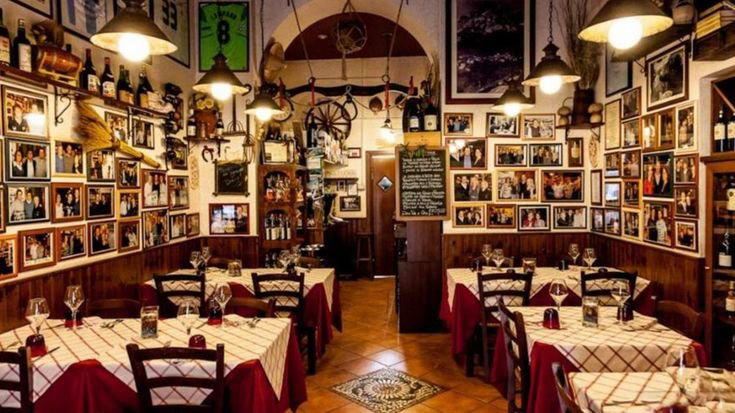
Bars in Medvode
Browse all →
Hotels in Medvode
Browse all →


At a Glance
- Rustic
- Cozy
- Classic
- Family
- Group Dining
- Casual Hangout
- Historic Building
- Extensive Wine List
- Farm To Table
- Organic
- Local Sourcing
Current opening hours
- Monday
- Closed
- Tuesday
- Closed
- Wednesday
- 12–10 PM
- Thursday
- 12–10 PM
- Friday
- 12–10 PM
- Saturday
- 12–10 PM
- Sunday
- 12–6 PM
Hours can change for holidays and private events. Last verified .
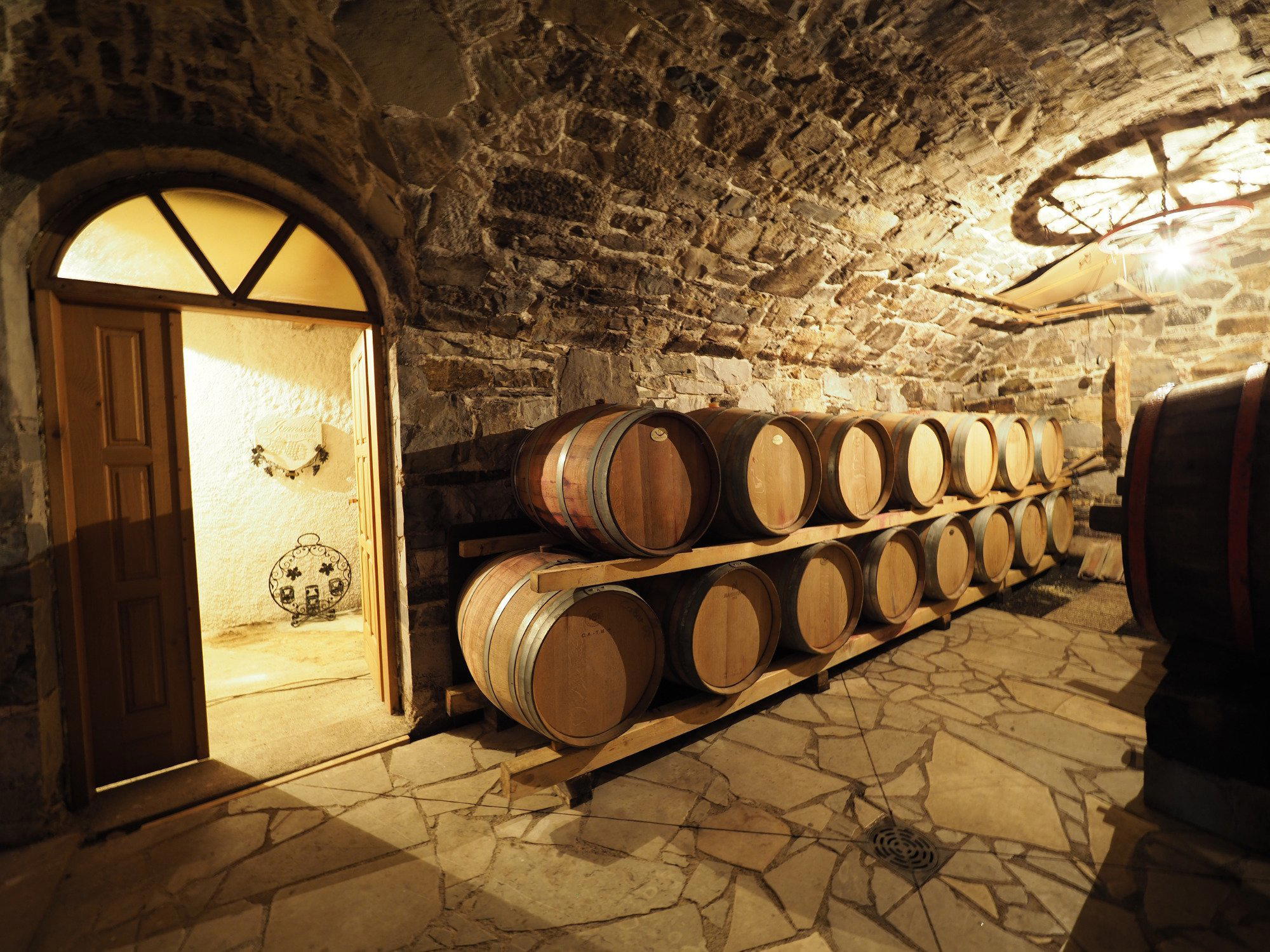
Warm rural atmosphere blending tradition and modernity with a focus on local flavors.