Odprta Kuhna is a Slovenian street food market at Pogačarjev trg 1 in Ljubljana, with counter service, beer, and a street scene view.
Pearl is the En Primeur Club membership app — saves, bookings, and concierge access live there. Same editors, same standards.
- Address
- Pogačarjev trg 1, 1000 Ljubljana, Slovenia
- Website
- odprtakuhna.si
- Directions
- Get directions
 Saves & bookings on Pearl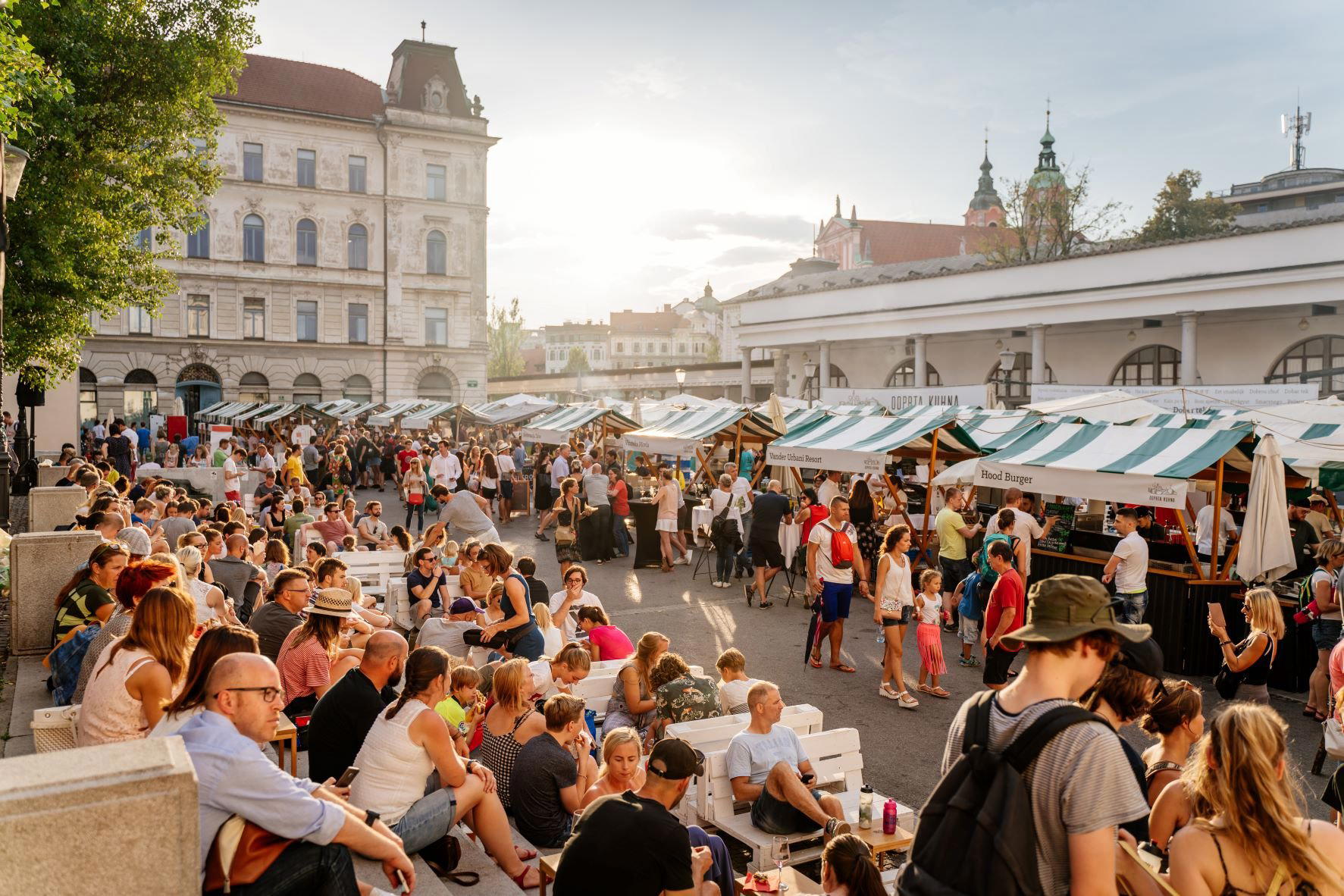
Where the Old Town Wakes Up on Friday Mornings
Pogačarjev trg sits at the eastern edge of Ljubljana's historic core, a broad square flanked by the covered market arcades that Boris Metzinger designed in the early twentieth century. On most days it operates as a conventional open-air food market, unhurried and local in character. From late spring through autumn, however, the square transforms each Friday into Odprta Kuhna, an open kitchen format that draws vendors, cooks, and crowds in numbers that Ljubljana's compact centre rarely sees outside of summer festivals.
The Open Kitchen Format and Where It Sits in the City's Eating Scene
Odprta Kuhna is a rotating market-event, which means the vendor roster changes week to week and the culinary range in any given session can move from Slovenian farmhouse dishes to Korean barbecue to wood-fired pizza within fifty metres of walking. It operates as a rotating market-event, which means the vendor roster changes week to week and the culinary range in any given session can move from Slovenian farmhouse dishes to Korean barbecue to wood-fired pizza within fifty metres of walking. That mobility is structurally significant: it functions as a live index of what the city's independent food operators are working on, which at its leading gives a sharper picture of Ljubljana's evolving food culture than any single restaurant can.
The format has parallels across Central European capitals, Budapest's Főfőző market, Vienna's Naschmarkt pop-up culture, but Ljubljana's version is concentrated into a single weekly slot rather than spread across a permanent market hall. That compression intensifies the event character and creates the social density that has made it a fixture for both residents and visitors arriving on Friday afternoon itineraries.
Local Ingredients Processed Through Imported Methods
The editorial angle worth paying attention to at Odprta Kuhna is the gap, sometimes narrow, sometimes wide, between the raw ingredients on offer and the techniques being applied to them. Slovenia's larder is substantial: Karst lamb, Carniolan sausage, Tolmin cheese from the Soča valley, freshwater fish from alpine rivers, forest mushrooms and wild garlic that appear in late spring with seasonal reliability. What the open kitchen format does is place those ingredients in contact with methods that have arrived through the country's hospitality training pipeline: fermentation techniques borrowed from Scandinavian playbooks, ceviche-adjacent curing applied to local trout, smoked elements that reference both the domestic tradition and the Northern European revival of live-fire cooking.
This is a pattern visible at the upper end of Slovenian fine dining too. Hiša Franko in Kobarid has made the indigenous-ingredient, global-technique intersection its defining approach for well over a decade, earning international recognition that has fed back into how younger Slovenian cooks think about their own product base. At the restaurant, that same sensibility appears in a less formal register, a vendor serving Štajerska pumpkin-seed oil over a grain bowl built on Japanese donburi logic, or cured local meats presented in a charcuterie format more associated with Lyon than Ljubljana. The market setting strips away the tasting-menu apparatus and lets the ingredient-method tension play out at a street level.
For reference points on how high-technique handling of regional product functions at the other extreme of formality, Le Bernardin in New York City and Atomix in New York City both demonstrate how imported frameworks can be subordinated entirely to local sourcing logic, a dynamic that Slovenia's better kitchens, from Gostilna Pri Lojzetu in Vipava to Hiša Denk in Zgornja Kungota, are developing in their own idiom.
The Seasonal Window
The restaurant runs from March through October, which maps closely onto the productive rhythm of Slovenian agriculture. The late-spring sessions, roughly April through June, tend to carry the widest variety of fresh vegetable and foraged produce, as growers bring the season's first output to market alongside preserved items from the previous autumn. The height-of-summer weeks in July and August pull the largest crowds and the broadest international vendor mix. By September and October, the produce shifts toward root vegetables, game, and mushroom-heavy preparations that align with the domestic cooking calendar.
Anyone building a Ljubljana itinerary around food should orient at least one Friday around this event, particularly if arriving between May and September when the programme is at its densest.
Placing Odprta Kuhna in the Broader Ljubljana Context
Ljubljana's restaurant scene has grown more confident in recent years, with venues like AFTR and Allegria adding contemporary texture alongside longer-established addresses. Street-food and casual formats have also matured: Abi Falafel is a useful data point for how international casual formats have embedded themselves in the city's everyday eating. The restaurant predates much of this recent development and has functioned partly as incubator, vendors who appear regularly at the market have gone on to open fixed addresses, and the format has given the city's food public a weekly occasion to encounter new operators before they achieve permanence.
For anyone building out a Slovenian food trip beyond the capital, the regional picture includes strong individual destinations: Milka in Kranjska Gora, Dam in Nova Gorica, Grič in Šentjošt nad Horjulom, Hiša Linhart in Radovljica, Pavus in Lasko, and Gostilna Mlinar in Idrija all represent the kind of place-specific cooking that Slovenian geography makes possible. Gostišče Karavla 297 in Trzic extends that picture further north.
Planning a Visit
The restaurant is held on Fridays at Pogačarjev trg 1, in the square adjacent to Ljubljana's central market. The event runs on a seasonal basis from March through October. No reservation is required, the format is walk-in by design, with vendors operating on a first-come basis until supplies are exhausted.
Same-City Peers
Comparable venues nearby, for context on price, style, and recognition.
| Venue | Cuisine | Price | Notes |
|---|---|---|---|
| Odprta KuhnaThis venue — the venue you are viewing | Slovenian Street Food Market | $$ | Not listed |
| GELATERIA ROMANTIKA | Italian-Style Gelato with Slovenian Flavors | $$ | Ljubljana Old Town |
| Gostilna Pri Stričku | Traditional Slovenian | $$ | Ljubljana |
| Klobasarna | Traditional Slovenian Carniolan Sausage | $ | Old Town Center |
| Slaščičarna Lolita | Artisanal Patisserie & Café | $$ | Old Town (Stari Trg area) |
| Kletvica | Natural Wine Bar with Small Plates | $ | Center |
Continue exploring
More in Ljubljana
Restaurants in Ljubljana
Browse all →
Bars in Ljubljana
Browse all →
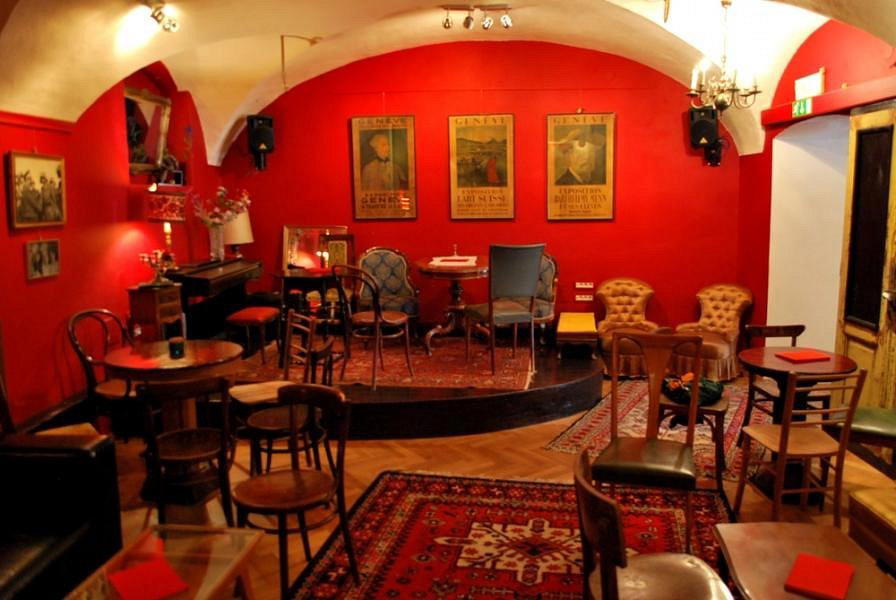
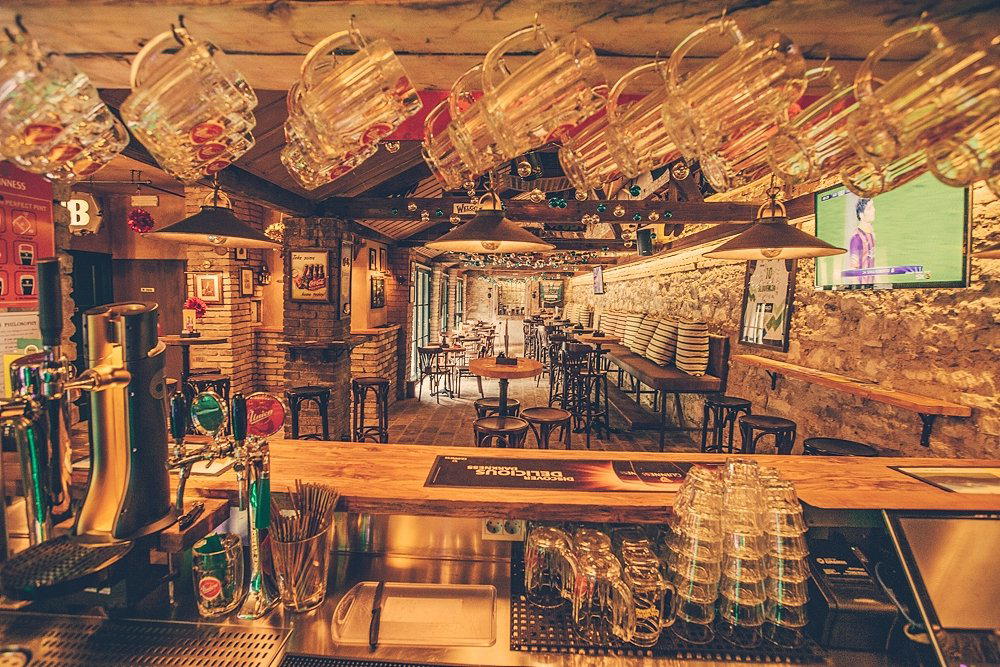
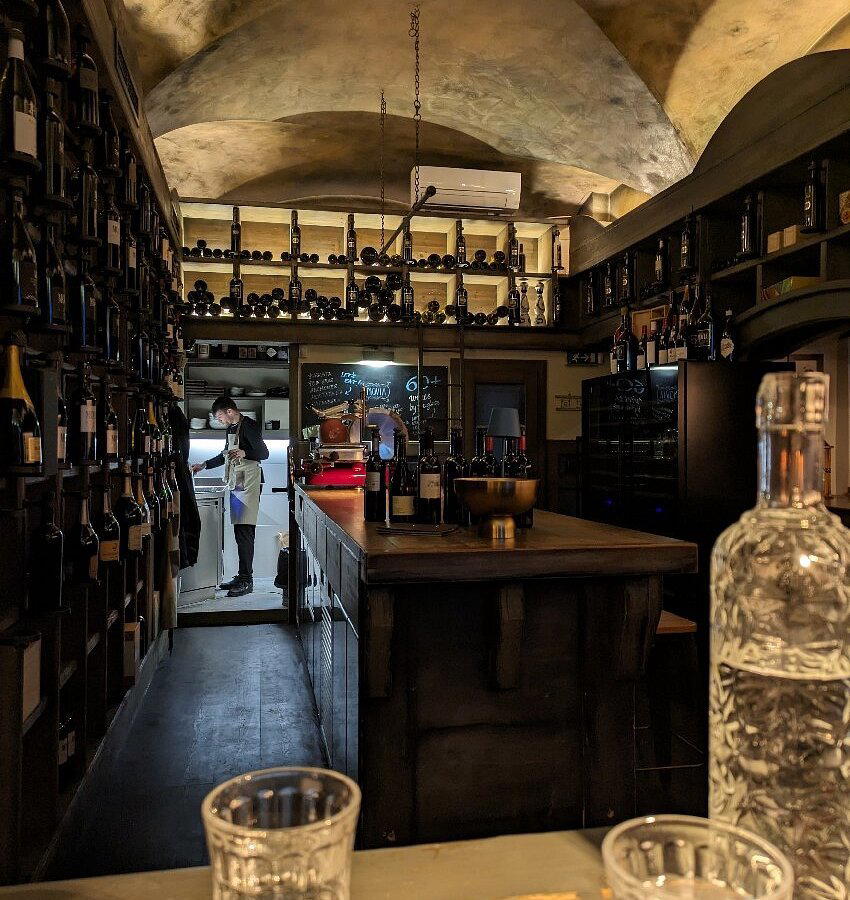
Hotels in Ljubljana
Browse all →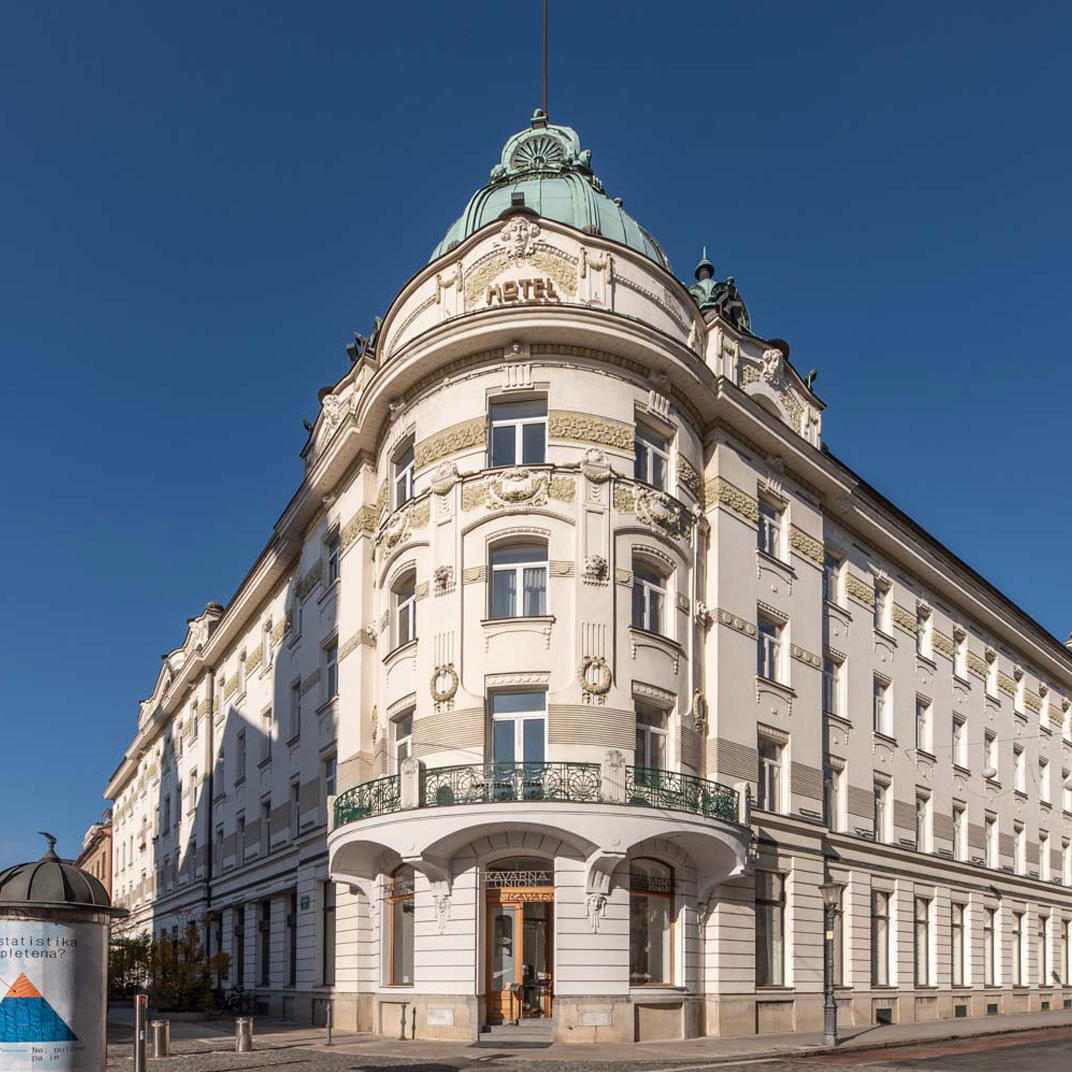


Wineries in Ljubljana
Browse all →
At a Glance
- Lively
- Energetic
- Trendy
- Casual Hangout
- Group Dining
- Open Kitchen
- Beer Program
- Street Scene
Current opening hours
- Monday
- Closed
- Tuesday
- Closed
- Wednesday
- Closed
- Thursday
- Closed
- Friday
- 10 AM–9 PM
- Saturday
- Closed
- Sunday
- Closed
Hours can change for holidays and private events. Last verified .