Golden Bear Station
Our verdict
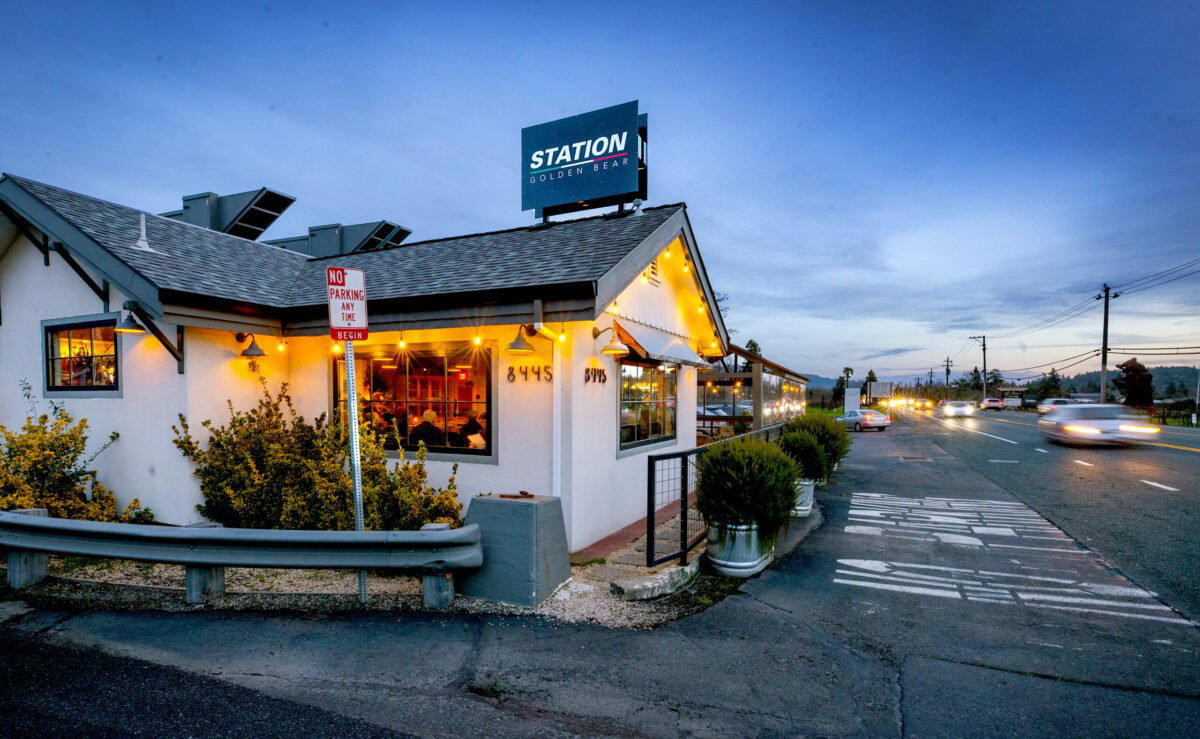
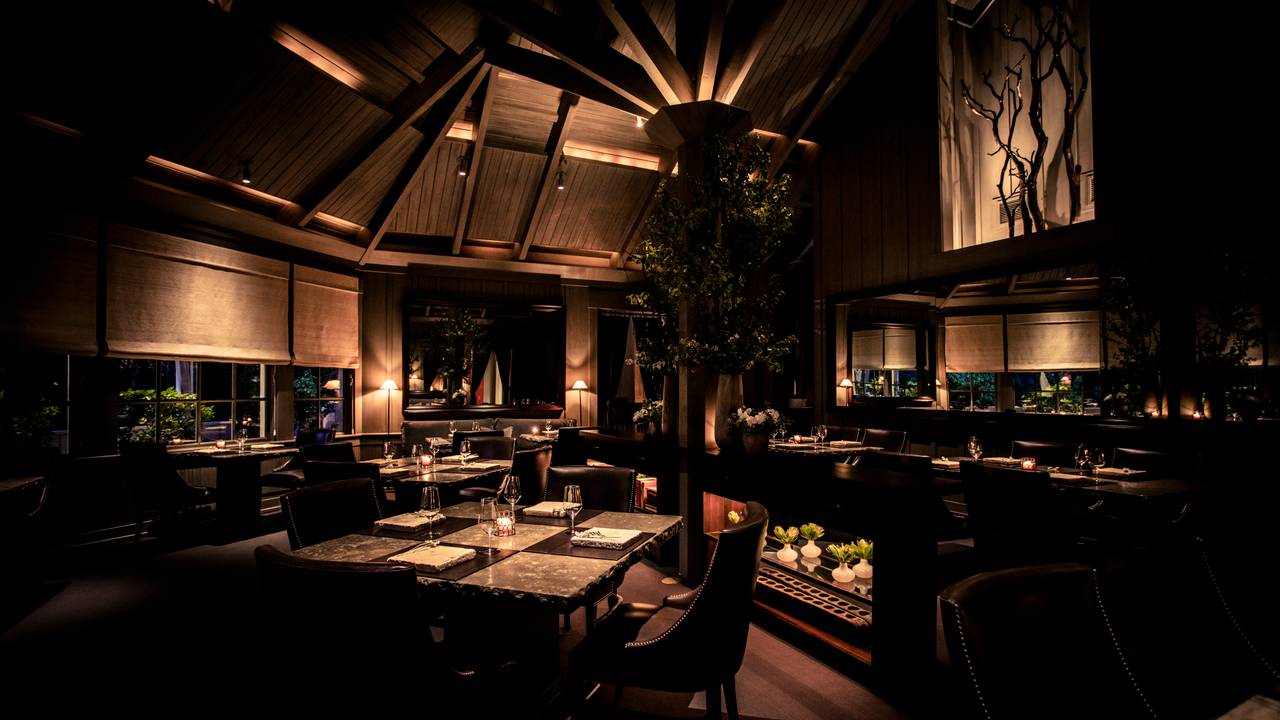
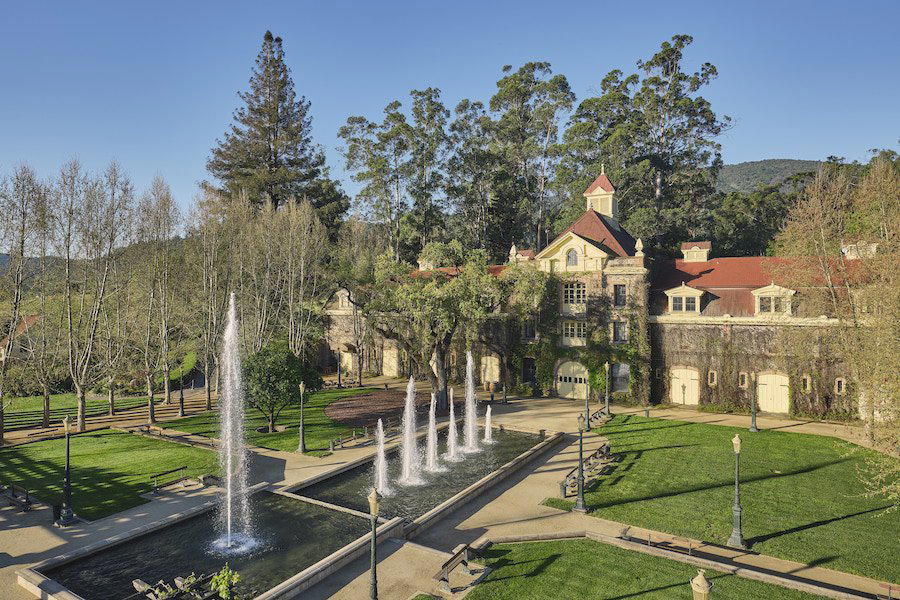
Golden Bear Station sits in Kenwood, at the quieter southern end of Sonoma Valley, where the gap between vineyard and kitchen has historically been narrower than almost anywhere else in California wine country. The venue occupies territory where ingredient provenance is less a marketing angle than a geographic fact, placing it within a wider conversation about how proximity to source shapes what ends up on the plate.

Pearl is the En Primeur Club membership app, where members save venues, book tables and use the concierge.
The menu
What to order
- Harlan Burger
- Kkot Kalbi
- Cacio e Pepe
- Rice Cakes with Bolognese
- Hen of the Woods Mushrooms
Where the Valley Feeds the Table
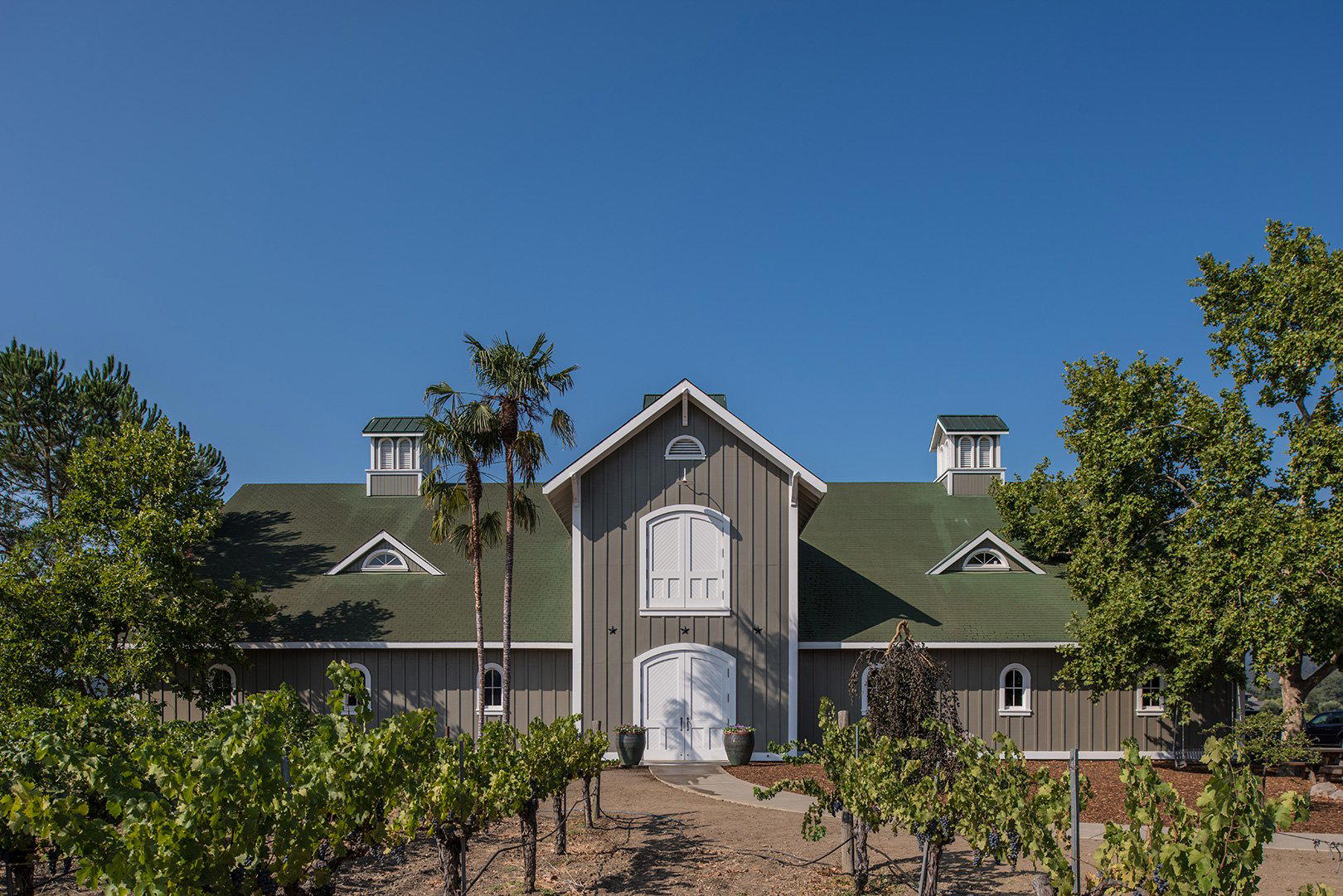
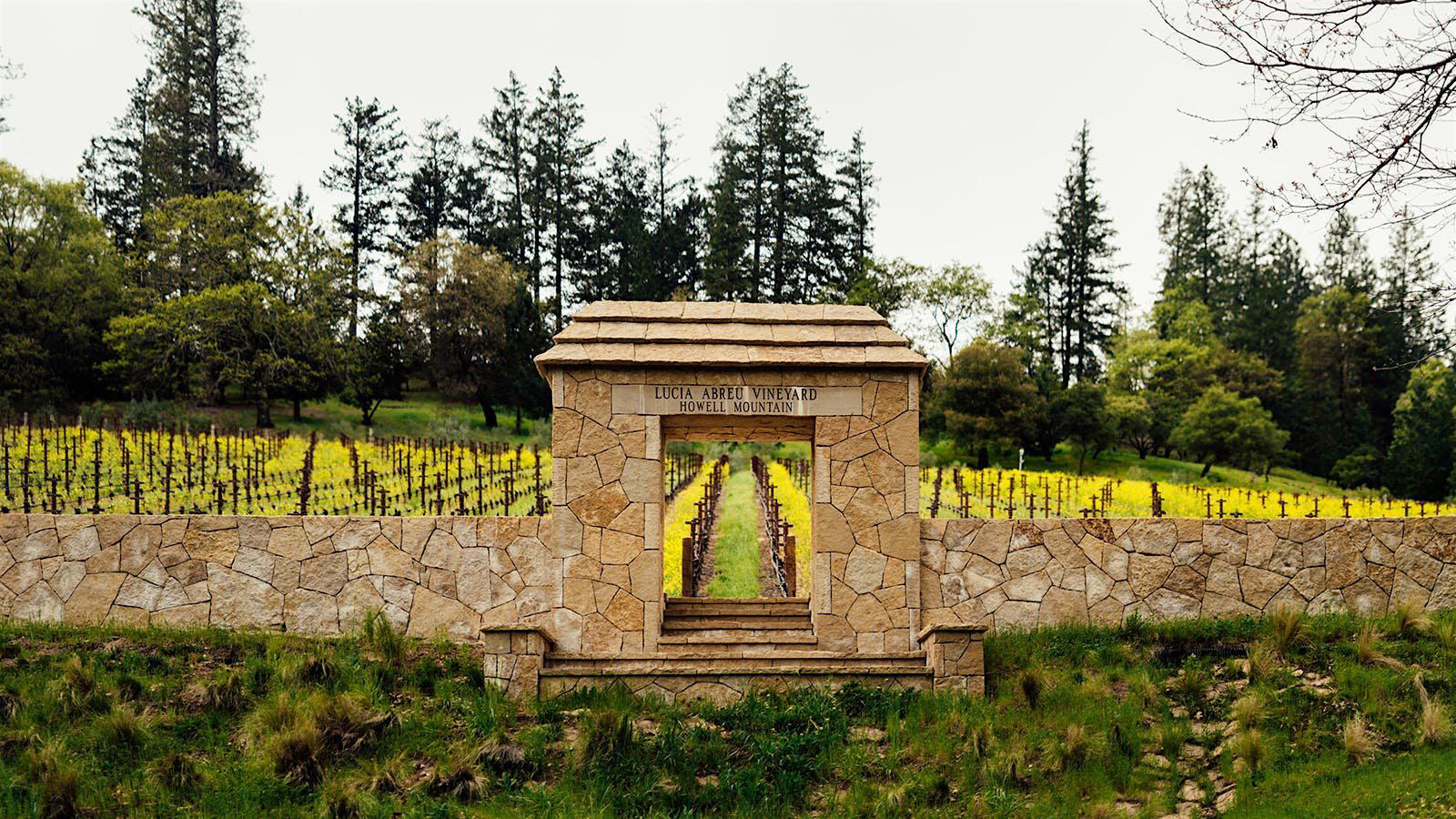
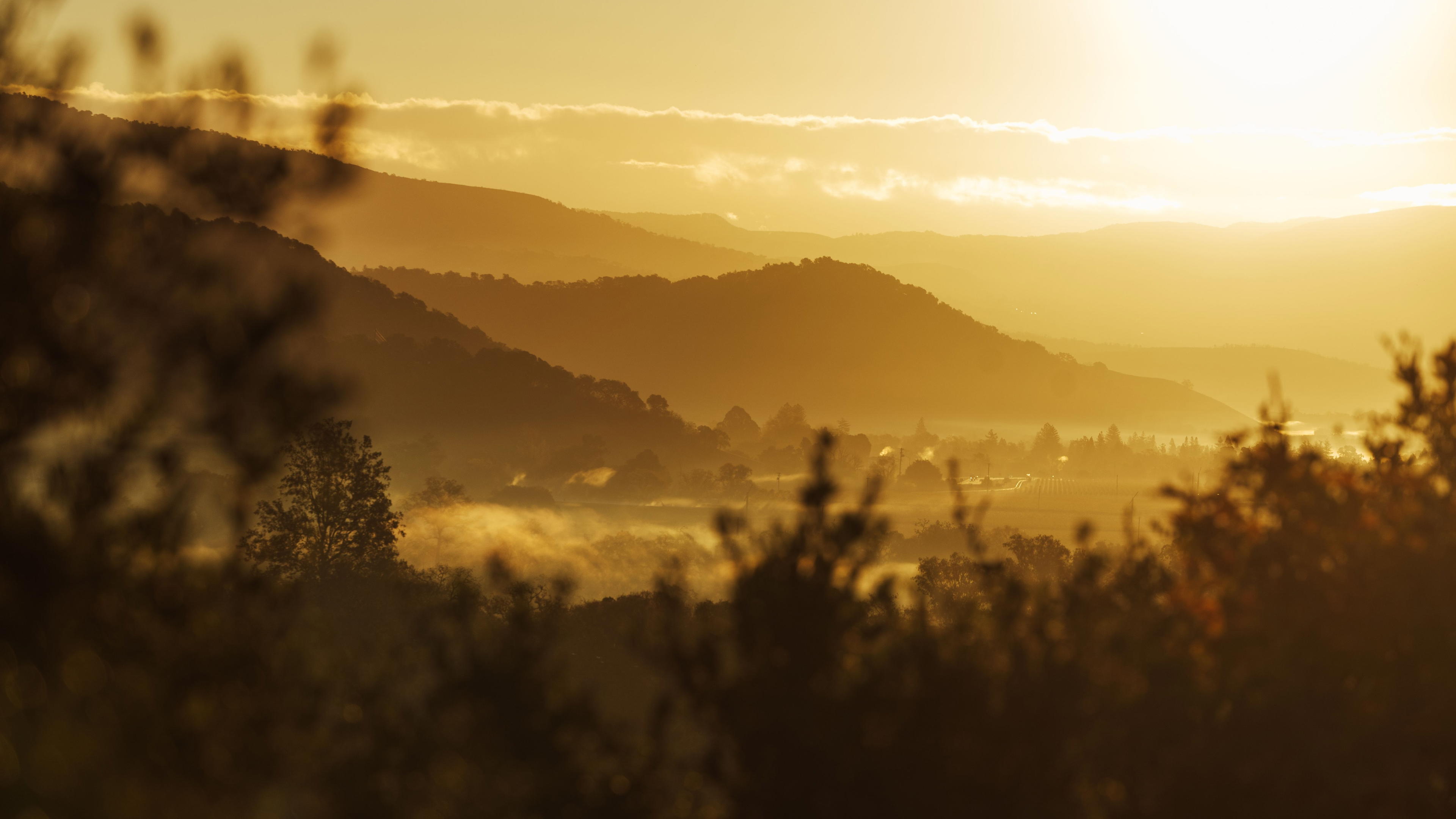
Kenwood occupies the southern reach of Sonoma Valley, hemmed in by the Mayacamas range to the east and the Sonoma Mountains to the west. It is not a town that announces itself. The handful of wineries along Highway 12, including neighbors like Landmark Vineyards and the Mayo Family Winery Reserve Room, define the area's public identity more than any single restaurant. That context matters when approaching Golden Bear Station. Dining here is not an event extracted from the landscape; it is an extension of it. The physical approach, through rolling vineyard rows and the particular quality of afternoon light that defines this corridor in late summer, sets a frame that the kitchen is expected to honor.
In Sonoma Valley more broadly, the question of ingredient sourcing has moved from differentiating claim to baseline expectation. What separates operations in this tier is not whether they source locally, but how granularly they do so, and whether that sourcing shapes menu structure or merely gets noted in the margin. Golden Bear Station sits within that conversation, in a part of California where the distance between a working farm and a dining room can be measured in minutes rather than supply-chain logistics.
The Ingredient Logic of Sonoma Valley
California's wine country dining circuit has, over the past two decades, split into two broad categories: destination restaurants that draw visitors from San Francisco and beyond, and smaller, place-rooted operations that serve the valley's own rhythms. At the upper end of the first category, places like Single Thread Farm in Healdsburg have turned the farm-to-counter model into a formalized, reservation-intensive proposition with a defined tasting structure and national recognition. The French Laundry in Napa operates in a different register entirely, as a fixed institution with a price point and booking window that places it in a category of its own.
Kenwood sits outside that high-visibility circuit, and that positioning has consequences for how ingredient sourcing works in practice. Farms that supply larger destination restaurants often do so under volume agreements that standardize what gets delivered. In smaller valley towns, the relationship between producer and kitchen tends to be more direct and more seasonal in the literal sense: what is available this week shapes what appears on the menu, not the other way around. This is the logic that Sonoma Valley's geographic density makes possible, and it is the frame within which Golden Bear Station operates.
Sonoma County as a whole supports a concentrated agricultural base, with diversified production across stone fruits, heirloom vegetables, pasture-raised proteins, and dairy that has no equivalent in Napa, where monoculture viticulture dominates available land. That agricultural variety gives kitchens in this part of the state a sourcing palette that restaurants in purely urban settings, or even in wine-dominated Napa, cannot easily replicate. Comparable farm-driven programs in other American cities, from Blue Hill at Stone Barns in Tarrytown to Bacchanalia in Atlanta, have to construct supply networks across longer distances. Here, that network is already embedded in the surrounding geography.
The Broader Progressive American Conversation
Progressive American cooking, as a category, has become more codified over the past decade. Restaurants like Lazy Bear in San Francisco and Alinea in Chicago represent poles of that spectrum: the former rooted in communal warmth and seasonal Northern California product, the latter operating as a technical laboratory with little interest in geographic rootedness as an organizing principle. The restaurants that attract serious attention in between those poles tend to be the ones that can articulate a point of view about place without collapsing into nostalgia or novelty.
Kenwood's scale enforces a particular kind of discipline. A kitchen operating here cannot default to the volume-driven flexibility of a city restaurant. Seasonal gaps are real, supplier relationships are personal, and the menu cannot be insulated from what the surrounding land is actually producing in a given month. That constraint, when it works, produces cooking that reads as honest rather than constructed. When it does not work, it reads as limited. The distinction is almost entirely a function of how the kitchen responds to what is actually available, rather than what it wishes were available.
For reference points across the American dining conversation, the farm-grounded model has found expression at very different price tiers and formats, from the multi-course precision of Addison in San Diego and The Inn at Little Washington to the more ingredient-forward, less theatrical approaches at places like Brutø in Denver and Causa in Washington, D.C. The range of formats that ingredient-led cooking can take is wide, and Kenwood's position in Sonoma Valley places Golden Bear Station in proximity to some of the most favorable sourcing conditions on the continent.
Planning a Visit
Kenwood is approximately 45 minutes north of San Francisco by car via Highway 101 and Highway 12, a drive that passes through the Petaluma agricultural corridor before entering the valley proper. The town itself has limited lodging, so most visitors base themselves in Sonoma or Santa Rosa and drive in. For dining context across the valley, our full Kenwood restaurants guide maps the range of options from winery reserve rooms to casual highway stops.
The valley's dining calendar peaks between May and October, when local produce is at maximum variety and the wine country visitor season is in full swing. Shoulder months, particularly April and November, offer a different version of the same geography: fewer visitors, more direct access to local producers who are not stretched by peak-season demand, and a kitchen that is often working with the end of one season's harvest and the beginning of the next. For reference on what farm-driven dining looks like at other points on the California coast, Providence in Los Angeles offers a useful counterpoint: a seafood-focused tasting room where sourcing specificity operates at a similar level of seriousness, but within an entirely different ecological and urban context.
Frequently asked questions
How does Golden Bear Station fit into a Sonoma Valley wine country itinerary?
Kenwood sits at the southern end of Sonoma Valley, approximately 45 minutes north of San Francisco via Highway 101 and Highway 12, placing Golden Bear Station on a natural route between the Sonoma town square and the upper valley appellations. For visitors structuring a day around tasting rooms in the Kenwood and Glen Ellen corridor, a meal here aligns logistically with the broader wine country circuit without requiring a detour into busier tourist centres.
What do people recommend at Golden Bear Station?
Golden Bear Station operates within Kenwood's ingredient-led dining culture, where the menu follows Sonoma Valley's seasonal growing calendar rather than a fixed template.
Do I need a reservation for Golden Bear Station?
Kenwood is a small town with a limited number of dining rooms, and demand at the better-regarded spots consistently exceeds walk-in availability, particularly on weekends during harvest season. Contacting Golden Bear Station in advance is advisable; the venue's current booking policy and contact details are best confirmed through local directories or a direct search.
What's the defining dish or idea at Golden Bear Station?
Golden Bear Station sits within the progressive American conversation that has taken firm root in Sonoma Valley, where the governing logic is proximity: sourcing from the Sonoma and Mayacamas foothills rather than importing a fixed culinary identity. The result is a kitchen whose character is shaped by what grows nearby rather than by a single signature plate.
Can Golden Bear Station handle vegetarian requests?
Kitchens operating within Sonoma Valley's farm-driven circuit typically build menus around vegetable-forward sourcing by default, given the density of growers in the region.
Is a meal at Golden Bear Station worth the investment?
Kenwood's dining scene attracts visitors who have already passed through Sonoma and Santa Rosa and are looking for something closer to the source, smaller rooms, shorter supply chains, cooking that reflects the valley rather than performing for it. Whether Golden Bear Station meets that standard at its current price point is best assessed against your own expectations for the Sonoma Valley wine country experience.
In Context: Similar Options
Comparable venues nearby, for context on price, style, and recognition.
| Venue | Cuisine | Price | Notes |
|---|---|---|---|
| Golden Bear StationThis venue (the venue you are viewing) | Asian-Italian Fusion Brasserie | $100–150 | Not listed |
| Mayo Family Winery Reserve Room | Wine & Food Pairing | $50–100 | Kenwood |
| CIAORIGATO | Italian-Japanese Fusion | $50–100 | Tenderloin |
| Trader Vic's | Polynesian Tiki Fusion | $50–100 | Emeryville Marina |
| 'āina | Modern Hawaiian | Not listed | Dogpatch |
Continue exploring
More in Kenwood
Restaurants in Kenwood
All restaurants in Kenwood →
Bars in Kenwood
Browse all →
Details
- Elegant
- Modern
- Sophisticated
- Trendy
- Date Night
- Group Dining
- Special Occasion
- Casual Hangout
- Open Kitchen
- Standalone
- Design Destination
- Extensive Wine List
- Local Sourcing
- A La Carte
- Small Plates
- Wine
- Espresso
- Vegetarian Friendly
- Pescatarian Friendly
Current opening hours
- Monday
- Closed
- Tuesday
- Closed
- Wednesday
- 5–9 PM
- Thursday
- 5–9 PM
- Friday
- 5–9 PM
- Saturday
- 5–9 PM
- Sunday
- 5–9 PM
Hours can change for holidays and private events. Last verified .