Landmark Vineyards
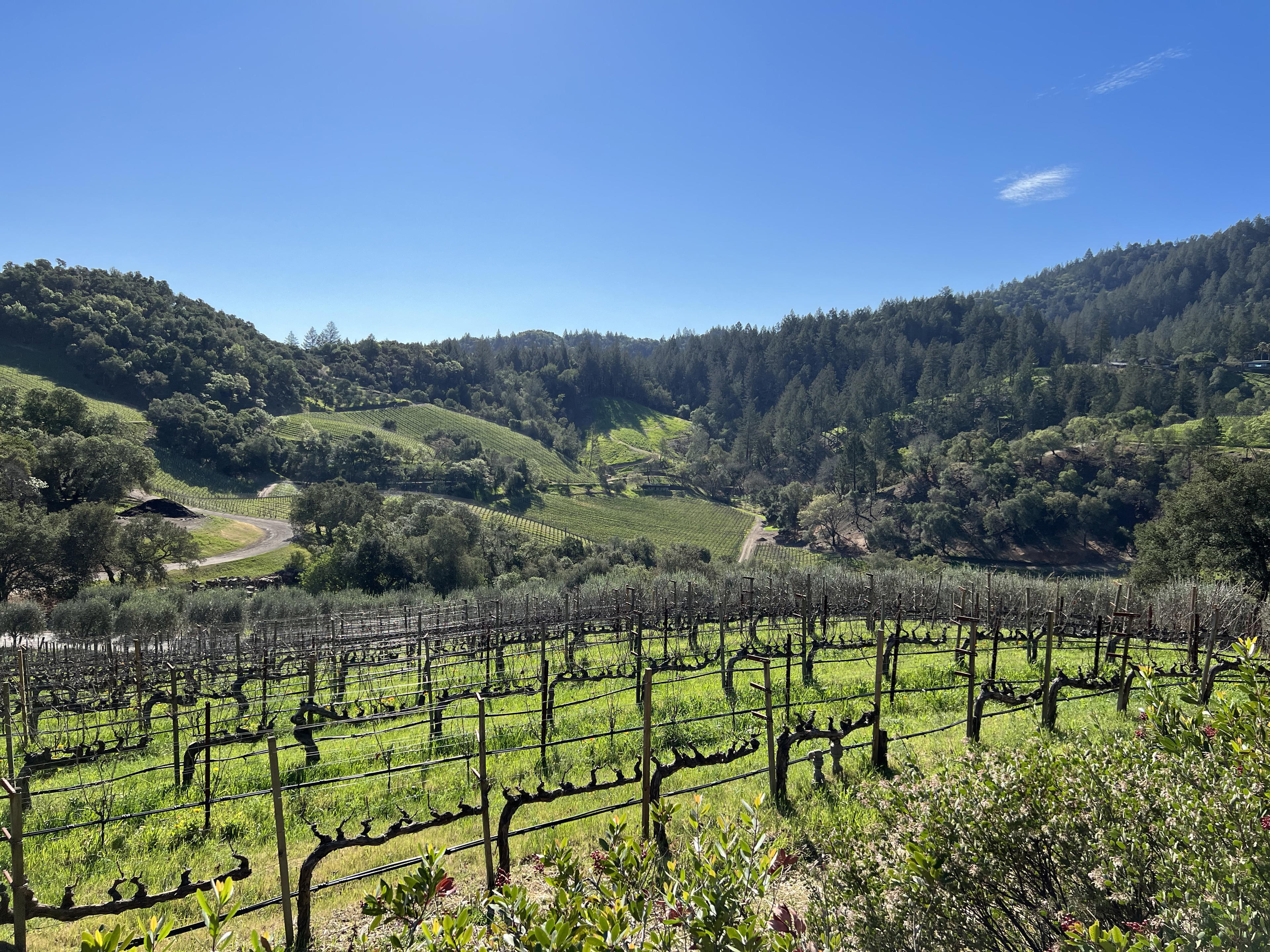
Landmark Vineyards sits at 101 Adobe Canyon Rd in Kenwood, California, where Sonoma Valley's agricultural character shapes the tasting experience more than any single winemaking signature. The property occupies a slice of the valley floor where the relationship between place and glass is the primary editorial subject. For context on the broader Kenwood wine scene, our full guide covers the area's key producers.
 Discover on Pearl
Pearl is the En Primeur Club membership app — saves, bookings, and concierge access live there. Same editors, same standards.
- Address
- 101 Adobe Canyon Rd, Kenwood, CA 95452
- Phone
- +1 707 833 0053
- Website
- landmarkwine.com
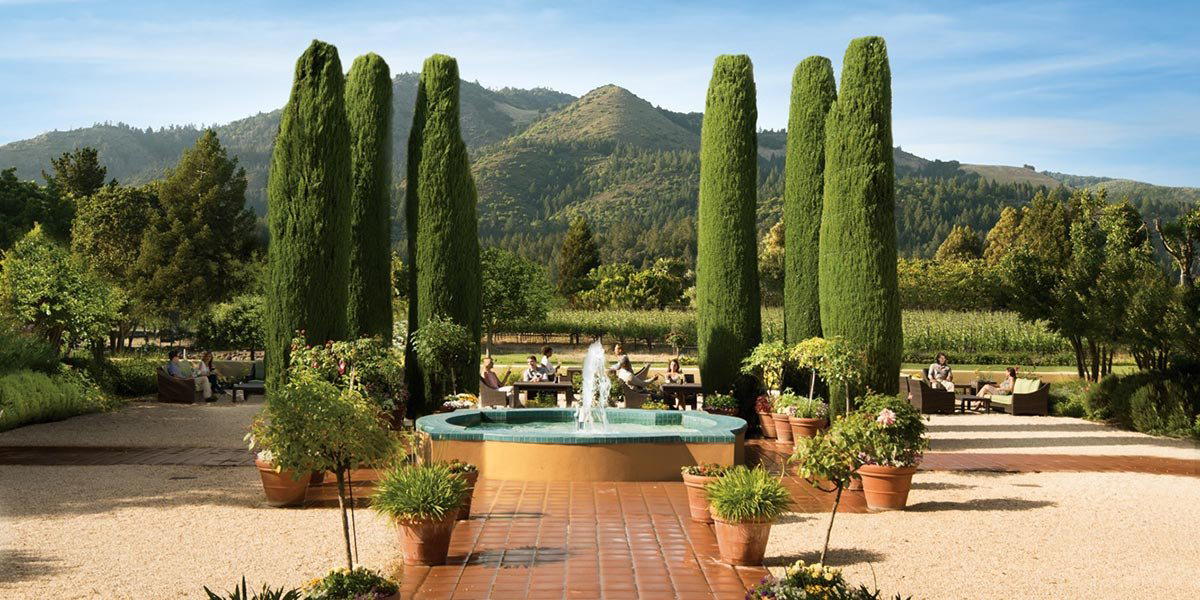
Where the Valley Floor Speaks First
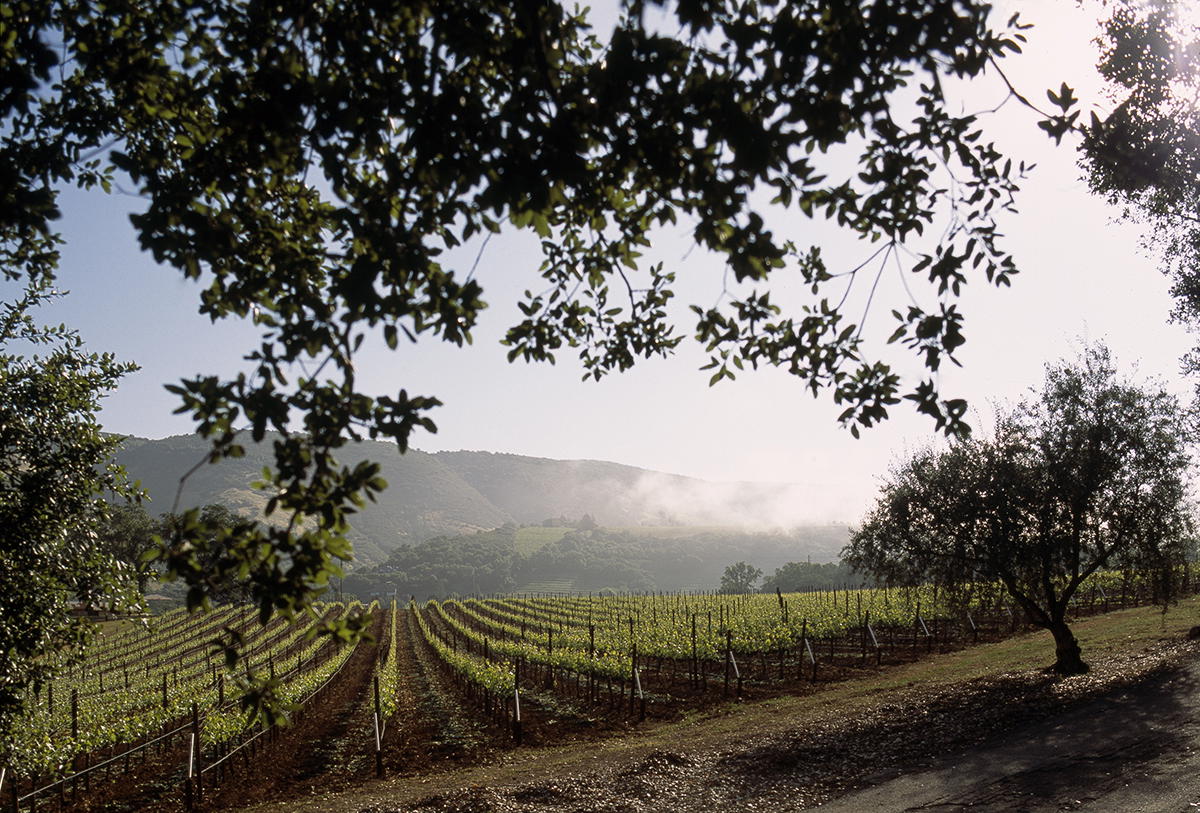
Approaching Kenwood along Adobe Canyon Road, the Santa Rosa plain gives way to the narrowing corridor between Sugarloaf Ridge and the Mayacamas Range. The air shifts before the address does. This part of Sonoma Valley has always operated on a different register from the Napa side of the mountain range to the east: less freeway, more farm road, with vineyards that share fencing with apple orchards and horse pastures rather than manicured resort grounds. Landmark Vineyards in Kenwood sits inside that agricultural fabric rather than apart from it, and that positioning is the first thing worth understanding before you consider what's in the glass.
Sonoma Valley's identity has historically been shaped by its relationship to the land rather than to the market mechanisms that define Napa's upper tier. Where The French Laundry in Napa anchors a particular version of California prestige, this valley has tended toward producers whose primary conversation is with their own terroir. The canyon-mouth location of the Kenwood property places it where cool marine air from the Petaluma Gap meets the warmer interior basin, a thermal dynamic that has made Sonoma Valley one of California's more compelling addresses for Chardonnay and Pinot Noir produced with restraint rather than extraction.
What Sourcing Means in This Corner of Sonoma
The sourcing question in Sonoma Valley carries more weight than it does in some of California's more homogeneous appellations. The valley spans multiple distinct growing environments within a short drive: the warmer floor near Kenwood, the cooler slopes above Glen Ellen, and the transition zones where elevation and aspect interact with maritime influence to produce grapes with markedly different physiological profiles. Producers who draw from multiple sites within this corridor are engaged in a fundamentally different project than those working a single vineyard, and how that sourcing is handled in the cellar tells you most of what you need to know about a winery's editorial position.
For context, operations like Single Thread Farm in Healdsburg have made ingredient provenance the central argument of their hospitality program, with every element traced back to a specific agricultural relationship. The same logic applies in wine: the argument for Sonoma Valley fruit is partly an argument against homogenization, against the blending-tank approach to appellation identity. Whether a producer in this valley is making that argument rigorously or superficially is usually visible in how they talk about their vineyard sources, and how precisely those sources are reflected in the finished bottles.
Kenwood itself is a small settlement without the tourist infrastructure of Sonoma town to the south or Healdsburg to the north. That relative quietness is part of the point. The tasting room experience here tends to be more agricultural in register, closer to the working winery than to the hospitality set-piece format that has come to define some of California's higher-volume destinations. For visitors coming from Lazy Bear in San Francisco or Providence in Los Angeles, where every detail is curated at high resolution, the relative informality of the Kenwood corridor can read as refreshing or as undercooked, depending on what you came for.
The Broader Sonoma Sourcing Argument
California wine's most interesting editorial conversation right now concerns the relationship between appellation and identity. Napa built its premium tier on Cabernet Sauvignon and a relatively consistent set of stylistic signatures; the Addison in San Diego wine list, for example, reflects how deeply that Cabernet-forward identity has penetrated institutional fine dining. Sonoma's argument is more diffuse and more interesting for it: the county contains a wider range of climate types and variety profiles, and the most serious producers are making a case for specificity within that diversity rather than for a unified appellation brand.
Farm-to-glass sourcing in this context means something more granular than simply using estate fruit. It means being able to articulate why a particular block on a particular hillside produces grapes with a particular acid retention, and how that quality is preserved or amplified through cellar decisions. The producers who have made that argument most clearly in Sonoma Valley have found audiences that overlap with the farm-to-table dining movement: guests who approach Blue Hill at Stone Barns in Tarrytown or Oyster Oyster in Washington, D.C. with the same vocabulary of sourcing and provenance they bring to a tasting room.
That's a small but well-defined audience, and the wineries serving it well tend to be those that resist the temptation to scale into the mass hospitality model. The Mayo Family Winery Reserve Room nearby operates in the same general corridor and offers a useful peer comparison for understanding how different producers in the immediate Kenwood area position their sourcing and format.
Planning a Visit to Kenwood
Kenwood sits roughly an hour north of San Francisco without traffic, and the Adobe Canyon Road address places Landmark Vineyards near the eastern edge of the valley, close to the Sugarloaf Ridge State Park entrance. The drive from the Sonoma town plaza takes approximately twenty minutes. Visitors combining a wine itinerary with dining should note that Kenwood's restaurant options are limited; most serious dinner reservations will pull you back toward Sonoma, Glen Ellen, or further north to Healdsburg, where options like Single Thread operate at a different price tier and format. For anyone building a broader California wine and dining itinerary, this page maps the area's producers and dining options in context. Those arriving from further afield and weighing Sonoma against destinations like Frasca Food and Wine in Boulder or The Inn at Little Washington should understand that the Kenwood experience trades on agricultural setting and valley-floor terroir rather than on the kind of vertically integrated fine dining and hospitality package those addresses offer.
Fast Comparison
Comparable venues nearby, for context on price, style, and recognition.
| Venue | Cuisine | Price | Awards |
|---|---|---|---|
| Landmark VineyardsThis venue — the venue you are viewing | |||
| Le Bernardin | French, Seafood | $$$$ | Michelin 3 Star |
| Lazy Bear | Progressive American, Contemporary | $$$$ | Michelin 2 Star |
| Atomix | Modern Korean, Korean | $$$$ | Michelin 2 Star |
| Per Se | French, Contemporary | $$$$ | Michelin 3 Star |
| Masa | Sushi, Japanese | $$$$ | Michelin 3 Star |
Continue exploring
More in Kenwood
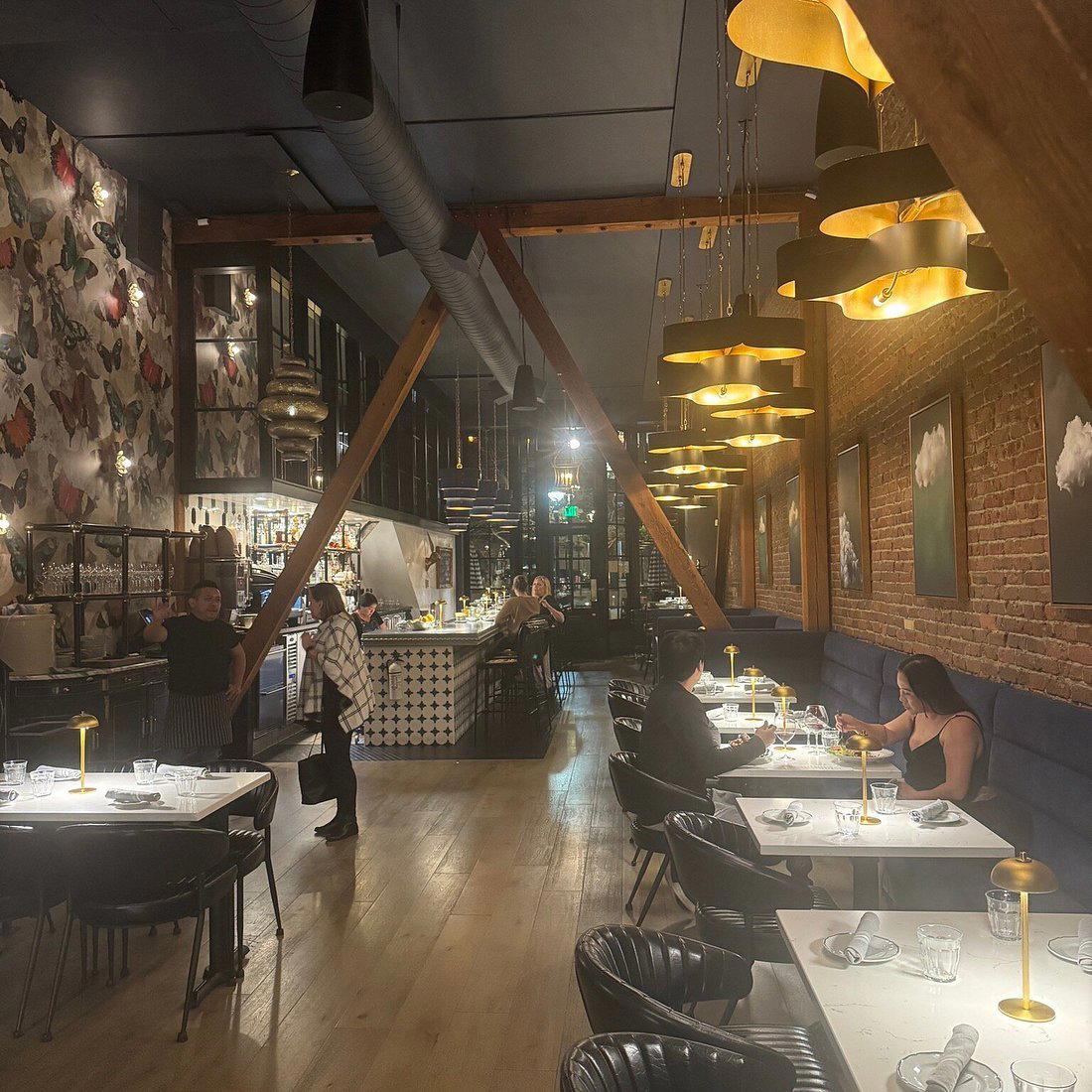
Restaurants in Kenwood
Browse all →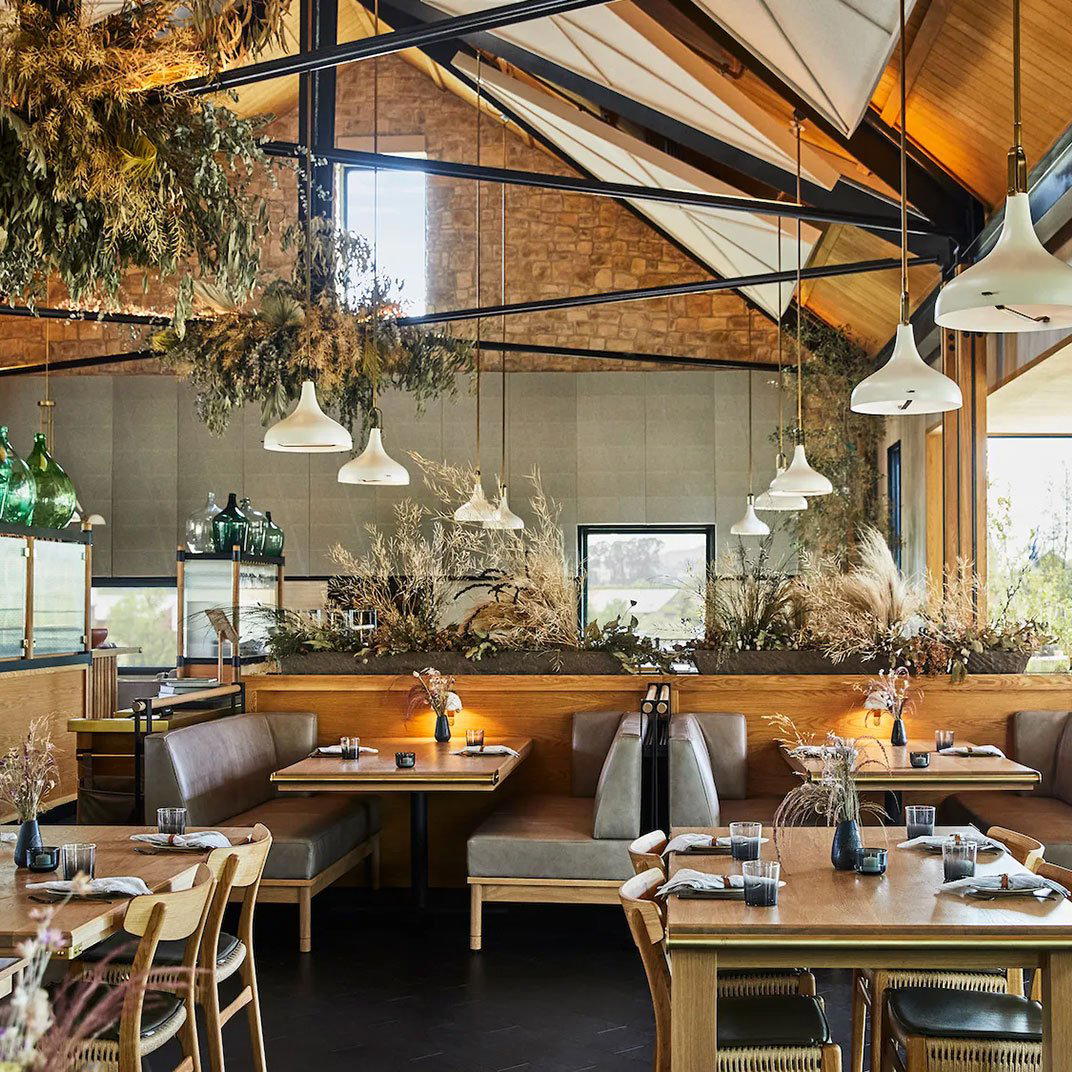
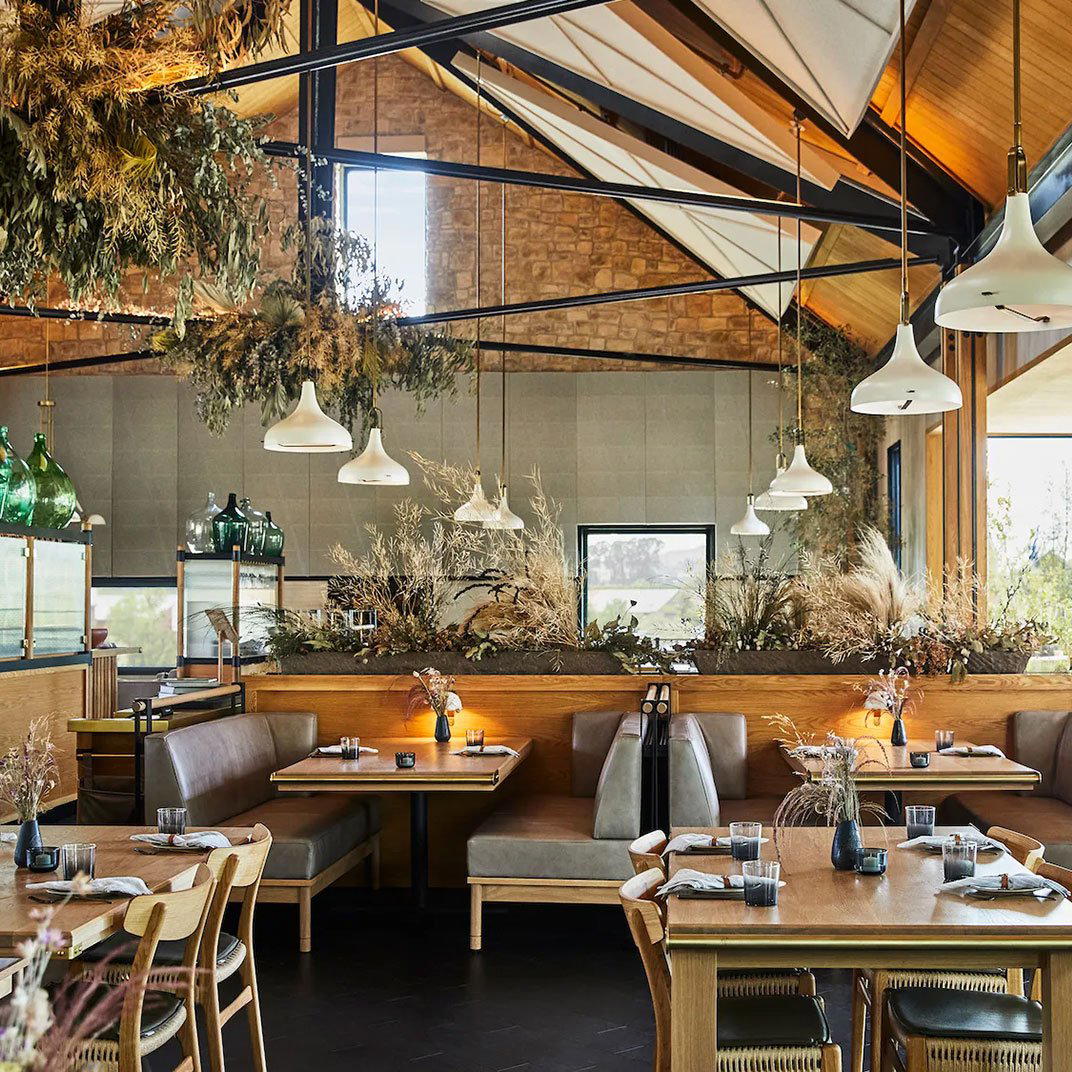
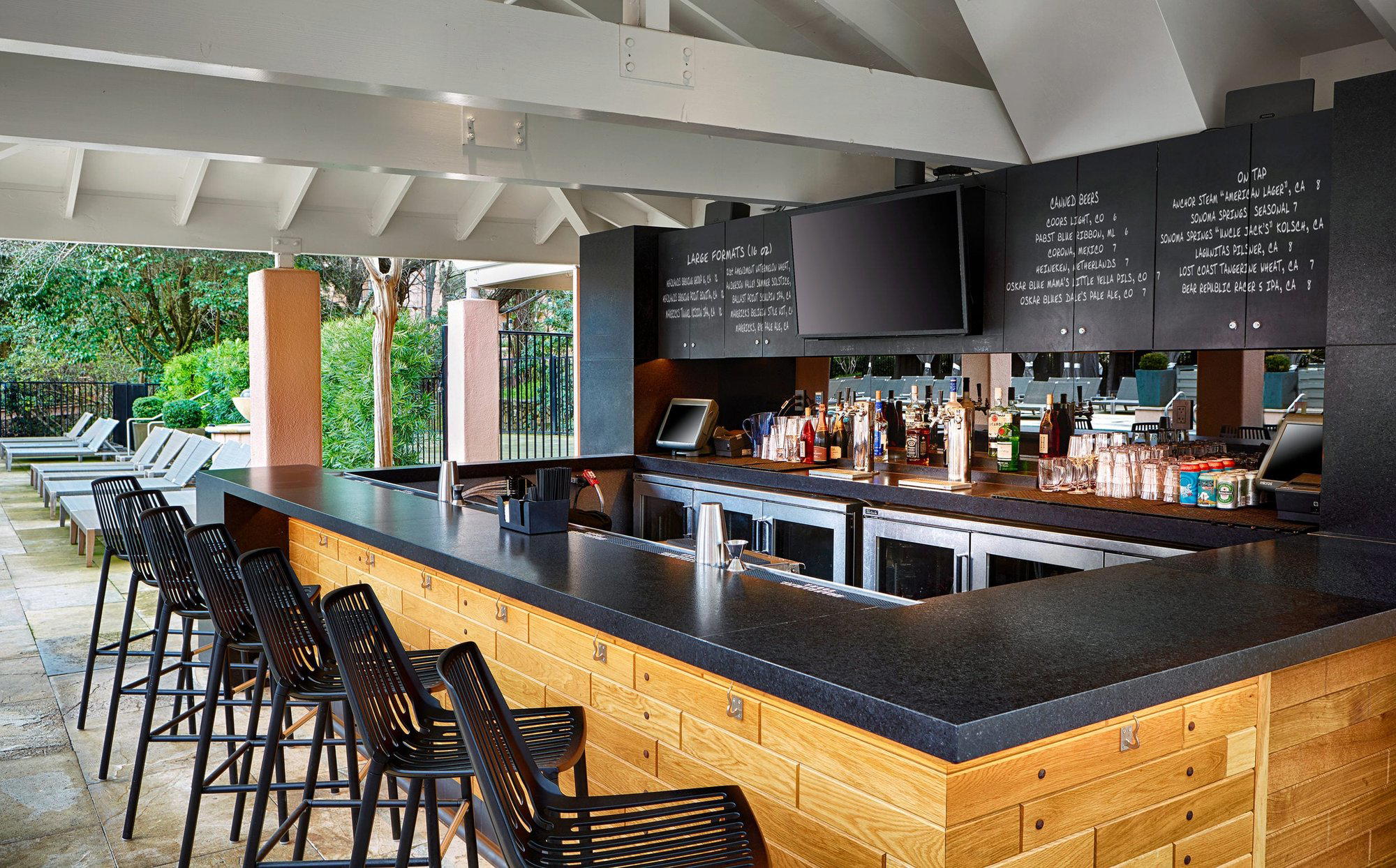
Bars in Kenwood
Browse all →
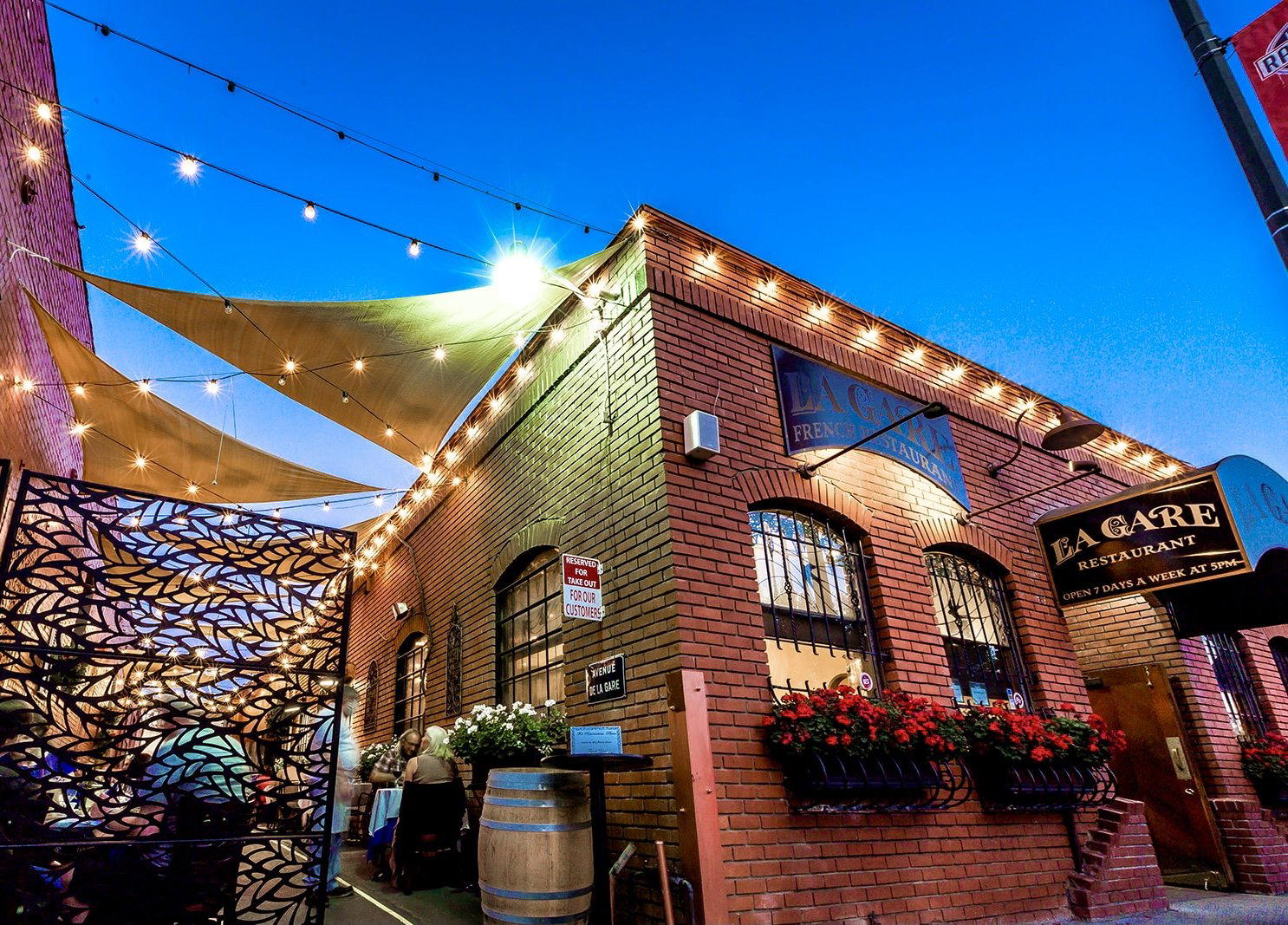
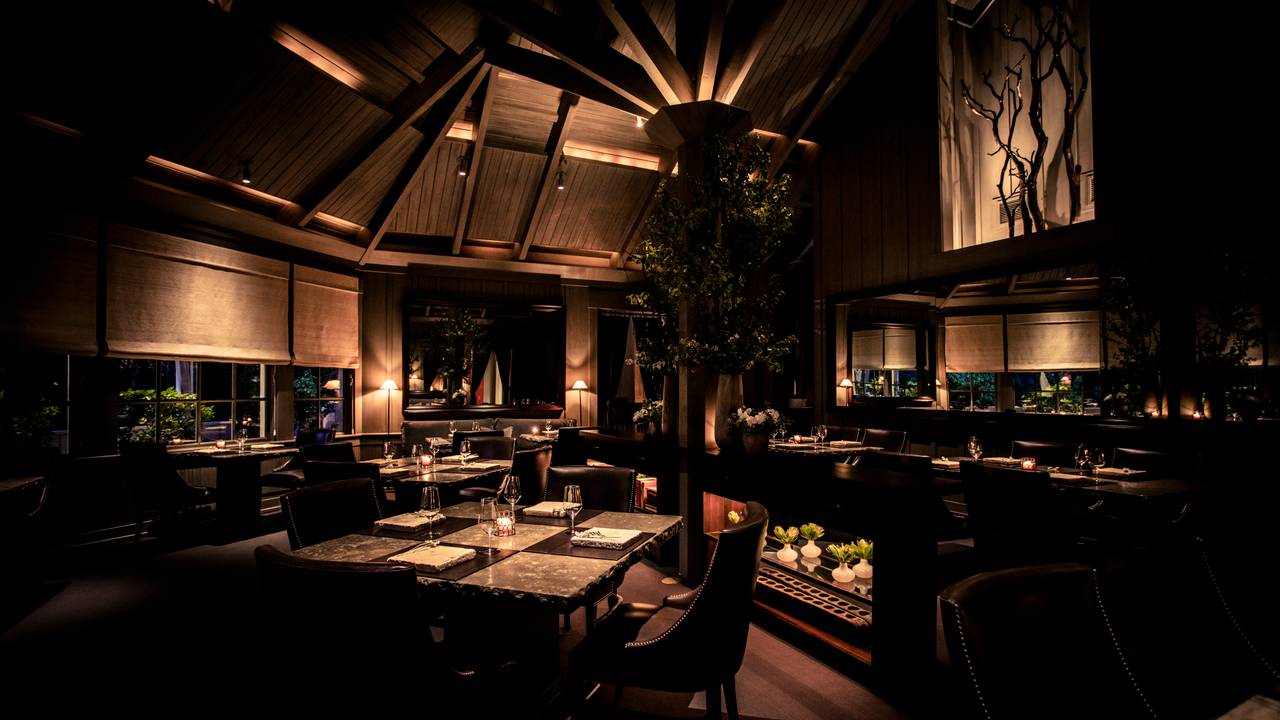
Hotels in Kenwood
Browse all →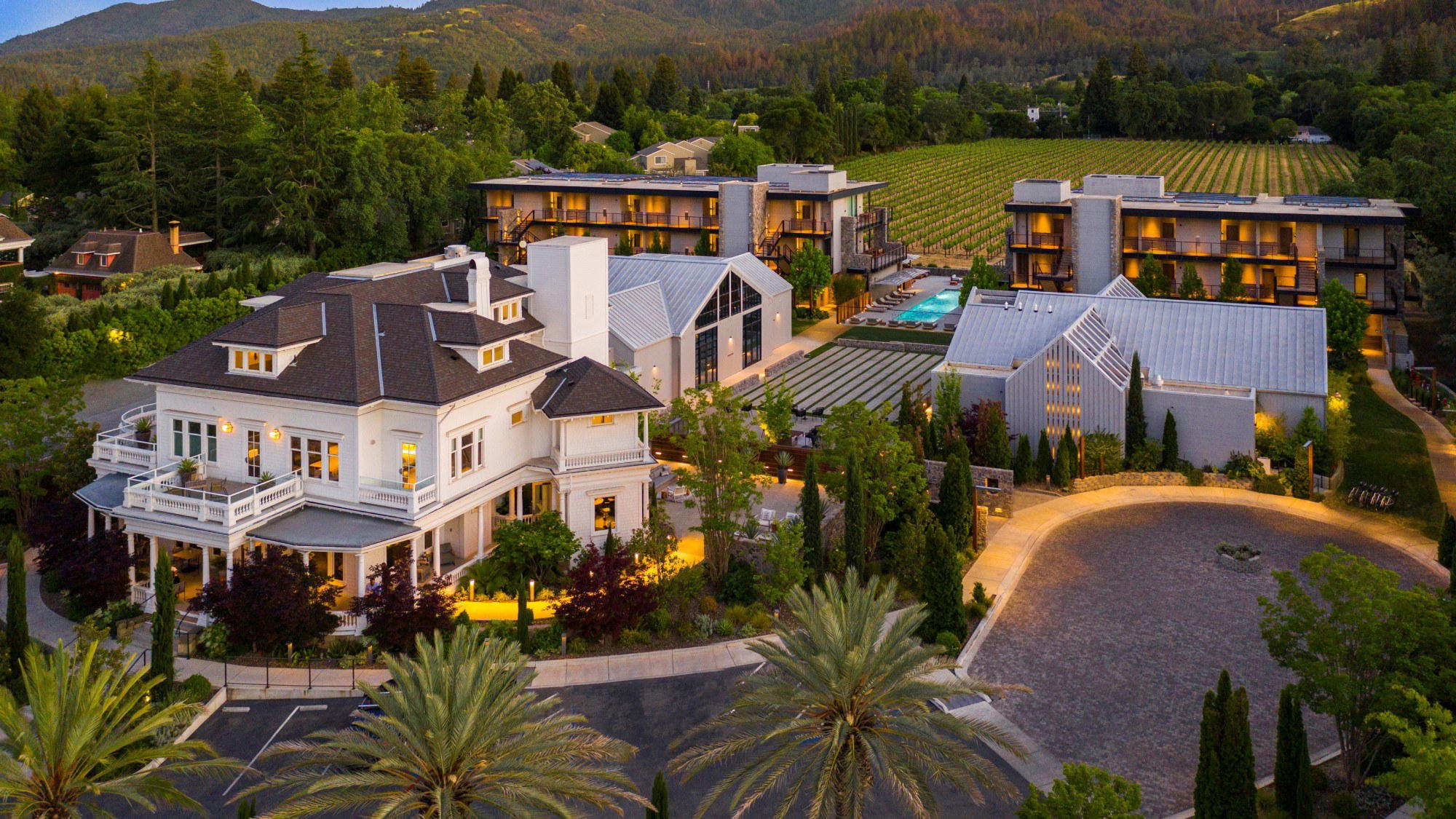
At a Glance
- Rustic
- Scenic
- Elegant
- Date Night
- Celebration
- Special Occasion
- Private Event
- Garden
- Terrace
- Historic Building
- Panoramic View
- Extensive Wine List
- Sommelier Led
- Local Sourcing
- Vineyard
- Mountain
- Garden
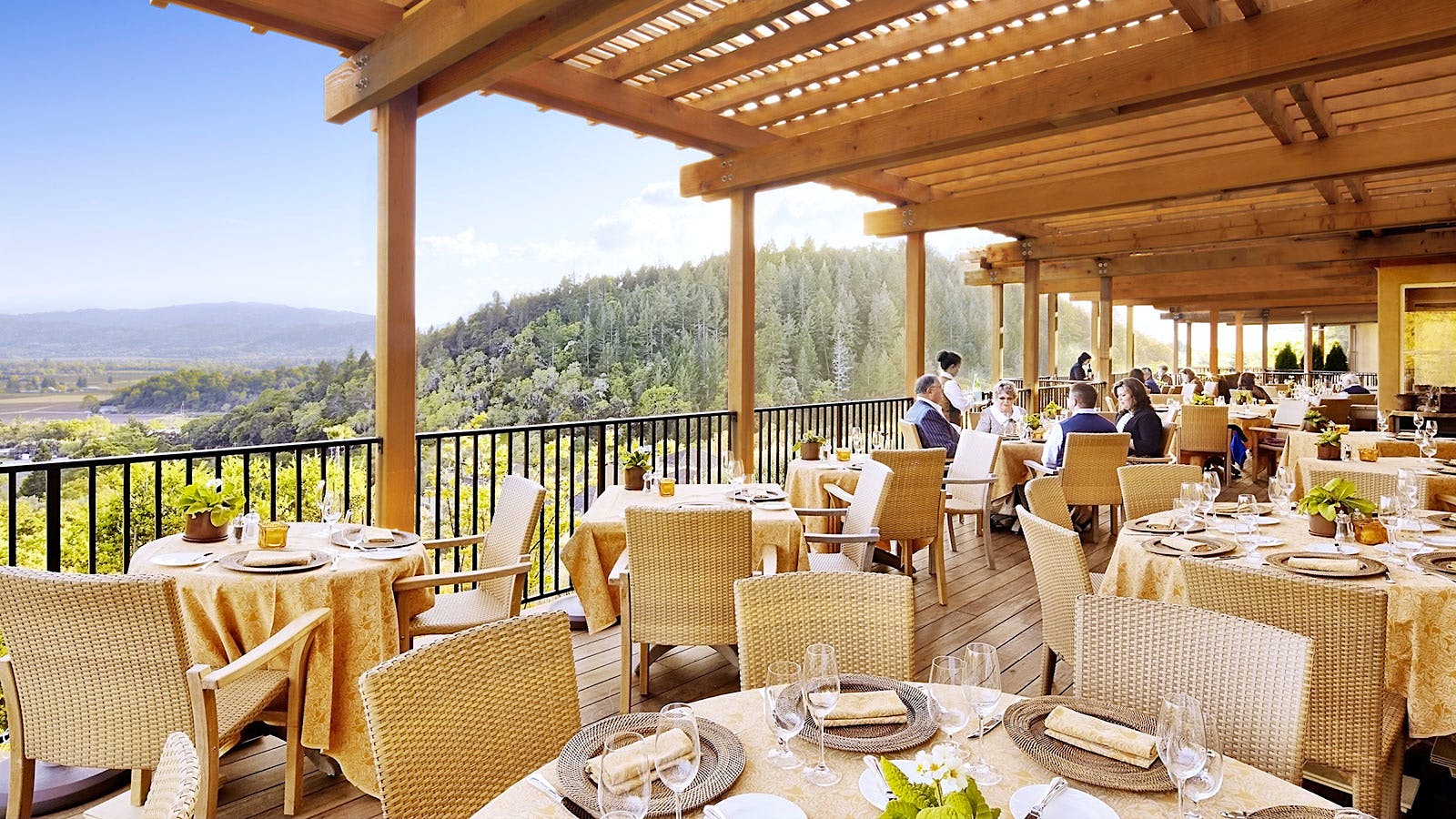
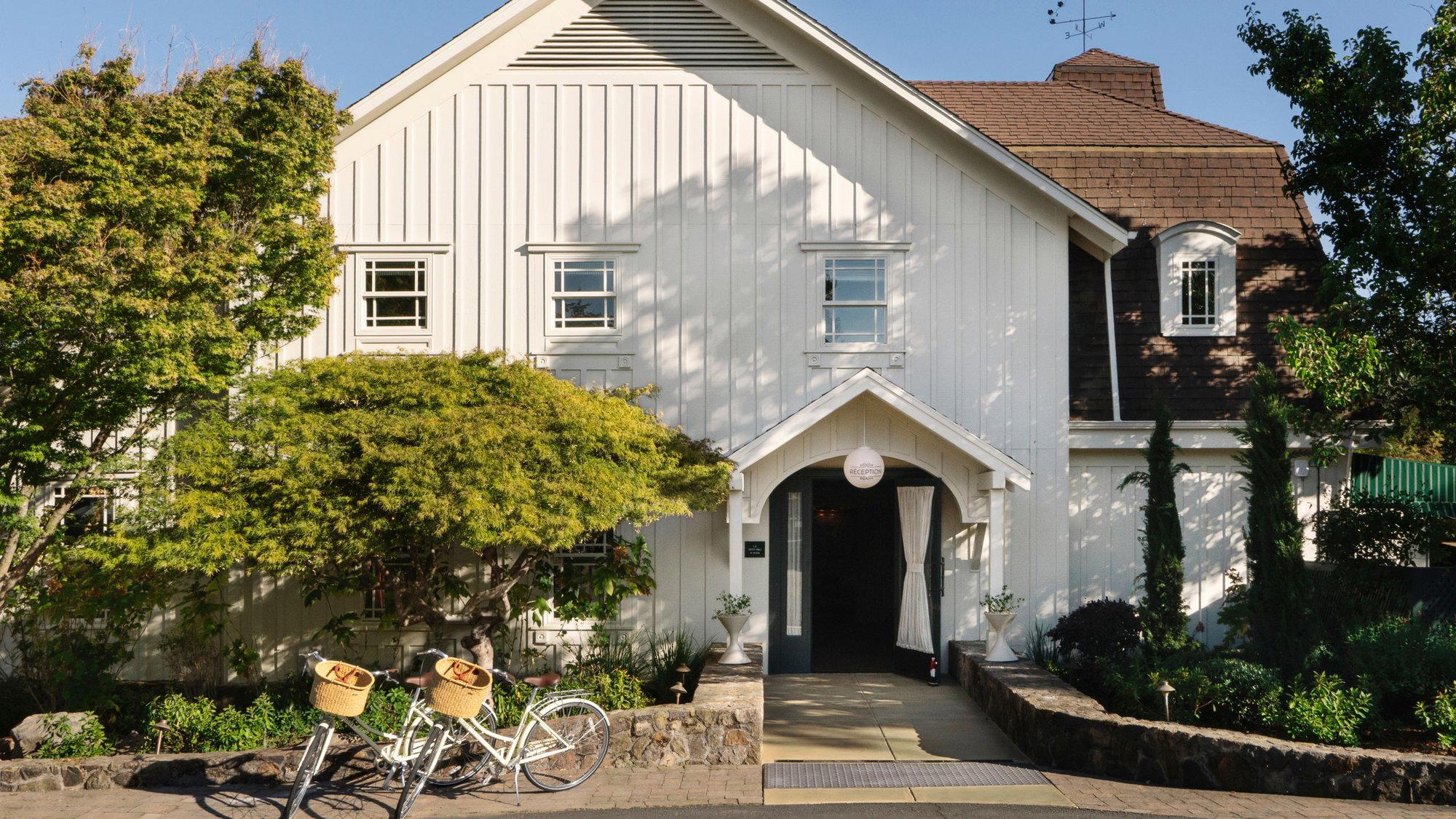
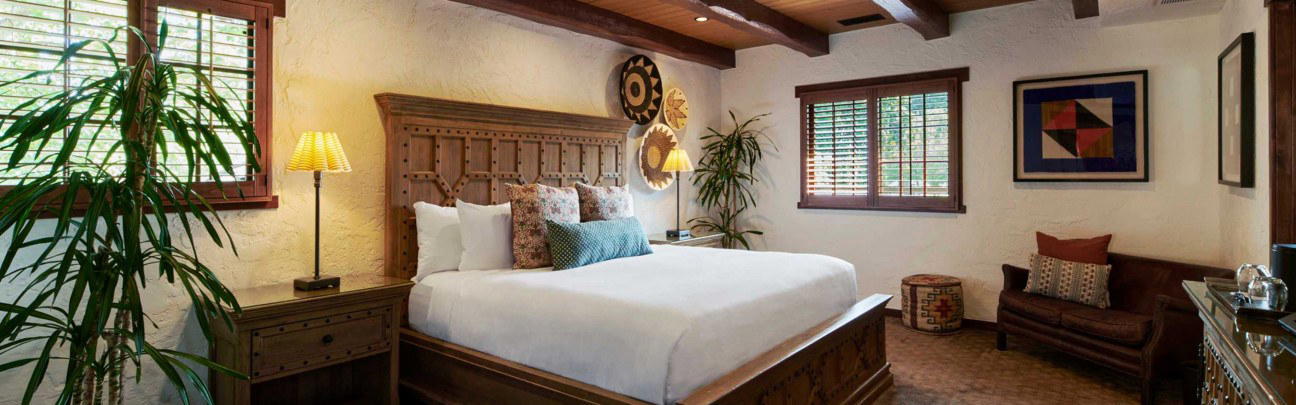
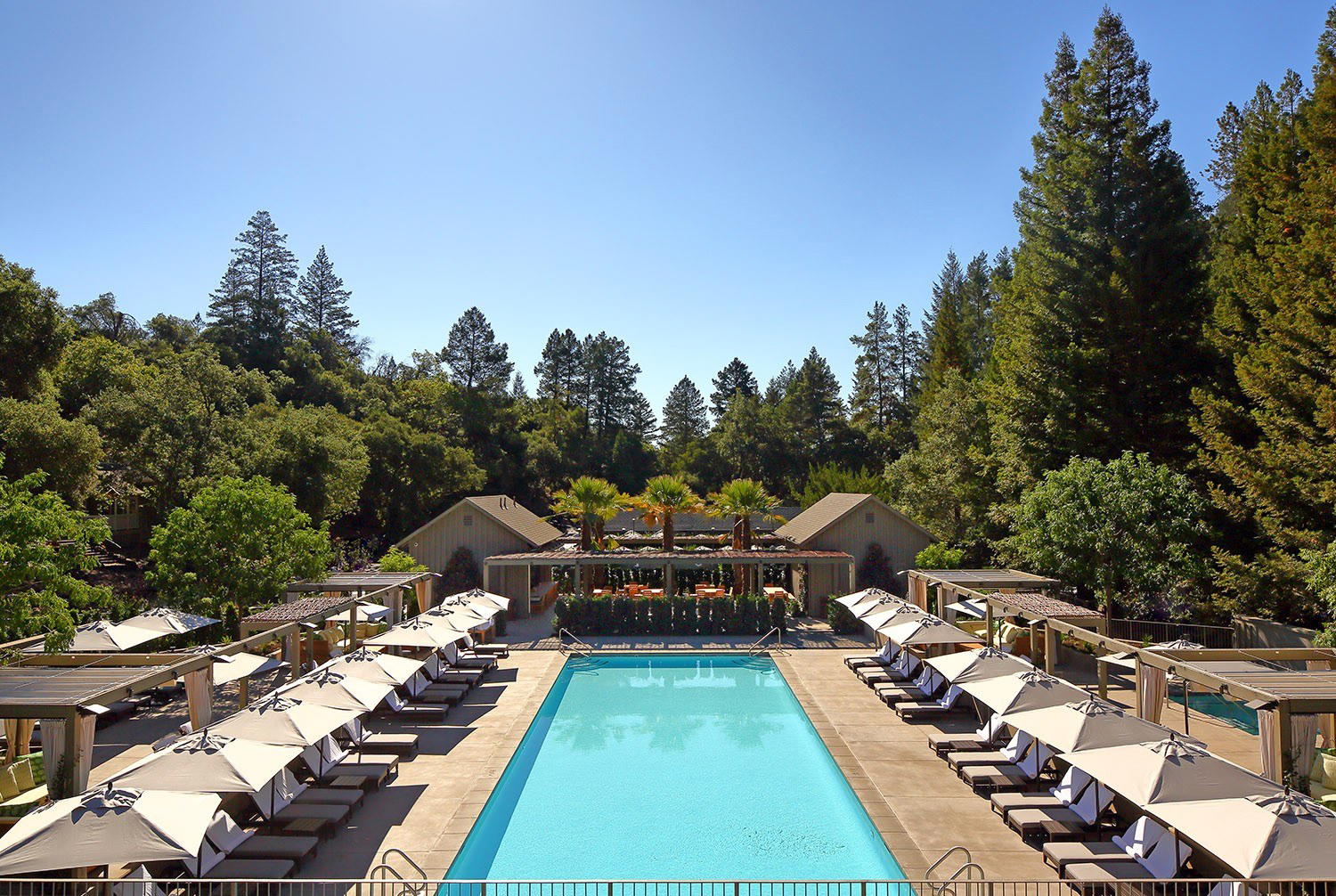
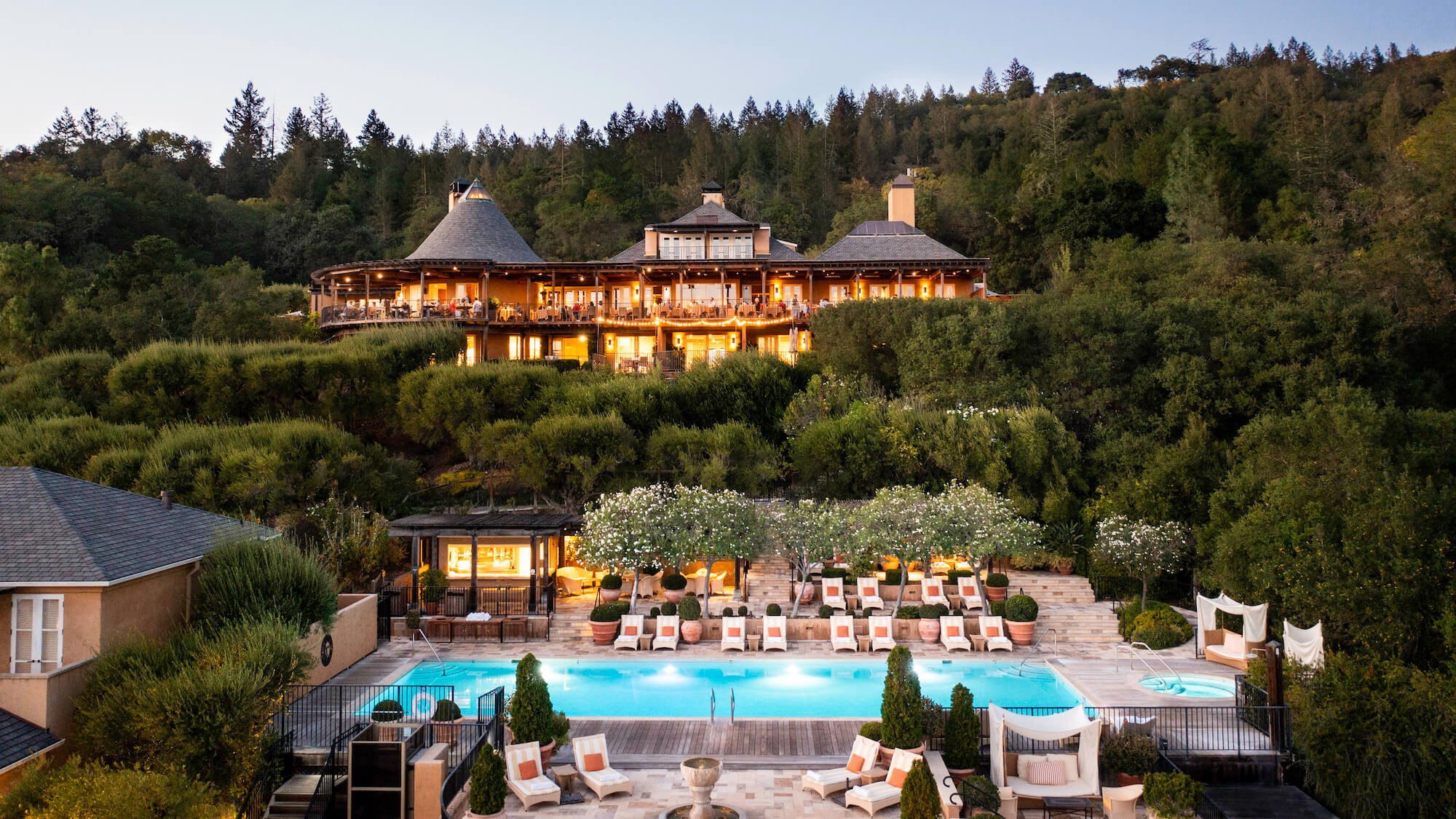
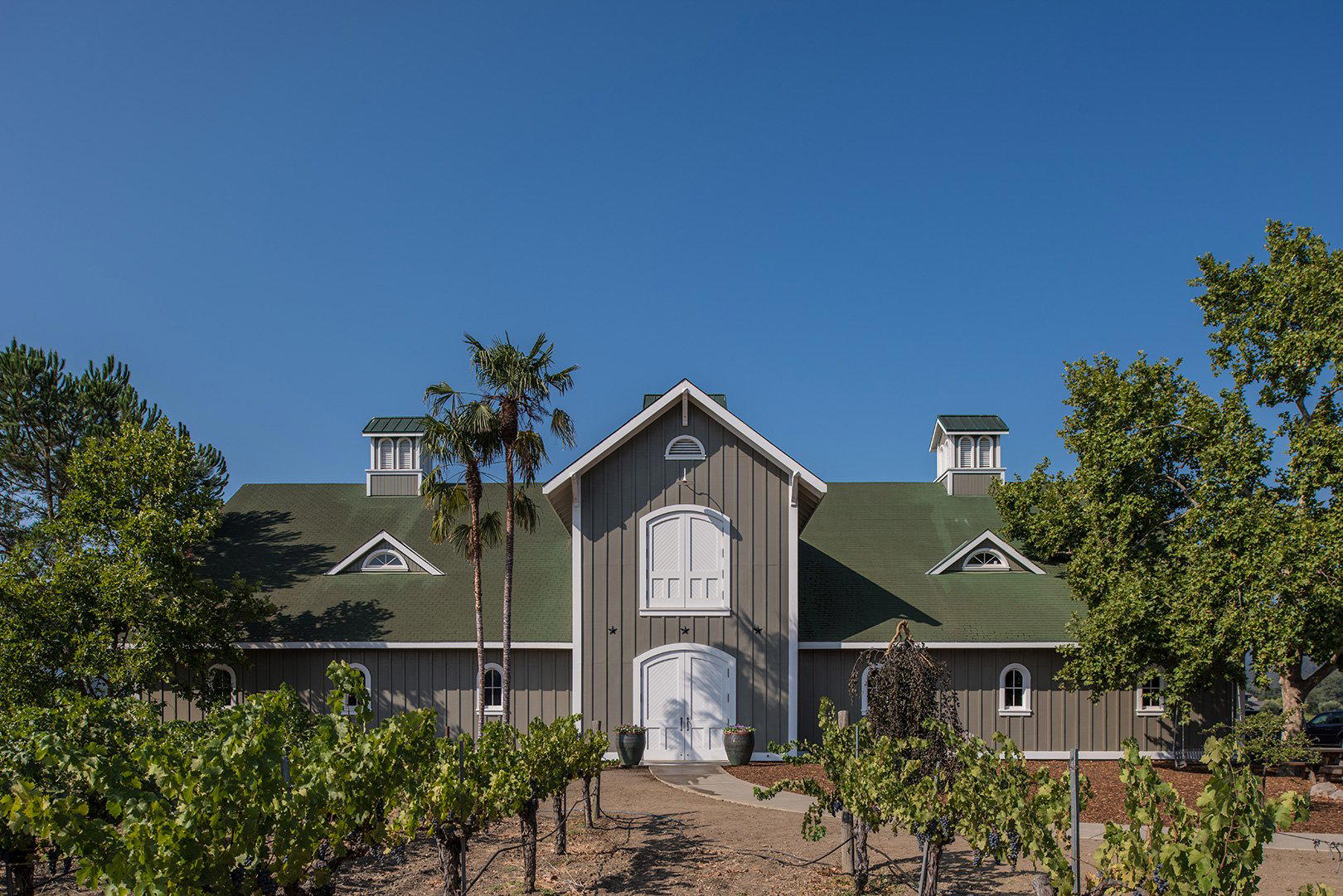
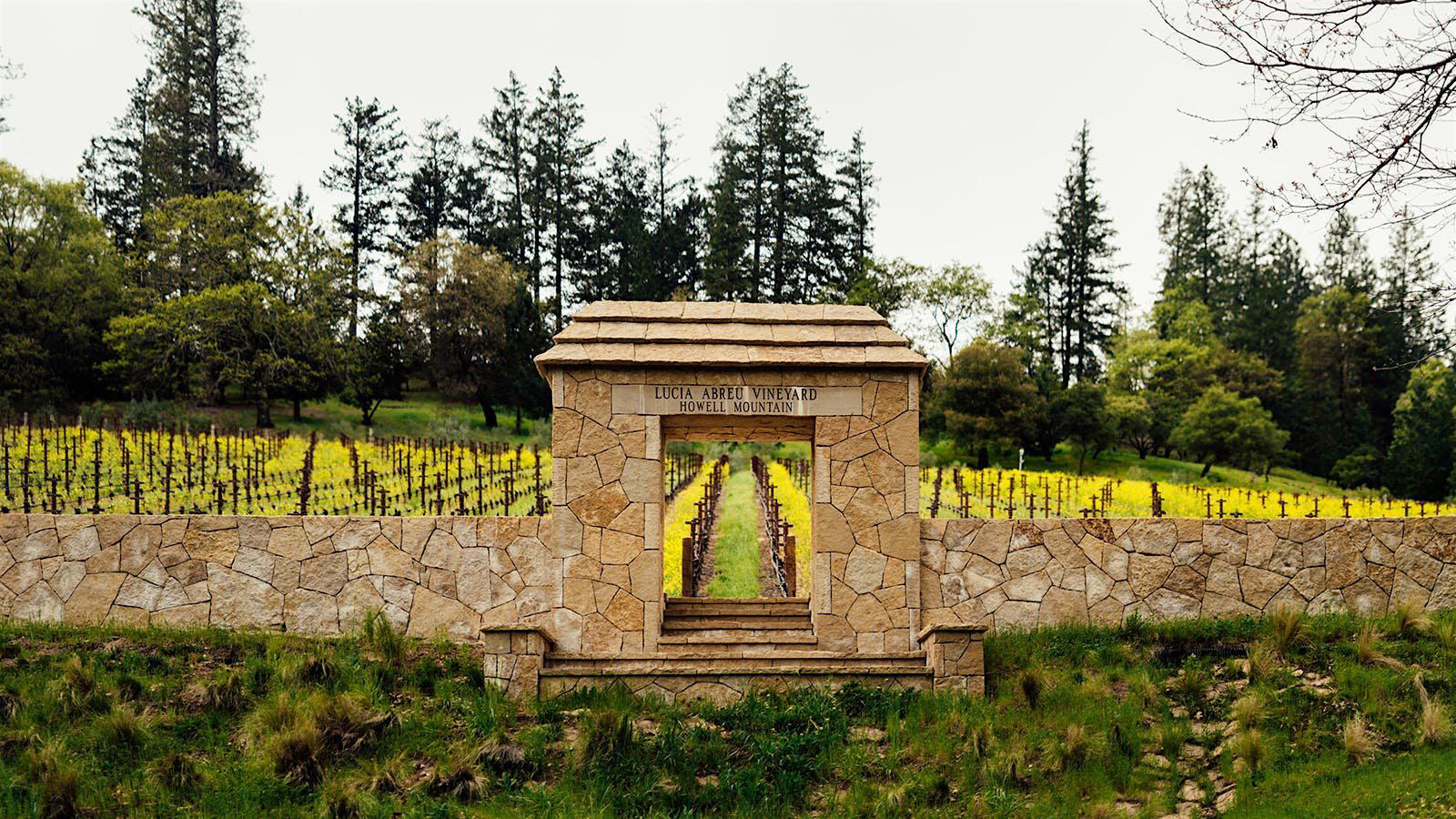
Rustic elegance with beautiful outdoor gardens, lush courtyards, and breathtaking mountain and vineyard vistas.