Gokana Ramen & Tepan occupies the third floor of Mall DeliPark in Kesawan, Medan's commercial west district, slotting into the food court tier that dominates casual dining across Indonesian cities. The format combines ramen and teppan cooking in a single counter, a pairing common in Indonesian chain concepts targeting weekday lunch crowds and weekend family traffic.
Pearl is the En Primeur Club membership app — saves, bookings, and concierge access live there. Same editors, same standards.
- Address
- Gokana Mall DeliPark Medan Lantai 3A Jalan Guru Patimpus OPQ No.1, Kesawan, Kec. Medan Bar., Kota Medan, Sumatera Utara 20111, Indonesia
- Phone
- +6282277887227
- Website
- champ-group.com
- Directions
- Get directions
 Saves & bookings on Pearl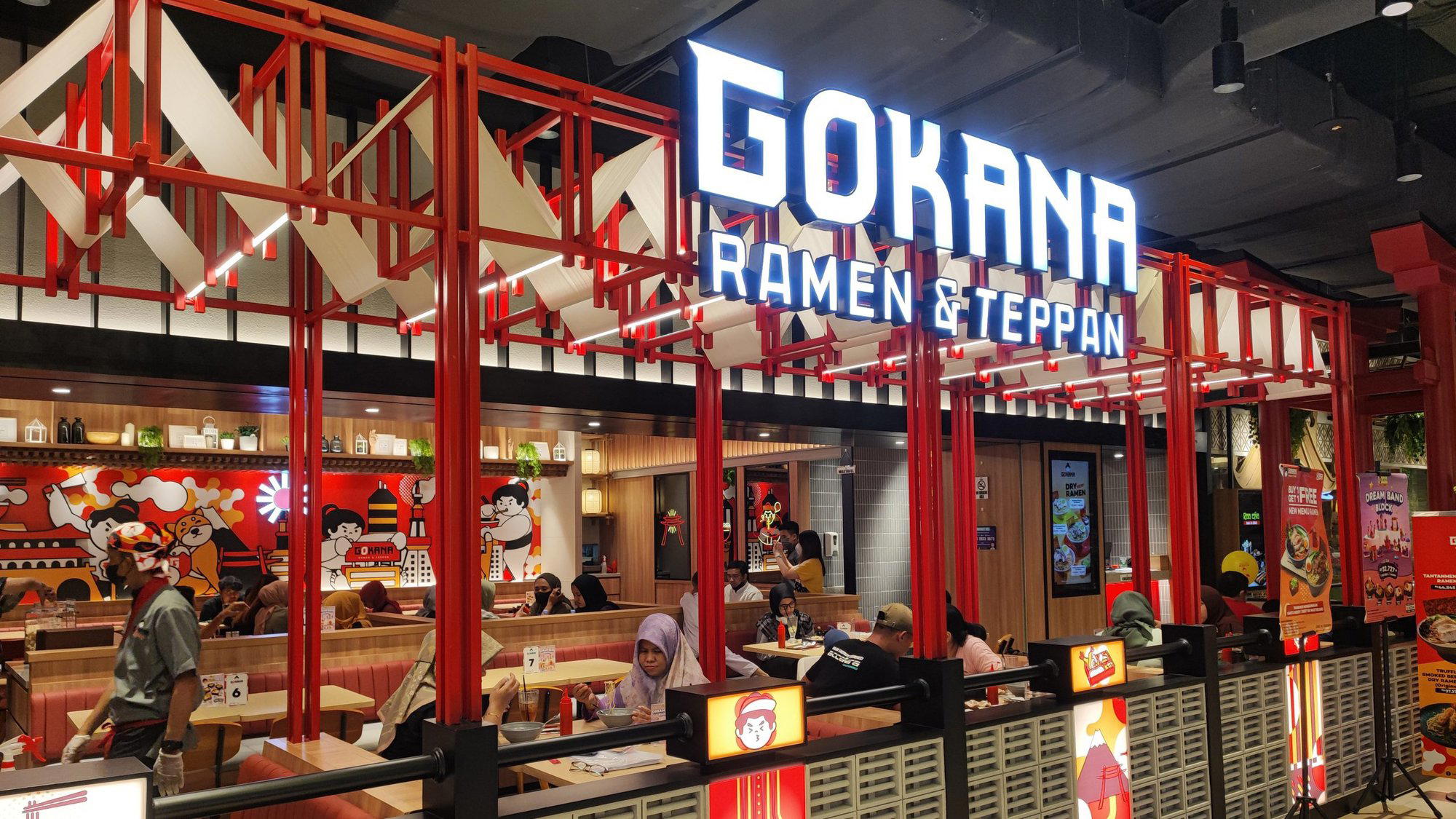
Food Court Dining in Medan: Where the Format Matters as Much as the Food
Gokana Ramen & Tepan delipark food court is a casual halal Japanese ramen and teppan restaurant in Mall DeliPark Medan on Lantai 3A in Kesawan. Shopping complexes like Mall DeliPark in Kesawan function as neighbourhood anchors, concentrating food tenants across dedicated floors where foot traffic is high, price points are accessible, and the cooking format is built around speed and consistency. Gokana Ramen & Tepan, positioned on the third floor (Lantai 3A) of that complex, sits squarely within this segment: a chain concept combining ramen and teppan cooking, calibrated for the rhythms of a busy urban food court rather than a destination dining experience.
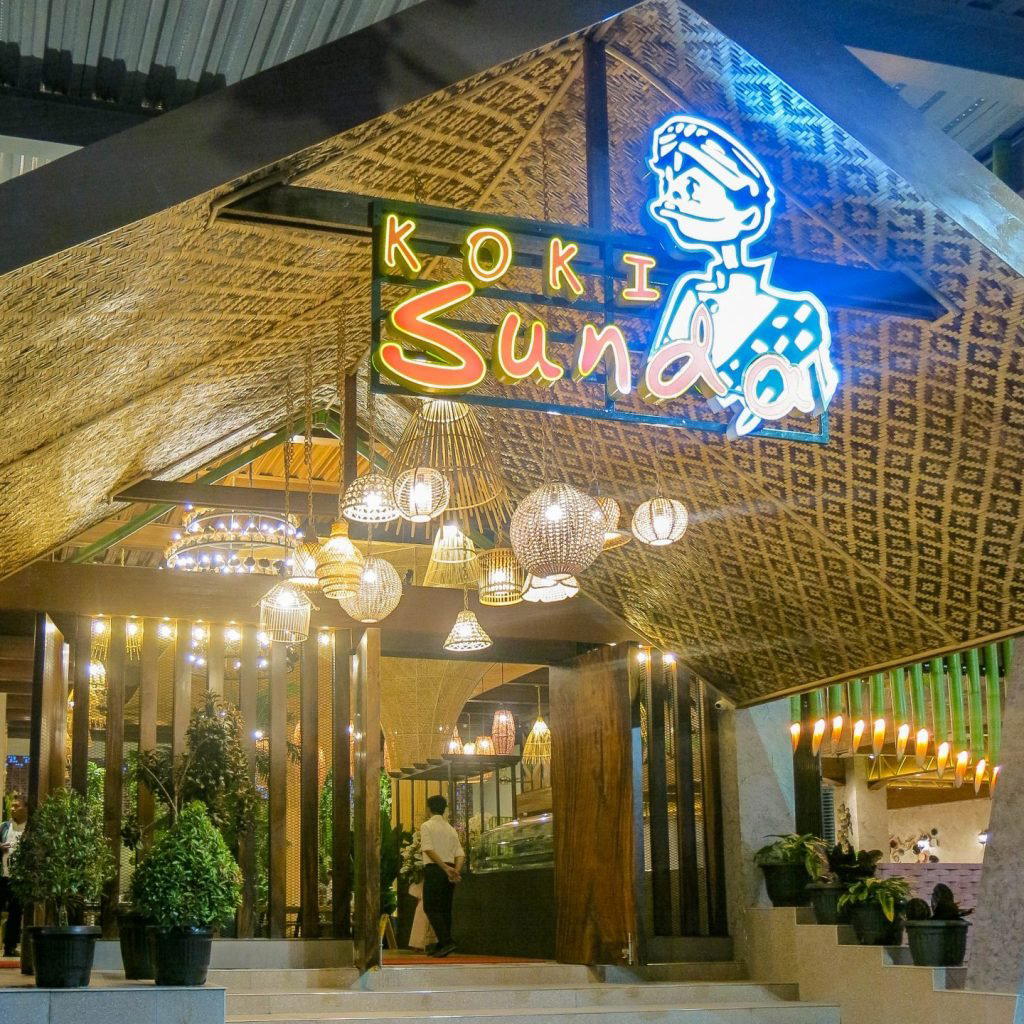
This context shapes everything about what to expect. The atmosphere is the shared energy of a populated mall level, not a curated room. Noise, movement, and the smell of broth and charred protein from adjacent counters are part of the proposition. For anyone accustomed to Medan's standalone restaurant culture, including the broader table-service formats found at Hanamasa Medan or the regional Sundanese offer at Koki Sunda, the food court register here is a different kind of transaction: faster, louder, and structured around throughput.
The Ramen and Teppan Pairing: A Common Chain Logic
Indonesian chain concepts frequently bundle two cooking formats under a single brand, and the ramen-plus-teppan combination is one of the more durable pairings in that market. Ramen draws on Japanese noodle culture that has been adapted extensively across Southeast Asia, with Indonesian iterations typically adjusting seasoning profiles toward sweeter broths and locally familiar toppings. Teppan cooking, which involves a flat iron griddle, allows for rice dishes, meat, and vegetables cooked at the counter with visible flame and steam, a format with broad appeal in mall environments because the process itself functions as mild theatre.
The Gokana brand operates this dual format across multiple Indonesian cities. Consistency across locations is the core value proposition. That is a structural characteristic of the category, not a criticism of the specific location.
The distance between those operations and a mall food court chain is not merely one of price but of the underlying supply relationship. Gokana operates in a category where standardisation across branches is the product, and Medan's DeliPark location would follow that model.
Kesawan and the West Medan Food Context
Kesawan is one of Medan's older commercial districts, carrying colonial-era architecture alongside the density of contemporary retail development. Mall DeliPark represents the newer layer, a shopping complex that draws from the surrounding residential catchment and from workers in the Medan Barat area. The food floor at a complex like this typically serves two distinct audiences: the weekday lunch crowd from nearby offices and the weekend family traffic that treats mall dining as an outing in itself.
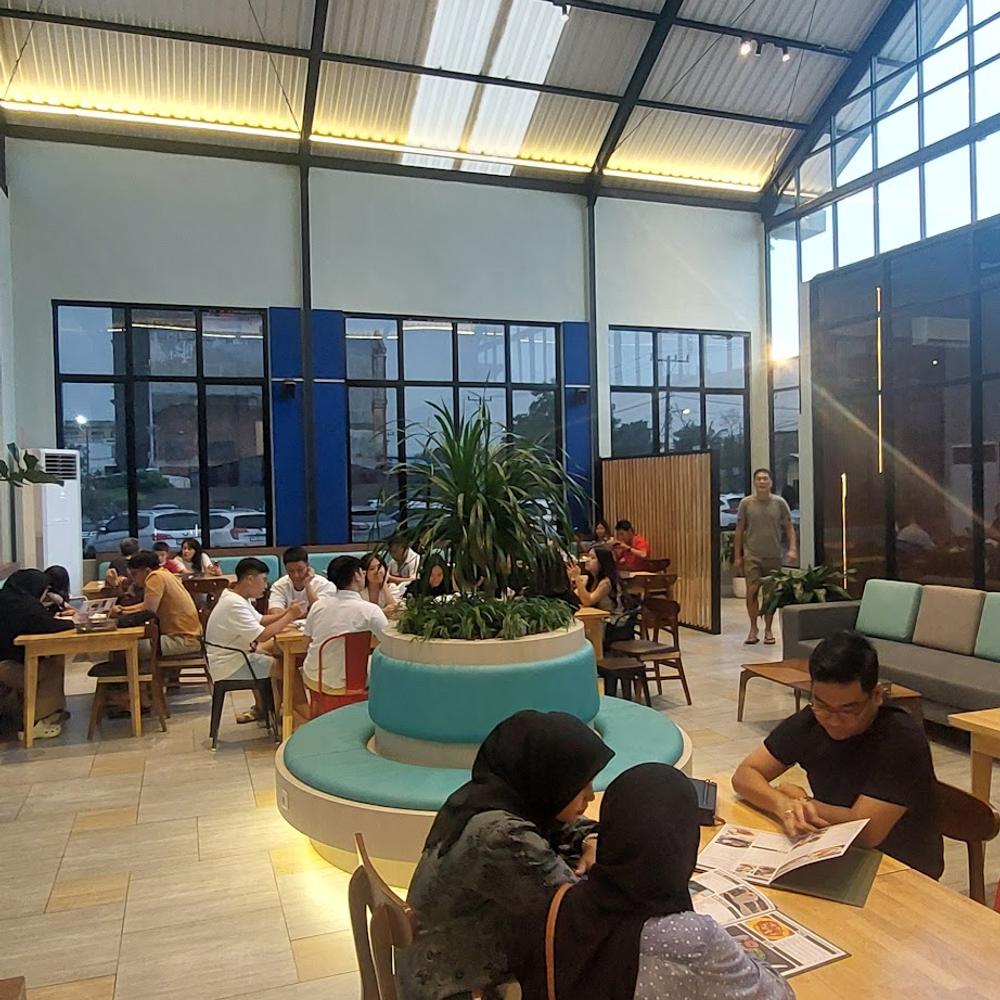
Medan's dining scene has a well-documented character around local Malay, Batak, Chinese-Indonesian, and Minang cuisines, with warung and rumah makan formats carrying much of the city's culinary identity at street level. The mall food court tier sits alongside that culture but operates on different terms, prioritising air-conditioned comfort, payment infrastructure, and brand recognition over the cooking specificity that defines the city's more localised eating traditions. Visitors looking for the latter can explore other Medan restaurants across price tiers and neighbourhood contexts. For a mid-range sit-down alternative within the broader dining bracket, Sonics Restaurant & Cafe represents the kind of fuller-service format that occupies a different position in the city's casual dining range.
Who This Format Works For
Mall food court dining in Indonesian cities is genuinely useful for specific situations: families with young children who need a controlled environment, travellers between transit points with limited time, shoppers who want a meal without committing to a full restaurant visit. For those situations, a chain ramen and teppan counter in a busy mall serves its purpose. The format is built around recognisable dishes, visible cooking, and accessible price points relative to table-service restaurants in the same complex.
Children are accommodated without issue in this environment, which is the standard expectation at Indonesian mall food courts. Seating is communal or semi-open, noise levels are high, and the cooking format produces food at the speed the context requires. There is no dress code consideration and no booking system; arrival and ordering at the counter is the standard procedure across this category.
Comparing this to the kind of commitment required at, say, August in Jakarta or Le Bernardin in New York City would miss the point entirely. These are different categories of experience with different purposes, different audiences, and different definitions of value. The food court format answers a different set of questions than a tasting menu counter, and its utility should be measured accordingly.
Indonesia's Broader Dining Spectrum
From regional Padang cuisine at CARANO Masakan Padang in Bekasi to the sourcing-driven approach at Cafe Organic Canggu, from the Balinese coastal context of Rumari in Jimbaran to the fine dining positioning of Cuca Restaurant in Badung, Indonesian dining represents a spectrum that runs from street-level to internationally recognised. Sarong Bali in Canggu, Jungle Fish Bali in Gianyar, and Kahyangan in Gondangdia each occupy different positions across that range. Even within Java and Sumatra, the distinction between a Medan food court chain and a Jakarta destination restaurant reflects real differences in ambition, investment, and dining purpose. The Legian in Seminyak and Lazy Bear in San Francisco anchor the higher-commitment end of that comparison. Agreya Coffee Bogor in Bogor speaks to the café culture tier that sits between the two.
Planning a Visit
Gokana Ramen & Tepan at Mall DeliPark operates on the third floor of the Jalan Guru Patimpus complex in Kesawan, Medan Barat. No booking is required; this is a walk-in food court format. Operating hours run from 10 AM to 9:30 PM on most days, with Monday from 12 to 9:30 AM and 10 AM to 9:30 PM, and Sunday from 10 AM to 12 AM. No website or phone number is publicly listed for this location.
Fast Comparison
Comparable venues nearby, for context on price, style, and recognition.
| Venue | Cuisine | Price | Notes |
|---|---|---|---|
| Gokana Ramen & Tepan delipark food courtThis venue — the venue you are viewing | Halal Japanese Ramen & Teppan | $$ | Not listed |
| Koki Sunda | Traditional Sundanese Indonesian | $$ | Medan Baru |
| Hanamasa Medan | Japanese All-You-Can-Eat Yakiniku & Shabu-Shabu | $$ | Medan Timur |
| Sonics Restaurant & Cafe | Asian-Western Fusion Cafe | $$ | Tembung/Indra Kasih |
| Gindaco | Japanese Takoyaki & Okonomiyaki | $ | Menteng |
| İstanbul kebab | Turkish Kebab | $ | Gili Indah |
Continue exploring
More in Medan
At a Glance
- Lively
- Trendy
- Casual Hangout
- Family
- Group Dining
- Open Kitchen
Current opening hours
- Monday
- 12–9:30 AM, 10 AM–9:30 PM
- Tuesday
- 10 AM–9:30 PM
- Wednesday
- 10 AM–9:30 PM
- Thursday
- 10 AM–9:30 PM
- Friday
- 10 AM–9:30 PM
- Saturday
- 10 AM–9:30 PM
- Sunday
- 10 AM–12 AM
Hours can change for holidays and private events. Last verified .
Casual food court atmosphere in Delipark with lively mall energy.