Koki Sunda serves Traditional Sundanese Indonesian at Jl. Hasanuddin No.1 in Medan, with Nasi Timbel and terrace seating suited to a casual, conversational stop.
Pearl is the En Primeur Club membership app — saves, bookings, and concierge access live there. Same editors, same standards.
- Address
- Jl. Hasanuddin No.1, Petisah Hulu, Kec. Medan Baru, Kota Medan, Sumatera Utara 20152, Indonesia
- Phone
- +6262614534302
- Website
- cho.pe
- Directions
- Get directions
 Saves & bookings on Pearl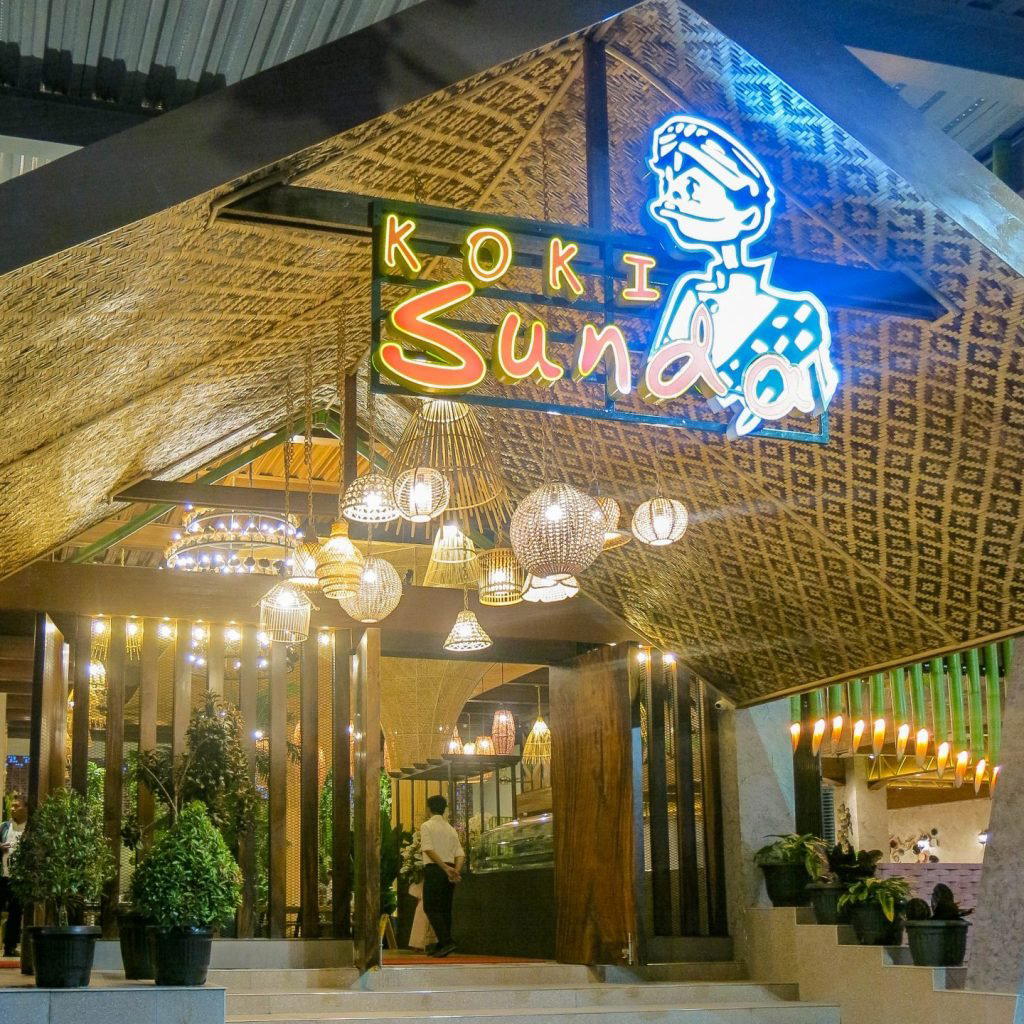
Sunda at the Table: What Medan's Regional Dining Scene Tells You
Jalan Hasanuddin cuts through Medan Baru, one of the older residential districts of Medan, where shophouses and family restaurants occupy the same blocks as local offices and small businesses. In a city that tends to get overshadowed by the more internationally marketed food cultures of Padang or Java, Medan's dining scene rewards the reader who looks past the obvious. Koki Sunda, addressed at No. 1 on that street, sits within a neighbourhood that functions as a working district rather than a tourist corridor.
Sunda cuisine, originating from the Sundanese-speaking communities of West Java, holds a specific position in the Indonesian restaurant spectrum. It leans heavily on raw vegetables served as lalap alongside sambal, on freshwater fish preparations, and on a broader approach to herbs and aromatics that differs from the richer coconut-milk registers of Padang cooking or the sweeter profiles associated with Javanese kitchens. At a restaurant carrying that regional identity, the sourcing question is embedded in the food's logic: Sundanese cooking at its most coherent depends on produce that is fresh enough to eat raw, and proteins, particularly freshwater fish, that arrive in good condition.
Ingredient Logic in a Regional Kitchen
Across Indonesia, the credibility of a regional restaurant rests largely on whether the sourcing matches the claim. Sunda cooking makes this tension visible in a way that, say, a heavily spiced rendang does not. A plate of lalap, raw kangkung, kemangi basil, cucumber, and long beans, communicates the quality of its produce immediately and without the mediation of sauce or heat. The same applies to pepes ikan, where freshwater fish steamed in banana leaf with turmeric and aromatics offers nowhere for inferior ingredients to hide.
Medan's position in northern Sumatra gives it supply-chain access that many other Indonesian cities lack: proximity to highland growing regions, river systems, and coastal fisheries. Whether a given restaurant uses that access well is a different question, and one that requires direct assessment. The geography gives Sundanese cooking in Medan access to strong ingredients. The aromatics that define Sunda cooking, galangal, lemongrass, torch ginger flower, turmeric leaf, grow widely across Sumatra, and a kitchen with reliable supplier relationships can source them in better condition than a Sunda restaurant in, for example, a major urban centre where supply chains are longer and fresher stock harder to maintain.
Koki Sunda belongs in the broader story of regional Indonesian cooking within the archipelago. For further context on how Indonesian regional dining registers at the premium end, the editorial records on Locavore NXT in Ubud and August in Jakarta offer useful reference points on what sourcing-led regional cooking can look like with more documented credentials behind it.
Where Koki Sunda Sits in Medan's Dining Tier
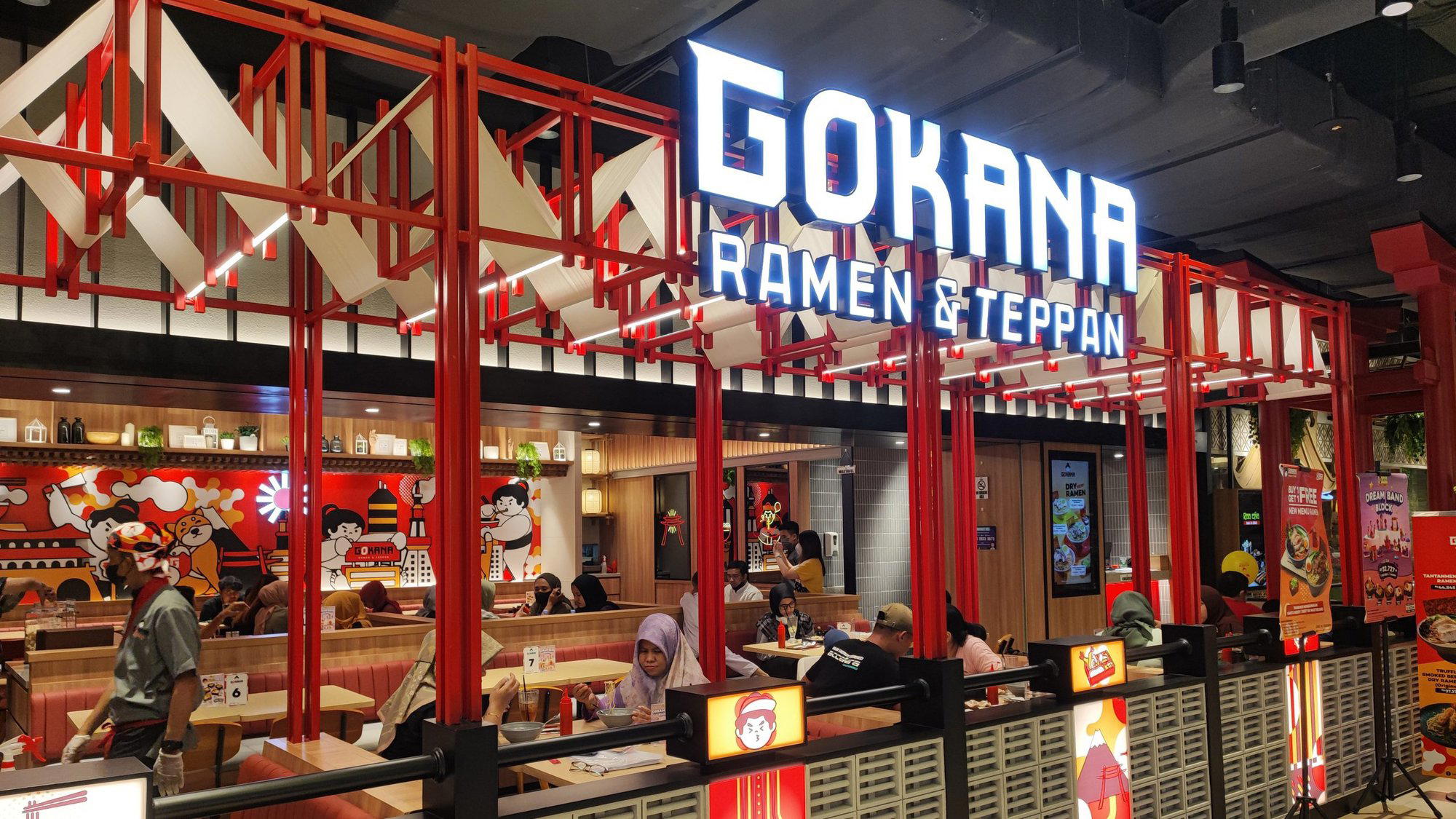
Medan's restaurant market is stratified in ways that aren't always immediately visible. At the accessible end, options like Gokana Ramen and Tepan at Delipark food court serve high-volume, format-driven meals in a mall context. At a different register, Hanamasa Medan operates the Japanese yakiniku and shabu-shabu format that has built a reliable following across Indonesian cities. Sonics Restaurant and Cafe occupies a casual Western-leaning space. None of these are direct competitors to a regional Indonesian kitchen, which speaks to how distinct the restaurant's positioning is within the local scene, at least in category terms.
Within Indonesia's broader regional-cuisine restaurant circuit, the comparison set is worth naming. Kunyit Restaurant in Bandung operates closer to the geographical heartland of Sundanese cooking, which gives it a different kind of credibility claim. Gudeg Yu Djum in Yogyakarta demonstrates how a regional dish, prepared consistently over decades, can become the reference point against which all competitors in that city are measured. Those are the terms in which a serious Sunda restaurant in Medan would need to be assessed: not against the international-format restaurants on the same street, but against the longer tradition it is invoking.
Planning a Visit: What to Know in Advance
The restaurant is located at Jl. Hasanuddin No. 1, in the Petisah Hulu area of Medan Baru. The address places it in a central district of Medan, accessible from most parts of the city. Reservations are recommended. For visitors who are building a broader Medan dining itinerary, the full Medan restaurants guide gives a more complete map of what the city's dining scene offers across formats and price points. The restaurant is open daily from 11 AM to 10 PM, and it is recommended to arrive with a reservation.
For those using Medan as part of a wider Indonesian trip that includes stops in Jakarta or Bali, it is worth noting that the Indonesian dining scene at the more documented end, venues like Kita Restaurant and Bar in Kecamatan Menteng, Bikini Restaurant Bali in Badung, or Jungle Fish Bali in Gianyar, operates with considerably more available data on format, pricing, and booking. At those venues, the reader has a fuller picture before arrival. At the restaurant, you are working with less, which changes the nature of the visit: it becomes more exploratory than confirmed.
A Quick Peer Check
Comparable venues nearby, for context on price, style, and recognition.
| Venue | Cuisine | Price | Notes |
|---|---|---|---|
| Koki SundaThis venue — the venue you are viewing | Traditional Sundanese Indonesian | $$ | Not listed |
| Gokana Ramen & Tepan delipark food court | Halal Japanese Ramen & Teppan | $$ | Kesawan |
| Hanamasa Medan | Japanese All-You-Can-Eat Yakiniku & Shabu-Shabu | $$ | Medan Timur |
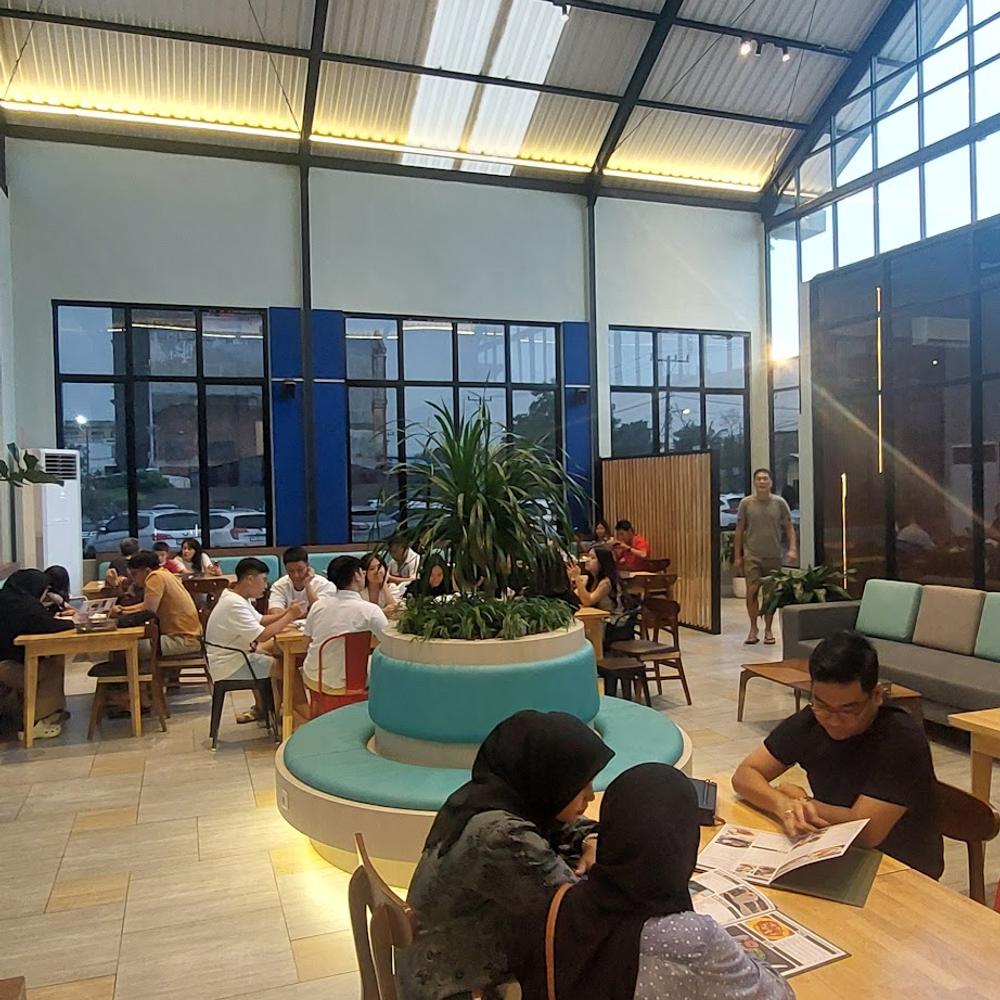
| Sonics Restaurant & Cafe | Asian-Western Fusion Cafe | $$ | Tembung/Indra Kasih |
| Kynd Community | Plant-Forward Vegetarian Cafe | $$ | Seminyak |
| Babi Guling Pak Dobiel | Traditional Balinese Roasted Suckling Pig (Babi Guling) | $ | Nusa Dua, Benoa, South Kuta |
Continue exploring
More in Medan
At a Glance
- Cozy
- Classic
- Rustic
- Family
- Group Dining
- Casual Hangout
- Terrace
Current opening hours
- Monday
- 11 AM–10 PM
- Tuesday
- 11 AM–10 PM
- Wednesday
- 11 AM–10 PM
- Thursday
- 11 AM–10 PM
- Friday
- 11 AM–10 PM
- Saturday
- 11 AM–10 PM
- Sunday
- 11 AM–10 PM
Hours can change for holidays and private events. Last verified .
Warm ethnic Sunda atmosphere, relaxed and family-friendly with terrace seating.