Haikou Dimsum
Dim sum in Deli Serdang sits at a specific intersection of Sumatran Chinese heritage and everyday neighbourhood ritual. Haikou Dimsum, operating out of the Citraland Gama City complex on the northern fringe of Medan's satellite sprawl, represents the kind of casual, community-facing format that keeps traditional Cantonese and Hakka-inflected dim sum alive outside major city centres. A practical address for those tracking the region's Chinese Indonesian dining scene.
Pearl is the En Primeur Club membership app — saves, bookings, and concierge access live there. Same editors, same standards.
- Address
- Komp. Citraland Gama City, Blk. R5 No.68/70, Sumatera Utara 20371, Indonesia
- Phone
- +6282311378051
- Website
- haikougroup.com
- Directions
- Get directions
 Saves & bookings on Pearl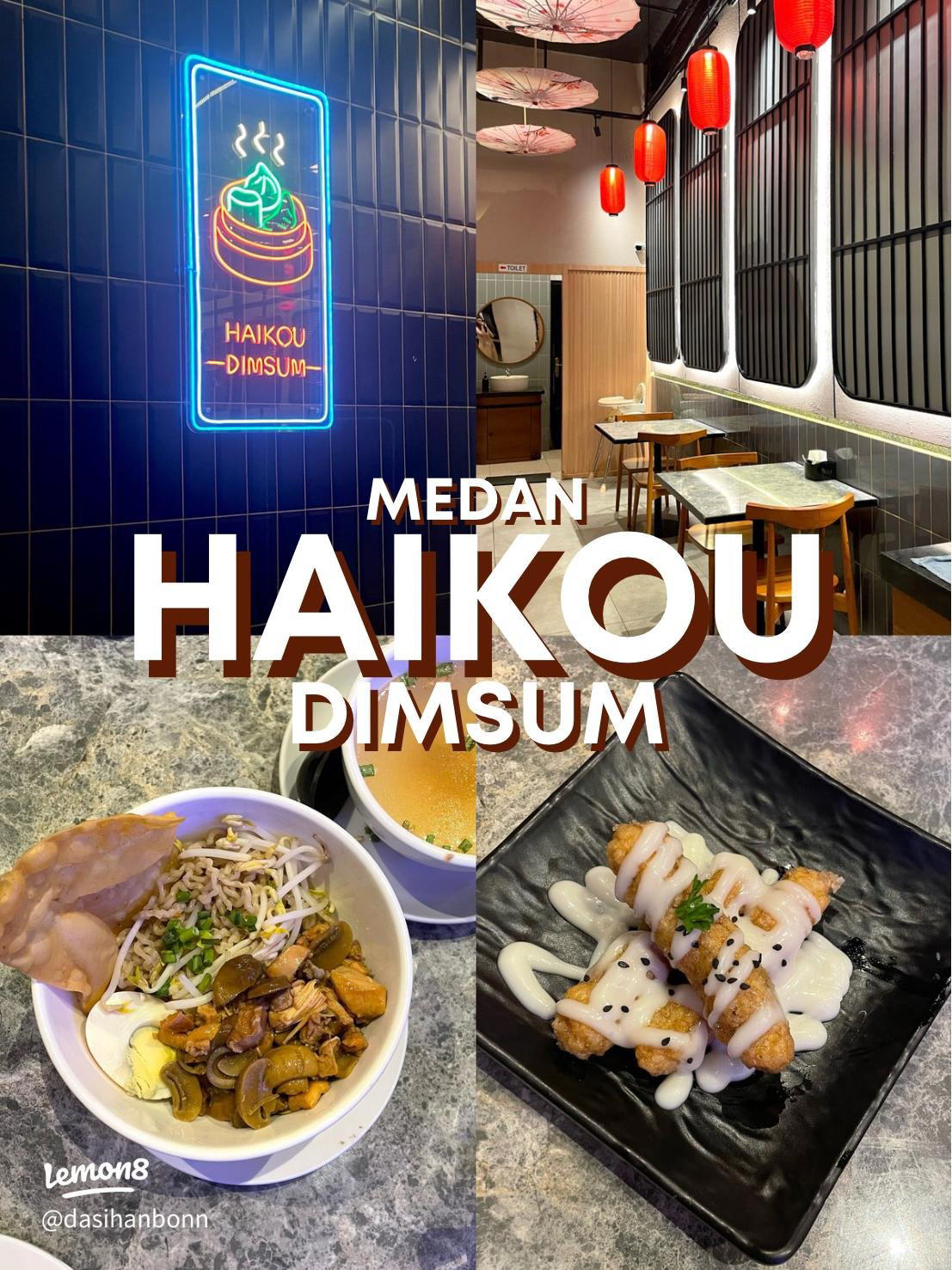
Dim Sum Beyond the City: The Deli Serdang Context
Sumatran Chinese dining rarely gets the editorial attention that Java-based venues attract. Yet the Chinese Indonesian community in North Sumatra, concentrated around Medan and its surrounding regencies including Deli Serdang, has maintained among the more consistent dim sum cultures in the archipelago. The tradition here draws from Hokkien and Hakka migration patterns that pre-date the twentieth century, layered over time with Cantonese-style steamed and fried formats that arrived via trade and family networks rather than culinary tourism.
Haikou Dimsum operates within this tradition, positioned in the Citraland Gama City commercial complex in Sumatera Utara. It is a format that prioritises accessibility over atmosphere, serving a neighbourhood that treats dim sum as weekly ritual rather than occasional occasion.
The Ingredient Question in North Sumatran Dim Sum
Dim sum's integrity is inseparable from sourcing. The format's signature preparations, har gow, siu mai, char siu bao, chee cheong fun, depend on ingredient quality at a granular level: the elasticity of the shrimp, the fat ratio in the pork, the freshness of the rice flour used for the skin. In coastal Sumatran contexts, proximity to seafood supply chains gives regional dim sum practitioners a structural advantage over landlocked competitors. Medan and its surrounding regencies sit within reach of Strait of Malacca fisheries, which means the shrimp that fills prawn dumplings in this part of Indonesia has a shorter supply chain than equivalent dishes served in Jakarta or Surabaya.
That geographic reality matters more than it might appear. Dim sum at its most technically demanding, the kind served at high-volume Cantonese houses in Hong Kong or at specialist operations like Deem Saam - Passion for Dimsum in Tangerang, depends on ingredients arriving at the kitchen in narrow freshness windows. Neighbourhood dim sum operations in North Sumatra, operating closer to local supply, can often achieve ingredient currency that urban venues struggle to match despite their greater resources.
The pork question is also relevant in an Indonesian Muslim-majority context. Halal certification shapes the ingredient framework of many Indonesian Chinese restaurants, with some venues substituting chicken or prawn for pork in traditionally pork-forward preparations. Haikou Dimsum serves halal Chinese dim sum.
Format and Setting: What the Citraland Gama City Address Signals
Commercial complex dining in Indonesian satellite cities operates according to its own logic. Unlike the premium design-led restaurants that have defined Indonesian fine dining over the past decade, from Locavore NXT in Ubud to August in Jakarta, the Citraland Gama City format serves a different function entirely. It is neighbourhood infrastructure. Families arrive on weekend mornings for the shared-table ritual of yum cha, ordering by trolley or checklist depending on the house format, with tea flowing continuously and conversation happening at volume.
This is the environment that Haikou Dimsum operates in, and it is worth understanding that context before arriving with fine-dining expectations.
Dim Sum in the Indonesian Chinese Dining Tradition
Across Indonesia, Chinese-Indonesian restaurant formats have diverged considerably from their mainland or Hong Kong reference points. The adaptation process spans generations and involves substitutions shaped by ingredient availability, religious context, and local taste preferences. Spice integration, a hallmark of Peranakan cooking, occasionally surfaces in unexpected places, including dim sum fillings that carry lemongrass or galangal signatures absent from Guangdong originals.
Venues like Haikou Dimsum, operating in secondary cities rather than Jakarta or Bali's premium circuits, often carry these hybrid characteristics more visibly than restaurants that have self-consciously positioned toward international diners. The restaurant operates on a different register entirely, rooted in community function rather than culinary statement.
Planning a Visit
The restaurant is located at Komplek Citraland Gama City, Blok R5 No. 68/70, Sumatera Utara 20371. The Citraland Gama City complex is accessible from central Medan via the main arterial roads connecting the city to its southern and eastern residential sprawl. As with most dim sum operations in this format, peak hours fall on weekend mornings when family groups fill tables in volume, so weekday visits or early arrivals on Saturdays tend to allow a more measured pace.
How It Stacks Up
Comparable venues nearby, for context on price, style, and recognition.
| Venue | Cuisine | Price | Notes |
|---|---|---|---|
| Haikou DimsumThis venue — the venue you are viewing | Halal Chinese Dimsum | $$ | Not listed |
| Bubur Aguan | Chinese Chicken Porridge | $ | Mangga Besar |
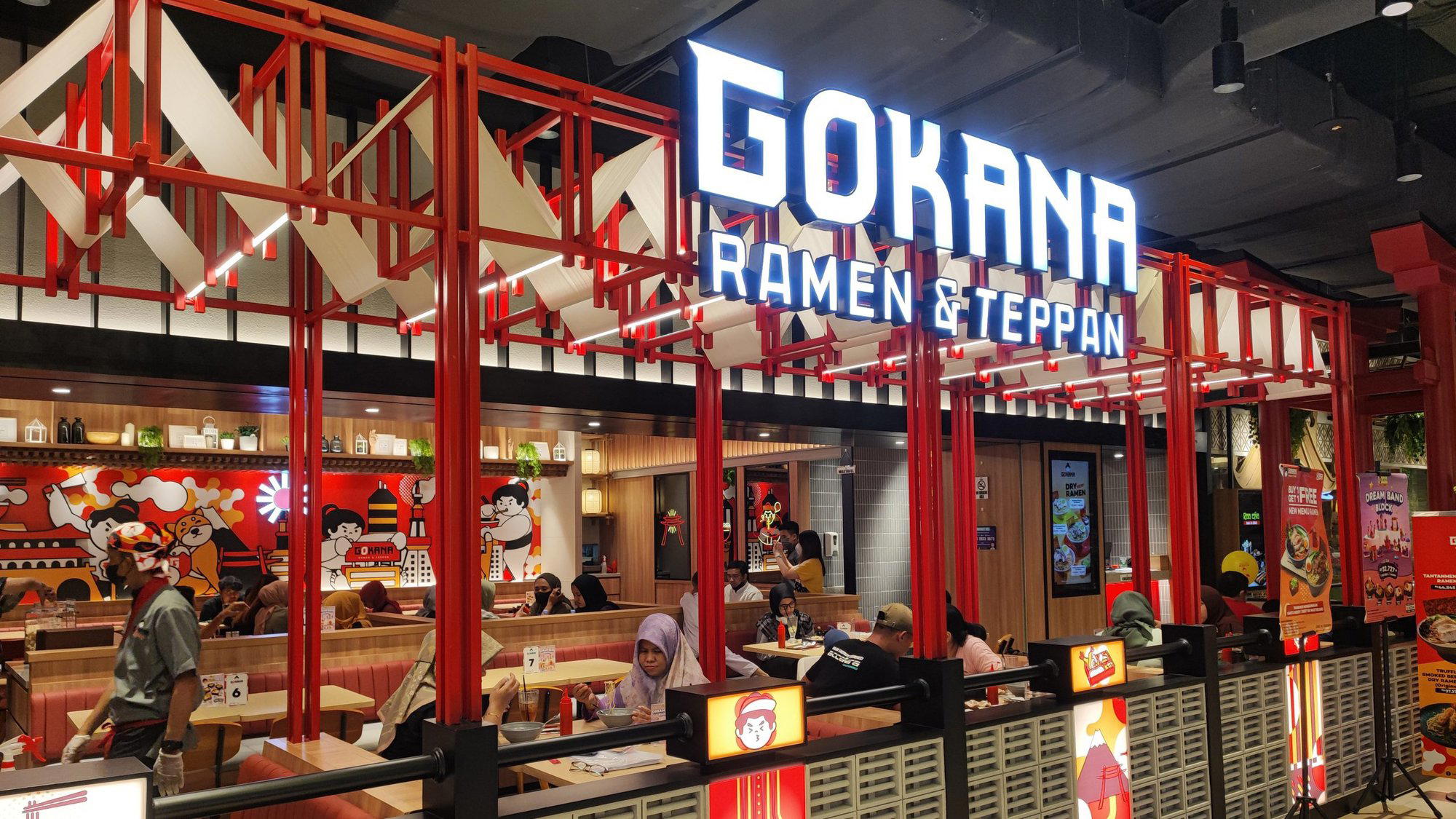
| Gokana Ramen & Tepan delipark food court | Halal Japanese Ramen & Teppan | $$ | Kesawan |
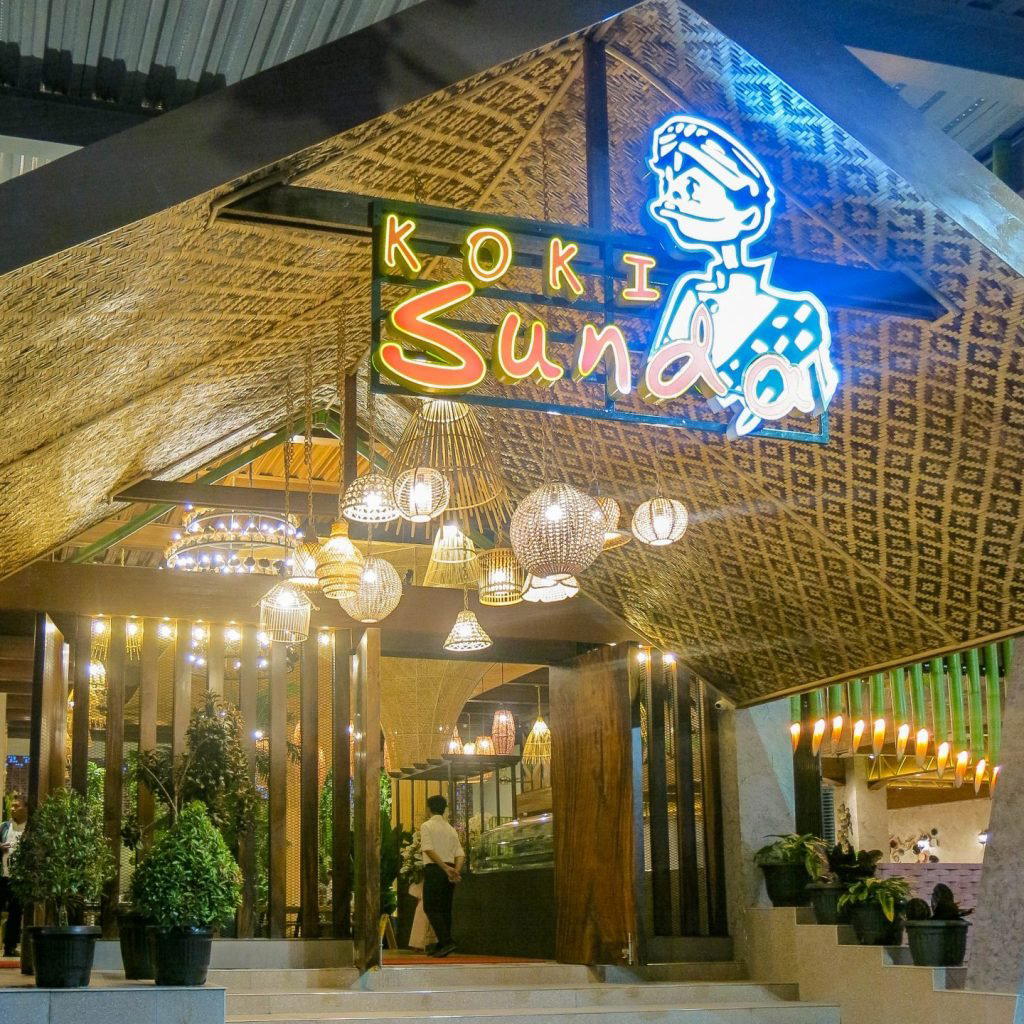
| Koki Sunda | Traditional Sundanese Indonesian | $$ | Medan Baru |
| Panorama Restaurant | Modern Indonesian Fine Dining | $$$ | Sangalangi |
| Pituq Waroeng | Organic Vegan Indonesian | $ | Gili Trawangan, Pemenang |
Continue exploring
More in Deli Serdang
Restaurants in Deli Serdang
Browse all →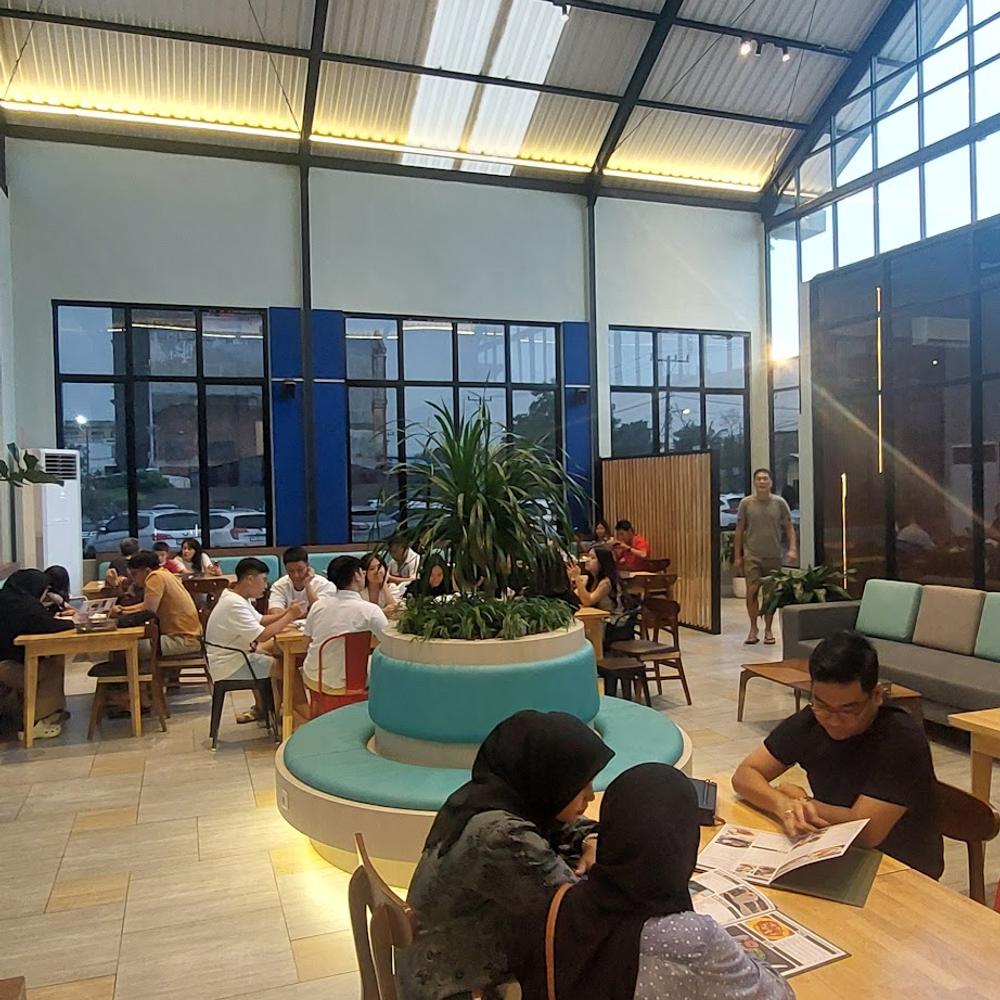
At a Glance
- Modern
- Cozy
- Family
- Casual Hangout
Current opening hours
- Monday
- 8 AM–10 PM
- Tuesday
- 8 AM–10 PM
- Wednesday
- 8 AM–10 PM
- Thursday
- 8 AM–10 PM
- Friday
- 8 AM–10 PM
- Saturday
- 8 AM–10 PM
- Sunday
- 8 AM–10 PM
Hours can change for holidays and private events. Last verified .
Nyaman (comfortable) with a modern and inviting atmosphere.