Hanamasa Medan occupies a unit inside Mall Centre Point in East Medan, placing it within a city where mall-anchored dining defines how most residents access international food formats. The address positions it squarely in a mid-city commercial cluster that draws both families and office crowds, making it a reference point for understanding how Japanese dining culture has taken root in North Sumatra's largest city.
- Address
- Mall Centre Point (Medan, Jl. Jawa UG 15, Gg. Buntu, Kec. Medan Tim., Kota Medan, Sumatera Utara 20232, Indonesia
- Phone
- +626180510262
- Website
- hanamasaresto.com
- Directions
- Get directions
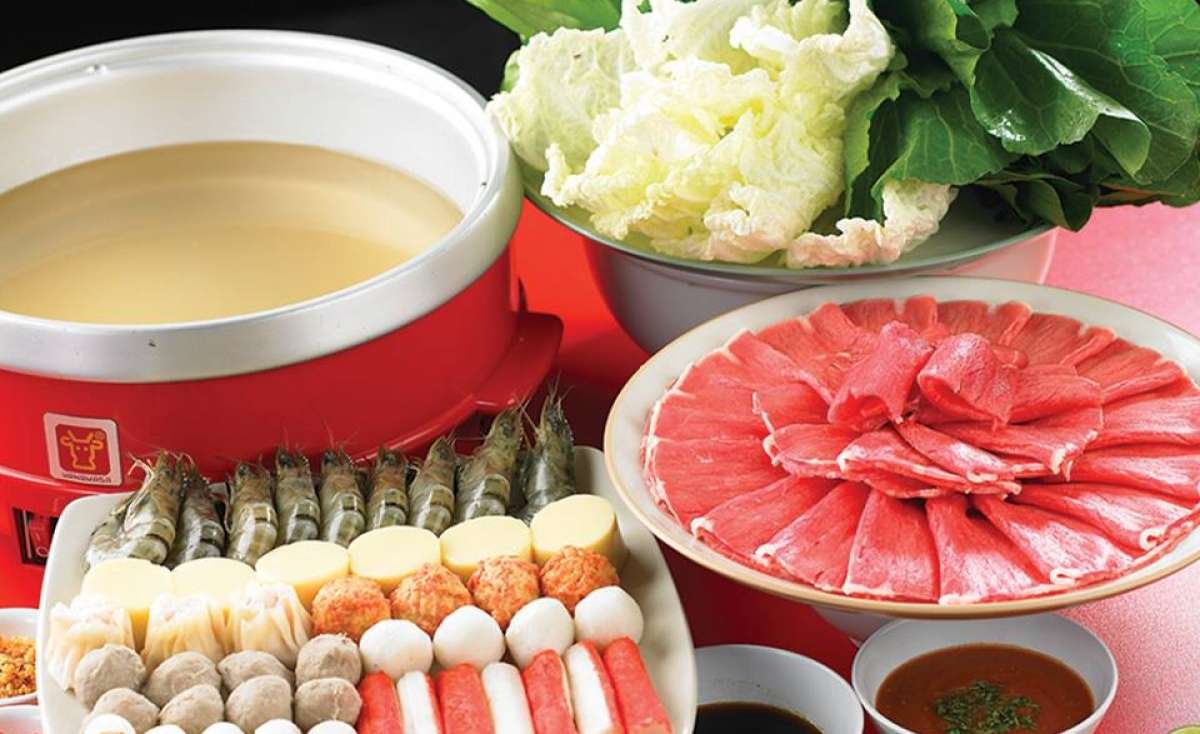
Japanese Dining in a Mall City: What Hanamasa Means in Medan
Medan is not a city that hides its eating habits. With a population pushing 2.5 million and a commercial culture built around large retail anchors, the mall dining floor has become the primary format through which international cuisines reach North Sumatra's urban middle class. Japanese food, and particularly the yakiniku and shabu-shabu formats that Hanamasa as a chain has long championed across Indonesia, arrived in Medan through exactly this channel, occupying ground-floor and basement units in developments like Mall Centre Point on Jl. Jawa in the Medan Timur district. That address in a major regional mall is not incidental.
North Sumatra's indigenous food culture runs deep and in an entirely different direction: Batak pork dishes, Minang-influenced rendang and gulai, the layered spice logic of Acehnese curries. Japanese all-you-can-eat formats represent a deliberate departure from that tradition, appealing to a younger, more mall-oriented demographic that moves between bubble tea counters, Korean fried chicken stalls, and yakiniku grills in the same afternoon. Hanamasa Medan sits inside that pattern, functioning as a familiar anchor within a category, the Japanese grill-and-dip restaurant, that has expanded steadily across Indonesia's second- and third-tier cities over the past decade.
The Yakiniku Format and Its Cultural Travel
Yakiniku as a format originated in post-war Japan, drawing on Korean barbecue traditions absorbed during the occupation period and adapted into a distinctly Japanese register: thinner cuts, sweeter tare sauces, a preference for tabletop precision over communal rough-fire cooking. When the format crossed into Southeast Asia, it hybridised further. Indonesian adaptations of yakiniku tend to broaden the protein selection to include chicken and seafood alongside beef, and often pair the grill with shabu-shabu or steamboat options to serve larger family groups who want variety across a single sitting. Hanamasa, as a chain that has operated in Indonesia across multiple cities, has positioned itself within this hybridised format, targeting the all-you-can-eat segment that makes communal dining financially accessible without requiring the per-person investment that standalone teppanyaki or omakase formats demand.
For comparison, the investment required at fine-dining Japanese counters elsewhere in Indonesia, formats closer to what you find at destination restaurants like August in Jakarta or the progressive tasting menus of Locavore NXT in Ubud, operates in a different economic register. Mall-format Japanese dining in Medan serves a function those venues do not attempt: feeding groups of six to twelve people, across a range of ages and palates, at a per-head cost that makes repetition possible. The city context matters here. Medan is not Jakarta or Bali, where international dining investment has concentrated and diversified most sharply. It sits in a different tier, where the all-you-can-eat format carries more of the load that tasting menus carry elsewhere.
Mall Centre Point as a Dining Destination
Mall Centre Point is one of the larger retail anchors in East Medan, and its food and beverage offering reflects the mixed-income, multi-generational profile of the surrounding residential and commercial zone. The basement food level tends to concentrate value-oriented dining alongside brand-name quick service, which means Hanamasa operates in a context where footfall is high and dwell time is driven partly by shopping patterns rather than destination dining intent. That dynamic shapes the experience: service formats in this context prioritise throughput and table management, and the physical environment reflects mall acoustics rather than curated atmosphere.
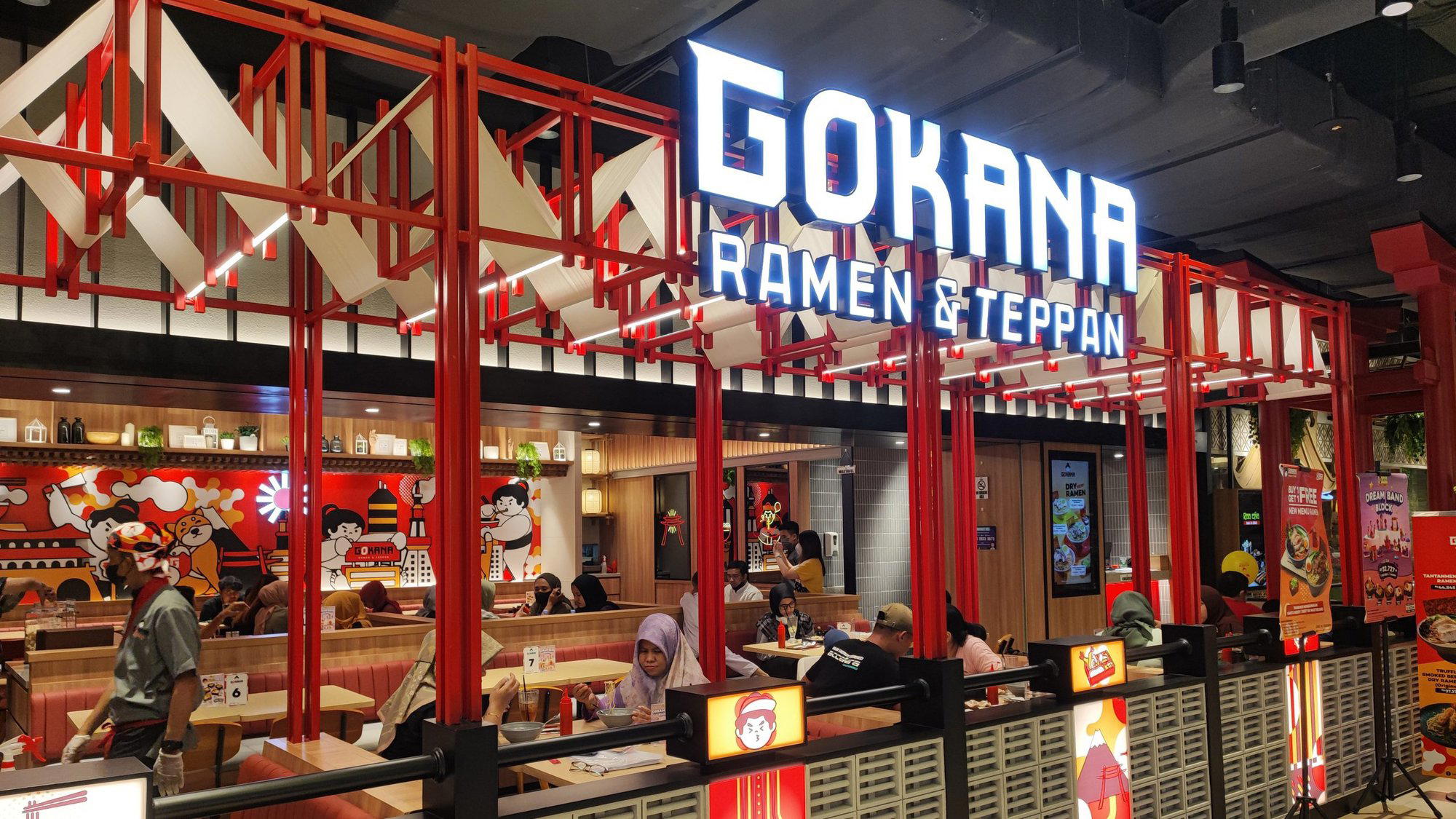
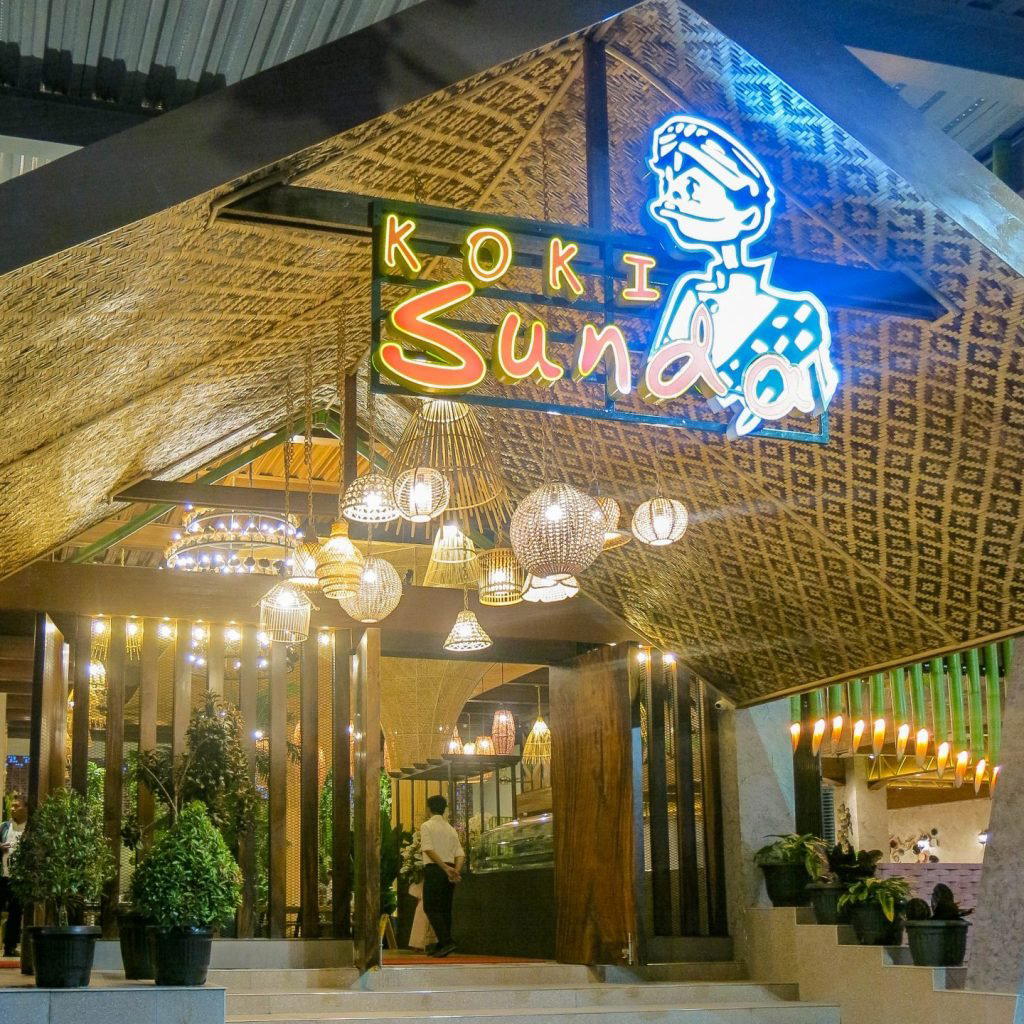
Other dining options in Medan cover different registers. Koki Sunda speaks to the Sundanese-influenced end of Indonesian home cooking, while Sonics Restaurant & Cafe occupies a more Western-casual format. Gokana Ramen & Tepan at the Delipark food court shows how Japanese noodle and teppan formats have been absorbed into Medan's food court economy at a different price point. Across these venues, a pattern emerges: Medan's mid-market dining sector is diverse in concept but converges on formats that serve groups, allow extended visits, and sit within a broadly accessible price band.
Indonesian Context: The Hotpot and Grill Tier
The all-you-can-eat Japanese grill and steamboat category has become among the more competitive dining segments across Indonesian cities, particularly in mall environments. Chains and independent operators have expanded the category from Jakarta outward, with the format proving particularly resilient during periods when discretionary spending tightens, because the value proposition is transparent: one fixed price, self-directed pacing, social eating. In Jakarta, this segment competes directly with formats like Hai Di Lao in Central Jakarta and Chongqing Liuyishou Hotpot in South Jakarta, both of which operate at a higher service and spectacle level than typical mall-format grills. In Medan, those international operators have a smaller footprint, which leaves domestic and regional chains holding more of the category.
The broader Indonesian dining picture shows how varied the country's restaurant culture has become: from the local specificity of Gudeg Yu Djum in Yogyakarta to the regional Chinese precision of Hwang Fu Dimsum in Tangerang, and the Bandung-based Indonesian cooking at Kunyit Restaurant. Japanese formats sit alongside these as one strand in a plural dining culture, not as a dominant or prestige tier. For international reference points in fine dining, Le Bernardin in New York City and Atomix in New York City represent the kind of investment-heavy, credential-dense dining that has no direct equivalent in Medan's current market.
Other Indonesian dining worth noting in this context: Bikini Restaurant Bali in Badung, Jungle Fish Bali in Gianyar, Kita 喜多 Restaurant And Bar in Kecamatan Menteng, Agreya Coffee Bogor, and İstanbul Kebab in Lombok Utara each show how Indonesia's dining sector stretches across format, geography, and influence in ways that resist easy generalisation.
Planning Your Visit
Hanamasa Medan is located at Mall Centre Point, Jl. Jawa UG 15, Gg. Buntu, Kecamatan Medan Timur, accessible from most central Medan points by ride-hail services including Grab and Gojek, which remain one practical transport option in a city where parking at mall complexes can be slow on weekends. Hanamasa Medan is a walk-in-friendly restaurant with a casual dress code.
Cost Snapshot
Comparable venues nearby, for context on price, style, and recognition.
| Venue | Cuisine | Price | Notes |
|---|---|---|---|
| Hanamasa MedanThis venue — the venue you are viewing | Not listed | $$ | Not listed |
| Koki Sunda | Not listed | $$ | Medan Baru, Traditional Sundanese Indonesian |
| Gokana Ramen & Tepan delipark food court | Kesawan, Halal Japanese Ramen & Teppan | $$ | Not listed |
| Sonics Restaurant & Cafe | Not listed | $$ | Tembung/Indra Kasih, Asian-Western Fusion Cafe |
| Hai Di Lao | Central Jakarta, Chinese Hot Pot | $$ | Not listed |
| Mo-Mo-Paradise | Not listed | $$$ | Central Jakarta, Authentic Japanese Shabu-Shabu & Sukiyaki |
Continue exploring
More in Medan
At a Glance
- Lively
- Trendy
- Group Dining
- Family
- Casual Hangout
- Open Kitchen
Casual and energetic atmosphere in a shopping mall setting with lively grill stations and bustling self-service counters.