Gindaco
Gindaco serves Japanese takoyaki and okonomiyaki at Grand Indonesia Shopping Town, East Mall, Level 3A, making it a counter-service option for lunch or dinner.
Pearl is the En Primeur Club membership app — saves, bookings, and concierge access live there. Same editors, same standards.
- Address
- Grand Indonesia Shopping Town, East Mall, Level 3A (Jalan Mohammad Husni Thamrin, No. 1), Kecamatan Menteng, Jakarta 10310
- Directions
- Get directions
 Saves & bookings on Pearl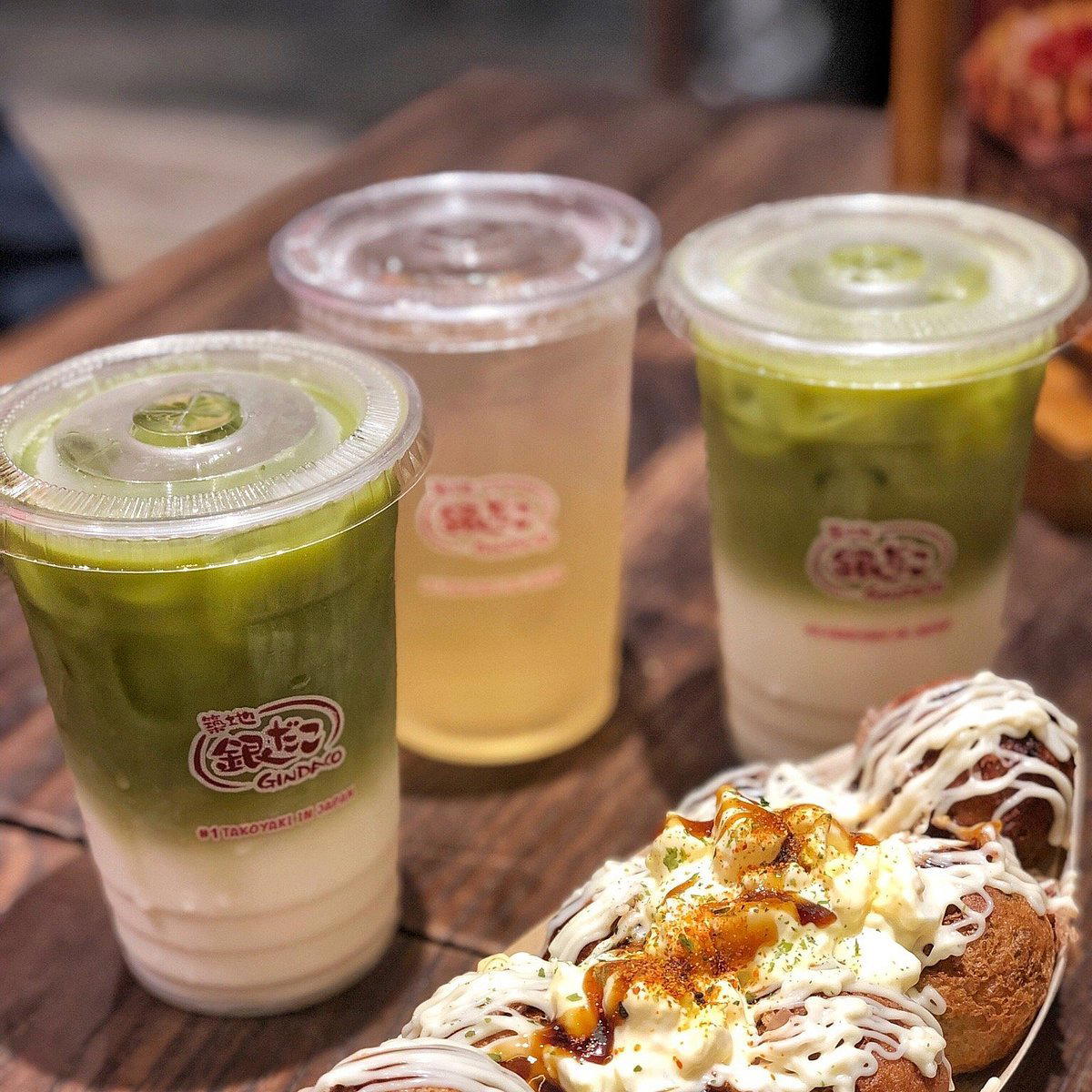
Takoyaki in Jakarta: Japan's Street Food Tradition in a Mall Setting
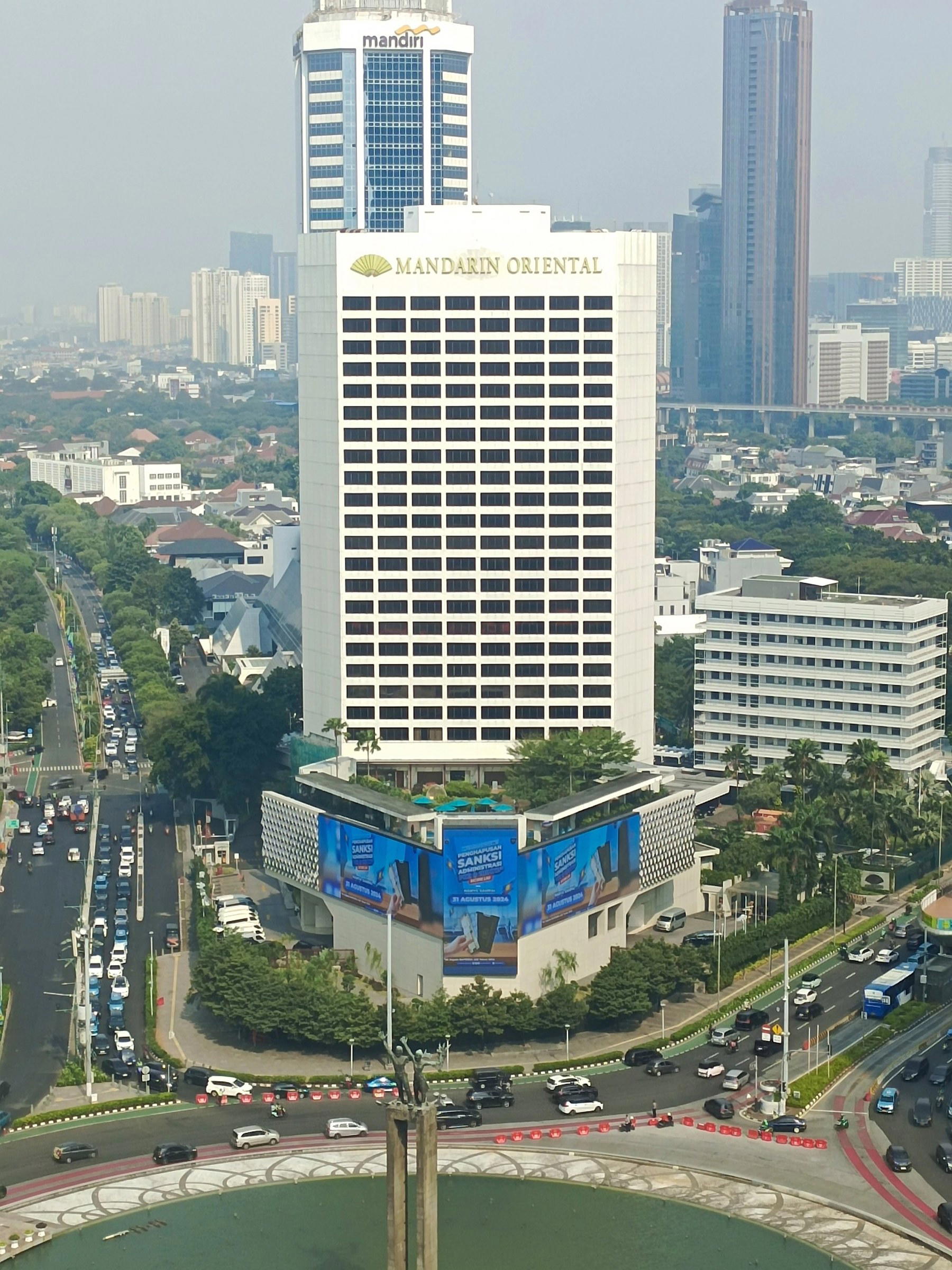
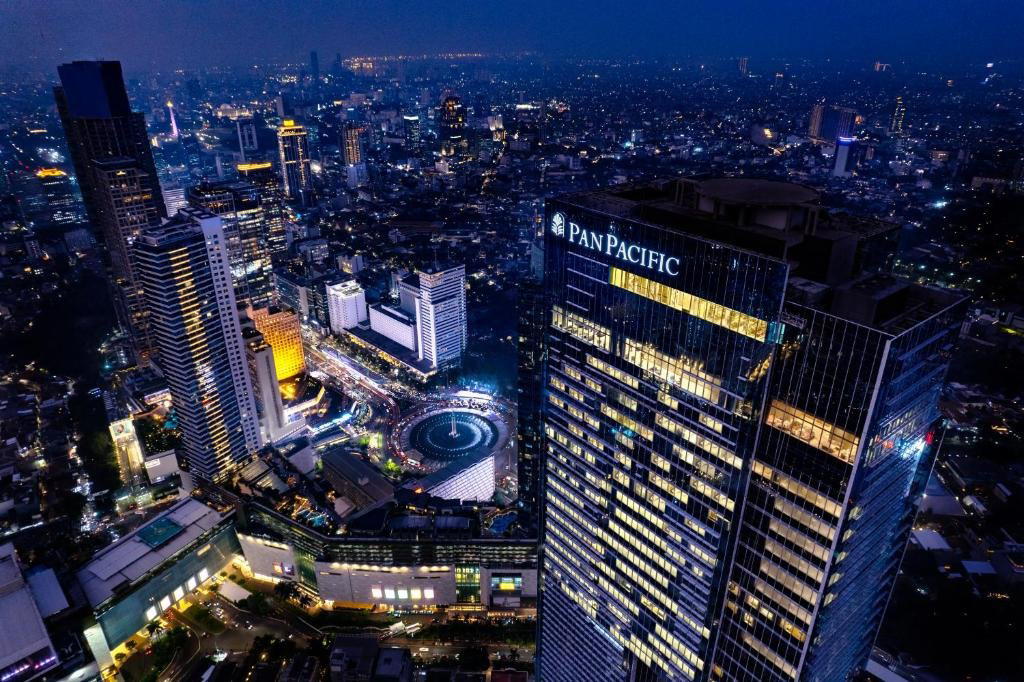
Grand Indonesia Shopping Town is one of Jakarta's largest and most-trafficked retail complexes, sitting on Jalan Mohammad Husni Thamrin in the central district of Kecamatan Menteng. On Level 3A of the East Mall, Gindaco occupies a counter position that is immediately recognizable to anyone familiar with Japanese street food culture: a flat gridded iron plate, rows of spherical molds, and the controlled chaos of batter, filling, and heat that defines takoyaki at its most traditional. Gindaco is a Japanese takoyaki chain from Osaka, bringing that festival-stall snack into a mall setting in Jakarta.
The Takoyaki Tradition and What It Means Outside Japan
Takoyaki as a format has roots in Osaka's working-class street culture, where octopus-filled batter balls cooked on cast-iron plates became the city's most exported culinary identity. The dish travels well, partly because its appeal is kinetic as much as it is edible: watching the rounds turned with picks, the rhythm of the cook's hands, the sizzle of oil against hot iron. When Japanese chain restaurants bring this format to Southeast Asian markets, they test whether the format itself holds up in translation.
Gindaco sits at the commercial end of that spectrum. As a chain rather than an independent counter, it operates with standardized batter recipes and ingredient ratios developed centrally in Japan. That standardization is both its strength and its limitation: consistency across locations is reliable, but the spontaneity of a Dotonbori street stall is not the proposition here. What Jakarta diners get is a coherent introduction to the format, delivered in an air-conditioned setting with a predictable output. For the Indonesian market, where Japanese food culture has significant traction, Gindaco functions as an accessible entry point into a specific Osaka tradition rather than an approximation of fine dining.
Jakarta's Mall Food Culture and the Japanese Fast-Casual Segment
Jakarta's relationship with mall dining is different from most cities. The city's climate, traffic, and urban density push a significant share of dining activity indoors, and premium malls like Grand Indonesia have evolved to support this with food floors that range from local warungs to international chain outposts. Japanese concepts, in particular, have found strong footing across that spectrum, from ramen chains to sushi conveyor formats to, in Gindaco's case, Osaka-style street snacks. This is not a marginal niche: Japanese food consistently ranks among the more searched dining categories in Jakarta, and Grand Indonesia's footfall gives any tenant substantial daily exposure.
Within that context, a counter format like Gindaco performs a specific function. It offers a shareable, low-commitment eating experience that works in a browse-and-eat mall setting better than a full sit-down format would. The walk-in format and quick turnover fit naturally into the rhythms of mall visits. For travelers arriving at Kecamatan Menteng from other Indonesian destinations, the contrast with more regionally specific cooking traditions is useful context: this is a curated import, not a local expression. If you are looking for something rooted in Jakarta's own culinary identity, the search leads elsewhere, including to Kahyangan in Gondangdia or, further afield, to August in Jakarta for a different caliber of cooking.
The broader Indonesian dining scene, particularly in Bali, has attracted international critical attention in recent years, with venues like Locavore NXT in Ubud and Sarong Bali in Canggu pulling serious food travelers. Gindaco operates at the opposite end of that ambition spectrum, which is not a criticism: different dining occasions require different venues. A Moksa in Bali or a Rumari in Jimbaran answers a completely different question than a mall-floor takoyaki counter does. So does a Cuca Restaurant in Badung or a Jungle Fish Bali in Gianyar. The range across Indonesia is wide enough that situating Gindaco within it requires acknowledging what it is rather than what it is not.
Planning a Visit
Gindaco is located on Level 3A of the East Mall at Grand Indonesia Shopping Town, at Jalan Mohammad Husni Thamrin No. 1, Kecamatan Menteng, Jakarta 10310. Grand Indonesia is accessible in central Jakarta, with direct connections from the Bundaran HI MRT station. No reservation is required or applicable to this format. Pricing sits at roughly $8 per person, with individual portions of takoyaki as the core offering. The setting is counter-service with no dress code requirements. Families with children will find the format approachable, both in price and in the visual spectacle of the cooking process. Visitors combining a Menteng dining itinerary with broader exploration of Jakarta's food culture will find our full Kecamatan Menteng restaurants guide a useful reference. Those interested in tracking Indonesian dining more broadly might also note the regional reach of venues like CARANO Masakan Padang in Bekasi, Cafe Organic Canggu in Banjar Badung, or Agreya Coffee Bogor in Bogor, each of which reflects a different facet of the country's eating culture. For reference points at the opposite end of the global dining spectrum, Le Bernardin in New York City and Lazy Bear in San Francisco illustrate how far the ambition range extends, a useful frame for calibrating expectations across EP Club's broader coverage. The Legian in Seminyak rounds out the Indonesian luxury end of the comparison.
Price Lens
Comparable venues nearby, for context on price, style, and recognition.
| Venue | Cuisine | Price | Notes |
|---|---|---|---|
| GindacoThis venue — the venue you are viewing | Menteng, Japanese Takoyaki & Okonomiyaki | $ | Not listed |
| Wee Nam Kee | Not listed | $$ | Menteng, Singaporean Hainanese Chicken Rice |
| Dining Room | Not listed | $$$ | Kecamatan Menteng, Indonesian and Italian Buffet |
| Kita 喜多 Restaurant And Bar | Not listed | $$$$ | Menteng, Modern Japanese with Teppanyaki, Shabu-Shabu, Robatayaki & Omakase |
| Kinshamo Japanese Restaurant | Not listed | $$ | Grogol Utara, Authentic Japanese Robata & Omakase |
| Kimukatsu Manado Town Square | Not listed | $$ | Manado Town Square, Japanese Katsu Specialist |
Continue exploring
More in Kecamatan Menteng
Restaurants in Kecamatan Menteng
Browse all →
Bars in Kecamatan Menteng
Browse all →
At a Glance
- Casual
- Trendy
- Casual Hangout
- Solo
- Family
Casual fast-casual dining environment typical of Japanese food court establishments in shopping malls.