Ginza Cráter
Ginza Cráter occupies a quiet address in Jardines del Pedregal, one of Mexico City's more residential southern districts, placing it at a remove from the tourist-facing dining corridors of Polanco and Roma. The venue sits in a segment of the city's dining scene where neighbourhood roots and local patronage matter more than international visibility, making it a different proposition from the high-profile counters that dominate Mexico City's critical conversation.
Pearl is the En Primeur Club membership app — saves, bookings, and concierge access live there. Same editors, same standards.
- Address
- Cráter 709-local A, Jardines del Pedregal, Álvaro Obregón, 01900 Ciudad de México, CDMX, Mexico
- Phone
- +525575731279
- Website
- ginza.mx
- Directions
- Get directions
 Saves & bookings on Pearl
Where Pedregal Eats, Away from the Spotlight
Jardines del Pedregal developed across mid-century Mexico City on a lava field left by the Xitle volcano, and the neighbourhood has retained a residential character that keeps it off most foreign itineraries. The streets here are quieter, the commercial strips more functional, and the restaurants more oriented toward local households than toward the expense-account circuit. Cráter 709 sits in that context: a street address in a part of the city where the dining ritual is shaped by habit and neighbourhood loyalty rather than reservation-window pressure or critical positioning. Ginza Cráter is a Japanese Sushi Bar in Mexico City's Jardines del Pedregal neighbourhood, where dinner runs about $50 per person and reservations are recommended. That context matters before you consider the venue itself.
Mexico City's fine-dining conversation tends to concentrate in Polanco, where Pujol and Quintonil anchor the internationally visible tier at the $$$$ price point, and in Roma-Condesa, where places like Rosetta work a creative-neighbourhood register. Pedregal operates on different rhythms. The clientele tends to be southern-city residents who have been coming to their preferred spots for years, and the dining culture reflects that continuity.
The Ritual of the Neighbourhood Meal
In many Mexican cities, the comida, the long midday meal, remains the structuring event of the day, and in established residential neighbourhoods like Jardines del Pedregal, the local restaurant plays a specific social role: it is where families mark occasions, where business is conducted across generations of the same families, and where the pace is set by the guests rather than by a kitchen's tasting-menu clock. That dining culture differs from the format discipline that governs somewhere like Em in Roma Norte, where the tasting format structures the experience from arrival.
The name Ginza Cráter is itself a signal worth reading. Ginza references the high-end Tokyo commercial district associated with precision and premium positioning; Cráter references the street address, which in turn references the volcanic geology beneath Pedregal. The pairing of those two registers, aspirational international reference grafted onto a hyper-local address, is a pattern seen in restaurants throughout Latin American cities that are working to hold a neighbourhood audience while signalling ambition. Whether Ginza Cráter executes on that tension is a question the available record does not answer with specifics, but the naming choice itself tells you something about how the venue frames itself.
Southern Mexico City as a Dining Zone
The southern districts of Mexico City, Pedregal, San Ángel, Coyoacán, Tlalpan, have historically produced restaurants with strong local followings and low external profiles. This is partly geographic: the area is further from the airport, the international hotels, and the media infrastructure that generates visibility. It is also cultural: the southern city has a different social texture, shaped by the university (UNAM is nearby), by older money, and by a preference for continuity over novelty.
That environment produces a particular type of restaurant loyalty. Regulars return because the place fits the rhythm of their week, not because a platform pushed it to stronger examples from a search result. The dining ritual in these settings is less about discovery and more about maintenance, of a table, of a relationship with the staff, of a preference already formed. Venues in this mode compete less directly with the high-profile creative restaurants in the north of the city and more with each other on consistency and local recognition.
For comparison, Mexico's dining ambition shows up in different registers across the country: the open-fire formalism of Animalón in Valle de Guadalupe, the technique-driven theatrics of Le Chique in Puerto Morelos, the regional ingredient focus of KOLI Cocina de Origen in Monterrey, the market-rooted cooking of Levadura de Olla in Oaxaca, or the wine-country minimalism of Lunario in El Porvenir. The restaurant, based on its neighbourhood and address, belongs to none of those registers. It occupies the quieter category of the city-residential restaurant, a category that sustains Mexico City's actual daily dining life more than any single acclaimed counter does.
What to Expect From This Part of the City
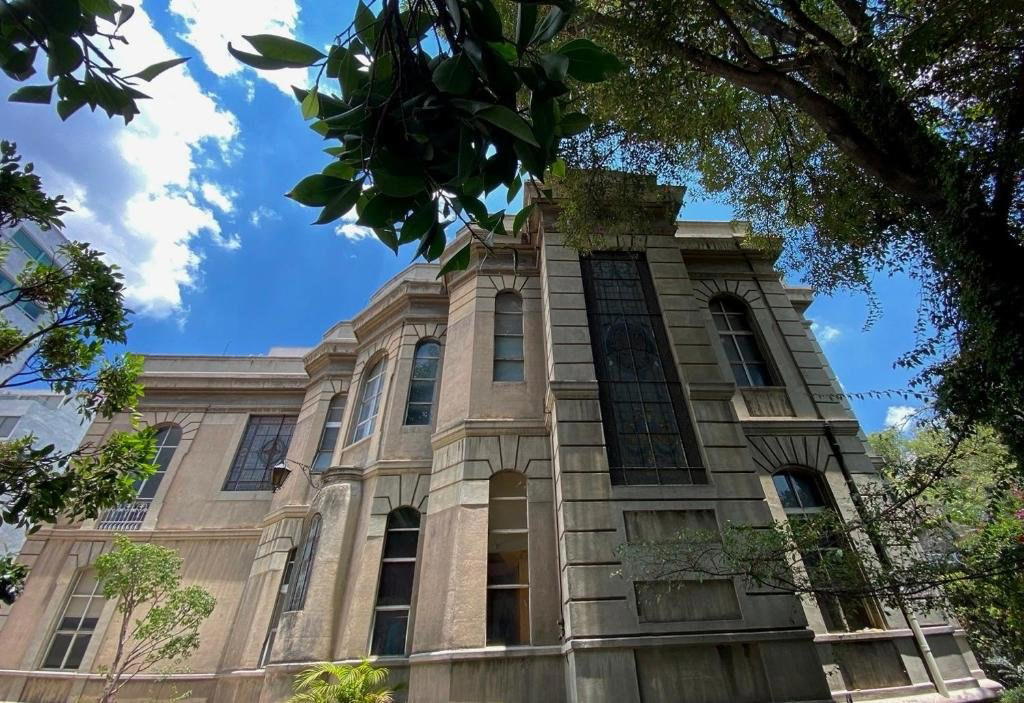
Visitors approaching Pedregal from central Mexico City typically do so by taxi or rideshare; the neighbourhood is accessible but not walkable from the major hotel corridors. The streets around Jardines del Pedregal are residential and relatively calm, particularly on weekday afternoons. The lava-rock walls and mid-century architecture that characterise parts of the area give it a visual character distinct from the art-deco and modernist stock of Roma and Condesa.
For dining in this southern band of the city, the relevant comparable set is not Polanco's high-ticket counters but rather the established neighbourhood restaurants that have built local franchises over years or decades. Some of these places carry no digital footprint worth speaking of; their continuity is its own credential. That is a different trust signal than a Michelin star or a placement on a global list, but in Mexican dining culture, it is not a lesser one. The long-running neighbourhood restaurant has survived economic cycles, shifts in taste, and the expansion of delivery platforms, and done so by holding the loyalty of people who live five minutes away.
Related contexts worth knowing: Sud 777 works the creative end of the southern city more visibly, and has done so with enough critical recognition to be on international radars. Further afield in Mexico's dining geography, HA' in Playa del Carmen, Pangea in San Pedro Garza García, Olivea in Ensenada, Alcalde in Guadalajara, and Arca in Tulum each represent distinct regional expressions of Mexican restaurant culture. For international reference points on what high-discipline dining ritual looks like in other contexts, Le Bernardin in New York City and Lazy Bear in San Francisco offer useful comparative frames.
Planning a Visit
Address: Cráter 709-local A, Jardines del Pedregal, Álvaro Obregón, 01900 Ciudad de México, CDMX, Mexico. Reservations: Recommended. Timing: Mon: 1-10pm; Tue-Sun: 1-11pm, except Sunday 1-10pm. Budget: About $50 per person.
A Minimal comparable set
Comparable venues nearby, for context on price, style, and recognition.
| Venue | Cuisine | Price | Notes |
|---|---|---|---|
| Ginza CráterThis venue — the venue you are viewing | Not listed | $$$ | Not listed |
| Deigo | Benito Juarez, Traditional Japanese | $$$ | Not listed |
| Narú | Not listed | $$$ | Bosques de Las Lomas, Mexican-Japanese Fusion |
| Rokai Ramen-Ya | Not listed | $$$ | Cuauhtemoc, Authentic Japanese Ramen-Ya & Sushi |
| El Japonez Santa Fe | Not listed | $$$ | Centro Comercial Santa Fe, Modern Japanese Fusion |
| Wa Teppan | Not listed | $$ | Centro Comercial Santa Fe, Japanese Teppanyaki & Sushi |
Continue exploring
More in Mexico City
Restaurants in Mexico City
Browse all →
Bars in Mexico City
Browse all →

At a Glance
- Cozy
- Intimate
- Elegant
- Date Night
- Special Occasion
- Chefs Counter
- Open Kitchen
- Terrace
- Craft Cocktails
Current opening hours
- Monday
- 1–10 PM
- Tuesday
- 1–11 PM
- Wednesday
- 1–11 PM
- Thursday
- 1–11 PM
- Friday
- 1–11 PM
- Saturday
- 1–11 PM
- Sunday
- 1–10 PM
Hours can change for holidays and private events. Last verified .
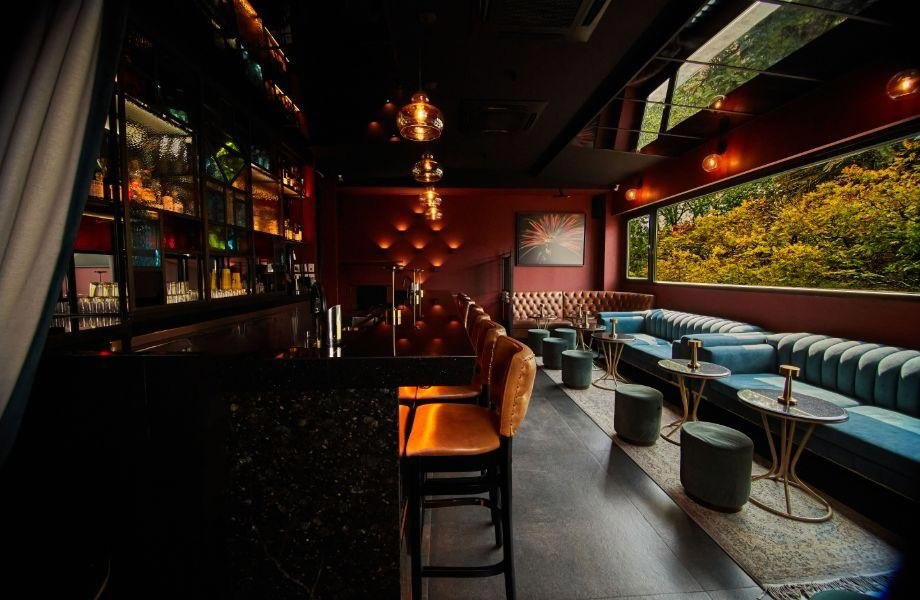
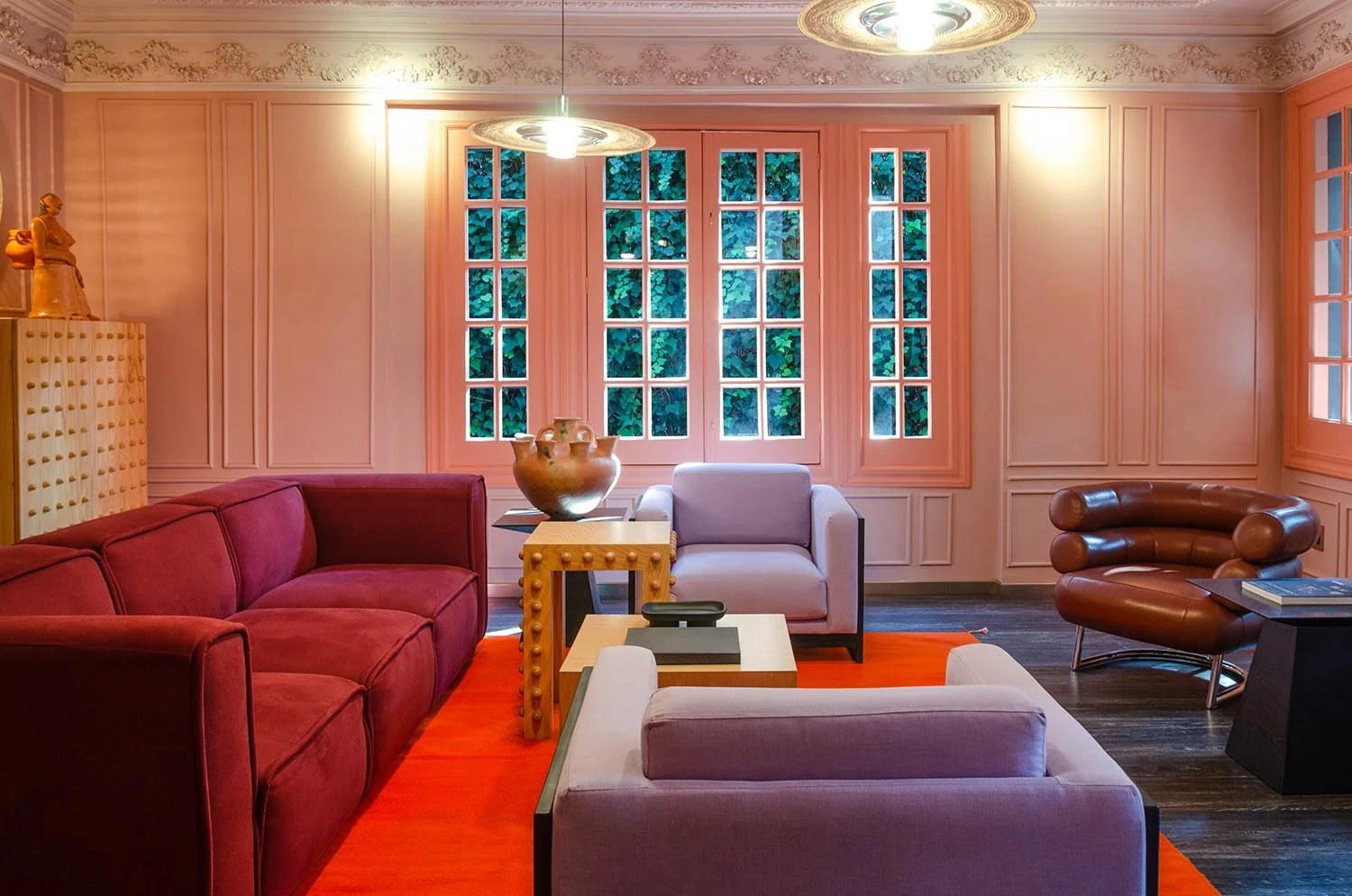
Small, cozy space with comfortable terrace and air-conditioned upper floor, relaxed atmosphere with good music.