Deigo
Deigo occupies a Col del Valle address in Benito Juárez, a residential quarter that has quietly accumulated serious dining credentials alongside Mexico City's more celebrated Roma and Condesa corridors. The restaurant sits within a neighbourhood where the gap between local favourite and destination address is narrow, and where menu architecture tends to signal intent more clearly than décor or price alone.
 Discover on Pearl
Pearl is the En Primeur Club membership app — saves, bookings, and concierge access live there. Same editors, same standards.
- Address
- C. J. Enrique Pestalozzi 1238, Col del Valle Centro, Benito Juárez, 03100 Ciudad de México, CDMX, Mexico
- Phone
- +525525536120
- Website
- deigo.mx
Col del Valle and the Quiet Side of Mexico City's Dining Map
Mexico City's restaurant conversation defaults to a handful of postcodes: Roma Norte for creative casualness, Polanco for ceremony and corporate expense accounts, Condesa for the see-and-be-seen. Col del Valle, the residential grid south of Insurgentes where Deigo operates on Calle J. Enrique Pestalozzi, is set apart from all of that. The neighbourhood draws a local professional crowd rather than design-hotel tourists, and the restaurants that survive there tend to earn their place through cooking rather than location premium. That context matters when reading Deigo's positioning: this is not a venue that relies on foot traffic from gallery openings or hotel concierges.
The broader Mexico City dining scene has split into recognisable tiers over the past decade. At the leading sits a cluster of internationally tracked addresses, Pujol and Quintonil among them, where tasting menu prices match European fine dining and reservations require planning weeks in advance. Below that, a growing mid-tier has developed, restaurants charging in the range of places like Rosetta or Em, where creative cooking meets accessible pricing and neighbourhood loyalty. Deigo appears to operate in this contested middle ground, where the competitive pressure comes from the density of capable kitchens within a few kilometres.
What the Address Tells You About the Kitchen
In cities where real estate shapes restaurant culture as directly as it does in Mexico City, a Col del Valle address carries specific implications. Rents run lower than in Polanco or the more fashionable Roma blocks, which historically allows kitchens in the area to take more risks with format and menu structure without those decisions being underwritten by high covers and quick table turns. The tradeoff is that destination diners need a reason to make the trip south. Restaurants in this part of the city that build a following typically do so through word of mouth among residents, which tends to create a more durable local reputation than coverage-driven surges.
Mexico's wider restaurant scene offers a useful comparison set. Regional specialists like Levadura de Olla Restaurante in Oaxaca and KOLI Cocina de Origen in Monterrey have demonstrated that serious cooking outside Mexico City's most-photographed postcodes builds credibility through ingredient sourcing and technique rather than scene adjacency. Closer to Deigo's geography, the question is whether the Col del Valle address is incidental or integral to what the restaurant is trying to do.
Menu Architecture as the Real Signal
In Mexican restaurants operating outside the obvious luxury tier, menu structure functions as the clearest indicator of culinary ambition. A kitchen that organises its menu around Mexican regional produce and technique, rather than around international comfort formats, is making a different statement than one that runs a broadly contemporary menu with local garnishes. The former requires deeper supplier relationships, more precise cooking windows, and a dining room willing to follow the kitchen into less familiar territory.
The restaurants that have built the most durable reputations in Mexico City's mid-tier tend to share a structural characteristic: their menus are internally coherent rather than assembled to satisfy the broadest possible appetite range. Sud 777 is one example of a kitchen that made its name through a clear point of view on Mexican ingredients rather than through format flexibility. Internationally, the same logic applies at places like Lazy Bear in San Francisco, where menu architecture communicates the kitchen's priorities before a single dish arrives. How a restaurant sequences courses, what it chooses to make in-house versus source, and where it places its most labour-intensive preparations relative to its most accessible ones, all of this is editorial work that happens before service begins.
For Deigo, operating in a neighbourhood where the dining public skews local and returning rather than tourist and one-time, menu coherence carries particular weight. A repeat customer reads a menu differently than a first-timer: they notice when dishes rotate with the season, when a new preparation replaces a familiar one, and when the kitchen is pushing its own vocabulary forward versus consolidating. Restaurants that hold a local crowd through multiple visits tend to be the ones whose menus evolve with enough regularity to reward return without losing the throughlines that made the original impression.
The Wider Mexican Context
Mexico's dining geography has expanded significantly as a critical subject. The Baja corridor, anchored by places like Animalón in Valle de Guadalupe and Olivea Farm to Table in Ensenada, has drawn international attention for its wine-adjacent dining culture. The Yucatán and Caribbean coast produce addresses like Le Chique in Puerto Morelos and HA' in Playa del Carmen that operate in a resort-adjacent register quite different from the capital. Guadalajara's Alcalde and Lunario in El Porvenir represent the northern and western edges of Mexico's serious cooking conversation. Tulum's Arca occupies a different commercial register again.
Within Mexico City specifically, the competition for attention among mid-tier restaurants is dense enough that longevity itself becomes a credential. A restaurant that has survived multiple economic cycles in a residential neighbourhood, without the support of a hotel affiliation or a celebrity chef profile, has demonstrated something that a press-launch success cannot. That durability is worth noting when assessing any Col del Valle address.
Planning Your Visit
| Venue | Neighbourhood | Price Tier | Format | Peer Reference |
|---|---|---|---|---|
| Deigo | Col del Valle | Not confirmed | Not confirmed | Mid-tier Mexico City |
| Rosetta | Roma Norte | $$ | À la carte / tasting | Creative Italian-Mexican |
| Em | Roma Norte | $$$ | Tasting menu | Modern Mexican |
| Pujol | Polanco | $$$$ | Tasting menu | Flagship Mexican fine dining |
| Quintonil | Polanco | $$$$ | Tasting menu | Modern Mexican, Michelin-tracked |
Col del Valle is accessible from Roma and Condesa by taxi or app-based ride in under fifteen minutes outside peak hours. The neighbourhood has limited tourist infrastructure, so confirming current hours, booking method, and any reservation requirements directly before visiting is advisable.
Cuisine-First Comparison
Comparable venues nearby, for context on price, style, and recognition.
| Venue | Cuisine | Price | Awards | Notes |
|---|---|---|---|---|
| DeigoThis venue — the venue you are viewing | Traditional Japanese | $$$ | , | |
| UNI by Batta Sushi | Authentic Japanese Sushi | $$$ | , | Polanco Chapultepec |
| Suntory Del Valle | Traditional Japanese Teppanyaki | $$$ | , | Del Valle Norte |
| Ichikani Arcos | Modern Japanese with Hand Rolls | $$$ | , | Cooperativa Palo Alto |
| Tatsugoro | Edomae Omakase | $$$$ | , | Nva Anzures |
| El Japonez Santa Fe | Modern Japanese Fusion | $$$ | , | Centro Comercial Santa Fe |
Continue exploring
More in Mexico City
Restaurants in Mexico City
Browse all →
Bars in Mexico City
Browse all →

At a Glance
- Classic
- Modern
- Date Night
- Family
- Open Kitchen
- Craft Cocktails
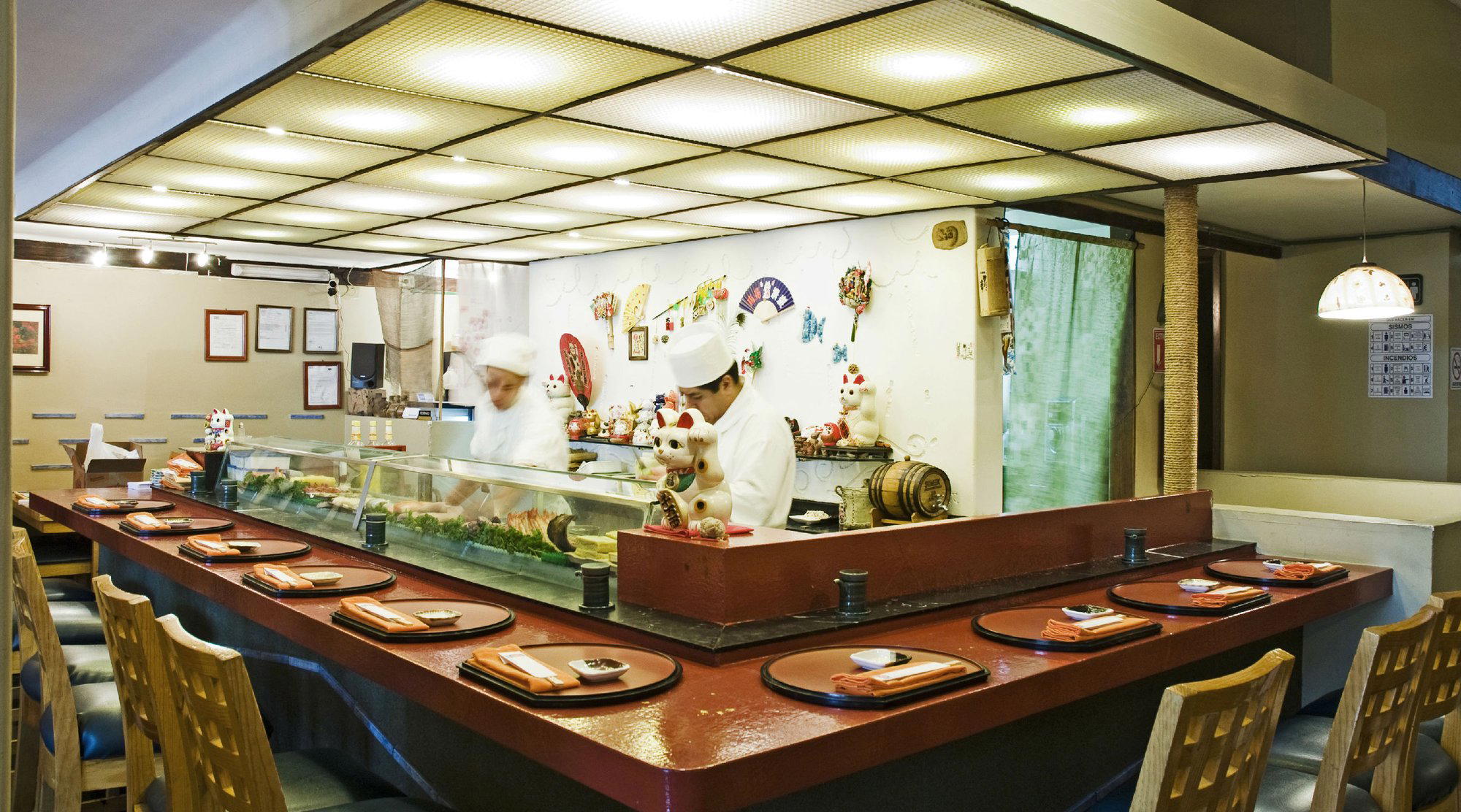
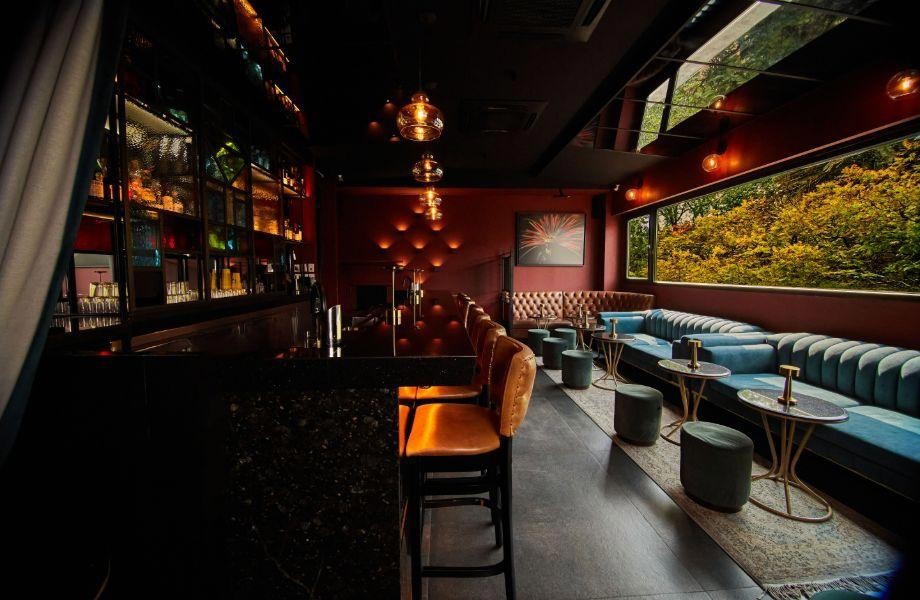
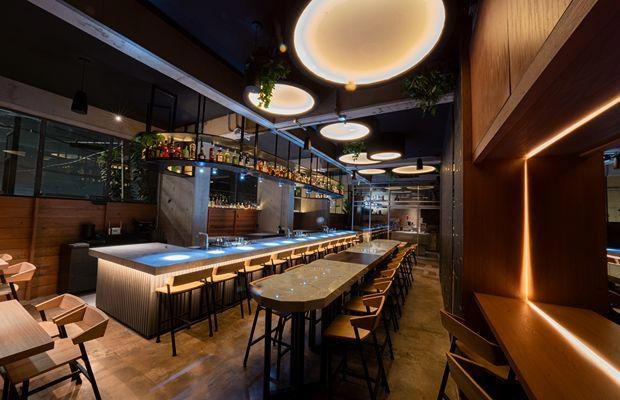
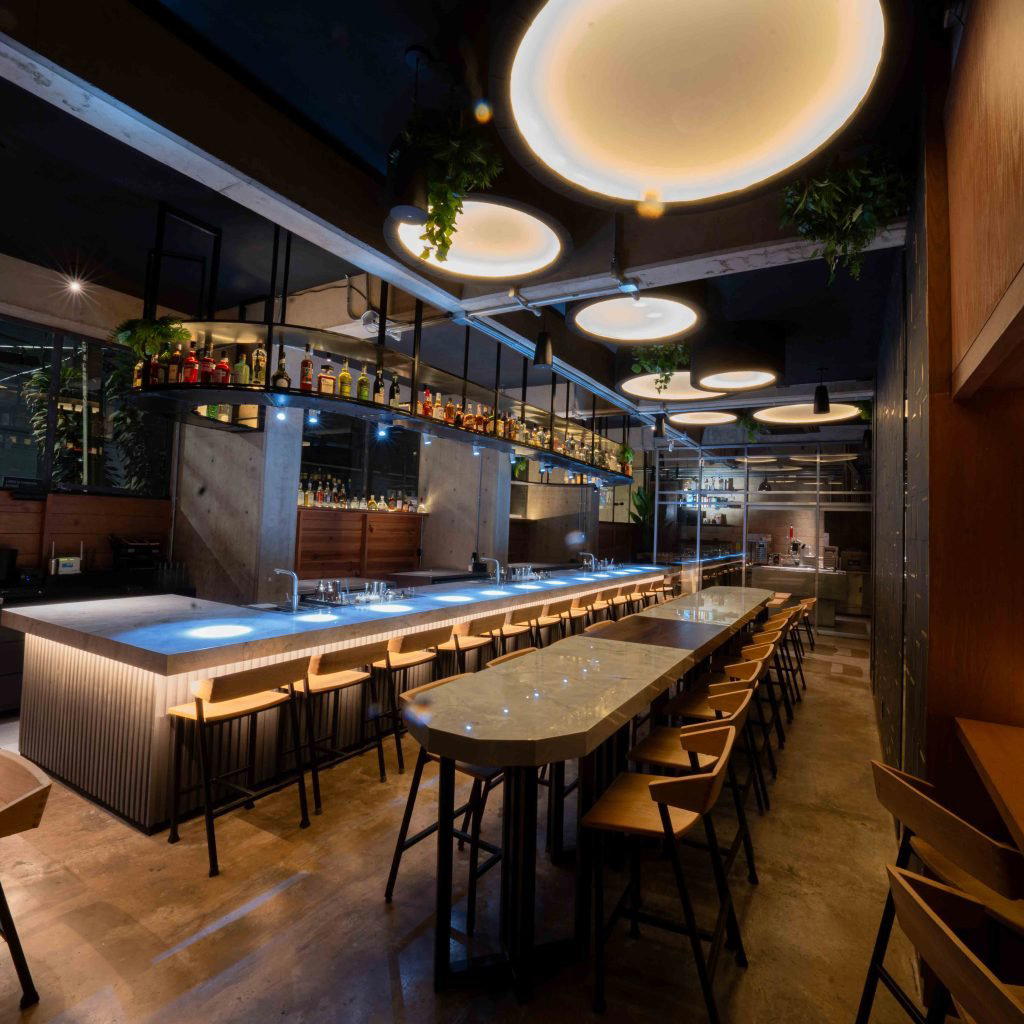
Nice decor with great ambiance inside, typical Japanese style.