Gilgamesch occupies a Bornheim address on Rotlintstraße, sitting within Frankfurt's most textured neighbourhood dining corridor. The venue draws attention in a city where the restaurant scene has quietly matured beyond its financial-district reputation, and where neighbourhood-rooted dining has become a sharper signal of a serious operation than proximity to the Zeil.
Pearl is the En Primeur Club membership app — saves, bookings, and concierge access live there. Same editors, same standards.
- Address
- Rotlintstraße 81, 60389 Frankfurt am Main, Germany
- Phone
- +496995635688
- Website
- gilgamesch-ffm.de
- Directions
- Get directions
 Saves & bookings on Pearl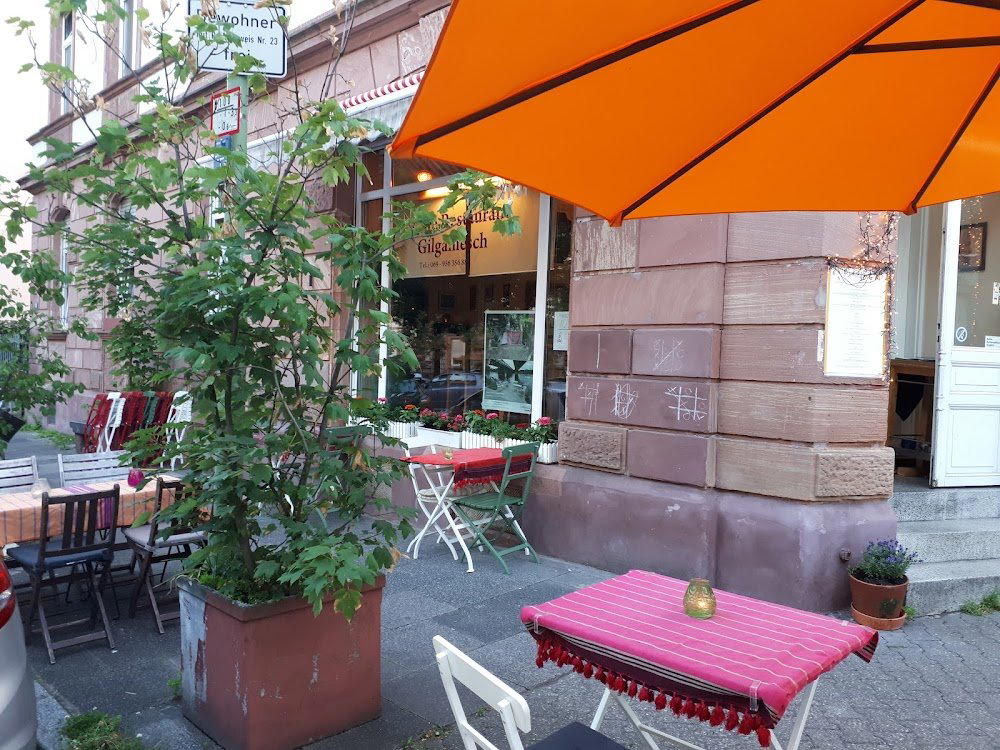
Bornheim's Quiet Seriousness
Frankfurt has spent the better part of the past decade building a dining identity that extends past the bankers' circuit in Sachsenhausen and the hotel dining rooms of the Innenstadt. The neighbourhood of Bornheim, where Gilgamesch sits at Rotlintstraße 81, has been part of that shift. Streets like Rotlintstraße function as a corrective to the idea that serious dining in Frankfurt requires a tower-block address. The density of independent operators here, running alongside the area's older Turkish and Eastern European food culture, produces a corridor where ambition and neighbourhood scale coexist without the self-consciousness you find in more polished districts. Gilgamesch belongs to that grain of the city.
The name itself, drawn from the ancient Mesopotamian epic, one of the oldest surviving works of literature, signals something about orientation: a preference for depth over the cosmopolitan neutrality that Frankfurt's more corporate dining rooms tend to project. In a city where the financial district's gravitational pull shapes so many operator decisions, a Bornheim location is a choice with meaning.
What the Wine Frame Reveals
Frankfurt occupies an interesting position in Germany's wine geography. The city sits within reach of the Rheingau, Riesling's home ground, as well as the Rheinhessen to the south and the increasingly talked-about Ahr to the north. For any Frankfurt restaurant with serious cellar intentions, the question of how to handle German wine relative to French and Italian benchmarks is a genuine editorial one. Particularly considered Frankfurt lists have moved toward programs that treat Mosel Riesling or Baden Spätburgunder with the same rigor applied to Burgundy or Barolo.
For comparison, the depth of approach at places like Schanz in Piesport, operating at the Mosel's edge, shows how proximity to a wine region shapes cellar discipline in Germany's leading houses. Further up the recognition tier, Waldhotel Sonnora in Dreis and Vendôme in Bergisch Gladbach maintain cellars that reach across decades and regions with the confidence of venues that treat wine as architecture rather than accessory. The relevant question for a Bornheim address is how that ambition scales to a neighbourhood format, and whether the curation reflects the city's regional wine geography or defaults to the international catalog.
In Frankfurt's independent restaurant tier, the wine program is often the single clearest differentiator between an operator who takes the table seriously and one who does not. At venues like atm by Deli&Grape, the wine-first orientation is built into the concept's DNA. Gilgamesch's positioning on Rotlintstraße places it in a part of the city where that kind of specificity can carry real weight with a local crowd that has become, over the past decade, considerably more literate about what it's drinking.
Frankfurt's Neighbourhood Dining Register
The comparison set for a Bornheim restaurant is not the city's hotel dining rooms. The peer group is closer to home: independent operators across Bornheim, Nordend, and Sachsenhausen who have built regular followings without institutional backing. In that frame, the relevant signals are consistency, kitchen conviction, and whether the room reads as a place people return to rather than visit once. Frankfurt's dining press has tracked this neighbourhood tier with increasing attention, particularly as places in the Sachsenhausen corridor, ALEJANDRO'S, Babam, and Ariston among them, have shown that the city's most interesting dining decisions are happening away from the recognition infrastructure.
That shift is also visible in how Frankfurt positions itself relative to Germany's three-star tier. The benchmark houses, Schwarzwaldstube in Baiersbronn, Aqua in Wolfsburg, and Victor's Fine Dining by Christian Bau in Perl, operate at a remove from urban neighbourhood dining. Frankfurt's independent sector is carving its identity in a different register: less ceremony, more argument. Allgaiers Restaurant and JAN in Munich illustrate how that ambition looks when it coheres into a consistent point of view. The question Gilgamesch raises, and that the Bornheim address makes immediate, is where on that spectrum the kitchen and cellar have chosen to operate.
The international frame is useful too. At Le Bernardin in New York City or Lazy Bear in San Francisco, the cellar program is inseparable from the kitchen's identity, the two halves of the experience function as a single argument. At CODA Dessert Dining in Berlin, format innovation has become the organising principle. In Frankfurt's neighbourhood tier, the equivalent organising question is usually simpler and more direct: does the room have a point of view, and does it hold that point of view consistently through the meal?
Planning a Visit
Gilgamesch is at Rotlintstraße 81 in the Bornheim district, reachable from Frankfurt's city centre via the U4 or U7 lines toward Bornheim Mitte, a journey of roughly ten to fifteen minutes from the Hauptwache interchange. The neighbourhood is leading visited in the early evening when Rotlintstraße's mix of residents and diners is at its most characteristic, the foot traffic here reads nothing like the curated leisure of the Fressgass. Frankfurt's neighbourhood restaurants at this level tend not to operate open-seating walk-in policies on weekends, so advance planning is advisable regardless of format.
Recognition Snapshot
Comparable venues nearby, for context on price, style, and recognition.
| Venue | Cuisine | Price | Notes |
|---|---|---|---|
| GilgameschThis venue — the venue you are viewing | Persian Middle Eastern | $$ | Not listed |
| Shalom Makkabi | Kosher Israeli-Mediterranean Grill | $$ | Palmengarten |
| Vipho | Authentic Vietnamese | $$ | Palmengarten |
| Ristorante Sardegna | Authentic Sardinian Italian | $$ | Roemerberg |
| La Perla Nera | Authentic Italian Ristorante | $$ | Enkheim |
| Onocubes | Asian Fusion Poké Bowls & Tapas | $$ | Palmengarten |
Continue exploring
More in Frankfurt
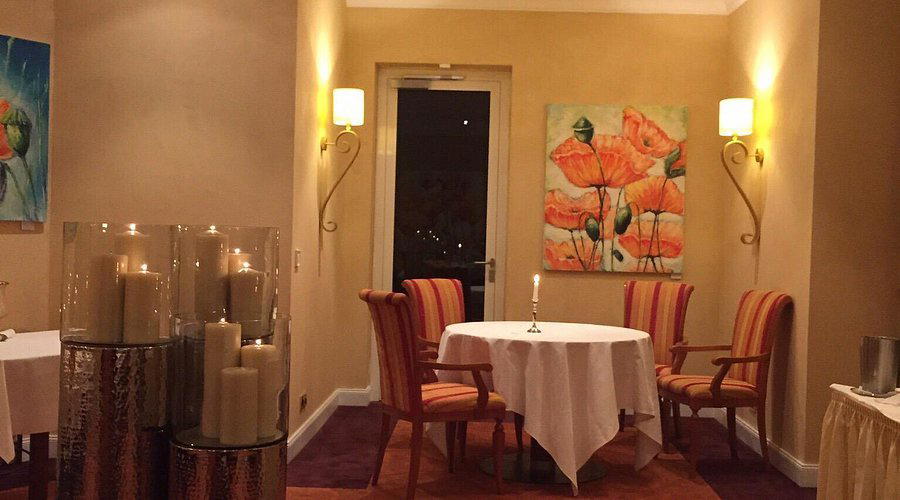
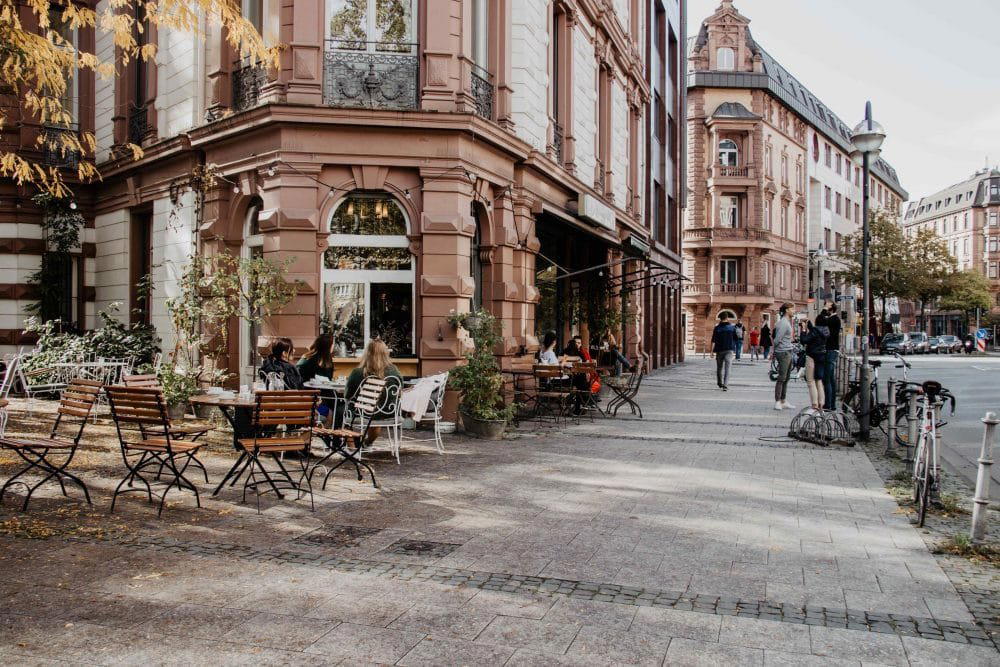
Restaurants in Frankfurt
Browse all →
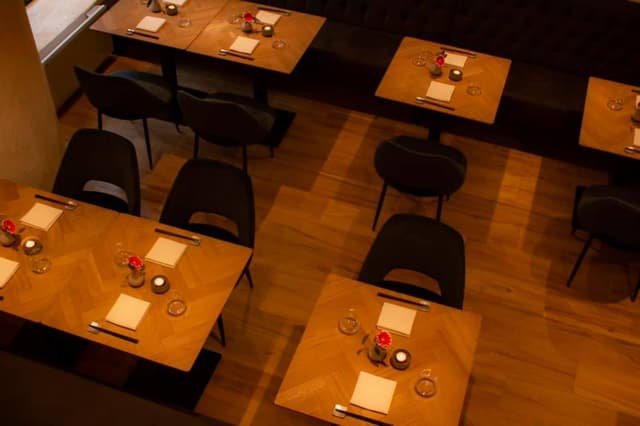
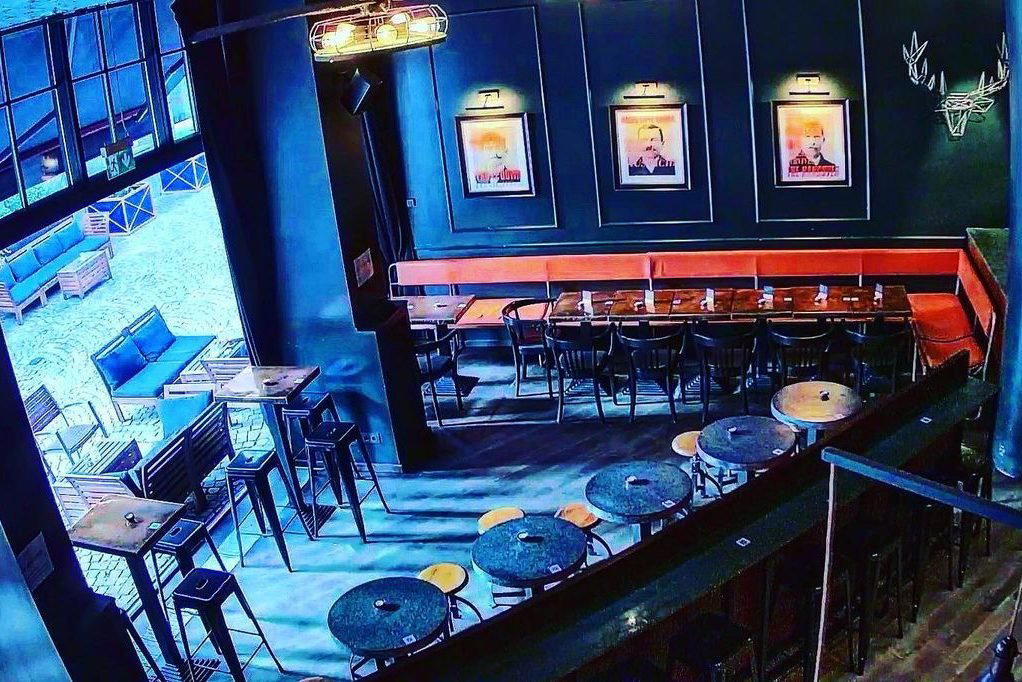
Bars in Frankfurt
Browse all →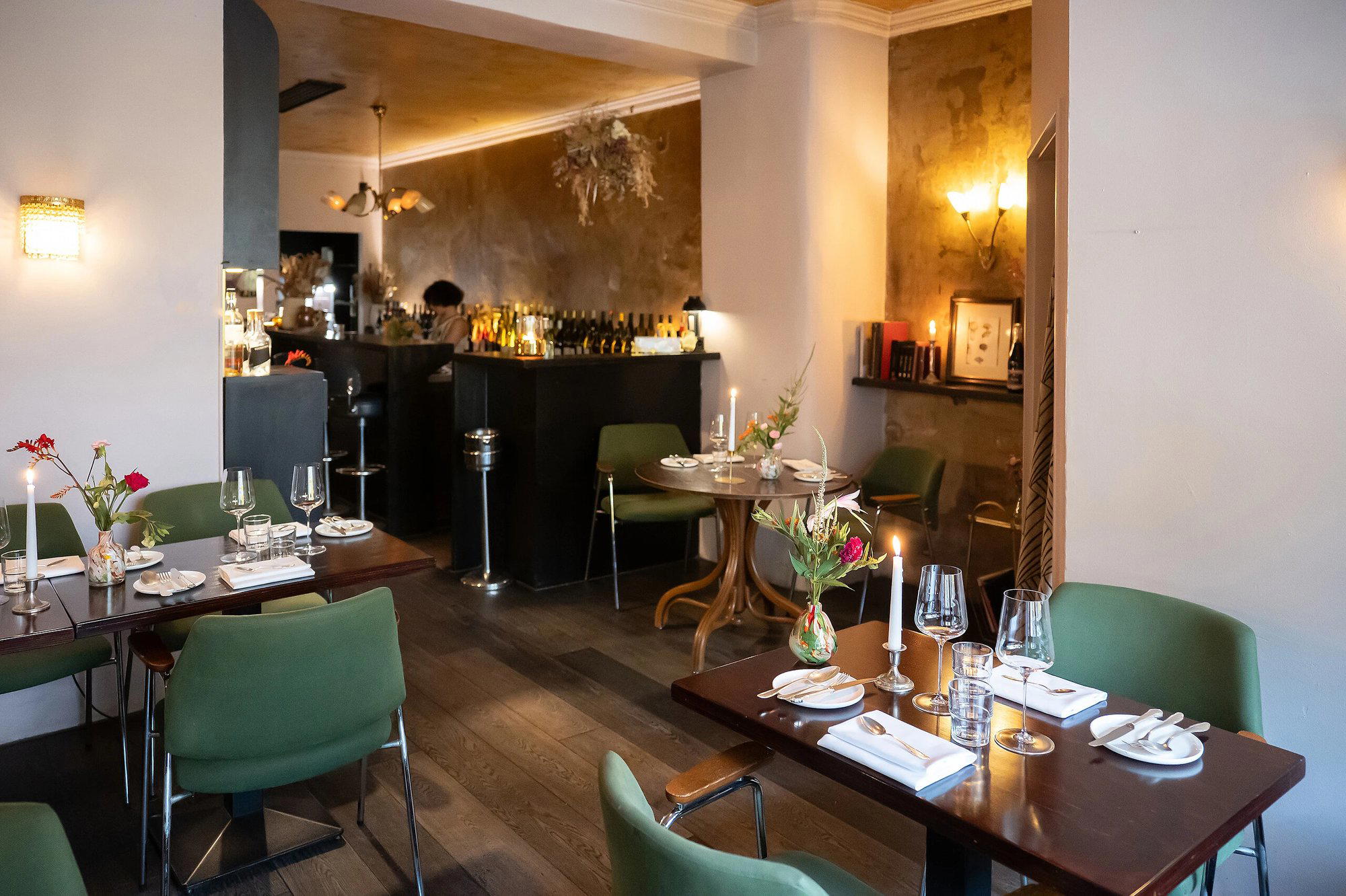
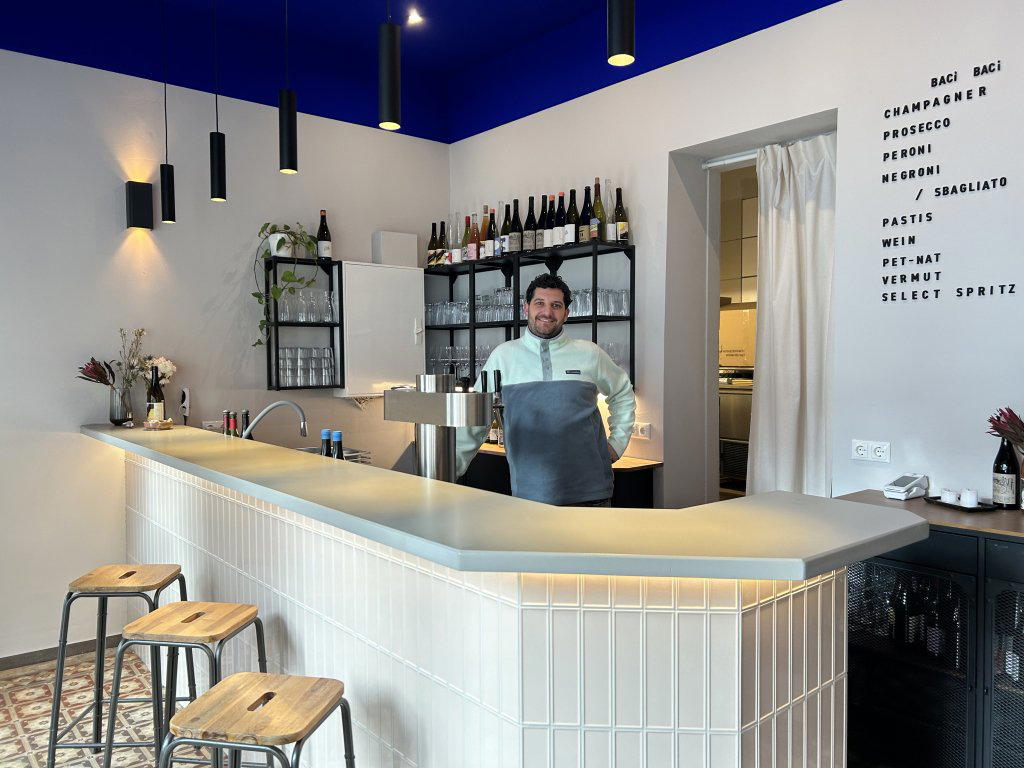

Hotels in Frankfurt
Browse all →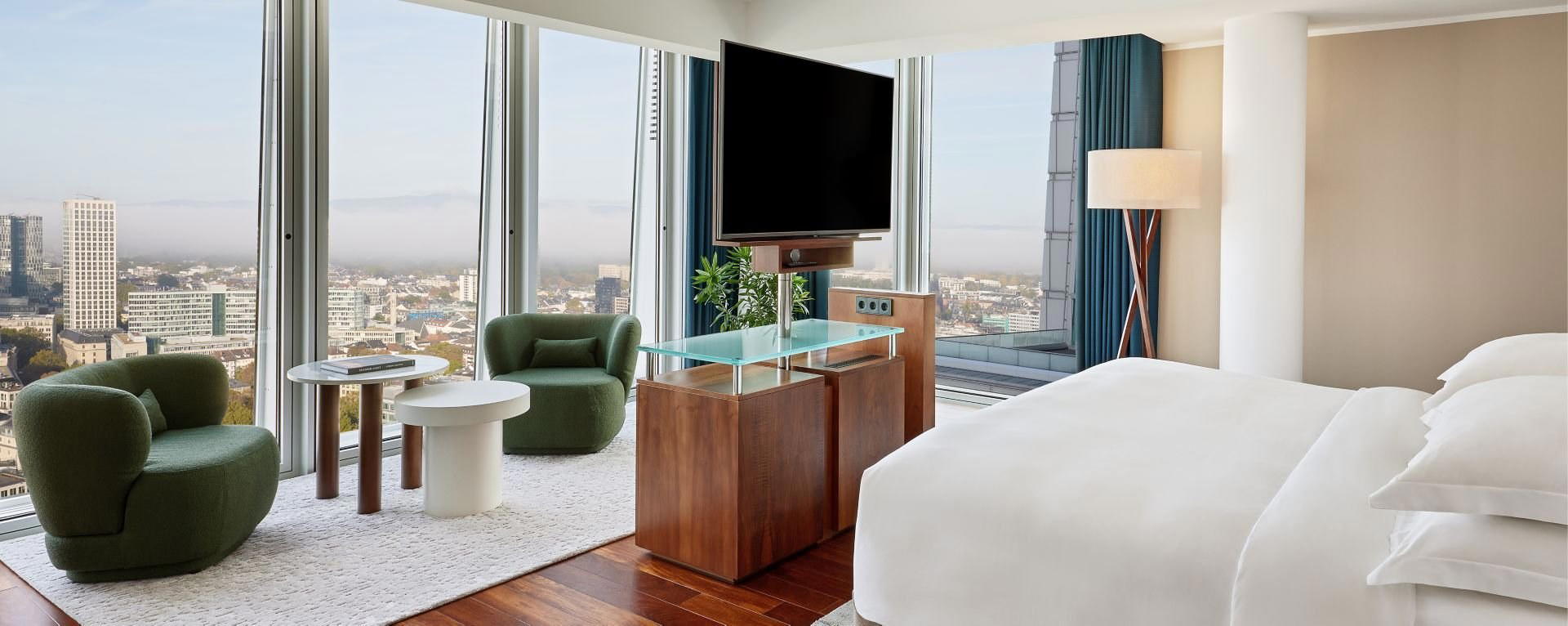

At a Glance
- Cozy
- Casual Hangout
Current opening hours
- Monday
- 6–11 PM
- Tuesday
- 6–11 PM
- Wednesday
- 6–11 PM
- Thursday
- 6–11 PM
- Friday
- 6–11 PM
- Saturday
- 6–11 PM
- Sunday
- Closed
Hours can change for holidays and private events. Last verified .
Cozy atmosphere with Arabic-Mediterranean dishes.